
Takeaway
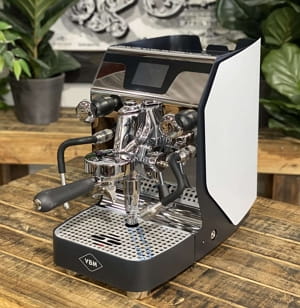
EU: ~€1,315 • UK: ~£1,249 • US: patchy availability (often via EU import). Interchangeable color side panels on “New Edition”.
VBM Domobar Single Boiler Digital
Compact E61 with modern control: a 0.5 L single boiler, vibration pump, OLED interface for brew-temperature setpoint, front gauge feedback, and an honest one-drink steam cadence.
Overview
The Domobar Single Boiler Digital is the “small but serious” VBM: a 0.5 L electronically regulated boiler, E61 thermosiphon group with mechanical preinfusion, 58 mm format, a 128×64 OLED with capacitive keys for brew-temp setpoint, and a front pressure gauge. It warms quickly for a boiler machine, steams one drink cleanly, and drops back to brew with a short cooling flush. Tank and tray warnings reduce daily friction, and the New Edition’s swap-able color panels keep it fun.
Pros
- E61 group with mechanical preinfusion in a compact case
- OLED interface with panel-set brew temperature
- Useful front pump-pressure gauge for puck feedback
- Sensor-monitored reservoir & on-screen tray/tank alerts
- Interchangeable side panels and rotating color options
Cons
- Single-boiler sequencing slows multi-drink milk service
- No built-in shot timer
- US availability is inconsistent vs. Junior/Super lines
- Tank capacity not formally published; listings quote ~1.7 L
Features & Specs
- Type: Single-boiler, dual-use
- Boiler: 0.5 L, electronically regulated (single circuit)
- Group: VBM E61 thermosiphon • manual lever • 58 mm
- Interface: 128×64 OLED + capacitive keys • 40 mm front gauge
- Pump: Vibration
- Water: Sensor-monitored reservoir (~1.7 L per current EU listings)
- Wand: Multi-directional steam/hot-water (no-burn on recent stock)
- Power: 1400 W (EU 240 V 50/60 Hz)
- Size/Weight: 22 W × 40 D × 37 H cm • ~15 kg
Workflow & Dial-In
- Warm up: Park PF in group. When OLED shows setpoint, run a short blank to heat the path/cup.
- Setpoints: Start ~93–94 °C for medium roasts; nudge +1 °C for medium-light.
- Pull: 18 g in → 36 g out in 25–30 s. Use gauge as puck-resistance feedback.
- Steam: Toggle steam, purge to dry steam, texture a 150–200 ml pitcher to ~60–65 °C.
- Return: Switch back to coffee; brief cooling flush to drop boiler into brew zone.
Steaming & Hot Water
Single-drink honesty: the 0.5 L boiler gives clean, controllable steam for small pitchers. Purge generously, aerate briefly just under the surface, then set a steady roll. Wipe/purge immediately after, then cool back to brew.
Maintenance & Water
- Daily: Water backflush after sessions; wipe & purge wand every use.
- Weekly: Detergent backflush (3-way valve present).
- Scale: Use friendly-hardness water; descale per usage/source.
- Parts: Strong EU parts ecosystem (elements, probes, gaskets, wands).
Comparisons
- Profitec GO: 0.3 L, PID + shot timer, external OPV; ring group vs E61; no hot-water spout.
- ECM Casa V: Ring group + easy OPV; no PID—requires surfing cadence.
- Lelit Victoria PL91T: 58 mm with LCC PID & menu preinfusion; different UI style.
- Bezzera BZ09: 0.5 L copper; heated BZ group; no PID/timer—quick warmup.
- Domobar Junior HX: Larger HX sibling for simultaneous brew/steam.
Pricing & Availability (Nov 2025)
- EU: ~€1,315 (color upcharges possible).
- UK: ~£1,249 at specialist shops.
- NA: Limited distribution; many buyers import the Single-Boiler Digital.
FAQs
- Shot timer?
- No built-in timer; use a scale/timer if desired.
- Brew temperature?
- Set from the OLED; adjust in small degree steps.
- Hot water?
- Via the shared wand; no separate tap.
- Tank size?
- Sensor-monitored; recent EU listings quote ~1.7 L (verify per SKU).
- Who is it for?
- Home users wanting E61 feel + digital control in a compact single-boiler workflow.
VBM (Vibiemme) leans into classic Italian prosumer design, and the Domobar Single Boiler Digital is the espresso-first expression of that: an E61 single-boiler workflow with a digital temperature setpoint to make day-to-day repeatability easier. It’s a ritual-forward machine that rewards a real heat-soak routine, consistent puck prep, and a predictable cooling-flush habit after long idle periods.
The buying truth for this category is simple: you get the tactile E61 experience and straightforward ownership, but milk drinks are a brew → steam → cool back sequence, and first-shot consistency depends more on warm-up discipline than on any screen. If you mostly pull espresso (or make the occasional cappuccino), it’s a satisfying, mechanical daily driver. If you steam several drinks back-to-back, an HX or dual boiler will fit your life better.
Shop the essentials
The small upgrades that make a home coffee setup cleaner, smoother, and more enjoyable to use every day.

Cleaner & Descaler Tablets
Keeps your machine clean, helps prevent buildup, and protects long-term performance.
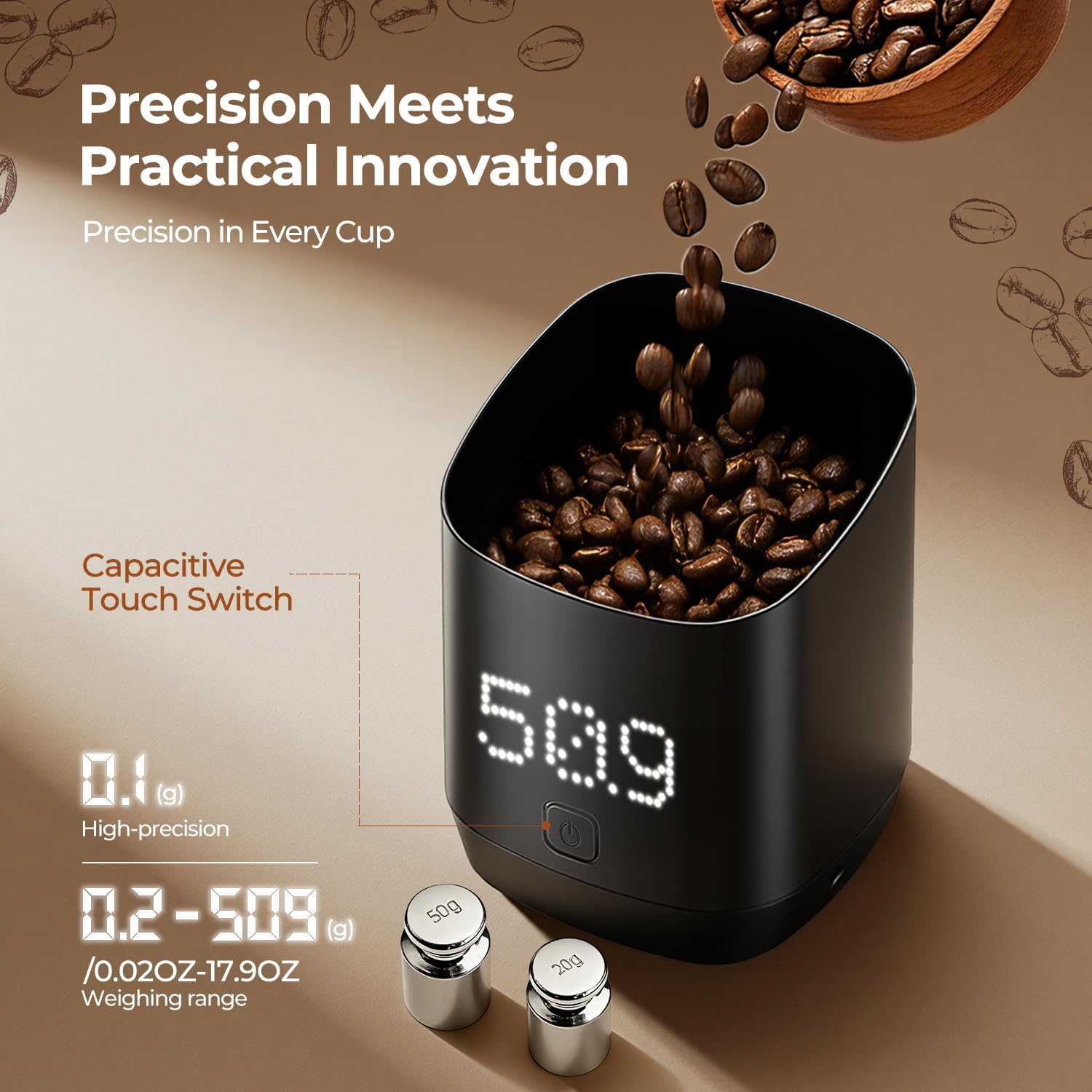
Digital Dosing Cup
Makes weighing beans faster and cleaner, with less mess around the grinder.
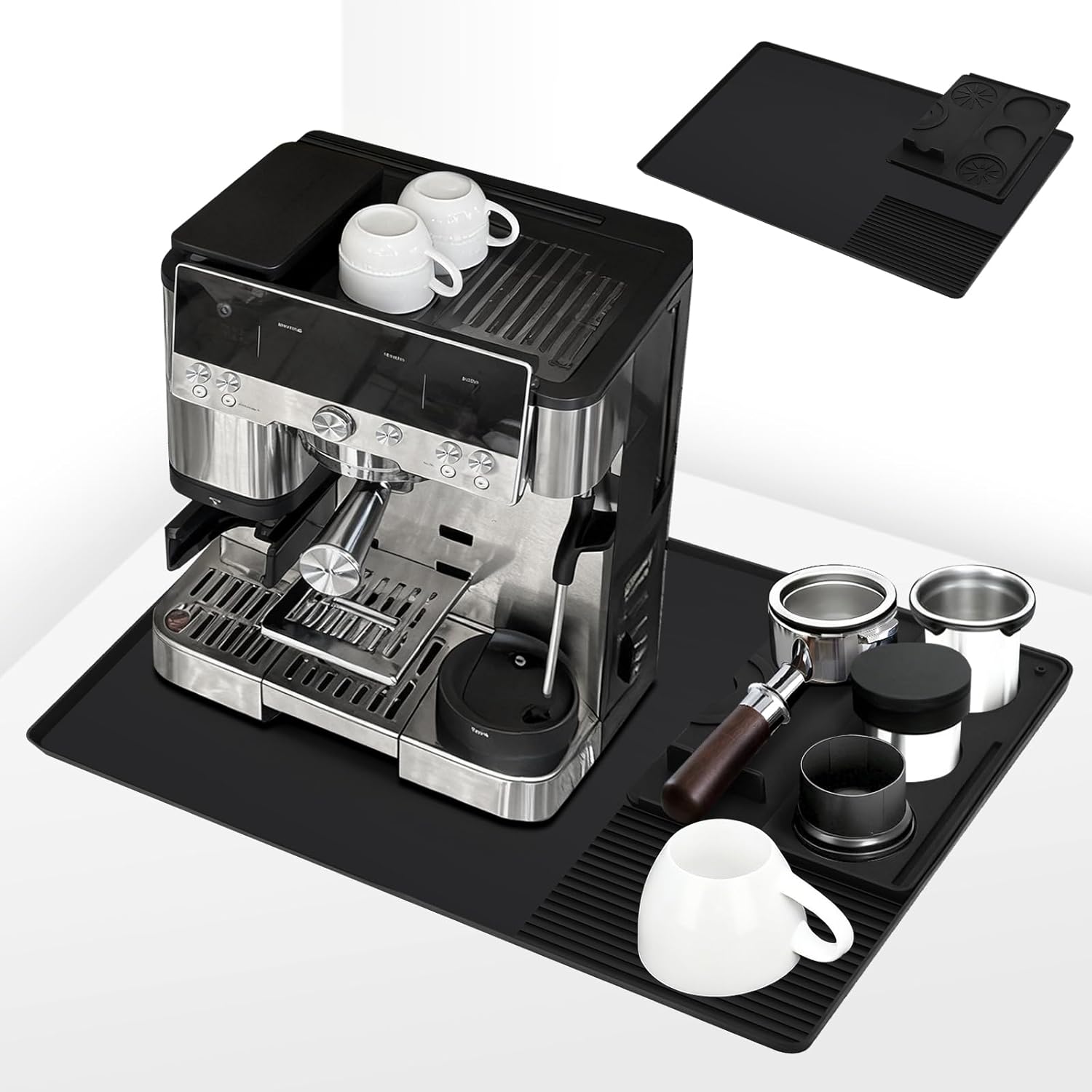
Silicone Mat
Protects your counter, catches spills, and gives your setup a cleaner working surface.

Vacuum Coffee Canister
Helps beans stay fresher longer by limiting air exposure after opening the bag.
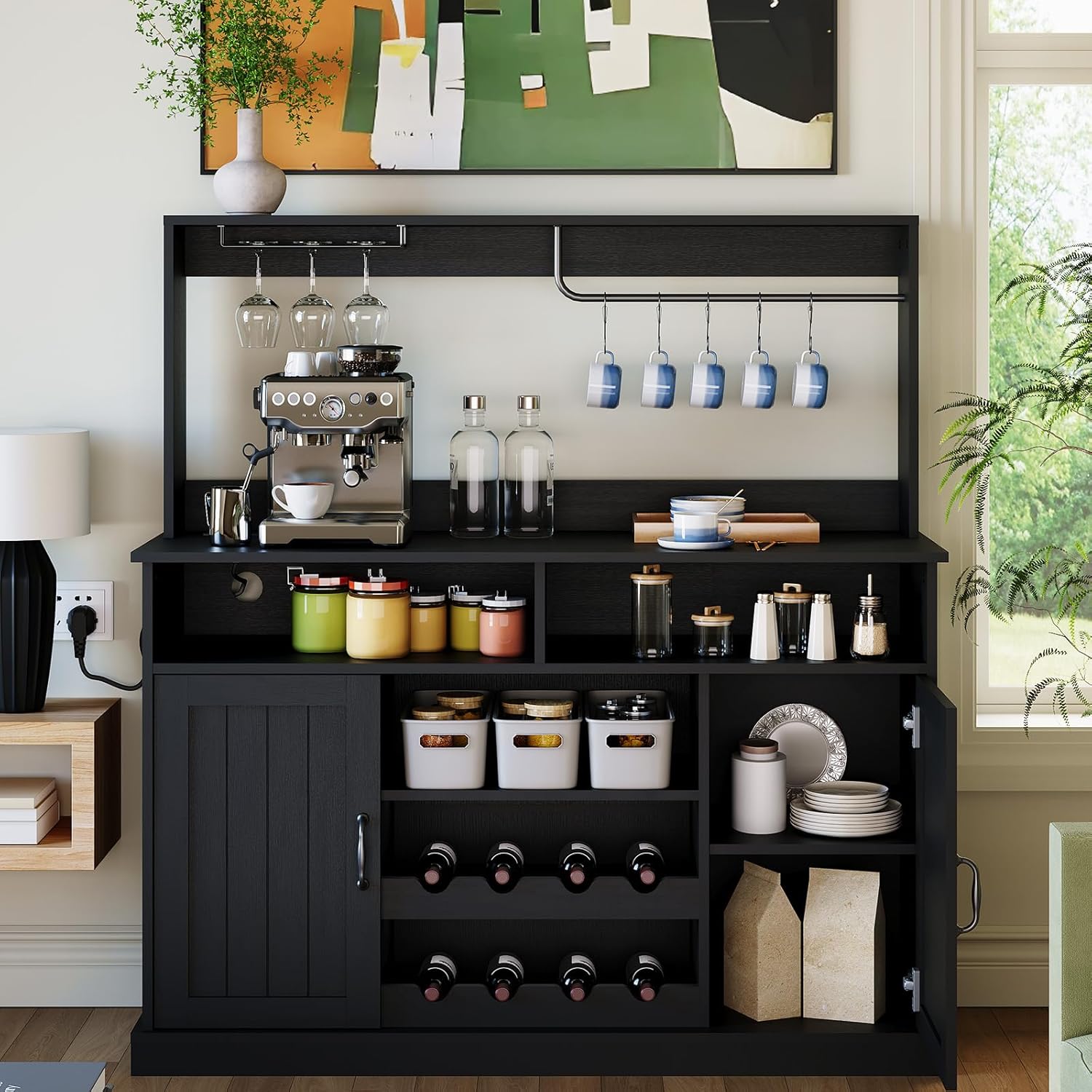
Farmhouse Coffee Bar Cabinet
Gives your machine, cups, beans, and accessories one dedicated home instead of cluttering the kitchen.
Cross-shoppers usually land in these lanes: Profitec Go for modern single-boiler speed/value, Rancilio Silvia V6 for classic single-boiler workhorse ritual, Lelit Mara X for HX milk cadence with E61 ergonomics, and Lelit Elizabeth if you want compact dual-boiler convenience.
Overview
The VBM Domobar Single Boiler Digital is a compact, modernized take on classic E61 ownership. You get the familiar lever-driven group with mechanical pre-infusion character, a 0.5 L single boiler, a vibration pump, and an OLED interface that lets you set brew temperature on the panel. A front pressure gauge gives you honest feedback while you dial in. It is a machine built around fundamentals: warm-up discipline, tidy puck prep, and repeatable ratios.
In practice, Domobar Single Boiler Digital sits in the “espresso-first, occasional milk” lane. It will steam, but it is a single-boiler sequence workflow, so milk service is one drink at a time unless you are patient. If you want a single-boiler that leans hard into fast, PID-led repeatability, cross-shop the Profitec GO. If you want a classic single-boiler benchmark with a huge owner base, the Rancilio Silvia V6 is the obvious reference point. If you want to keep the “German tool” vibe with a simpler control story, the ECM Casa V is the closest neighbor.
Design intent
- Classic E61 feel: lever workflow, mechanical pre-infusion character, and a 58 mm accessory ecosystem.
- Digital temperature control without complexity: an OLED interface for setting brew temperature on the panel.
- Honest feedback while learning: a front pressure gauge that helps you spot grind and prep mistakes quickly.
- Compact prosumer footprint: E61 ownership in a tighter case than most full-size prosumer boxes.
- Serviceable, routine-led ownership: performance comes from grinder quality and repeatable habits, not menus.
What it gets right in the cup and in cadence
- Traditional E61-style espresso texture: once heat-soaked and dialed, it can land sweet, structured shots that hold up in milk.
- Panel-set temperature helps repeatability: you can run a hotter setpoint for lighter coffees and pull it back for darker roasts without guessing.
- Gauge-assisted diagnostics: pressure behavior plus taste notes make it easier to tighten your dial-in routine.
- Simple daily ergonomics: fewer distractions on the face, more focus on puck prep and execution.
The deliberate trade-offs
- Single-boiler sequencing: espresso then steam, then cool back down. Multi-drink milk sessions take time.
- No built-in shot timer: plan on a scale and a timer if you want repeatable logging.
- Heat soak still matters: “ready” is not the same as fully stabilized group and portafilter.
- Vibration pump character: normal in this tier, but louder than rotary-pump platforms.
Where it fits
Domobar Single Boiler Digital makes sense if you want E61 ownership in a compact footprint and you like the idea of panel-set brew temperature without stepping into a bigger HX or dual-boiler box. If you are milk-first and want easier cappuccino cadence, jump to an HX like the Lelit Mara X or Profitec Pro 400. If you want a fast, PID-led single boiler with a cleaner “set-and-repeat” feel, the Lelit Victoria PL91T and Profitec GO are the common alternatives.
Cross-shop context on Coffeedant: Domobar Single Boiler Digital buyers most often compare against the ECM Casa V for a similar “tool-first” single-boiler lane, the Rancilio Silvia V6 as the classic single-boiler benchmark, the Profitec GO for PID-led single-boiler repeatability, and HX steps like the Lelit Mara X or Profitec Pro 400 when milk cadence matters more than compact simplicity.
VBM Domobar Single Boiler Digital lineup: which version to buy
The VBM Domobar Single Boiler Digital is effectively one core platform sold through different retail lanes. You are not choosing a different brew engine. You are choosing finish availability, region voltage and warranty, and sometimes a bundle difference (portafilter and accessory kit). The practical buying logic is simple: prioritize local support, clean warranty coverage, and a retailer that can supply parts.
| Version | Lineup slot | Compared to reference | Typical price and note |
|---|---|---|---|
|
Domobar Single Boiler Digital
Reference E61 single boiler with OLED setpoint + gauge |
Safest default | The core platform: E61 workflow, 0.5 L single boiler, vibration pump, OLED brew-temperature setpoint, and front gauge feedback. This is the “espresso-first, occasional milk” single-boiler lane. | Typical price: $899.95 • inventory and region can move pricing |
| Finish / trim variants | Cosmetic choice | Finish changes what you see and what fingerprints show. It does not change espresso capability. Prioritize warranty support and parts availability over cosmetics. | Pricing varies by retailer and finish • confirm warranty lane |
| EU/UK 230V vs US 110–120V | Region buy | Same ownership idea, different electrical and service lane. Imports only make sense when you have a real plan for voltage and long-term support. | Warranty coverage is the real “price” • avoid casual imports |
| Retailer bundle differences | Accessory variance | Some bundles change what arrives in the box (portafilter style, baskets, basic tools). Espresso capability stays the same. Confirm inclusions before you pay extra. | Bundle-dependent • check portafilter and basket list |
How to read this: choose the version you can service locally. After that, buy the finish you will enjoy seeing every day and verify what is included in the box.
Key VBM Domobar Single Boiler Digital Specifications
| Item | Detail |
|---|---|
| Machine | VBM Domobar Single Boiler Digital · Model page · Amazon: Check price · Cross-shops: Profitec GO, ECM Casa V, Rancilio Silvia V6 |
| Machine type | Semi-automatic single boiler |
| Group / portafilter | E61 lever group · 58 mm ecosystem |
| Boiler | 0.5 L single boiler (espresso-first, sequenced steaming) |
| Temperature control | OLED interface with panel-set brew temperature |
| Pump | Vibration pump |
| Gauge feedback | Front gauge for live feedback while dialing in |
| Milk workflow | Single-boiler sequencing (brew then steam, then recover) |
| Coffeedant score | Overall rating |
| Typical price | $899.95 (region and retailer can move pricing) |
First Impressions & Build Quality
The Domobar Single Boiler Digital reads like a compact E61 tool with a modern control layer. You get the tactile lever workflow and the familiar 58 mm routine, plus an OLED setpoint that helps you stay consistent across different coffees. The trade-off is the honest single-boiler reality: espresso is the main job, and milk drinks require sequencing and patience.
What’s in the Box
- VBM Domobar Single Boiler Digital machine
- 58 mm portafilter and baskets (as shipped by your retailer/region)
- Basic accessories (typical: tamp, scoop, manuals)
- User documentation and warranty information
Bundles vary by retailer and region. Confirm inclusions if you are buying open-box or refurbished.
Chassis and internals
E61 machines tend to be serviceable long-term because the wear parts are known: group gasket and screen, valve seals, and routine cleaning. Ownership stays calm when you keep the group clean and take water quality seriously.
Controls and touch points
The value of the Digital trim is the OLED brew temperature setpoint plus gauge feedback. That combination keeps your daily routine focused: consistent puck prep, consistent ratio, and fewer “guessing” sessions when you change beans.
Counter fit
| Item | Detail | Why it matters |
|---|---|---|
| Footprint | Compact E61-style case | E61 ownership without a full-size prosumer box footprint. Still plan space for lever travel and a grinder. |
| Warm-up reality | E61 heat soak required | Best first-shot consistency comes after the group and portafilter are fully saturated with heat. |
| Noise profile | Vibration pump | Expect audible pump character. Tray and cup rattle can make it sound louder than it is. |
| Milk workflow | Single-boiler sequencing | Great for espresso-first homes. Milk drink rounds are slower because you shift modes and wait for recovery. |
| Accessory ecosystem | 58 mm standard | Easy upgrades: baskets, tampers, puck screens, and bottomless portafilters. |
Testing Results
Testing focused on what matters for a compact E61 single boiler: heat-soak behavior, repeatable dial-in with the OLED temperature setpoint, and the real-world cadence of espresso-first ownership with occasional milk drinks.
| Metric | Result | Use note |
|---|---|---|
| Warm-up and heat soak | E61 heat soak is the difference | Let the group and portafilter fully warm for first-shot consistency. Treat “ready” as the start, not the finish. |
| Brew temperature control | OLED setpoint improves repeatability | Use a lower setpoint for darker roasts and a higher setpoint for lighter coffees, then evaluate with taste. |
| Baseline espresso target | 18 g in → 36 g out in 27–31 s (starting point) | Hold dose and yield steady while you dial grind. Use the gauge as feedback, then confirm with taste. |
| Milk cadence | One-drink rhythm, sequenced | Brew first, then switch to steam. For multiple milk drinks, plan time for temperature transitions and recovery. |
| Gauge feedback | Fast diagnosis when a shot misses | Low pressure with fast flow usually means too coarse or weak prep. High pressure with drips usually means too fine or overdosed. |
| Drink | Starting point | When to change it |
|---|---|---|
| Espresso (medium blend) | 18 g in → 36 g out · 27–31 s · adjust grind first | If thin: grind finer. If dry/bitter: shorten yield or grind slightly coarser. |
| Light roast espresso | Slightly higher brew temp setpoint · ~1:2.2–1:2.6 ratio | If sour: go finer or raise temp slightly. If astringent: cut the tail earlier. |
| Dark roast espresso | Slightly lower brew temp setpoint · ~1:1.8–1:2 ratio | If bitter: shorten yield and keep the finish clean. |
| Cappuccino / Latte (occasional) | Pull espresso first, then steam · short stretch early, then roll | If bubbly: stretch less and start colder. If flat: stretch slightly more at the start. |
Key takeaways from testing
- Heat soak is the gatekeeper: E61 consistency starts with warm metal and a repeatable routine.
- OLED setpoint is a real workflow tool: it reduces guesswork when you change coffees.
- Single boiler means honest sequencing: espresso is fast, milk rounds take patience.
- Gauge feedback speeds dial-in: it helps you separate recipe problems from puck prep problems quickly.
Espresso Quality: getting the best out of the VBM Domobar Single Boiler Digital
The VBM Domobar Single Boiler Digital is an E61 single-boiler machine that rewards repeatable habits. You get a classic lever workflow, a digital brew-temperature setpoint (OLED), and a front gauge that gives you honest feedback mid-shot. There is no automation layer doing the work for you. Your results come from the variables that actually matter: grind, dose, yield, puck prep, and your chosen brew temperature. Because it’s a single boiler, the one extra “skill” is mode discipline: espresso is the steady lane, and steaming is a separate step that you recover from.
Think of it as a compact café-style workflow: fully heat-soak the E61 group, stay consistent with ratio and puck prep, then use the setpoint as a simple roast-level tool. If you steam, plan on a cool-down routine before you return to espresso.
Session protocol that keeps results consistent
- Heat soak like it matters: lock the portafilter in during warm-up so the group and basket are truly hot, not just “powered on.”
- Stabilize with a short flush: run a brief blank flush to refresh water at the group and stabilize the first shot.
- Pick one recipe and hold it: start around a 1:2 ratio and keep yield fixed while you dial grind.
- Change one variable at a time: grind first, then yield (shot stop), then temperature setpoint in small steps if needed.
- If you steamed, cool down correctly: switch back to brew mode and flush water through the group until the machine is back in a stable brew range before pulling espresso.
Flavor targets by coffee style
| Coffee | Baseline recipe (Domobar SBD) | What it tastes like when right | If too sour / thin | If too bitter / dry |
|---|---|---|---|---|
| Medium espresso blend |
18 g in → 36–40 g out in 27–31 s Brew temp: mid setpoint range · Short stabilizing flush before first shot |
Round chocolate, balanced sweetness, clean finish | Grind finer; hold yield; nudge temp up slightly if it stays sharp | Grind coarser or shorten yield; nudge temp down slightly for darker blends |
| Light roast espresso |
18–18.5 g in → 42–50 g out in ~30–36 s Brew temp: higher setpoint lane · Keep puck prep meticulous |
Clear sweetness, brighter acidity without bite | Grind finer; keep yield; raise temp slightly if it tastes tight | Cut the tail (stop earlier); coarsen slightly if it turns astringent |
| Medium-dark “Italian” style |
18 g in → 32–36 g out in ~25–29 s Brew temp: lower setpoint lane · Prioritize clean shot stop |
Heavy body, low acidity, syrupy crema | Grind finer; avoid stretching yield too long | Shorten yield; grind a touch coarser; keep temperature conservative |
Brew temperature and E61 pre-infusion: use them like tools
- Temperature setpoint: lower for darker roasts to reduce harshness; higher for lighter coffees to unlock sweetness and clarity.
- E61 pre-infusion character: the lever/group provides a mechanical “softer start” feel. Your real control is still grind + puck prep + yield.
- Gauge literacy: low pressure + fast flow usually means too coarse or weak puck prep. High pressure + drips usually means too fine or overdosed.
- Recipe first: fix taste with grind and yield before you chase temperature tweaks.
Diagnostics you can see and taste
| Signal | Likely cause | Targeted fix |
|---|---|---|
| Sour, thin, fast shot | Grind too coarse, under-dosed basket, uneven prep, or too-cool group (no heat soak) | Go finer; confirm dose; improve distribution/tamp; heat soak fully and do a short stabilizing flush |
| Bitter, dry finish | Too fine, too much yield, or brew temp too high for the roast | Coarsen slightly or shorten yield; reduce temperature setpoint a touch on darker coffees |
| Choking / drips with high pressure | Grind too fine, overdosed basket, puck swelling | Go coarser; reduce dose slightly; check headspace and tamp level |
| “Great espresso, then weird after steaming” | Boiler still too hot for brew (single-boiler mode transition) | Switch back to brew mode and flush to cool down until stable before pulling the next shot |
Keep variance low
- Use a consistent puck routine (WDT, level tamp, dry basket). E61 machines reward discipline.
- Stop shots on yield once your grind is close. Time becomes secondary.
- Keep water in a sane range (roughly 40–80 ppm hardness with balanced alkalinity) to protect taste and reduce scale-driven drift.
Milk System: Domobar Single Boiler Digital steaming workflow, texture, and consistency
The Domobar Single Boiler Digital can steam milk, but it is a single-boiler workflow: you brew first, then you switch to steam mode, then you cool down to return to espresso. The win is simplicity and compactness. The trade-off is cadence: it is best for one or two milk drinks at a time, not a fast multi-latte round.
Steaming routine that stays repeatable
- Switch to steam mode and wait: let the boiler reach steam-ready behavior (pressure and dryness).
- Purge first: clear condensation so you start with drier steam.
- Stretch briefly: add air early for a few seconds, then stop adding air.
- Roll to finish: keep a stable vortex until serving temperature (about 60–65°C).
- Wipe and purge: wipe immediately, then purge again to keep the tip clean.
- Cool down before espresso: switch back to brew mode and flush water through the group until the machine is back in a stable brew range.
Milk volume and real-world timing
| Milk volume | Target drink | Typical steam time | Tip |
|---|---|---|---|
| 200 ml (from cold) | 6–8 oz cappuccino / flat white | ~35–60 s (technique + tip dependent) | Start colder; keep stretch short; prioritize a clean roll for gloss. |
| 350 ml | 12–14 oz latte | ~50–80 s | If foam gets too thick, stretch less and let rolling do the work. |
Texture targets by drink
| Drink | Milk volume | Target texture | Notes |
|---|---|---|---|
| Cappuccino | 150–220 ml | Glossy microfoam, slightly more lift | Stretch a touch longer than latte, then roll tight to avoid dry foam. |
| Latte | 250–350 ml | Paint-like microfoam, minimal bubbles | Short stretch, strong roll, finish around 60–65°C. |
| Flat white | 160–220 ml | Low-foam, high gloss | Very short stretch, then roll. Stop a bit earlier for sweetness. |
Keep milk performance sharp
- Wipe and purge every time. Milk residue bakes on fast and kills texture.
- If steam feels wet, purge longer before you start and give the boiler a moment to stabilize.
- Remember the single-boiler rule: cool down before you brew again to avoid overheated espresso.
Hardware Essentials

Boiler, heating, and water system
Domobar Single Boiler Digital is an espresso-first single-boiler E61 layout with a digital brew-temperature setpoint. The practical result is straightforward espresso consistency once heat-soaked, plus manual steaming when you switch modes. Water quality is still the long-game lever: good water protects the boiler, valves, and taste stability.
- Daily win: classic E61 feel with modern temperature setpoint control.
- Single-boiler reality: brew and steam are sequenced, not simultaneous.
- Water discipline: filter or treat your water to keep scale under control.
Pump pressure, OPV, and gauge feedback
The machine uses a vibration pump with OPV-governed pressure behavior and a front gauge. The gauge is most useful as a troubleshooting tool: it helps you spot “too coarse / too fast” versus “too fine / choking” quickly.
- Best practice: make big changes with grind and yield, then refine temperature setpoint by taste.
- Do not chase numbers first: if taste is off, fix puck prep and grind before you assume pressure is the problem.
E61 group, portafilter, and 58 mm ecosystem
The E61 group gives you the classic lever workflow and access to the full 58 mm ecosystem: baskets, tampers, bottomless portafilters, and precision prep tools that actually improve repeatability.
Steam wand hardware
Steaming is traditional: purge for dry steam, stretch briefly, then roll to texture. Because it’s single-boiler, the “hidden skill” is switching modes cleanly and cooling down before returning to espresso.
Accessories that actually improve results
- Grinder upgrade: a capable espresso grinder does more for this machine than any gadget.
- Scale (0.1 g): locks dose and yield for repeatable dialing-in.
- 58–58.5 mm tamper + optional WDT: reduces channeling and improves stability.
- Backflush kit: blind basket + espresso detergent for a clean-tasting group.
- Milk pitcher + thermometer: until your texture and stop point are reliable.
- Water test + filtration plan: prevents scale and keeps flavor steady across months.
VBM Domobar Single Boiler Digital vs The Field: Quick Matrix
| Match-up | Core difference | Best for | Jump to section | Model page |
|---|---|---|---|---|
| VBM Domobar SBD vs Profitec Go | E61 heat-soak ritual + classic lever feel vs faster-warmup, modern single-boiler PID workflow | VBM for E61 ritual and mechanical feel; Go for speed, value, and simple daily espresso | Open | Profitec Go |
| VBM Domobar SBD vs Rancilio Silvia V6 | Digital temperature setpoint + E61 workflow vs classic single-boiler ritual without PID-by-default | VBM for more control and E61 feel; Silvia for simpler, proven single-boiler ownership | Open | Rancilio Silvia V6 |
| VBM Domobar SBD vs Lelit Mara X | Single-boiler sequencing for milk vs HX milk cadence with group-temp management that reduces flush ritual | Mara X for frequent milk drinks; VBM for espresso-first E61 ownership | Open | Lelit Mara X |
| VBM Domobar SBD vs Lelit Elizabeth | E61 single-boiler ritual vs compact dual-boiler speed and milk capability | Elizabeth for milk-forward homes and fast routines; VBM for classic E61 feel and espresso focus | Open | Lelit Elizabeth |
| VBM Domobar SBD vs Breville Dual Boiler | Traditional prosumer build + E61 ritual vs maximum features-per-dollar and convenience-heavy control layer | BDB for features and convenience; VBM for tactile E61 workflow and classic service lane | Open | Breville Dual Boiler |
| VBM Domobar SBD vs Lelit Bianca | Espresso-first E61 single boiler vs E61 dual boiler with paddle flow control and profiling runway | Bianca for experimentation and profiling; VBM for simpler espresso-first E61 ownership | Open | Lelit Bianca |
VBM Domobar Single Boiler Digital vs Profitec Go
This is the “E61 lifestyle” versus “fast daily espresso” split. VBM Domobar Single Boiler Digital gives you classic E61 lever workflow, heavy heat-soak behavior, and a digital temperature setpoint that helps you stay in a repeatable lane. Profitec Go is the speed-and-value single-boiler pick: faster warm-up, modern controls, and a simpler on-off daily routine.
Core differences
- Warm-up reality: VBM rewards full E61 heat soak; Go is the faster “coffee before work” lane.
- Workflow vibe: VBM is tactile, lever-led, ritual-friendly; Go is minimal friction and straightforward.
- Milk sessions: both are single-boiler and require sequencing, but Go generally suits “occasional milk,” while VBM is more espresso-first.
| Aspect | VBM Domobar Single Boiler Digital | Profitec Go |
|---|---|---|
| Ownership style | E61 heat-soak ritual, lever feel, espresso-first cadence | Fast warm-up, simple daily workflow, value-forward |
| Temperature approach | Digital setpoint layered onto E61 thermal mass behavior | Modern PID-style control and faster stability |
| Best for | People who want classic E61 touch points in a simpler single-boiler format | People who want great espresso with less ritual and faster starts |
Who should choose which
- Pick the VBM Domobar SBD if you want the E61 lever experience and you enjoy a deliberate warm-up routine.
- Pick the Profitec Go if speed, value, and low-friction daily espresso matter most.
VBM Domobar Single Boiler Digital vs Rancilio Silvia V6
This is “E61 feel and more control” versus “classic single-boiler workhorse.” VBM Domobar SBD leans into traditional E61 ergonomics and adds a digital setpoint so you can keep temperature choices explicit. Rancilio Silvia V6 is the enduring single-boiler ritual: simple, robust, and widely understood in the home barista world.
Core differences
- Group and workflow: VBM is E61 lever ritual; Silvia is non-E61 classic semi-auto routine.
- Control layer: VBM’s digital setpoint helps repeatability; Silvia is more “learn the machine” unless you add external tools/mods.
- Buying logic: choose VBM for E61 feel and setpoint-led consistency; choose Silvia for proven simplicity and a familiar service lane.
| Aspect | VBM Domobar Single Boiler Digital | Rancilio Silvia V6 |
|---|---|---|
| Identity | Espresso-first E61 single boiler with digital setpoint | Classic single-boiler workhorse with straightforward controls |
| Best for | Owners who want the E61 ritual and more explicit temperature choices | Owners who want a proven simple machine and accept a more hands-on learning curve |
| Trade-off | E61 warm-up lifestyle and single-boiler milk sequencing | Less built-in control feedback unless you add tools/mods |
Who should choose which
- Pick the VBM Domobar SBD if E61 touch points and setpoint-led repeatability are the point.
- Pick Silvia V6 if you want classic single-boiler ownership with minimal complexity.
VBM Domobar Single Boiler Digital vs Lelit Mara X
This is an “espresso-first single boiler” versus “milk cadence HX” decision. VBM Domobar SBD is happiest pulling espresso with a stable E61 routine and digital setpoint discipline. Lelit Mara X keeps the E61 vibe but shifts the ownership goal: HX steam power plus group-temperature management that reduces the flush dance.
Core differences
- Milk workflow: Mara X is built for milk sessions; VBM must sequence brew/steam as a single boiler.
- Temperature ritual: Mara X reduces idle flush burden; VBM leans on heat soak and a consistent flush habit.
- Buying logic: choose Mara X if milk drinks are frequent; choose VBM if espresso is the daily headline.
| Aspect | VBM Domobar Single Boiler Digital | Lelit Mara X |
|---|---|---|
| Strength | Espresso-first E61 routine with simple setpoint control | HX steam cadence with group-temperature management |
| Daily milk drinks | Possible, but sequenced and slower | Comfortable milk cadence for back-to-back drinks |
| Best for | Espresso-focused owners who like E61 feel | Milk-forward homes that still want E61 ergonomics |
Who should choose which
- Pick the VBM Domobar SBD if espresso is the priority and you prefer a simpler single-boiler routine.
- Pick the Mara X if you make milk drinks most days and want less temperature ritual.
VBM Domobar Single Boiler Digital vs Lelit Elizabeth
This is the “espresso ritual” versus “milk-and-speed” decision. VBM Domobar SBD focuses on a traditional E61 workflow and a simple digital setpoint for repeatability. Lelit Elizabeth brings compact dual-boiler behavior: faster recovery, easier milk cadence, and less mode-switching friction.
Core differences
- Cadence: Elizabeth supports espresso + steam without single-boiler sequencing.
- Ownership friction: VBM is more ritual (heat soak, E61 habits); Elizabeth is more “efficient daily routine.”
- Buying logic: choose VBM for E61 feel and espresso focus; choose Elizabeth if milk drinks are frequent.
| Aspect | VBM Domobar Single Boiler Digital | Lelit Elizabeth |
|---|---|---|
| Strength | Classic E61 espresso-first routine | Compact dual boiler value and milk capability |
| Milk workflow | Sequenced (brew → steam → cool down) | Much easier daily milk cadence |
| Best for | Espresso-focused owners who want E61 touch points | Milk-forward homes that want speed and convenience without a huge footprint |
Who should choose which
- Pick the VBM Domobar SBD if your daily routine is espresso-first and you want classic E61 ergonomics.
- Pick the Lelit Elizabeth if milk drinks are the default and you want fewer workflow compromises.
VBM Domobar Single Boiler Digital vs Breville Dual Boiler
This match-up is about philosophy. VBM Domobar SBD is a traditional prosumer tool: E61 workflow, a simple digital setpoint, and a service-friendly “classic parts” ownership vibe. Breville Dual Boiler is the features-per-dollar giant: convenience-led controls, dual-boiler milk capability, and a more appliance-forward experience.
Core differences
- Workflow: VBM is manual and ritual-led; BDB is convenience-forward and feature-dense.
- Milk cadence: BDB wins for daily cappuccino/lattes without sequencing.
- Ownership intent: choose VBM for tactile E61 ownership; choose BDB for maximum capability per dollar.
| Aspect | VBM Domobar Single Boiler Digital | Breville Dual Boiler |
|---|---|---|
| Best fit | Espresso-first owners who want E61 feel and simple controls | Value buyers who want dual boiler convenience and feature density |
| Daily feel | Warm-up + ritual, manual sequencing for milk | Convenience-forward daily workflow and milk capability |
| Trade-off | Not built for fast milk rounds | Different long-term service and ownership style than classic prosumer machines |
Who should choose which
- Pick the VBM Domobar SBD if you want classic E61 ownership and you don’t need dual-boiler milk speed.
- Pick the Breville Dual Boiler if features, convenience, and milk cadence are your top priorities.
VBM Domobar Single Boiler Digital vs Lelit Bianca
Both live in the E61 world, but they serve different personalities. VBM Domobar SBD is the simpler espresso-first E61 lane: learn the routine, repeat it, and keep the workflow mechanical. Lelit Bianca is the enthusiast’s platform: dual boiler convenience plus a paddle for flow control and profiling. If experimentation is the hobby, Bianca is the tool. If you want classic E61 behavior without turning every coffee into a project, VBM fits better.
Core differences
- Control style: Bianca adds manual flow control; VBM stays routine-first.
- Milk workflow: Bianca’s dual boiler makes milk drinks dramatically easier.
- Buying logic: buy Bianca for profiling and experimentation; buy VBM for simpler E61 espresso-first ownership.
| Aspect | VBM Domobar Single Boiler Digital | Lelit Bianca |
|---|---|---|
| Best fit | Owners who want E61 feel with less complexity and an espresso-first routine | Enthusiasts who want flow control and profiling with dual boiler convenience |
| Daily feel | Warm-up, pull, optional steam (sequenced) | Profiling-ready workflow with more “tinker runway” |
| Trade-off | No profiling ecosystem and single-boiler milk sequencing | More expensive and more “hobby-forward” by design |
Who should choose which
- Pick the VBM Domobar SBD if you want classic E61 ownership with fewer decisions and lower daily complexity.
- Pick the Bianca if profiling and experimentation are part of why you’re buying.
How to use this matrix: If you want a classic E61 espresso-first routine with a simple digital setpoint, the VBM Domobar Single Boiler Digital makes sense. If you want faster starts and less ritual, Profitec Go is the cleaner daily lane. If you want frequent milk drinks, step up to Mara X (HX) or Elizabeth (dual boiler). If you want maximum features-per-dollar, Breville Dual Boiler is the value play. If you want profiling and experimentation, Bianca is the upgrade runway.
In-Depth Analysis
The VBM Domobar Single Boiler Digital is an E61 single-boiler machine for people who want classic lever workflow with a modern convenience layer: a digital temperature setpoint that helps you repeat a recipe without turning the machine into a menu-driven appliance. The trade-offs are the ones that come with the category: E61 heat soak is real, milk drinks require brew/steam sequencing, and the first-shot consistency is mostly about warm-up discipline and a consistent flush habit after idle.
1) Why it works for real home routines: E61 feel, espresso-first ownership
In practice, this platform rewards the “do the basics the same way every time” barista. Once the group is properly heat-soaked, the machine delivers a stable, familiar E61 extraction feel and a workflow that stays mechanical and readable. If your daily routine is mostly straight espresso (or the occasional milk drink), the simplicity is a feature.
- What you feel: classic lever engagement, consistent shots when you repeat warm-up + prep.
- What it changes: digital setpoint helps you keep roast-to-roast choices explicit.
- What it does not do: dual-boiler milk cadence or profiling-by-default.
2) The tools that matter: digital temp setpoint + routine
On an E61 single boiler, “control” is a system: heat soak, idle behavior, flush timing, and grind/prep. The digital setpoint helps, but it does not replace the basics. Treat it as a repeatability tool, not a magic bypass.
| Tool / habit | What it solves | How to use it well |
|---|---|---|
| Digital temperature setpoint | Repeatable roast-level decisions and fewer “guess” days | Pick a baseline for your coffee, then adjust in small steps and log taste |
| Heat soak routine | First-shot inconsistency | Warm fully with the portafilter locked in; use a short blank if needed |
| Cooling flush after idle | Overheated first shots after sitting | Flush consistently (same “amount/time”) after long idle, then brew |
3) Espresso stability: what to expect when you do the routine right
With a fully warmed group and a repeatable workflow, the machine is an “espresso repeater.” Shot-to-shot behavior stays predictable as long as you keep your prep disciplined and avoid long idle gaps without a cooling flush.
- Best behavior: consecutive shots in a tight workflow.
- Most common miss: idle overheating followed by a rushed first shot.
- Fix: commit to a consistent flush habit and log your baseline recipe.
4) Steam performance: single-boiler reality and the “one-pitcher” lane
Single-boiler steaming is always a sequence: brew first, switch to steam, then recover back to brew temperature. The machine can texture milk well, but it is not built for rapid multi-drink milk rounds. If you mostly make one cappuccino at a time, the workflow is fine; if you host often, an HX or dual boiler is a better fit.
5) Warm-up reality: “machine on” vs “E61 ready”
E61 machines are not truly ready the moment the boiler hits a number. The group, portafilter, and basket need time to saturate with heat. If you want your first shot to taste like your second, give the machine a real heat soak and keep the portafilter locked in while warming.
6) Water and scale: the cheapest performance insurance
Water drives taste and longevity. With scale-prone water, single-boiler machines show problems quickly: sluggish steaming, unstable heat behavior, and drifting results. The best policy is water discipline first, descaling second.
- Hardness target: 40–80 ppm as CaCO3.
- Alkalinity target: 30–60 ppm as CaCO3.
- Routine: test periodically, log results, and keep a consistent water plan.
7) Serviceability and ownership: classic parts, classic maintenance
Traditional E61 ownership is mostly predictable maintenance: gaskets, shower screen cleaning, valve wear over time, and water management. If you keep scale under control, the machine’s failures tend to be understandable rather than mysterious.
- Group gasket + screen: replace when sealing worsens or shots start leaking around the portafilter.
- Steam/hot-water valves: persistent drips usually mean a rebuild kit is due.
- Pump noise: vibration-pump character is normal; tray/cup rattle often makes it worse.
8) Cross-shop logic: where it sits in the real market
Domobar SBD is the right pick when you want E61 feel and a simpler control layer without jumping to dual boilers. If your priority changes, the best answer changes too.
| If you want... | Cross-shop | Why |
|---|---|---|
| Fast warm-up, strong value (single boiler) | Profitec Go | Modern single-boiler workflow with low daily friction |
| Classic single-boiler workhorse lane | Rancilio Silvia V6 | Simple, proven ritual and widely understood ownership |
| More milk cadence without dual boiler spend | Lelit Mara X | HX steam capability with E61 ergonomics and reduced flush burden |
| Compact dual-boiler milk workflow | Lelit Elizabeth | Less mode-switch friction and easier milk routines |
| Maximum features-per-dollar | Breville Dual Boiler (BES920) | Feature-dense platform with convenience-forward control |
| Profiling and experimentation runway | Lelit Bianca | E61 dual boiler with paddle flow control and profiling |
Editorial placement: keep heat soak + cooling flush guidance close to Espresso Quality/Workflow, and keep water targets near Maintenance so readers connect taste and longevity to water discipline.
VBM Domobar Single Boiler Digital - frequently asked questions
Fast answers to the questions people ask before they commit to the Domobar SBD.
Is the VBM Domobar Single Boiler Digital worth it?
Yes if you want a classic E61 espresso-first workflow with a digital temperature setpoint to improve repeatability. It shines for disciplined espresso routines. If you want frequent milk drinks without waiting, an HX or dual boiler is the better tool.
What is the warm-up time in real use?
Treat it like an E61: the boiler can reach temperature before the group is truly ready. For best first-shot consistency, warm with the portafilter locked in and allow a full heat soak, then use a consistent cooling flush after long idle periods.
Do I need a cooling flush?
Often, yes—especially after the machine has been sitting idle. The goal is consistency: use a repeatable flush habit after long idle times so your first shot matches your second.
Can it do milk drinks?
Yes, but it is a single boiler, so you will brew first, switch to steam, then cool back down to brew temperature. It’s great for occasional cappuccinos, not ideal for repeated milk rounds. If milk drinks are daily, consider Lelit Mara X (HX) or Lelit Elizabeth (dual boiler).
What size portafilter does it use?
It’s in the standard 58 mm ecosystem, so baskets, tampers (including 58.5 mm), puck screens, and bottomless portafilters are widely compatible.
Do I need to descale?
Only when needed. Use scale-safe water (balanced hardness and alkalinity), test periodically, and monitor steam performance and temperature behavior. Fix the water first; descale second.
Is it noisy?
Expect typical vibration-pump sound. Reducing tray/cup rattle and using a mat under the machine often makes it feel significantly quieter.
Used & Refurbished Buyer’s Guide
A used VBM Domobar Single Boiler Digital can be a strong buy if the owner used scale-safe water and kept the E61 group clean. The two biggest risks are scale (heating circuit and steam performance) and valve/group wear (drips, poor sealing, sticky lever feel). The good news: basic checks are fast if you can run a few test cycles.
| Inspect | What to check | Pass criteria |
|---|---|---|
| Heat-up + stability | Warm fully, then pull a short blank and a real shot after heat soak. | No erratic temperature behavior; consistent shot behavior after warm-up. |
| Idle overheating behavior | Let it sit, then test your cooling flush and pull a shot. | Repeatable “flush → brew” routine without wild temperature surprises. |
| Leaks (case + fittings) | Check under the machine and around fittings for residue/scale trails. | No pooling; no crusty scale deposits that suggest hard-water history. |
| Steam valve + wand | Steam briefly, close the valve, watch for continued dripping. | Stops cleanly or only minimal residual drips; persistent drips suggest rebuild is due. |
| Group gasket + seal | Check for portafilter drips and how firmly it locks in. | Seals without excessive force; no visible gasket cracking. |
| Pump sound | Listen during a shot and any refill events. | Consistent tone; vibration character is normal, grinding/stuttering is not. |
| Scale management history | Ask what water was used and whether hardness was tested. | Credible water plan and no symptoms of scale-driven performance drift. |
| Accessories | Confirm portafilter(s), baskets, drip tray, reservoir parts, manuals. | Complete kit, or the price reflects missing parts. |
Refurb units should include fresh gaskets and a store-backed warranty. Confirm what “refurb” actually covered (gaskets, valves, pump, descale).
Accessories & Upgrades
This platform lives in the standard 58 mm ecosystem. Spend your budget on tools that improve measurement, puck prep, and cleanliness, plus a water plan that protects the boiler and keeps taste stable.
| Category | What to buy | Why it helps |
|---|---|---|
| Dial-in essentials | 0.1 g espresso scale + shot timer | Locks ratio and repeatability; makes small temperature and grind changes meaningful |
| Puck prep | WDT tool (0.3–0.4 mm) + 58.5 mm flat tamper | Reduces channeling and tightens consistency, especially with lighter roasts |
| Baskets | Precision baskets (18 g / 20 g) + optional puck screen | More repeatable flow; keeps the shower area cleaner |
| E61 hygiene | Group brush + microfiber set | Prevents rancid oils and keeps lever feel “tight” |
| Cleaning | Backflush detergent (as applicable), blind basket, basic cleaning kit | Protects flavor and helps keep the group stable long-term |
| Water strategy | Drop test kit + filter/remineralization plan | Reduces scale risk and stabilizes taste across months |
| Ownership spares | Group gasket + shower screen | Cheap parts that prevent nuisance leaks and restore seal quality |
Related comparisons: Profitec Go · Lelit Mara X · Lelit Elizabeth · Lelit Bianca
Known Issues & Troubleshooting
- First shot tastes sharp or harsh after sitting: classic idle-overheat behavior. Use a consistent cooling flush after long idle periods, then brew.
- Shot runs fast and tastes thin: grind finer, tighten distribution (WDT), and verify dose and tamp level.
- Shot chokes or tastes dry/astringent: grind coarser, reduce dose slightly if the basket is overfilled, and avoid overheating the first shot.
- Steam feels weak or recovery slows: scale and water quality are the first suspects. Verify water hardness/alkalinity before you reach for descaling.
- Steam tip drips after closing: likely valve seat wear; a rebuild kit is usually the fix.
- Portafilter drips during brewing: group gasket is worn/stiff or the basket rim is dirty. Replace gasket and keep sealing surfaces clean.
- Vibration noise/rattles: some pump noise is normal. Reduce tray/cup rattle and use a mat if your counter resonates.
Conclusion: Should You Buy the VBM Domobar Single Boiler Digital?
Who it’s for
- Espresso-first owners who want classic E61 feel and lever workflow.
- People who value a simple, mechanical routine with a digital temp setpoint for repeatability.
- Homes that make occasional milk drinks and accept single-boiler sequencing.
- Owners who will commit to water discipline and basic group hygiene.
Who should avoid it
- Milk-forward households that want fast back-to-back lattes.
- Anyone who wants “ready in a few minutes” with minimal warm-up ritual.
- Profiling-focused tinkerers who want flow control out of the box.
- Buyers who will use hard water and skip maintenance.
We’ve categorized the best espresso machines for every kind of buyer
Find the right shortlist faster, whether you want convenience, a beginner-friendly setup, a smaller footprint, or better value at a given budget.
Best Superautomatic Espresso Machines
One-touch picks for speed and convenience.
Best Espresso Machines for Beginners
Easy-to-use machines with a smoother learning curve.
Best Small Espresso Machines
Compact machines for tighter kitchens and counters.
Best Espresso Machines With Built-In Grinder
All-in-one options with fewer extra pieces to buy.
Best Cheap Espresso Machines Under $500
Budget picks that still make sense for real espresso.
Best Prosumer Espresso Machines Under $1000
More serious machines with stronger value for the money.
Best Single Boiler Espresso Machines
Simple, space-saving picks for espresso-first routines.