
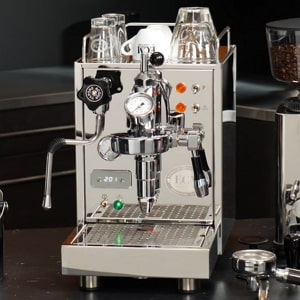
Typical base pricing: ~$1,649. Flow-control bundles / pre-install options vary.
ECM Classika PID + Flow Control
Espresso-first single-boiler E61 with precise PID temperature, a built-in shot timer, Fast Heat Up, and an optional ECM Flow Profile Valve for tactile flow profiling in a compact long-haul chassis.
Overview
The ECM Classika PID is a compact, espresso-first E61 single-boiler done “the right way”: a 0.75 L stainless boiler under PID control, a PID that doubles as a shot timer, a front coffee-pressure gauge, and a generous 2.8 L tank. Add ECM’s Flow Profile Valve and the same chassis becomes a tactile profiling tool for long low-flow preinfusion, smooth ramp-ups, and gentle tapers—without turning daily shots into a science project.
Pros
- Stainless 0.75 L boiler + PID delivers repeatable brew temps (no temp surfing)
- PID shot timer + front pressure gauge make dial-in simple and “glanceable”
- Fast Heat Up helps E61 warm-up with a guided flush routine
- Optional ECM Flow Profile Valve adds real hands-on profiling headroom
- Big 2.8 L reservoir + solid stainless build for long-term ownership
Cons
- Single-boiler brew/steam switching slows multi-milk-drink service
- No boiler-pressure gauge (you manage steam readiness via temp / routine)
- E61 still benefits from extra heat soak on long sessions
- Vibration pump (not rotary-silent; no plumb-in)
- Flow control adds cost and a small learning curve (plus occasional upkeep)
Features
- Type: single-boiler, dual-use (brew + steam)
- Boiler: 0.75 L stainless steel (PID controlled)
- Group: ECM E61 lever group with stainless brew bell
- Interface: PID with degree-step temperature control + shot time display
- Gauges: coffee-pressure (pump) gauge on front panel
- Pump: vibration
- Water: 2.8 L reservoir under removable cup-warming tray
- Valves: rotary steam/hot-water valve; OPV/expansion valve accessible for brew-pressure adjustment
- Dimensions/weight: 250 W × 445 D × 395 H mm; 18.5 kg
- Fast Heat Up: controlled overheat + guided flush to accelerate E61 readiness
- Flow control (optional): ECM Flow Profile Valve + 45 mm 0–16 bar gauge + spring/seals
Pricing
- US: commonly listed around $1,649 for the base Classika PID (flow-control bundles vary)
- UK: typical street around £1,259 (stock and bundles vary)
- EU: often around €1,287–€1,399 depending on dealer and bundle
- Confirm voltage and included accessories (wood kits, bottomless portafilters, pre-installed flow control).
FAQs
- Warm-up time?
- With Fast Heat Up enabled, the machine intentionally overheats then prompts a flush to pull heat into the E61 group faster. Full “weekend equilibrium” still benefits from extra soak time.
- Is flow control included?
- It depends on the listing. Many retailers sell the base Classika PID and offer the ECM Flow Profile Valve as an add-on or pre-installed option.
- Can it steam milk?
- Yes—one pitcher at a time. It’s a dual-use single boiler, so you brew first, toggle to steam, then cool-flush back to brew temperature.
- What’s the portafilter size?
- Standard E61/58 mm accessory ecosystem (baskets, tampers, bottomless handles).
- What does the front gauge show?
- Pump/coffee pressure during extraction. With flow control installed, the kit’s gauge reads at the group (near-puck) for more direct feedback while profiling.
- Is it plumbable?
- No—this model is reservoir-only (2.8 L tank).
Who It Is For
- Espresso-first home bars that value repeatable shots and E61 feel
- Enthusiasts who want tactile manual profiling via a flow-control valve (without buying a dual boiler)
- Small-footprint counters that still want premium materials and long-term serviceability
- Occasional milk drinkers (one cappuccino at a time)
Who Should Avoid It
- Milk-drink households doing multiple back-to-back lattes daily (choose HX/dual boiler)
- Buyers who want plumb-in + rotary pump hush
- Anyone who wants a “push-button” experience rather than lever + routine
- Those who don’t want to learn brew→steam→cool-flush single-boiler cadence
Latest Version Status
- Recent units commonly include Fast Heat Up as a PID menu option (overheat + flush prompt).
- PID provides degree-step temperature control and a shot timer on the same display.
- Flow profiling is best done via the ECM Flow Profile Valve kit (often sold separately or pre-installed).
Takeaway
ECM’s Classika PID is the single-boiler E61 many of us learned on, cleaned up for the modern kitchen. You get a 0.75 liter stainless steel boiler under PID control, an ECM-tuned E61 group with a stainless brew bell, a front coffee-pressure gauge, and a generous 2.8 liter tank. The PID doubles as a shot timer, the expansion valve is easy to reach for brew-pressure tweaks, and recent units add Fast Heat Up that accelerates warm-up with a controlled overheat and guided flush. Add the ECM Flow Profile Valve on top of the group and the machine moves from “set it and forget it” to hands-on flow-profiling without changing the bones of the platform. The specs and features are confirmed on ECM’s product page, plus retailer documentation that details boiler material, dimensions, tank capacity, gauge complement, and the Fast Heat Up logic.
At-a-Glance Specs
- Type: Single-boiler, dual-use
- Boiler: 0.75 L stainless steel, PID controlled
- Group: ECM E61, stainless brew bell, mechanical lever
- Interface: PID with degree-step temperature control and shot time display
- Gauges: Coffee-pressure (pump) gauge; no boiler-pressure gauge
- Pump: Vibration
- Water: 2.8 L reservoir under removable cup-warmer tray
- Valves: Rotary steam/hot-water valve; OPV accessible for brew-pressure adjustment
- Dimensions and weight: 250 W × 445 D × 395 H mm; 18.5 kg
- Fast Heat Up: Overheats the boiler, then prompts a cooling flush to bring group and portafilter up quickly
- Flow Control: ECM Flow Profile Valve kit with needle valve and 45 mm 0–16 bar gauge, includes spring to support manual preinfusion and puck-friendly ramp-ups
Specs, dimensions, materials, PID functions, easy OPV access and gauge details are from ECM; Fast Heat Up and warm-up behavior are described by ECM retailers; flow-control kit contents are published by ECM and major distributors.
Price and Availability
- United States: commonly listed around 1,649 dollars for the base Classika PID, with an add-on for pre-installed flow control. Retailers also highlight the Fast Heat Up update on current stock.
- United Kingdom: typical street around 1,259 pounds for the machine, with the new Fast Heat Up called out in current descriptions. Flow control can be added at purchase or later.
- European Union: current offers cluster roughly 1,287 to 1,399 euros depending on dealer and bundle. Regional shops in Germany frequently stock the flow-control kit as an accessory.
Confirm voltage and included accessories where you live; ECM publishes the core specification and dealers vary on wood kits, bottomless portafilters, and pre-installed flow-control packages.
Build
Chassis, boiler, and group
The Classika is built like a tool you plan to keep. The body is polished stainless. The boiler is a 0.75 liter stainless cylinder coupled to a temperature probe and PID. The brew group is ECM’s E61 with a stainless brew bell, a small but meaningful upgrade that slows scale adhesion and makes deep cleaning simpler over time. There is a single gauge on the face that reads pump pressure during the shot. The layout is intentional and uncluttered, and the expansion valve is reachable from above so you can set a brew-pressure ceiling without tearing the machine down. ECM documents the boiler material, gauge complement, dimensions, shot-timer behavior, and the service access for the OPV.
Shop the essentials
The small upgrades that make a home coffee setup cleaner, smoother, and more enjoyable to use every day.

Cleaner & Descaler Tablets
Keeps your machine clean, helps prevent buildup, and protects long-term performance.
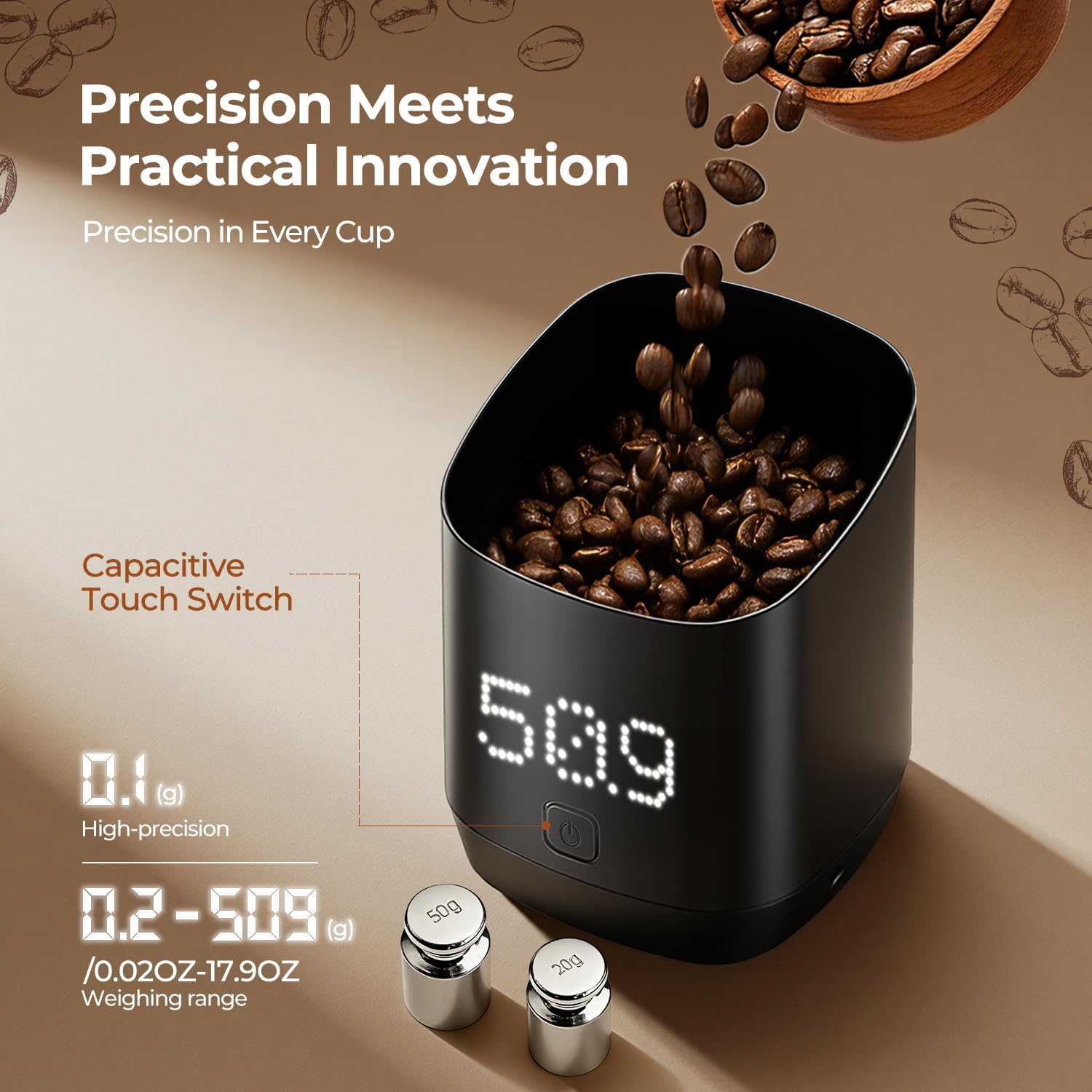
Digital Dosing Cup
Makes weighing beans faster and cleaner, with less mess around the grinder.
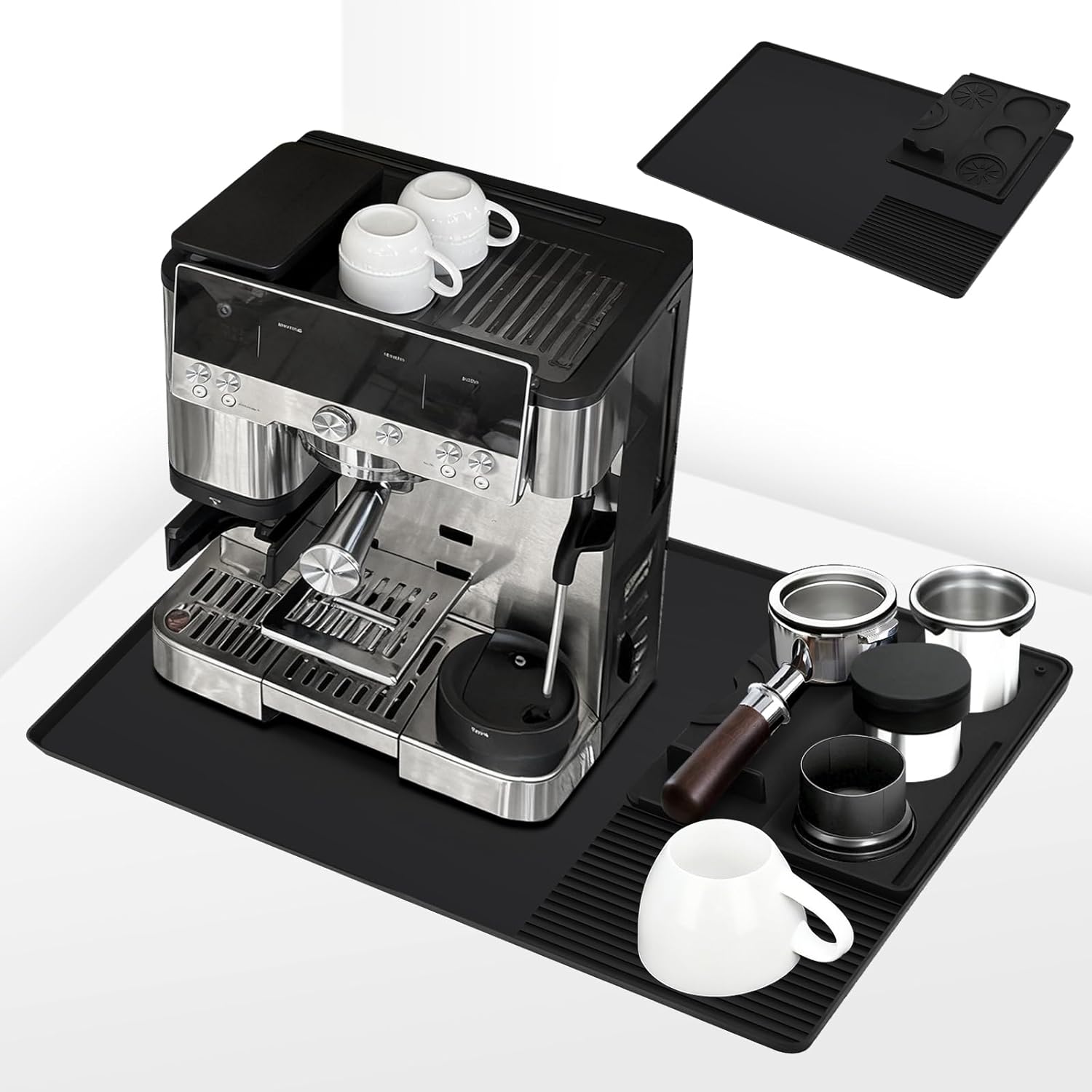
Silicone Mat
Protects your counter, catches spills, and gives your setup a cleaner working surface.

Vacuum Coffee Canister
Helps beans stay fresher longer by limiting air exposure after opening the bag.
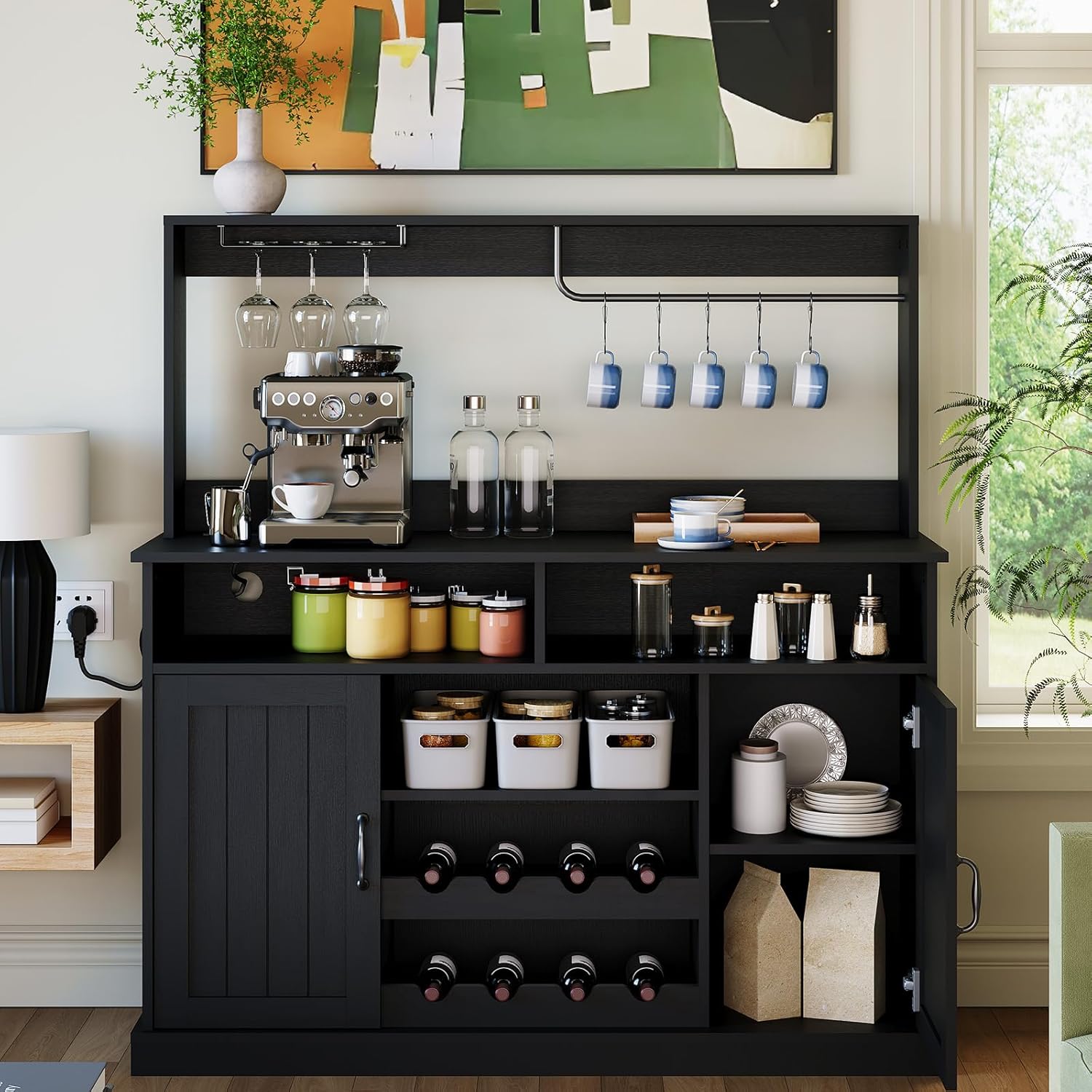
Farmhouse Coffee Bar Cabinet
Gives your machine, cups, beans, and accessories one dedicated home instead of cluttering the kitchen.
The footprint is realistic. At 25 cm wide, 44.5 cm deep, and 39.5 cm tall, the case clears normal cabinets and leaves space for a serious grinder. Mass is a real 18.5 kg, which keeps the machine planted during lock-in. The 2.8 liter tank under the warming tray is oversized for a single boiler, which cuts refill frequency and gives headroom for a back-to-back morning. All are published in ECM’s technical data and echoed by retailers that list tank access under the removable tray.
Controls and information
The PID lets you set brew temperature in degree steps and doubles as a live shot timer. A coffee-pressure gauge gives you resistance feedback at the puck. There is no boiler-pressure gauge on the Classika; you are managing a single boiler with a numeric controller, so you do not need a second needle to tell you when steam is ready. The steam and hot water share a traditional rotary valve and a stainless wand. ECM’s product sheet calls out each of these behaviors directly, and multiple retailers confirm the PID-timer and gauge setup.
Fast Heat Up
Recent Classika PID units ship with Fast Heat Up available in the PID menu. The controller deliberately overshoots the boiler target at start-up and prompts you with a “flush” message, using the super-hot water to pull heat into the E61 group and portafilter quickly. Retailers document the routine and quote an 11-minute path to “brew ready” with an ~20 second flush on E61 machines. That does not erase the physics of a heavy group, but it does shorten the gap between switch-on and first good shot in real kitchens.
Flow Control hardware
ECM’s Flow Profile Valve is a stainless needle valve body that replaces the M6 gicleur stack at the top of the E61. It ships with a 45 mm, 0–16 bar gauge that threads into the group cap, plus a spring and seals. Rotation of the paddle or knob varies orifice size, which controls water debit to the puck. Practically, you can hold a long low-flow preinfusion, ramp up to a target, run a declining flow, or rescue a grind that is slightly off by shaping the profile. ECM, Clive, and Whole Latte Love all publish guidance on how the device works and what the parts do.
Workflow
Warm-up cadence that works
With Fast Heat Up active, power on, lock the portafilter, and let the boiler climb. When the PID flashes the flush prompt, run a steady 15–20 second flush to bring the group and basket up. If you turn Fast Heat Up off, you can still speed the soak by locking a hot blank, then grinding while the group finishes heating. In both modes, a short blank before the first pull stabilizes the path and heats your cup. The retailer documentation of Fast Heat Up explains the overheat-and-flush routine; ECM calls out a short heat-up phase on current Classika machines.
Temperature control
Anchor a brew temperature and leave it alone while you dial grind and distribution. For medium roasts, 93 °C is a strong baseline. For medium-light espresso roasts, 94–95 °C brings clarity without stripping body. The PID’s job here is not to invite constant tinkering; it is to remove temperature surfing so you can push taste with puck prep and yield. ECM’s page confirms individual boiler-temperature adjustment and the brew-time display on the same controller.
Brew–steam–brew rhythm
This is a single boiler. You brew first. Toggle to steam when you need milk. Purge until steam is dry, texture, then toggle back to coffee and run a cooling flush to bring the boiler back to the brew zone. The boiler is small enough that the climb to steam is quick and the return to coffee is equally short. Whole Latte Love quotes steam readiness in about forty seconds, which tracks with a 0.75 L boiler and a modest wand.
Pressure feedback and OPV
The front gauge is a puck-health meter. On a clean double with a precision basket you will see a brisk rise toward your OPV ceiling at pump start, then a small relaxation as flow increases. If pressure spikes and the shot chokes, you are too fine or your prep is uneven. If the needle never climbs and the shot gushes, tighten grind and verify dose. If you want to set a nine-bar ceiling under blind, the Classika offers easy access to the expansion valve from the top; ECM calls out that service access explicitly.
Where flow control fits in the routine
With the ECM Flow Profile Valve installed, you can run the same set-and-forget routine or you can use the paddle to shape a shot. A common beginner profile is a long low-flow preinfusion to saturate the puck, a smooth ramp to your nominal target, and a gentle decline in the final third to extend sweetness while controlling extraction. The kit’s gauge reads group pressure near the puck, not pump pressure, so your feedback is immediate. ECM’s kit page and retailer primers explain that a needle valve regulates water debit and that the included spring supports manual preinfusion behavior.
Espresso Performance
Stability on numbers
A 0.75 liter stainless boiler under PID, a short water path, and an E61 with mechanical preinfusion yield predictable behavior for home volumes. You pick a temperature, you pick a cadence, and the cup follows. ECM’s controller shows shot time on the same display you use for temperature, which simplifies logging and keeps your rhythm honest. The machine feels calmer than thermostat-only singles because you are not chasing a heating-cycle window. The published hardware stack is the reason the experience is steady.
Baseline recipe
Start with 18 g in, 36 g out, 25 to 30 seconds. On mid-roast blends expect syrupy texture, chocolate, nut, and a clean finish. On medium-light espresso roasts, step the setpoint up a degree or two and, if you are using flow control, hold a slightly longer low-flow preinfusion to take the edge off early channeling. The Classika will not do your puck prep for you, but it will stop getting in the way once you’ve established a routine. The PID shot timer and the front gauge make it easier to lock in time and resistance without extra gadgets.
What flow control changes in the cup
On this platform, flow control is a scalpel. It lets you push a lightly roasted coffee toward fruit and florals by lowering early flow, then riding a gentle ramp. It lets you calm a bitter edge on darker coffee by ramping pressure slower and tapering late flow to avoid over-extracting fines. It gives you a rescue tool when your grinder is one click too tight or too loose. Independent guides describe the device as a manual needle valve in the E61 cap that changes water debit at the puck; in practice you will feel it as a live texture control.
Shot-to-shot pace
The small boiler and E61 mass recover quickly for two or three consecutive espressos. If you plan a longer pull list, keep your interval steady, wipe the screen between shots, and give the boiler a cue with a brief blank if you paused to steam. ECM’s data on boiler volume and the retailers’ warm-up numbers are consistent with this “calm but ready” tempo.
Milk Steaming
Power and control
A 0.75 liter boiler is not a café steamer, but it produces dry, usable steam for single drinks. Expect to purge briefly, texturize a 150–200 ml pitcher to 60–65 °C at a reasonable pace, then return to coffee with a short cooling flush. Whole Latte Love quotes roughly forty seconds to steam readiness; Clive’s special-edition page notes a quick-steam valve on that trim that sharpens response, but the standard rotary valve on the base Classika is already predictable.
Technique tips for small boilers
Keep your pitcher volume modest, purge wet condensate, and keep aeration brief. Once a rolling vortex is set, ride finish temperature without wandering the tip. Cut steam, wipe and purge, then drop the boiler back to coffee. Once you practice this cadence, the Classika becomes a reliable cappuccino machine for one drink at a time.
Maintenance and Water
Daily and weekly care
The brew circuit vents with a proper three-way, so detergent backflushing belongs in your weekly routine. End sessions with a water backflush and a wipe of the gasket area and shower screen. The wand needs a quick purge and wipe every time you steam. ECM’s documentation and the retailer manuals available for download reinforce the cleaning pattern and show exploded diagrams if you eventually replace wear items.
Water quality and scale
Stainless boilers are resilient, not magical. Keep hardness in a safe band and descale on a schedule that matches your source. If you mix distilled plus minerals, the Classika’s tank makes dosing easy. If you buy bottled water, use a profile with published hardness and alkalinity. ECM lists its own descaler and water-care consumables and is clear that proper water is part of long-term stability.
Flow-control upkeep
The needle valve and group-cap gauge are mechanical parts. Keep the area clean, avoid overtightening, and add a drop of food-safe lubricant on the threads if the paddle feels stiff after many months. ECM and retailers call out the parts included in the kit and the generic maintenance items you will need eventually.
Real-World Workflow You Can Count On
With Fast Heat Up on
- Power on with the portafilter locked in.
- Wait for the PID to display the flush prompt, then run ~20 seconds to bring the group and basket up.
- Grind, prep, lock in, and pull. The PID shows shot time.
- If making milk, toggle to steam, purge, texture a 150–200 ml pitcher, then toggle back and run a cooling flush to return to coffee.
Without flow control
Keep your cadence tight: blank, dose, distribute, and pull within the same window every time. Use the coffee-pressure gauge as a check on puck resistance and the PID time as your anchor.
With flow control
- Start with the valve nearly closed to hold a low-flow preinfusion for 5–10 seconds.
- Open smoothly to your mid-shot target.
- Taper flow in the final third if you want more sweetness and less astringency.
Guides from ECM and retailers explain that all you are doing is moving a needle in an orifice to regulate water debit at the group. It is tactile and repeatable once you log a few favorite positions.
Competitive Set
ECM Puristika
Espresso-only E61 with PID, stainless boiler, front brew-pressure knob, and a movable 2 L glass tank. If you never steam and want the cleanest espresso workflow, Puristika is the simpler path with similar shot quality in a smaller footprint. ECM’s page documents the “espresso-only” brief, PID, and stainless boiler.
Profitec GO
Compact single boiler with PID, on-screen shot timer, pump-pressure gauge, and a tool-free OPV under the cup tray. Ring group rather than E61, much faster warm-up, and a lower price. GO is the modern, budget-friendlier option if you care more about speed and convenience than an E61’s feel. Retail specs confirm PID, timer, and accessible OPV.
Bezzera Unica PID
E61 single boiler with a copper 0.5 L boiler and PID. Bigger tank, classic lever dosing, simpler interface, and solid steaming for one drink. No on-panel shot timer. Choose Unica if you want E61 feel with a slightly smaller boiler and a lower price in the EU.
Lelit Victoria PL91T
Single boiler with 58 mm hardware, Lelit Control Center PID, menu-set preinfusion, and a compact case. Not an E61, quicker to readiness, very clear UI. If you want digital comfort and regular milk in a small footprint, Victoria fits. Retail pages document LCC, preinfusion, and on-screen timing.
Quick Mill Carola EVO
Espresso-only E61 with PID and an on-screen shot timer, no steam hardware at all. Smaller footprint and lower price than Classika. If milk is rare and you want a silent bench, Carola is the espresso-first rival.
VBM Domobar Single Boiler Digital
E61 single boiler with an OLED interface and panel-set temperature. Slightly different UI philosophy and a strong EU presence. If you like the Domobar aesthetics and want an E61 with numeric control, it sits close to Classika on shots. Retailers and the brochure confirm E61, OLED, and 0.5 L boiler.
Where Classika fits: it is the “classic E61 single boiler done right” slot, upgraded with a real PID, a stainless boiler, Fast Heat Up, and optional flow control that adds meaningful headroom for taste exploration.
Scores
- Build and materials: 9.0/10
Polished stainless chassis, 0.75 L stainless boiler, ECM E61 with a stainless brew bell, clean manometer, and sensible access to the OPV. It feels like a long-term appliance rather than a temporary gadget. - Workflow and usability: 9.0/10
Fast Heat Up shortens the path to a good first shot, the PID sets temperature and times shots, the gauge reports puck resistance, and the tank is generous. The interface is simple and honest. - Espresso consistency: 9.0/10
Degree-level control on a small stainless boiler plus E61 hydraulics equals steady extractions once you set a cadence. Flow control raises the ceiling without complicating the base routine. - Milk steaming: 7.9/10
Clean, controllable steam for one drink at a time and a quick return to brew with a cooling flush. It is honest about being a single boiler. - Maintenance and serviceability: 8.6/10
Straightforward cleaning through a three-way, accessible OPV, and widely stocked parts and accessories. ECM publishes the kit and care items clearly. - Value: 8.5/10
At roughly 1,649 dollars in the US, about 1,259 pounds in the UK, and 1.3–1.4k euros in the EU, the Classika PID earns its price if you want E61 feel, a stainless boiler, Fast Heat Up, and the option to add flow control without stepping to a dual boiler. - Overall rating: 8.8/10
A compact, espresso-focused E61 with enough brains to run repeatable shots every day, and enough headroom to profile when you want to push flavor.
Final Verdict
The Classika PID + Flow Control combo hits a sweet spot for home baristas who care about shot quality first. The base platform is the correct set of parts: an ECM-tuned E61 with a stainless bell, a 0.75 liter stainless boiler, a PID that does both temperature and timing, a real coffee-pressure gauge, and an accessible OPV. Warm-up is faster than the E61 stereotype when you use Fast Heat Up and follow the flush prompt. Brew-then-steam-then-brew cadence is straightforward and quick for a single boiler. The 2.8 liter tank lets you work without babysitting water level. Nothing about the machine pushes you toward ritual for ritual’s sake.
Flow control turns the Classika from a steady metronome into a small instrument. It lets you shape extractions to match coffees, grind quirks, and mood without inviting chaos. Long low-flow preinfusion for dense light roasts. Smooth ramps for medium blends. Gentle tapers for sweetness late in the shot. It remains tactile and transparent, and when you do not need it you can leave the valve in your normal open position and pull a standard shot.
If your mornings are mostly straight shots and the occasional cappuccino, this is the right scale of machine. If you steam several drinks back to back every day, you will appreciate the pace of a heat exchanger or a dual boiler. If you do not care about E61 feel and want the fastest possible warm-up with more on-screen features, a compact PID single like Profitec GO will scratch that itch at a lower price. If you never steam, ECM’s Puristika shrinks the footprint and keeps the E61 experience tight.
For a lot of home bars, the Classika PID is the machine you keep as you get better. It refuses drama, rewards a clean routine, and still leaves room to play when the coffee demands it. The claims are not marketing poetry; they are supported by ECM’s documentation on materials and controls and by retailers who have spent time describing Fast Heat Up, the PID timer, and the flow-control hardware.
TL;DR
ECM Classika PID is a stainless-boiler E61 single-boiler with a PID that sets brew temperature and times shots, a front coffee-pressure gauge, a 2.8 L tank, and easy access to the OPV. Fast Heat Up accelerates readiness with a guided flush. Add ECM’s Flow Profile Valve and you can run low-flow preinfusion, smooth ramps, or gentle tapers from the group. It pulls stable shots, steams one pitcher cleanly, and fits real counters. US pricing sits near 1,649 dollars; UK and EU offers land around 1.25–1.4k equivalents.
Pros
- Stainless boiler, stainless brew bell, and polished stainless chassis
- PID with degree-step control and on-screen shot timer
- Generous 2.8 L tank and accessible OPV for brew-pressure adjustment
- Fast Heat Up shortens the path to the first good shot
- Flow-control option adds real extraction headroom without complicating daily use
Cons
- Single-boiler sequencing slows multi-drink milk service
- No boiler-pressure gauge
- E61 still benefits from a little extra heat soak beyond the flush routine
- Flow-control hardware adds cost and requires occasional attention to keep motion smooth
Who It’s For
Home baristas who want E61 feel, numeric control, and honest mechanics in a small footprint, and who make one or two milk drinks at a time at most. If you want to stretch coffees with manual profiling but do not want a larger dual boiler or a full variable-pressure system, the Classika PID with ECM’s Flow Profile Valve is a tidy solution that you can grow into for years.
Buying notes and variants
- Fast Heat Up. Newer Classika PID units ship with Fast Heat Up in the PID menu. The controller overshoots then prompts a flush to accelerate group warm-up. Look for “UP” then “FLU” on boot; retailers document the sequence and timing.
- Dimensions and tank. 250 × 445 × 395 mm and 18.5 kg with a 2.8 L reservoir. The cup-warmer tray lifts for easy tank access.
- Flow control kit. ECM’s kit includes a 45 mm 0–16 bar gauge, a flow regulator, a seal, and a spring. It installs on the E61 cap. Clive’s and WLL’s primers cover use cases and technique.
- Typical prices. US around 1,649 dollars for the base machine, UK roughly 1,259 pounds, EU around 1.3–1.4k euros depending on shop and bundles. Check whether flow control is pre-installed or sold separately.
If you want, I can map the Classika against Profitec GO, Puristika, and a heat-exchanger like ECM Mechanika in a side-by-side grid on warm-up, shot stability, steam time for a 150 ml latte, and total cost of ownership by region.
We’ve categorized the best espresso machines for every kind of buyer
Find the right shortlist faster, whether you want convenience, a beginner-friendly setup, a smaller footprint, or better value at a given budget.
Best Superautomatic Espresso Machines
One-touch picks for speed and convenience.
Best Espresso Machines for Beginners
Easy-to-use machines with a smoother learning curve.
Best Small Espresso Machines
Compact machines for tighter kitchens and counters.
Best Espresso Machines With Built-In Grinder
All-in-one options with fewer extra pieces to buy.
Best Cheap Espresso Machines Under $500
Budget picks that still make sense for real espresso.
Best Prosumer Espresso Machines Under $1000
More serious machines with stronger value for the money.
Best Single Boiler Espresso Machines
Simple, space-saving picks for espresso-first routines.