
Takeaway
Crem built the ONE HX PID WT/WC for home baristas who want classic E61 heat-exchanger behavior with modern control, a real shot timer, and the option to run from a reservoir or a water line without stepping up to a rotary-pump machine. You get a 1.7 liter copper boiler, a vibration pump, half-turn valves, no-burn wands, and a clever UI above the group. The face is clean, the tray is oversized with a cutout for scales, and the machine carries SGS commercial certification in North America. For anyone who wants café cadence and an upgrade path to plumbing, it is one of the most capable HX packages under two grand.
At a glance
- Architecture. E61 grouphead on a heat-exchanger platform. PID controls boiler temperature and the display doubles as a shot timer on the HX model.
- Pump. Vibration pump, unusual in that the HX PID model is still plumbable and can toggle tank or line.
- Boiler. Copper HX boiler, 1.7 L nominal volume, 0.8 to 1.3 bar working range.
- Water. WT/WC means Water Tank or Water Connection. US units use a manual selector under the chassis. Drain-line adaptable through the tray.
- Display and controls. Digital screen above the group for PID and shot time. Double manometer for brew and steam pressure. Half-turn valves for steam and hot water.
- Build. Stainless exterior, customizable side panels on some trims, no-burn wands, very large drip tray with removable cutout for taller cups and scale use.
- Dimensions and mass. 420 × 300 × 458 mm. Listed weight 30 kg.
- Noise. < 70 dB rating in the manual.
- Reservoir. Listed between 1.5 and 1.8 L depending on region.
- Price snapshots. USA about 1799 USD. Canada around 2299 CAD. UK about 1290 to 1490 GBP. EU deals run near 1100 to 1580 EUR. Australia around 2780 AUD. Regional tax and shipping policies apply.
Build and design
Chassis and stance
ONE HX PID keeps a compact footprint and a grounded, commercial vibe. Crem’s shell is mirror-polished stainless with squared shoulders and solid feet. The face is uncluttered: group and lever in the centerline, a double manometer to the left, steam and water knobs with short throws, and the small digital screen above the group. That screen is the tell. You set the boiler’s PID there and watch shot time without bolting a third-party timer to the machine. The manual confirms the 420 mm height, 300 mm width, and 458 mm depth, and calls out the dual gauge and the 1B (single-boiler HX) digital display.
Group and hydraulics
Crem pairs a classic E61 group with a 1.7 liter copper steam boiler that houses the heat-exchanger tube. The E61’s mechanical pre-infusion and thermosyphon give you familiar behavior: soak, flush, pull. The manual’s machine data show a 1.7 L steam boiler and an operating band between 0.8 and 1.3 bar. That is the right steam landscape for 12-ounce pitchers and quick back-to-backs.
Valves, wands, and workspace
The HX PID trim gets no-burn wands and half-turn knobs. The drip tray is large and flat with a removable cutout panel, which lets a bottomless portafilter clear a scale or taller cups. This is a tiny detail that changes daily workflow. The parts layout is documented on Whole Latte Love’s product page, including the cutout, half-turn valves, and no-burn hardware.
Water path, the WT/WC piece
Crem’s hook is right in the name. WT/WC means you can run from the internal reservoir or a 3/8 BSPP line. US-coded models include a manual selector underneath and default to either tank or tap mode. The manual spells out “Net mode” and the selector note for US versions, plus the drain-line instructions if you want a dry tray. This is not a rotary pump machine, yet it is truly plumbable, which is rare in the vibe-pump class.
Weight, power, and certification
The 1B HX variant is listed at 30 kg and 1300 to 1400 W depending on the voltage and market, with an ambient noise spec under 70 dB. In North America the HX PID carries an SGS certification that retailers describe as NSF-equivalent, which opens doors for light commercial use.
Workflow
Warm-up and heat soak
Let the metal saturate. With an E61, the machine will show boiler pressure well before the group is genuinely ready. Lock an empty portafilter during warm-up so the group and the portafilter rise together. The PID holds your HX boiler at the number you set, not the brew water directly, which is normal for this architecture. The manual’s optimal range puts steam between 0.8 and 1.3 bar. Choose a boiler temperature that lands you in the mid-band for everyday steaming. Adjust later to taste.
Shop the essentials
The small upgrades that make a home coffee setup cleaner, smoother, and more enjoyable to use every day.

Cleaner & Descaler Tablets
Keeps your machine clean, helps prevent buildup, and protects long-term performance.
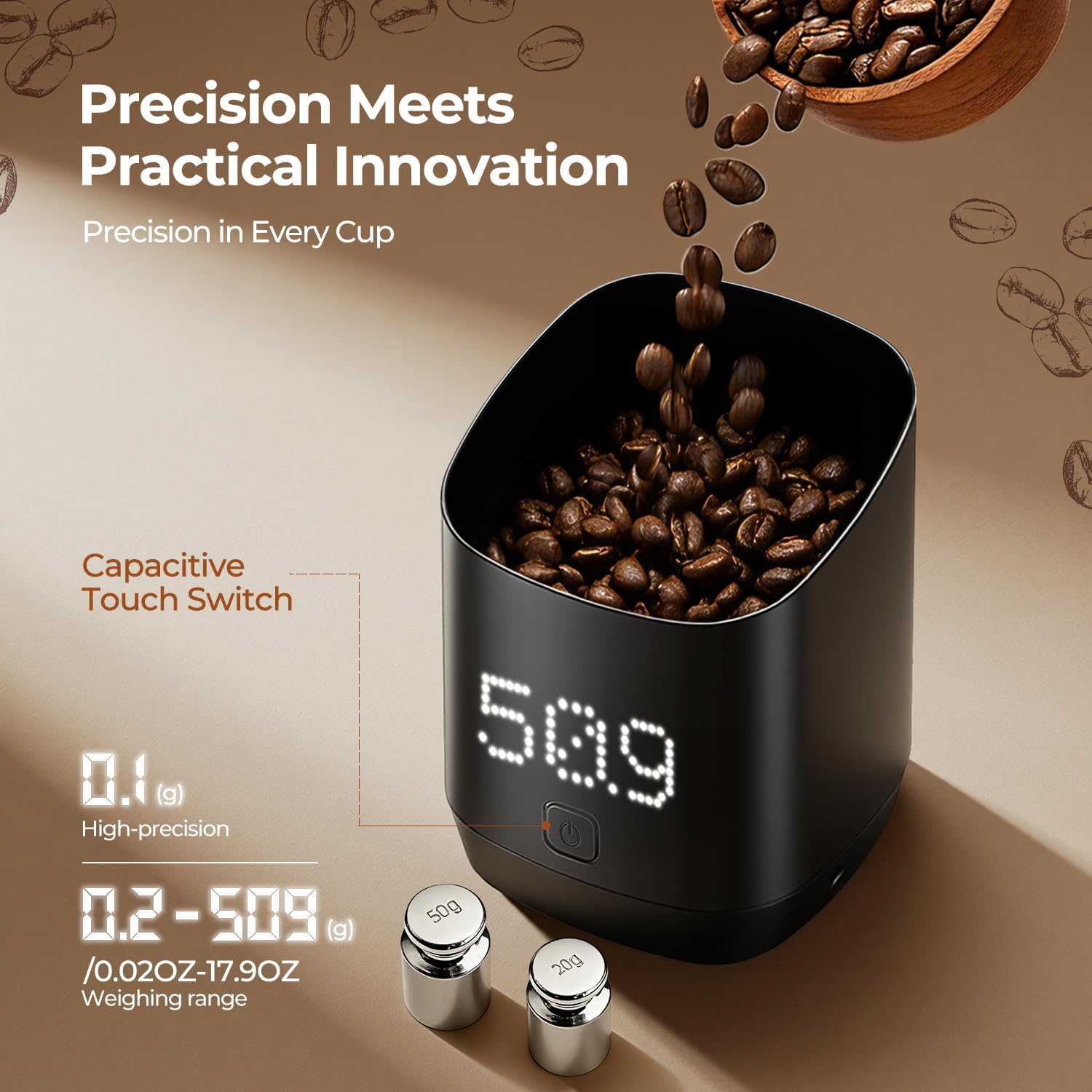
Digital Dosing Cup
Makes weighing beans faster and cleaner, with less mess around the grinder.
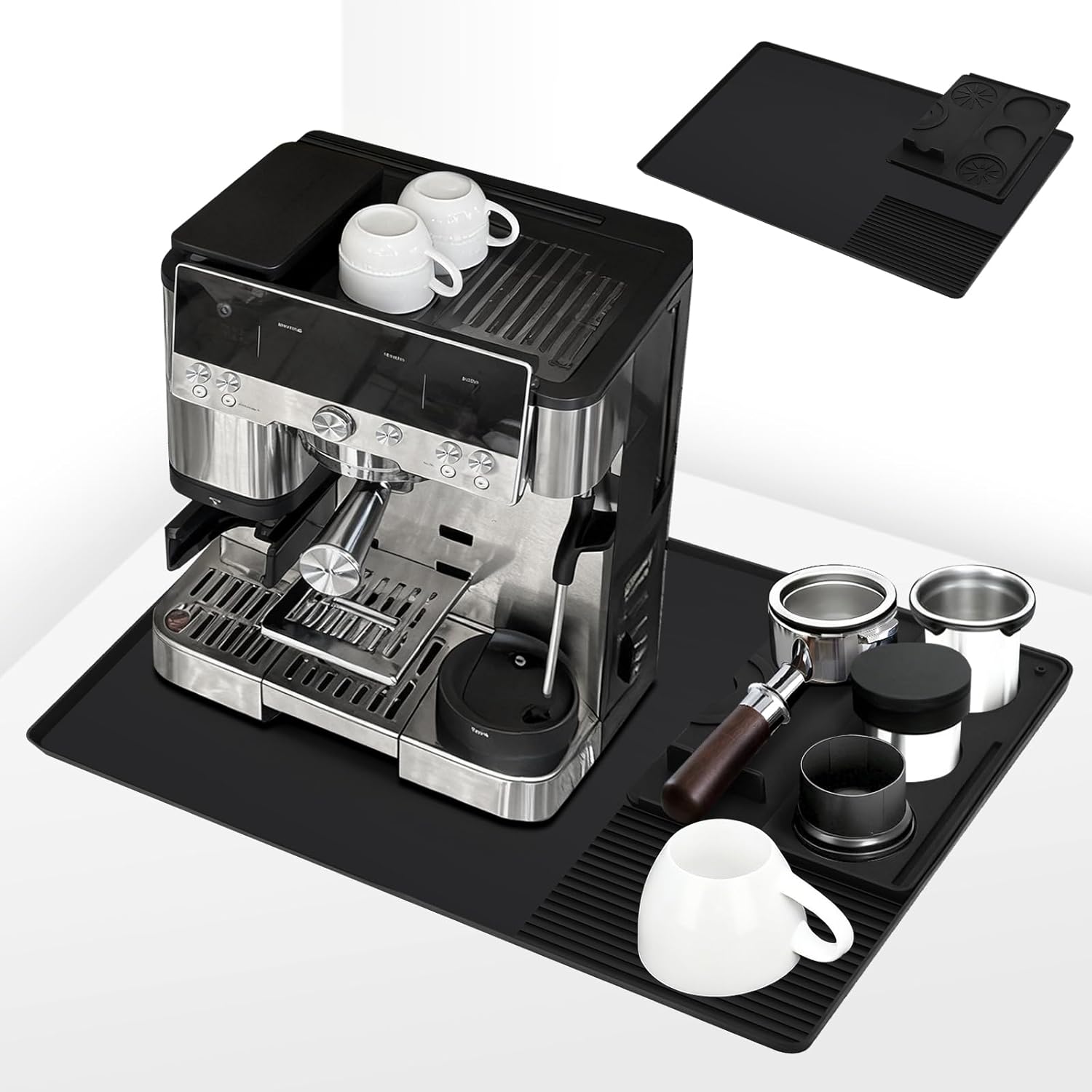
Silicone Mat
Protects your counter, catches spills, and gives your setup a cleaner working surface.

Vacuum Coffee Canister
Helps beans stay fresher longer by limiting air exposure after opening the bag.
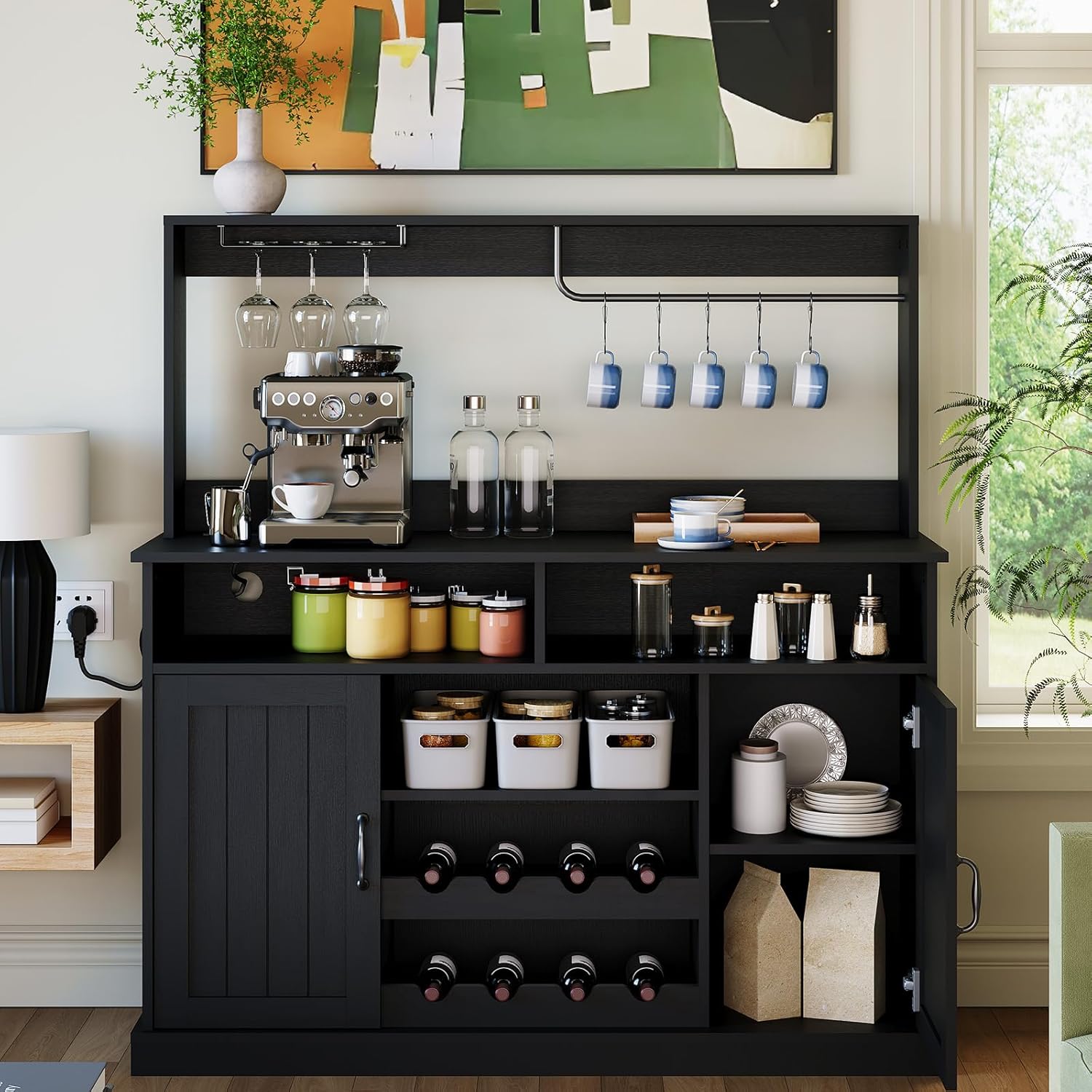
Farmhouse Coffee Bar Cabinet
Gives your machine, cups, beans, and accessories one dedicated home instead of cluttering the kitchen.
Cooling flush discipline
HX machines collect heat in the brew circuit during idle. The first pull after a rest needs a small cooling flush. Start the pump with the portafilter out and watch for the sputter to clean up into a steady stream. That transition is your visual cue that the HX has shed overheated water. Lock in and pull. Between back-to-back shots, you often skip the flush entirely. Lelit’s Mara X exists to hide this routine for users who do not want to think about it, but if you respect the flush, the Crem behaves predictably.
Shot timing made obvious
On the HX, the digital display also functions as a shot timer. Press the lever to start pre-infusion and ramp, then watch the seconds climb on the display. This solves the classic HX annoyance of juggling a phone timer or aftermarket gadget. The timer function and PID behavior are documented on the US product listing.
Tank today, water line tomorrow
If you start on the reservoir, the machine includes an in-tank filter element. The manual recommends a hardness range of 5 to 8 French degrees, roughly 90 to 150 ppm TDS, and it shows how to fit the cartridge in the tank. When you are ready to hardline, connect to a filtered 3/8 BSPP source and flip the selector underneath on US models. The drain port is prepped under the tray if you want to send waste to a sink. This is how you grow from a counter setup to a semi-permanent bar without changing machines.
Ergonomics that help under pressure
Half-turn valves are easier on wrists and accurate. No-burn wands purge cleanly and they let you focus on milk rather than avoiding hot steel. The tray cutout means your scale lives in the same spot every day, so repeatability goes up. The double gauge reads boiler and brew pressure at a glance. These are small, cumulative decisions that feel like a bar tool rather than a decorative box.
Espresso performance
Stability you can trust
The E61 group gives you a gentle pre-infusion and a smooth ramp to pressure. The copper HX keeps the brew path warm via thermosyphon circulation. With the boiler parked mid-band, the system is calm. In practice, you map one cooling flush after idle and the Crem will land you in a repeatable extraction window for medium roasts. The juggle is simple: use the PID as your steam and idle-state control, use the flush to normalize brew water, and then rely on puck prep. The machine is consistent enough to expose distribution sloppiness quickly, which is exactly what you want when you are improving.
Starting recipes
For a medium espresso blend, run 18 g in, 36 g out, 27 to 31 seconds from pump on. Hold dose and yield fixed for the first three shots and walk the grind to land in time. For lighter roasts, lengthen the initial flush slightly, grind finer, and target a 1:2.2 ratio in the low thirties. For darker roasts, shorten the flush and pull closer to 1:1.9 while watching texture and finish. Use the shot timer on the face instead of juggling gadgets.
What the pour tells you
On a healthy puck, you will see even beading at the bottomless, then a steady, syrupy column that stripes and then blondes. If the first seconds look angry and chaotic, your distribution missed. If the finish sputters early, your grind is too coarse or you cut too wide. If astringency bites at longer ratios, you are probably over-flushing or running too cool on the boiler PID. These adjustments get intuitive after a week.
Pressure feel and the pump
Vibration pumps are louder and less silk-smooth than rotary pumps under flow, but they deliver perfectly sound extractions. This machine’s noise spec is under 70 dB and many owners are surprised by the calm, especially once the casework is heat-soaked. If sound is your primary constraint, a rotary-pump HX like ECM’s Technika V Profi PID is quieter, but you also pay more for that calm.
Light roast reality check
This is a single HX boiler. You can make expressive light roasts, but the workflow depends on flushing discipline and grind quality. If you pull Nordic profiles every morning and want degree-by-degree brew setpoints at the group, you are shopping dual boilers. Crem’s own dual-boiler and Profiler models go there. The HX PID leans into speed, steam, and rhythm.
Milk steaming
Steam character
A 1.7 liter copper boiler with a PID set in the mid-band gives you assertive, dry steam. The wand is no-burn and fully articulated, so pitcher position and vortex setup are easy. Expect short, predictable stretches on 6 to 12 ounce pitchers and fast recovery. This is a proper HX wand, not a compromise for decoration.
Tips and cadence
Purge a short burst to clear condensation. Stretch for six to eight seconds with the pitcher low to the tip, then bring the tip just under the surface and ride the roll to your target. Two-hole tips are a sensible default for latte art practice on 12-ounce volumes. The half-turn valve lets you modulate without over-twisting your wrist. Pull your shot, then steam, or steam then pull. The HX platform is happy either way.
Entertaining
Four milk drinks in a row are easy. For larger rounds, do not chase a higher boiler setting unless your steam pressure is clearly low. You trade texture control for speed as you climb, so make small changes and keep an eye on taste.
Maintenance and reliability
Daily loop
Purge and wipe the steam wand after every pitcher. Backflush with water after a session. Detergent backflush weekly if you pull daily. Remove the shower screen and basket for a soak on schedule. Replace the group gasket before it hardens. These are standard E61 habits. The ONE manual includes a cleaning section and even puts reminders into the interface on some models.
Water decides your ticket count
Crem ships a small tank filter. The manual is explicit about water quality for copper and brass: target 5 to 8 French degrees, roughly 3 to 5 German degrees, 90 to 150 ppm TDS. On a line, install proper filtration and softening. In US plumbing mode, you use the underside selector and accept that Dual mode is not supported on selector-equipped machines. With good input water, scale headaches drop and steam stays dry.
Service and parts
The HX PID uses mainstream components, including the E61 group, a vibe pump, PID control, and standard valves. Retailers call out an external OPV and drain-line adaptability, which make owner maintenance and bar-style installs easier. Because Crem’s ONE platform spans several trims, parts and documentation are relatively easy to find.
Programming and controls
PID on an HX
On the 1B HX, the user programming is intentionally simple. You adjust boiler temperature using the group-mounted display. That number sets steam strength and the HX idle state. It does not directly set brew water temperature at the puck. The manual’s “User programming 1B” section shows the display and the short sequence.
Shot timer
The HX model uses its display as a shot timer during extraction. It seems minor until you live with it. A visible timer encourages consistent yield-to-time habits and quicker diagnosis when shots drift. Documented on the US product page.
Switching water sources
WT/WC machines can run from a tank or a water line. On US versions you physically select the source with the underside tap. The manual also lists 3/8 BSPP for the inlet and outlines the drain routing through the tray. If you intend to plumb and drain, this is straightforward.
How it behaves on a real bar
Unboxing and placement
Give the wands room to swing and make sure you can pull the portafilter straight. If you plan to plumb later, leave clearance for a 3/8 BSPP elbow and a gentle loop to your filter head. The drip-tray cutout earns its keep on day one because your scale lives in that pocket.
Dial-in flow
Prime the machine, fit the tank filter, heat-soak the group, and set the boiler PID to a middle value. After an idle, perform a short cooling flush until the stream smooths. Your first round of shots will taste like the third if you match that idle-flush-pull rhythm. For lighter roasts in the morning, extend the cooling flush slightly. For darker blends later, shrink it.
Back-to-back drinks
This is where the HX earns its keep. Pull a shot, park the portafilter, steam a pitcher, wipe, purge, and go again. With a 1.7 L boiler and PID control, recovery is quick. If your household does back-to-back cappuccinos, the Crem handles that pace easily.
Noise and feel
Yes, it is a vibration pump. The case and mass keep the note controlled. If you come from a rotary machine you will hear the difference. If you are coming up from an entry-level single boiler, the Crem will sound civilized and feel steady under hand. The gauges and the shot timer keep you honest, which is half the battle.
Competitive comparisons
Profitec Pro 500 PID
Pro 500 PID is the canonical stainless-boiler HX with a vibration pump and tank-only water source. PID regulates boiler temperature and there is no plumbing option. If you do not care about plumbing and you prefer a stainless HX over copper, the Pro 500 runs shot for shot with the Crem. If you want scale-in-tray, shot-time on the face, and future plumbing, the Crem leans ahead.
ECM Technika V Profi PID
Technika V is a rotary-pump HX with switchable tank or line. It is bigger, heavier, and more expensive but silent under flow. PID is present, and ECM adds a shot-time display on recent revisions. Choose ECM if you demand rotary sound and stainless boiler construction. Choose Crem if you want to spend less and still get a plumbable platform with a shot timer and the big-tray ergonomics.
Rocket Mozzafiato Cronometro V
Mozzafiato V is a vibration-pump HX with PID and a built-in shot timer, but it is reservoir-only. That makes it a natural foil to the Crem, which gives you similar ergonomics plus the ability to plumb. If you never plan to connect a line and you prefer Rocket’s styling, it is a lateral choice. If plumbing later is part of your plan, the Crem is the clear fit.
Lelit Mara X (PL62X)
Mara X is a compact vibe-pump HX that actively manages brew temperature and minimizes cooling-flush fuss. It is tank-only and lighter, with less steam reserve. If you want small footprint and the most forgiving HX for light flush discipline, go Lelit. If you want a bigger tray, a shot timer, and the option to plumb and drain, pick Crem.
Bezzera BZ10
BZ10 swaps the E61 for an electronically heated proprietary group. Heat-up is faster and the footprint is smaller. It is tank-only, vibe-pump, and a touch more compact on the counter. Choose Bezzera for speed and size. Choose Crem for the E61 lever feel, the digital display, and the WT/WC path.
Real-world specs and pricing
- Group. E61 with mechanical pre-infusion. 58 mm baskets.
- Boiler. 1.7 L copper heat-exchanger. 0.8 to 1.3 bar working band.
- Pump. Vibration.
- Water. WT/WC, 3/8 BSPP line connection, tank or line selectable. US units include a manual underside selector. Tray can be drained.
- Display. Digital screen above the group for PID and shot timer.
- Gauges. Double manometer for brew and steam.
- Dimensions and mass. 420 H × 300 W × 458 D mm. Around 30 kg.
- Reservoir. 1.5 to 1.8 L depending on listing and region.
- Noise. < 70 dB noted in the manual.
- Certifications. SGS commercial certification claimed in US listings.
- Typical street pricing. USA about 1799 USD. Canada 2299 CAD. UK around 1290 to 1490 GBP. EU near 1100 to 1580 EUR depending on dealer and promo. Australia around 2780 AUD. Verify VAT and shipping.
Strengths
- Plumbable HX with a vibration pump. Tank-or-line flexibility at this price is rare in the vibe-pump class.
- PID and shot timer on the face. Boiler control and clear timing boost repeatability.
- Serious steam. 1.7 L copper boiler and a mid-band PID setting produce dry, confident steam for 12-ounce pitchers.
- Smart ergonomics. Half-turn valves, no-burn wands, and a tray cutout for scales.
- Install options. Drain-line adaptable. US models include a water source selector under the chassis.
Trade-offs
- It is still an HX. You manage idle heat with a brief cooling flush rather than dialing brew temperature numerically. If you want exact degrees at the group, shop dual boilers.
- Vibration pump sound. Quieter than many, but not rotary-calm. If sound is the priority, a rotary HX like ECM’s Technika V fits that brief at a higher price.
- Reservoir variance by region. Listings show 1.5 to 1.8 L. Not a performance problem, but confirm if volume matters to you.
Scores
- Build quality: 8.7
- Temperature stability: 8.5
- Shot consistency: 8.6
- Steaming power: 8.9
- Workflow and ergonomics: 9.0
- Maintenance and serviceability: 8.6
- Value: 9.0
Overall: 8.8
Verdict
The ONE HX PID WT/WC is Crem’s grown-up take on the classic home E61. It honors the heat-exchanger playbook and fixes the daily pain points. You get a digital display that acts like a shot timer, an oversized tray with a scale pocket, half-turn valves, no-burn wands, and a spec sheet that lets you run tank or hardline without buying a rotary-pump machine. The boiler is big enough to steam fast and recover quickly. The interface is simple enough that any family member can walk up and pull a clean shot after a short cooling flush.
If you never plan to plumb and you want stainless boiler construction, Profitec’s Pro 500 PID remains a safe bet. If you want rotary silence and premium finish, ECM’s Technika V PID earns that spend. If you need an HX that hides flush timing, Lelit’s Mara X does the trick. The Crem ONE HX PID is the right answer when you want modern ergonomics, a true shot timer, and the option to plumb and drain later without switching platforms. It is a well-priced way to build a bar that can scale from a busy Saturday breakfast service to an evening cappuccino run without hand-holding.
TL;DR
An E61 HX with boiler PID and a built-in shot timer, a 1.7 L copper boiler, vibe pump, and true WT/WC flexibility. It can run from a reservoir or a water line and even accept a drain line through the tray. Strong steam, tidy ergonomics, and SGS certification on North American units round out the package. Street pricing commonly lands near 1799 USD, 2299 CAD, 1290 to 1490 GBP, 1100 to 1580 EUR, and about 2780 AUD. If you want a plumbable HX without jumping to a rotary pump and you care about clean daily workflow, this is the one.
Pros
- Plumbable vibe-pump HX with manual source selector on US models
- Boiler PID and an on-face shot timer
- Strong steam and quick recovery from a 1.7 L copper boiler
- Half-turn valves, no-burn wands, generous tray with scale cutout
- Drain-line ready and SGS certified in North America
Cons
- Requires a short cooling flush after idle
- Vibration pump is not rotary-quiet
- Reservoir volume varies by listing; confirm local spec
Who it is for
- Home baristas who want E61 lever feel with a modern UI and a shot timer
- Buyers who plan to plumb or drain later without switching machines
- Milk drinkers who value fast, dry steam and back-to-back capacity
- People who prefer simple controls over complex menus and still want PID stability
Glanceable specs
- Group. E61, 58 mm. Mechanical pre-infusion.
- Boiler. 1.7 L copper HX. 0.8 to 1.3 bar operating band. 1300 to 1400 W by market.
- Pump. Vibration. Plumbable.
- Water. Reservoir or 3/8 BSPP line. US models include an underside source selector. Tray can be drained.
- Display. Digital PID with shot timer on the HX model.
- Gauges. Dual manometer for brew and steam pressure.
- Valves and wands. Half-turn knobs. No-burn wands. Fully articulated.
- Dimensions and weight. 420 × 300 × 458 mm. About 30 kg.
- Reservoir. 1.5 to 1.8 L depending on region.
- Noise. < 70 dB.
- Certifications. SGS listed on US retail pages.
We’ve categorized the best espresso machines for every kind of buyer
Find the right shortlist faster, whether you want convenience, a beginner-friendly setup, a smaller footprint, or better value at a given budget.
Best Superautomatic Espresso Machines
One-touch picks for speed and convenience.
Best Espresso Machines for Beginners
Easy-to-use machines with a smoother learning curve.
Best Small Espresso Machines
Compact machines for tighter kitchens and counters.
Best Espresso Machines With Built-In Grinder
All-in-one options with fewer extra pieces to buy.
Best Cheap Espresso Machines Under $500
Budget picks that still make sense for real espresso.
Best Prosumer Espresso Machines Under $1000
More serious machines with stronger value for the money.
Best Single Boiler Espresso Machines
Simple, space-saving picks for espresso-first routines.