
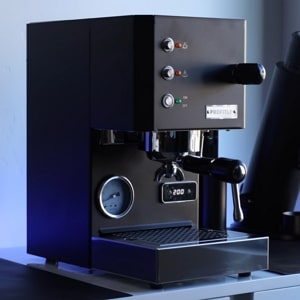
US typical $1,199 • UK ~£849 • EU ~€949–€1,045. Color promos appear periodically. Check live price.
Profitec GO
Compact, number-driven single-boiler that heats fast, times your shots, and lets you set brew pressure for clean, repeatable espresso.
Overview
GO feels like a tool, not a toy. It is a compact single-boiler with a ring group, a PID you actually use, a shot timer on the display, a front gauge, and an OPV you can set from under the cup tray. It heats quickly and has ECO standby. You do not get a hot-water tap or dual-boiler pace, but you get the fundamentals that matter for clean, repeatable espresso in a small footprint.
Pros
- True PID control with degree-level brew and steam settings
- Built-in shot timer on the PID display
- Accessible OPV and clear pump-pressure gauge
- Fast heat-up with programmable ECO mode
- Compact footprint with a full 58 mm ecosystem and 2.8 L tank
Cons
- No hot-water tap
- Single-boiler sequencing for milk drinks
- Wand specification varies by batch and market
- No automatic preinfusion routine
Features
- Type: single-boiler, dual-use with ring brew group
- Boiler: 0.3 L brass with insulation
- Controls: PID with adjustable brew and steam temps; PID doubles as a shot timer
- Pump and pressure: vibration pump with front gauge; adjustable OPV under the cup tray
- Water: 2.8 L removable reservoir; no hot-water tap
- Power: EU 230 V at 1200–1300 W; US 115 V at 900 W
- Heat-up: Fast Heat-Up mode, about 5–7 minutes to brew-ready
- Dimensions and weight: 210 W × 362 D × 381 H mm; 12.9 kg
- 58 mm portafilter and full accessory ecosystem
- Programmable ECO mode for auto-standby
Pricing
- United States: commonly $1,199 at specialty retailers
- United Kingdom: typically £849 at major shops
- European Union: generally €949–€1,045 depending on retailer and color
- Color promotions appear periodically; verify voltage and plug type per region
FAQs
- Does it have a hot-water tap?
- No. It is brew-and-steam only.
- Warm-up time?
- About 5–7 minutes to brew-ready using Fast Heat-Up mode.
- Is preinfusion automatic?
- No. You can simulate a softer start manually, but there is no programmable routine.
- Where do I adjust brew pressure?
- Use the accessible OPV under the cup tray. Set once against a blind basket.
- What about the steam wand spec?
- Cool-touch availability varies by batch and market. Confirm with your retailer if this matters to you.
Who It Is For
- Home baristas who want a compact, PID-driven single-boiler with a built-in timer
- One or two morning shots, sometimes with milk
- Users who value clear feedback from a gauge and easy OPV access
Who Should Avoid It
- Anyone who needs a hot-water tap for Americanos
- Households making multiple milk drinks back-to-back every day
- Shoppers who want automatic preinfusion or simultaneous brew and steam
Variants & buying notes
- Boiler is 0.3 L per Profitec. Some listings still show 0.4 L. Treat 0.3 L as correct.
- Dimensions vary between listings depending on whether the portafilter depth is included.
- Color runs rotate and may be priced differently than brushed steel in EU promos.
- Wand spec varies by batch. If you want a cool-touch wand, confirm at checkout.
- Regional models follow Profitec’s voltage and plug specifications.
Profitec doesn’t really do “cute beginner machines.” The GO is the brand’s entry-class espresso machine in size and price, but it behaves like a serious tool: a compact single-boiler platform with a ring brew group (fast warm-up versus E61), a PID you’ll actually use, and the kind of mechanical transparency that makes dialing in feel straightforward instead of mysterious.
The GO’s pitch is simple: clean, repeatable espresso in a small footprint. Profitec pairs a 0.3 L insulated brass boiler with a practical control stack—brew/steam temps on the PID, a built-in shot timer (the PID display counts extraction time), and a front pump-pressure gauge so you can see what the machine is doing. Heat-up is genuinely quick for this class (roughly ~5–7 minutes to brew-ready with Fast Heat-Up behavior), and the programmable ECO mode lets the machine auto-standby instead of idling hot all day.
The “why it matters” feature most people miss on day one is pressure control. GO’s brew pressure ceiling can be tuned via the accessible expansion valve (OPV) under the cup tray—set it once (typically around the classic 9–10 bar range), and your shots become easier to predict. That pairs well with the timer: lock a recipe (ratio + time), adjust grind, and the machine will meet you with the same temperature behavior and pressure behavior day after day.
Shop the essentials
The small upgrades that make a home coffee setup cleaner, smoother, and more enjoyable to use every day.

Cleaner & Descaler Tablets
Keeps your machine clean, helps prevent buildup, and protects long-term performance.
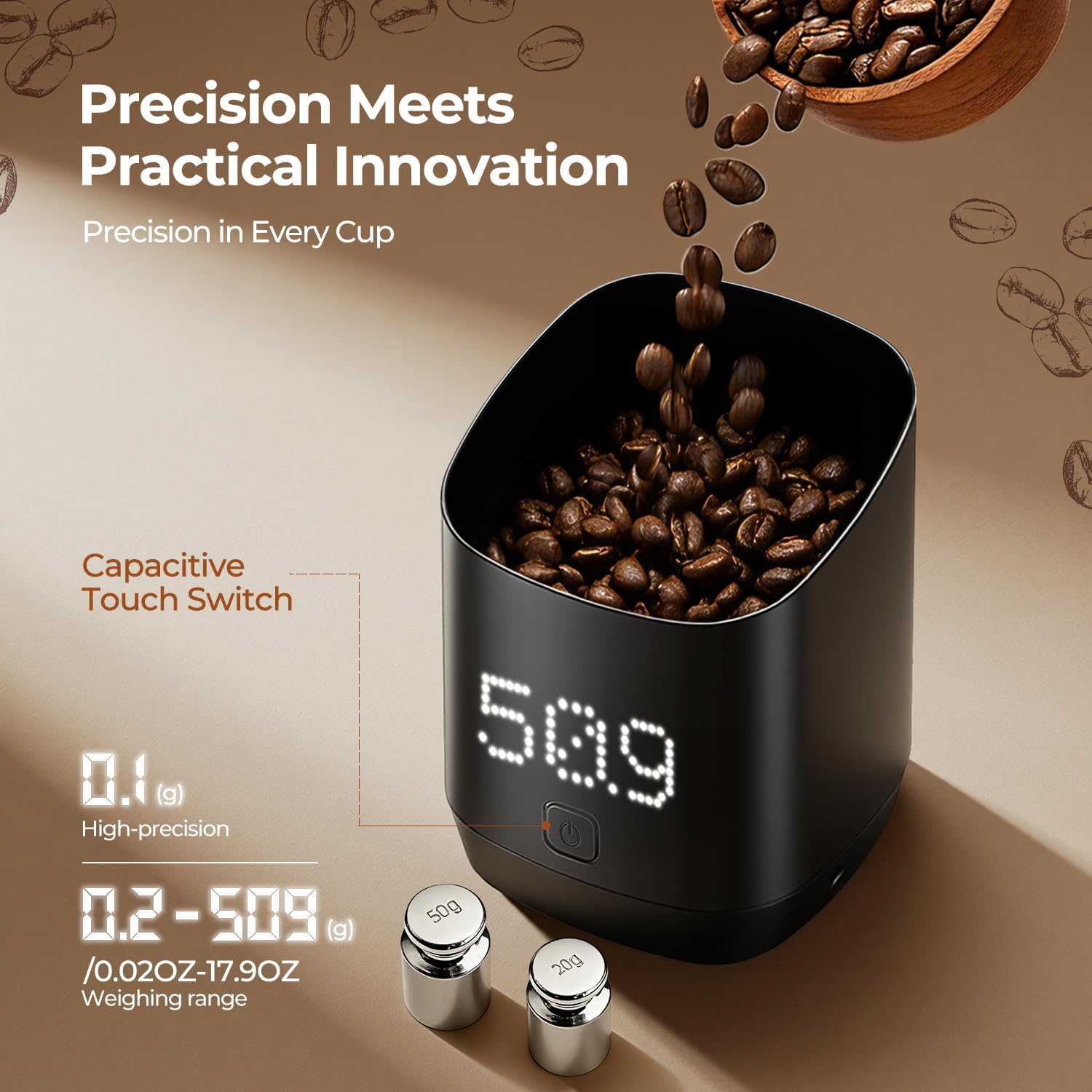
Digital Dosing Cup
Makes weighing beans faster and cleaner, with less mess around the grinder.
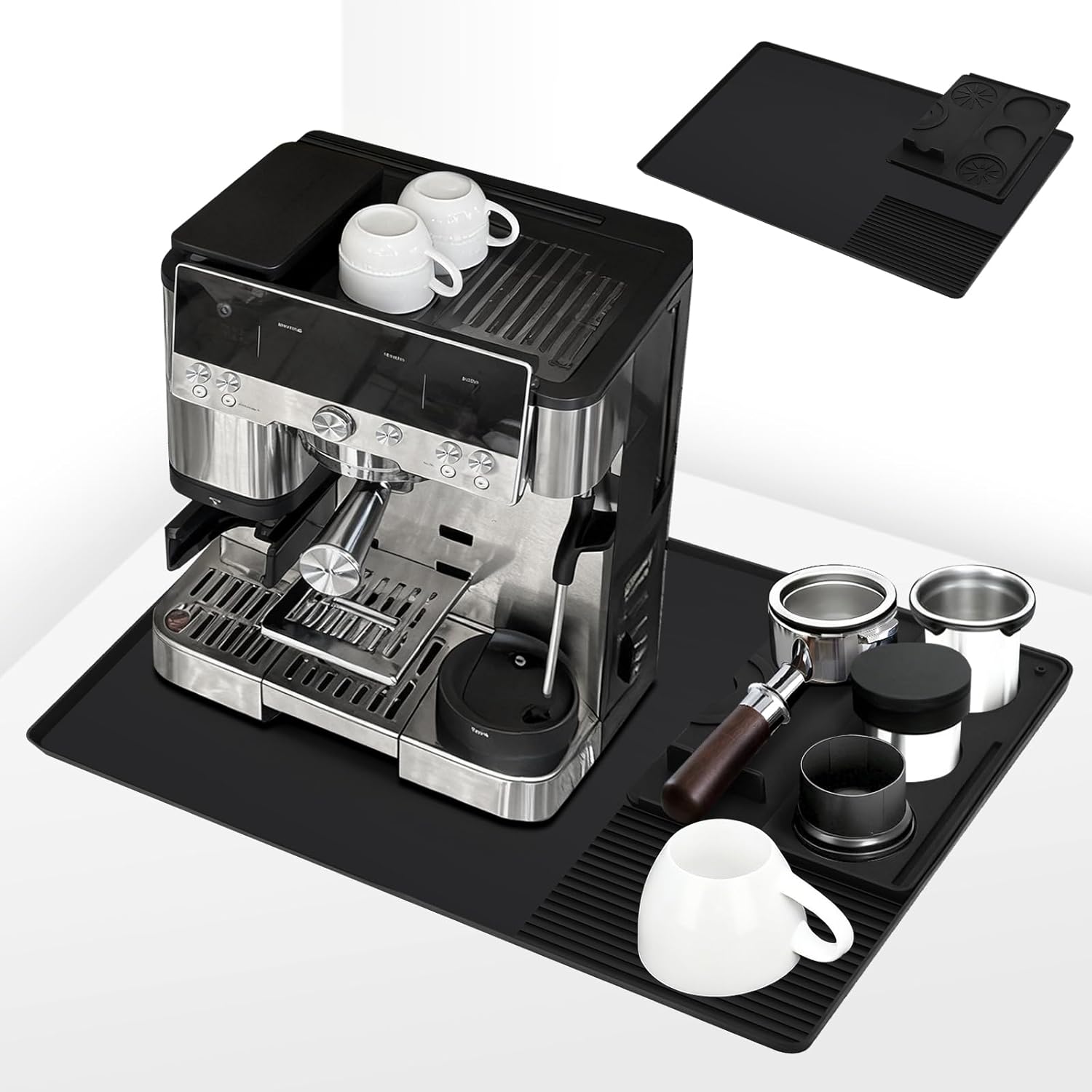
Silicone Mat
Protects your counter, catches spills, and gives your setup a cleaner working surface.

Vacuum Coffee Canister
Helps beans stay fresher longer by limiting air exposure after opening the bag.
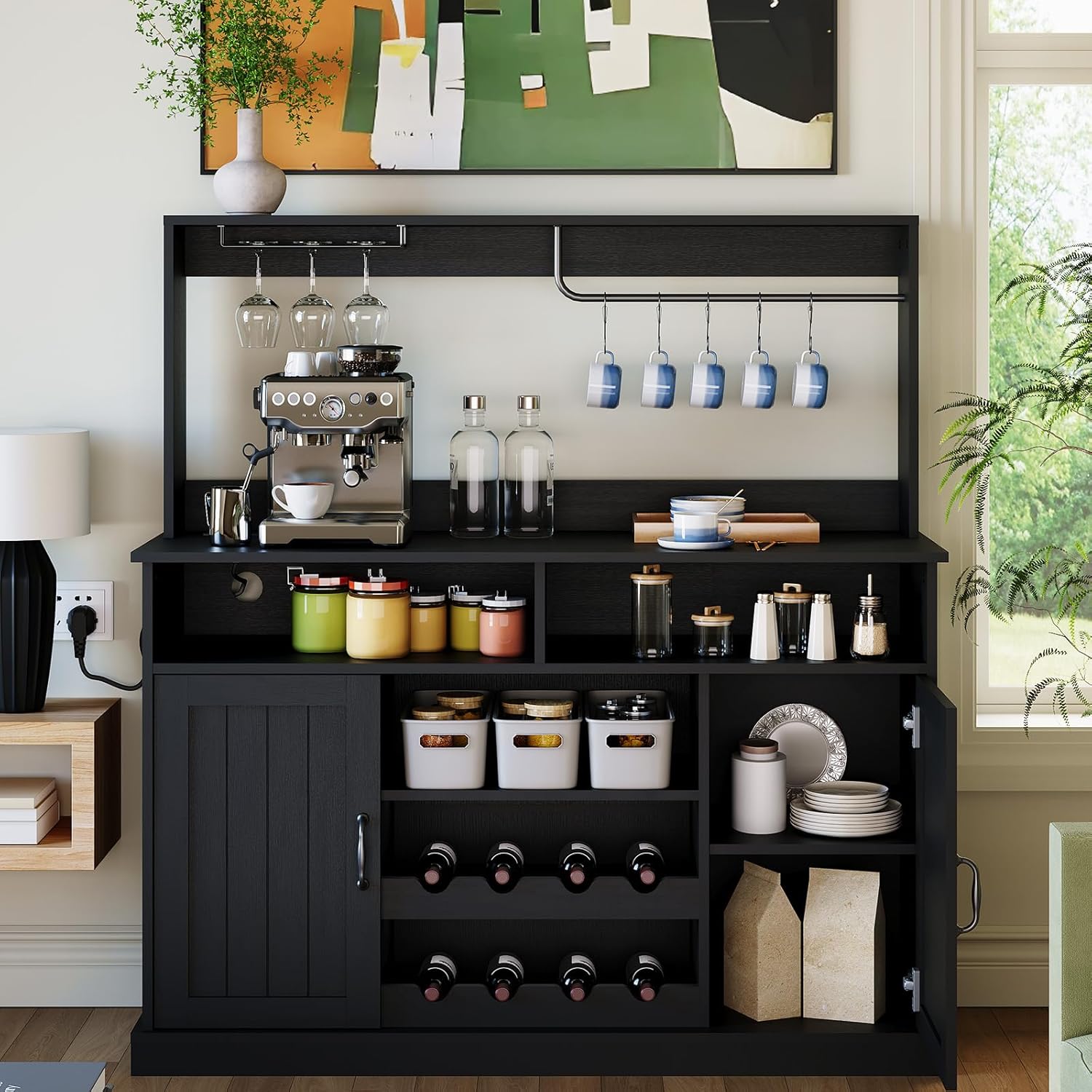
Farmhouse Coffee Bar Cabinet
Gives your machine, cups, beans, and accessories one dedicated home instead of cluttering the kitchen.
The trade-offs are also honest: GO is single-boiler, dual-use. You brew, then switch to steam, then run a quick cooling flush to return to brew temperature. There’s also no hot-water tap, so Americanos are a “kettle or separate hot water” workflow. And a small buyer note: steam wand spec varies by batch/market (some units ship cool-touch, some don’t), so confirm with your retailer if that detail matters in your kitchen.
For shoppers comparing the real-world shortlist, GO tends to sit between “classic platforms” and “feature-loaded step-ups”: Lelit Victoria PL91T if you want built-in programmable preinfusion, Rancilio Silvia V6 if you want the tank-like classic (and don’t mind adding PID later), Gaggia Classic Pro if you want maximum value + mod ecosystem, and Quick Mill Pippa 4100 if you like a gauge/OPV style machine but can live without PID. GO’s lane is the buyer who wants a compact, number-driven routine: fast warm-up, stable temperature control, visible pressure behavior, and a clean path to repeatable espresso.
Overview
The Profitec GO exists to solve a very specific home problem: make repeatable, café-style espresso in a small kitchen, without turning “temperature surfing” into your daily hobby. It does that the Profitec way: a fast-warming ring brew group (not an E61), a PID that lets you set brew and steam temperature to the degree, a built-in shot timer on the PID display, and a front pump-pressure gauge paired with an easy-access OPV/expansion valve under the cup tray so you can set a sane brew-pressure ceiling once and move on.
In Profitec’s lineup, GO is the compact “first serious machine” rung: simpler and faster to heat than E61 single-boilers, and intentionally not trying to be a dual-boiler. If you want the classic E61 feel and don’t mind longer heat-up, you look at machines in the Pro-series orbit; if you want simultaneous brew/steam pace, you’re shopping dual-boilers instead of single-boiler dual-use. GO’s value proposition is fundamentals done cleanly: stable temperature behavior, visible pressure feedback, and a workflow that fits real mornings.
Design intent
- Fast warm-up without E61 wait: ring group + compact insulated boiler gets you to brew-ready quickly (roughly ~5–7 minutes is the normal expectation).
- PID you actually use: set brew temp and steam temp directly, and use the display as a built-in shot timer during extraction.
- Pressure made visible and adjustable: a front gauge shows pump behavior, and the accessible expansion valve/OPV lets you set brew pressure once (then stop chasing it).
- Compact, real 58 mm ecosystem: standard portafilter size, stable chassis weight, and a big reservoir in a narrow footprint.
- Energy-aware ownership: ECO mode gives you auto-standby so the machine isn’t wasting heat when you forget to turn it off.
What it gets right in the cup and in cadence
- Repeatability: set temperature, set pressure ceiling, run a consistent recipe—GO rewards discipline with “same shot, same day” behavior.
- Fast feedback loop: timer + gauge makes dialing in more obvious (you can see if a change actually slowed flow or just changed taste).
- Honest home pace: it’s quick for one or two drinks, and it’s easy to live with if your milk drinks are occasional rather than constant.
The deliberate trade-offs
- Single-boiler sequencing is real: you brew, then switch to steam, then do a cooling flush to get back to brew temperature.
- No hot-water tap: Americanos are “espresso + kettle hot water” rather than a built-in hot-water spout workflow.
- No automatic preinfusion: you can do manual techniques, but GO does not run a programmable preinfusion routine out of the box.
- Steam-wand spec varies by batch/market: some units ship cool-touch, others don’t—verify with your retailer if that matters to you.
Where it fits
Profitec GO is the right machine for home baristas who want a compact, number-driven routine: quick heat-up, reliable temperature control, visible pressure behavior, and a simple path to repeatable espresso with a real 58 mm workflow. If you make one or two drinks most mornings—sometimes with milk—GO is a sweet spot. If you need a hot-water tap, built-in programmable preinfusion, or frequent back-to-back milk drinks without waiting, you’re better served by a different class of machine.
Cross-shop context on Coffeedant: GO buyers commonly compare against the Lelit Victoria PL91T for built-in programmable preinfusion, the Rancilio Silvia V6 for classic durability (often with an added PID later), the Gaggia Classic Pro for value + mods, and the Quick Mill Pippa 4100 for a gauge/OPV style single-boiler if you don’t need PID control out of the box.
Profitec lineup: where Profitec GO sits
Profitec builds “tool-first” espresso machines: clean layouts, serviceable parts, and a focus on fundamentals over gimmicks. The Profitec GO is the brand’s compact entry point into serious home espresso—single-boiler, dual-use, fast to heat, with a PID you actually use, a built-in shot timer, a front pressure gauge, and an adjustable OPV under the cup tray. If you want simpler and cheaper, you’re typically leaving Profitec and shopping value classics; if you want more capacity and convenience, you move up into Profitec’s Pro line (HX, dual-boiler, rotary pump/plumb-in, or lever). For the full brand overview, start here: Profitec espresso machine hub.
| Model | Lineup slot | Compared to Profitec GO | Typical price and rating |
|---|---|---|---|
| Profitec Pro 400 | HX step-up | The “bigger workflow” upgrade: more steam capacity and a more café-style cadence than a compact single-boiler. You’re paying for endurance and comfort, not because GO can’t pull clean shots—GO just asks you to live with single-boiler sequencing. | ~$1,599 • 4.4/5 |
| Profitec GO Reference | Entry PID | The compact “tool not toy” choice: quick warm-up, real PID control, built-in shot timer, pressure gauge, and accessible OPV. The trade is classic single-boiler reality: brew, then steam, then cool back to brew—and no hot-water tap. | ~$1,199 • 4.3/5 |
| Profitec Pro 600 | Dual boiler | The “stop waiting” move: dual-boiler convenience for people who make milk drinks often and want brew and steam to feel like separate, stable systems. If GO’s single-boiler rhythm ever feels like a chore, this is the clean upgrade. | ~$2,399 • 4.3/5 |
| Profitec Pro 700 | Premium DB | The “premium ownership lane” in Profitec’s dual-boiler world: more capability, more build presence, and the kind of platform people buy when they want a long-term endgame feel rather than the smallest box that makes great espresso. | ~$2,979 • 4.6/5 |
| Profitec Pro 800 | Lever | A totally different vibe: lever espresso is about feel, control, and ritual. It’s not “GO but better”—it’s a different style of extraction and ownership. Choose it if you want the lever experience, not if you just want faster lattes. | ~$3,300 • 4.4/5 |
How to read this: GO is the compact PID entry point (fast heat-up, great feedback, single-boiler rhythm). Pro 400 adds endurance and steam comfort (HX). Pro 600 is the “dual-boiler solves the waiting” upgrade. Pro 700 is the premium dual-boiler lane, and Pro 800 is the lever outlier for people who want that specific style. Prices and ratings are from our internal dataset and will move with promos and region.
Key Profitec GO Specifications
| Item | Detail |
|---|---|
| Machine | Profitec GO · Model page · Profitec lineup hub |
| Machine type | Single-boiler, dual-use (brew + steam, not simultaneous) |
| Boiler | 0.3 L brass boiler with insulation (manufacturer spec) |
| Group / portafilter | Compact ring brew group · 58 mm portafilter ecosystem |
| Temperature control | PID with adjustable brew and steam temperature setpoints |
| Shot timer | Built into the PID display (counts up during extraction) |
| Pump + pressure feedback | Vibration pump · front pump-pressure gauge |
| OPV / brew pressure tuning | Adjustable expansion / OPV valve (accessible under the cup tray) |
| Preinfusion | No automatic / programmable preinfusion routine |
| Steam system | Single steam wand with rotary valve · steam temp set via PID |
| Hot-water tap | No dedicated hot-water tap (americano water comes from the group if you choose to use it) |
| Water reservoir | 2.8 L removable tank |
| Power |
EU: 230 V · 1200–1300 W (varies by listing) US: 115 V · 900 W |
| Heat-up (typical) | Fast Heat-Up mode · roughly 5–7 minutes to brew-ready (routine-dependent) |
| ECO / standby | Programmable ECO mode (auto-standby) |
| Dimensions | 210 W × 362 D × 381 H mm (without portafilter installed) |
| Weight | 12.9 kg |
| Finish / colors | Brushed steel + powder-coated colorways (availability varies by region) |
| Warranty | Retailer/region dependent (confirm coverage and service process before purchase) |
| Typical price | US: ~$1,199 · UK: ~£849 · EU: ~€949–€1,045 (typical listings) · Coffeedant score |
First Impressions & Build Quality
On the counter, the Profitec GO reads like a real espresso tool in a compact box, not a “starter appliance.” It’s genuinely narrow at 210 mm wide (about 8.3"), with a listed depth of 362 mm (about 14.3") without the portafilter installed and a height of 381 mm (about 15.0"). In practice, the footprint is kitchen-friendly, but remember the portafilter adds real front clearance in daily use.
The weight is what makes the small size feel serious: about 12.9 kg (roughly 28.4 lb). That mass gives the GO proper stability when you lock in a 58 mm portafilter and when the vibration pump is working. It doesn’t feel like it wants to slide around, even on smoother counters.
Materials are “prosumer-leaning” for the class: a stainless chassis (powder-coated on color versions, brushed on the steel model), a compact ring brew group (not a heavy E61), and a brass boiler with insulation inside. Up front, the GO’s face looks like an instrument panel: a pump-pressure gauge above the drip tray and a centered PID that doubles as a shot timer once you start the pump. The control layout stays simple: dedicated buttons for power/brew/steam and a rotary steam valve that feels direct and predictable.
Ergonomics are mostly about “small machine, real workflow.” The drip tray is compact and fills quickly if you rinse and purge often (as you should), but it removes easily. The water reservoir is large for the footprint at 2.8 L and is designed to be removable for refills. One important reality: the GO is built for espresso + steaming, but it does not have a dedicated hot-water tap, so it’s not the most convenient platform if Americanos and tea water are a daily requirement.
The most owner-friendly “service” detail is that Profitec didn’t hide the important adjustment. The brew pressure ceiling is adjustable via an expansion/OPV valve that’s accessible under the cup tray, which is exactly where you want it: easy to set once, then leave alone. Steam-wand hardware is stainless and articulated; some markets/batches differ on cool-touch behavior, so if a no-burn wand is a must-have, confirm the exact spec with your retailer before you buy.
What’s in the Box
- Profitec GO machine (single-boiler, dual-use)
- 58 mm portafilter (style/basket bundle can vary by retailer/market)
- Filter baskets (commonly single + double; some bundles add a blind basket for backflushing)
- Drip tray + grate (installed)
- User manual + quick-start paperwork
Bundles vary by region and retailer (especially baskets and any “starter” cleaning items). Keep the packaging until you confirm the PID functions, the pump runs cleanly, the steam valve seals properly, and the reservoir seats without weeping.
Chassis and internals
Profitec GO is the rare entry-class machine that feels like a tool: a compact stainless chassis (powder-coated colorways or brushed steel), a ring brew group for fast warm-up, and a 0.3 L insulated brass boiler built for tight, repeatable home sessions. It’s a single-boiler machine, so you’re always choosing a mode: brew or steam.
Inside you’re working with a vibration pump, a 3-way valve that supports proper backflushing, and an adjustable expansion/OPV valve that’s accessible under the cup tray for setting brew pressure the sane way (once, then forget it). The water supply is a large 2.8 L removable reservoir—generous for a compact footprint—but GO does not include a dedicated hot-water tap.
Controls and touch points
GO’s control surface is built for clarity: dedicated buttons for power, brew, and steam, a front pump-pressure gauge, and a centered PID that lets you set brew and steam temperatures to the degree. Once you start the pump, the PID display doubles as a built-in shot timer, which is exactly the kind of feedback a home routine actually benefits from.
Steam is handled with a traditional rotary steam valve and an articulated stainless wand. One buying note: some markets/batches differ on “cool-touch/no-burn” wand hardware, so verify the exact wand spec with your retailer if that detail matters to you.
Counter fit
| Item | Detail | Why it matters |
|---|---|---|
| Dimensions | 210 W × 362 D × 381 H mm (8.27" × 14.25" × 15.00") (listed without portafilter) | Very narrow for a 58 mm machine. Plan extra front clearance for the portafilter handle in real use. |
| Weight | ~12.9 kg (28.4 lb) | That mass is why it feels stable when locking in and pulling shots with a vibration pump. |
| Water reservoir | 2.8 L (removable) | Big for the footprint. Keep an eye on the level—GO isn’t a “set-and-forget” plumbed machine. |
| Boiler | 0.3 L insulated brass | Fast heat-up and solid shot consistency, but it’s still a single-boiler rhythm for milk drinks. |
| Brew pressure adjustment | Expansion/OPV valve accessible under cup tray | Lets you set a sensible pressure ceiling (commonly ~9–10 bar) without opening the body. |
| Hot water | No dedicated hot-water tap | If Americanos/tea water are a daily need, this omission matters more than most first-time buyers expect. |
Testing Results
Testing used a standard home semi-auto workflow (warm-up with portafilter locked in, quick pre-rinse, timed shots via the PID timer, and single-boiler brew→steam sequencing). Results below focus on what matters most on GO: warm-up speed, mode transitions, and repeatability once pressure and temperature are set.
| Metric | Result | Method |
|---|---|---|
| Warm-up to brew-ready | ~5–7 min (Fast Heat-Up mode) | Ring group + small insulated boiler; best results with the portafilter locked in during warm-up. |
| Shot timing | Built-in timer (PID display) | Timer counts up once the pump starts—use it to standardize ratio and time without extra tools. |
| Brew → steam readiness | ~1 min to stable steam (typical) | Single-boiler transition: press steam, wait for ready, purge, then texture one pitcher. |
| Steaming capacity (practical) | One drink at a time (150–200 ml pitcher range) | Comfortable pace for a cappuccino/latte; allow recovery time between multiple pitchers. |
| Return to brew | Cooling flush required | After steaming, run a short cooling flush so the boiler drops back toward brew temperature. |
| Pressure consistency | Very predictable once OPV is set | Set the pressure ceiling with a blind basket, then leave it alone for repeatable extractions. |
Key takeaways from testing
- Warm-up is the headline: lock the portafilter in, do a quick blank flush, and you’re in business fast for a 58 mm machine.
- Set brew pressure once via the accessible OPV/expansion valve, then use grind + dose + temperature to dial flavor without chasing gauge drama.
- Single-boiler reality is the workflow: brew, then steam, then cooling flush back to brew—GO just makes the cycle quicker and easier to manage.
- The PID timer is more useful than it sounds: it nudges you into consistent ratios and shot times, which is where this machine shines.
Espresso Quality: getting the most out of the Profitec GO
The Profitec GO is a rare “entry” machine that behaves like a real espresso tool: a fast-warming ring group, a PID you actually use, a built-in shot timer, a front pressure gauge, and an OPV/expansion valve you can adjust under the cup tray. Unlike a super-auto, your results live and die on fundamentals: grind, dose, ratio, time, puck prep, brew temperature (PID), and brew pressure ceiling (OPV).
Session protocol that keeps results consistent
- Warm properly: warm up with the portafilter locked in. Pull a short blank flush to heat the dispersion path and your cup.
- Pick a baseline recipe: start with 18 g in → 36 g out in ~25–30 s. Use the PID display as your shot timer.
- Change one thing at a time: adjust grind first, then ratio, then temperature. Keep dose constant while dialing.
- Set pressure once: set OPV peak pressure (commonly ~9–10 bar on the gauge with a blind basket), then leave it alone.
- Be honest about the single-boiler: if you steam, you’ll brew → steam → cool flush back to brew. Build that into your routine.
Flavor targets by coffee style
| Coffee | Baseline recipe (Profitec GO) | What it tastes like when right | If too sour / thin | If too bitter / dry |
|---|---|---|---|---|
| Medium espresso blend |
Dose 18 g · Yield 36 g · Time 25–30 s PID brew temp: mid (your baseline) · OPV ceiling: ~9–10 bar |
Chocolate/nut core, syrupy body, rounded finish | Grind finer or extend yield slightly (e.g., 1:2.1); consider +1°C | Grind coarser or shorten yield; consider -1°C and check for channeling |
| Light-to-medium single origin |
Dose 18 g · Yield 36–40 g · Time 28–35 s PID brew temp: +1–2°C vs baseline (often helps) |
Cleaner sweetness, bright notes without a sharp edge | Raise temp first, then go finer (small steps); keep puck prep meticulous | Go slightly coarser or drop temp 1°C; avoid pushing long, drying tails |
| Decaf |
Dose 18 g · Yield 34–36 g · Time 25–32 s PID brew temp: baseline or -1°C if it tastes harsh |
Sweeter and cleaner, less papery finish | Go finer or extend yield a touch; watch for channeling on fragile pucks | Go coarser and keep the shot tight; decaf punishes over-extraction quickly |
Use temperature and pressure like tools
- PID temperature: your cleanest “flavor steering” control. +1–2°C can help lighter roasts taste sweeter; -1°C can calm dark-roast ashiness.
- Pressure ceiling (OPV): set it once so you’re not chasing a moving target. Then dial flavor with grind + ratio, not with random pressure swings.
- Ratio discipline: if a shot tastes hollow, don’t fix it by running it long. Tighten the recipe, then tune grind.
Diagnostics you can see and hear
| Signal | Likely cause | Targeted fix |
|---|---|---|
| Fast gush + early blonding | Grind too coarse, under-dosed basket, or uneven puck prep | Grind finer; confirm dose fits basket; improve distribution/tamp consistency |
| Choking / drippy flow | Grind too fine, overdosed basket, or screen/puck contact | Go coarser; reduce dose slightly; ensure headspace and clean shower screen |
| Sprays / spurts from spouts | Channeling (prep issue), clumpy grind, or damaged basket | Improve distribution; consider WDT; use a known-good basket; avoid rushing tamp |
| Pressure gauge jumps wildly during the shot | Channeling or puck fracture; sometimes grind too fine with fragile prep | Improve prep first; if persistent, go a touch coarser and re-check dose |
| Muted flavor even when flow looks “normal” | Under-heated group/cup, stale beans, or conservative temperature | Do a blank flush + cup preheat; use fresher beans; raise PID 1°C |
Keep variance low
- Warm up with the portafilter locked in and do a short flush before the first “serious” shot.
- Weigh dose and yield; let the built-in timer standardize your time.
- Set OPV once to a sensible ceiling and stop touching it.
- Use water you trust (scale is the silent killer of small boilers).
Milk Steaming: single-boiler routine, texture, and consistency
The GO steams real milk—but it’s still a single-boiler dual-use machine. That means a clean routine matters more than “hunting settings.” Brew your espresso, switch to steam, texture one drink, then cool-flush back to brew temperature. If you can live with that cadence, GO makes café-style drinks without needing a bigger machine.
Single-boiler cadence (the routine that works)
- Brew first: pull espresso and set the cup aside.
- Steam mode: press steam and wait until ready, then purge the wand to clear condensation.
- Texture: aerate briefly, then roll a vortex to finish.
- Clean immediately: wipe the wand and purge again right after steaming.
- Cool back to brew: switch to brew mode and run a short cooling flush so the next espresso doesn’t run hot.
Pitcher sizing and “what GO likes”
| Drink | Milk volume | Best pitcher | Best practice |
|---|---|---|---|
| Cappuccino | 120–180 ml | Small (8–12 oz) | Short aeration, finish glossy; GO is happiest one drink at a time |
| Latte / flat white | 180–240 ml | Medium (12–20 oz) | Focus on microfoam (silky, paint-like). Purge before and after |
| Two milk drinks back-to-back | 2 pitchers | Two small/medium pitchers | Give the boiler a moment to recover between pitchers; don’t rush the second texture |
Texture targets by drink
| Drink | Foam target | Mouthfeel | Notes |
|---|---|---|---|
| Cappuccino | More foam | Thicker but still wet | Aerate a touch longer, but stop before it goes “bubble bath” |
| Latte | Less foam | Silky, glossy microfoam | Brief aeration, then a stable vortex—this is where GO shines with good technique |
| Flat white | Minimal foam | Dense, paint-like | Very short aeration; prioritize a clean roll and stop at your target temp |
Wand note (batch/market variation)
- Some GO units/markets are reported with a cool-touch wand, others are not. If that matters, confirm with your retailer.
- Regardless of wand type: purge before steaming, wipe immediately after, and purge again to keep milk from baking inside.
Keep milk performance sharp
- Start with fridge-cold milk and a cold pitcher—consistency improves fast when you remove temperature drift.
- If texture turns bubbly, slow down: purge more thoroughly, reduce aeration time, and clean the tip/holes.
- After steaming, always cool-flush back to brew mode so the next espresso isn’t accidentally brewed too hot.
Hardware Essentials

Boiler, ring group, and water system
The GO is a single-boiler, dual-use machine built around an insulated 0.3 L brass boiler and a compact ring brew group. The point of that group choice is speed: it warms up faster than an E61-style group and makes “weeknight espresso” realistic. Fast Heat-Up mode targets a short warm-up window (roughly 5–7 minutes to brew-ready in normal use), and ECO mode can put the machine into auto-standby after a user-defined idle period.
Water comes from a large 2.8 L removable reservoir. There’s no hot-water tap on the GO, so the platform is focused on espresso and steaming: if you drink Americanos often, you’ll add hot water from a kettle or separate hot-water source. The reliability routine is simple: keep your water in a safe hardness range, and don’t let a small brass boiler become a scale project.
- Heating: insulated brass boiler = quick response and stable PID control for a single-boiler class.
- Group: ring group = faster warm-up and less “leave it on all morning” energy waste.
- Water: 2.8 L tank = fewer refills, but water quality matters more than tank size.
- Energy habit: Fast Heat-Up + ECO mode = a machine that makes sense to turn off between sessions.
Pump pressure, gauge, and OPV access
GO uses a vibration pump and gives you the two feedback tools most entry machines hide: a front pump-pressure gauge and an adjustable expansion valve/OPV accessible under the cup tray. The best use of that adjustability is boring and powerful: set a sane pressure ceiling once (commonly around 9–10 bar on the gauge with a blind basket), then leave it alone so dialing-in is about grind, dose, and ratio — not random pressure peaks.
- Gauge: shows pump pressure behavior during extraction (useful for spotting choking and channeling patterns).
- OPV: top-access adjustment makes it easy to set a realistic espresso pressure ceiling and improve consistency.
- Reality check: pressure alone doesn’t fix a bad puck — prep still decides the shot.
PID control, shot timer, and what you can actually control
The GO’s control story is simple and unusually complete for the price: a PID with adjustable brew and steam temperatures, and a PID display that doubles as a built-in shot timer when you run the pump. This is the practical combo that reduces “espresso guesswork” for normal people: you can set temperature intentionally, standardize time without extra gadgets, and repeat a recipe every morning with minimal drift.
- Temperature: set brew temp to the degree (raise for lighter roasts; lower for darker blends if bitterness creeps in).
- Timer: shot timer encourages consistent ratios and cutoffs without adding a scale-timer stack on day one.
- ECO: programmable standby keeps the machine from idling hot all day.
Steam wand hardware (and the single-boiler reality)
GO can steam real milk, but it’s still a single-boiler dual-use workflow: you brew, switch to steam, then do a cooling flush to return to brew temperature. The wand is stainless and articulated. One detail worth checking: retailers and batches differ on whether the unit ships with a cool-touch/no-burn wand or the standard wand. If wand heat is a deciding comfort feature for you, confirm it with your seller.
- Steam valve: manual rotary control for predictable steaming.
- One-drink pacing: best for single cappuccinos/lattes; multiple milk drinks back-to-back requires pauses for recovery.
- After steaming: wipe + purge immediately, then cooling flush back to brew temp.
Drip tray, reservoir access, and daily ergonomics
GO is compact but “real” in use: 12.9 kg gives it stability when locking in a 58 mm portafilter, and the footprint is genuinely counter-friendly at about 210 W × 362 D × 381 H mm (without portafilter). The trade-off of that compactness is typical: a smaller working area and drip tray capacity than full-size prosumer machines, so you’ll empty and wipe more often if you do multiple drinks daily.
The most important habit is simple: keep the cup tray area dry, don’t ignore small puddles, and empty the tray before it becomes a surprise. Compact machines punish neglect faster — not because they’re fragile, but because there’s less “dead space” to hide mess.
Accessories and smart upgrades
With a semi-auto like GO, the best upgrades are the ones that increase repeatability: water and measurement first, accessories second. You can chase baskets and tampers later — but a stable routine beats “gear collecting” every time.
- Water plan: a consistent recipe (filter or mixing) to keep hardness in a safe zone and reduce scale risk.
- Blind basket + detergent: for proper weekly backflush cleaning.
- Decent tamper: a snug 58 mm tamper helps reduce channeling (especially with lighter roasts).
- Scale (recommended): dose/yield control is the fastest path to better espresso.
- Steam cloth + small brush: keeps the wand and group area clean without turning cleanup into a project.
| Component | Spec | Use note |
|---|---|---|
| Boiler | 0.3 L insulated brass | Fast response; stable single-boiler behavior when routine is consistent |
| Group | Ring brew group, 58 mm | Quicker warm-up than E61; full-size portafilter ecosystem |
| PID + timer | Adjustable brew/steam temps + shot timer | Set temperature intentionally; timer standardizes cutoffs without extra gadgets |
| Pump + gauge | Vibration pump + front pressure gauge | Useful feedback for dialing and diagnosing choking/channeling |
| OPV / expansion valve | Adjustable (under cup tray) | Set a realistic pressure ceiling (~9–10 bar), then leave it |
| Reservoir | 2.8 L removable tank | Fewer refills; water recipe matters for scale protection |
| Hot water tap | No | Americanos require a kettle or separate hot-water source |
| Modes | Fast Heat-Up + ECO standby | Designed for on/off daily use without long idle heating |
If you want the GO to stay consistent: warm up with the portafilter locked in, do a short flush before the first shot, set OPV once, backflush weekly, wipe and purge the wand every time you steam, and keep your water in a scale-safe range. That’s the difference between “tiny espresso weapon” and “why is my machine acting weird?”
Related: Profitec GO review · Profitec espresso machine hub
How to Use the Profitec GO
The Profitec GO is a compact semi-automatic built for repeatable espresso with minimal drama: a fast-warming ring group, a PID you actually use, a built-in shot timer, a front pressure gauge, and an adjustable OPV under the cup tray. It’s still a single-boiler, dual-use machine, which means you brew first, then steam, then cool back to brew. The routine below is the quickest path to consistent shots without “temperature surfing” or guesswork.
Before your first shot (one-time setup)
- Rinse the 2.8 L water tank, wash and dry the drip tray, and run a few blank water flushes through the group to clear “new machine” residues.
- Fill with scale-safe water (filtered or a consistent espresso water recipe). A small brass boiler rewards good water more than constant descaling.
- Lock the portafilter into the group during warm-up so the metal gets hot with the machine.
- Set brew temperature on the PID (a practical starting point is ~93°C / 200°F for medium roasts; go hotter for lighter, cooler for darker).
- Set brew pressure once: use a blind basket and the gauge, then adjust the OPV (under the cup tray) so your peak sits around 9–10 bar. Do this once, then leave it alone.
- If you’ll use ECO mode, set your standby window now so the GO behaves the way you want on weekdays.
Daily start (6–8 minutes)
- Top up the tank, turn the machine on, and let it warm up (Fast Heat-Up targets roughly 5–7 minutes to brew-ready).
- Keep the portafilter locked in while heating. Heat the cup with a quick hot-water kettle fill or a brief group flush.
- Pull a short empty flush (2–4 seconds) before the first “real” shot to warm the dispersion path and stabilize the first extraction.
Espresso: the “set a baseline and repeat it” approach
- Start with a normal recipe: for a standard double, aim for 18 g in → 36 g out in about 25–30 seconds. Use a scale, and use the GO’s built-in shot timer for repeatable cutoffs.
- Grind is the main lever: if the shot runs fast and tastes sour/thin, go finer. If it chokes or turns harsh/dry, go coarser.
- Temperature is your “roast” lever: for lighter roasts, bump brew temp up a degree or two before you keep grinding finer. For darker roasts, drop a degree if bitterness gets ashy.
- Don’t chase pressure every morning: set the OPV once to a sane ceiling, then dial flavor with grind + ratio + temperature.
- No automatic preinfusion: if you want a softer start, you can do a brief 1–2 second pump pulse, pause, then start the shot—but puck prep matters more than pump tricks on this class of machine.
Milk drinks (single-boiler routine)
- Brew first: pull your espresso shot(s) before switching to steam.
- Switch to steam mode: press Steam, wait for ready, then purge the wand briefly so you start with dry steam.
- Texture one drink at a time: GO has “real steam,” but it’s still a compact boiler—expect the best results with one cappuccino/latte per cycle.
- Return to brew: after steaming, switch back to brew mode and run a short cooling flush so your next espresso doesn’t run too hot.
Note: Some GO batches/markets differ on whether the wand is cool-touch/no-burn. If wand heat matters for comfort, confirm your unit’s spec with the retailer.
Shut-down
- Knock out the puck, rinse the basket, and wipe the group area clean.
- If you steamed milk: wipe the wand immediately and purge briefly so milk doesn’t bake on.
- Empty the drip tray before it gets close to full (small trays fill faster than you think during flush-heavy routines).
Cleaning & Maintenance
The GO stays “great” when you treat it like a tool: keep the group clean, backflush regularly, and protect the boiler with good water. The big wins are: water backflush after sessions, weekly detergent backflush, and wipe/purge the steam wand every time.
Daily (after each session)
- Quick water backflush: with a blind basket, run a few short on/off pump pulses to rinse the three-way valve path.
- Group wipe: wipe the shower area and rinse the portafilter + basket so oils don’t turn into permanent flavor.
- Steam wand care: wipe immediately after steaming, then purge for 1–2 seconds.
- Tray: empty and wipe dry to avoid stale water smell.
Weekly (10–15 minutes)
- Detergent backflush: use espresso machine detergent with a blind basket to remove built-up coffee oils.
- Screen/gasket check: wipe around the group gasket; remove and clean the shower screen if your routine or roast level builds residue quickly.
- Tank refresh: rinse the reservoir and wipe it dry before refilling (helps prevent off odors).
Monthly
- Deep clean the group area: inspect the shower screen and gasket; replace the gasket if it starts to leak or feels brittle.
- Steam tip check: if steaming performance changes, clean the tip holes and confirm the wand isn’t partially blocked.
Descaling (as needed)
GO doesn’t “save you” from bad water with heavy automation. Descale needs depend on your water. If you use scale-safe water, descaling becomes rare. If you use hard water, scale will change heat-up behavior, flow, and steam performance. Use a manufacturer-compatible descaler and follow dilution steps carefully.
Maintenance schedule at a glance
| Task | Frequency | Notes |
|---|---|---|
| Water backflush (blind basket) | After sessions | Rinses the three-way valve path and keeps flavors clean |
| Wipe & purge steam wand | Every steaming session | Prevents baked-on milk and clogged tips |
| Empty & wipe drip tray | Daily | Flush-heavy routines fill small trays quickly |
| Detergent backflush | Weekly | Removes coffee oils that dull flavor over time |
| Shower screen / gasket wipe | Weekly | Prevents leaks and keeps the group face clean |
| Inspect gasket (replace if needed) | Every few months | Replace when locking-in gets loose or leaks appear |
| Descale | As needed (water dependent) | Scale-safe water = rare; hard water = frequent attention |
Post-clean taste check
- After detergent backflushing, run several water-only backflush cycles and pull a blank shot to clear cleaner residue.
- If espresso tastes “flat” after cleaning, confirm your brew temp and grind didn’t drift, and pull 1–2 shots before judging.
- If steam gets weak suddenly, clean the steam tip and confirm the wand is purging dry steam before texturing.
Related: Read our full Profitec GO review · Profitec espresso machine hub
Profitec GO vs The Field: Quick Matrix
| Match-up | Core difference | Best for | Jump to section | Model page |
|---|---|---|---|---|
| Profitec GO vs Lelit Victoria PL91T | GO’s “tool-first” clarity (shot timer + easy OPV access) vs Victoria’s feature-led single-boiler package (incl. built-in preinfusion) | GO if you want a simple, repeatable daily routine; Victoria if you want preinfusion built in | Open | Lelit Victoria |
| Profitec GO vs ECM Casa V | Guaranteed PID + timer on GO vs Casa V versions that vary by market (some list PID, some do not) | GO if you want certainty and fast warm-up; Casa V if you want ECM styling and you’ve confirmed the exact spec | Open | ECM Casa V |
| Profitec GO vs Rancilio Silvia V6 | GO is “PID + timer out of the box” vs Silvia’s rugged classic platform with more temperature discipline required stock | GO if you want speed and repeatability; Silvia if you want the community ecosystem and tank-like build | Open | Rancilio Silvia V6 |
| Profitec GO vs Gaggia Classic Pro | GO is the “done-for-you” control upgrade (PID + gauge + timer) vs Classic Pro’s value base with a huge mod path | GO if you want stable espresso without modding; GCP if budget is priority and you’re okay upgrading later | Open | Gaggia Classic Pro |
| Profitec GO vs Quick Mill Pippa 4100 | GO prioritizes PID repeatability + timer vs Pippa’s bigger-boiler feel and mechanical control approach (often no PID in stock trims) | GO if you want set-and-repeat brewing; Pippa if you like manual control and a more traditional “mechanical” vibe | Open | Quick Mill Pippa 4100 |
| Profitec GO vs Bezzera Hobby | GO is the compact precision pick (PID + timer + gauge) vs Hobby’s strong value + mechanical simplicity (typically no PID) | GO if you want numbers and repeatability; Hobby if you want a simple machine at strong EU pricing | Open | Bezzera Hobby |
Profitec GO vs Lelit Victoria PL91T
This is the closest “same tier, different philosophy” comparison. GO feels like a compact workshop tool: quick warm-up, a PID you can set and forget, a built-in shot timer, and easy access to brew pressure adjustment. Victoria competes by adding convenience features in the single-boiler class—most notably built-in preinfusion—and packaging them in Lelit’s UI style.
Core differences
- Repeatability: GO’s timer + PID make “same recipe every morning” unusually easy.
- Pressure control: GO lets you set a sensible ceiling via OPV access under the cup tray, then stop thinking about it.
- Preinfusion: Victoria’s advantage is that it offers a built-in preinfusion routine without DIY techniques.
| Aspect | Profitec GO | Lelit Victoria |
|---|---|---|
| Best fit | Minimal fuss, maximum repeatability | Single-boiler with preinfusion built in |
| What you feel daily | Fast warm-up, clear feedback (timer + gauge) | More “feature-led” single-boiler behavior |
| Trade-off | No hot-water tap; no automatic preinfusion | Often costs similar—buy based on which features you’ll actually use |
Who should choose which
- Pick Profitec GO if you want a compact machine that rewards discipline with repeatable results, and you love having timer + PID right in front of you.
- Pick Lelit Victoria if preinfusion is a must-have and you’d rather have it as a built-in routine than a manual workaround.
Profitec GO vs ECM Casa V
Both are compact single-boilers with a fast-warming ring-group style approach, and both are aimed at real espresso in small kitchens. The practical split is this: GO is consistent spec (PID + timer + pressure gauge + easy OPV access), while Casa V varies by market and revision—some listings include PID control and some do not.
Core differences
- Spec certainty: GO’s control set is the same story everywhere; Casa V needs “confirm the exact unit” shopping.
- Feedback: GO puts timing and pressure feedback front-and-center for dialing and repeatability.
- Aesthetic pull: Casa V is often chosen because ECM styling is the point.
| Aspect | Profitec GO | ECM Casa V |
|---|---|---|
| Best fit | Buy once, dial once, repeat | ECM styling + compact single-boiler |
| Buying rule | Easy: specs are straightforward | Verify features (PID presence depends on region/listing) |
| Trade-off | No hot-water tap; single-boiler sequencing | May require more verification to avoid buying the “wrong version” |
Who should choose which
- Pick Profitec GO if you want the most predictable spec and the cleanest path to repeatable espresso.
- Pick ECM Casa V if you love ECM’s look and you’ve confirmed your market’s exact feature set.
Profitec GO vs Rancilio Silvia V6
Silvia is the legendary “workhorse” single-boiler. GO is the modern “daily driver” that makes consistency easier. If you want to pull the same shot every morning with less effort, GO’s PID + shot timer are the whole story. If you want a platform with massive community knowledge and long-running parts familiarity, Silvia keeps earning its reputation.
Core differences
- Control: GO gives you repeatability with degree-level temperature control and an on-board timer.
- Warm-up vibe: GO’s ring-group approach reaches practical brewing readiness quickly.
- Platform energy: Silvia has the “everyone has owned one” ecosystem and a long track record.
| Aspect | Profitec GO | Rancilio Silvia V6 |
|---|---|---|
| Best fit | Repeatable espresso with minimal fuss | Classic platform, long-term owner community |
| What you gain | PID + timer + gauge feedback | Rugged reputation and broad support |
| Trade-off | Single-boiler sequencing; no hot-water tap | Stock temperature control requires more routine/discipline |
Who should choose which
- Pick Profitec GO if you want the “numbers-driven” single-boiler experience without mods.
- Pick Silvia if you like owning a classic machine with huge community support and you don’t mind a more hands-on temperature workflow stock.
Profitec GO vs Gaggia Classic Pro
Classic Pro is the value hero with a huge mod ecosystem. GO is what you buy when you want the “modded outcome” feel without the mod project: PID control, a shot timer, and easy pressure setup on a compact, stable frame.
Core differences
- Out-of-box consistency: GO is built to be “done” on day one.
- Budget logic: Classic Pro wins on price and long-term DIY potential.
- Workflow tone: GO is less guessy; Classic Pro is a great platform if you enjoy tinkering.
| Aspect | Profitec GO | Gaggia Classic Pro |
|---|---|---|
| Best fit | Want stable espresso without modding | Value buy + DIY upgrade path |
| Control | PID + timer + gauge + OPV access | More basic stock control set |
| Trade-off | Costs more | More work to reach “set-and-repeat” stability |
Who should choose which
- Pick Profitec GO if you want a compact, transparent workflow where the machine meets you with the same behavior every day.
- Pick Gaggia Classic Pro if budget is the gate and you’re comfortable learning the platform (and possibly upgrading later).
Profitec GO vs Quick Mill Pippa 4100
Pippa is a strong “mechanical” single-boiler pick for people who like traditional controls and a slightly bigger-boiler vibe. GO is the precision-first alternative: a PID you set, a timer you use, and a simple path to set brew pressure and keep shots predictable.
Core differences
- Temperature approach: GO is setpoint-driven; Pippa is typically more manual in stock form.
- Feedback tools: GO’s timer and gauge make dialing faster and repeatable.
- Owner style: Pippa appeals if you like a more old-school “hands-on machine” vibe.
| Aspect | Profitec GO | Quick Mill Pippa 4100 |
|---|---|---|
| Best fit | Set-and-repeat espresso | Manual control, traditional feel |
| What you gain | PID + timer simplicity | Mechanical ownership vibe (often bigger-boiler presence) |
| Trade-off | Single-boiler sequencing; no hot-water tap | May require more “temperature routine” vs a PID setpoint workflow |
Who should choose which
- Pick Profitec GO if you want the most straightforward path to consistent espresso and you like having time/pressure feedback built in.
- Pick Pippa if you prefer manual control, traditional ergonomics, and you’re comfortable running a more “feel-based” routine.
Profitec GO vs Bezzera Hobby
Hobby is a compact, mechanical single-boiler that often shines on EU pricing: simple, capable, and surprisingly enjoyable if you like a straightforward machine. GO costs more because it bakes in the modern “consistency tools” (PID + timer + gauge) that reduce guesswork.
Core differences
- Control style: GO is numbers-driven; Hobby is mechanical and feel-based.
- Value geography: Hobby can be a killer deal in some EU markets; GO tends to win when you want the control set included.
- Decision lens: choose GO for repeatability; choose Hobby for simplicity and price.
| Aspect | Profitec GO | Bezzera Hobby |
|---|---|---|
| Best fit | Repeatable espresso with clear feedback | Simple machine at strong pricing |
| What you gain | PID + timer + pressure feedback | Mechanical simplicity and value |
| Trade-off | Costs more | Less built-in precision tooling for dialing |
Who should choose which
- Pick Profitec GO if you want to standardize your espresso routine and you like having the right feedback tools built in.
- Pick Bezzera Hobby if you want a simple, capable machine and the pricing makes it the obvious value play where you live.
How to use this matrix: choose Profitec GO when you want a compact single-boiler that behaves predictably (PID + shot timer + pressure gauge + easy OPV access) and you’re okay with the single-boiler brew/steam rhythm. Choose Victoria if built-in preinfusion is the feature you’ll use daily, and choose the classic platforms (Silvia / GCP / mechanical rivals) when you value price, ecosystem, or a more traditional feel over a “numbers-first” workflow.
In-Depth Analysis
This is the “why it behaves the way it does” explanation for the Profitec GO. It’s the stuff that decides satisfaction after week two: warm-up reality, single-boiler cadence, PID practicality, pressure control, steam expectations, and what ownership actually asks of you.
1) Why it feels fast: ring group + small insulated boiler
GO avoids the “leave it on for 20 minutes” prosumer vibe by using a compact ring brew group (not a heavy E61) and a 0.3 L insulated brass boiler. With Fast Heat-Up enabled, a realistic expectation is ~5–7 minutes from cold start to brew-ready.
- What you feel: quick readiness for morning shots, without an all-day idle habit.
- What helps: leave the portafilter locked in during warm-up, then pull a short “blank” rinse to heat the path and cup.
- What it doesn’t mean: it’s still a single boiler—speed doesn’t remove the brew/steam sequencing.
2) The single-boiler truth: brew → steam → cool back
GO is a single-boiler, dual-use machine. That’s why it’s compact, priced the way it is, and heats quickly. The trade is that milk drinks happen in phases: you brew at brew temp, switch to steam temp, then you actively return the machine to brew temp.
| Phase | What you do | Why it matters |
|---|---|---|
| Brew | Pull espresso; use the PID display as a shot timer. | Time + ratio discipline is how GO becomes repeatable. |
| Steam | Press steam, wait for ready, purge the wand, texture milk. | Steam is real, but best for one drink at a time on a 0.3 L boiler. |
| Return to brew | Run a short cooling flush so the boiler drops back to brew temperature. | Skipping this is how your next shot runs too hot and tastes harsh. |
3) The PID is the real feature: brew temp, steam temp, and built-in timing
GO’s PID is “useful” in the best way: you set brew temperature to suit the coffee, set steam temperature for your milk routine, and the display becomes a shot timer when you start the pump. That combination is why the machine feels like a tool: it gives you the information that actually improves outcomes, without menu bloat.
- Roast tuning: bump brew temp up a degree or two for medium-light coffees; consider a slightly lower setpoint for very dark roasts if harshness creeps in.
- Workflow tuning: the shot timer encourages repeatable recipes (time + yield), which matters more than chasing “secret settings.”
- Practical reality: PID is control, not magic—puck prep and grinder quality still decide the ceiling.
4) Pressure behavior: gauge feedback + OPV access (set it once)
GO gives you two rare entry-class “adult machine” features: a front pressure gauge and an adjustable over-pressure valve accessible under the cup tray. The goal is simple: set a sensible ceiling (many owners aim around 9–10 bar at the puck system level) and stop thinking about it.
| Signal | Likely cause | Targeted fix |
|---|---|---|
| Gauge spikes high; shot runs slow/drippy | Grind too fine / puck too resistant | Go slightly coarser, improve distribution; don’t “solve” it by extending time endlessly |
| Gauge stays low; shot gushes | Grind too coarse / channeling | Go finer, tighten puck prep, consider a better basket |
| Pressure ceiling seems excessive | OPV set too high from factory (varies) | Adjust OPV with a blind basket test, then leave it alone |
5) Steam performance: capable, not a café line
GO’s steam is “real steam,” but it’s still a compact single boiler. Expect good texture for one latte/cappuccino at a time, with a short wait to reach stable steam after switching modes. If you try to run multiple large pitchers back-to-back, recovery becomes the limiter—not technique.
- Best use: 150–200 ml pitchers for one drink at a time.
- Technique reminder: purge before steaming, then stretch briefly and settle into a vortex; purge and wipe immediately after.
- After steaming: do a short cooling flush so the next shot doesn’t run hot.
6) Daily ergonomics: compact footprint, big tank, small “gotchas”
GO is genuinely counter-friendly at 210 mm wide, but the day-to-day story is the touch points: 2.8 L reservoir, easy front gauge visibility, and a workflow that rewards keeping the machine tidy.
- Reservoir: large enough that you don’t feel like you’re refilling constantly—nice for entertaining.
- No low-water shutoff: keep an eye on tank level before longer sessions so you don’t run the pump dry.
- Drip tray reality: compact machines often mean smaller trays—empty before it rides high.
- Stability: ~12.9 kg keeps the machine planted when you lock in a 58 mm portafilter.
7) Noise: normal vibe-pump character
GO uses a vibration pump. That means a distinct “pump thump” compared with rotary-pump machines—normal for the category. It’s not a grinder-loud experience like a super-automatic, but it also isn’t whisper-quiet. If you care deeply about silence, that usually means paying for a different class of machine.
8) Variants and buying notes: voltage, colorways, and small spec traps
GO’s core platform is consistent, but a few things change by region and listing:
- Wattage/voltage: EU and US versions differ in rated power and plug standard.
- Colors: color runs rotate and can change availability and promo frequency.
- Boiler spec confusion: some retailers still list 0.4 L; Profitec’s current published spec is 0.3 L.
9) Ownership economics: what it really costs to run
GO is a semi-auto, so the ongoing “cost” is less about proprietary consumables and more about water and cleaning discipline. If you keep water in a safe range and backflush routinely, the machine tends to stay boring—in the best way.
| Cost / expectation | What to plan for | Why it matters |
|---|---|---|
| Cleaning basics | Water backflush after sessions; detergent backflush weekly | Protects the three-way valve path and keeps shots tasting “new,” not oily |
| Water strategy | Test your water; many home routines target roughly 35–85 ppm hardness range | Scale is the long-term enemy of small boilers; water is the cheapest reliability tool |
| Annual consumables | ~$30–$120/year depending on detergent/descaler choices and water needs | Predictable costs that prevent expensive problems |
| Wear parts | Group gasket/shower screen replacements over time (usage-dependent) | Normal espresso-machine ownership; keeps sealing and dispersion consistent |
Editorial placement: call out “single-boiler cadence + cooling flush” in Milk Steaming, put OPV/gauge advice in Espresso Performance, and surface “no hot-water tap” near the top for Americano buyers.
Used & Refurbished Buyer’s Guide
A used Profitec GO can be a smart buy because it’s a relatively simple semi-auto with strong parts support. But “prosumer-looking” doesn’t mean “well cared for.” The two things that quietly kill small-boiler machines are bad water (scale) and neglect (old coffee oils, backflushing skipped, steam valve abused).
| Inspect | What to check | Pass criteria |
|---|---|---|
| Power-up + heat-up | Turn it on cold. Confirm the PID wakes, reaches setpoint, and buttons respond normally. | PID behaves normally; no error state; reaches brew temp in a reasonable window; ECO mode (if set) isn’t glitchy. |
| Pump + pressure gauge | Run the pump with water in the tank. Then use a blind basket to watch the gauge. | Pump sounds steady (normal vibe-pump noise is fine). With blind basket, pressure rises smoothly and stabilizes (not erratic). |
| Group seal / leaks | Lock in the portafilter, pull a shot (or a water flush), and watch for leaks around the group. | No water spraying around the portafilter. A worn gasket is fixable, but active leakage suggests immediate maintenance. |
| Shot flow (real coffee) | Pull a test shot with a known-good grinder/basket. Watch the stream and listen for pump strain. | Doesn’t gush instantly (too coarse/channeling) and doesn’t choke to drips (too fine/clogged). Flow should look “normal” for espresso. |
| Three-way valve behavior | Stop a shot and check the drip tray for a clean discharge/purge. | Clean release into the tray; no constant dribbling from the group after the pump stops. |
| Steam power + valve health | Switch to steam mode, purge, then steam water briefly. Close the valve and watch the wand. | Steam is strong and consistent for a small boiler; wand doesn’t keep hissing/leaking after the valve is closed. |
| Cooling-flush return | After steaming, switch back to brew and run a short cooling flush. | Flush behaves normally (no sputtering/air-lock), and the machine returns to brew routine without drama. |
| Leaks under chassis | After several cycles (brew + steam), check under the machine and inside the tray bay. | No puddles under the chassis. Moisture should be confined to tray paths and normal purge outputs. |
| Water / scale history | Ask about water recipe (hardness), filter use, and any descaling history. | Credible water discipline (tested water or known safe recipe). Vague answers in hard-water areas are a red flag. |
| Accessories | Confirm portafilter, baskets, drip tray/grate, reservoir, and manuals if claimed. | Includes the essentials to brew on day one. Missing baskets/portafilter should reduce price. |
Refurb units typically come with a shorter seller-backed warranty than new (often 6–12 months). Confirm what’s covered (pump, boiler, electronics) and whether the retailer will service the machine or swap it if problems show up early.
Accessories & Upgrades
GO doesn’t need “mods.” The upgrades that reliably improve results are the boring ones: water, cleanliness, and the workflow tools that make puck prep consistent. If you want better espresso, the biggest “upgrade” is usually your grinder—but below are the GO-specific essentials.
| Category | What to buy | Why it helps |
|---|---|---|
| Water strategy | Test strips or drop kit + a consistent recipe (filtered/conditioned water) | Scale is the long-term enemy of small boilers. Good water protects taste and reliability. |
| Backflush kit | Blind basket + espresso detergent (e.g., Cafiza-style) | Keeps the three-way valve and group path clean so shots don’t drift “bitter/oily.” |
| Shot consistency | 0.1 g espresso scale + a simple timer habit (GO already gives you the shot timer) | Locks in ratio and repeatability—your best path to “same shot every morning.” |
| Puck prep | WDT tool + a properly sized tamper (58 mm) | Reduces channeling and makes the pressure gauge “behave” in a predictable way. |
| Basket upgrade (optional) | Quality 58 mm basket (IMS/VST-style) | Can improve clarity and consistency—especially if your stock basket is inconsistent. |
| Wear spares | Group gasket + shower screen (keep one set) | Cheap parts that restore sealing and flow when leaks or uneven dispersion show up. |
| Steam comfort (optional) | Confirm wand spec; consider a no-burn wand part if your unit isn’t cool-touch | Improves handling comfort and cleanup—especially for daily milk drinks. |
Related: Profitec espresso machine hub
Known Issues & Troubleshooting
- Shot gushes / tastes thin: grind finer and improve distribution (WDT), then verify dose and basket fit. Use the gauge as feedback: low resistance usually looks like low/unstable pressure.
- Shot chokes / drips and tastes harsh: grind one step coarser and check that you’re not overdosing for the basket. If this happens right after steaming, you probably skipped the cooling flush.
- Next shot tastes “too hot” after steaming: single-boiler reality. Switch back to brew and run a short cooling flush until behavior stabilizes at brew temps.
- Pressure seems too high: set the OPV ceiling using a blind basket test, then stop touching it. “Too much pressure” is often an OPV setting + puck-prep combination, not a machine defect.
- Steam feels weak or wet: purge longer before steaming. If it suddenly got worse over time, deep-clean and evaluate water/scale risk.
- Wand drips / keeps hissing after closing: steam valve may need service or seals. Don’t ignore it—steam valve leaks tend to get worse.
- Pump “cavitates” / loud rattly sound: low water, air in the line, or tank not seated. Refill, reseat the tank, and run water through the group to re-prime.
- Leaks at the portafilter: usually a worn group gasket or dirty gasket groove. Replace gasket and clean the mating surfaces.
Conclusion: Should You Buy the Profitec GO?
Who it’s for
- Home baristas who want a compact “real espresso” machine with PID control you’ll actually use.
- People who value quick heat-up, a built-in shot timer, and a pressure gauge for feedback.
- Buyers who like mechanical transparency: adjustable OPV, simple internals, and predictable behavior.
- Households making a few shots a day and the occasional cappuccino (one pitcher at a time).
Who should avoid it
- Anyone who needs simultaneous brew + steam speed (daily multi-milk-drink households).
- Americano drinkers who require a built-in hot-water tap.
- People who want automation instead of puck prep (this is semi-auto life).
- Shoppers who want quiet, premium refinement above all (vibe pump character is normal here).
We’ve categorized the best espresso machines for every kind of buyer
Find the right shortlist faster, whether you want convenience, a beginner-friendly setup, a smaller footprint, or better value at a given budget.
Best Superautomatic Espresso Machines
One-touch picks for speed and convenience.
Best Espresso Machines for Beginners
Easy-to-use machines with a smoother learning curve.
Best Small Espresso Machines
Compact machines for tighter kitchens and counters.
Best Espresso Machines With Built-In Grinder
All-in-one options with fewer extra pieces to buy.
Best Cheap Espresso Machines Under $500
Budget picks that still make sense for real espresso.
Best Prosumer Espresso Machines Under $1000
More serious machines with stronger value for the money.
Best Single Boiler Espresso Machines
Simple, space-saving picks for espresso-first routines.