
Coffeedant Best List
Best Small Espresso Machines
The best small espresso machines do more than save width. They have to fit under cabinets, leave room for the tank and steam wand, and still deliver stable, repeatable espresso without turning a tight counter into a daily compromise.
Quick answer
The best small espresso machine for most people is the Breville Bambino Plus. It takes up very little room, heats fast, and keeps the milk-drink workflow easy enough for weekday use. If you want a more serious compact machine with a longer upgrade path, move straight to the Profitec GO or Lelit Elizabeth, depending on whether you need single-boiler simplicity or dual-boiler milk pace.
What really matters in a small espresso setup
My first small espresso machine search started with a tape measure and a reality check. I had 30 centimeters (12 inches) of width, low cabinets overhead, and exactly one outlet.
That constraint forced sharp choices. I learned fast that a slim body saves the day, but cup quality still lives or dies on temperature stability, pressure control, and a grinder that can hold a consistent burr gap. Once I matched footprint to fundamentals, I stopped fighting the gear and started dialing in coffees I actually loved.
This guide compresses the market to machines that balance compact dimensions and credible espresso. I prioritize thermal stability, repeatable workflow, and decent steaming in a small chassis. I also call out where accessories make a real difference, because some compact machines need a better basket, puck prep, or softer water before they show their best flavor.
The picks range from entry single boilers to petite dual boilers and a few clever outliers for minimalists. Every recommendation favors whole beans. Capsules and pre-ground coffee can be convenient, but they do not give you the control or freshness you need for top-tier extractions. Treat control and freshness as non-negotiable.
Shop the essentials
The small upgrades that make a home coffee setup cleaner, smoother, and more enjoyable to use every day.

Cleaner & Descaler Tablets
Keeps your machine clean, helps prevent buildup, and protects long-term performance.
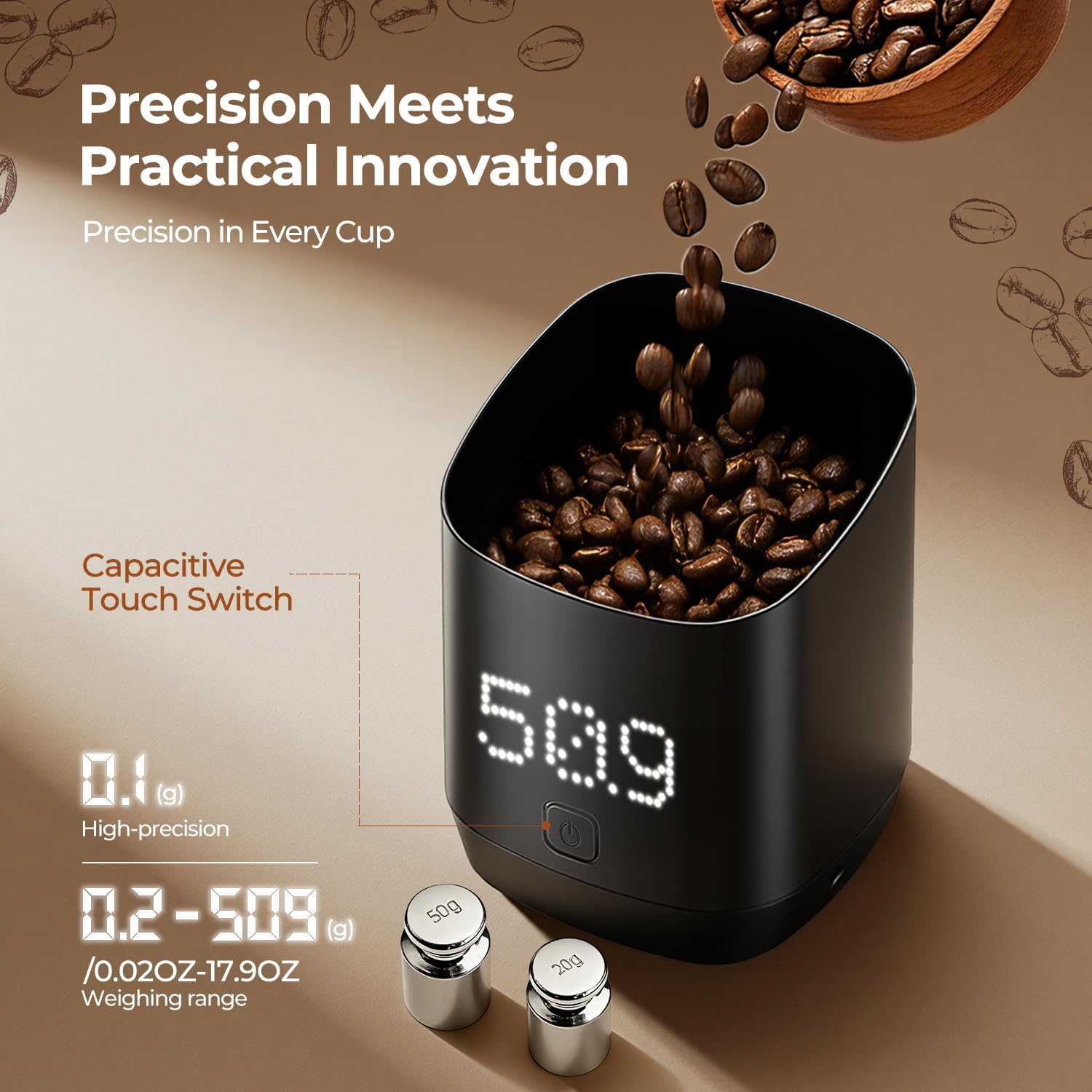
Digital Dosing Cup
Makes weighing beans faster and cleaner, with less mess around the grinder.
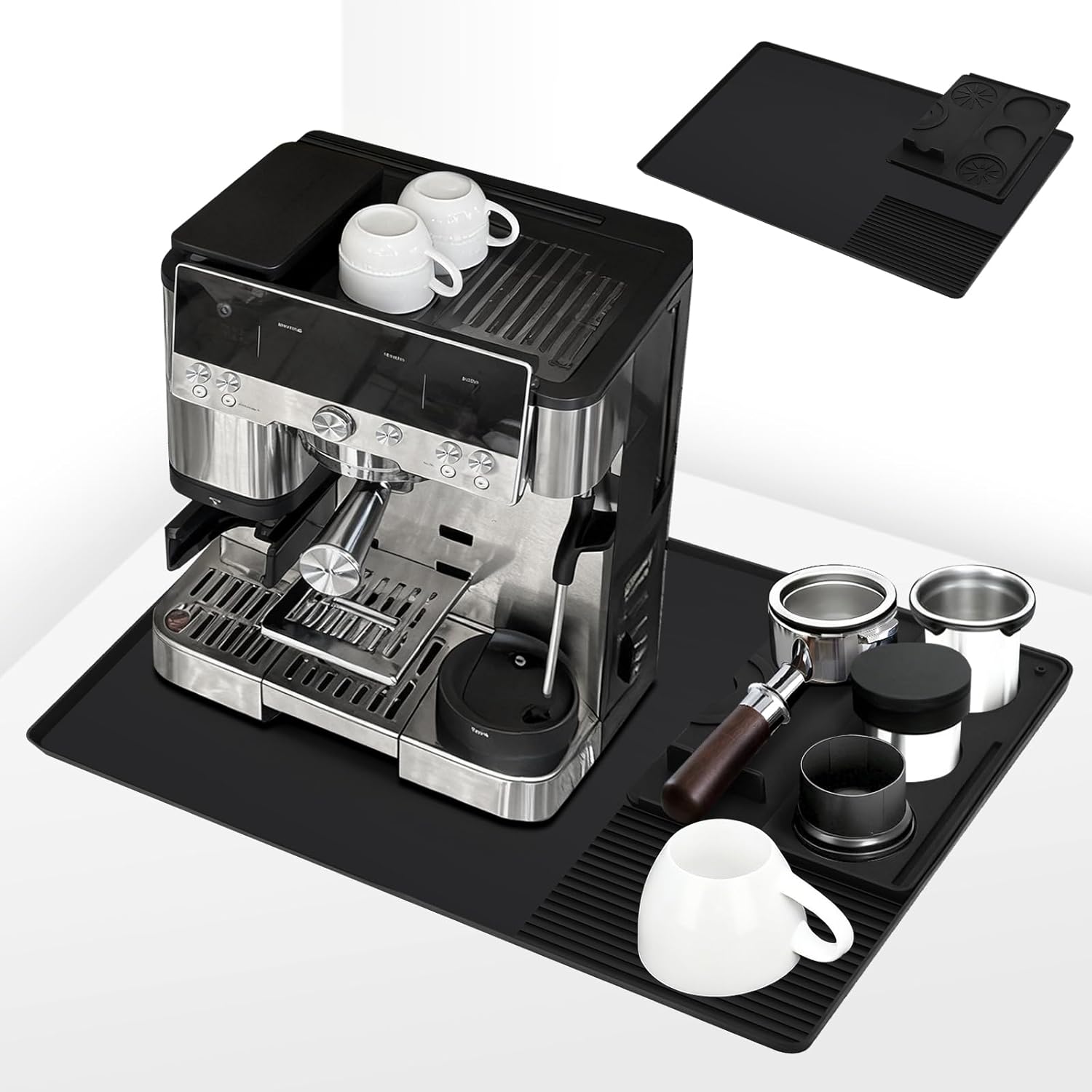
Silicone Mat
Protects your counter, catches spills, and gives your setup a cleaner working surface.

Vacuum Coffee Canister
Helps beans stay fresher longer by limiting air exposure after opening the bag.
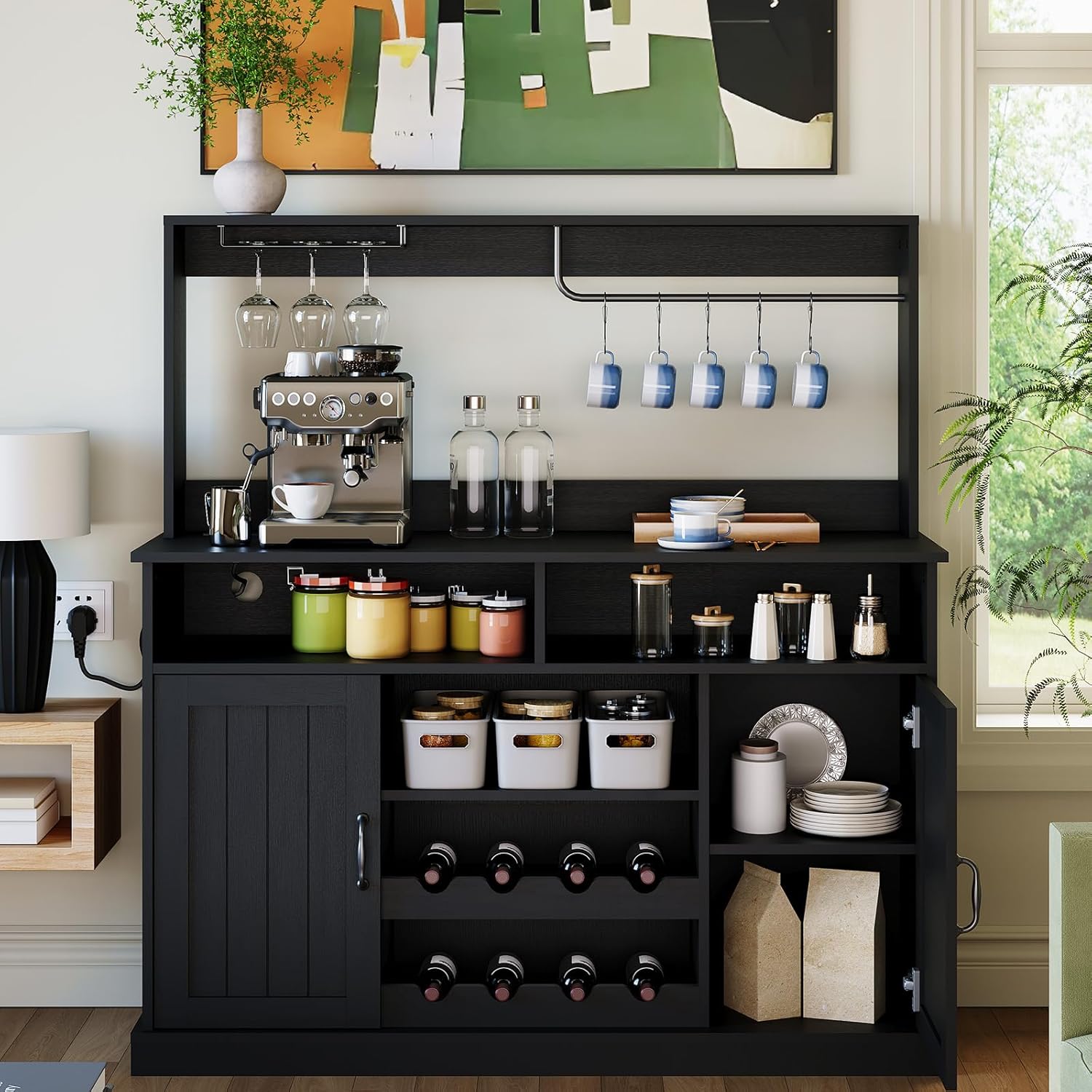
Farmhouse Coffee Bar Cabinet
Gives your machine, cups, beans, and accessories one dedicated home instead of cluttering the kitchen.
On this page
Best small espresso machines at a glance
| Machine | Why buy it | Type | Price |
|---|---|---|---|
| Breville Bambino Plus | Best overall for small kitchens | Fast-heating thermoblock | $449 |
| Gaggia Espresso Evolution | Best budget compact pick | Budget thermoblock semi-automatic | $249.95 |
| La Pavoni New Domus Bar | Best compact all-in-one | Single-boiler with built-in grinder | $899.95 |
| Lelit Anna PL41TEM | Best compact learner machine | Compact PID single boiler | $699 |
| Profitec GO | Best compact upgrade machine | Premium compact single boiler | $899.95 |
| Lelit Elizabeth | Best compact dual boiler | Compact dual boiler | $1,439.96 |
| ECM Mechanika Slim PID (V Slim PID & VI Slim PID) | Best slim prosumer pick | Slim PID heat exchanger | $2,159 |
| La Marzocco Linea Micra | Best premium compact pick | Luxury compact dual boiler | $4,499 |
Breville Bambino Plus
Best for: Fast daily espresso in very tight spaces.
If you want the easiest answer for a small kitchen, start here. The Bambino Plus does not ask for much counter, does not need a long warm-up, and does not make you babysit the machine before your first coffee.
That matters more than people admit. In cramped setups, machines that need a long heat soak or a lot of side clearance start feeling bigger than their actual footprint. The Bambino Plus stays easy because it heats almost immediately, the steam routine is simple, and the auto-froth mode can carry weekday milk drinks when you do not want a full barista workflow.
It is not the machine for people chasing a heavy 58 mm ecosystem or light-roast flexibility. But for apartments, shared kitchens, and anyone who needs real espresso without giving up half the counter, it is still the compact pick that makes the most sense.
Why it works in a small kitchen
Very short heat-up, easy milk workflow, and a footprint that suits apartments and shared counters.
Know before you buy
Small drip tray, 54 mm accessories, and less long-horizon serviceability than heavier metal machines.
Gaggia Espresso Evolution
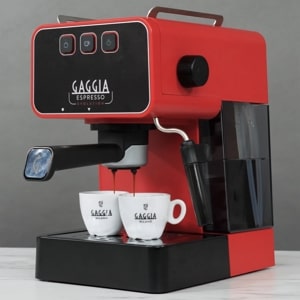
Best for: Keeping size and spend low.
The Espresso Evolution is the cheap compact pick that still gives you a real path forward. That is the key reason it belongs on this list. A lot of low-cost small machines stay permanently locked into convenience baskets and vague temperature control. This one at least gives you a more useful learning curve.
For a small kitchen, the appeal is obvious. It warms fast, fits easily, and does not force you into a separate large setup just to get started. It also makes sense for dorm-style counters, guest spaces, or second kitchens where budget matters as much as footprint.
You do need to keep expectations realistic. This is not a forever machine in the way a Silvia or Profitec GO can be. The materials and cleanup routine feel more entry-level, and the missing three-way valve shows up in wetter pucks and messier pacing. Still, if your goal is compact and inexpensive rather than compact and heirloom-grade, it is one of the better ways in.
Why it works in a small kitchen
Compact body, quick warm-up, and enough control to avoid feeling like a toy.
Know before you buy
More plastic, wetter pucks, and a less polished ownership experience than the stronger midrange machines.
La Pavoni New Domus Bar
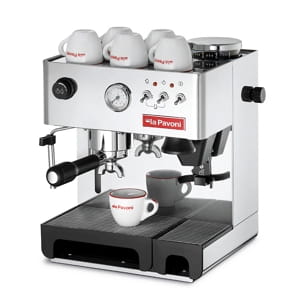
Best for: One-footprint espresso plus grinding.
Counter space disappears fast once you add a grinder, tamper station, and knock box. That is why the New Domus Bar earns a spot here. It is one of the few machines that genuinely solves the small-kitchen problem by putting grinding and brewing in the same footprint without feeling like a disposable appliance.
The appeal is less about absolute shot quality and more about setup efficiency. You get a stainless body, a real gauge, a three-way valve, and cleaner bench manners than most compact all-in-ones. For someone working with one open corner of counter, that is a practical win. There is simply less sprawl around the machine.
The trade-off is the grinder. Seven steps is workable with medium roasts, but it is not the kind of micrometric adjustment that makes dialing in painless across different coffees. Add the smaller 57 mm ecosystem, and this remains a convenience-first compact choice rather than a tinkerer’s dream. Still, for a single-footprint setup, it is far more serious than most combo machines.
Why it works in a small kitchen
You save the space of a separate grinder and keep the workflow centered in one station.
Know before you buy
Built-in grinder is the limiting factor, especially if you change beans often or like lighter roasts.
Lelit Anna PL41TEM

Best for: Learning technique without buying a big machine.
The Anna is the kind of compact machine that teaches good habits instead of hiding the process from you. It is small enough for apartment counters, but it still behaves like a serious espresso machine. That is the sweet spot for a lot of home users.
What makes it work in this category is balance. It is narrower and less imposing than many 58 mm single boilers, yet it still gives you PID control, solid brass internals, and a workflow that rewards better grinding and prep over time. It does not feel like a stripped-down compromise machine. It feels like a deliberate compact design.
The catch is the 57 mm format. It is not a dealbreaker, but it does narrow your basket and accessory options compared with the 58 mm world. And because it is still a single boiler, milk rounds slow down once you move beyond one or two drinks. For small homes that want a real machine rather than a fast gadget, though, the Anna remains one of the strongest compact buys.
Why it works in a small kitchen
Small chassis, real PID control, and a more serious feel than most budget-friendly compact machines.
Know before you buy
57 mm accessories are less common, and milk-heavy households may outgrow single-boiler pacing.
Profitec GO
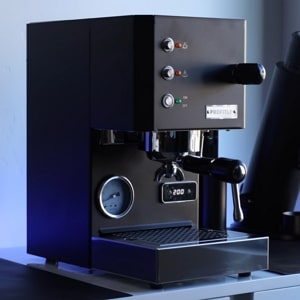
Best for: Small kitchens that still want a serious ownership path.
The Profitec GO is what I recommend when someone says, “I do not have room for a prosumer setup, but I still want the machine to feel serious.” It is compact in footprint, but it behaves with the discipline of a much more deliberate espresso tool.
In daily use, the value is in the details. The PID is easy to read, the shot timer is genuinely useful, and the adjustable brew pressure means you are not stuck with whatever the factory decided. That makes the GO unusually satisfying in a small setup because it cuts down on clutter. You do not need extra gadgets or mods just to get a clean routine going.
It is still a single boiler, so this is not the right machine for four cappuccinos in a rush. But for one or two drinks at a time, especially in a smaller home where counter space is precious, the GO feels efficient and grown-up. It is one of the better examples of a compact machine that does not feel like a compromise once the novelty wears off.
Why it works in a small kitchen
Compact body, front-facing control, and built-in shot timing keep the routine tidy.
Know before you buy
No hot-water tap and no dual-boiler speed for heavier milk-drink households.
Lelit Elizabeth
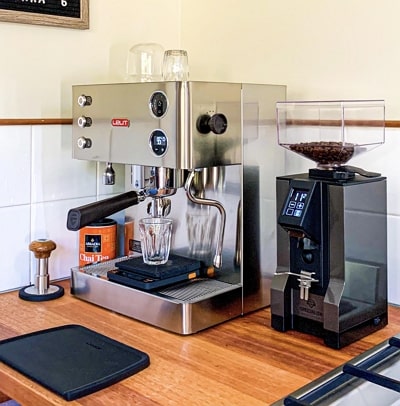
Best for: Small kitchens that still make a lot of milk drinks.
Not everyone who needs a compact machine wants to live with single-boiler limits. The Elizabeth is the machine that answers that problem best. It is compact for a dual boiler, but it still gives you enough steam power and temperature control to feel like a real upgrade in day-to-day use.
This matters in a small kitchen because workflow is part of footprint. If you steam daily, a compact single boiler can start to feel more frustrating than space-saving. The Elizabeth solves that by letting you brew and steam without the usual waiting game, while still keeping the body manageable on standard counters. It is one of the rare machines in this class that makes milk-heavy mornings feel calm rather than cramped.
It is not tiny, and it is not trying to be. You still need enough room to access the tank and live with a more substantial machine. But if your goal is maximum performance from a still-compact body, especially for cappuccinos and flat whites, this is one of the smartest small-footprint step-up options on the site.
Why it works in a small kitchen
One of the few genuinely compact dual boilers that does not punish daily milk-drink routines.
Know before you buy
More machine than entry-level buyers need, and reservoir-only design still requires thoughtful placement.
ECM Mechanika Slim PID (V Slim PID & VI Slim PID)

Best for: Narrow counters that still want classic E61 feel.
Some buyers do not want a compact beginner machine. They want a proper stainless prosumer machine that just happens to be narrow enough to fit. That is the job of the Mechanika Slim PID. It keeps the classic E61 ritual but trims the body into something much easier to live with on tighter counters.
The reason this one works is honesty. It is slim, not miniature. You still need the patience of an E61 owner, including a full heat soak and the occasional HX cooling flush. But if the alternative is giving up the style, build, and steam power you actually want, the Slim PID is a much better answer than buying a smaller machine you will outgrow in six months.
This is especially good for buyers who want a narrow front profile without stepping down to a lighter thermoblock or entry-level single boiler. Just be realistic about your routine. It saves width, not warm-up time. If you know that going in, it is one of the cleanest compact prosumer plays available.
Why it works in a small kitchen
Narrow “Slim” format gives you real prosumer hardware without the usual broad-body footprint.
Know before you buy
Still needs E61 warm-up time and still behaves like an HX machine, not a quick-start compact appliance.
La Marzocco Linea Micra
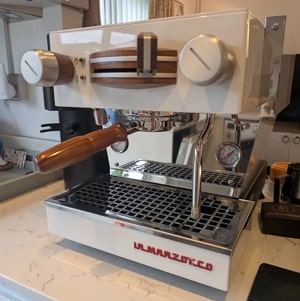
Best for: Premium espresso in a genuinely small footprint.
The Linea Micra is what happens when a compact machine is not treated like an entry-level compromise. It gives you a small footprint, fast warm-up, quiet operation, and the kind of cup consistency that makes the machine feel expensive every single morning.
That is why it belongs here despite the price. Most high-end machines get physically large as soon as they start delivering serious stability and steam performance. The Micra does not. It gives you a compact body that still feels planted, polished, and fast enough for real daily use. If you want premium espresso without turning the kitchen into a café station, very few machines execute the brief this well.
The main caution is that you are paying heavily for refinement, not just function. Cup clearance can feel tight, and the value case depends on whether you actually care about noise, fit and finish, and that La Marzocco ownership experience. But if your question is simply, “What is the best small machine money can buy?”, this is one of the cleanest answers.
Why it works in a small kitchen
Tiny footprint for the level of performance, plus quick warm-up and quieter operation than many rivals.
Know before you buy
Very expensive, and the space under the spouts can feel tighter than the exterior size suggests.
How to choose a small espresso machine
Define your actual needs
Decide what you drink most days. Straight espresso asks for tight temperature control, clean water, fresh beans, and a grinder that can move in tiny steps. A daily macchiato or flat white needs enough steam power to texture milk without making you wait forever. If iced drinks are your staple, speed and workflow matter more, because chilling and dilution hide small differences in mouthfeel.
Space matters just as much as specs. Measure width, depth, and height under cabinets. Leave room to remove the reservoir and for steam wand movement. If you make several drinks in a row, look closely at heat exchangers and dual boilers that let you brew and steam without cooldown cycles. If you pull one or two shots a day, a small single boiler can be the smarter and more efficient choice.
Be honest about how hands-on you want to be. Lever machines and bare-bones single boilers teach you a lot, but they demand attention. Compact dual boilers and refined heat exchangers cost more, yet they make life easier and protect consistency when guests arrive. To keep that consistency, assemble a compact kit around the machine: a capable grinder, precision baskets, WDT and tamper, a 0.1 gram scale, and soft water.
Check the full working footprint
Think about tank access, grinder placement, knock box space, and where the steam wand swings. A narrow machine with awkward access can feel bigger than a slightly wider one with a better workflow.
Match the machine to your drink style
Single boilers make sense for a couple of straight shots a day. If milk drinks are your routine, a dual boiler, heat exchanger, or easy assisted steam system can be worth the extra spend.
Do not ignore warm-up time
Thermoblocks and compact single boilers usually feel better in tight kitchens because they are quick to start. E61 heat exchangers can still be great slim buys, but they need more patience.
Plan for the grinder too
If you do not have room for a separate grinder, an all-in-one like the New Domus Bar can make sense. If you do have room, separate machine and grinder still gives you the better long-term setup.
Extra equipment you will need
Whole beans and a real grinder are non-negotiable. Choose a burr grinder with stepless or fine stepped adjustment designed for espresso. Low retention and solid burr alignment make a compact setup much easier to manage day to day.
A precision 58 mm basket, or a machine-specific precision basket on smaller groups, helps tighten extraction and reduce channeling. Use a WDT tool to break up clumps, then tamp consistently. A scale with 0.1 gram resolution and a timer makes recipes repeatable, and a 12 to 20 ounce milk pitcher covers most home drinks.
Small machines often ship with pressurized baskets. Swap to non-pressurized baskets once you have a capable grinder. That is when these machines start showing you what they can actually do.
Keep a soft-water plan in place to limit scale. That can mean a pitcher filter with recipe water, a machine-safe in-tank resin filter, or bottled water with a mineral profile that suits espresso. Maintenance is easier than repairs, especially on compact machines with tighter internals.
Backflush when the machine requires it, clean the steam wand after every use, and descale only with water and products that match the machine’s materials. Once maintenance is handled, you can focus on getting stable, repeatable espresso from a footprint that still makes sense in a small kitchen.
Frequently asked questions
What really makes an espresso machine good for a small kitchen?
Not just footprint. A genuinely good small machine also needs sensible tank access, enough clearance for your cup and scale, manageable steam-wand movement, and a workflow that does not sprawl across the whole counter.
Is a small espresso machine always worse than a bigger one?
No. Many compact machines are excellent. The real trade-off is usually pace, not cup quality. Small single boilers can make excellent espresso, but they slow down when you need to brew and steam repeatedly.
Should I buy an all-in-one machine to save space?
Only if counter sprawl is your main problem. An all-in-one like the La Pavoni New Domus Bar can make sense when you truly need grinder and machine in one footprint. If you care more about dialing in flexibility, separate machine and grinder is still the better long-term setup.
What is the best small machine for milk drinks?
For easy daily milk drinks in a very small space, the Breville Bambino Plus is the easiest answer. For a more serious compact milk-drink setup, the Lelit Elizabeth is the better long-term pick because it avoids single-boiler waiting.
Does 57 mm versus 58 mm matter on compact machines?
It matters mostly for accessories and upgrade flexibility. A 58 mm machine gives you the widest basket and tool ecosystem. A 57 mm machine can still make very good espresso, but replacement baskets and add-ons are less abundant.
We’ve categorized the best espresso machines for every kind of buyer
Find the right shortlist faster, whether you want convenience, a beginner-friendly setup, a smaller footprint, or better value at a given budget.
Best Superautomatic Espresso Machines
One-touch picks for speed and convenience.
Best Espresso Machines for Beginners
Easy-to-use machines with a smoother learning curve.
Best Small Espresso Machines
Compact machines for tighter kitchens and counters.
Best Espresso Machines With Built-In Grinder
All-in-one options with fewer extra pieces to buy.
Best Cheap Espresso Machines Under $500
Budget picks that still make sense for real espresso.
Best Prosumer Espresso Machines Under $1000
More serious machines with stronger value for the money.
Best Single Boiler Espresso Machines
Simple, space-saving picks for espresso-first routines.