
Takeaway
The Domobar Super HX is VBM’s classic prosumer heat-exchanger built for people who want the lever-driven E61 experience, strong steam on tap, and a chassis that can run from a reservoir or hook up to a water line later. Current “Analogic” trims pair the VBM 1961 group with a traditional boiler and a pressurestat. Rotary-pump versions ship plumb-ready and stay quiet under flow. VBM’s 2024 specification sheet calls out a 25 by 42 by 47 centimeter footprint, 1800 watts, and tank-or-tap flexibility. The HX variant is distinct from the dual-boiler Digital and Electronic Domobar Supers. If you want a dependable E61 HX that behaves like a small café machine at home, this is one of the originals and still a contender.
At a glance
- Architecture. E61-style VBM 1961 group with mechanical pre-infusion and thermosyphon circulation. Single HX boiler platform managed by a pressurestat on the Analogic trim.
- Pump. Available as a rotary-pump switchable tank or plumbed model, and also as a tank-only vibratory-pump variant depending on market and generation.
- Boiler. Copper HX boiler. Reliable retailer measurements list about 1.8 liters plus roughly 0.2 liter in the heat-exchanger tube for a total internal water volume near 2.0 liters, while some regional listings quote larger figures on older “classic” runs.
- Water. Sensor tank or direct line. Factory provision for drain routing on plumbed installs.
- Dimensions and mass. Official 25 W x 42 H x 47 D cm. Weight listed at 33 kg in the current spec sheet; some vendors list 25 to 28 kg on earlier or different trims.
- Power. 1800 W, 240 V markets; 110–120 V variants typically ship around 1600–1800 W.
- Wands and valves. One steam wand and one hot-water wand. Most HX analogic trims use screw valves and non-insulated wands.
- Price snapshots, late 2025. United States examples show Analogic HX around 2099 dollars; UK and EU dealers list 1686 to 2070 pounds/euros for the Analogic; New Zealand dealers commonly list 3800 to 3950 NZD. Dual-boiler Supers are higher and not the subject here.
Build and design
Casework and stance
VBM’s Super chassis is still the classic stainless box with confident edges, not the soft rounded lines other brands chase. The Analogic face stays clean: a large double-scale manometer in the middle, a lever that starts and stops the shot, and straightforward steam and hot-water knobs. The 2024 Domobar Super sheet confirms the Analogic uses this simpler interface and lists the 25 by 42 by 47 cm size and 33 kg mass. The combination reads like a small commercial machine that happens to fit under standard wall cabinets.
Group and heat path
The heart is the VBM 1961 group. That is VBM’s take on the E61 architecture: a heavy chrome-plated brass assembly with thermosyphon circulation and a mechanical pre-infusion chamber. It gives you the familiar lever actuation, a gentle wetting of the puck before full pressure, and excellent thermal inertia when heat-soaked. VBM’s own spec card calls the 1961 group out by name and explains the thermosyphon loop in both English and Italian.
Boiler, materials, and the version maze
The Super HX rides a single copper boiler with an internal heat-exchanger tube. Boiler capacity gets quoted three different ways in the wild. Espressocare publishes a measured figure of 1.8 liters plus about 0.2 liter in the HX tube for a total near 2.0 liters. Other retailers list 2.7 liters on older “classic” units. The current VBM analogic sheet for Super focuses on dimensions, power, interface, and water, and uses “Steam boiler 1 x 2 l” for the dual-boiler trims while labeling the analogic as HX without a separate coffee boiler. Treat the HX’s practical capacity as a two-liter class copper boiler. That is the size that drives the steam character you feel on the wand.
Pump and water path
Two Domobar Super HX families circulate in North America and Oceania. One ships with a quiet rotary pump, a lever-selectable tank-or-line water path, and an optional waste-water drain for plumbed installs. Another, less expensive variant uses a vibration pump and runs tank-only. The differences affect sound, pressure feel, and long-term flexibility more than they affect the cup. Plan on rotary if you want to hardline the bar later or if kitchen noise matters. The model pages from Espressocare and Concentrated Cup spell out both sets clearly.
Fit, tray, and service access
Super ships with a deep steel tray and a removable cup rack that makes reservoir access simple. The “switch” manuals and multi-market guides show the direct-connect plumbing steps and the selector lever that converts the machine from tank to line and from drip-tray waste to drain. For owners, this is the difference between a toy and a permanent installation. The plumbing provisions are not an afterthought here.
Workflow
Warm-up and readiness
A pressurestat boiler will reach indicated pressure quickly. The group needs real time to soak. Lock an empty portafilter during warm-up so the brass group and the steel of the portafilter rise together. If you want first-shot consistency for a tasting session, give the metal a few extra minutes after the gauge climbs. You are aiming for boring repeatability. The VBM 1961 group rewards that patience by holding heat well once saturated.
Shop the essentials
The small upgrades that make a home coffee setup cleaner, smoother, and more enjoyable to use every day.

Cleaner & Descaler Tablets
Keeps your machine clean, helps prevent buildup, and protects long-term performance.
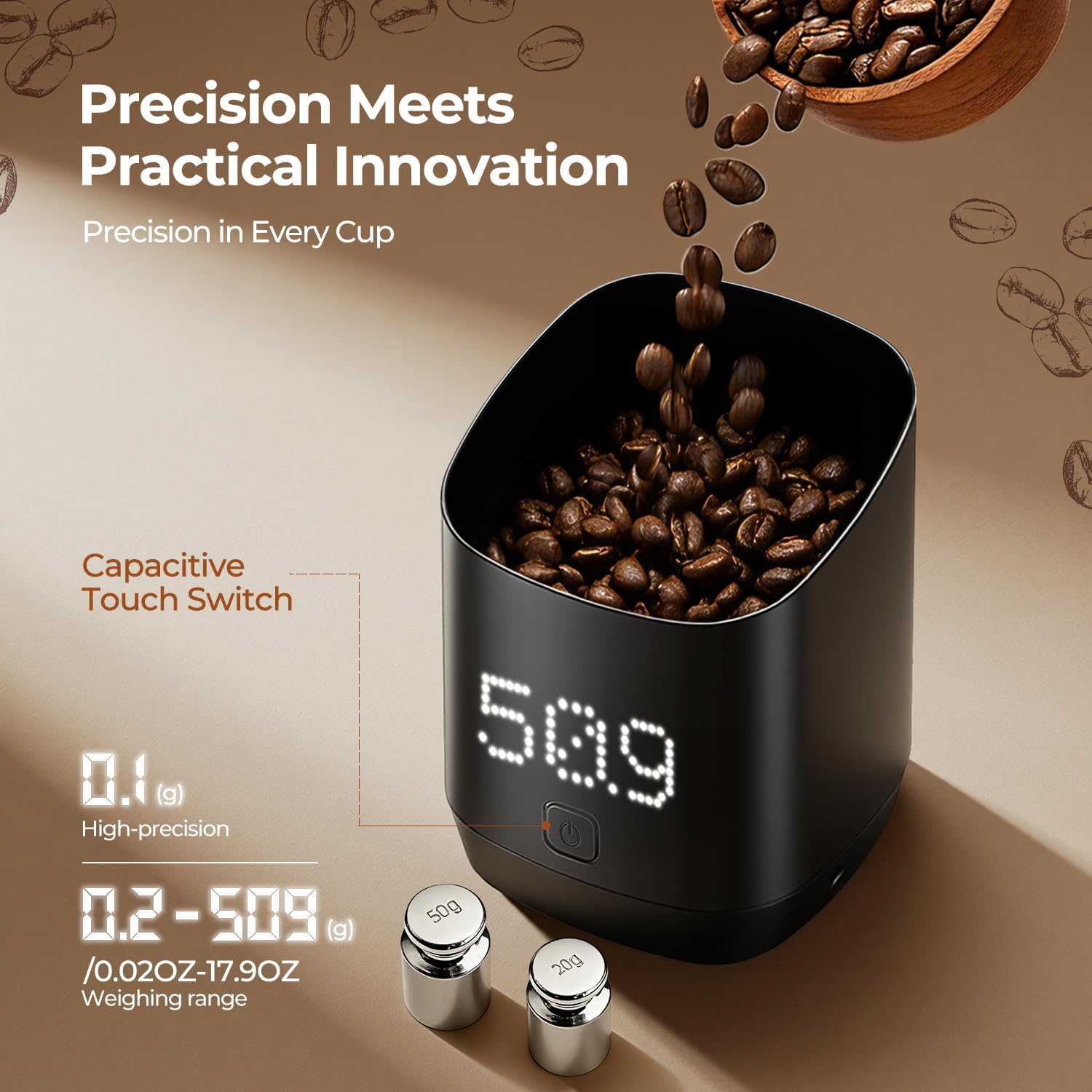
Digital Dosing Cup
Makes weighing beans faster and cleaner, with less mess around the grinder.
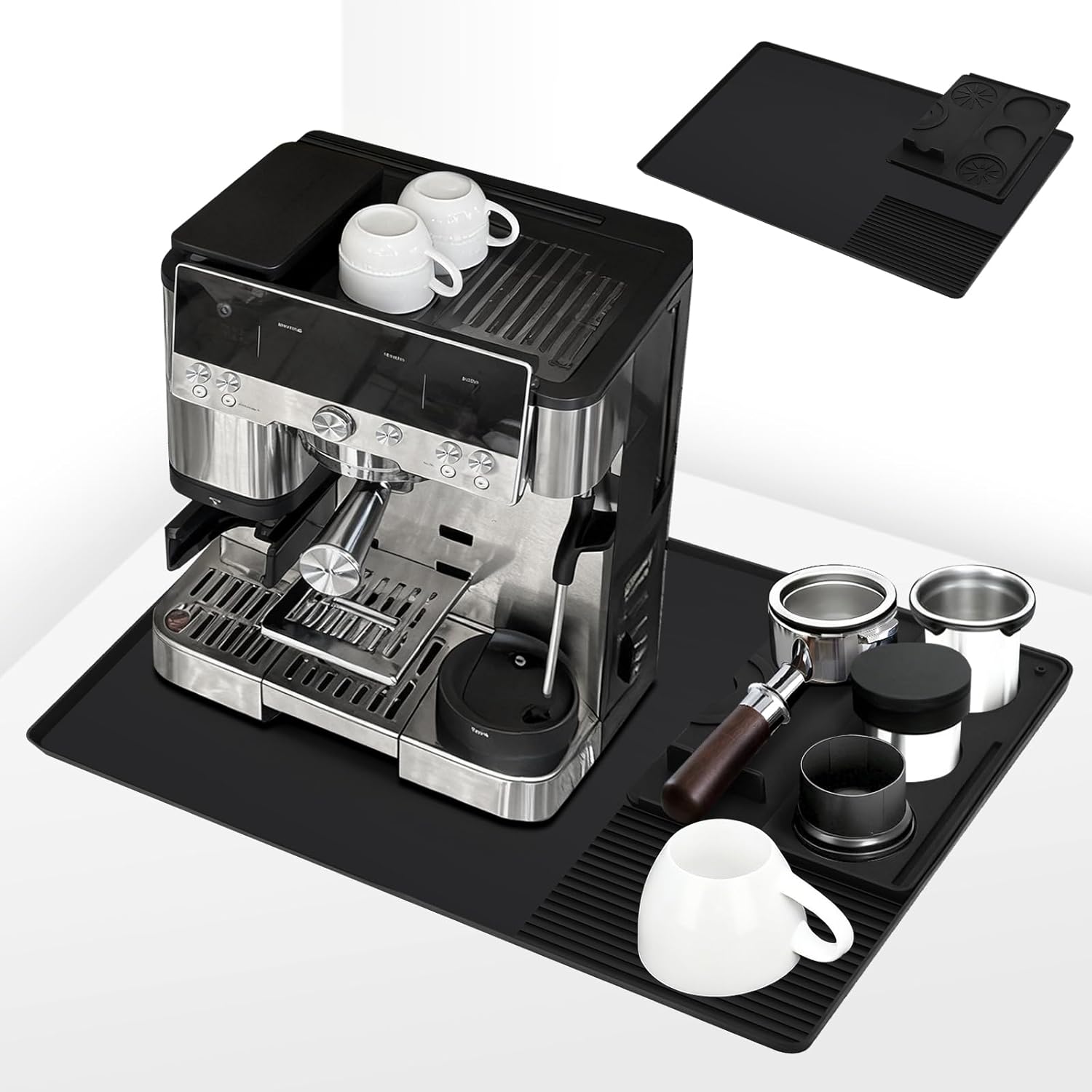
Silicone Mat
Protects your counter, catches spills, and gives your setup a cleaner working surface.

Vacuum Coffee Canister
Helps beans stay fresher longer by limiting air exposure after opening the bag.
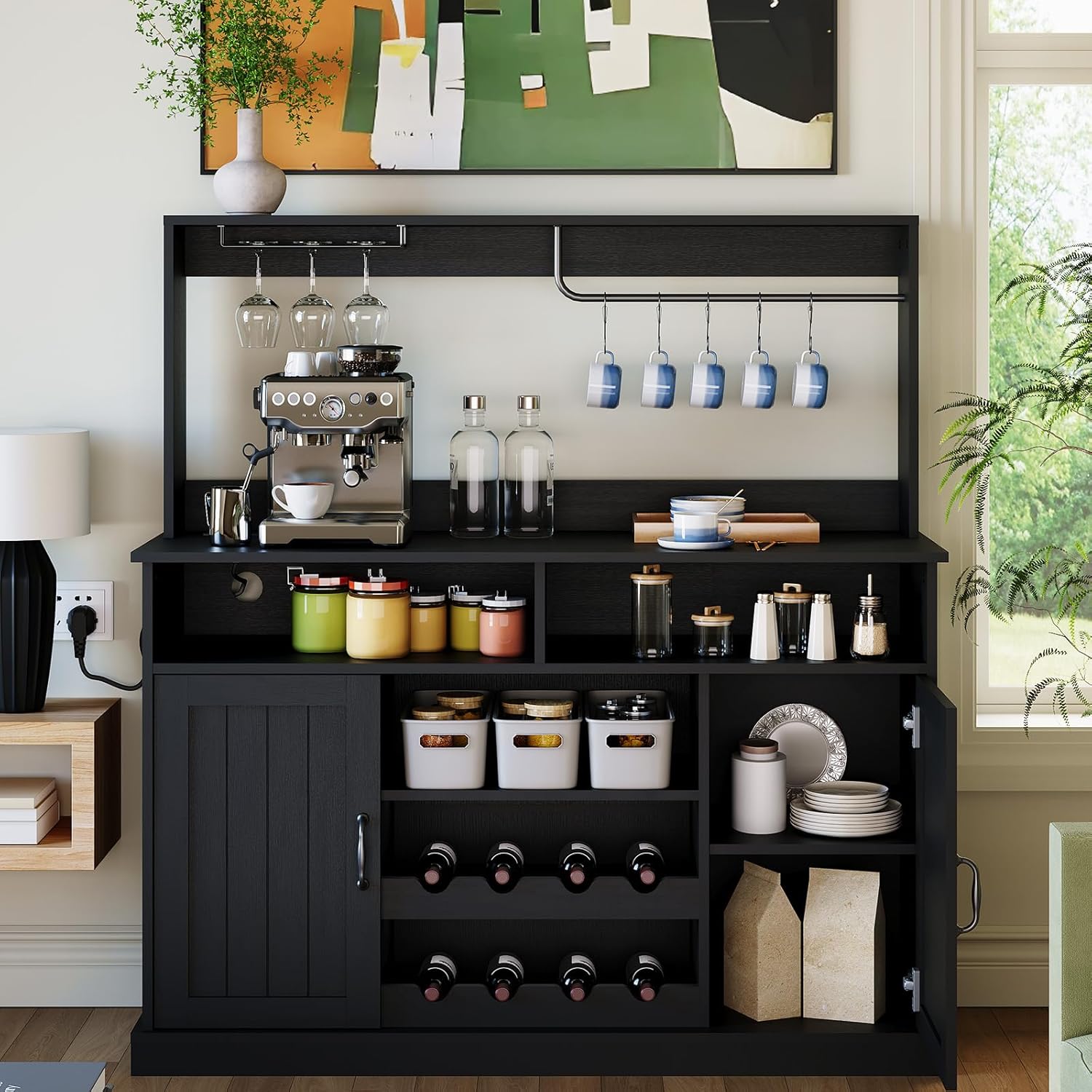
Farmhouse Coffee Bar Cabinet
Gives your machine, cups, beans, and accessories one dedicated home instead of cluttering the kitchen.
The HX routine without drama
Idle water in the heat-exchanger tube climbs too hot for espresso. The fix is a short cooling flush. After a long pause, raise the lever and watch the sputter transition to a smooth, steady stream. Drop the lever, lock in, and pull. For medium roasts, the flush is brief. For dense light roasts, add a beat. Between back-to-back shots you often skip the flush because the HX has not crept upward yet. Use the boiler gauge as your compass. If you walk up and the needle sits at the top of its swing, lengthen the flush a second. If it sits near the low point after a round of steam, pull straight in. That is the HX rhythm in one paragraph.
Pressurestat feel and PID expectations
Analogic is not a dual-boiler with a brew PID. You ride a pressurestat band, not a numeric brew setting. The advantage is simplicity and steaming punch. The trade is that you do not punch numbers into a screen to nudge brew temperature directly. If you want degree-by-degree brew control, VBM’s Super Digital and Electronic are dual-boiler machines with a gear pump and a touch interface. The official Super card puts Analogic and Digital on the same page precisely to highlight this fork.
Tank today, line tomorrow
On the rotary-pump switchable trim you can run the 2-liter class tank for months, then connect the included charge tube to a filtered line when the bar takes shape. The manuals show the selector lever underneath and the waste routing. That matters in a real kitchen. When you are plumbed, you stop thinking about filling a tank and emptying a tray and start thinking about coffee.
Ergonomics that let you move
The large double-scale gauge sits high and is easy to scan from across the room. The lever offers clear start and stop tactile feedback. The wand throw is smooth, the pivot range is wide, and the non-insulated steam wand purges fast. On units with rotary valves you will feel a short, positive open. If your trim uses screw valves, the throws are still brief. The layout is not fussy or fragile. It feels like small-café hardware in a home footprint.
Espresso performance
Stability you can repeat
With a soaked group, the Super HX is predictable. The thermosyphon loop keeps the group hot, the copper boiler holds a steady steam band, and the mechanical pre-infusion in the VBM 1961 group gives you a calm ramp into pressure. That is the recipe for repeatable extractions when your puck prep is honest. Owners and long-running vendor reviews have said for years that the Super steams hard and behaves like a professional HX. The published measurements and the parts pedigree support that claim.
Starting recipes that get you home
For a medium espresso blend, begin at 18 grams in a standard 58 mm double. Distribute carefully and tamp level. After a long idle, perform the short cooling flush until the stream smooths, then lock and pull 36 grams out in 27 to 31 seconds from pump on. Hold dose and yield constant while you move grind to land in time. For lighter roasts, extend the flush slightly, tighten grind, and run 1:2.2 in the low thirties. For darker roasts, minimize the flush and pull closer to 1:1.9 while watching the finish. Those three paths keep you in the machine’s comfort zone without games.
What the pour looks like when you are on target
On a healthy puck you will see a gentle, even beading at the bottomless as the pre-infusion does its job, followed by a steady stream that darkens and then lightens toward blonding. On a medium roast you should taste mid-range sweetness and a tidy finish. The E61-style profile is not surgical. It is forgiving and produces syrupy shots that hold shape in milk. If you want aggressively light roasts every day with exact brew temperature targets, that is a dual-boiler conversation. The HX here pulls delicious, balanced espresso when you respect its rhythm.
Milk steaming
What the boiler size buys you
A two-liter-class copper boiler with a pressurestat is the definition of honest steam. Recovery is quick. Dryness is good. The rotary-pump trim lets you steam and brew together without the pump note getting in the way of conversation. Retailers who have lived with the Super for years describe the steam as forceful and consistent for 12-ounce pitchers, and that tracks perfectly with a copper HX of this size and wattage.
Wand behavior and tips
Because most Super HX analogic wands are not insulated, purges are efficient and the line warms quickly, but you need to build a reflexive wipe-and-purge habit. Start with a two-hole tip while you learn the first six to eight seconds of air. When you can stretch and transition into the roll on autopilot, move to a higher-flow tip for throughput. Rotary-pump versions keep the soundscape calm while you steam larger pitchers for guests.
Practical cadence
Pull the shot, purge a short burst to eject condensation, stretch 6 to 8 seconds, roll to temperature, wipe, and purge. Two 12-ounce pitchers in a row are easy. For a round of larger drinks, raise the pressurestat a hair only if your tech has confirmed the band is set too low for your style. Most households never need to touch it. The stock setting offers plenty of authority.
Maintenance and reliability
Daily loop
Purge and wipe the steam wand immediately after each pitcher. Water backflush at session end. Detergent backflush weekly if you pull daily. Knock the screen and basket into a soak on schedule. Replace the group gasket before it turns to stone. VBM has published manuals for the Super and for the switchable tank-to-line variants, and dealer sites outline the direct-connect procedure and the user-serviceable items clearly.
Water decides your ticket count
The Super HX will run tanked or plumbed. In tank mode, feed it filtered water within an espresso-safe hardness and alkalinity band, or a known remineralized recipe that plays well with copper and brass. On a line, protect it with a cartridge that softens and stabilizes alkalinity within spec. Nothing in the analogic control stack changes the chemistry. You prevent scale; you do not react to it later. Publications and vendor pages that emphasize the plumb-in path are a cue to plan water the same day you plan counter space.
Parts and access
VBM’s Super series is mainstream prosumer hardware. Rotary pumps, vibe pumps, thermostats, pressurestats, solenoids, and gauges are service items that many shops stock. Spare-parts catalogs and exploded views float around, and major dealers publish measured specs or clarifications when numbers conflict. Espressocare’s note about physically measuring a Super HX boiler to reconcile inconsistent listings is exactly the kind of grounded information you want backing a machine you plan to own for a decade.
Programming and controls
Here is what you actually adjust and why it matters.
- Pressurestat band. The pressurestat governs the boiler’s high and low switch points. Treat it as steam-strength and HX idle-state control. Set by a tech. Most owners never need to touch it.
- Water source selector. On switchable models there is a lever underneath that toggles tank versus line. The same documentation covers waste routing from tray to drain on plumbed installs.
- Expansion-valve baseline. Set brew pressure once with a blind basket and a gauge. Nine bar is a sane center. Leave it there. Chasing pump pressure rarely fixes distribution.
- Lever and valves. The lever starts and stops shots and enables the mechanical pre-infusion in the VBM 1961 group. Steam and water valves are simple and durable. The pattern is old for a reason.
Bench workflow: from unboxing to a calm service
1) Placement and water
Give the wands room to swing and space to pull the portafilter straight. If you start tanked, rinse and fill the reservoir and seat it cleanly. If you intend to plumb in, install a softening cartridge within spec for copper and brass, connect the charge tube to a filtered line, and route a drain for waste water. The switchable model’s documentation shows the selector and the lines you will touch. Measure once. Avoid surprises.
2) Warm-up
Lock an empty portafilter in the group. Power on. Let the group and baskets soak beyond the first rise to boiler pressure. Purge the steam wand briefly as the boiler approaches pressure to clear any condensation. Your target is a first shot that tastes like your third, not a speed run.
3) Baseline espresso
Start at 18 g in a 58 mm double, distribute carefully, tamp level. After a long idle, perform the short cooling flush until the sputter becomes a steady stream, lock, and pull 36 g in 27 to 31 seconds from pump on. Hold dose and yield fixed across your first three shots while you walk grind into time.
4) Light-roast path
Extend the initial flush slightly, tighten grind, and run a 1:2.2 ratio in the low thirties. Taste for a clean finish. If astringency creeps in, cut the tail earlier, then revisit grind.
5) Milk cadence
Purge a quick burst, stretch for six to eight seconds, roll to temperature, wipe, and purge. Two 12-ounce pitchers in sequence are easy. For a guests-heavy session, consider slightly higher steam pressure only if your baseline is conservative and a tech signs off on the change.
6) Cleaning loop
Water backflush at session end. Detergent backflush weekly for daily users. Soak screens and baskets. If you run tanked, empty and rinse the reservoir rather than topping up forever. If you are plumbed, change cartridges on time and verify hardness after the filter. That is how you keep HX behavior predictable and steam dry.
Competitive comparisons
ECM Technika V Profi PID
Technika is ECM’s rotary-pump HX with a stainless insulated boiler, a PID that controls boiler temperature, and a switchable tank-to-line path. The brew experience is similar once you map your flush, and both deliver confident steam. ECM offers stainless boiler construction and a discreet PID with shot timer on newer revisions. If you want stainless over copper and prefer ECM’s PID interface, Technika is a direct alternative in the rotary-pump HX lane.
Profitec Pro 500 PID
Pro 500 PID is a stainless-boiler HX with a vibration pump and a visible boiler PID on recent trims. It is tank-only and costs less. It produces similar cups once warm and steams hard. If you never plan to plumb in and can live with pump buzz, the Pro 500 is a value play. If you want rotary quiet and long-term plumbing, the Domobar Super HX stays compelling.
Rocket Mozzafiato Cronometro R
Rocket’s Mozzafiato R is a rotary-pump HX with a PID-managed boiler, a front shot timer, and a tank-or-line water path. It runs a 1.8 liter copper boiler and similar wattage. Choose Rocket if the PID and on-face timer matter to you, or if you prefer Rocket’s design language. Choose VBM if you want the VBM 1961 group, analog simplicity, and the brand’s very long HX lineage.
Bezzera Mitica Top PID
Mitica Top PID is a copper-boiler HX with a rotary pump, a plumb-ready chassis, and a boiler PID. It shares the same milk cadence and cup profile when both machines are centered. Mitica gives you boiler-temperature digits on the face and joystick valves. Super HX leans into the quiet of a rotary, a classic screw-valve feel, and the VBM group.
VBM Domobar Super Digital and Electronic
These are not HXs. They are dual-boiler sisters with a gear pump and a 3.5 inch touch display. They remove the cooling-flush routine for straight shots and unlock more precise temperature control, at a higher price and with more complexity. If you live at light roasts and want degrees and profiles, they make sense. If you want HX speed with the lever rhythm and rotary quiet, the Analogic HX is the calm option in the line.
Real-world numbers and notes
- Group. VBM 1961 thermosyphon group with mechanical pre-infusion. 58 mm baskets.
- Boiler. Copper HX. Retailers report roughly 1.8 L boiler plus 0.2 L HX tube, while older “classic” listings quote up to 2.7 L. Treat current analogic HX as a two-liter class.
- Pump. Rotary pump on switchable tank-to-line versions; vibration pump on tank-only versions sold in some markets.
- Water source and drain. Sensor tank or direct-connect. Manuals show the selector and optional drain routing for plumbed installs.
- Size and mass. 25 W x 42 H x 47 D cm; 33 kg per 2024 specification sheet. Some retailers list 27 x 41 x 53 cm and 25 to 28 kg on other trims.
- Power. 1800 W at 240 V; 1600 to 1800 W at 110–120 V depending on trim.
- Price snapshots, late 2025. US around 2099 USD for Analogic HX. UK about 1686 GBP and EU around 2070 EUR for the Analogic New Edition. NZ sits around 3800 to 3950 NZD. Always check VAT, shipping, and promo cycles.
Strengths
- Classic E61-style workflow with rotary-pump calm. The switchable rotary trim is quiet and plumb-ready, which makes the Super feel like a small café machine at home.
- Serious steam. A two-liter-class copper HX produces dry, forceful steam with quick recovery for 12-ounce pitchers. Long-standing owner write-ups confirm the feel on the wand.
- Vetted platform. The Super HX has been around long enough that parts, service knowledge, and accessory support are easy to find.
- Tank-to-line flexibility. Start from the reservoir and hardline later without changing platforms. Manuals and dealer notes make the conversion straightforward.
- Simple, durable control stack. Lever, pressurestat, valves, big gauge. Less to distract, less to fail.
Trade-offs
- No brew PID on Analogic. You manage brew temperature with the pressurestat band and a short flush after idle. If you want degrees on the face, shop dual-boiler or a PID-equipped HX from another brand.
- Spec variation by generation. Boiler and weight figures differ across seller pages and older runs. VBM’s 2024 card is the anchor for current analogic dimensions and power. Verify local stock if these details matter to you.
- Non-insulated wands on many trims. Purges are efficient and cleanup is quick, but you need a tidy towel habit.
- Vibe-pump versions exist. Tank-only Super HX units with vibration pumps are cheaper but louder and not plumbable. Check the pump line in your region before buying.
Scores
- Build quality: 8.9
- Temperature stability: 8.6
- Shot consistency: 8.7
- Steaming power: 9.2
- Workflow and ergonomics: 8.8
- Maintenance and serviceability: 8.8
- Value: 8.7
Total: 8.8
Verdict
Domobar Super HX is a veteran of the lever-driven prosumer class. The formula has not changed much because it works. A copper HX boiler, the VBM 1961 group, a pressurestat band, and an honest wand turn into the kind of morning cadence that busy homes actually use. The rotary-pump switchable trim is the one that unlocks the long runway. It is quiet, pressure is steady, and plumbing in later is a matter of flipping a selector and connecting lines. The tank-only vibration-pump version will pull the same shots once the routine is mapped, but the rotary-pump chassis is the complete package.
If you need digits on the face for brew temperature and want to live on light roasts without a cooling flush, VBM’s dual-boiler Supers or a competing dual boiler are a better fit. If you want HX speed with small-café steam reserves, a lever that just works, and a machine you can keep for a decade with straightforward service, the Super HX still earns a spot. It is the right kind of boring. Day after day it turns warm-up into repeatable shots and glossy milk without asking for attention. That is what a home bar tool should do.
TL;DR
E61-style VBM 1961 group on a copper HX boiler, available with a quiet rotary pump and a switchable tank-to-line water path or as a tank-only vibration-pump trim. Current spec sheet lists 25 by 42 by 47 cm, 33 kg, 1800 W, and a simple Analogic interface. Expect a short cooling flush after idle, then steady shots and strong, dry steam. Typical late-2025 prices cluster around 2099 USD in the US for Analogic HX, 1686 to 2070 in the UK or EU, and 3800 to 3950 NZD in New Zealand. If you want a classic HX with real steam and long-term plumbing flexibility, this is still a benchmark.
Pros
- Rotary-pump calm with switchable tank-to-line plumbing on the right trim
- Strong steam and quick recovery from a two-liter-class HX
- Simple, durable controls and a proven VBM 1961 group
- Mainstream parts and widely published service notes
- Feels like a small café machine at home
Cons
- No brew PID on Analogic; HX discipline required
- Specs vary by region and generation; confirm pump type and boiler figures before buying
- Non-insulated wands on many trims require careful handling
- Vibe-pump versions are louder and tank-bound
Who it is for
- Home baristas who want lever feel and rotary quiet with the option to plumb in later
- Milk-forward households that value strong steam and back-to-back capacity
- Buyers who prefer a simple, serviceable control stack over screens
- People who want a long-running platform with global parts coverage
Glanceable specs
- Group. VBM 1961 thermosyphon group with mechanical pre-infusion. 58 mm portafilters.
- Boiler. Copper HX. Practical water volume around 2.0 L including HX tube, with older listings up to 2.7 L.
- Pump. Rotary on switchable tank-to-line trim; vibration pump on tank-only trim, market dependent.
- Water. Sensor tank or direct line. Optional drain on plumbed installs.
- Interface. 60 mm double-scale manometer and analog controls on Analogic.
- Size and weight. 25 W x 42 H x 47 D cm; 33 kg per current spec sheet. Variants may list 27 x 41 x 53 cm and 25–28 kg.
- Power. 1800 W at 240 V; 1600–1800 W at 110–120 V trims.
- Typical price, late 2025. US about 2099 USD. UK 1686 GBP. EU roughly 2070 EUR. NZ about 3800–3950 NZD.
We’ve categorized the best espresso machines for every kind of buyer
Find the right shortlist faster, whether you want convenience, a beginner-friendly setup, a smaller footprint, or better value at a given budget.
Best Superautomatic Espresso Machines
One-touch picks for speed and convenience.
Best Espresso Machines for Beginners
Easy-to-use machines with a smoother learning curve.
Best Small Espresso Machines
Compact machines for tighter kitchens and counters.
Best Espresso Machines With Built-In Grinder
All-in-one options with fewer extra pieces to buy.
Best Cheap Espresso Machines Under $500
Budget picks that still make sense for real espresso.
Best Prosumer Espresso Machines Under $1000
More serious machines with stronger value for the money.
Best Single Boiler Espresso Machines
Simple, space-saving picks for espresso-first routines.