
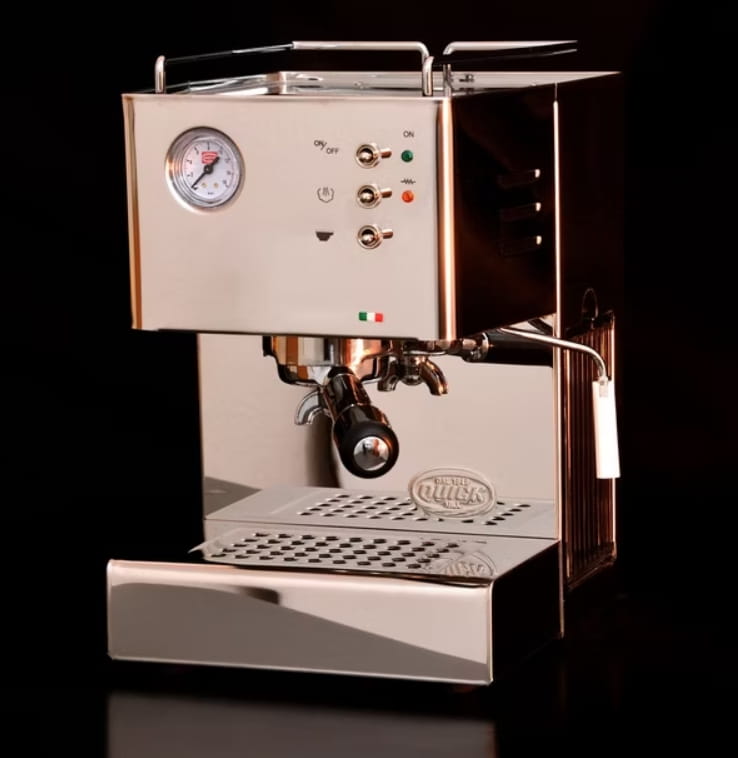
Typical EU street: €550–€750 • UK: £590–£660 • CH: ~CHF 623. NA availability is inconsistent.
Quick Mill Orione 3000
Compact stainless thermoblock with a real 58 mm workflow, front pump gauge, and fast heat. No PID and no factory OPV—learn a short rinse cadence and it returns clean, classic espresso and single-drink steam.
Overview
Quick Mill’s Orione 3000 (03000) is a fundamentals-first espresso box: a metal thermoblock for fast readiness, a 58 mm group with a brass portafilter, a front pump-pressure gauge, and simple rocker switches. There’s no PID and no factory OPV, so you drive by cadence—brief rinse, lock, pull—rather than numbers. Do that and you’ll get clean, classic shots and enough steam for one milk drink at a time. Availability and pricing are best in the EU/UK, where it typically lands between €550–€750 / £590–£660.
Pros
- Fast thermoblock heat-up with compact 25 × 38 × 28 cm footprint
- Real 58 mm ecosystem + brass double-spout portafilter
- Front pump manometer provides useful feedback
- Simple, serviceable internals; parts are widely available
- “Unlimited” thermoblock steam on paper—practical for one cappuccino
Cons
- No factory OPV—pressure often spikes then settles during extraction
- No PID or shot timer; relies on rinse cadence for temp stability
- Steam power and wand feel are dated; best for single drinks
- Small drip tray—empty it often
Features & Specs
- Single-circuit thermoblock • aluminum heat exchanger with safety thermal fuse
- Heating power 1080 W • “unlimited” thermoblock steam (on-demand)
- 58 mm group • brass portafilter • standard single/double baskets
- Vibration pump • pump-pressure manometer on front
- 1.8 L removable water tank
- Dimensions & weight: 25 W × 38 H × 28 D cm • 9.2 kg
- Claimed heat-up: ~1 min to “ready”; manual advises ≥5 min heat soak
- Switch interface: power / brew / steam • no PID • no factory OPV
- “Pulsor” on pump line (noise/pressure smoothing) on many units
Workflow & Cadence
- Warm-up: Lock in the portafilter; give it ~5 min per manual for stability.
- Anchor a rinse: 4–8 s empty rinse before each shot to land in a good temp window.
- Pressure behavior: Expect a spike then settle on the gauge (no OPV).
- Steam: Flip to steam, wait for the light to cycle off, count 5–10, purge, then texture a single drink.
- Back to brew: Rinse the group briefly to bring temp back down after steaming.
Price & Availability
- EU: commonly €550–€750 depending on seller and timing.
- UK: often £590–£660 when in stock.
- CH: around CHF 623 at Swiss retailers.
- North America: availability is inconsistent; factor after-sales support by region.
FAQs
- Does it have a PID?
- No. Use a short rinse cadence for temperature behavior.
- Is there an OPV?
- Not from the factory. Aftermarket OPV kits exist for the 3000 series.
- Can it steam two milk drinks back-to-back?
- It’s happiest with one drink at a time. Give the heater a breather between pitchers.
- What’s a good starting recipe?
- 18 g in, 36 g out in ~25–30 s after a 4–8 s rinse; adjust grind to taste.
- What does the front gauge read?
- Pump pressure. On start, it often peaks then relaxes as flow establishes.
Who It’s For / Not For
Glanceable Specs
- Type
- Single-circuit thermoblock
- Heater
- Aluminum HX thermoblock, 1080 W
- Group
- 58 mm; brass portafilter included
- Pump / Gauge
- Vibration pump; pump manometer on front
- Tank
- 1.8 L removable
- Size & Weight
- 25 W × 38 H × 28 D cm; 9.2 kg
- Heat-up
- ~1 min to ready; manual advises ≥5 min heat soak
- Steam
- Thermoblock-driven, continuous on-demand
- Controls
- Rocker switches (power / brew / steam); no PID; no factory OPV
Quick Mill Orione 3000 (03000) is a compact, stainless thermoblock machine that still runs a real 58 mm ecosystem and gives you a front pump gauge for feedback. It’s built for fast readiness and simple switches, but it rewards routine: a proper heat soak, a consistent rinse, and clean puck prep.
- Best at: classic medium-roast espresso on a small counter, with 58 mm tools.
- Big trade-off: no PID and no factory OPV, so shot behavior is more “routine-driven” than “numbers-driven”.
- Ownership tip: keep water quality boring, and use the gauge for comparative feedback, not a single magic number.
Overview
Orione 3000 is Quick Mill’s fundamentals-first answer for small kitchens: stainless outside, a metal thermoblock inside, and a real 58 mm group with a brass portafilter. The goal is fast readiness and straightforward ownership without the warm-up and ritual of bigger boiler platforms. You do not get PID control or a factory OPV, so the machine rewards a repeatable routine: heat soak, short rinse, then pull by taste and flow.
Shop the essentials
The small upgrades that make a home coffee setup cleaner, smoother, and more enjoyable to use every day.

Cleaner & Descaler Tablets
Keeps your machine clean, helps prevent buildup, and protects long-term performance.
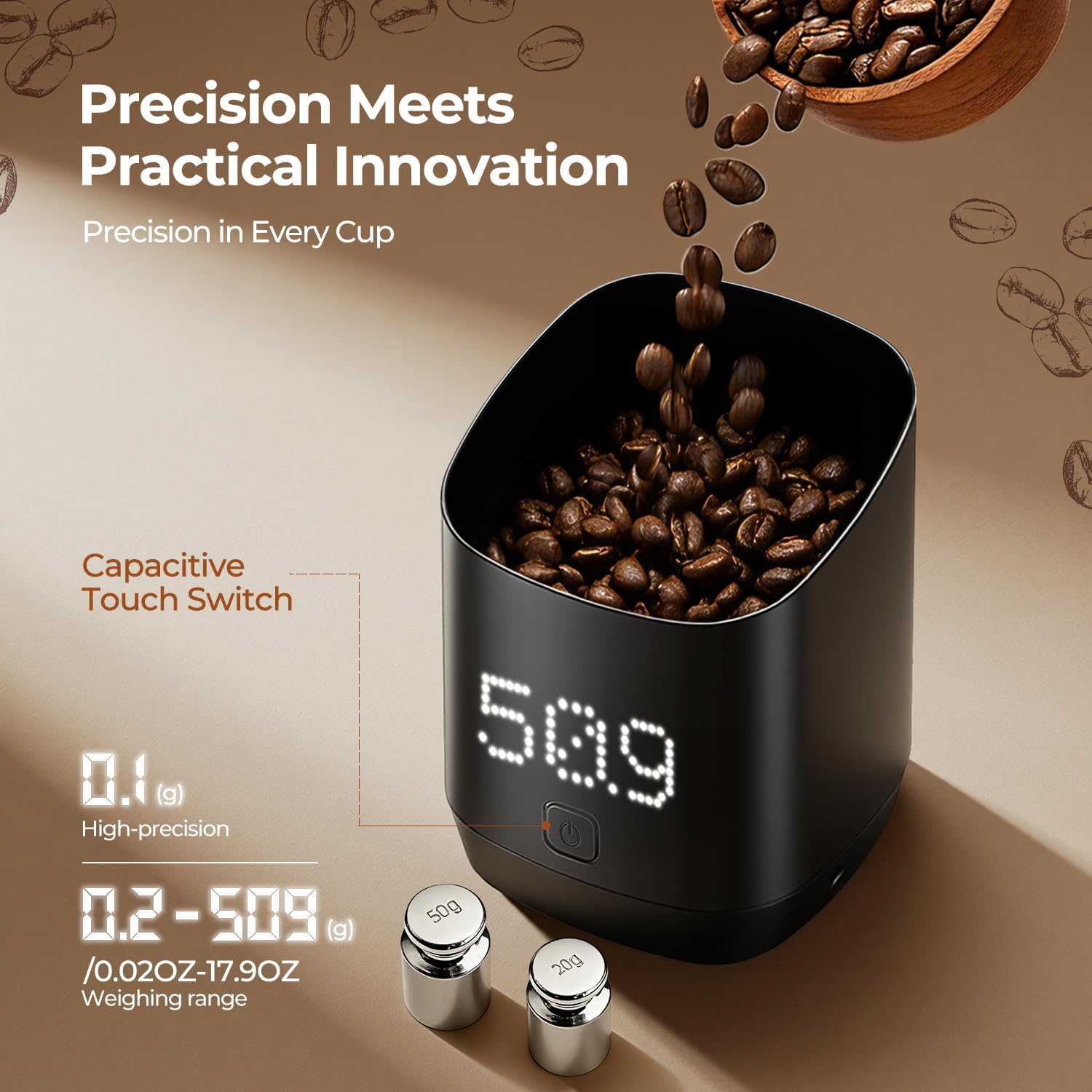
Digital Dosing Cup
Makes weighing beans faster and cleaner, with less mess around the grinder.
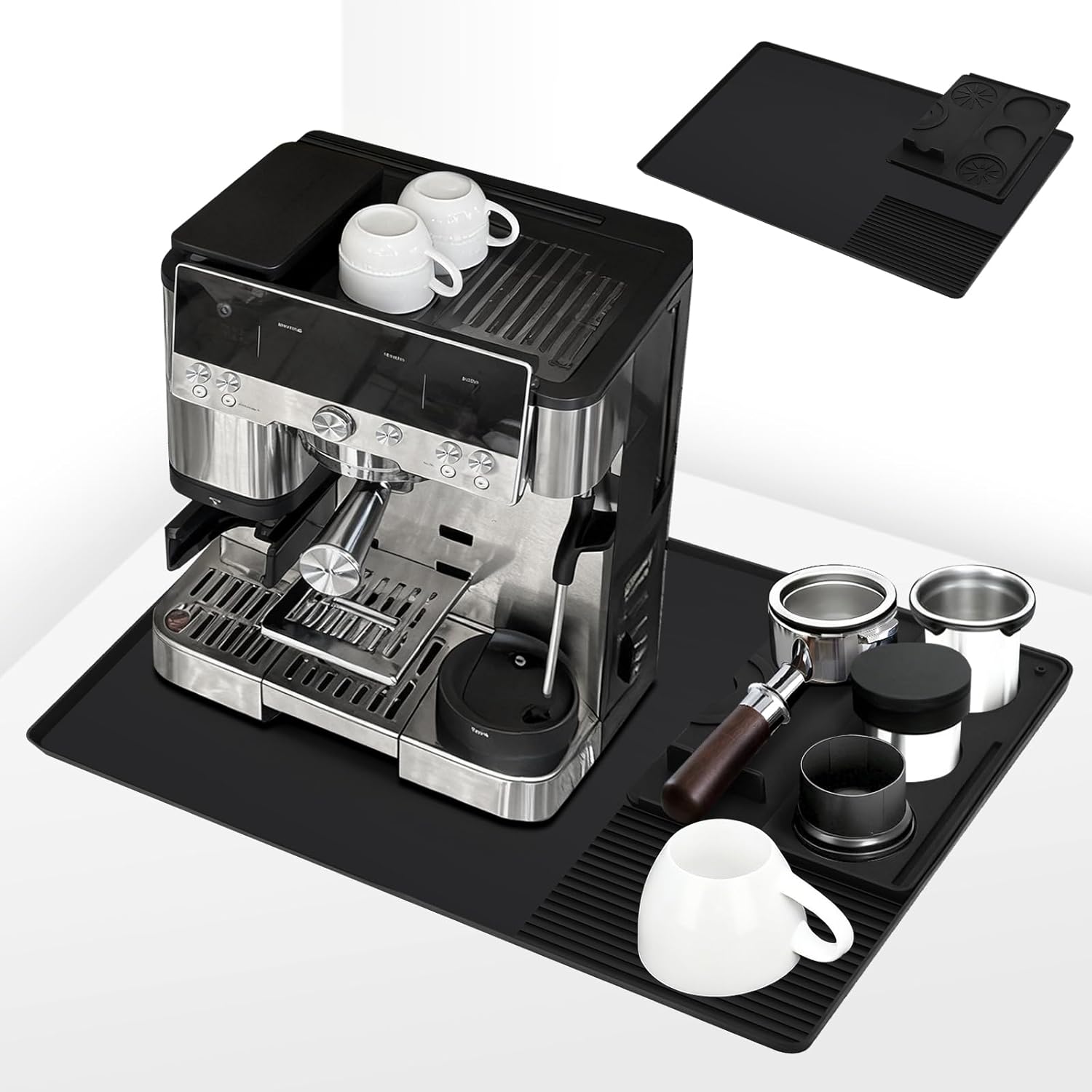
Silicone Mat
Protects your counter, catches spills, and gives your setup a cleaner working surface.

Vacuum Coffee Canister
Helps beans stay fresher longer by limiting air exposure after opening the bag.
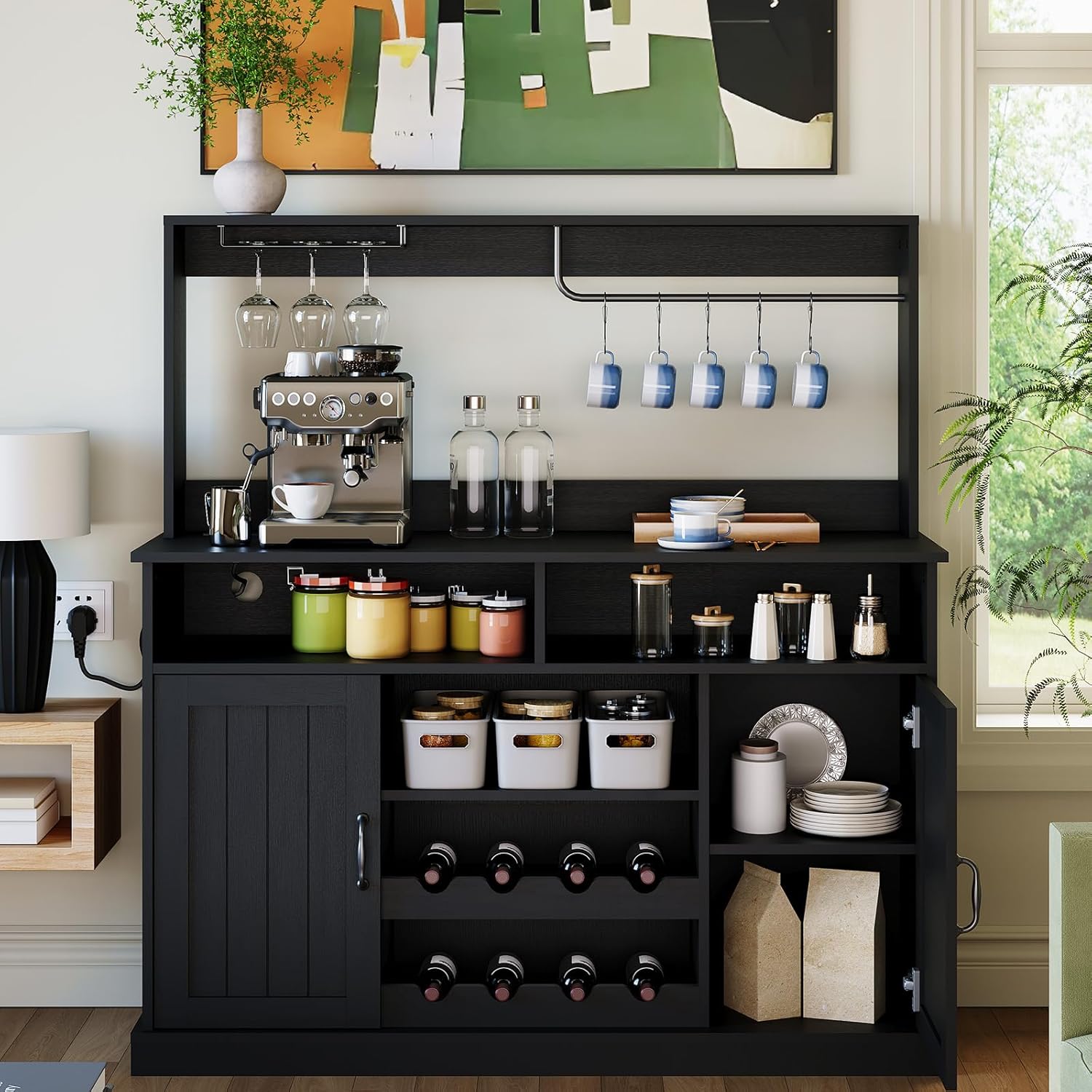
Farmhouse Coffee Bar Cabinet
Gives your machine, cups, beans, and accessories one dedicated home instead of cluttering the kitchen.
Design intent
- 1080 W thermoblock architecture prioritizes quick heat-up and on-demand hot water over the thermal mass of a brew boiler.
- Real 58 mm ecosystem with a brass, double-spout portafilter so baskets, tampers, and screens are easy to standardize.
- Simple rocker-switch interface plus a front pump manometer for live feedback, built into a compact 25 × 38 × 28 cm stainless chassis with a 1.8 L tank.
What it gets right in the cup and in cadence
- Fast to a usable first shot, and genuinely better once you give it a short heat soak and stick to a consistent rinse-and-pull cadence.
- Classic, clean medium-roast espresso is the sweet spot. The gauge makes puck problems obvious, so dialing-in feels less like guesswork.
- Thermoblock steam is enough for one milk drink at a time when you wait for readiness, purge properly, and treat steaming like a short sprint.
The deliberate trade-offs
- No factory OPV. It is common to see a high initial pressure spike on the gauge before the shot settles, which narrows the easy dialing window.
- No PID and no shot timer. Temperature management is routine-driven (rinse duration, pacing), and grinder quality matters more than menu settings.
- Single-circuit workflow. You cannot brew and steam simultaneously, and back-to-back milk drinks will feel limited compared with boiler-based machines.
Where it fits
Orione 3000 fits the home barista who wants a compact stainless machine, fast warm-up, and full 58 mm compatibility, and who is happy to drive by repeatable routine rather than numbers. If you want PID control, a capped brew pressure, and a built-in shot timer out of the box, look at Profitec GO. If you want thermoblock speed with modern PID control, cross-shop Ascaso Steel Uno PID. If you prefer a boiler platform with heavier, long-lived single-boiler feel, consider Rancilio Silvia V6. And if you want a cheaper mod-friendly base with a huge community, see Gaggia Classic EVO PRO.
Lineup and what to confirm before buying
Orione listings can be sloppy. Confirm these basics once, and you avoid 90% of the common “this wasn’t what I expected” surprises.
| Confirm | What you’re looking for | Why it matters |
|---|---|---|
| Model code | Orione 3000 (03000) | Keeps you aligned with the 58 mm, gauge-equipped Orione this review covers. |
| 58 mm platform | 58 mm group and a brass portafilter | Standard baskets and tools are easy to source and upgrade later. |
| Front pressure gauge | Pump-pressure manometer on the front | The machine can spike pressure early. The gauge helps you diagnose puck prep and grind changes quickly. |
| Three-way solenoid | “Three-way solenoid” mentioned (or confirmed by seller) | Cleaner pressure release after shots and easier day-to-day cleanup at the group. |
| OPV expectation | No factory OPV | Expect a spike-then-settle pressure behavior. If you want classic capped pressure out of the box, choose a different platform. |
Key specs
These are the practical specs that define how Orione behaves on your counter and in the cup.
| Spec | Quick Mill Orione 3000 (03000) |
|---|---|
| Machine type | Single-circuit thermoblock |
| Heating | Aluminum heat exchanger with safety thermal fuse, 1080 W |
| Group / portafilter | 58 mm, brass portafilter |
| Pump / feedback | Vibration pump, pump-pressure manometer on front |
| Water tank | 1.8 L removable |
| Dimensions / weight | 25 W × 38 H × 28 D cm, 9.2 kg |
| Heat-up guidance | Claimed fast readiness, but plan at least 5 minutes before the first shot for stability |
| Steam | Thermoblock-driven, continuous delivery (single-circuit workflow) |
Build, internals, and counter fit
What’s in the box
- Brass double-spout 58 mm portafilter
- Standard single and double baskets
- Removable water tank and drip tray assembly
- Manual and basic care guidance
Internals and service reality
- Thermoblock architecture: fast response, but consistency comes from routine (heat soak + rinse), not from menus.
- Three-way solenoid: proper pressure release after brewing and cleaner knockouts.
- Pulsor (often included): a small stabilizer on the pump line that can smooth pulses and noise slightly. It does not replace an OPV.
- No factory OPV: common spike-then-settle pressure behavior at the start of extraction.
Controls and touch points
This is a switch-driven machine. You brew, you steam, you purge. No screen, no shot timer, no PID. The pump gauge is the key feedback tool, and it’s most useful as a comparative signal from shot to shot.
Counter fit
| Item | Detail | Why it matters |
|---|---|---|
| Footprint | 25 cm wide × 28 cm deep | Compact enough for tight counters while still running standard 58 mm tools. |
| Height | 38 cm | Check cabinet clearance, especially for tank access and refills. |
| Weight | 9.2 kg | Stable during lock-in, still easy to move for weekly cleaning. |
| Tank | 1.8 L removable | Enough for daily use without constant refilling, and easier to keep clean. |
Testing results and routine takeaways
Orione performs best when you “drive” it the same way every time. These takeaways are the routine levers that actually change outcomes.
| Routine lever | What to do | What you should notice |
|---|---|---|
| Heat soak | Lock the portafilter in and give it at least 5 minutes before the first shot. | Cleaner balance and fewer “first shot” surprises. |
| Anchor a rinse | Pick a rinse time in the 4 to 8 second range before each shot and keep it consistent. | More stable temperature behavior shot to shot. Adjust taste with grind and yield first. |
| Steam timing | Wait for the steam light cycle, count 5 to 10, then purge and steam one drink. | Less mid-pitcher power drop and more predictable texture. |
| Gauge use | Use the manometer as feedback, not a target number. Expect spike then settle without OPV. | You spot puck prep problems faster (distribution, channeling, too fine a grind). |
| Drip tray discipline | Empty often and re-seat it carefully after cleaning. | Less mess and fewer annoying “why is this not sitting flush” moments. |
Espresso quality and dial-in protocol
Orione reality check The machine is capable, but it is routine-driven. Without PID and without a factory OPV, repeatability comes from heat soak, a consistent rinse, and clean puck prep.
Dial-in protocol that works on the Orione 3000
- Heat soak: Lock the portafilter in and give the machine at least 5 minutes. The “ready” light is not full stability.
- Anchor a rinse: Run an empty rinse in the 4 to 8 second range before each shot and keep that duration consistent.
- Start with a normal recipe: Try 18 g in, 36 g out, in about 25 to 30 seconds as a baseline, then move by taste.
- Use the gauge as feedback: Expect a higher initial reading that settles once flow starts. Sudden spikes or jitter usually mean puck prep issues.
- Adjust one thing at a time: Grind first, then yield. Change rinse duration only if you have a clear temperature problem you can taste.
| In the cup | Common cause on Orione | Fix that actually helps |
|---|---|---|
| Sharp sourness, thin body | Too cool at the group (not enough soak), or too fast a shot. | Add heat soak time, keep your rinse consistent, grind finer, or extend yield slightly. |
| Harsh bitterness, ashy finish | Thermostat overshoot plus long contact time, especially if you skip the rinse and the group runs hot. | Keep the rinse, shorten the ratio (for example 1:1.8), or grind a touch coarser to reduce time. |
| Good aroma, messy balance | Pressure spike plus uneven puck prep (distribution, tamp angle). | WDT, level tamp, consider a puck screen, and keep the basket dose consistent. |
| Channeling and spurting | Grind too fine for the basket, or weak prep shows up as the pump hits hard early. | Back off grind slightly, improve distribution, and avoid under-dosing wide 58 mm baskets. |
Milk system and steaming workflow
Orione’s steam is thermoblock-driven and single-circuit. It can texture milk for one drink at a time if you purge properly and keep your pitcher work tight.
Steaming workflow
- After the shot, switch to steam and wait for readiness.
- Purge: Open the wand briefly to clear water and stabilize steam.
- Stretch for just a moment, then roll. Thermoblocks reward small corrections, not big ones.
- When you finish, purge again and wipe immediately.
- If you are returning to espresso, run water through the group path to cool the system back down before your next shot routine.
| Phase | What you should see | Goal |
|---|---|---|
| Purging | A short burst that clears water, then dry steam. | Avoid diluting milk and keep steam power consistent. |
| Stretch | Brief paper-tear sound, milk rising slightly. | Add just enough air for your drink (cappuccino vs latte) without big bubbles. |
| Roll | Smooth whirlpool, glossy surface. | Microfoam integration. Stop when the pitcher is too hot to hold comfortably. |
| Clean | Purge and wipe, no milk baked on the wand. | Prevent clogging and keep steam quality stable long-term. |
Hardware essentials for getting the best from Orione
| Tool or upgrade | Why it matters on this machine | Priority |
|---|---|---|
| Accurate scale (0.1 g) | You do not have a shot timer or brew temp display. Yield control keeps you consistent. | Must-have |
| Good grinder | Pressure spikes punish sloppy grind distribution. A stable grinder makes Orione feel twice as easy. | Must-have |
| WDT tool | Helps prevent channeling when the pump hits hard early in the extraction. | High |
| Puck screen (58 mm) | Can improve top-of-puck flow and keep the shower area cleaner on a 3-way machine. | Nice-to-have |
| OPV kit (model-specific) | Common ownership upgrade to cap brew pressure closer to classic 9 to 10 bar behavior. | Optional upgrade |
Head-to-Head Comparisons
Orione 3000 vs The Field: Quick Matrix
| Match-up | Core difference | Best for | Jump to section | Model page |
|---|---|---|---|---|
| Orione 3000 vs Profitec GO | Thermoblock ritual vs PID single-boiler control | Orione for speed and footprint; GO for repeatable, number-driven dialing | Open | Profitec GO |
| Orione 3000 vs Ascaso Steel Uno PID | Simple thermoblock with gauge vs thermoblock with PID control | Orione for classic simplicity; Ascaso for tighter temperature control | Open | Ascaso Steel Uno PID |
| Orione 3000 vs Gaggia Classic EVO PRO | Thermoblock speed vs boiler feel and mod ecosystem | Orione for fast readiness; Gaggia for community support and cheap parts | Open | Gaggia Classic EVO PRO |
| Orione 3000 vs Rancilio Silvia V6 | Compact thermoblock vs heavy single-boiler benchmark | Orione for counter efficiency; Silvia for steam strength and long-term service culture | Open | Rancilio Silvia V6 |
Orione 3000 vs Profitec GO
| Area | Quick Mill Orione 3000 (03000) | Profitec GO | What it means |
|---|---|---|---|
| Control | No PID, no shot timer. Routine-driven rinse and pacing. | PID control and built-in shot timer. | GO is easier to repeat across days. Orione is faster to “coffee”, but needs rhythm. |
| Warm-up | Thermoblock speed, still benefits from a 5-minute heat soak. | Single-boiler warm-up with more thermal mass. | Orione wins “first drink quickly”. GO wins “same shot at 7am and 7pm”. |
| Milk cadence | Single-circuit brew then steam. | Single-boiler sequencing for milk rounds. | Both are one-drink-at-a-time machines. Choose based on control vs speed, not latte production. |
If you want a compact machine that behaves like a small instrument panel, GO is the cleaner choice. If you value compact stainless, a fast “ready”, and you do not mind learning a rinse cadence, Orione stays competitive.
Orione 3000 vs Ascaso Steel Uno PID
| Area | Quick Mill Orione 3000 (03000) | Ascaso Steel Uno PID | What it means |
|---|---|---|---|
| Temperature strategy | Rinse length and pacing act as temperature control. | PID setpoint and display-driven adjustments. | Ascaso is easier for light roasts and recipe testing. Orione is better if you want fewer settings and a simple routine. |
| Feedback | Pump-pressure gauge on the front. | Display-centric feedback. | Gauge feedback is great for puck diagnostics. PID feedback is great for repeatable recipe work. |
If you like to change coffees often and adjust parameters deliberately, the Uno PID is the more natural fit. If you want a compact stainless box you can run by muscle memory, Orione fits better.
Orione 3000 vs Gaggia Classic EVO PRO
| Area | Quick Mill Orione 3000 (03000) | Gaggia Classic EVO PRO | What it means |
|---|---|---|---|
| Heat-up feel | Fast readiness, but still needs a short soak and rinse rhythm. | Boiler platform with a more traditional warm-up pattern. | Orione suits “coffee now”. Gaggia suits tinkerers who want a classic base and community support. |
| Ownership culture | Simple platform with serviceable parts and common upgrades like OPV kits. | Huge mod ecosystem, lots of guides and parts options. | If you like forums and upgrades, Gaggia is hard to beat for the money. |
Orione is a cleaner choice if you want compact speed with 58 mm tools. Gaggia is the budget play if you are happy to do the learning curve and the occasional mod.
Orione 3000 vs Rancilio Silvia V6
| Area | Quick Mill Orione 3000 (03000) | Rancilio Silvia V6 | What it means |
|---|---|---|---|
| Thermal mass | Thermoblock with quick response, routine-driven consistency. | Classic single boiler with more mass. | Silvia rewards warm-up patience with a more stable platform. Orione rewards speed and repetition. |
| Milk service | Single-circuit thermoblock steaming. One drink at a time. | Single-boiler steaming with a traditional workflow. | Neither is a latte factory, but Silvia tends to suit milk-forward users who accept warm-up and surfing routines. |
If your priority is speed and small footprint, Orione is the more practical counter partner. If you want the “classic serious machine” feel and are fine with temperature surfing unless you add PID, Silvia is still the benchmark.
In-Depth Analysis
Decision map
| If you are this person | Orione 3000 is a good fit when | Look elsewhere when |
|---|---|---|
| Small counter, wants fast coffee | You value compact stainless, quick readiness, and 58 mm compatibility. | You want “push button repeatability” with numbers. Consider Ascaso Steel Uno PID or Profitec GO. |
| Milk drinks most days | You make one milk drink at a time and accept brew then steam sequencing. | You want back-to-back cappuccinos without waiting. Look at dual systems in your budget, or step up in class. |
| Tinkerer | You are happy to learn a rinse routine and possibly add an OPV kit later. | You want the biggest mod community and lowest buy-in. Consider Gaggia Classic EVO PRO. |
| Classic boiler loyalist | You want to avoid long warm-up time and still keep 58 mm tools. | You prefer boiler thermal mass and service culture. Consider Rancilio Silvia V6. |
FAQ
Do I really need to wait 5 minutes if it says ready?
Why does the pressure gauge spike at the start of the shot?
Can I backflush the Orione 3000?
How often should I descale a thermoblock machine like this?
Is an OPV kit worth it?
Used and refurb inspection checklist
| Check | What you are looking for | Red flag |
|---|---|---|
| Steam wand | Dry steam after purging, smooth knob action, no crusted milk on the tip. | Weak steam plus persistent water spitting, or a wand that cannot be cleaned. |
| Group and solenoid | Clean pressure release after a shot and a relatively dry puck. | No clear release, constant dripping, or steam leaking from the group during frothing. |
| Pump and gauge | Consistent gauge behavior shot to shot, no cavitation noises with a full tank. | Erratic pressure jumps unrelated to puck, or loud rattling that suggests pump issues. |
| Scale signs | Owner used filtered water, machine was regularly cleaned and purged. | Chalky residue in tank lines, wandering performance, or visible mineral buildup at the wand. |
Accessories and upgrades
| Item | Why it helps | Buy it when |
|---|---|---|
| 58 mm puck screen | Helps even out flow at the top of the puck and keeps the shower area cleaner. | You have your grinder and prep sorted and want less mess and more consistency. |
| Precision basket | Can tighten extraction behavior and improve clarity with good grinders. | You want to standardize recipes and you are already dosing and tamping consistently. |
| OPV kit | Caps brew pressure behavior and widens the easy dialing window. | You are sensitive to harshness and your shots look “too pressured” even with good prep. |
| Water filtration plan | Protects the thermoblock and small valve paths from scale. | Immediately, if your tap water is hard or you do not know its hardness. |
Known issues and troubleshooting
- Steam leaking from the group during frothing: often linked to scale affecting small valve paths. Start with water quality, then a proper service descale if needed.
- Bitter shots that come and go: inconsistent routine. Lock in heat soak and a consistent rinse time before changing grind.
- Wild gauge spikes: usually puck prep. Improve distribution, avoid under-dosing, and keep baskets clean.
- Pump sounds like it is “dry”: check tank seating, intake hose position, and that the tank is not pulling air.
Service note: persistent leaks, electrical smell, repeated tripping, or steam behavior that does not improve after cleaning are reasons to stop and call a technician.
Verdict
Who it’s for
- Small counters that still want a real 58 mm tool ecosystem.
- Medium roast drinkers who value speed and a simple switch workflow.
- Hands-on owners who like routine-driven machines and do not need “numbers on a screen”.
Who should avoid it
- Anyone who wants classic 9 bar behavior and tight temperature control out of the box.
- Milk-heavy households doing multiple drinks back to back.
- Users who dislike learning a rinse cadence and want a more automated workflow.
Final word: Quick Mill Orione 3000 is a compact, stainless thermoblock that can make genuinely good espresso when you treat it like a routine machine. If you want less ritual and more repeatability, cross-shop a PID platform like Profitec GO or Ascaso Steel Uno PID.
Takeaway
The Quick Mill Orione 3000 is a compact, stainless machine that favors fundamentals over features. It uses a metal thermoblock for fast heat-up, a 58 mm group with a brass portafilter, a front pump-pressure gauge, and a simple switch-based interface. There is no PID and no factory over-pressure valve to cap brew pressure. Once you learn a steady rinse-and-pull cadence and grind to suit, the Orione produces clean, classic shots and enough steam for one milk drink at a time. Availability is strongest in Europe and the UK with pricing that commonly sits between roughly €550 and €750 or around £590 to £660 depending on the seller and timing. Official documentation confirms the core format: 1.8 liter tank, 1080 W thermoblock, 25 x 38 x 28 cm footprint, 9.2 kg weight, pump pressure rated 13 to 15 bar, and “unlimited” steam from the thermoblock.
At-a-Glance Specs
- Machine type: Single-circuit thermoblock
- Heating part: Aluminum heat exchanger with safety thermal fuse, 1080 W
- Group and basket: 58 mm, brass portafilter
- Pump and gauges: Vibration pump, pump-pressure manometer on front
- Water tank: 1.8 L removable tank
- Dimensions and weight: 25 W x 38 H x 28 D cm, 9.2 kg
- Claimed heat-up: 1 minute to brew-ready with thermoblock; manual recommends at least five minutes before pulling a first shot for temperature stability
- Steam: Thermoblock-driven, continuous delivery
These specs are pulled directly from the Quick Mill 03000 user manual and retailer listings that show the 58 mm group and gauge.
Price and Availability
The Orione is widely sold in the EU and UK. Coffee Circle previously listed it at €553 and highlights the 58 mm group, pump manometer, and one-minute heat-up claim. UK sellers like Caffè Italia often post prices in the £590 to £660 band when in stock. Swiss retailers list it around 623 CHF. Availability in North America is inconsistent, and most US-focused retailers prioritize boiler-based machines. Factor shipping and after-sales support by region when you budget.
Build
This is a simple, serviceable box. The exterior is polished stainless steel. Inside, the Orione uses the brand’s metal thermoblock architecture with copper tubing noted by some sellers for limescale resistance. The machine ships with a brass double-spout 58 mm portafilter and standard single and double baskets. The face carries a pump-pressure gauge, not a boiler gauge. The drip tray is metal and removable. You get rocker switches for power, brew, and steam. There is no screen, no shot timer, and no PID.
The footprint and weight make sense for small kitchens. The manual lists 25 x 38 x 28 cm and 9.2 kg. The tank is 1.8 liters and pulls out for filling. If you are working under wall cabinets, side removal helps. The manual also confirms the pump rating and the thermoblock heater type.
One detail worth noting is Quick Mill’s “pulsor” device referenced by some retailers. It is a small stabilizer on the pump line that smooths pressure pulses and reduces noise a touch. It does not replace a true over-pressure valve.
What you will not find
There is no factory OPV on the Orione. The pump can spike well beyond 9 bar on puck start-up. The front gauge shows you the pump side of the system, so you will see that peak and settle behavior. Independent testers have documented the lack of an OPV and the high initial pressure that then levels off during extraction. If you want to cap pressure near 9 to 10 bar, there are aftermarket kits for the 3000-series that add an adjustable OPV between pump and group.
Workflow
You are working a single-circuit thermoblock, which behaves differently from small boiler singles. The strengths are fast heat-up and continuous hot water production on demand. The tradeoffs are temperature behavior at the group and the way steam power ramps and recovers.
Warm-up and heat soak
Retailers often advertise a one-minute heat-up to brewing. The manual, which matters more than marketing, advises you to wait at least five minutes with the portafilter locked in before pulling your first shot. In practice, you can get to an acceptable first pull quickly, but taste and shot-to-shot stability improve when you give the system a few minutes to equalize. The machine is still much faster to a stable shot than any E61 box.
Controls and feedback
The interface is switches and lights. The red light indicates heating. The pump gauge gives you live feedback on pump pressure. Since there is no PID, you do not have a numeric brew temperature target. You will run a short rinse to stabilize the group, then pull on a fixed cadence. That rhythm is the anchor on non-PID thermoblocks and thermostatic singles.
A reliable routine that works
- Keep the portafilter locked in during warm-up to heat-soak the metal.
- Before each shot, run a 4 to 8 second empty rinse to settle the thermoblock temperature and heat the group path. The Kaffeemacher team’s own testing landed around an 8 second rinse to approximate a 93 C start, although they also note that the exact number can vary. Use a consistent rinse duration rather than chasing a perfect number every time.
- Dose, distribute, tamp, and lock in. Start the pump and watch the gauge behavior. Expect a higher initial reading that relaxes once flow begins. The lack of OPV is why that happens.
Brew-to-steam and back
You cannot brew and steam at the same time. After a shot, flip to steam, wait for the light to indicate readiness, purge the wand, and steam. If you are going back to espresso, run a rinse through the group afterward to bring the heat back down. The thermoblock can deliver “unlimited” steam on paper because water is heated on demand, yet power and consistency are finite on a compact heater.
Espresso Performance
The shots you get from the Orione depend on puck quality and cadence much more than on digital settings. The 58 mm ecosystem helps. You can drop in any good precision basket once you sort rim compatibility, and you have the mass and feel of a real brass portafilter. Coffee Circle lists the 58 mm group and the included brass portafilter in its product description for this model.
Pressure behavior
Without a factory OPV, the pump will often jump high at the start of the shot, then settle lower as the puck opens up and flow establishes. This is visible on the front gauge and has been reported by reviewers who measured pressure and taste over time. If you want classic 9 bar behavior, an OPV kit is the right upgrade. It is not mandatory to make good coffee. It simply narrows the operating window and makes dialing-in easier, especially on denser roasts or finer grinds.
Temperature behavior
Thermoblocks deliver water at temperature, not by soaking a mass of brew water in a boiler. That makes the short rinse your best tool to land in a good range at the group. The Kaffeemacher article documents both the need for a rinse and the fact that you should not fixate on one exact rinse time. Give yourself a target, then taste and adjust. The machine is capable of clean, sweet shots when you do your part.
Taste notes you can expect
Run a baseline recipe of 18 g in and 36 g out in 25 to 30 seconds and you will see classic chocolate and nut on medium roasts with good tactile. On medium-light espresso roasts, you can get citrus and florals if your rinse routine is tight and your grinder is aligned. The Orione’s thermoblock can push a bit hot if you skip the rinse, which comes through as bitterness and a thin finish. A consistent four-to-eight second rinse mitigates that.
Milk Steaming
Thermoblocks can steam well for a single drink when used deliberately. The Orione has a basic wand that some testers call dated, and a few users notice that steam output can sag if you open the wand before the thermoblock finishes heating. The workaround is simple: wait for the heating light to turn off, give it five to ten more seconds, purge, then texture a single cappuccino’s worth of milk. Expect a minute or so to reach 60 to 65 C in a small pitcher. For two consecutive milk drinks, the heater will need a breather, or you will see the power dip. This is consistent with long-term user testing shared by Kaffeemacher.
On paper, the manual describes “unlimited steam,” which is true in the sense that a thermoblock heats water as it flows, rather than depleting a fixed boiler. In practice, the size of the heater and the energy input define the usable steam window. Treat steaming as a sprint for one drink at a time.
Maintenance and Water
Day-to-day care is simple. Purge and wipe the wand after every use, run a water backflush routine through the group path, and keep the drip tray clean. Scale is the real enemy on compact heaters. The manual is explicit about descaling and operating routines. The Kaffeemacher follow-up notes that scale can also affect the small three-way path tied to the steam circuit and group, which can cause steam to leak out of the group during frothing. A thoughtful descale restored performance in their long-term test.
The Orione uses a three-way solenoid for proper pressure release and clean knockouts, and spare parts for the 3000 family are easy to source. If you plan to keep the machine for several years, that parts ecosystem matters.
The OPV question
Quick Mill does not fit an OPV on the Orione 3000 from the factory. If you want to cap pump pressure at the classic 9 to 10 bar range, there are model-specific OPV kits. Set it once by locking in a blind and adjusting under load. This is a common upgrade on the 3000 series.
Usability Notes from Testing Routines
- Anchor a rinse. Pick a rinse time in the 4 to 8 second range before each shot and stick to it. Adjust taste with grind. The rinse stabilizes the temperature you are feeding to the puck.
- Let the heater finish. For steam, wait until the red light cycles off, count to five or ten, then purge and steam a single drink. If you try to steam while the heater is still climbing, the power drop mid-pitcher is more likely.
- Use the gauge as feedback, not a goal. The front manometer reads pump pressure. If you see a spike then a settle, that is the machine behaving normally without an OPV. Aim for taste and timing.
- Mind the drip tray. Several testers mention the tray’s small capacity and cover design. Empty it often and align it carefully after cleaning so it sits flush.
Competitive Set
Gaggia Classic Pro
Lower price, small brass boiler, 58 mm group, and a true three-way valve. It requires a similar rinse-and-pull cadence if you skip adding a PID, but it has an OPV and a huge community of parts and mods. Heat-up is slower than a thermoblock. If you value boiler-fed behavior and long-term mod potential at a lower price, the Classic stays relevant.
Rancilio Silvia V6
Brass single boiler, sturdy build, and a proven platform. No PID in stock trim, slower to heat than a thermoblock, and usually more expensive than the Orione. For buyers who want a long-lived boiler machine with heft and are comfortable with single-boiler sequencing, Silvia is a benchmark.
Bezzera Hobby
Another compact single with a small brass boiler, a 58 mm group, and punchy steam for its size. It warms faster than E61 boxes and feels robust. No PID or shot timer in stock trim. If you like the idea of a boiler single with strong steam yet still want a small footprint, the Hobby is a smart cross-shop. (Retailer specs show the brass boiler, 58 mm group, and simple controls.)
Ascaso Steel UNO PID
Thermoblock machine with full PID control, programmable preinfusion, and an external OPV. It brings modern control and faster temperature recovery, with a different feel at the group. If you want thermoblock speed with numeric targets, the UNO PID is the control-forward alternative.
Profitec Go
Boiler-based single with a ring group, full PID, adjustable OPV, and a shot timer. It warms up quickly and gives you number-driven repeatability. You trade the Orione’s price advantage and lose the immediate thermoblock heat but gain predictable temperature control. If you want a single boiler that behaves like a small pro tool, the Go is an easy choice.
Where the Orione fits: you choose it when you want stainless construction, a fast-to-ready thermoblock, a real 58 mm ecosystem, and you are comfortable driving by routine rather than by PID. You skip it if you want a capped 9 bar pump from the factory, a shot timer, or the ability to steam multiple milk drinks back-to-back.
Build, Workflow, Espresso, Milk, Maintenance: Deep Dive Scores
Build and materials: 7.8/10
Polished steel case, brass portafilter, 58 mm standard, and a front pump gauge in a compact chassis. The thermoblock architecture is proven. The drip tray and wand hardware feel dated next to newer designs. The lack of a factory OPV costs points.
Workflow and usability: 7.6/10
Heat-up is fast, controls are simple, and you can live happily with a rinse routine. Single-circuit sequencing is straightforward. The pump gauge is helpful, but a PID and an OPV would reduce the learning curve.
Espresso consistency: 7.5/10
With a fixed routine, the machine is consistent. Without an OPV, pressure peaks can complicate dialing in, especially on denser roasts or ultra-fine grinds. Add a quality basket and bottomless portafilter and the Orione produces clean, classic espresso.
Milk steaming: 6.9/10
Capable for one drink at a time, but power and stability are limited by the compact heater and the stock wand. Patience and timing are required for good microfoam. If milk drinks are your main use, a small boiler single with strong steam or a heat exchanger is a better fit.
Maintenance and serviceability: 8.2/10
Simple internals, easy access, common parts, and a clear manual. Descale on schedule and the machine is easy to keep in shape. Aftermarket OPV support is a plus for long-term ownership.
Value: 8.0/10
In the EU and UK, the Orione competes well on price against boiler singles and entry-level PID thermoblocks. The value story weakens if you must add an OPV kit and a new wand, but many buyers will be satisfied stock.
Final Verdict
The Quick Mill Orione 3000 is a compact, stainless thermoblock that is honest about what it is. It heats fast. It pulls espresso through a 58 mm path with a brass portafilter. It gives you a pump gauge and basic switches instead of menus and numbers. The machine asks you to meet it halfway with a rinse routine and steady puck prep. Do that and it will deliver repeatable espresso and adequate steam for single drinks at a time.
It is not the right machine if you want to set a PID and press go, if you demand a capped 9 bar from the factory, or if you regularly make multiple milk drinks back-to-back. Those buyers should look to PID singles like the Profitec Go or to a heat exchanger. If you value speed to first shot, compact size, easy maintenance, and a straightforward 58 mm workflow, the Orione is a credible daily driver that does not waste your counter or your time. The judgment here rests on published specifications, the official manual, and long-term third-party testing of the Orione’s pressure and temperature behavior.
TL;DR
Small stainless thermoblock with fast heat-up and a 58 mm group. No PID and no factory OPV. Learn a short rinse routine, keep your cadence steady, and you can expect clean, classic espresso and single-drink steam in a compact footprint.
Pros
- Quick thermoblock heat-up with compact footprint and 1.8 L tank
- Real 58 mm group with brass portafilter and front pump gauge
- Simple, serviceable internals with widely available parts
- Continuous thermoblock steam for single drinks
- Solid price positioning in EU and UK markets
Cons
- No factory OPV to limit brew pressure; pressure peaks at shot start are common
- No PID, no shot timer, and a dated wand design
- Milk steaming power limited to one drink at a time without careful timing
- Small drip tray that benefits from frequent emptying
Who It’s For
Home baristas who want fast heat, a compact stainless chassis, and a 58 mm platform without chasing bells and whistles. If you enjoy dialing in by taste with a consistent routine and you mostly make one to two drinks per session, the Orione makes sense. If you want numeric temperature control or you serve multiple milk drinks regularly, look to a PID single boiler or step up to a heat exchanger.
Variant notes and small print
- Quick Mill’s 03000 manual covers several variants in the 03000 family. The Orione 3000 sold today is the manual-brew version in most markets. Some related models in the manual include a dose knob for auto-stop. Always check the SKU on the product page before you buy.
- Different retailers quote slightly different tank capacities and dimensions. The factory manual lists 1.8 L and 25 x 38 x 28 cm, which should be treated as the baseline.
Cross-shop quick hits
- Profitec Go: boiler single with PID, shot timer, and adjustable OPV. A number-driven experience in a small footprint.
- Ascaso Steel UNO PID: thermoblock with PID, programmable preinfusion, and external OPV. Choose this for thermoblock speed plus digital control.
- Gaggia Classic Pro: boiler single with OPV and a huge parts community at a lower price. Slower heat-up, but a durable platform.
- Rancilio Silvia V6: heavier boiler single that rewards discipline and longevity. Warm-up is longer, price is higher.
If you want a side-by-side matrix on speed to first shot, pressure control, steam power, and total cost of ownership across these four, I can map it out so the decision is instant.
We’ve categorized the best espresso machines for every kind of buyer
Find the right shortlist faster, whether you want convenience, a beginner-friendly setup, a smaller footprint, or better value at a given budget.
Best Superautomatic Espresso Machines
One-touch picks for speed and convenience.
Best Espresso Machines for Beginners
Easy-to-use machines with a smoother learning curve.
Best Small Espresso Machines
Compact machines for tighter kitchens and counters.
Best Espresso Machines With Built-In Grinder
All-in-one options with fewer extra pieces to buy.
Best Cheap Espresso Machines Under $500
Budget picks that still make sense for real espresso.
Best Prosumer Espresso Machines Under $1000
More serious machines with stronger value for the money.
Best Single Boiler Espresso Machines
Simple, space-saving picks for espresso-first routines.