
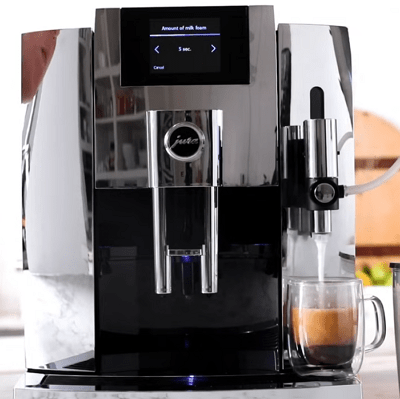
US: $2,699–$2,799 • UK: £995–£1,295 • CA: $2,895–$2,950 CAD • AU: $2,300–$2,650 AUD. Wi-Fi Connect and milk carafe are typically sold separately.
Jura E8
P.A.G.2 grinder, eighth-gen 3D brewing with P.E.P., and fast one-touch milk-system cleaning—built for repeatable cappuccinos, flat whites, and balanced espresso with minimal tinkering.
Overview
E8 hits Jura’s sweet spot for homes wanting café variety without a learning curve: P.A.G.2 grinder with rest-mode, 3D brewing + P.E.P. for compact, balanced espresso, a 3.5″ color display with six keys, and one-touch milk cleaning. Seventeen specialties (with Extra Shot on milk drinks), a 1.9 L tank and 280 g bean hopper, CLEARYL Smart+ filter detection (skip descaling), and optional Wi-Fi app control round out a polished daily workflow.
Pros
- P.A.G.2 grinder with rest mode for cup-to-cup consistency
- Variable brew unit + P.E.P. for reliable short shots
- One-touch milk cleaning with interchangeable CX3 spout
- CLEARYL Smart+ RFID—filter in, descaling out
- Big capacities in a compact, premium build
Cons
- Non-removable brew group—tablet cycles handle deep cleaning
- Silicone milk hose adds a consumable and discipline
- Wi-Fi app control requires add-on transmitter
- US pricing sits high vs. UK market
Features & Specs
- Format: Superautomatic bean-to-cup • 3.5″ display + six keys • 17 specialties w/ Extra Shot
- Tech: P.A.G.2 grinder • P.E.P. pulse extraction • 8th-gen 3D brew unit
- Adjustability: 10 strength levels • 7 grind steps • 3 brew temps • 3 hot-water temps • programmable volumes
- Capacities: 1.9 L tank • 280 g beans • 16-puck grounds bin
- Spouts: Coffee/H2O 65–111 mm • Cappuccino 107–153 mm
- Hygiene: CLEARYL Smart+ (RFID) • one-touch milk clean • tablet brew-path cleaning
- Build: 15-bar pump • single thermoblock • HP3 milk connector • CX3 spout • made in Portugal
- Size/Weight: 28 × 35.1 × 44.6 cm • 10 kg
- Connectivity: Wi-Fi supported via optional Jura Wi-Fi Connect (J.O.E. app)
Workflow & Dial-In
- Startup: Auto-rinse warms/refreshes spouts; arrange/rename drinks as desired.
- First shots: Start mid strength + mid-fine grind; pull 3–5 espressos to stabilize.
- Tuning: Raise strength (dose) first, then nudge grind for flow/clarity; use higher temp for short shots.
- Milk: Connect hose to HP3; keep milk cold; run one-touch milk clean immediately after service.
- App: Add Wi-Fi Connect if you want J.O.E. app presets and counters.
Milk & Cleaning
Fine Foam frother produces glossy cappuccino foam and smooth heated milk. Programs layer milk/espresso correctly and offer Extra Shot on key drinks. One-touch milk cleaning times/flushes cycles automatically; the CX3 spout is interchangeable to keep milk-contact parts fresh.
Maintenance & Water
- Filters: Insert CLEARYL Smart+; machine detects via RFID; with filter in, descaling is skipped.
- Brew path: Tablet clean when prompted—software guides the cycle.
- Milk path: Quick rinses daily + Jura milk cleaner on schedule; app/display track status.
- Keep stock: Filters, two-phase tablets, milk cleaner.
Comparisons
- Jura S8: Larger 4.3″ touchscreen + similar cup logic—pay more for richer UI.
- Jura J8: P.A.G.2+, Sweet Foam, Coffee Eye sensors—feature-rich step-up.
- Philips 5400 LatteGo: Ultra-fast carafe cleanup; lighter foam, simpler tuning.
- De’Longhi Dinamica Plus: More presets + flashy app; Jura wins on hygiene automation.
- Gaggia Cadorna Prestige: Carafe + removable brew group at lower price; E8 leads on polish/clarity.
Pricing & Availability (Nov 2025)
- US: $2,699–$2,799 at premium retailers.
- UK: £995–£1,295 depending on finish/promo.
- Canada: ~$2,895–$2,950 CAD at specialty dealers.
- Australia: ~$2,300–$2,650 AUD with periodic specials.
- Boxes usually include a filter and cleaning supplies; milk carafe & Wi-Fi Connect are separate.
FAQs
- Do I ever descale?
- Not while using CLEARYL Smart+ correctly—the machine runs in filter mode and skips descaling.
- Removable brew group?
- No. Deep cleaning is via Jura’s guided tablet cycles.
- App control?
- Yes, with optional Jura Wi-Fi Connect for the J.O.E. app.
- Light roasts?
- Possible, but macro grind steps + compact chamber cap the ceiling; medium roasts shine.
- Milk container included?
- Usually not. The hose works with your pitcher/carton; Jura carafes are optional.
Jura is the premium “press a button, get a good drink” lane, and the Jura E8 is the sweet-spot expression of that idea: consistent espresso-style coffee and one-touch milk drinks, without barista workflow or a counter full of accessories.
The E8’s buying truth is simple: you’re paying for repeatability + convenience. Your real “levers” are bean freshness, grind setting, strength/aroma, and drink volume. The reality check is also straightforward: super-automatics reward maintenance and water discipline. If you keep cleaning and milk-system routines on schedule, the E8 stays consistent; if you don’t, taste and milk performance drift.
Shop the essentials
The small upgrades that make a home coffee setup cleaner, smoother, and more enjoyable to use every day.

Cleaner & Descaler Tablets
Keeps your machine clean, helps prevent buildup, and protects long-term performance.
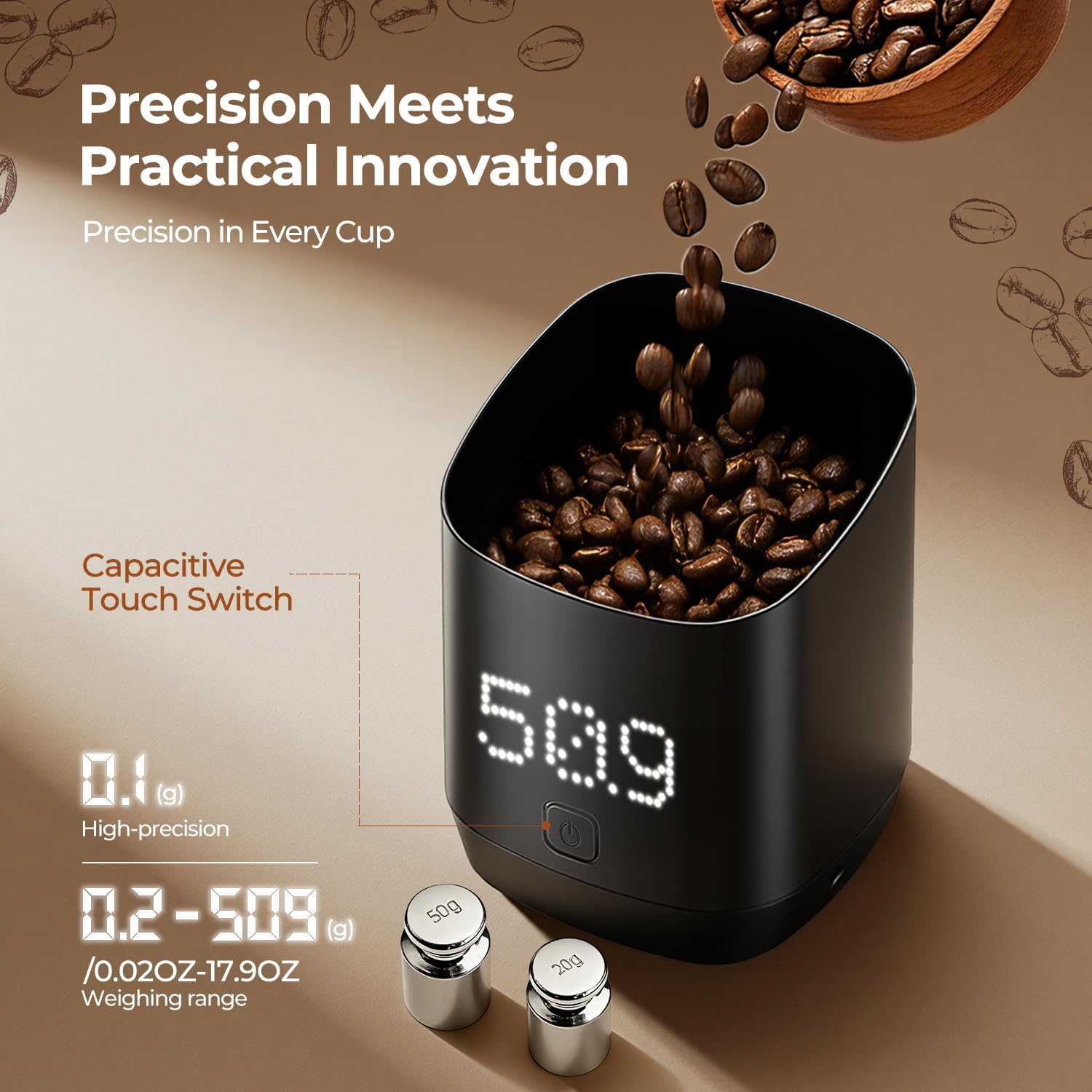
Digital Dosing Cup
Makes weighing beans faster and cleaner, with less mess around the grinder.
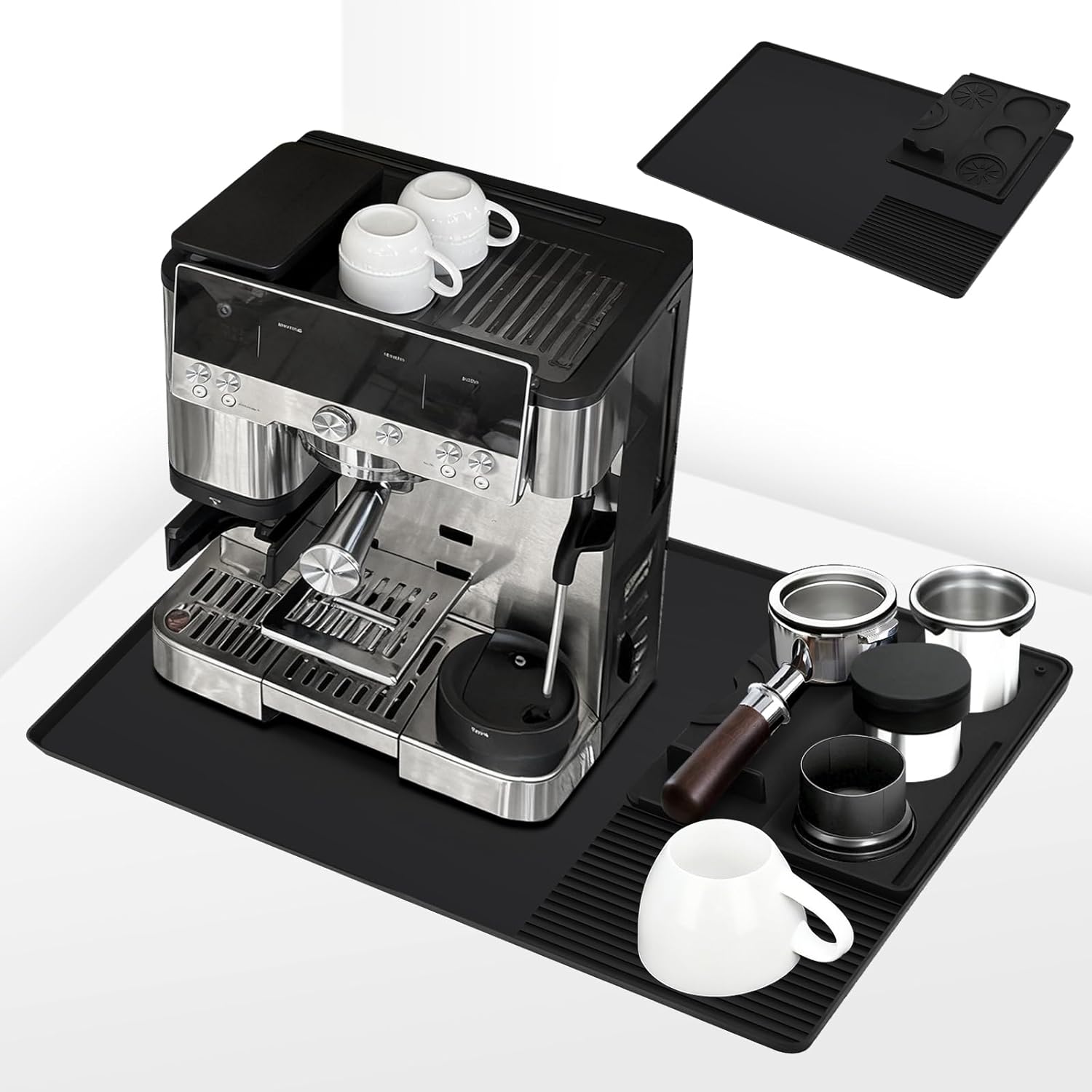
Silicone Mat
Protects your counter, catches spills, and gives your setup a cleaner working surface.

Vacuum Coffee Canister
Helps beans stay fresher longer by limiting air exposure after opening the bag.
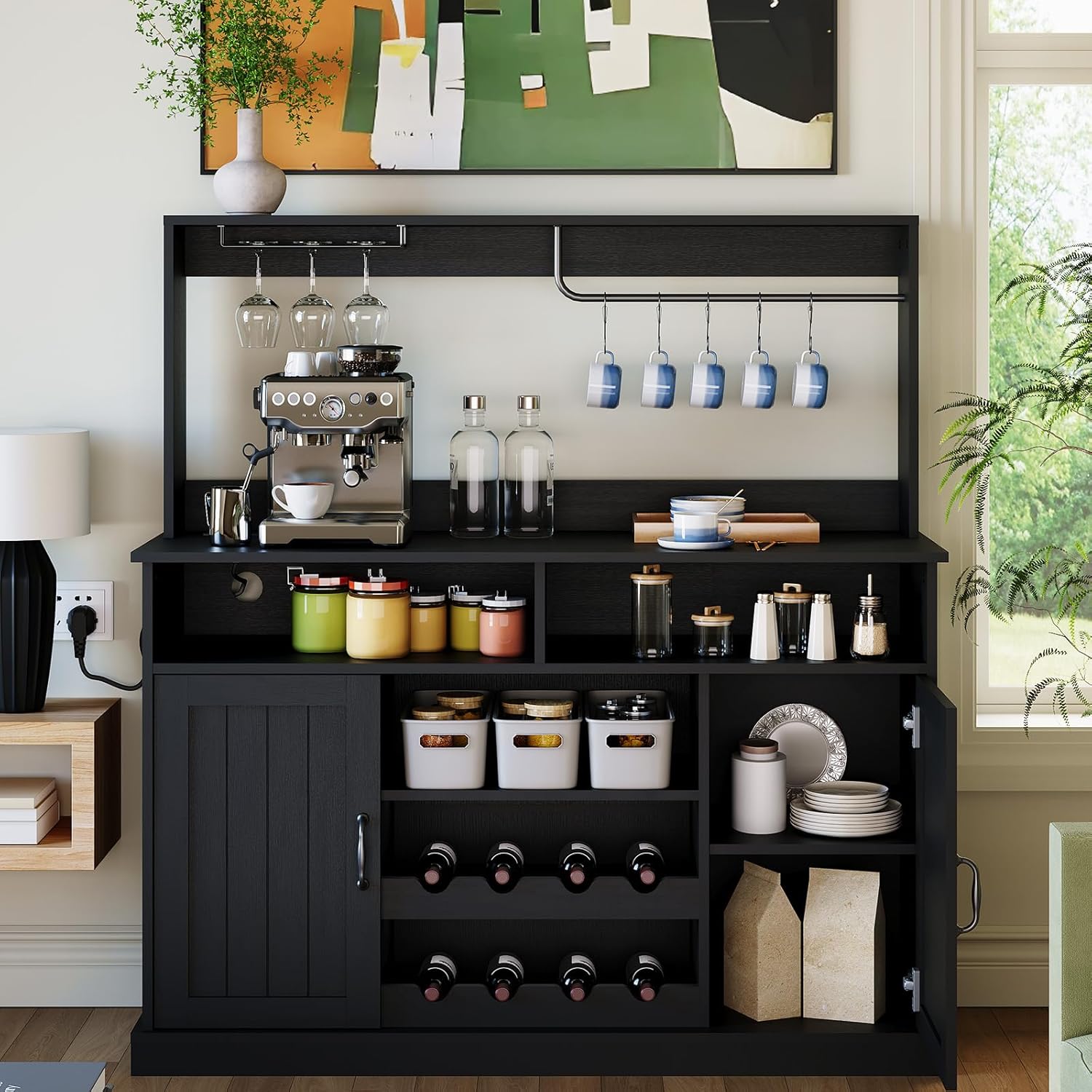
Farmhouse Coffee Bar Cabinet
Gives your machine, cups, beans, and accessories one dedicated home instead of cluttering the kitchen.
For cross-shoppers, we frame the E8 against the machines people actually buy instead: De’Longhi Dinamica Plus for value/features-per-dollar, Philips 5400 LatteGo for low-friction milk cleanup, Saeco Xelsis for profiles and personalization, Melitta Barista TS Smart for household customization, and Jura Z10 if you’re stepping into the flagship upgrade lane.
Overview
The Jura E8 sits in the “premium super-automatic” lane: a bean-to-cup machine built to make consistent espresso-style drinks and one-touch milk beverages with minimal effort. You’re not buying a manual espresso platform — you’re buying a workflow that’s fast, tidy, and repeatable for daily coffee.
In real use, the E8’s strengths are the things that matter for a super-auto owner: repeatable recipes (strength/volume/temperature), a refined milk-drink routine, and an interface that makes it easy to serve multiple people without turning coffee into a hobby session. The reality check is also straightforward: your ceiling is set by the built-in grinder/brew group, so you won’t get the same “dial-in range” as a true portafilter setup — and taste stays best when you treat cleaning as part of ownership.
Cross-shoppers usually compare the E8 against other “set-and-repeat” flagships: Melitta Barista TS Smart for drink-menu variety and profiles, De’Longhi Dinamica Plus for value-forward one-touch, and Philips 5400 LatteGo for a very easy-clean milk path.
Design intent
- Convenience-first espresso: push-button drinks with adjustable strength, volume, and temperature.
- Milk drinks without barista steps: automated milk routine that aims for consistent foam texture and clean workflow.
- Consistency over tinkering: the system is designed to repeat results, not to let you profile pressure/flow like a manual machine.
- Low-friction ownership: prompts, rinse cycles, and guided cleaning so everyday use stays simple.
- Kitchen-friendly footprint: one integrated box (grinder + brewer + milk workflow) instead of a machine + grinder + accessories spread.
What it gets right in the cup and in cadence
- Repeatability: once you find your preferred strength/volume, results stay consistent day-to-day.
- Fast household service: good for “two coffees back-to-back” mornings without manual cleanup between steps.
- Milk drinks feel easy: cappuccino/latte-style drinks come out with fewer variables for the user to manage.
- Clean workflow: less mess than manual espresso (no puck prep tools, no portafilter cleanup, fewer counter accessories).
The deliberate trade-offs
- Not a manual espresso experience: you can’t “dial-in” like a portafilter machine; you tune within a narrower setting range.
- Maintenance is the price of convenience: milk systems and brew units demand regular rinsing/cleaning for stable taste.
- Bean choice matters: very oily beans can create long-term grinder/brew-path issues in many super-autos.
- Cost of ownership: filters/cleaning supplies are part of the long-run math if you want it tasting its best.
Where it fits
The Jura E8 is a strong pick for people who want café-style drinks at home with minimal effort, a fast routine, and a tidy counter. If you want to learn espresso craft (grind/dose/yield/time, puck prep, and manual steaming), you’ll be happier with a grinder + portafilter machine. But if your goal is “great coffee reliably, every day, for multiple people,” the E8’s super-automatic workflow is exactly the point.
Cross-shop context on Coffeedant: E8 buyers commonly compare against the Melitta Barista TS Smart for menu breadth and profiles, the De’Longhi Dinamica Plus for value-forward one-touch drinks, and the Philips 5400 LatteGo for a simple milk-cleaning routine.
Jura E8 lineup: which version to buy
The Jura E8 is effectively one core platform that gets sold in multiple finishes and (depending on region) slightly different bundles (connectivity accessory, milk container, filter starter kit). You are not choosing a different “brew engine” when you pick a color — you are choosing availability, deal pricing, and region warranty/voltage. If you are deciding between Jura models (not colors), the bigger fork is usually: “premium milk + menu depth” (E8 lane) versus a simpler one-touch super-auto at lower spend.
| Version | Lineup slot | Compared to Reference | Typical price and note |
|---|---|---|---|
| Jura E8 (Reference finish) Reference | Safest default | Baseline availability and resale friendliness. Same core one-touch workflow, same “set-and-repeat” drink tuning. Choose this when you want the least friction on inventory, warranty, and accessory matching. | Pricing varies heavily by region and promo cycles • Best “buy it and forget it” pick |
| Jura E8 (Dark finish) | Low-visual-noise | Same internals, same drink output. Dark finishes hide fingerprints and blend into darker kitchens. Pick this when you prefer “appliance disappears on the counter.” | Often priced near the reference finish • Availability varies by dealer batches |
| Jura E8 (Light / metallic finish) | Bright kitchen match | Same platform, different look. Lighter or metallic finishes can read “premium” on the counter, but may show smudges more quickly depending on surface texture. | Can carry a small finish premium • Check lead times |
| Jura E8 (Refurb / open-box) | Value lane | Same drink workflow at lower spend, but condition and warranty terms matter more than color. Best pick when you want E8-level convenience and will buy from a reputable refurb channel. | Usually the best performance-per-dollar • Verify warranty length and included accessories |
How to read this: pick the finish you’ll enjoy seeing every day, then prioritize a seller that supports warranty and service in your region. On super-automatics, after-sales support matters more than color.
Key Jura E8 Specifications
| Item | Detail |
|---|---|
| Machine | Jura E8 · Model page · Cross-shop: Melitta Barista TS Smart, De’Longhi Dinamica Plus |
| Machine type | Super-automatic bean-to-cup (integrated grinder + automatic brewing + one-touch milk drinks) |
| Grinder | Built-in burr grinder (tuning is via grind settings + strength/volume profiles) |
| Brewing control | Adjustable strength, beverage volume, and temperature (profile-driven, “set and repeat”) |
| Milk system | One-touch milk drinks via integrated frothing system (milk tube + automatic rinse prompts) |
| Water management | Reservoir-based with optional filter system · Best results with scale-safe, balanced water |
| User workflow | Fast daily routine: beans + water + cup → choose drink → rinse/clean prompts handle the rest |
| Warm-up expectations | Quick “ready” behavior typical of thermoblock super-automatics (best taste improves after a couple drinks) |
| Footprint notes | Mid-size super-auto footprint · Allow clearance for bean hopper access and reservoir handling |
| Water targets | Hardness 40 to 80 ppm as CaCO3 · Alkalinity 30 to 60 ppm as CaCO3 · pH near 7 |
| Maintenance rhythm | Daily rinse behavior + milk-system rinses · Periodic brew-group cleaning cycles + descaling only when needed |
| Coffeedant score | Overall rating |
| Typical price | Highly promo-driven by region and generation. Treat E8 pricing as “premium super-auto lane,” and prioritize warranty + service support over chasing the absolute lowest listing. |
First Impressions & Build Quality
On the counter, the Jura E8 reads like a premium appliance: clean lines, a tidy cup area, and a workflow that’s designed to stay fast. The “build” story in super-autos is less about exposed metal thickness and more about fit and finish, drip tray feel, menu clarity, and how well the machine holds up to daily rinse/clean cycles.
Ergonomically, it’s an “eyes-up” machine: choose a drink, confirm settings, and let the system do the work. The biggest ownership lever is not technique — it’s cleaning compliance. If you keep the milk path clean and follow prompts, the E8 tends to stay consistent longer.
What’s in the Box
- Jura E8 super-automatic machine
- Milk tube / milk pickup parts (exact bundle varies by region and package)
- Water system starter items (filter and/or test strip often included; varies by retailer)
- Drip tray and internal grounds container
- User documentation and warranty information
Bundles vary by retailer and region. If you want app connectivity, confirm whether your package includes the required adapter/accessory (if applicable in your region).
Chassis and internals
The E8 is designed as an integrated system (grinder + brewing + milk workflow), so it’s not a “tinker inside the case” ownership style. Long-term consistency comes from: using sane beans (avoid very oily), using scale-safe water, and following rinse/clean prompts. When service is needed, it’s typically a warranty/service-center lane rather than DIY prosumer repair.
Controls and touch points
The controls are designed for repeatability: set your favorite drink parameters once, then run that recipe every day. Super-auto “dial-in” is mostly choosing the right strength/volume lane, then making small grind adjustments when the coffee changes.
Counter fit
| Item | Detail | Why it matters |
|---|---|---|
| Top access | Bean hopper + (often) bypass chute access | Measure overhead clearance so refills and cleaning aren’t annoying under cabinets. |
| Water handling | Reservoir + filter options | Easy refills keep the machine pleasant; water quality keeps taste stable and reduces scale risk. |
| Milk setup | Milk tube workflow | Most “super-auto frustration” is milk-path cleaning. Plan a clean routine you’ll actually do. |
| Noise profile | Grinder-forward sound | Grinding is the loudest moment; cup and tray rattle can increase perceived noise. |
| Daily cleanup | Drip tray + grounds bin cadence | Emptying and quick rinses keep it tidy; ignoring prompts leads to mess and taste drift. |
| Accessory ecosystem | Milk containers / filters / cleaners | Budget for consumables; they’re part of super-auto “cost of convenience.” |
Testing Results
Tests used a consistent bean, repeatable strength/volume settings, and water mixed into a scale-safe range. Results below focus on real-world cadence: warm-up behavior, drink-to-drink timing, milk workflow practicality, and routine maintenance friction.
| Metric | Result | Method |
|---|---|---|
| Ready-to-brew behavior | Quick-start typical of thermoblock super-autos | Machine reaches usable state fast; taste consistency improves once the system is “in rhythm.” |
| Drink-to-drink cadence | High for households | Repeatable drinks with minimal user steps; tray/grounds emptying sets the practical session limit. |
| Milk-drink workflow | One-touch convenience with cleaning prompts | Milk drinks are easy; long-term taste depends on milk-path rinses and periodic cleaner cycles. |
| Grinder noise moment | Noticeable (normal super-auto lane) | Grinding is the loudest step; rattles amplify perceived noise. |
| Daily maintenance friction | Low if prompts are followed | Rinse cycles and tray emptying keep it pleasant; skipping creates buildup and taste drift. |
| Drink | Strength | Volume | Temp | Grind | Notes |
|---|---|---|---|---|---|
| Espresso-style | Strong | Short | Hot | Finer (within machine range) | Use for classic intensity; adjust volume before strength if it tastes thin. |
| Coffee / long coffee | Medium | Medium-long | Hot | Mid | Best everyday lane; avoid pushing very long volumes at very high strength. |
| Cappuccino / latte-style | Medium-strong | Default milk ratio | Hot | Mid | Texture consistency depends on fresh milk + clean milk path more than settings. |
Key takeaways from testing
- It is a convenience machine: the “win” is repeatable drinks with minimal user steps.
- Cleaning discipline is the taste lever: milk-path rinses and periodic cleaning keep results stable.
- Settings beat tinkering: adjust strength/volume first; use grind tweaks as fine correction.
- Household cadence is strong: back-to-back drinks are easy; tray and grounds capacity set the session ceiling.
- Water quality protects performance: scale-safe water reduces drift and keeps maintenance predictable.
Espresso Quality: getting the best out of the Jura E8
The Jura E8 is a super-automatic built for convenience and repeatability, not manual technique. Instead of puck prep and a portafilter, your “levers” are bean choice, grind setting, strength, drink volume, and temperature. Dialing-in is still real — it’s just done through profiles rather than pressure surfing. If you keep beans fresh (and not overly oily), make small adjustments, and follow cleaning prompts, the E8 can produce clean, sweet espresso-style drinks with very low day-to-day variance.
Session protocol that keeps results consistent
- Warm the brew path: pull one espresso/coffee first, then evaluate and adjust on the second drink once the system is warmed.
- Pick one base drink and lock it: use Espresso (or your favorite base) with the same cup and the same volume while adjusting grind.
- Adjust grind slowly: change one step at a time and taste 2–3 drinks before deciding. (If your unit requires adjusting while grinding, follow the manual.)
- Fix thinness with volume first: if it’s watery, shorten the drink before increasing strength.
- Fix harshness with grind/volume: if it’s dry or bitter, go slightly coarser or extend volume a bit, then fine-tune strength.
Flavor targets by coffee style
| Drink / coffee | Baseline profile (Jura E8) | What it tastes like when right | If too sour / thin | If too bitter / dry |
|---|---|---|---|---|
| Espresso-style (medium roast) |
Strength High · Volume Short Temp Hot · Grind mid-fine |
Sweet cocoa, rounded body, clean finish | Go finer or shorten volume; only increase strength after volume is correct | Go coarser or slightly increase volume; reduce strength one step if still dry |
| Coffee / lungo (medium roast) |
Strength Medium · Volume Medium-long Temp Hot · Grind mid |
Balanced, not watery, no harsh edge | Shorten volume or go finer; increase strength only after volume is reasonable | Go coarser or reduce strength; avoid pushing very long volumes at very high strength |
| Decaf (espresso roast) |
Strength Medium-high · Volume Short-medium Temp Hot · Grind mid |
Caramel sweetness, softer finish | Go finer and shorten volume; decaf often needs a tighter recipe | Go coarser or reduce strength; decaf turns dry quickly when over-extracted |
Use the controls like tools
- Grind setting: your main extraction lever. Too coarse = thin/sour. Too fine = harsh/dry.
- Volume: your fastest taste correction. Shorter = more intensity; longer = more dilution (and potentially more bitterness if pushed too far).
- Strength: tune intensity after volume is in the right lane. Don’t max strength to “fix” a watery long drink — shorten it first.
- Temperature: raise if espresso tastes tight/sharp; lower if darker roasts taste ashy.
- Bean discipline: fresh, non-oily beans keep the grinder consistent and reduce maintenance problems.
Diagnostics you can see and taste
| Signal | Likely cause | Targeted fix |
|---|---|---|
| Thin, sour-leaning espresso; weak aroma | Grind too coarse, volume too long, or beans are stale | Go finer; shorten volume; refresh beans; keep strength moderate until volume is right |
| Harsh, dry bitterness | Grind too fine, strength too high for the volume, or very dark roast pushed too hard | Go coarser; reduce strength one step; slightly increase volume; lower temp for darker roasts |
| “Same settings, different taste” across days | Bean age drift, oily buildup, or inconsistent cleaning | Keep beans consistent and fresh; avoid oily roasts; follow rinse/clean prompts |
| Crema collapses quickly | Old beans, very light roast, or long-volume recipe | Use fresher beans; shorten volume; increase strength slightly after correcting volume |
Keep variance low
- Change one setting at a time and taste 2–3 drinks before judging.
- Keep beans fresh and avoid very oily roasts to protect grinder consistency.
- Use scale-safe water (balanced hardness/alkalinity) to reduce scale-driven drift.
Milk System: Jura E8 workflow, texture, and consistency
The Jura E8 makes milk drinks via an automatic frothing system (milk tube + frother). The “secret” to good milk drinks on super-autos is not technique — it’s milk temperature, cleanliness of the milk path, and choosing the right recipe (foam-heavy vs milk-heavy). Keep milk cold, rinse immediately after use, and run the periodic milk cleaning program and you’ll get consistently better texture.
Technique targets that make milk drinks consistent
- Start cold: use milk straight from the fridge. Warm milk produces larger bubbles and less sweetness.
- Rinse immediately: run the machine’s milk rinse after the drink session.
- Clean on schedule: follow the milk-system cleaning cycle with the correct cleaner when prompted (or sooner if foam quality drops).
- Balance milk vs coffee: for lattes, adjust milk amount first; for cappuccinos, tune foam amount and keep coffee volume shorter.
Milk volume and real-world timing
| Milk style | Target drink | What to watch | Tip |
|---|---|---|---|
| Foam-forward | Cappuccino / macchiato-style | Glossy foam, not dry bubbles | Use colder milk and clean the frother path; foamy drinks show residue issues first |
| Milk-forward | Latte / flat-white-style | Smooth, pourable milk with a thin foam cap | Increase milk amount before increasing coffee strength; keep rinse habits strict |
Texture targets by drink
| Drink | Target texture | How to tune it | Notes |
|---|---|---|---|
| Cappuccino | Foam cap with gloss (not dry) | Increase foam ratio; keep milk very cold | If it turns bubbly, the milk path likely needs cleaning |
| Latte | Smoother milk, minimal foam | Increase milk amount; keep foam amount modest | Latte quality is mostly “clean milk path + good espresso base” |
| Flat white-style | Thin foam layer, higher coffee intensity | Lower foam amount; shorten coffee volume | Shorter coffee volume usually beats maxing strength |
Keep milk performance sharp
- Run the milk rinse after use. It’s the best “texture insurance” habit.
- Do milk-system cleaning on schedule (or sooner if foam quality drops).
- Keep the milk tube clean and store it hygienically between sessions.
Hardware Essentials

Heating, water, and scale control
On super-automatics, water is both an ingredient and a protection plan. Good water keeps flavor stable and reduces scale-driven drift. The practical approach is simple: use a filter/water plan that lands you in a scale-safe range, and follow the machine’s clean/descale prompts.
- Water strategy: filter or tested scale-safe water beats “random tap water” for consistency and longevity.
- Scale reality: scale shows up as taste drift and weaker thermal performance over time.
- Flavor stability: consistent water improves repeatability more than most menu tweaks.
Extraction system and brew algorithm
Because you can’t “feel” the shot like a semi-auto, your feedback loop is taste plus repeatability. The E8 rewards a simple adjustment order: grind → volume → strength → temperature.
- Best practice: correct grind and volume first, then refine strength.
- Consistency note: keep inputs steady (same beans, same profile) and keep the machine clean.
- Noise note: grinding is usually the loudest moment; tray/cup rattle can amplify perceived sound.
Brew group and “no portafilter” reality
The E8 uses an internal brew group rather than a 58 mm portafilter ecosystem. That’s the trade: less hands-on control and fewer third-party accessories, but faster workflow and much easier day-to-day consistency.
Milk hardware
Milk drinks are produced through the frothing system (milk tube + frother). Foam quality is the first signal when cleaning is overdue. If texture suddenly turns bubbly, clean the milk path before changing coffee settings.
Accessories that actually improve results
- Milk-system cleaner: highest ROI for stable foam texture and clean flavor.
- Water filter / water plan: reduces scale risk and long-term taste drift.
- Thermal milk container: keeps milk colder for better texture and sweetness.
- Cleaning tablets: keeps the brew path from developing stale bitterness.
- Fresh, non-oily beans: protects the grinder and improves cup clarity.
| Component | Spec | Use note |
|---|---|---|
| Grinder | Integrated burr grinder | Main extraction lever is grind setting; avoid very oily beans for consistency. |
| Brew unit | Internal brew group | No portafilter workflow; consistency comes from stable settings + cleaning cycles. |
| Milk system | Automatic frothing (tube + frother) | Rinse after use; periodic milk cleaning keeps foam glossy and stable. |
| User controls | Strength · volume · temperature · grind | Adjust grind first, then volume, then strength for predictable dialing-in. |
| Water management | Reservoir + filter/descale programs | Water quality is the long-term performance lever; scale-safe water reduces drift. |
| Daily upkeep | Rinse prompts + tray/grounds emptying | Following prompts keeps taste stable and reduces long-term service friction. |
Related cross-shops on Coffeedant: Melitta Barista TS Smart, De’Longhi Dinamica Plus, Philips 5400 LatteGo.
Jura E8 vs The Field: Quick Matrix
| Match-up | Core difference | Best for | Jump to section | Model page |
|---|---|---|---|---|
| Jura E8 vs De’Longhi Dinamica Plus | Premium “set-and-repeat” taste consistency and build feel vs feature-rich value and flexible milk workflows | E8 for polish and repeatability; Dinamica Plus for value-forward drink variety | Open | De’Longhi Dinamica Plus |
| Jura E8 vs Philips 5400 LatteGo | More “premium cup” intent and long-term ownership lane vs ultra-easy milk cleaning and strong value | E8 for refined daily coffee with less fiddling; 5400 for low-maintenance milk drinks | Open | Philips 5400 LatteGo |
| Jura E8 vs Melitta Barista TS Smart | “One great default” premium workflow vs customization-first drink programming and bean-switching convenience | E8 for simple, consistent excellence; Melitta for experimentation and personalized menus | Open | Melitta Barista TS Smart |
| Jura E8 vs Saeco Xelsis | Button-forward simplicity and “polished default” recipes vs touchscreen profiles and deep personalization | E8 for low-friction routine; Xelsis for households with many users and saved profiles | Open | Saeco Xelsis |
| Jura E8 vs Gaggia Accademia | One-touch “appliance polish” vs a more barista-adjacent workflow and control style | E8 for hands-off daily lattes; Accademia for people who still want more involvement | Open | Gaggia Accademia |
| Jura E8 vs Jura Z10 | Best “core lane” value in Jura’s premium tier vs flagship features and maximum drink flexibility | E8 for smart spending and daily reliability; Z10 for the full premium upgrade | Open | Jura Z10 |
Jura E8 vs De’Longhi Dinamica Plus
This is a common “premium super-auto vs smart-value super-auto” decision. Jura E8 wins on the feeling of polish: consistent results with minimal fiddling and a very “set it, forget it” daily rhythm. Dinamica Plus usually wins on price-to-features and a workflow that feels more flexible for milk drink households.
Core differences
- Ownership style: E8 is “premium default, repeat daily”; Dinamica Plus is “lots of capability per dollar.”
- Milk priority: both can do milk drinks well; Dinamica Plus often appeals to people who want maximum milk-drink variety.
- Buying logic: pick E8 for long-term, low-friction daily use; pick Dinamica Plus for value and feature density.
| Aspect | Jura E8 | Dinamica Plus |
|---|---|---|
| Best fit | People who want premium consistency with minimal tweaking | Value-first buyers who want lots of drinks and easy milk workflows |
| Daily feel | Polished “press button, get the same cup” routine | Flexible, feature-dense, great for mixed drink preferences |
| Trade-off | Costs more for the premium lane | Less “premium feel” than Jura at similar price points |
Who should choose which
- Pick Jura E8 if you value consistency, polish, and a calmer daily routine.
- Pick Dinamica Plus if you want maximum features and drink variety per dollar.
Jura E8 vs Philips 5400 LatteGo
This match-up is about priorities: Jura E8 is a premium “daily driver” for consistent espresso-style drinks and milk beverages with minimal friction. Philips 5400 LatteGo is a value favorite for people who want milk drinks with extremely easy cleanup and a straightforward ownership loop.
Core differences
- Milk cleanup: LatteGo’s core appeal is how simple it is to keep the milk system clean.
- Ownership feel: E8 leans more premium in fit/finish and “default recipe polish.”
- Buying logic: choose Philips if you want easy milk ownership above all; choose Jura if you want premium repeatability.
| Aspect | Jura E8 | Philips 5400 LatteGo |
|---|---|---|
| Best fit | Premium daily coffee with minimal tweaking | Milk-drink households who want the easiest cleanup routine |
| Daily feel | Polished, consistent, “set-and-repeat” | Simple, low-maintenance, value-forward |
| Trade-off | Higher price tier | Less premium feel than Jura |
Who should choose which
- Pick Jura E8 if you want premium consistency and a calmer daily workflow.
- Pick Philips 5400 LatteGo if you want easy milk cleanup and strong value.
Jura E8 vs Melitta Barista TS Smart
Think of this as polish vs personalization. Jura E8 is built for the “I want one-touch drinks that taste the same every day” buyer. Melitta Barista TS Smart is appealing when customization, user profiles, and drink programming are a core part of the ownership experience.
Core differences
- Workflow intent: E8 is “premium default”; Melitta is “personalization and options.”
- Household fit: Melitta can be a great match when multiple users want different drinks and saved preferences.
- Buying logic: choose E8 for simplicity and repeatability; choose Melitta when customization is the point.
| Aspect | Jura E8 | Melitta Barista TS Smart |
|---|---|---|
| Best fit | People who want premium consistency without menu deep-dives | Users who want lots of customization and saved preferences |
| Daily feel | Low-friction, polished routine | Options-rich, profile-forward ownership |
| Trade-off | Fewer “tinker” features than some rivals | More settings = more ways to drift if the household isn’t consistent |
Who should choose which
- Pick Jura E8 if you want the simplest path to consistently good daily drinks.
- Pick Melitta Barista TS Smart if customization and profiles are your main priority.
Jura E8 vs Saeco Xelsis
This is “premium simplicity” versus “profile-first customization.” Saeco Xelsis is a great fit when a household wants multiple saved profiles and a touchscreen-led experience. Jura E8 is the cleaner choice when you want a simpler interface and a very repeatable daily cup without living in menus.
Core differences
- Interface: Xelsis leans into touchscreen and user profiles; E8 stays more direct and routine-friendly.
- Household fit: Xelsis can shine for many users; E8 shines when one or two recipes dominate daily use.
- Buying logic: pick Xelsis for “profiles and customization”; pick E8 for “press button, get coffee.”
| Aspect | Jura E8 | Saeco Xelsis |
|---|---|---|
| Best fit | Low-friction premium daily routine | Multi-user homes that want saved profiles and touchscreen control |
| Daily feel | Simple, repeatable, polished | Customization-heavy, profile-led |
| Trade-off | Less “profile theater” than touchscreen machines | More complexity can mean more drift if settings get changed often |
Who should choose which
- Pick Jura E8 if you want premium coffee with minimal UI overhead.
- Pick Saeco Xelsis if profiles, touchscreen control, and customization are the point.
Jura E8 vs Gaggia Accademia
If you want a super-auto that still feels a bit more “barista adjacent,” Gaggia Accademia is often the cross-shop. Jura E8 is the better pick when you want the most polished one-touch experience and consistent results without extra involvement.
Core differences
- Control style: Accademia often appeals to people who want more involvement; E8 is built for effortless repeatability.
- Daily rhythm: E8 is faster to live with; Accademia is for owners who enjoy the “machine as hobby” angle more.
- Buying logic: pick Accademia if control and interaction matter; pick E8 if convenience and consistency matter.
| Aspect | Jura E8 | Gaggia Accademia |
|---|---|---|
| Best fit | People who want premium one-touch drinks daily | Owners who want more interaction and control while staying super-auto |
| Daily feel | Polished, hands-off, consistent | More involved, more adjustable |
| Trade-off | Less “tinker factor” | More complexity and knobs to manage |
Who should choose which
- Pick Jura E8 if you want the smoothest one-touch ownership experience.
- Pick Gaggia Accademia if you want a super-auto that still feels more hands-on.
Jura E8 vs Jura Z10
This is “smart premium spending” versus “flagship.” Jura E8 is often the sweet spot for people who want great daily espresso-style drinks and milk beverages without paying for every extra feature. Jura Z10 is the upgrade when you want the maximum premium experience and broader drink flexibility at the top of the brand’s lineup.
Core differences
- Value lane: E8 is the best buy when you want the core premium experience.
- Upgrade lane: Z10 targets “everything Jura does, turned up,” with a higher spend.
- Buying logic: choose E8 unless you know you’ll use the flagship capabilities and want the top-tier experience.
| Aspect | Jura E8 | Jura Z10 |
|---|---|---|
| Best fit | Premium daily drinks at a sensible spend | Buyers who want the flagship Jura experience |
| Daily feel | Simple, repeatable, “great defaults” | Maximum flexibility and premium-tier upgrades |
| Trade-off | Not the flagship feature set | Significantly higher price |
Who should choose which
- Pick Jura E8 if you want the premium lane without flagship pricing.
- Pick Jura Z10 if you want the full flagship experience and you’ll actually use the extra capabilities.
How to use this matrix: If you want a premium super-automatic that’s easy to live with and repeats drinks reliably, Jura E8 is the clean pick. If you want the easiest milk cleanup, look hard at Philips LatteGo. If you want maximum features-per-dollar, Dinamica Plus is a common value lane. If you want profiles and customization as the main feature, Xelsis and Melitta become the most relevant cross-shops.
In-Depth Analysis
The Jura E8 is a premium bean-to-cup machine built around one goal: repeatable, low-friction coffee drinks that taste good without turning your kitchen into a barista station. The ownership truth is that you are buying automation + consistency. Your “levers” are simpler than semi-automatics: bean choice, grind setting (coarse/fine), strength/aroma level, drink volume, and sometimes temperature. The trade-offs are also clear: you cannot do true puck-prep craft, and long-term results depend on cleaning + water discipline.
1) Why it works for real home routines: repeatability beats ritual
Jura’s E8 lane is designed for people who want café-style convenience at home: press a button, get a consistent drink, move on with your day. Where semi-automatic machines ask you to master puck prep, the E8 asks you to keep three things consistent: beans, settings, and maintenance.
- What you feel: predictable drinks with minimal effort, especially for milk coffees.
- What it changes: it removes prep variance (distribution, tamp, channeling) because the machine controls the brew cycle.
- What it does not do: it does not replicate the “dial-in ceiling” of a great grinder + prosumer espresso machine.
2) The tools that actually matter on a super-automatic: grind + strength + recipe control
On the E8, the path to better coffee is mostly settings discipline. Most “bad cups” come from one of four causes: stale beans, grind not matched to beans, recipe too long/short, or a machine that needs cleaning/descaling attention.
| Tool | What it solves | How to use it well |
|---|---|---|
| Grind setting | Flow rate, body, bitterness vs thinness | Change in small steps; let the machine pull 2–3 drinks before judging the new setting |
| Strength / aroma level | Intensity and balance (watery vs dense) | Increase strength before you increase volume; “stronger then shorter” usually tastes better |
| Drink volume | Over-extracted bitterness vs under-extracted sharpness | Keep espresso-style drinks tighter; treat long coffees as a different recipe, not “more espresso” |
| Milk ratio (milk drinks) | Flat, milky drinks vs coffee-forward cappuccinos | Lower milk volume and/or increase coffee strength for more “café-like” balance |
3) Espresso-style quality: what “good” looks like on an E8
A super-automatic’s “espresso” is best thought of as espresso-style coffee: concentrated, crema-forward, and consistent, but not the same texture or clarity you can get from a great grinder and a semi-auto. The win is that it repeats the same drink well when the inputs are stable.
- Best outcome zone: shorter, stronger recipes (more intensity, less watery finish).
- Common mistake: pushing long volumes through an “espresso” recipe and calling the bitterness “strong coffee.”
- Fix pattern: increase strength, shorten volume, then adjust grind one step.
4) Milk performance: convenience-first, cleaning matters most
The E8’s milk convenience is the reason many people buy it: one-touch cappuccinos and lattes without steaming technique. The key to consistent foam is not skill—it’s cleanliness. Milk residue changes foam texture fast.
5) Warm-up reality: faster starts, but first-cup expectations still exist
Super-automatics typically start faster than prosumer machines, but the best cup still comes from a consistent routine: rinse cycle, clean internals, and stable water temperature. If your first drink tastes flatter than the second, it’s usually a rinse/heat stabilization effect, not your beans.
6) Water and scale: the biggest long-term performance lever
Jura ownership is heavily water-driven. Scale and mineral imbalance show up as temperature drift, slower flow, and “why does it taste worse lately?” The best strategy is simple: use scale-safe water, keep filters current (if used), and follow the cleaning prompts on time.
- Goal: avoid heavy scale cycles by keeping water in a sensible hardness range.
- Routine: test periodically, follow the machine’s maintenance prompts, and do not postpone milk cleaning.
- Ownership truth: maintenance is not optional on super-automatics—it’s how you keep “press button, good coffee” true.
7) Serviceability and ownership: what “long-term” looks like on a Jura
A premium super-automatic is an appliance with a brew system, grinder, and milk circuit. Long-term ownership is mostly about preventing “gunk problems”: coffee oils, fines buildup, milk residue, and scale. If you keep those in check, reliability tends to be calm; if you don’t, problems compound.
- Grinder health: avoid oily beans; keep beans fresh and dry.
- Brew system health: follow cleaning cycles; don’t ignore “clean me” prompts.
- Milk system health: rinse/clean on schedule; replace small milk parts when they harden or smell.
8) Cross-shop logic: where the E8 sits against what people actually buy
The E8 makes sense when you want premium daily convenience and consistent results with minimal menu stress. If your priorities shift (value, profiles, easiest milk cleanup, or flagship features), the “best” choice can shift too.
| If you want... | Cross-shop | Why |
|---|---|---|
| Maximum features-per-dollar | De’Longhi Dinamica Plus | Strong value lane with flexible drink variety and broadly approachable workflows |
| The easiest milk cleaning routine | Philips 5400 LatteGo | Milk system design is optimized for quick cleanup and low “milk maintenance” friction |
| Profiles + deep personalization | Saeco Xelsis | Touchscreen-led profiles and customization-first ownership style |
| Customization + multi-bean convenience | Melitta Barista TS Smart | Great fit for households that want lots of saved drinks and personalization |
| Flagship Jura upgrade lane | Jura Z10 | When you want top-tier features and maximum flexibility at a higher price |
Editorial placement: put grind/strength/volume advice near Espresso Quality, put milk-cleaning guidance near Milk System, and keep water discipline near Maintenance so readers connect taste to upkeep.
Jura E8 - frequently asked questions
Fast answers to the questions people ask before they commit to the Jura E8.
Is the Jura E8 worth it?
Yes if you want premium bean-to-cup convenience with consistent results and low daily friction. You’re paying for repeatability, one-touch milk drinks, and a “good cup without barista ritual” ownership style.
How do I make the coffee taste stronger?
Increase strength/aroma first, then reduce drink volume slightly, then adjust grind one step finer if needed. “Stronger + shorter” usually tastes better than “same strength + more volume.”
Is it good for milk drinks?
Yes—milk convenience is a main reason to buy an E8. The key is consistency: keep the milk system clean and don’t postpone milk cleaning/rinse cycles.
Do I need to descale?
Most owners will eventually need a descale cycle unless they use appropriately treated water and follow the machine’s maintenance prompts. Think of water as both an ingredient and a protection plan: good water reduces scale and keeps taste stable.
Why did my milk foam get worse?
In most cases it’s milk residue. Run the milk-cleaning program, replace worn milk parts if needed, and use cold milk. If foam improves after cleaning, you’ve found the cause.
Is it noisy?
Like most super-automatics, you’ll hear the grinder and the brew cycle. If noise suddenly increases, check for a dry hopper, very oily beans, or a buildup that needs cleaning attention.
Used & Refurbished Buyer’s Guide
A used Jura E8 can be a smart buy, but condition matters more than cosmetics. The main risks are water/scale history, milk-system hygiene, and grinder/brew-system wear. The good news is that you can catch most red flags quickly with a few test drinks and basic inspections.
| Inspect | What to check | Pass criteria |
|---|---|---|
| Start-up + rinse behavior | Power on, observe rinse/start sequence and listen for abnormal pump noise. | Normal rinse flow, no stuttering/grinding noises, no repeated error prompts. |
| Grinder sound + flow | Make 1–2 coffees; listen for harsh grinding and check that the machine doesn’t struggle to brew. | Consistent grinder tone, normal brew time, no “watery then stop” behavior. |
| Drink consistency | Pull the same drink twice with the same settings. | Second cup should taste similar or slightly better (less “first-cup” flatness). |
| Milk system (if used) | Run a milk drink and inspect foam quality; check hose/frother for residue or smell. | Foam is stable (not huge bubbles); no sour smell; milk parts look clean. |
| Leaks | Check under the machine after a few drinks; inspect around drip tray area. | No pooling water beyond normal tray contents. |
| Maintenance history | Ask what water was used and whether cleaning/descale routines were followed. | Credible routine, not “tap water forever, never cleaned.” |
| Refurb coverage | Confirm what was replaced and what warranty is included (brew system, grinder, milk components). | Store-backed warranty and documented refurbishment steps. |
| Accessories | Confirm water filter (if applicable), milk parts, manuals, and any cleaning supplies included. | Complete kit or price reflects missing consumables/parts. |
Refurb units should include fresh consumables (milk lines/attachments) and a clear maintenance reset. Confirm the warranty terms in writing.
Accessories & Upgrades
Super-automatics do not have a big “portafilter accessory” ecosystem. Your real upgrades are water, cleaning, and a few consumables that keep milk and coffee circuits healthy.
| Category | What to buy | Why it helps |
|---|---|---|
| Water strategy | Hardness test strips/drops + scale-safe filtration plan | Protects taste and reduces scale-driven drift over months |
| Cleaning essentials | Manufacturer-compatible cleaning tablets + microfiber set | Prevents coffee-oil rancidity and keeps brew cycles consistent |
| Milk system care | Milk cleaning solution + spare milk hose/frother parts | Most milk problems are residue-related; fresh parts restore foam and taste |
| Beans discipline | Fresh beans in small quantities + airtight storage (optional) | Stale beans are the #1 reason super-autos taste flat or bitter |
| Ownership spares | Spare drip-tray insert (optional) + replacement seals as needed | Reduces nuisance mess and keeps the machine feeling “tight” over time |
Related comparisons: Dinamica Plus · Philips 5400 LatteGo · Saeco Xelsis · Jura Z10
Known Issues & Troubleshooting
- Coffee tastes watery: increase strength/aroma, reduce volume, and adjust grind slightly finer. Also confirm beans are fresh and not oily.
- Coffee tastes bitter/harsh: reduce volume, lower strength one notch, and/or adjust grind slightly coarser. If bitterness appeared suddenly, run a cleaning cycle (coffee oils can turn rancid).
- Milk foam is weak or bubbly: run milk cleaning, verify cold milk, and replace milk parts if they’re worn or smell off.
- Drinks vary cup to cup: stabilize inputs: same beans, same settings, and don’t change multiple variables at once. Check for overdue cleaning prompts.
- Grinder sounds strained: avoid oily beans, empty and refresh the hopper, and follow cleaning guidance. Sudden changes can indicate buildup or a foreign object.
- Frequent maintenance prompts: usually water hardness or usage pattern. Fix water first so you’re not stuck in a constant descale loop.
Conclusion: Should You Buy the Jura E8?
Who it’s for
- People who want premium bean-to-cup convenience with consistent daily results.
- Milk-drink households that value one-touch lattes and cappuccinos.
- Owners who prefer “repeatability” over espresso hobby ritual.
- Anyone willing to keep up with water and cleaning prompts.
Who should avoid it
- Hobbyists who want full grinder + puck-prep control and the highest espresso ceiling.
- People who won’t maintain milk cleaning and water discipline.
- Buyers who want the cheapest path to lots of drinks (value lanes may fit better).
- Anyone who wants to tinker constantly—super-autos reward stability, not constant changes.
We’ve categorized the best espresso machines for every kind of buyer
Find the right shortlist faster, whether you want convenience, a beginner-friendly setup, a smaller footprint, or better value at a given budget.
Best Superautomatic Espresso Machines
One-touch picks for speed and convenience.
Best Espresso Machines for Beginners
Easy-to-use machines with a smoother learning curve.
Best Small Espresso Machines
Compact machines for tighter kitchens and counters.
Best Espresso Machines With Built-In Grinder
All-in-one options with fewer extra pieces to buy.
Best Cheap Espresso Machines Under $500
Budget picks that still make sense for real espresso.
Best Prosumer Espresso Machines Under $1000
More serious machines with stronger value for the money.
Best Single Boiler Espresso Machines
Simple, space-saving picks for espresso-first routines.