
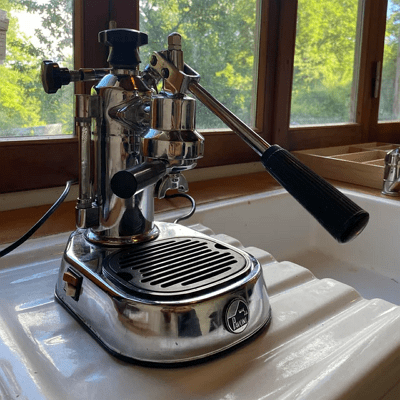
Typical new EU list: ~€699 (Lusso). UK commonly £546–£599. Canada ~C$975. Used market varies by era/condition.
La Pavoni Europiccola
The archetypal hand lever: a compact brass boiler and piston group that turns your arm into the pump—rewarding ritual, true pressure profiling, and serviceable parts that keep machines alive for decades.
Overview
Europiccola is the classic manual lever for small kitchens and patient hands. Plan 10–15 minutes of heat soak, pre-infuse until first drips, then pull steadily for syrupy medium-roast shots. It can steam a cappuccino, but back-to-back milk rounds are slower. Pre-/Millennium group eras (49 mm vs 51 mm) determine basket/tamper sizing—confirm yours before buying accessories.
Pros
- Tiny footprint, ~5.5 kg—lives easily on real counters
- Chromed brass boiler with few moving parts
- True hand pressure profiling with repeatable routine
- Parts, diagrams and seal kits widely available
- Perfect for one–two drinks when technique is set
Cons
- Needs 10–15 min heat soak for stable shots
- Slower multi-shot / milk cadence than pump machines
- Technique-sensitive; channeling if prep/temperature are off
- Seals and piston gaskets are wear items
- Hot exposed group—mind lever safety
Features & Specs
- Type: manual direct lever (piston)
- Boiler: 0.8 L chromed brass (~8 singles/fill)
- Element: ~950–1000 W (region dependent)
- Controls: pressurestat + safety thermostat
- Manometer: typically none on Europiccola (Professional has one)
- Group eras: pre-Millennium (49 mm) vs Millennium (51 mm)
- Portafilter/baskets: 49 mm (pre-) or 51 mm (Millennium)
- Size & mass: ~200 W × 290 H × 320 D mm • ~5.5 kg
- Steam: manual steam tap
- Power: 110–120 V or 220–240 V versions
- Finishes: Lusso, Special/Stradivari cosmetic variants
Model notes & versions
- Europiccola (Millennium): 0.8 L, usually no gauge, 51 mm baskets.
- Europiccola (pre-Millennium): 0.8 L, no gauge, 49 mm baskets.
- Professional: 1.6 L boiler + manometer for longer sessions/steaming.
- Stradivari: same platform with alternate frame/handle styling.
Daily workflow
- Heat soak: fill to sight line, lock in dry PF, heat until pressurestat cycles; wait until group is hot (~10–15 min).
- Prep: dose, WDT/distribute, tamp level.
- Pre-infuse: raise lever to first drip and hold 6–10 s.
- Pull: smooth, steady descent (one long or two-stage pull) to ~1:2 ratio.
- Milk: brew first, then steam; purge and wipe wand.
- Reset: power off, vent safely, rinse basket/tray.
Pricing (Nov 2025)
- EU: Europiccola Lusso typically ~€699 (finish dependent)
- UK: ~£546–£599 (retailer/promo)
- US/CA: US varies by importer; Canada ~C$975 at specialists
- Used/vintage: ~$300–$700 depending on era/condition/accessories
FAQs
- Is it hard to use?
- It has a learning curve. You control pressure/flow by hand; practice yields excellent shots.
- Warm-up time?
- Plan ~10–15 minutes for a heat-soaked group/portafilter, not just boiler pressure.
- Back-to-back shots?
- Yes for 2–3 drinks with pacing. Vent steam briefly and manage group heat between pulls.
- Basket/tamper size?
- Pre-Millennium ~49 mm, Millennium ~51 mm—measure your group before buying.
- Why leaks at group/handle?
- Likely piston or group gasket wear—replace with the correct era kit and food-safe grease.
- Descale & water?
- Use moderately mineralized water; descale only as needed based on taste/performance.
Who it is for / who should avoid it
The Europiccola is the archetypal manual lever espresso machine, a compact brass boiler and a piston group that turns your arm into the pump. Common variants include EPC-8, Lusso, EL and EN, with pre-Millennium and Millennium group eras. This page focuses on the Europiccola, with brief notes on the Professional for context.
TL;DR Verdict & Who It’s For
Strengths: iconic metal build, tactile pressure profiling by hand, tiny footprint for real espresso, and parts support that keeps machines alive for decades. The 0.8 L boiler is simple and serviceable.
Tradeoffs: steep learning curve, careful temperature management is required, slower cadence for groups, and you must respect lever safety around a hot, exposed group.
Shop the essentials
The small upgrades that make a home coffee setup cleaner, smoother, and more enjoyable to use every day.

Cleaner & Descaler Tablets
Keeps your machine clean, helps prevent buildup, and protects long-term performance.
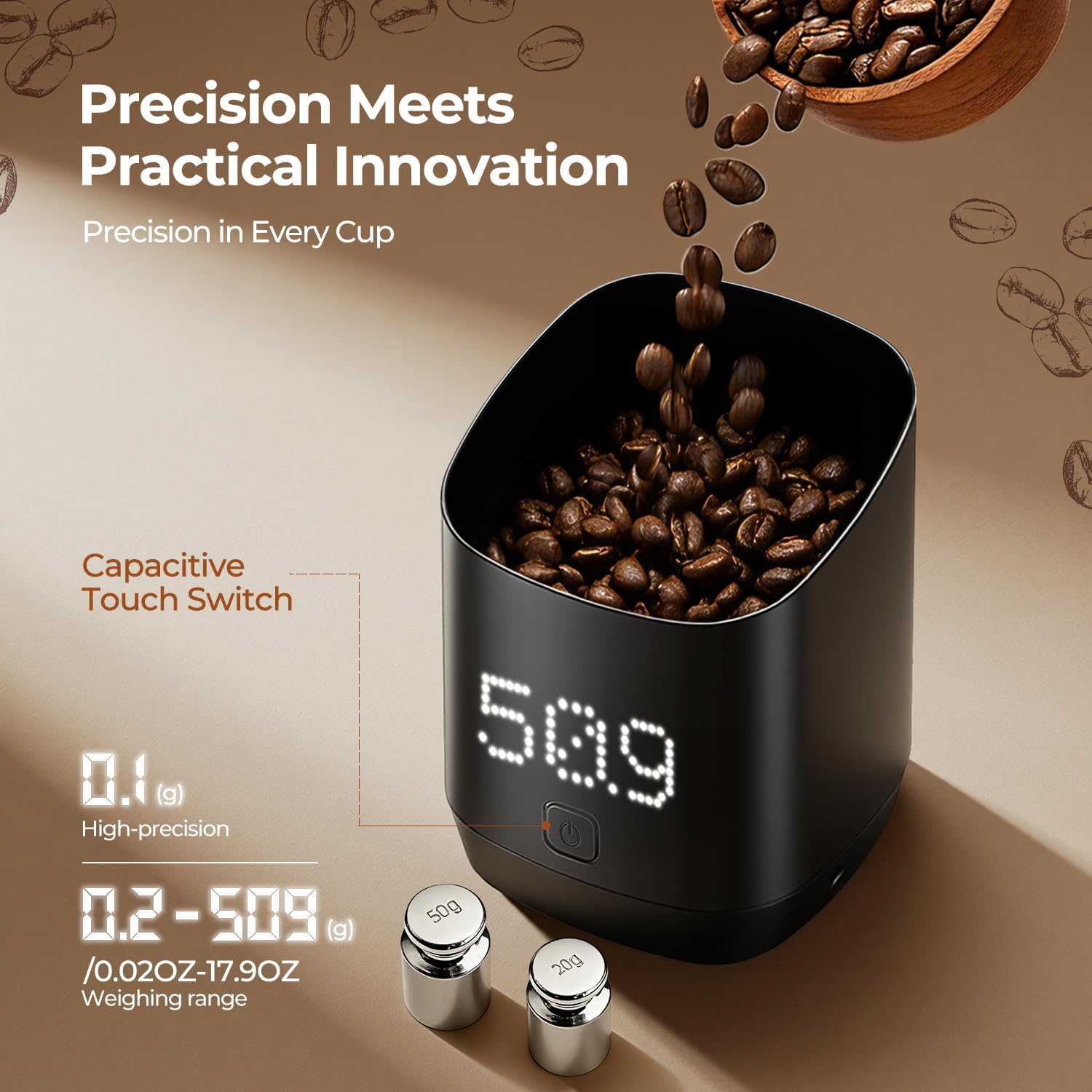
Digital Dosing Cup
Makes weighing beans faster and cleaner, with less mess around the grinder.
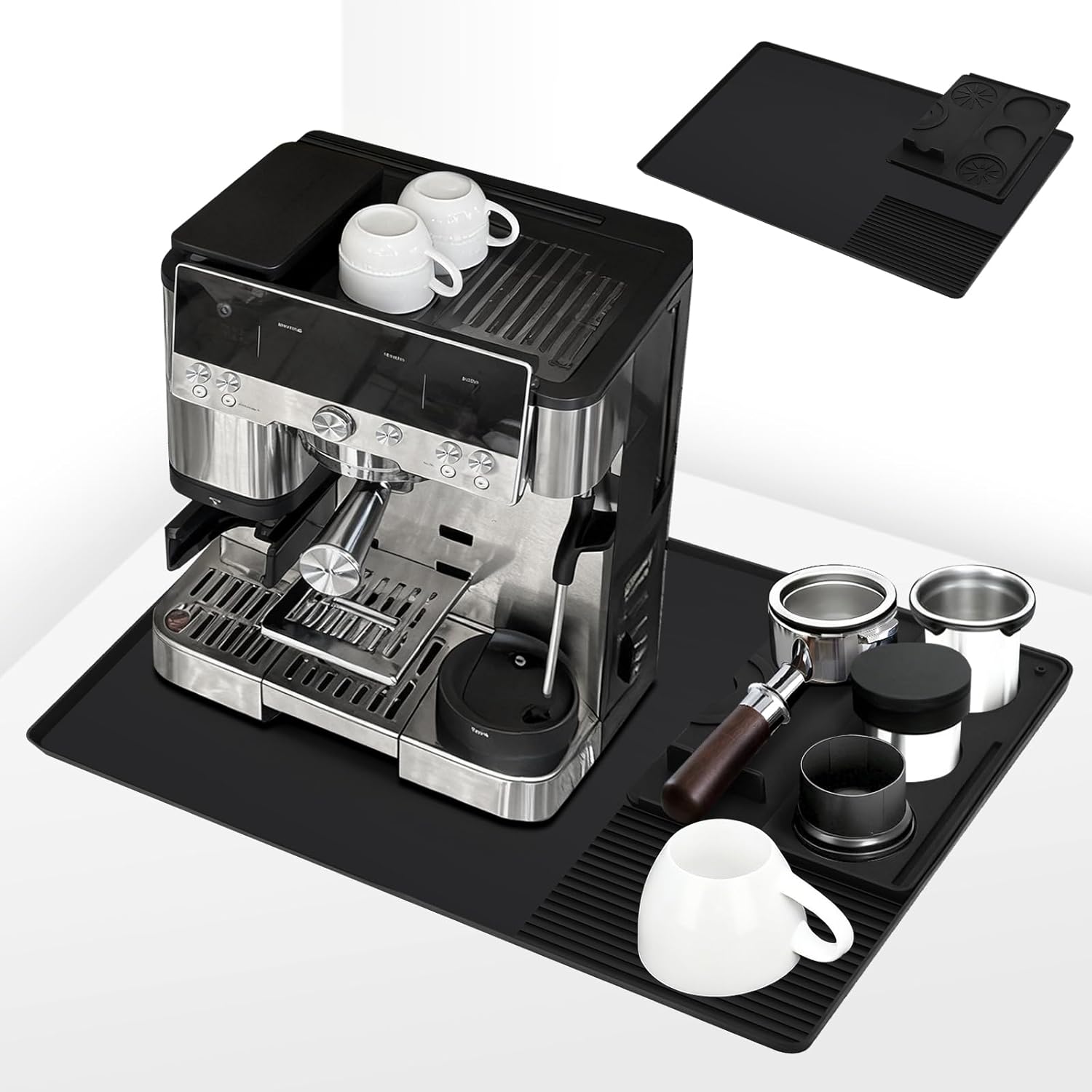
Silicone Mat
Protects your counter, catches spills, and gives your setup a cleaner working surface.

Vacuum Coffee Canister
Helps beans stay fresher longer by limiting air exposure after opening the bag.
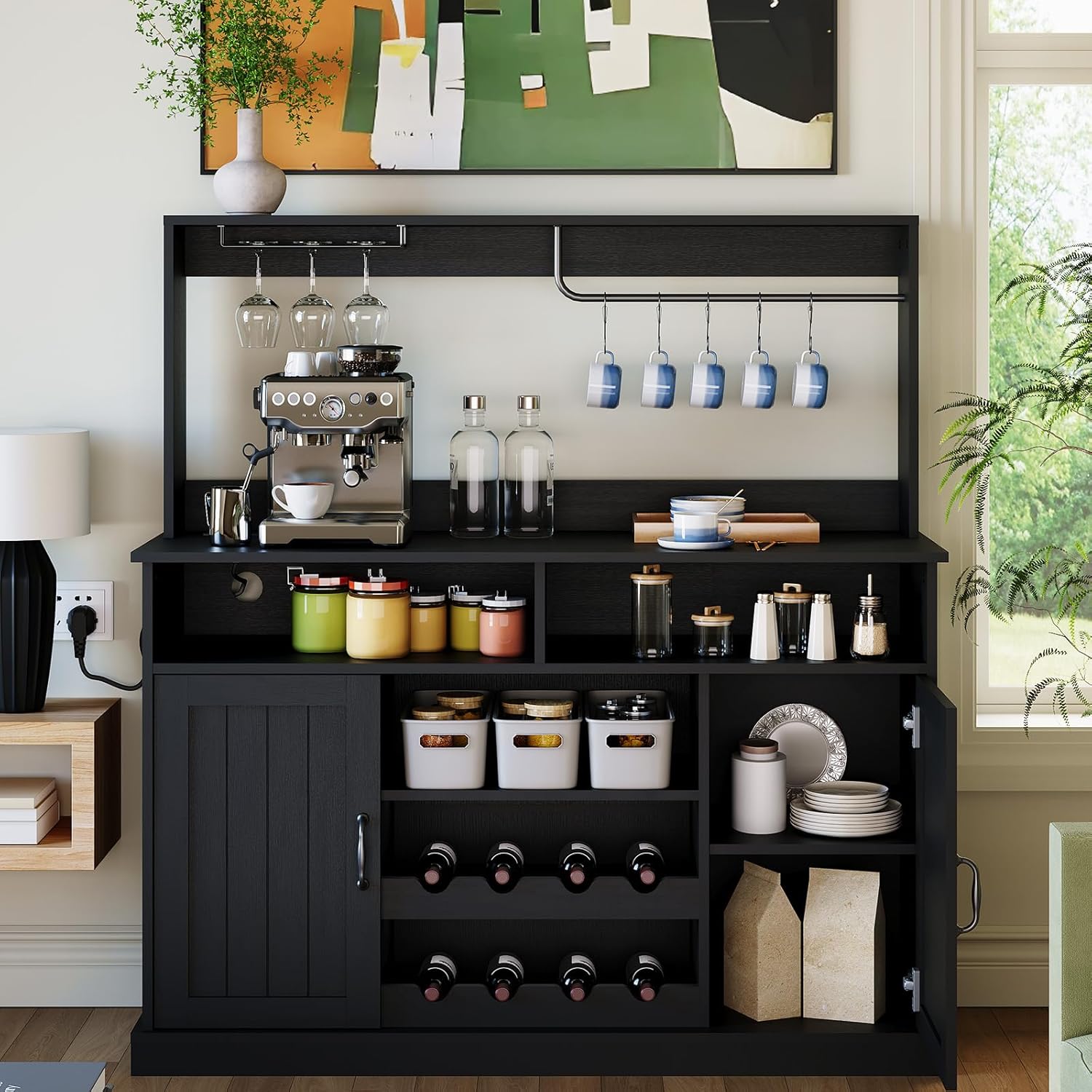
Farmhouse Coffee Bar Cabinet
Gives your machine, cups, beans, and accessories one dedicated home instead of cluttering the kitchen.
One-line verdict: choose Europiccola if you want ritual and control for one to two drinks at a time, choose a pump machine or a spring or manual robot lever if you want easier repeatability or faster milk rounds.
Pros & Cons (Scan Box)
Pros
- Small footprint and light mass, fits most counters with ease. Dimensions around 200 × 290 × 320 mm, weight about 5.5 kg.
- Simple brass boiler, few moving parts, long-term parts availability.
- Real manual pressure profiling with a visible, repeatable routine.
- Best for one to two drinks, easy to live with once you learn its rhythm.
Cons
- Heat-soak to stable shots often needs about 10–15 minutes with the portafilter locked in.
- Multi-shot pace is slower than pump machines, especially with milk.
- Technique sensitive: channeling and spurting if prep or temperature is off.
- Gaskets and piston seals are wear items that need periodic replacement.
Specs at a Glance
Verify against the current manual and product page before publishing.
| Item | Europiccola |
|---|---|
| Boiler capacity | 0.8 L brass boiler, about eight single shots per fill |
| Heating element | ~950–1000 W depending on region |
| Safety controls | Safety thermostat and pressure control by pressurestat on current models |
| Manometer | Typically not present on Europiccola, present on Professional; some special editions add a gauge |
| Group era | Pre-Millennium smaller group vs Millennium larger, affects basket size and seals |
| Portafilter and baskets | Pre-Millennium about 49 mm, Millennium about 51 mm, confirm before buying accessories |
| Dimensions and weight | About 200 W × 290 H × 320 D mm, ~5.5 kg |
| Steam wand | Manual steam tap with interchangeable options on some packages |
| Materials and finishes | Chromed brass boiler with stainless and plated trims; variants like Lusso and Special |
| Power | 220–240 V or 110–120 V versions |
| Included accessories | Portafilter, single and double baskets, plastic tamper, scoop vary by retailer |
Official links: product pages and technical documentation with manuals and spare-parts diagrams.
Model Line & Versions (What You Are Actually Buying)
Pre-Millennium vs Millennium: pre-Millennium machines have a smaller group and typically use 49 mm baskets. Millennium models introduced a larger group with different water path and seals, typically using 51 mm baskets. Confirm era by measuring the group: about 50 mm outer cylinder on pre-Millennium, about 60 mm on Millennium. Parts and gaskets differ.
Europiccola vs Professional: Europiccola has a 0.8 L boiler. Professional has a larger 1.6 L boiler and usually includes a manometer, which helps monitor boiler pressure during heat-up and steaming. The workflow is otherwise very similar.
Retail labels: EL and EN denote finish or pack codes, Lusso and Special are cosmetic and accessory bundles, Stradivari is the same functional platform in a different frame and handle style.
Version chooser
| Model | Boiler | Gauge | Basket size | Best for |
|---|---|---|---|---|
| Europiccola Millennium | 0.8 L | Usually no | 51 mm | Classic lever experience for one to two drinks |
| Europiccola pre-Millennium | 0.8 L | No | 49 mm | Vintage feel, different baskets and seals |
| Professional | 1.6 L | Yes | 51 mm | Longer sessions and more steaming headroom |
Sources: La Pavoni product pages, third-party spec listings, and historical parts documentation.
Learning Curve: Lever Technique and Pressure Profiling
A repeatable protocol
- Preheat and prep: fill the boiler to the sight mark, lock in the portafilter with a dry basket, heat until the pressurestat cycles and the group is hot to the touch. Give the empty PF a brief heat soak. Aim for 10–15 minutes total.
- Dose and distribute: dose to suit your basket era, use WDT to reduce clumps, tamp level.
- Pre-infuse: raise the lever gently until the first drip, hold for 6–10 seconds to saturate.
- Pull: use a smooth, steady descent in one long pull, or a two-stage pull with a short pause.
- Target: for a medium roast, aim near 1:2 ratio in 25–35 seconds combined pre-infusion and pull.
Pressure profiling by hand
Lever force is your pressure curve. Grind and dose change how the lever feels. Finer grinds resist the lever, which raises pressure. Coarser grinds fall too easily. Your goal is a smooth descent with a steady stream, avoiding spurting or blonding. The Europiccola rewards slightly longer pre-infusion for light roasts and careful puck prep.
Three coffees, logged
| Coffee | Dose | Yield | Time | Pre-infusion | Subjective lever feel | Notes |
|---|---|---|---|---|---|---|
| Medium blend | 14–15 g | 28–32 g | 25–30 s | 6–8 s | Firm, steady | Syrupy body, low bitterness |
| Light SOE | 15–16 g | 34–40 g | 30–35 s | 8–12 s | Heavier, slower | Bright but sweet, pre-infusion helps settle the puck |
| Decaf | 14 g | 28–32 g | 25–30 s | 5–7 s | Moderate | Clean and caramel, gentle finish |
Common errors and quick fixes
- Channeling or spurting: grind finer, improve distribution, extend pre-infusion.
- Sudden blonding: reduce yield or grind finer, lower set temperature by venting a little steam.
- Stalling lever: grind too fine or dose too high, reduce dose slightly and check basket headspace.
Temperature Management and Multi-Shot Strategy
Boiler ready vs brew ready: the pressurestat signals boiler pressure, not group temperature. The group and basket need heat soak. Expect better results after about 10–15 minutes with the portafilter in place and a short blank to warm the metal.
Cooling and venting: because the group is exposed, it will run hotter as the session goes on. Use a brief steam vent or a cool cloth on the group collar between shots if the taste trends bitter or the stream blondes early. Some users employ a quick dip of the portafilter in cool water between shots.
Two to three drink plan
- Shot one: after heat soak, pre-infuse generously and pull.
- Short pause: vent a little steam to bleed pressure and heat, then refill the group thermally with a short blank.
- Shot two: repeat the same cadence within two to three minutes.
- Shot three: allow a longer pause or cool the group more actively.
Optional tools like group thermometer strips and aftermarket PID or pressure gauge kits add feedback. They are helpful but not essential for a consistent two-shot routine.
Steam Power and Milk Drinks
The Europiccola can texture milk for a cappuccino. Expect a measured 150–200 ml from 5 °C to 60 °C in roughly one minute once pressure is at the high end of the cycle. You will get tighter microfoam with a short stretch followed by a whirlpool roll. Brew first for best espresso temperature, then steam. If you prefer to steam first, plan a cooling step before your shot. Compared with pump dual-boilers, latte rounds are slower, which makes the Europiccola best for one or two milk drinks.
Warm-Up Time and Daily Workflow
Measured warm-up: plan 10–15 minutes to a stable first shot, including portafilter heat soak and a short blank. Press coverage and retailer specs that state faster times usually describe element readiness, not full group stability.
Weekday routine checklist
- Fill to the sight line, lock the portafilter, power on.
- Heat until the pressurestat cycles, then wait a few minutes for group heat soak.
- Flush a short blank, dose and prep.
- Pre-infuse 6–10 seconds, pull the shot.
- Steam milk if needed, wipe wand, give a short purge.
- Power off, vent pressure safely, empty and rinse the drip tray and basket.
Counter safety: treat the group and wand as very hot surfaces at all times, and keep the base clear of spills to avoid slips.
Build, Reliability and Serviceability
The formula is simple: chromed brass boiler, a mechanically driven piston, and a manual steam tap. There are no pumps or solenoids to fail. Wiring and internals are accessible with basic tools. Typical wear parts include group seals, piston gaskets, the safety valve, and the heating element. Exploded diagrams and part numbers are easy to reference.
Basic service is approachable for a careful owner. You will need metric hex keys, screwdrivers, food-grade silicone grease for seals, and a torque-aware hand. Follow a parts diagram and plan your order before you open the machine.
Maintenance and Troubleshooting
Water choice: use moderately mineralized water to protect metals and keep scale manageable. Descale cadence depends on your water and usage.
Backflush: lever boilers do not get detergent backflushed like three-way pump machines. Clean the screen and group mechanically, soak baskets and portafilter in detergent solution, then rinse well.
Fixes for common issues
- Leaking at handle or group: piston seals or group gasket need replacement. Order the correct kit for your era.
- Lukewarm shots: insufficient heat soak or low boiler pressure. Add time, vent and reheat to hit the pressurestat cycle, consider a group thermometer.
- Spurting or no crema: improve grind and distribution, lengthen pre-infusion, confirm basket size matches your tamper.
- Safety thermostat trips: indicates overheating. Allow cooldown, then follow the manual’s reset procedure and confirm water level and venting.
Quick intervals
- Monthly: clean screen and baskets, inspect seals and steam tip.
- Quarterly: inspect piston gaskets, check fasteners, review water quality.
- Yearly: full seal kit if usage is daily, evaluate the safety valve.
Accessories and Upgrades
Sizing: pre-Millennium usually 49 mm baskets and tampers, Millennium usually 51 mm. Verify before ordering.
Starter kit: matched tamper, distribution tool or WDT, microfiber towels, food-safe detergent, and a thermometer strip for the group.
Enthusiast kit: bottomless portafilter, precision baskets, upgraded steam tip, wood handles and knobs, pressure or boiler gauge kits if you want more feedback. Follow safety and warranty guidance if drilling or adding gauges. Exploded diagrams and parts dealers simplify sourcing.
Comparisons Buyers Actually Search
Quick matrix
| Machine | Boiler size | Heat-up | Shot repeatability | Steaming | Typical price or used band |
|---|---|---|---|---|---|
| Europiccola | 0.8 L | 10–15 min to stable | Technique driven | 1–2 drinks | New about €699 EU, used widely available |
| Professional | 1.6 L | Similar | Slightly easier boiler feedback via gauge | Better for multiple drinks | Higher new, stronger used demand |
| Silvia | 0.3 L single boiler | Moderate | High once dialed | Stronger steam | Often similar or lower than high-spec Pavoni finishes |
| Gaggia Classic | 0.1–0.14 L single boiler | Moderate | High with practice | Modest steam | Lower new, large mod ecosystem |
| Flair 58 / Robot | No boiler | Very fast setup once routine is known | High with good temp management | External kettle steaming only | Lower to mid, highly portable |
Figures from official pages and current retailer listings at time of writing.
1) Europiccola vs Professional
- Boiler and gauge: Professional doubles boiler capacity to about 1.6 L and includes a manometer.
- Who needs it: latte households and anyone pulling more than two shots in a session.
- Verdict: if you want longer steaming and a visible pressure reference, choose Professional. For compact ritual, Europiccola is perfect.
2) Europiccola vs Rancilio Silvia and Gaggia Classic
- Ritual vs convenience: Europiccola rewards hands-on control, Silvia and Classic give pump consistency.
- Milk cadence: Silvia has stronger steam, Classic is solid for cappuccinos, both are faster than a small lever for back-to-back milk drinks.
- Verdict: choose a pump single boiler if you want faster routine and easier repeatability.
3) Europiccola vs Flair 58 and Cafelat Robot
- Heat control: portable levers rely on kettle water and thermal control accessories.
- Portability and cleanup: Flair and Robot are compact and easy to store, no boiler to descale.
- Verdict: pick portable levers for travel or minimal counter impact, pick Europiccola if you want a built-in boiler and steam.
4) Europiccola vs Stradivari
- Form factor: Stradivari changes the base and lever arc but shares fundamentals.
- Workflow: technique and results are similar.
- Verdict: choose by design preference and handle ergonomics.
5) Europiccola Millennium vs pre-Millennium
- Parts: gasket kits and baskets differ.
- Behavior: Millennium group runs a bit hotter at the same routine and takes 51 mm baskets.
- Verdict: buy for condition first, then era. Both can produce excellent espresso.
Pricing and Where to Buy (2025)
Timestamp: November 2025.
- European Union: official site lists Europiccola Lusso at €699. Some wood-handle or special editions cost more.
- United Kingdom: common retail pricing £546 to £599 depending on retailer and promo.
- Germany and wider EU: listings range around €595 to €799 depending on finish and stock.
- United States: stock varies by retailer. Expect pricing aligned with EU conversion plus import. Check specialty shops and current EPC-8 distributors.
- Canada: typical C$975 at specialty retailers.
Used and vintage: wide range by era and condition. Clean machines commonly sell in the $300–$700 band with accessories affecting value, while rare finishes and full rebuilds list higher. Expect lower prices for projects and unknown condition.
Buy from the official store, authorized dealers, or established specialists that stock parts and service. Disclose affiliate relationships where applicable.
Used and Vintage Buyer’s Guide
Inspection checklist
- Heating element continuity and even heat to pressurestat cycle.
- Working pressure release at the safety valve when venting.
- Leaks at the group or base.
- Piston chrome or plating wear, scale inside the boiler.
- Cracks in the base or handles, tidy wiring under the base.
- Correct basket era and included portafilter.
Era notes: pre-Millennium uses 49 mm baskets and different seals. Millennium uses 51 mm. Parts are available for both, just order the right kit. Exploded diagrams help you verify part numbers.
Rebuild difficulty: a seal and spring refresh is achievable with patience and the correct tools. Complex wiring or element replacement is best left to qualified technicians if you are unsure.
Conclusion: Should You Buy the La Pavoni Europiccola?
The Europiccola is the right kind of deliberate. It gives you real lever control, an heirloom brass boiler, and a small footprint that fits anywhere. Espresso quality is excellent once your routine is set. Milk is feasible for one or two drinks. Long-term ownership is strong because parts and guidance are easy to find.
Buy it if
- You want ritual, hand-driven pressure profiling, and an object that can be serviced for decades.
- You make one or two drinks per session and enjoy learning technique.
- You appreciate compact size and metal construction.
Consider something else if
- You want quick, repeatable milk rounds. A PID single boiler like Silvia or Profitec Go suits that better.
- You prefer hands-off consistency. Consider a pump machine or a spring or manual robot lever for simpler pacing.
- You need built-in manometer feedback and longer steam time. The Professional variant fits that brief.
Final call
If you want a lever that teaches skill and lasts, buy the Europiccola. If you prioritize speed or frequent milk, move to Professional or a capable pump single boiler. For a budget manual route, consider Flair 58 or Cafelat Robot.
FAQ
Is the Europiccola hard to use?
It has a learning curve. You control pressure and flow with the lever, which rewards practice with excellent shots.
How long is the warm-up time?
Plan 10–15 minutes for a heat-soaked group and portafilter, even if the boiler comes to pressure sooner.
Can I pull multiple shots back-to-back?
Yes for two to three drinks with pacing. Vent steam briefly, manage group temperature, and repeat your pre-infusion cadence.
What basket and tamper size do I need?
Pre-Millennium uses about 49 mm, Millennium uses about 51 mm. Verify your era before ordering.
How do I manage temperature?
Heat soak the group, use pre-infusion, and vent or cool the group between shots if taste trends bitter. Thermometer strips help.
Why is water leaking from the group or handle?
Likely gasket or piston seal wear. Replace with the correct kit for your era, following a parts diagram.
What water should I use and how often to descale?
Use moderately mineralized water. Descale cadence depends on water and usage. Avoid aggressive descaling unless required.
Europiccola vs Professional, which should I buy?
Professional adds a 1.6 L boiler and a manometer for longer sessions. Europiccola is smaller and lighter for one to two drinks.
Where can I get parts and diagrams?
See La Pavoni technical documentation and specialist retailers for exploded diagrams and kits.
What does a pressure gauge add, and how is it installed?
A gauge shows boiler pressure or group pressure, depending on kit. It adds feedback for temperature management. Installation varies and may require drilling, so confirm warranty implications.
Typical price new and used in 2025?
New in the EU around €699 for Lusso, UK around £546–£599, Canada around C$975, used markets vary widely by condition and era. Timestamp November 2025.
Is the Europiccola better than Gaggia Classic or Rancilio Silvia for beginners?
Better if you want lever ritual and direct control. Classic and Silvia are easier for fast, repeatable milk and shot cadence.
We’ve categorized the best espresso machines for every kind of buyer
Find the right shortlist faster, whether you want convenience, a beginner-friendly setup, a smaller footprint, or better value at a given budget.
Best Superautomatic Espresso Machines
One-touch picks for speed and convenience.
Best Espresso Machines for Beginners
Easy-to-use machines with a smoother learning curve.
Best Small Espresso Machines
Compact machines for tighter kitchens and counters.
Best Espresso Machines With Built-In Grinder
All-in-one options with fewer extra pieces to buy.
Best Cheap Espresso Machines Under $500
Budget picks that still make sense for real espresso.
Best Prosumer Espresso Machines Under $1000
More serious machines with stronger value for the money.
Best Single Boiler Espresso Machines
Simple, space-saving picks for espresso-first routines.