
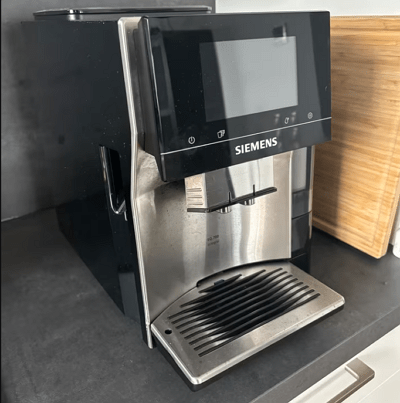
Pricing varies by SKU and region. Confirm tank size, Cold Brew, and cup warmer options before purchase.
Siemens EQ.700 Integral
App-savvy bean-to-cup with an integrated milk container, automatic steam clean after every milk drink, and a clear 5" touch UI that keeps lattes easy all week.
Overview
EQ.700 Integral is built as a daily latte and flat-white engine regular people can live with. The integrated milk container docks into the body, autoMilk Clean fires a steam purge after every milk drink, and the 5" iSelect touch plus Home Connect app keep the menu simple—even with lots of saved Favorites. Espresso is good for a super-automatic, excellent in milk (especially with doubleShot). You give up barista tinkering and accept smaller trays, but in return you get near-hands-off milk drinks and a removable brew group for long-term hygiene.
Pros
- Integrated milk container that docks neatly and parks in the fridge
- autoMilk Clean steam purge after every milk drink
- Large, clear 5" iSelect screen with Favorites and profiles
- Home Connect: coffeeWorld recipes + coffeePlaylist queues
- Removable brew group; guided calc’n’Clean and brew-unit clean
- doubleShot / tripleShot boost strength with multiple extractions
Cons
- Espresso depth limited vs. a prosumer machine and manual grinder
- Drip tray and dregs bin are modest; frequent empties in busy homes
- Cold Brew and active cup heater vary by SKU—verify before buying
- Oily dark beans can cause feed issues; medium roasts recommended
Main Features
- Integrated milk container; dishwasher-safe; docks into body and stores in fridge
- autoMilk Clean steam purge after every milk drink
- 5" iSelect full-touch display with swipe navigation & Favorites
- Home Connect: coffeeWorld, coffeePlaylist, profiles, optional Alexa
- Removable brew group; calc’n’Clean & brew-unit cleaning programs
- Ceramic grinder (top-dial adjustment); supports doubleShot / tripleShot
- OneTouch DoubleCup for two milk drinks (disabled during double/tripleShot)
- ~2.4 L tank (up to 2.6 L by variant); 350 g bean hopper
- Startup/shutdown rinses; service reminders for filters & tablets
Pricing & Variants
- Street prices vary widely by SKU and region.
- Common EU/UK variants: TQ705R03, TQ707R03, TQ717D03, TP713GB9.
- Feature differences may include Cold Brew, active cup warming, drink set size.
- Always confirm tank size, app features, and included accessories before checkout.
FAQs
- Is the brew group removable?
- Yes. Pull, rinse weekly, and reinstall—this keeps long-term hygiene in shape.
- Does every model include Cold Brew and cup warming?
- No. Only some trims include these. Check the exact SKU spec sheet.
- Can I use plant-based milks?
- Yes. Barista-style cartons foam best. Consider a slightly higher milk temp for oat.
- How many favorites can I save?
- Up to ~30 on several variants; the touch UI and app manage profiles and Favorites.
- Any bean restrictions?
- Avoid very oily dark roasts—they can cause feed issues. Medium roasts work best.
Who It’s For / Who Should Avoid It
Detailed Specs
- Model family
- EQ.700 Integral (e.g., TQ705R03, TQ707R03, TQ717D03, TP713GB9)
- Form factor
- Super-automatic bean-to-cup with integrated milk container
- Interface
- 5" iSelect full-touch, swipe UI, Favorites
- Drinks
- ~21 onboard; more via Home Connect coffeeWorld
- Milk system
- Integrated container; autoMilk Clean after every milk drink
- Brew group
- Removable; calc’n’Clean + brew-unit clean programs
- Grinder
- Ceramic burrs; top-dial adjustment
- Programs
- doubleShot / tripleShot; OneTouch DoubleCup
- Water tank
- ~2.4–2.6 L by variant (side access)
- Bean hopper
- ~350 g with aroma lid
- Grounds bin
- ~12 pucks (varies)
- Spout height
- Up to ~14 cm
- Power / pressure
- ~1500 W; 19–20 bar max (pump spec)
- Size & weight
- ~380 × 352 × 467 mm; ~9–10.6 kg
- Connectivity
- Wi-Fi (Home Connect); coffeeWorld, coffeePlaylist; optional Alexa
Siemens builds super-automatics that lean hard into daily convenience, and the EQ.700 Integral is the version that feels most “modern kitchen” in use: a big 5" iSelect touchscreen, a clean Home Connect app layer, and an integrated docking milk container that makes milk drinks realistic for a busy household. The ownership win is not a single feature. It is the way the machine stays easy to use and easy to keep tasting fresh, mainly thanks to autoMilk Clean (steam purging after every milk drink) and a removable brew group.
On our bench, the EQ.700’s buying truth is simple: you are paying for a slick interface and a milk system that behaves like it was designed to be used every day. Espresso is solid for the category when you keep volumes sensible and use doubleShot / tripleShot for strength in milk drinks. The reality check is equally straightforward: it is still a super-auto, so espresso depth has a ceiling, and the main daily friction is capacity (drip tray and dregs bin emptying) plus cleaning prompts that you should not ignore.
For cross-shoppers, we usually frame EQ.700 Integral against machines people actually consider in this lane: the Siemens EQ.9 Plus s700 if you want true two-bean switching, the Jura E8 if premium “set and repeat” polish matters most, the De’Longhi Dinamica Plus if you want more espresso potential from a super-auto, the Philips 5400 LatteGo if you want the simplest milk cleaning, and the Gaggia Accademia if you want one-touch plus a real steam wand.
Shop the essentials
The small upgrades that make a home coffee setup cleaner, smoother, and more enjoyable to use every day.

Cleaner & Descaler Tablets
Keeps your machine clean, helps prevent buildup, and protects long-term performance.
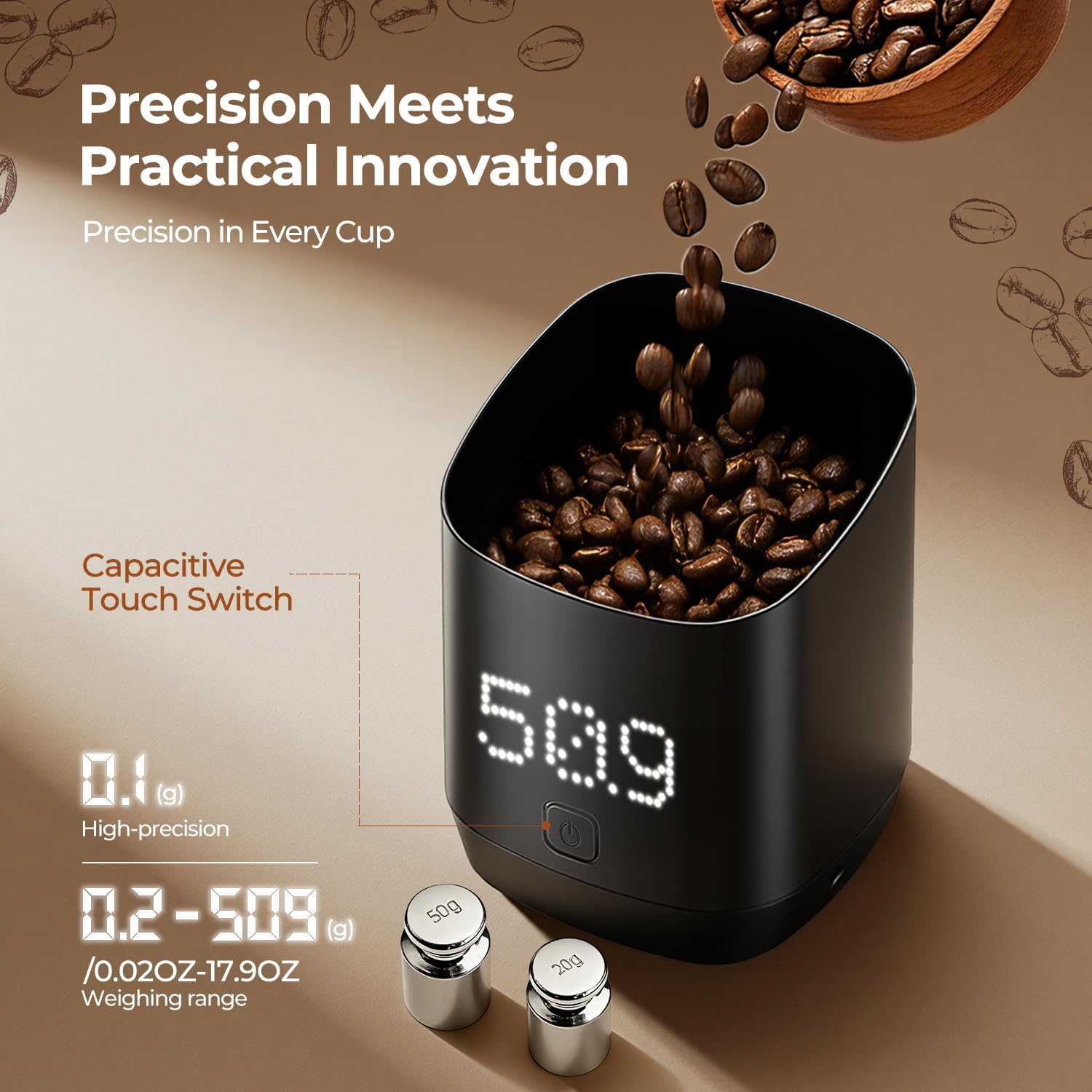
Digital Dosing Cup
Makes weighing beans faster and cleaner, with less mess around the grinder.
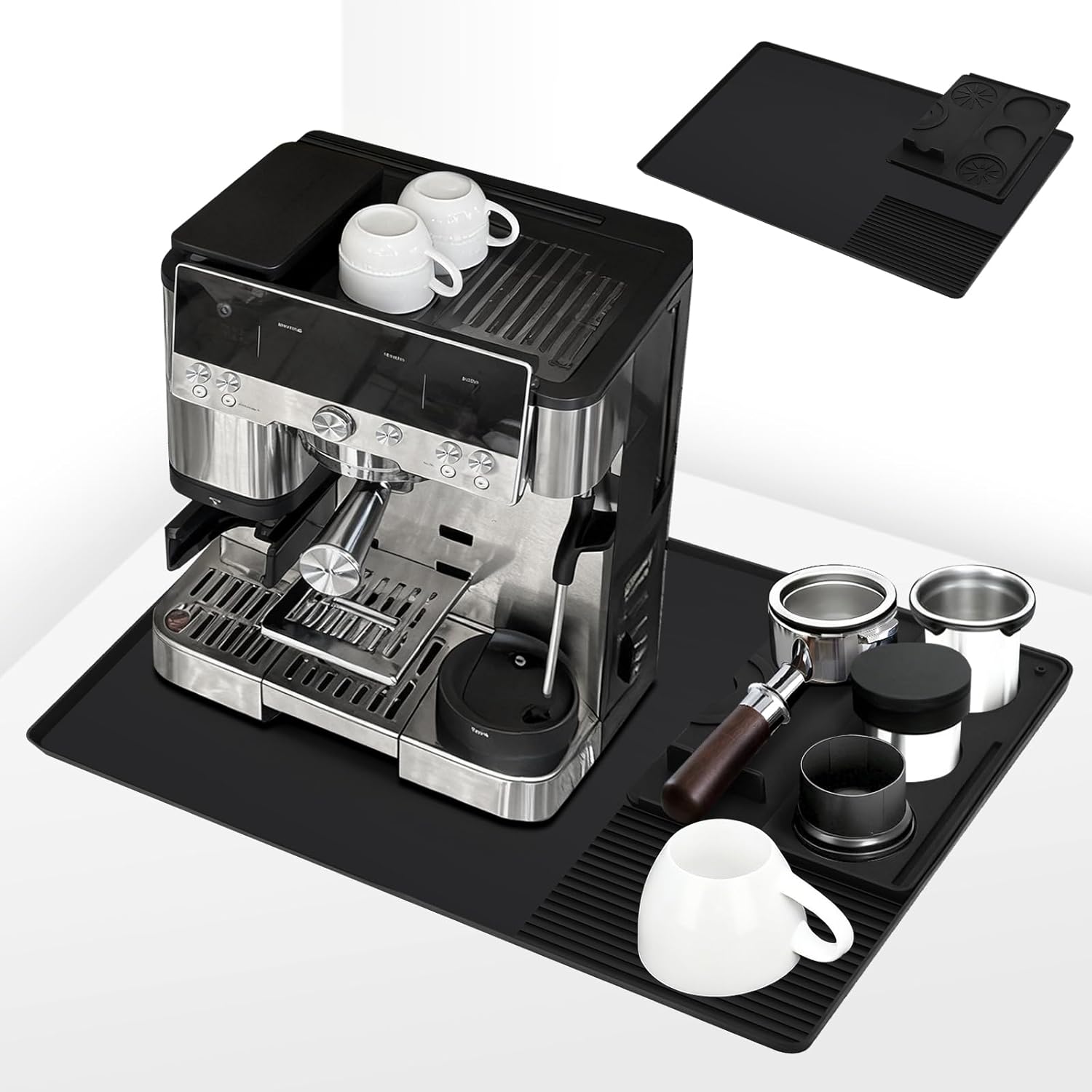
Silicone Mat
Protects your counter, catches spills, and gives your setup a cleaner working surface.

Vacuum Coffee Canister
Helps beans stay fresher longer by limiting air exposure after opening the bag.
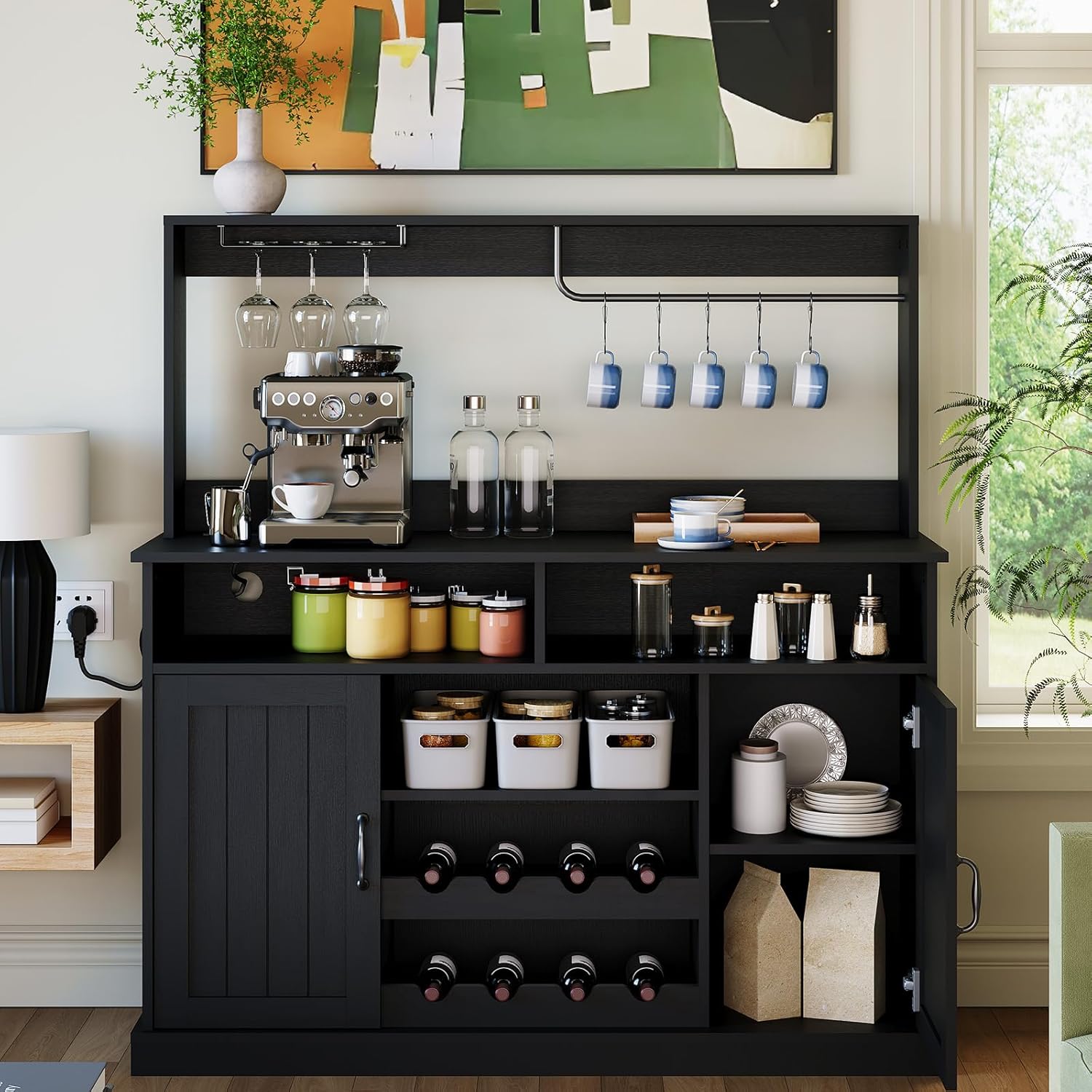
Farmhouse Coffee Bar Cabinet
Gives your machine, cups, beans, and accessories one dedicated home instead of cluttering the kitchen.
Overview
The Siemens EQ.700 Integral is a super-automatic that is built for milk drinks and weekday cadence. It is a premium bean-to-cup machine with a large 5" iSelect full-touch display, strong Home Connect app integration, and an integrated milk container that docks into the chassis and can live in the fridge between uses. The feature that defines ownership is autoMilk Clean, a steam purge after every milk drink that keeps the milk path from turning into a weekly science experiment. Espresso is good for a super-automatic and shines most in milk, especially when you lean on doubleShot (and tripleShot) for extra punch.
In the Siemens lineup on Coffeedant, EQ.700 Integral is the milk-first, touchscreen-first daily driver, sitting below the more flagship-feeling Siemens EQ.9 Plus s700, which is the common step-up when you want the higher-end Siemens ecosystem and more bean management. The buying logic is less “can it make coffee” and more “what kind of ownership do you want”: fast, repeatable one-touch milk drinks with easy cleaning, or a higher-tier Siemens platform with extra flexibility.
Design intent
- Milk-first convenience: an integrated milk container plus autoMilk Clean after every milk drink keeps the system usable daily.
- Big-screen, low-friction workflow: the 5" iSelect interface is built for quick drink selection, Favorites, and household profiles.
- App features that actually matter: Home Connect adds coffeeWorld recipes and coffeePlaylist queuing for busy mornings.
- Strength without grinder drama: doubleShot / tripleShot boosts intensity via multiple extractions, not just “more grams, more bitter.”
- Ownership and hygiene: a removable brew group plus guided calc’n’Clean routines keep the machine tasting fresher over time.
What it gets right in the cup and in cadence
- Milk drinks are the headline: cappuccinos, lattes, and flat whites come out consistent, hot, and repeatable for the super-auto category.
- Espresso that holds up in milk: it is best with medium roasts and the doubleShot option when you want more backbone under dairy.
- Household-friendly: Favorites and profiles reduce the “who changed my settings” problem, and one-touch drinks are genuinely fast.
- Less cleaning pain than most: autoMilk Clean plus a removable brew group lowers the odds of sour-milk flavors and stale internal buildup.
The deliberate trade-offs
- It is still a super-auto: you do not get puck prep control, basket options, or shot-shaping range like a semi-auto setup.
- Espresso depth has a ceiling: compared with a prosumer grinder and manual machine, flavor nuance and texture are more limited.
- Smaller trays: the drip tray and dregs bin are modest, so frequent emptying is part of the rhythm in busy homes.
- Bean choice matters: very dark, oily beans are a bad fit for most internal grinders and can cause feed issues and dull flavors.
Where it fits
EQ.700 Integral is the right pick if you want a premium super-automatic that makes milk drinks easy, keeps cleaning under control, and gives you a modern interface with useful app extras. If you want a more polished “push button, premium results” lane with a different ownership ecosystem, the Jura E8 is the classic cross-shop. If you want a strong feature set and café-style milk drinks with a different interface logic, the De’Longhi Dinamica Plus is the other frequent pick. If you want a simpler value lane, the Philips 5400 LatteGo (or the Philips 3200 LatteGo) is the common alternative. If you like the Siemens approach but want the step-up platform, the Siemens EQ.9 Plus s700 is the natural upgrade path.
Cross-shop context on Coffeedant: EQ.700 Integral buyers most often compare against the Jura E8 for premium super-auto polish, the De’Longhi Dinamica Plus for feature-rich milk drinks, the Philips 5400 LatteGo for value convenience, and the Siemens EQ.9 Plus s700 when you want the higher-tier Siemens platform and extra flexibility.
Siemens EQ.700 lineup: which version to buy
The Siemens EQ.700 Integral is the EQ.700 done the way most households actually use a super-automatic: milk drinks on repeat, minimal mess, and a screen that makes the machine feel modern instead of menu-driven. It is a premium bean-to-cup platform built around Siemens’ iAroma system (ceramic grinder + thermoblock + brew unit control), with a standout 5" iSelect full-touch display, Home Connect (coffeeWorld + coffeePlaylist), and an ownership-defining feature: autoMilk Clean, a steam purge after every milk drink.
The meaningful trim split inside EQ.700 is Integral vs Classic. Integral uses a shaped milk container that docks cleanly into the body and is designed to live in the fridge between sessions. Classic trims use an external container and a flexible milk tube. Both share the same core coffee platform. Integral wins on counter tidiness and shared-kitchen practicality.
| Version | Lineup slot | Compared to Integral | Typical price and note |
|---|---|---|---|
|
EQ.700 Integral
Reference Docking milk container + autoMilk Clean |
Safest default | The tidiest EQ.700 ownership lane. The milk container docks into the body and is built for fridge storage between sessions. autoMilk Clean purges the milk path after every milk drink, which helps the machine stay pleasant to use long term. | Typical price: $899.95 • promos and region move pricing |
| EQ.700 Classic (tube milk trims) | Value alternative | Same core coffee platform, but milk uses an external container and a flexible tube. It can be a good buy if it is discounted, but Integral is cleaner on the counter and easier in shared kitchens. | Often discounted vs Integral • check what milk container is included |
| SKUs with Cold Brew / active cup warming | Feature variants | Some EQ.700 codes add a Cold Brew-style program and/or active cup warming. Espresso capability stays the same, so only pay more if those features are non-negotiable. | SKU features vary • confirm exact model code before you buy |
| Region and warranty lane (UK/EU retail codes) | Support choice | Same ownership idea, different retailer bundles and after-sales reality. With super-autos, local warranty and parts support matter more than chasing the cheapest listing. | Street pricing moves with sales • buy for support, not just the sticker |
How to read this: choose Integral if you want the cleanest daily routine and a tidy milk setup. Choose Classic only when pricing is meaningfully better and you are fine managing a tube and external container. For feature SKUs, verify the exact model code if Cold Brew or cup warming matters.
Key Siemens EQ.700 Integral Specifications
| Item | Detail |
|---|---|
| Machine | Siemens EQ.700 Integral · Model page · Cross-shops: Jura E8, De’Longhi Dinamica Plus, Philips 5400 LatteGo, Philips 3200 LatteGo, Siemens EQ.9 Plus s700 |
| Machine type | Bean-to-cup super-automatic |
| Heater / brew system | Thermoblock platform with Siemens iAroma control logic |
| Grinder | Ceramic burr grinder (medium roasts recommended, avoid oily beans) |
| Water tank | 2.4 to 2.6 L (variant dependent) · side access |
| Bean hopper | 350 g with aroma lid |
| Milk system | Integrated docking milk container (about 0.7 L on common variants) · autoMilk Clean purge after milk drinks |
| Drinks and profiles | About 21 drinks on machine plus more via coffeeWorld · Favorites (count varies by SKU) |
| Strength logic | AromaSelect (Mild, Balanced, Distinctive) · doubleShot and tripleShot for bigger milk drinks without bitter stretching |
| Spout clearance | Up to about 14 cm |
| Power | About 1500 W (region dependent) |
| Dimensions / weight | About 380 × 352 × 467 mm · about 9 to 10.6 kg (variant dependent) |
| Connectivity | Wi-Fi with Home Connect · coffeeWorld · coffeePlaylist · optional voice control support (region dependent) |
| Coffeedant score | Overall rating |
| Typical price | $899.95 (promos and SKU features can move pricing) |
First Impressions & Build Quality
The EQ.700 Integral feels like a modern appliance first, and that is a compliment in this category. Fit and finish are typical BSH Group: molded panels around a stainless-look fascia, with the 5-inch iSelect display doing the heavy lifting. The container docks neatly, the spouts clear tall latte glasses, and daily ownership is built around repeatability, not ritual. The key “I trust this” feature is the removable brew group. You can actually rinse what you can reach.
What’s in the Box
- Siemens EQ.700 Integral machine
- Docking milk container (Integral trim) and milk lid parts
- Drip tray, grounds container, and installed brew group
- User documentation and warranty information
Bundles vary by retailer and region. Confirm inclusions if you are buying open-box, refurbished, or a specific SKU for Cold Brew or cup warming.
Chassis and internals
Under the marketing umbrella, the practical story is simple: a ceramic grinder, a thermoblock heater, and a brew group tuned for consistent back-to-back drinks. The platform is happiest with medium and medium-light roasts. Very oily dark beans are a known problem in internal grinders because oil and fine dust build up in the feed path and dull flavor fast.
Controls and touch points
The iSelect display is the star. It is fast, bright, and makes drink selection feel obvious. You can adjust strength, size, and milk behavior without turning your counter into a settings project. In busy homes, Favorites and the app’s coffeePlaylist are the two features that actually change how often the machine gets used.
Counter fit
| Item | Detail | Why it matters |
|---|---|---|
| Width | About 352 mm | Comfortable footprint for a full super-auto with a large screen, without feeling oversized on most counters. |
| Height | About 380 mm | Check cabinet clearance if you plan to lift the lid often or use an active cup warmer SKU. |
| Depth | About 467 mm | Plan a little space behind the machine for cleaning access and cord management. |
| Spout clearance | Up to about 14 cm | Fits tall latte glasses. Keep a scale-friendly cup in rotation if you like dialing by grams. |
| Water reality | 2.4 to 2.6 L side tank | Easy refills. Capacity is strong for milk-drink households. |
| Capacity annoyances | Modest drip tray and dregs bin | Expect frequent emptying in multi-user kitchens. The waste bin fills around the 10 to 12 puck mark. |
Testing Results
Testing focused on what matters in a premium super-automatic: heat-up cadence, back-to-back milk throughput, whether espresso stays balanced at sensible yields, and how much hands-on cleaning it really asks for.
| Metric | Result | Use note |
|---|---|---|
| Heat-up to espresso-ready | Ready in a couple of minutes | First milk drink can take longer because the milk path primes. After that, cycles stay quick. |
| Back-to-back milk cadence | Four milk drinks in under ~7 minutes | autoMilk Clean handles the purge automatically, so you are not forced into extra rinse steps between drinks. |
| Espresso yield behavior | Best in the ~20 to 40 g yield lane (by scale) | Do not chase dense ristretto shots. Use doubleShot or tripleShot for larger milk drinks instead of stretching one long pour. |
| Grind range and beans | Feeds medium roasts well | Avoid very oily, shiny dark beans. If you change grind, give it 1 to 2 drinks to purge old grounds from the chamber. |
| Daily cleaning time | Under ~5 minutes hands-on | Dump trays, quick rinse or fridge-swap the milk container. Weekly brew group rinse adds about two minutes. |
| Noise profile | Short grinder bursts, brief pump hum | Reasonable for a ceramic grinder super-auto. It will be heard, but it does not drag on. |
| App reliability | Solid on stable Wi-Fi | Panel commands take priority while brewing. If the app feels laggy, check network stability and let cycles finish. |
| Drink | Starting point | When to change it |
|---|---|---|
| Espresso (medium roast) | AromaSelect Balanced · aim ~25–35 g in cup (by scale) · use the finer half of grind range | If thin: reduce volume or raise strength. If bitter: shorten volume or coarsen one step. |
| Flat white | doubleShot · low foam preset · standard milk temp (raise one notch for oat) | If harsh: lower strength one step. If too foamy: reduce foam and keep the cup size honest. |
| Cappuccino | Single or doubleShot depending on cup size · higher foam preset | If it tastes “stretched”: use doubleShot instead of a bigger single pour. If bubbles look large: drop foam one step. |
| Latte (bigger cup) | doubleShot or tripleShot · milk ratio up · keep espresso volume moderate | If it gets bitter: avoid long espresso volume. Increase shots, not stretch. |
| Plant milk (oat / almond) | Use barista-formulation cartons · bump temp for oat · lower foam for almond | If separation shows up: lower foam and reduce temperature. If it tastes flat: raise strength and keep volume tighter. |
Key takeaways from testing
- Milk cadence is the point: autoMilk Clean keeps back-to-back milk drinks moving without extra manual purge steps.
- Espresso is best at sensible yields: keep shots in the ~20 to 40 g lane and use doubleShot or tripleShot for larger drinks.
- Cleaning stays realistic: daily work is light, and the removable brew group makes weekly upkeep actually doable.
- Capacity is the only daily annoyance: the drip tray and dregs bin are not huge, so multi-user homes empty more often.
Espresso Quality: getting the best out of the Siemens EQ.700 Integral
The Siemens EQ.700 Integral is a thermoblock super-automatic, so the machine handles grinding, dosing, tamping, and brewing inside a small brew chamber. That means you do not get the shot-shaping range of a semi-auto setup, but you can get balanced, sweet espresso from the right beans and a repeatable settings routine. In testing, EQ.700 is happiest with medium and medium-light roasts, sensible shot volumes, and strength scaling through doubleShot / tripleShot instead of stretching one long pour into bitterness.
Session protocol that keeps results consistent
- Start with the right beans: use fresh, non-oily espresso roasts. Avoid shiny dark beans that can clump and cause feed issues.
- Warm up, then stabilize: thermoblocks come up fast, but give it a couple of drinks before judging flavor.
- Pick one baseline drink: start with a straight espresso and keep cup volume sensible (think “espresso,” not “long coffee”).
- Dial grind first: land near the finer half of the grinder range for espresso-forward drinks. After any grind change, pull 1–2 drinks to purge old grounds.
- Use AromaSelect as your fast lane: Mild, Balanced, and Distinctive are meant to move flavor quickly without micro-tweaking.
- Scale strength the smart way: for lattes and bigger cups, use doubleShot / tripleShot instead of increasing espresso volume.
Flavor targets by coffee style
| Coffee | Baseline recipe (EQ.700 Integral) | What it tastes like when right | If too sour / thin | If too bitter / dry |
|---|---|---|---|---|
| Medium espresso roast |
AromaSelect: Balanced Grind: finer half of range Keep espresso yield sensible (about 20–40 g in cup by scale) |
Round sweetness, chocolate/caramel notes, clean finish | Go 1 step finer; reduce cup volume; switch AromaSelect to Distinctive | Shorten volume; go 1 step coarser; back off to Balanced |
| Medium-light / “modern” espresso |
AromaSelect: Balanced to Distinctive Grind: fine but not choking Keep ratio near a classic espresso lane (avoid “ristretto chasing”) |
Clear sweetness with brighter acidity that stays pleasant | Go finer; keep yield moderate; avoid pushing volume long | Cut the tail earlier (shorter yield); go slightly coarser if it dries out |
| Milk-drink espresso base |
Use doubleShot (or tripleShot for big cups) Keep espresso volume moderate, then let milk do the sizing |
Strong backbone that holds up under milk without burnt notes | Switch to doubleShot; increase strength before you increase volume | Do not stretch the pour. Use multi-shot routines, then shorten espresso volume |
On this machine, bean choice and volume discipline beat “tweaking”
- Keep beans clean: oily dark roasts are a known problem for internal grinders and feed paths.
- Do not stretch espresso: long espresso volumes taste hollow or bitter fast. Keep yields tight and scale strength with doubleShot.
- Let changes propagate: when you adjust grind, expect 1–2 drinks before the chamber reflects the new setting.
- Use a scale occasionally: even one week of weighing cups teaches you what “too long” looks like in your favorite preset.
Diagnostics you can see and taste
| Signal | Likely cause | Targeted fix |
|---|---|---|
| Sour, thin espresso | Grind too coarse, volume too long, or beans too light/old for the setting | Go finer; shorten volume; try AromaSelect Distinctive; switch to a fresher medium roast |
| Bitter, dry finish | Volume stretched too long or grind too fine for the roast | Shorten volume first; then go 1 step coarser if needed |
| Watery “café crema” style coffee | Using long-coffee programs as espresso substitutes | Use espresso or doubleShot, then add hot water separately (Americano logic) |
| “Good yesterday, weird today” | Beans aged, hopper swapped, grinder drift, or a recent grind change not purged | Return to baseline espresso; purge 1–2 drinks; adjust only one variable at a time |
| Grinding or feeding hiccups | Oily beans, clumping, or fines buildup | Switch to a cleaner medium roast; keep the hopper fresh; follow the machine’s cleaning program cadence |
Milk Drinks: EQ.700 Integral texture, consistency, and hygiene
Milk is where the EQ.700 Integral earns its keep. With the integrated docking milk container in place, it meters and froths with consistent texture across cappuccino, latte, and flat white presets. The ownership win is autoMilk Clean, which runs a steam purge after every milk drink to clear residue before it turns into off-flavors. The container also breaks down for deeper cleaning, and many parts are dishwasher-friendly.
Milk routine that stays repeatable
- Keep milk cold: store the container in the fridge between sessions and avoid leaving milk on the counter.
- Let autoMilk Clean finish: do not interrupt the purge cycle. It is the difference between “fresh all week” and “why does this taste sour.”
- Rinse daily: quick rinse of the container and lid parts keeps odors and film from building.
- Deep clean weekly: run the guided milk system cleaning routine and wash parts properly.
- For plant milks: use barista-formulation cartons. For oat, bump temperature up a notch. For almond, reduce foam to limit separation.
Milk troubleshooting you can actually fix
| Problem | Most likely cause | Fix |
|---|---|---|
| Milk tastes sour or smells “off” | Container not rinsed daily, milk left warm, or milk path not being purged | Rinse the container; confirm autoMilk Clean completes; deep clean milk parts and restart with fresh milk |
| Foam is too airy / too much froth | Foam setting too high for the drink | Lower foam on latte/flat white style drinks; keep cappuccino as the higher-foam lane |
| Milk is thin and flat | Foam setting too low, milk too warm to start, or non-barista plant milk | Increase foam one step; start with colder milk; switch to barista oat/soy |
| Plant milk separates | Milk chemistry, too much foam, or temperature mismatch | Use barista cartons; lower foam for almond; raise temp slightly for oat; keep cups smaller |
| Milk not drawing properly | Lid parts not seated, residue in the intake, or container not docked fully | Re-seat parts, rinse intake pieces, dock firmly, then run a milk rinse cycle |
Hardware Essentials
Heating and water system
EQ.700 uses a thermoblock heating system designed for quick readiness and stable back-to-back drinks. The practical rule is simple: keep your water good and let the machine run its guided maintenance programs. Siemens’ combined calc’n’Clean routine is the “do what it says, when it says” lane.
- Daily win: fast warm-up and repeatable temperature behavior for household cadence.
- Water discipline: use a filter strategy that matches your water, then follow the tablet-based cleaning and descaling programs.
Extraction logic, strength scaling, and what you can actually control
You do not tune brew pressure on this machine. Your meaningful controls are grind step, AromaSelect, and drink volume. The right way to make bigger milk drinks is doubleShot / tripleShot, which builds strength through multiple shorter extractions instead of dragging one long shot into bitterness.
- Best practice: keep espresso yields in a sensible lane, then scale strength with doubleShot before you scale volume.
- Do not chase ristretto: EQ.700 does balanced espresso and milk-drink bases better than ultra-concentrated shots.
Brew unit, cleaning access, and long-term taste
The removable brew group is a real advantage in a super-automatic. Even with auto cycles, coffee oils build up. A quick weekly rinse in warm water keeps the mechanism moving freely and helps prevent stale, muddy flavors.
Milk hardware
The Integral trim’s docking container keeps the counter clean and makes “milk lives in the fridge” ownership realistic. autoMilk Clean purges the path after each milk drink, which protects taste and reduces the odds of milk residue baking into the system.
Accessories that actually improve results
- Scale (optional but useful): weigh a few espresso cups to learn what your favorite preset yields in grams.
- Water plan: hardness test + filter or treatment strategy that prevents scale without flattening flavor.
- Correct tablets: keep the manufacturer-specified cleaning and descaling tablets on hand so you do not delay maintenance prompts.
- Milk cleaning routine: a weekly “deep clean” habit keeps milk drinks tasting like milk, not like the inside of a tube.
| Component | Spec | Use note |
|---|---|---|
| Platform | Super-automatic thermoblock | Fast warm-up and strong back-to-back cadence when settings are kept sensible. |
| Grinder | Ceramic burr grinder (step adjustment) | After a grind change, pull 1–2 drinks before judging the result. |
| Strength scaling | AromaSelect + doubleShot / tripleShot | Use multi-shot routines for lattes instead of stretching espresso volume. |
| Milk | Docking milk container + autoMilk Clean | Let the purge finish, rinse daily, deep clean weekly. |
| Maintenance access | Removable brew group + calc’n’Clean | Weekly brew group rinse keeps taste fresher long term. |
| App | Home Connect (coffeeWorld, coffeePlaylist) | Convenient for households, but the panel is still the fastest way to drive day to day. |
Siemens EQ.700 Integral vs The Field: Quick Matrix
| Match-up | Core difference | Best for | Jump to section | Model page |
|---|---|---|---|---|
| EQ.700 Integral vs Siemens EQ.9 Plus s700 | Big-screen, milk-first daily driver vs Siemens step-up platform with true two-bean isolation and deeper baristaMode controls | EQ.700 for clean, fast milk routines; EQ.9 for households that switch beans often (regular vs decaf, dark vs medium) | Open | Siemens EQ.9 Plus s700 |
| EQ.700 Integral vs Jura E8 | Removable brew group + docking milk container vs Jura’s polish and shot logic, with tablet-cleaning and a hose-based milk setup | Jura for premium “set and repeat” espresso and milk consistency; EQ.700 for easier hands-on cleaning and an app-forward workflow | Open | Jura E8 |
| EQ.700 Integral vs De’Longhi Dinamica Plus | Siemens touchscreen + autoMilk Clean routine vs De’Longhi’s espresso-fine grind capability and LatteCrema milk textures | Dinamica Plus for buyers who want more “real espresso” potential from a super-auto; EQ.700 for milk-drink cadence and cleanliness | Open | De’Longhi Dinamica Plus |
| EQ.700 Integral vs Philips 5400 LatteGo | Integrated docking milk system + app ecosystem vs tube-free LatteGo milk that rinses fast and keeps ownership simple | Philips for value convenience and the simplest milk cleaning; EQ.700 for a more premium interface and stronger milk-drink cadence | Open | Philips 5400 LatteGo |
| EQ.700 Integral vs Gaggia Accademia | One-touch milk convenience vs a flagship super-auto that adds a real steam wand for manual texture and latte-art control | Accademia for buyers who want a wand and more barista-style control; EQ.700 for fast, clean, repeatable milk drinks | Open | Gaggia Accademia |
Siemens EQ.700 Integral vs Siemens EQ.9 Plus s700
This is the “stay in the Siemens ecosystem” decision. EQ.700 Integral is the clean, fast, milk-first daily driver with a big touch UI and a docking milk container that is built for fridge life. EQ.9 Plus s700 is the step-up when bean switching matters: it brings true two-bean isolation via dual sealed hoppers and dual ceramic grinders, plus a deeper baristaMode control layer. Both use autoMilk Clean steam purging after milk drinks.
Core differences
- Bean management: EQ.9 has two sealed hoppers and two grinders for real bean separation. EQ.700 is a single-bean daily driver.
- Control layer: EQ.9 exposes more parameters (strength, volume, temp, milk ratio, brew speed). EQ.700 focuses on quick, swipe-driven simplicity.
- Counter fit: EQ.9 is deeper, so measure depth and cabinet clearance carefully.
- Buying logic: choose EQ.9 for “two beans, no compromises.” Choose EQ.700 for a cleaner, faster milk routine with less interface friction.
| Aspect | Siemens EQ.700 Integral | Siemens EQ.9 Plus s700 |
|---|---|---|
| Best differentiator | Docking milk container + big iSelect touchscreen workflow | Dual sealed hoppers + dual ceramic grinders (true bean isolation) |
| Controls | Fast, swipe-first UI with Favorites and Home Connect features | baristaMode exposes more drink parameters for tuning |
| Milk hygiene | autoMilk Clean steam purge after milk drinks | autoMilk Clean steam purge after milk drinks |
| Best for | Milk-drink households that want the cleanest daily cadence | Households that switch beans often (regular vs decaf, dark vs medium) |
Who should choose which
- Pick the EQ.700 Integral if you want the tidiest milk routine, a big-screen interface, and simple daily ownership.
- Pick the EQ.9 Plus s700 if bean switching is part of life and you want true separation without constant hopper emptying.
Siemens EQ.700 Integral vs Jura E8
This is a “what kind of premium do you value” match-up. Jura E8 is about refined extraction logic and repeatable results with minimal tinkering, but it runs on Jura’s cleaning ecosystem with a non-removable brew group. EQ.700 Integral wins on hands-on ownership: a removable brew group you can rinse, a docking milk container that stores cleanly, and an autoMilk Clean purge routine that keeps milk drinks sane day to day.
Core differences
- Cleaning philosophy: Siemens lets you physically rinse the brew group. Jura asks you to trust tablet cycles for deep cleaning.
- Milk ownership: Siemens is docking-container convenience with auto purging. Jura is hose-based milk with strong one-touch rinsing, plus consumable hose discipline.
- Interface and ecosystem: EQ.700 is touchscreen-first and app-forward. Jura leans into “push button, premium results” polish.
- Buying logic: choose Jura for premium consistency with fewer user-visible parts. Choose Siemens if you want access and control over hygiene.
| Aspect | Siemens EQ.700 Integral | Jura E8 |
|---|---|---|
| Brew group access | Removable brew group (easy weekly rinse) | Non-removable brew group (tablet cleaning cycles) |
| Milk system ownership | Docking milk container + autoMilk Clean steam purge | Hose-based milk setup with strong automated cleaning, but more “consumables and discipline” |
| Best for | Milk-drink households that want clean, easy daily ownership | Buyers prioritizing premium consistency and a refined set-and-repeat lane |
Who should choose which
- Pick the EQ.700 Integral if you want removable brew group access and the cleanest milk-drink routine on a busy counter.
- Pick the Jura E8 if you want premium repeatability and do not mind committing to Jura’s tablet-cleaning ecosystem.
Siemens EQ.700 Integral vs De’Longhi Dinamica Plus
This match-up is about how close you want a super-auto to feel to “real espresso.” Dinamica Plus is notable because its grinder can get truly espresso-fine and build real pressure, and the LatteCrema system delivers distinct milk textures. EQ.700 Integral is the cleaner milk-drink daily driver: a big touchscreen, a docking milk container, and an autoMilk Clean purge after milk drinks. If you are buying for lattes all week, Siemens is hard to live without. If you are chasing more espresso punch from a super-auto, De’Longhi is the stronger bet.
Core differences
- Espresso ceiling: Dinamica Plus has more espresso-fine grind potential. EQ.700 is better when you keep yields sensible and use doubleShot for strength.
- Milk style: De’Longhi focuses on LatteCrema textures. Siemens focuses on cleanliness and repeatability through auto purging.
- Interface reality: both are touchscreen-friendly, but De’Longhi’s companion app reputation is weaker than daily on-machine use.
- Buying logic: choose De’Longhi for espresso capability and texture variety. Choose Siemens for low-friction milk ownership and fast cadence.
| Aspect | Siemens EQ.700 Integral | De’Longhi Dinamica Plus |
|---|---|---|
| Espresso behavior | Best with medium roasts, sensible yields, and doubleShot for milk drinks | Grinder can go espresso-fine enough to build real pressure |
| Milk ownership | Docking milk container + autoMilk Clean purge after milk drinks | LatteCrema carafe with distinct texture options |
| Best for | Milk-drink households that want clean, repeatable convenience | Buyers who want more espresso capability in a super-auto |
Who should choose which
- Pick the EQ.700 Integral if your main drinks are cappuccino, latte, and flat white and you want the cleanest, least annoying milk routine.
- Pick the Dinamica Plus if espresso intensity and grind capability are your priority, and you still want strong one-touch milk.
Siemens EQ.700 Integral vs Philips 5400 LatteGo
This is the “premium feel vs simplest cleaning” decision. Philips 5400 LatteGo wins on milk cleaning simplicity because LatteGo is tube-free and rinses fast. EQ.700 Integral wins on interface experience and milk-drink cadence, with a big touchscreen, useful app features, and a docking milk container that keeps the counter tidy. Both platforms are happiest with sensible espresso volumes and medium roasts.
Core differences
- Milk cleaning: Philips LatteGo is the simplest “rinse and go” milk system. Siemens relies on autoMilk Clean purging plus routine part washing.
- Interface: Siemens feels more premium and modern on the counter. Philips is straightforward and gets out of the way.
- Household profiles: both can be household-friendly, but Philips emphasizes profiles as a peace-keeping feature.
- Buying logic: choose Philips for maximum simplicity and value. Choose Siemens when you want a more premium UI and a cleaner milk-cadence feel.
| Aspect | Siemens EQ.700 Integral | Philips 5400 LatteGo |
|---|---|---|
| Milk system | Docking milk container + autoMilk Clean steam purge | Tube-free LatteGo system that rinses very quickly |
| Interface feel | Large iSelect touchscreen + Home Connect features | Simple controls with strong profile support |
| Best for | Buyers who want premium touch workflow and easy milk cadence | Buyers who want the simplest milk cleaning and value convenience |
Who should choose which
- Pick the EQ.700 Integral if you care about interface experience, app features, and a tidy docking milk setup.
- Pick the Philips 5400 LatteGo if you want the easiest milk cleaning in the category and a simple value-driven daily routine.
Siemens EQ.700 Integral vs Gaggia Accademia
This is the “do you want a wand” question. Gaggia Accademia is a flagship super-auto that pairs one-touch drinks with a genuine steam wand, so you can drive texture manually when you feel like being a barista. EQ.700 Integral is the cleaner convenience lane: docking milk container, auto purging, and a workflow that is built for back-to-back milk drinks without drama. Accademia costs more, asks more cleaning discipline, and rewards the owner who still wants to steer.
Core differences
- Milk control: Accademia adds a real steam wand for manual texture and latte art. EQ.700 is one-touch milk convenience.
- Cleaning reality: both need care, but Accademia’s “more options” ownership comes with more cleaning responsibility.
- Price tier: Accademia is the premium jump. EQ.700 is the value premium choice for daily milk drinks.
- Buying logic: choose Gaggia if you want a wand and more “barista habits” in a super-auto. Choose Siemens if you want speed and cleanliness.
| Aspect | Siemens EQ.700 Integral | Gaggia Accademia |
|---|---|---|
| Milk style | Docking milk container + autoMilk Clean for repeatable one-touch drinks | Dual milk paths, including a genuine steam wand for manual texture |
| Ownership vibe | Fast, clean, repeatable daily cadence | More control and options, with more cleaning discipline |
| Best for | Milk-drink households that want convenience and hygiene first | Buyers who want one-touch plus the ability to manually steam when they care |
Who should choose which
- Pick the EQ.700 Integral if you want a reliable latte machine that stays clean and easy all week.
- Pick the Gaggia Accademia if you want a super-auto that still lets you steer milk texture with a wand and you will keep up with cleaning.
How to use this matrix: If you want the cleanest milk-drink daily driver with a premium touchscreen workflow, EQ.700 Integral is the pick. If you switch beans often and want true separation, step up to the EQ.9 Plus s700. If you want premium “push button, polished results” and accept tablet-cleaning, Jura E8 is the classic cross-shop. If you want more espresso capability inside the super-auto category, Dinamica Plus is the strongest alternative. If you want the simplest milk cleaning in the category, Philips 5400 LatteGo stays the value convenience play. If you want one-touch plus a real steam wand for manual texture, Gaggia Accademia is the outlier that rewards barista habits.
In-Depth Analysis
The Siemens EQ.700 Integral is a milk-first super-automatic that succeeds because it stays practical. The big 5" iSelect touchscreen makes daily drink selection fast, the docking milk container keeps the counter tidy, and autoMilk Clean (a steam purge after every milk drink) protects taste and reduces the usual milk-system headache. Espresso is solid for the category, with the best results coming from medium roasts, sensible cup volumes, and doubleShot / tripleShot for strength in milk drinks.
The trade-offs are also clear. It is still a super-auto, so espresso depth has a ceiling, and your day-to-day annoyances are mostly capacity based (modest drip tray and dregs bin) plus routine cleaning prompts you should not ignore.
1) Why it works in real kitchens: “milk cadence with low friction”
EQ.700 feels good day to day because it reduces the two pain points that kill super-auto ownership: messy milk routines and annoying interfaces. The screen is genuinely easy, and the milk system stays usable when autoMilk Clean is allowed to finish every time.
- What you feel: fast one-touch lattes and flat whites that are repeatable across a household.
- What it changes: milk cleaning stops being a constant negotiation, so the machine gets used more often.
- What it does not do: café-level shot shaping, basket swapping, or manual puck prep control.
2) The three tools that matter: bean choice, volume discipline, and milk hygiene
On EQ.700, the “quality controls” are not accessories. They are choices that keep the internals clean and the cup balanced. Use the right beans, keep espresso volumes honest, and treat milk hygiene like a routine, not a chore.
| Tool | What it solves | How to use it well |
|---|---|---|
| Clean, non-oily beans | Prevents clogs, feed issues, and flat, stale-tasting cups | Choose medium roasts and avoid shiny dark beans. Keep the hopper fresh, not topped up for months. |
| Volume discipline | Stops bitterness and “watery café crema” behavior | Keep espresso yields sensible, then use doubleShot / tripleShot for larger milk drinks. |
| Milk hygiene | Prevents sour milk taste and bacterial buildup | Let autoMilk Clean finish after every milk drink. Rinse container parts daily. Deep clean weekly. |
3) Espresso consistency: what to expect in practice
EQ.700 makes better espresso when you treat it like a precision appliance, not a magic box. Your real controls are grind step, AromaSelect, and drink volume. Once you lock those in, the machine is very repeatable, especially as a base for milk drinks.
- Shot character: balanced and smooth for medium roasts, with the best cups coming from shorter, cleaner extractions.
- Consistency wins: change one variable at a time. After a grind change, pull 1–2 drinks before judging.
- Where it can bite: stretching espresso volume too far is the fastest way to bitterness and hollow cups.
4) Milk performance: why autoMilk Clean matters more than foam presets
The milk system is the ownership story. Dock the container, make the drink, let the purge run, and the machine stays pleasant. Foam settings matter, but cleanliness is the difference between “great daily lattes” and “why does this taste sour.”
5) Capacity reality: where the daily friction shows up
EQ.700’s main daily annoyance is capacity. The drip tray and dregs bin are not huge, so busy homes empty them often. This is normal for the class, but it is worth expecting.
6) Water and scale: taste insurance plus machine protection
Super-autos are sensitive to water because scale affects temperature behavior, flow, and the reliability of internal valves. If you want long-term stability, do not wing it. Test your water, choose a plan, and follow the machine’s guided programs.
- Target idea: water that tastes good and is scale-safe for espresso machines.
- Routine: use a filter or treated water strategy, then follow the calc’n’Clean prompts on schedule.
- Milk note: scale affects steam paths too, not just coffee flow.
7) Serviceability and ownership: what matters on a premium super-auto
EQ.700 is easier to “own clean” than many premium super-autos because the brew group is removable. That means you can rinse what you can reach and keep coffee oils from turning into stale flavor. The rest of the machine is still electronics-heavy, so regional support and warranty matter.
- Normal wear: brew group seals, milk fittings, o-rings, and grinder burr wear over years.
- Common causes of “bad taste”: old beans, long-volume shots, and neglected brew group rinsing.
- Practical advice: buy in your region when possible and stay ahead of cleaning prompts.
8) Cross-shop logic: where it sits against what people actually buy
EQ.700 Integral wins when you want milk drinks on repeat with a modern interface and realistic cleaning. If you want a different kind of premium, the better answer can shift.
| If you want... | Cross-shop | Why |
|---|---|---|
| True two-bean switching (regular vs decaf) | Siemens EQ.9 Plus s700 | Dual sealed hoppers and grinders for real separation, plus deeper baristaMode controls |
| Premium “set and repeat” polish | Jura E8 | Strong premium ecosystem and consistent results, traded for a non-removable brew group cleaning philosophy |
| More espresso potential from a super-auto | De’Longhi Dinamica Plus | Notable grind capability and strong milk system, often a better pick if espresso intensity is the priority |
| Simplest milk cleaning and value convenience | Philips 5400 LatteGo | Tube-free LatteGo design is fast to rinse and easy to live with |
| One-touch plus a real steam wand | Gaggia Accademia | More barista-style control, with higher cost and more cleaning discipline |
Editorial placement: keep bean choice and volume logic near Espresso, milk purge and cleaning near Milk Drinks, and water/scale near Maintenance.
Siemens EQ.700 Integral - frequently asked questions
Fast answers to the questions people ask before they commit to a premium milk-first super-automatic.
Is the Siemens EQ.700 Integral worth it?
Yes if your real drinks are milk drinks and you want a machine that stays pleasant to use. The big touchscreen is genuinely easy, the docking milk container keeps the counter tidy, and autoMilk Clean reduces the usual milk-system pain. If you want premium super-auto polish with a different ecosystem, cross-shop the Jura E8.
Does the EQ.700 make “real espresso”?
It makes good espresso for a super-automatic, especially with medium roasts and sensible cup volumes. It will not match a dedicated grinder and semi-auto machine for shot shaping and texture. For bigger milk drinks, use doubleShot or tripleShot instead of stretching espresso volume long.
What beans work best in the Siemens EQ.700 Integral?
Fresh medium or medium-light roasts are the safest lane. Avoid very dark, oily beans, since oil and fines build up in internal grinders and feed paths. If you want more espresso intensity from a super-auto, the De’Longhi Dinamica Plus is a common cross-shop.
Do I need the app to use it?
No. The machine is fully usable from the touchscreen. Home Connect is an add-on for coffeeWorld recipes, Favorites handling, and coffeePlaylist queuing. If you never open the app again, the core ownership stays strong.
How do I keep milk drinks tasting fresh?
Let autoMilk Clean finish after every milk drink, rinse the milk container parts daily, and deep clean weekly. Store the container in the fridge between sessions. Do not leave milk sitting warm in the system.
Is the brew group removable?
Yes. That is a real advantage in this price lane. A quick weekly rinse in warm water reduces oil buildup and helps keep espresso tasting cleaner. It is one of the reasons EQ.700 is easier to own than sealed, tablet-only systems.
How often do I need to descale and clean it?
Follow the machine prompts and base your schedule on your water plan. Use a filter strategy that matches your hardness, then run the guided calc’n’Clean routines when prompted. Ignoring prompts is how taste and reliability drift over time.
Used & Refurbished Buyer’s Guide
A used Siemens EQ.700 Integral can be a strong buy if it has a credible cleaning history and all milk parts are present. The two risks to take seriously are neglected milk hygiene (sour taste, residue, clogged fittings) and scale (slow flow, temperature weirdness, repeated cleaning prompts). Unlike a simple semi-auto, electronics and sensors matter here, so a store-backed refurb warranty is worth real money.
| Inspect | What to check | Pass criteria |
|---|---|---|
| Startup + screen | Power on, check touchscreen responsiveness, menu speed, and that profiles and drink selection work. | No dead zones, no flicker, no lag that suggests a failing display or board. |
| Grinder behavior | Grind a drink. Listen for stalling, harsh scraping, or inconsistent bursts. | Normal ceramic grinder noise, no repeated “jam” behavior, no obvious feed struggle. |
| Espresso flow | Pull two espressos back to back and watch for normal flow and timing consistency. | Flow is steady, no repeated errors, taste is not persistently burnt or oddly sour beyond bean/setup. |
| Brew group condition | Remove the brew group and inspect for heavy tar-like oil, cracks, or damaged seals. | Mechanism moves smoothly, seals look intact, no heavy rancid buildup. |
| Milk system function | Make a milk drink, then confirm autoMilk Clean runs and completes. | Milk draws properly, texture is consistent, purge completes, no milk smell in the system after. |
| Leaks + trays | Check drip tray seating, internal puddling, and the machine base after a few drinks. | No unexplained water pooling. Normal tray fill is fine. Hidden leaks are not. |
| Maintenance history | Ask about calc’n’Clean, tablet use, and water hardness strategy. | Credible story. If they used hard tap water with no plan, assume scale risk and price accordingly. |
| Accessories + milk parts | Confirm docking milk container, lid parts, drip tray, dregs bin, and any filter parts. | Complete kit, or price reflects replacements you will need. |
| Connectivity (optional) | Pair to Wi-Fi and test basic Home Connect functionality. | Pairs reliably and stays connected on stable Wi-Fi. |
Refurb units should include a store-backed warranty and ideally fresh consumables and cleaned milk components. Missing milk parts are a real cost.
Accessories & Upgrades
This is a super-automatic. Your upgrades are not tampers and baskets. Your upgrades are the supplies that keep taste stable and prevent downtime. Spend on water and cleaning discipline first, then add convenience.
| Category | What to buy | Why it helps |
|---|---|---|
| Water strategy | Hardness test + filtration or treated water plan | Prevents scale and protects sensors, valves, and thermoblock performance. |
| Cleaning supplies | Correct cleaning and descaling tablets for your region | Keeps programs effective. Delayed cleaning is how taste and reliability drift. |
| Milk hygiene | Spare milk lid parts or seals (if available), plus a small brush set | Milk residue hides in fittings. Spare parts keep the system fresh long term. |
| Bean management | Air-tight bean canister and a “smaller hopper habit” | Fresher beans taste better and reduce oily residue buildup in the grinder path. |
| Calibration aid | Scale (optional) to weigh a few drinks | Teaches you what your presets yield, so you can avoid over-long shots and hollow cups. |
| Milk containers | Second milk container (optional) | Useful for busy homes. One stays in the fridge while the other is being washed. |
Known Issues & Troubleshooting
- Watery “espresso”: the volume is too long or the grind is too coarse. Shorten the cup size first, then go finer one step.
- Bitter, dry finish: you stretched the extraction too far or pushed strength too hard on a dark roast. Shorten volume and use a medium roast.
- Milk tastes sour: autoMilk Clean was interrupted or the container parts are not being rinsed daily. Deep clean the milk parts and restart with fresh milk.
- Milk not drawing: lid parts not seated, container not docked fully, or residue in the intake. Re-seat and rinse, then run a milk rinse.
- Frequent emptying: drip tray and dregs bin are modest. This is normal in busy kitchens. Build it into the routine.
- Grinder feed issues: oily beans or old beans sitting in the hopper. Switch to cleaner beans and keep the hopper fresh.
- App pairing frustration: Wi-Fi stability matters. Use 2.4 GHz when available, keep the router close, and finish brew cycles before issuing app commands.
- Repeated cleaning prompts: confirm you are using the correct tablets and water plan. Scale problems tend to compound when prompts are ignored.
Conclusion: Should You Buy the Siemens EQ.700 Integral?
Who it’s for
- Milk-drink households that want fast, repeatable lattes and cappuccinos without daily drama.
- Buyers who value a modern touchscreen workflow and useful app extras, but still want full on-machine control.
- Owners who want a removable brew group for real hands-on cleanliness.
- People willing to follow cleaning prompts and take water quality seriously.
Who should avoid it
- Anyone chasing café-level espresso texture and manual control. A grinder plus semi-auto machine is the better answer.
- Buyers who hate maintenance prompts and will not clean milk parts regularly.
- Shoppers who need huge trays and hate emptying drip and dregs containers in busy homes.
- People planning to run oily dark beans all year. It is not the best match for internal grinders.
We’ve categorized the best espresso machines for every kind of buyer
Find the right shortlist faster, whether you want convenience, a beginner-friendly setup, a smaller footprint, or better value at a given budget.
Best Superautomatic Espresso Machines
One-touch picks for speed and convenience.
Best Espresso Machines for Beginners
Easy-to-use machines with a smoother learning curve.
Best Small Espresso Machines
Compact machines for tighter kitchens and counters.
Best Espresso Machines With Built-In Grinder
All-in-one options with fewer extra pieces to buy.
Best Cheap Espresso Machines Under $500
Budget picks that still make sense for real espresso.
Best Prosumer Espresso Machines Under $1000
More serious machines with stronger value for the money.
Best Single Boiler Espresso Machines
Simple, space-saving picks for espresso-first routines.