
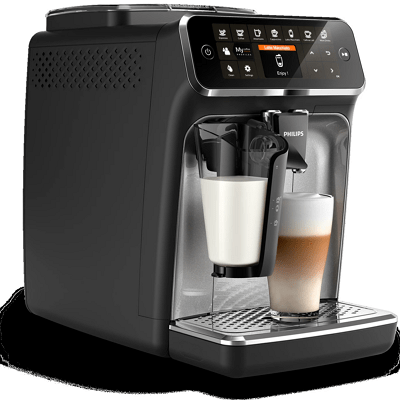
Late-2025 snapshot: UK ~£500–£700, CA ~C$900; US availability varies (refurb bundles common).
Affiliate disclosure: Coffeedant is funded by affiliate links that may earn a commission at no extra cost to you.
Philips 4300 LatteGo
A compact superautomatic that gets profiles, cleaning, and daily cadence right. Two profiles plus a guest mode keep shared kitchens sane, LatteGo keeps cleanup quick, and the TFT panel makes the core controls obvious.
At a glance
Overview
The 4300 focuses on what households use every day: simple profiles, quick milk cleanup, and a removable brew group you can rinse at the sink. Eight one-touch drinks, a 12-step ceramic grinder, and a TFT panel keep control clear. Foam is good for dairy and decent for plant milks. If you want the tallest foam, some rivals whip harder but are usually fussier to keep clean.
Pros
- LatteGo has no tubes and rinses in ~15 seconds
- Two profiles + guest prevents recipe overwrites
- Removable brew group keeps hygiene simple
- 12-step ceramic grinder is predictable and durable
- Narrow footprint with front-access water and waste
Cons
- Foam height with some plant milks can lag rivals
- Plastic casework lacks premium heft
- Macro grind steps limit fine-tuning
- US availability can be spotty; refurbished stock is common
Who it is for
- Households that want one-touch drinks, quick cleanup, and stable profiles.
- New espresso drinkers who prefer real beans to capsules.
- Shared kitchens where two profiles plus a guest keep peace.
- Small counters that need a narrow, front-access layout.
Who should avoid it
- Baristas chasing latte-art microfoam or light-roast clarity.
- Users who want 4+ profiles and a bigger drink list (look at 5400).
- Tinkerers who want micro-step grind control.
Drink menu
- Espresso
- Coffee
- Americano
- Cappuccino
- Latte Macchiato
- Café au lait
- Caffè crema
- Ristretto
Main features
- Two user profiles + guest (saves strength, length, and temperature).
- LatteGo 2-piece milk carafe, tube-free, dishwasher-safe.
- Ceramic grinder with 12 steps + pre-ground bypass.
- 1.8 L water tank, 275 g hopper, ~12-puck waste bin, 0.26 L carafe.
- TFT display with icon navigation.
- AquaClean filtration (up to ~5,000 cups between descales when replaced on schedule).
- Compact footprint: 246 W × 372 H × 433 D mm; ~8 kg.
Ownership tips
- Use medium to medium-dark beans for the easiest “set-and-forget” results.
- If you use plant milk, expect some brands to foam lower. Oat usually behaves best.
- Rinse LatteGo immediately after milk drinks. That is how you keep it effortless long-term.
- Rinse the brew group weekly (or more if you drink a lot of coffee).
- In regions with uneven stock, refurb bundles can be the best value-per-cup.
The Philips 4300 LatteGo is a fully automatic espresso machine designed for households that want clean workflow and minimal maintenance without giving up basic control over strength, volume, and temperature. It serves eight core drinks from whole beans, uses a ceramic burr grinder with 12 adjustment steps, and stores preferences for two users plus a guest.
The LatteGo carafe snaps on and off in seconds, has no milk tubes, and really does rinse fast. The removable brew group pulls out for a sink wash, the AquaClean filter delays descaling for thousands of cups, and the footprint is narrow enough for crowded counters.
Shop the essentials
The small upgrades that make a home coffee setup cleaner, smoother, and more enjoyable to use every day.

Cleaner & Descaler Tablets
Keeps your machine clean, helps prevent buildup, and protects long-term performance.
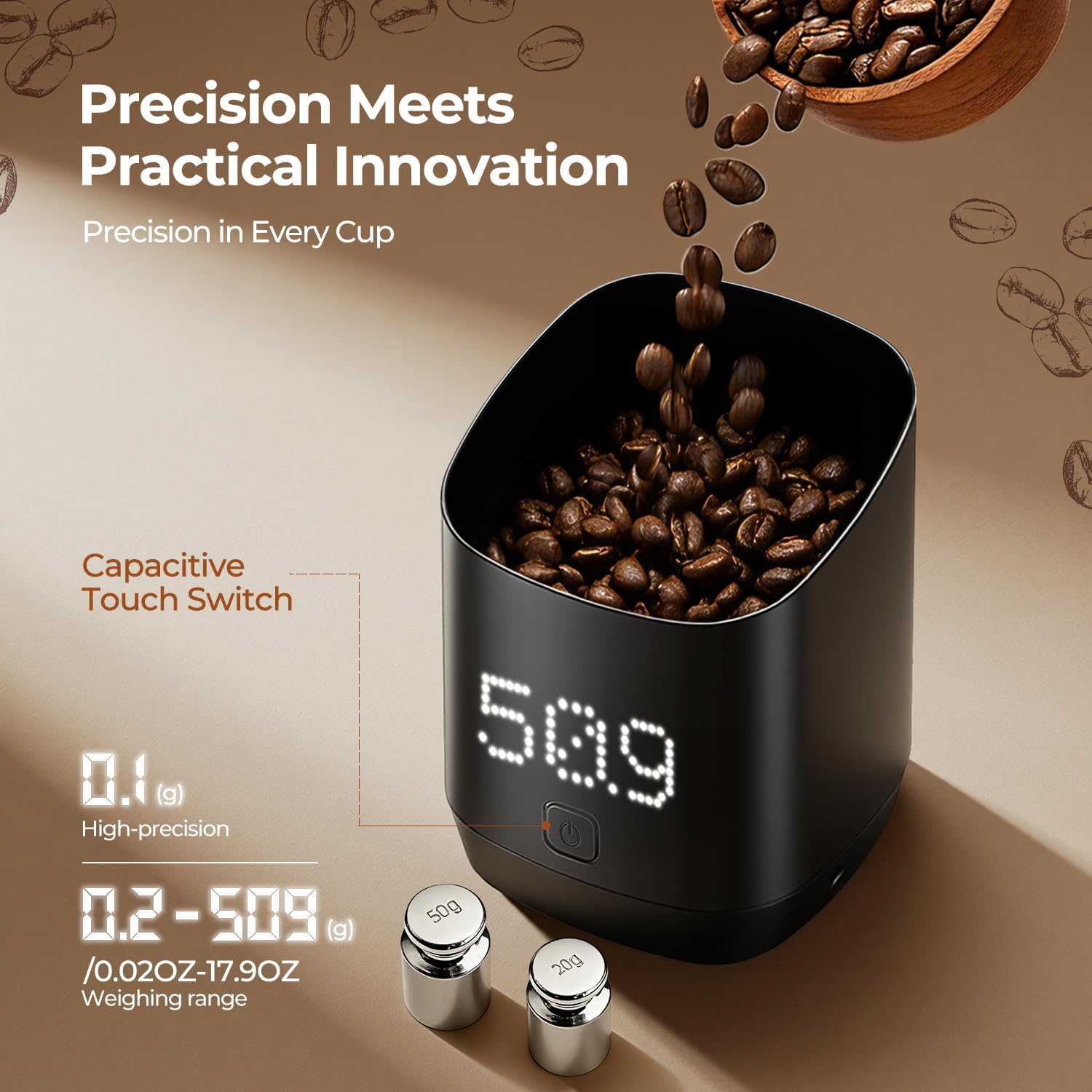
Digital Dosing Cup
Makes weighing beans faster and cleaner, with less mess around the grinder.
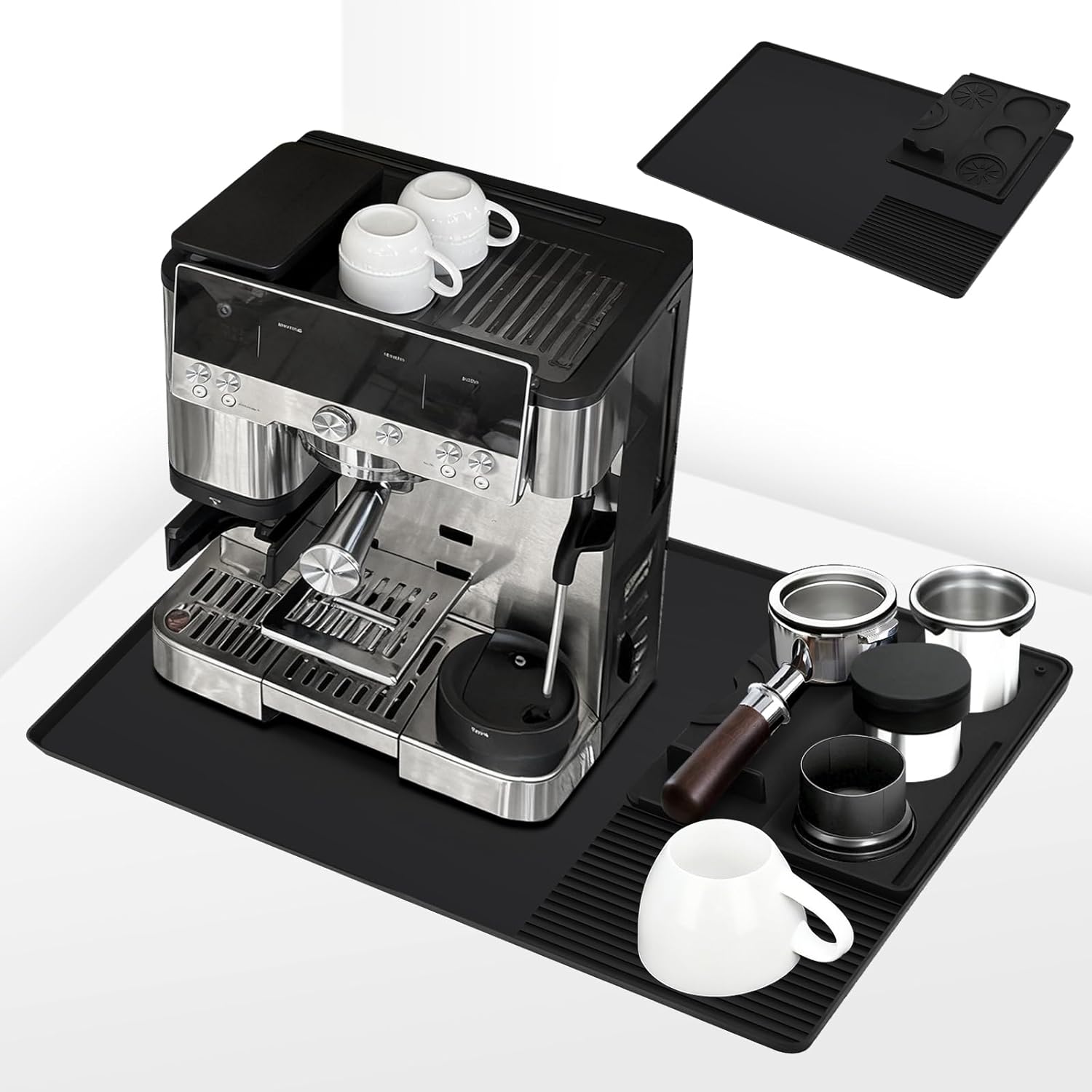
Silicone Mat
Protects your counter, catches spills, and gives your setup a cleaner working surface.

Vacuum Coffee Canister
Helps beans stay fresher longer by limiting air exposure after opening the bag.
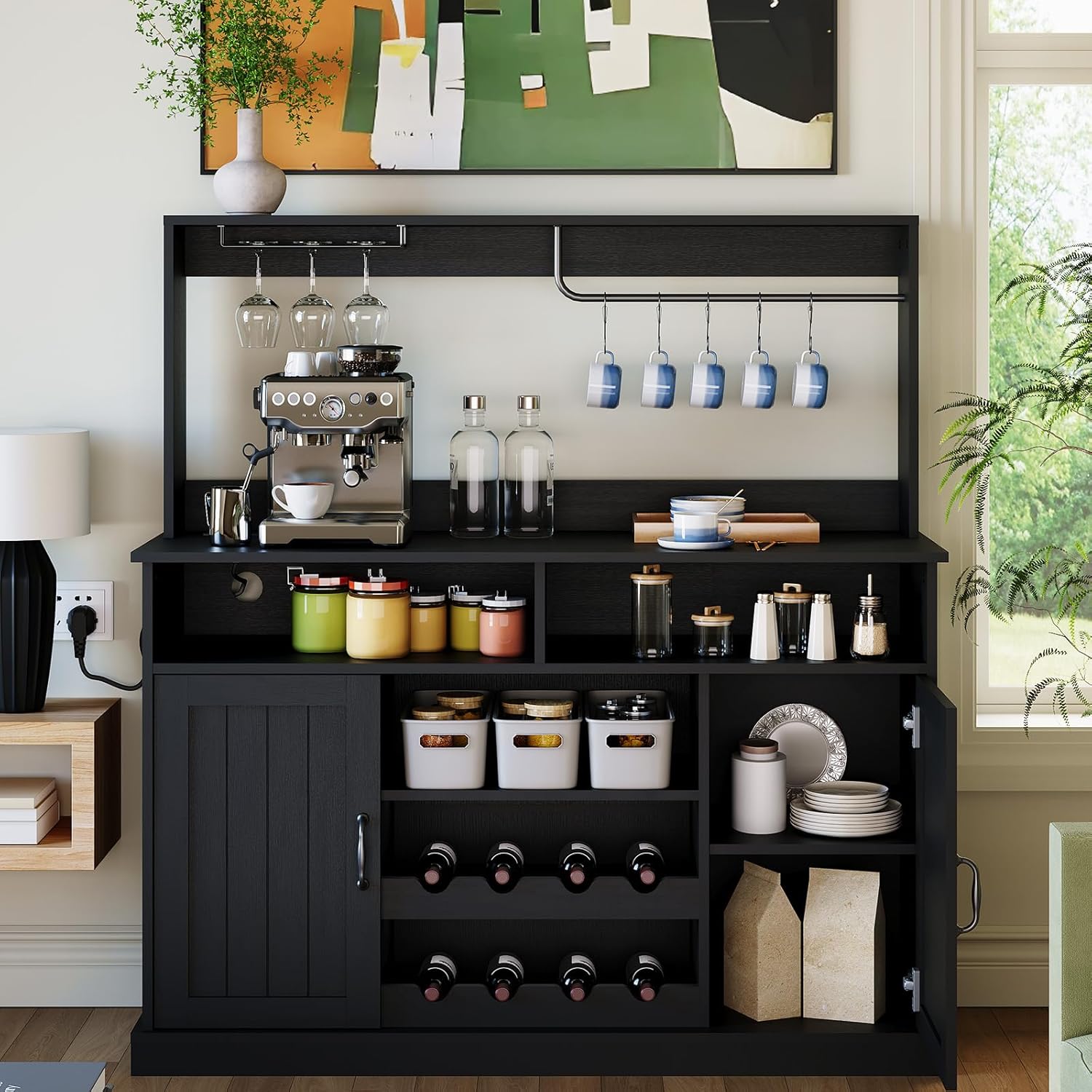
Farmhouse Coffee Bar Cabinet
Gives your machine, cups, beans, and accessories one dedicated home instead of cluttering the kitchen.
If you measure an espresso machine by how little it slows your morning, the 4300 delivers.
At a glance
- Architecture. Fully automatic bean-to-cup platform with a removable brew group, LatteGo automatic milk carafe, and a TFT control panel. Eight one-touch beverages with on-screen customization. Two user profiles plus a guest.
- Grinder. 100 percent ceramic conical burrs with 12 grind steps and a service life claim of 20,000 cups. Pre-ground bypass for decaf.
- Water and milk. 1.8 liter water tank, 0.26 liter LatteGo carafe, AquaClean filtration with up to 5,000 cups between descaling when you change filters as prompted.
- Capacity and footprint. Bean hopper 275 grams, used-grounds bin about 12 pucks, body 246 W x 372 H x 433 D mm, weight about 8 kg.
- Controls. My Coffee Choice for aroma strength and volume, adjustable temperature, two profiles plus guest, quick-clean for LatteGo, hot water spout.
- Pricing snapshot, late 2025. Often found near 500 to 700 GBP in the UK depending on finish and dealer, around 900 CAD in Canada, variable availability in the United States with refurbished stock in the 600 to 700 USD range, and wide promotion cycles in Australia. Local VAT and seasonal sales swing these ranges.
Glanceable specs
- Eight beverages from the panel: espresso, coffee, Americano, cappuccino, latte macchiato, café au lait, caffè crema, ristretto, plus hot water and milk froth as functions
- Ceramic grinder with 12 steps and long service life
- LatteGo two-piece milk carafe with no internal tubes, dishwasher safe, quick-clean routine
- Two user profiles plus a guest profile
- 1.8 liter water tank, 275 gram hopper, 12-puck waste bin, 0.26 liter milk carafe
- TFT display with icon navigation and drink customization for strength, length, and temperature
Build and design
Chassis and stance
The 4300 keeps a small footprint and a front-to-back layout that makes sense in tight spaces. At 246 millimeters wide and 433 millimeters deep, it slides into a corner without bullying the counter. The water tank loads from the front right. The brew group is behind a side door, which means you can remove and rinse it at a sink without tools. The design is mostly matte plastic with stainless accents, which is standard at this price. The finish hides fingerprints well, and the control panel is a simple TFT flanked by capacitive buttons that light clearly. The body size and decorative finish are confirmed on Philips regional pages.
Hopper, tank, and waste
The bean hopper is a 275 gram class container with a sliding aroma lid. The water tank holds 1.8 liters, which is a good match for a machine that purges briefly at power on and power off. The grounds bin takes about a dozen pucks before the display prompts you to empty it. These capacities appear consistently in Philips spec sheets and partner data sheets.
Grinder and grind steps
Philips uses hardened ceramic burrs with a 12-step adjustment. The steps are coarse compared to a prosumer stand-alone grinder, but they are generous for a superautomatic. Ceramic burrs reduce heat transfer during grinding, and Philips claims a service life around 20,000 cups before appreciable wear. The adjustment ring sits inside the hopper and is meant to be turned only while grinding. The 12-step ladder and longevity claim are present across the 4300 series product literature and retailer summaries.
LatteGo milk system
LatteGo is a two-piece carafe that locks to a spout mount. Milk and air mix in a cyclonic chamber, then discharge to your cup. There are no silicone milk tubes to clean. The carafe splits into two parts and a lid. Philips states you can clean it under the tap in about fifteen seconds or place the parts in a dishwasher. The convenience claim repeats across multiple official pages and is one of the system’s real advantages.
Controls and profiles
The panel is direct. Pick a drink, adjust strength, length, and temperature with the arrow keys, then brew. Two profiles store these preferences, and a guest profile lets visitors tweak without overwriting. The extra profile is a small feature that reduces household friction. Philips references the profile system and the way custom recipes save to a color-coded user slot in the 4300 materials and manuals.
Workflow
Warm-up and rinse
On power-up, the 4300 heats and runs a short rinse. The rinse wets and warms the path and the spouts. Let the rinse complete, then pull your first drink. A brief preheat of your cup helps because the machine is conservative about brew temperature to protect flavor and crema. The default rinse behavior and startup cadence are documented in Philips user manuals.
Grinding and strength settings
Set grind while the grinder is running. For a medium roast, start near the center of the 12-step ladder, set aroma strength to the middle level in My Coffee Choice, and pull a short espresso to taste. If shots run fast or taste thin, step finer while grinding and repeat. If the stream stalls or the crema looks overly dark and bitter, step coarser. Think in single steps at a time. The ceramic grinder and 12-step range are validated in the official documents.
Drink customization and profiles
Each drink exposes volume and strength on screen. Temperature adjustments are present on the 4300 series and are mild bump choices rather than wide swings. Save a favorite cup size for each user. When you switch profiles, your recipes come back. The profile behavior and on-panel customization live in the Philips spec sheets.
Milk service
Fill the LatteGo carafe to the line for your drink, clip it in, and select a milk drink. The system draws, aerates, and dispenses milk automatically. The carafe has measurement marks for common recipes and lifts off with one press. Rinse immediately after service or place the carafe parts in a dishwasher. Philips claims the carafe cleans in fifteen seconds and users can confirm the convenience quickly.
Bypass doser
The pre-ground chute sits ahead of the hopper. Use it for decaf or flavored beans you do not want in the grinder. One scoop at a time is the intended use. The presence of a bypass on 4300 trims is listed across Philips and dealer pages.
Espresso performance
Brew character
The 4300 favors balance and clarity over density. With sensible beans and the grinder set a notch toward fine, espresso has a persistent crema and a rounded body. This is typical of Philips’ Aroma Extract approach, which aims to hold brew water in a band between 90 and 98 Celsius while moderating flow. You will not get the syrupy mouthfeel of a prosumer 58 millimeter system without manual tweaks, but you can get sweet, steady cups that outperform capsule systems and many entry superautomatics. Aroma Extract is cited in the official product documentation and explains the 4300’s smooth baseline.
Dial-in strategy
Think in small moves. One grind step can be a noticeable change with these burrs. Keep strength at mid to high for espresso and ristretto. Use the shortest default volumes at first, then lengthen by ten to fifteen milliliters if a blend tastes concentrated. For light roasts, set the grinder finer and the temperature to high, then pull shorter shots to keep texture. For darker roasts, step coarser and drop temperature to medium or low to avoid bitterness.
Two-cup behavior
The machine doses and grinds twice for two coffees at once without milk, which maintains flavor better than stretching a single grind across two cups. Hold cup placement close to the spouts to keep crema intact. The two-cup capability for non-milk drinks is standard on the platform and shows up in retailer spec tables.
Noise and cadence
Ceramic burrs make a crisp grinding note. The pump and valves are audible but restrained compared to older superautomatics. If you brew before dawn, the 4300 will be heard but not resented. The quick LatteGo rinse keeps the milk path from lingering as a chore, which has more impact on morning cadence than a decibel figure would.
Milk steaming and texture
LatteGo strengths
LatteGo is genuinely easy to live with. The carafe has no tubes to soak. The two-piece design rinses quickly and the parts fit in a dishwasher basket without drama. For dairy milk, the texture trends to glossy foam with a relatively even bubble structure. For latte macchiato and café au lait, the default settings look and taste on brand for a superautomatic. Philips’ claims of simple cleaning and tube-free design are consistent on multiple official pages.
Where LatteGo lands in the market
Foam quality is credible for dairy but varies with plant milks. Reviews of the newer 4400 series, which uses the same LatteGo concept, note thinner texture on some non-dairy milks compared to competitors with more aggressive frothing systems. If your household is plant-milk only and you demand high, dry foam, De’Longhi’s LatteCrema units tend to whip more aggressively at similar price points, though you trade cleaning simplicity. The TechRadar 4400 and 5500 coverage illustrates these trade-offs and maps closely to the 4300 experience since the milk path concept is shared.
Practical tips
Chill milk, use a clean carafe, and keep the outlet spout close to the cup to reduce heat loss. For cappuccino texture, pick the smaller cup size and higher strength setting so the coffee component does not get lost under foam. For café au lait, use the low temperature coffee profile and a larger volume to keep the drink soft.
Maintenance and reliability
Removable brew group
This is the Philips advantage many owners appreciate. Open the side door, press the latch, pull the brew group, and rinse the assembly under warm water. Let it dry, then apply a thin line of food-safe grease on the rails and cam every month or two depending on usage. The manual includes diagrams that show where to grease and how to reinsert the group safely.
AquaClean filtration
Install the AquaClean filter, tell the machine you did, then replace the cartridge when prompted. If you keep up with changes, Philips states you can go up to 5,000 cups before the machine asks for a descale. Actual numbers vary by usage, but the filter does reduce scale load and maintenance time. The 5,000 cup claim appears on Philips AquaClean product pages and is referenced across the 4300 line.
LatteGo cleaning
Rinse the carafe immediately after use. If you forget and milk dries, pop the pieces in the dishwasher. Philips includes a quick-clean program that flushes the milk path to the carafe, which is helpful during busy mornings. The documents confirm quick cleaning and dishwasher safety for the LatteGo parts.
General hygiene
Empty the drip tray and the grounds bin as prompted. Wipe the front panel. Run a cleaning tablet cycle on schedule if your beans are oily. Grease the brew group regularly. The manuals and support pages are specific and include short videos for removal, cleaning, and reinsertion of the group.
Descaling
When you eventually reach a descale, the machine guides you through the cycle. Expect to budget about a half hour. Use a Philips-approved descaler to protect aluminum and seals. The regional manuals describe the steps clearly.
Espresso and drink menu
Core drinks on the panel
The 4300 offers eight drinks on its main interface. The list is consistent across Philips regions and dealer sheets and typically includes espresso, coffee, Americano, cappuccino, latte macchiato, café au lait, ristretto, and caffè crema. Milk froth and hot water are available as functions rather than counted as drinks, which keeps the panel clean. The eight-drink promise appears across product pages and spec PDFs.
Why the list matters
You get the important milk drinks without scrolling through niche recipes. That keeps the interface fast. If you want twelve or more one-touch recipes or more user profiles, you are shopping the 5400 series and up. The 5400’s expanded list and profile count are documented on Philips pages and in press materials for that line, and it exists as the step beyond the 4300.
Competitive comparisons
Philips 3200 LatteGo
The 3200 series sits below the 4300. It usually offers five one-touch drinks depending on variant, a simpler display, and no user profiles. If you do not need profiles and you want to save money, the 3200 is a clean budget choice with the same easy LatteGo carafe. The 4300 wins on profiles, a nicer TFT, and a broader drink list. Official and retailer pages distinguish the 3200’s smaller menu and simpler UI.
Philips 5400 LatteGo
The 5400 is the dressed-up sibling. You get more drinks on tap and four user profiles in many regions. If you share a machine among several people with strong preferences, the 5400’s profile count and broader menu pay off. If you care more about cleaning speed and the core eight drinks, the 4300 saves money and counter two clicks. The 5400 drink count and profiles are widely noted in Philips marketing and roundups.
De’Longhi Magnifica Evo
De’Longhi’s Magnifica Evo line competes on price, milk foam height, and user-friendly icons. LatteCrema can produce firmer foam than LatteGo in many cases, especially with certain plant milks, though you accept a tube-and-carafe design that needs more cleaning. Several Evo trims ship with five one-touch drinks, a 1.8 liter tank, and a 250 gram hopper, which squarely overlap 4300 on footprint and capacity. If foam height is your primary requirement and you do not mind the extra cleaning, an Evo with LatteCrema is a realistic alternative. The Evo specifications and LatteCrema claims are published on De’Longhi product pages.
Gaggia Magenta Prestige
Magenta Prestige offers twelve specialties on screen and a taller list of milk recipes. It has a 1.8 liter tank, a 250 gram hopper, a removable brew group, and a carafe-based milk system. The interface is more button-driven and the carafe carries a tube, so cleaning is slightly busier than LatteGo. If you want a wider drink catalog in the same footprint, Magenta is a fair competitor. If you want less cleaning friction and profiles, Philips holds the line. Gaggia specifications are clear on the official product page.
Jura E8
Jura’s E8 is a tier above in price and polish. You get a refined interface, a heavy chassis, and Jura’s milk system with automatic rinse routines. You do not get a removable brew group and you pay a premium for proprietary maintenance products. If budget is wide and you want a quieter, more premium feel, the E8 is an aspirational competitor. If you want easy hands-on cleaning and to spend less than half as much in many regions, the 4300 is the value pick. Jura specs and pricing sit in a higher bracket and are documented across reviews and dealer listings.
Real-world numbers and notes
- Dimensions 246 W x 372 H x 433 D mm, weight about 8 kg, finish variations by market.
- Water tank 1.8 liters, bean hopper 275 grams, grounds bin around 12 pucks, LatteGo carafe 0.26 liters.
- Eight beverages on panel with TFT navigation, two user profiles plus guest profile.
- Ceramic grinder with 12 steps, up to 20,000 cup durability claim.
- AquaClean up to 5,000 cups between descaling when filters are replaced on schedule.
- Typical late-2025 pricing: UK listings often 500 to 700 GBP depending on trim and retailer, Canada near 900 CAD on common EP4347 stock, US supply sporadic with refurbished EP4347 units near 600 to 700 USD, Australia subject to retailer promotions. Always verify local availability and included accessories.
Strengths
- Daily speed and cleanliness. The LatteGo carafe has no tubes, rinses in seconds, and goes in the dishwasher. That changes milk-drink frequency because cleanup is not a tax.
- Profiles that reduce friction. Two user profiles plus guest keep peace in shared kitchens and return your recipes without fiddling.
- Removable brew group. You control hygiene and can keep the core of the machine clean with a sink rinse, which many rivals do not allow.
- Good grinder for the class. Twelve steps on ceramic burrs deliver predictable adjustments and stable flavor over time.
- Sensible footprint. Narrow width and front access make it friendly to crowded counters.
Trade-offs
- Milk foam height on plant milks. LatteGo produces pleasant texture with dairy and some alternatives, but it is not the tallest foam in class. Reviews of sibling models reach similar conclusions.
- Plastic feel in places. The body is durable enough for daily use, though it lacks the metal heft of pricier machines.
- Twelve steps are still macro. You get a reasonable ladder, yet you will not micro-tune like you can with a separate prosumer grinder.
- US availability can be spotty. The EP4347 has been listed as unavailable on some Philips US pages, so buyers often rely on third-party or refurbished stock.
Scores
- Build quality: 8.1
- Temperature stability and brew consistency: 8.0
- Grinder quality: 8.2
- Milk system performance: 7.9
- Workflow and ergonomics: 9.0
- Cleaning and maintenance: 9.2
- Value: 8.5
Overall: 8.4
Verdict
The Philips 4300 LatteGo is the quiet professional in a class crowded with flashy panels and long drink lists. It focuses on what households actually use and smooths out the chores that stop people from making coffee every day. The removable brew group is easy to clean. The LatteGo carafe snaps off and rinses in seconds. The grinder has enough adjustment to suit a wide range of beans. The panel stores two sets of preferences and keeps guests from overwriting them. The machine asks little, and it gives predictable cups that taste like your beans.
This is not a barista toy, and that is the point. If you want latte art practice or to push Nordic-light roasts into syrupy shots, you are shopping manual or prosumer gear. If you want a solid superautomatic that respects your time and gives you enough control to steer flavor, the 4300 is in the sweet spot. Watch pricing cycles and regional availability. In the UK and Canada it is routinely competitive against rivals with more complex milk systems that demand more from your sink. In the United States you may encounter refurbished units or bundles, which can still be a smart buy if the warranty is clear. On balance, the 4300 is the right recommendation for small households that want clean counters, quick cups, and fewer reasons to skip a morning drink.
TL;DR
Compact bean-to-cup machine with a ceramic grinder, two user profiles plus guest, eight one-touch drinks, and an easy LatteGo milk carafe that has no tubes and rinses fast. The removable brew group is sink-washable, AquaClean filters delay descaling for thousands of cups, and the 1.8 liter tank and 275 gram hopper are sized for daily use. Milk texture is good for dairy and decent for plant milks, although not the tallest foam in class. Pricing is friendly in many regions, with occasional stock gaps in the US. If you value quick cleanup, reliable profiles, and predictable cups, the Philips 4300 LatteGo is a smart purchase.
Pros
- LatteGo carafe has no tubes and cleans in about fifteen seconds
- Two user profiles plus a guest mode
- Removable brew group for simple, thorough cleaning
- Ceramic grinder with 12 steps and durable burrs
- Narrow footprint with front access to water and waste
Cons
- Foam height on plant milks can lag rivals with more aggressive frothing systems
- Plastic casework lacks the premium feel of higher-priced machines
- Macro grind steps limit precision compared to separate grinders
- US availability for EP4347 is inconsistent, often pushing buyers to refurbished stock
Who it is for
- Households that want one-touch drinks, quick cleanup, and stable profiles
- New espresso drinkers who prefer real beans to capsules and do not want a maintenance burden
- Coffee fans who share a machine and want their recipes to survive roommates and guests
- Small kitchens where a narrow, front-access machine is a better physical fit
Philips 4300 LatteGo — FAQ
Is the LatteGo carafe really tube-free and easy to clean?
Yes. LatteGo mixes milk and air in a small chamber and has no internal milk tubes. It splits into two pieces plus a lid and rinses in seconds or goes top-rack in the dishwasher.
How many profiles does the 4300 store?
Two user profiles plus a guest profile. Each saves strength, volume and temperature per drink.
Does it have a bypass for pre-ground coffee (e.g., decaf)?
Yes. Use the bypass doser ahead of the hopper. Add one scoop at a time as intended by the design.
What drinks are on the main panel?
Eight one-touch beverages: espresso, coffee, Americano, cappuccino, latte macchiato, café au lait, caffè crema and ristretto. Hot water and milk froth are functions.
What are the water and bean capacities?
Water tank 1.8 L, bean hopper 275 g, grounds bin ~12 pucks, LatteGo carafe 0.26 L.
How should I set the grinder and temperature on day one?
Start near the middle of the 12-step ladder, set strength to the middle level and temperature to High. Adjust one grind click at a time while the grinder is running.
How often will I need to descale with AquaClean installed?
If you replace the filter when prompted, Philips states up to 5,000 cups between descales. Actual intervals vary with water hardness and usage.
Can it make two coffees at once?
Yes for black coffees. The machine grinds and brews twice to maintain flavor across both cups.
Any tips for better plant-milk foam with LatteGo?
Use “barista” versions of plant milks, keep milk cold, reduce milk volume slightly and place the cup close to the spout to limit heat loss. Foam height can still be lower than some rivals.
What are the dimensions and weight?
Approx. 246 W × 372 H × 433 D mm; about 8 kg. Narrow width fits tight counters.
We’ve categorized the best espresso machines for every kind of buyer
Find the right shortlist faster, whether you want convenience, a beginner-friendly setup, a smaller footprint, or better value at a given budget.
Best Superautomatic Espresso Machines
One-touch picks for speed and convenience.
Best Espresso Machines for Beginners
Easy-to-use machines with a smoother learning curve.
Best Small Espresso Machines
Compact machines for tighter kitchens and counters.
Best Espresso Machines With Built-In Grinder
All-in-one options with fewer extra pieces to buy.
Best Cheap Espresso Machines Under $500
Budget picks that still make sense for real espresso.
Best Prosumer Espresso Machines Under $1000
More serious machines with stronger value for the money.
Best Single Boiler Espresso Machines
Simple, space-saving picks for espresso-first routines.