
The Gaggia Anima Deluxe is a mid-tier super-automatic espresso machine priced around $700-850 that occupies a unique position in the market: more premium than budget alternatives, more hands-on than fully automatic competitors, and positioned as the “sweet spot” for users wanting Italian espresso quality without luxury pricing. The machine delivers consistent, good-quality espresso with its ceramic flat burr grinder and semi-automatic milk frothing, though reliability issues and limited grind settings (only 5) represent significant trade-offs compared to competitors offering 10-13 settings at similar prices.
This matters because the Anima Deluxe targets users caught between wanting convenience and maintaining control—those upgrading from pod machines but not ready for manual espresso, or experienced users downsizing from semi-automatic setups. However, October 2025 availability appears limited across retailers, suggesting the model may be transitioning out of active production as Gaggia shifts toward newer lines like the Cadorna series. The machine excels for occasional milk drink users who don’t want to refrigerate carafes, but questions about long-term reliability (common failures around 6 months to 2 years) and maintenance-dependent longevity make this a calculated purchase rather than a “buy it for life” investment.
Complete technical specifications reveal professional-grade components at mid-tier pricing
The Anima Deluxe measures 221mm x 340mm x 430mm (8.7″ x 13.4″ x 16.9″) and weighs 7.5-8.7 kg depending on the source, with a slim profile under 9 inches wide fitting most kitchen counters. The machine centers on a single stainless steel boiler with 15-bar Ulka reciprocating piston pump generating optimal 9-bar extraction pressure through an overpressure valve. Power consumption varies by region: 230V models draw 1,850W while 120V North American units use 1,500W, with heating time approximately 45 seconds from cold start.
The grinder represents the machine’s premium feature: 100% ceramic flat burr construction prevents heat transfer that burns coffee, offering longevity advantages over steel burrs in competing machines. However, only 5 grind settings limit precision compared to the DeLonghi Magnifica S (13 settings) or Philips 3200 LatteGo (12 settings). The grinder feeds Gaggia’s Adapting System that automatically adjusts dosing between 7-11 grams based on strength settings. A bypass doser accommodates pre-ground coffee.
Water system capacity hits 1.8 liters (60 oz) with top-loading access and capacitive sensor detection, accepting Brita/Mavea Intenza+ filters. The bean hopper holds 250g with an aroma-preserving lid, while the grounds drawer accommodates 15 spent pucks and the drip tray manages 24 oz (710ml). Cup clearance reaches 152mm, fitting travel mugs and tall glasses.
The removable patented Gaggia brew group represents Italian engineering heritage—rinseable under water without soap, featuring programmable pre-infusion and microswitch position detection. Temperature control offers three programmable levels: minimum 177.5°F (81°C), medium 182.9°F (84°C), and maximum 184.5°F (85°C), controlled via NTC variable resistor sensor. This range falls below the optimal 92-96°C espresso extraction temperature, with most users keeping machines at maximum setting.
The Cappuccinatore automatic frothing system distinguishes the Deluxe from base Anima models (manual Pannarello wand) and the Prestige (integrated carafe). It uses a siphon tube drawing milk from any container, creating cyclonic foam before dispensing into cups—a hybrid approach offering more flexibility than carafe systems without requiring manual technique.
Shop the essentials
The small upgrades that make a home coffee setup cleaner, smoother, and more enjoyable to use every day.

Cleaner & Descaler Tablets
Keeps your machine clean, helps prevent buildup, and protects long-term performance.
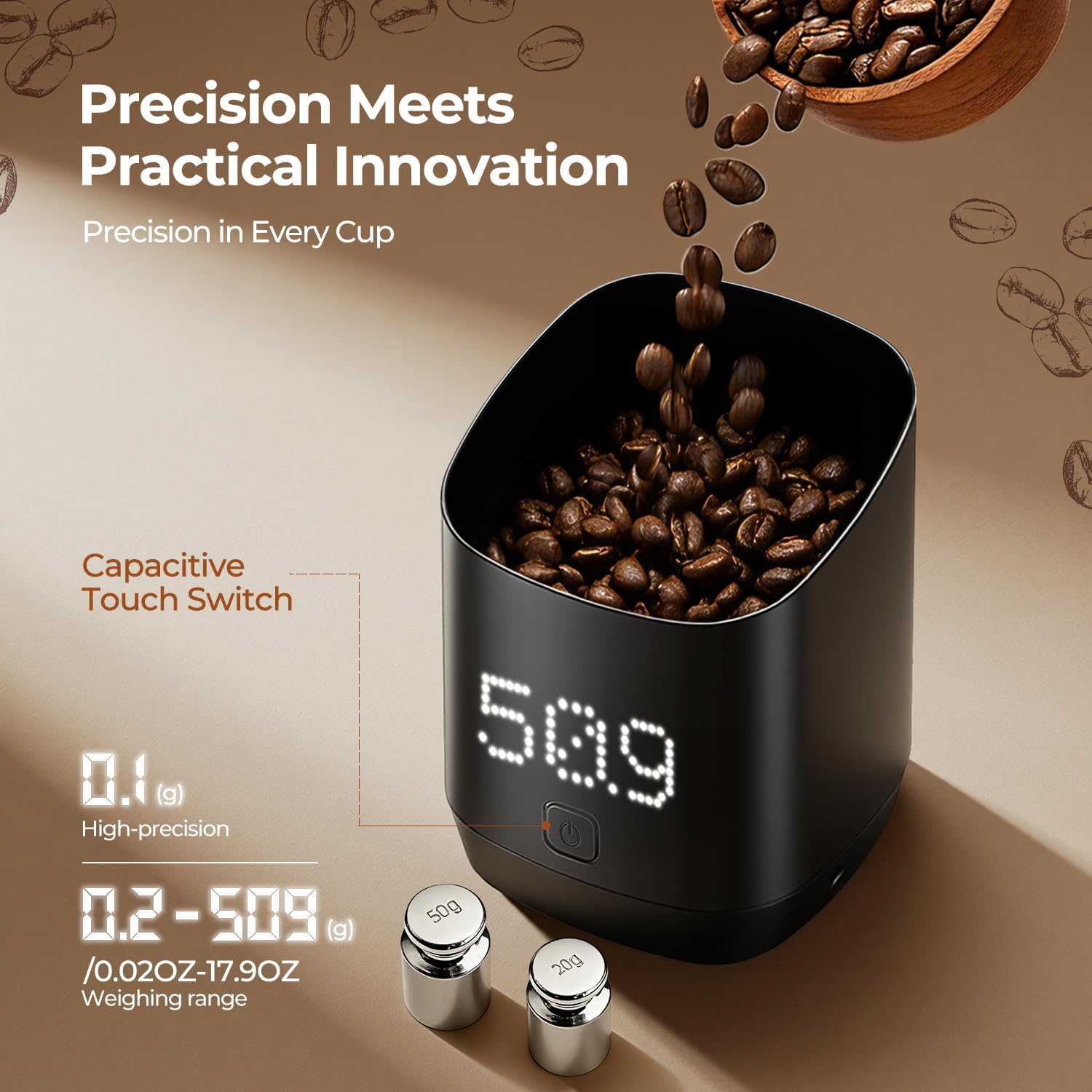
Digital Dosing Cup
Makes weighing beans faster and cleaner, with less mess around the grinder.
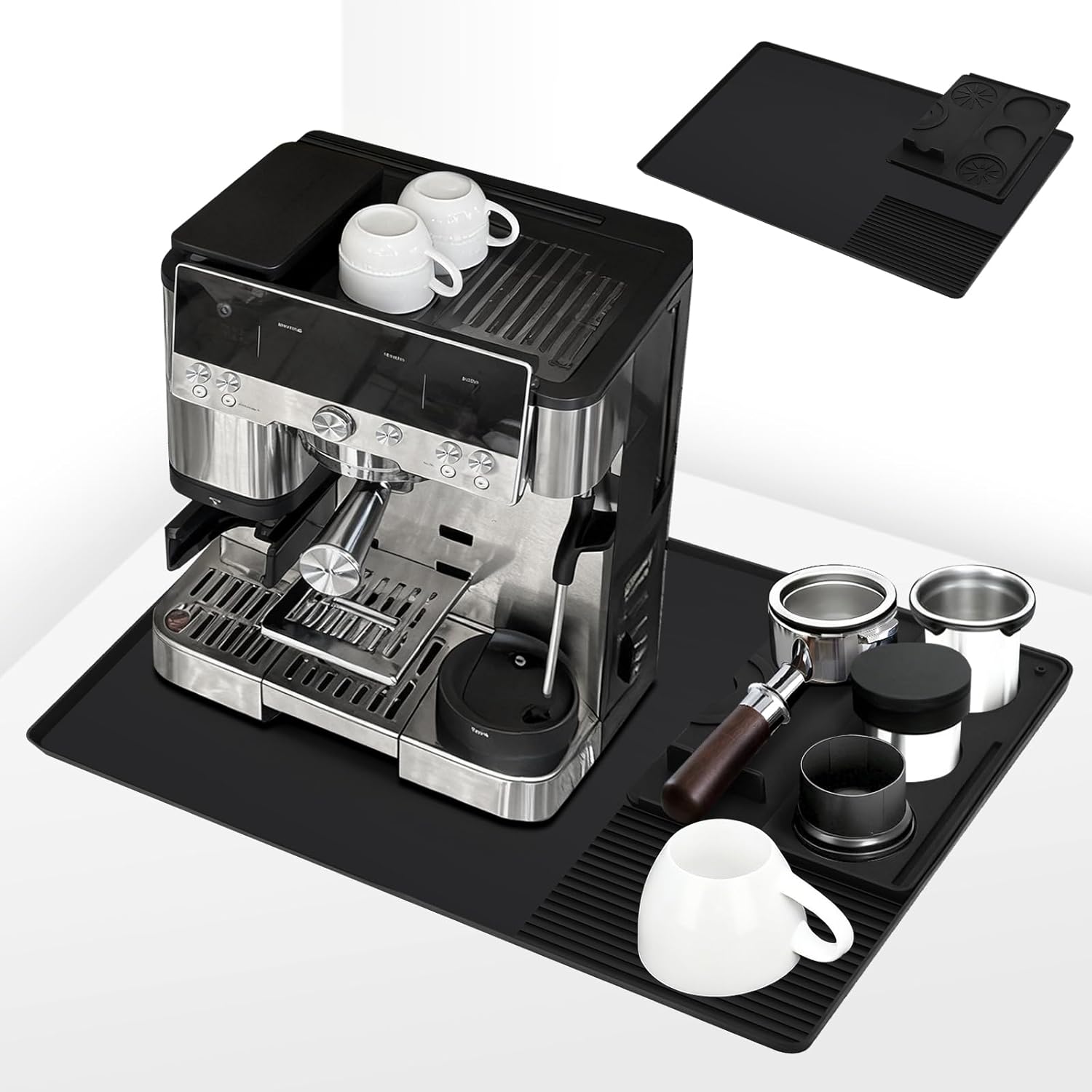
Silicone Mat
Protects your counter, catches spills, and gives your setup a cleaner working surface.

Vacuum Coffee Canister
Helps beans stay fresher longer by limiting air exposure after opening the bag.
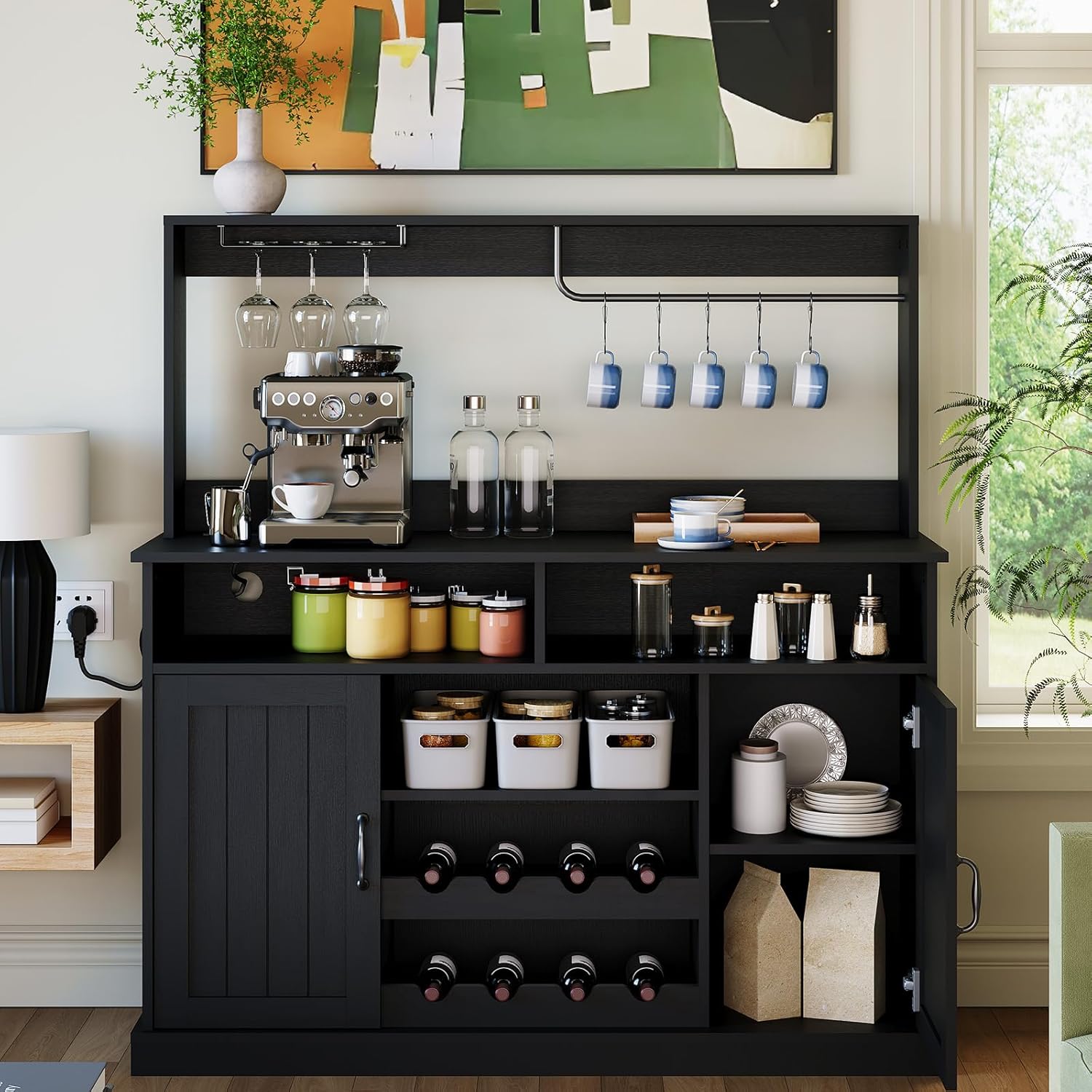
Farmhouse Coffee Bar Cabinet
Gives your machine, cups, beans, and accessories one dedicated home instead of cluttering the kitchen.
Pricing shows limited October 2025 availability suggesting model transition
Current pricing data for October 2025 proves difficult to obtain across major retailers, indicating the Anima Deluxe may be an older or transitioning model. Historical UK pricing through Gaggia Direct showed £529 for the Anima Deluxe versus £499 for base Anima and £569 for Anima Prestige, with original RRP at £699. US pricing typically positioned under $1,000, with the machine appearing in Best Buy systems under SKU 5099101 (model GAANIMADX) and Amazon US as ASIN B016RYODDW, though specific October 2025 prices aren’t displayed in current listings.
Model codes vary by region: RI8761/18 for UK/European markets, SUP043P as an alternative identifier, and various SKUs across retailers. The machine comes primarily in silver/stainless steel front panel with black thermoplastic body, manufactured in Italy maintaining Gaggia’s 75-year espresso heritage since Achille Gaggia invented the lever piston machine in 1948.
Warranty coverage includes 2 years parts and labor standard across most markets. UK buyers can access Gaggia Choice extended warranty reaching 5 years total by purchasing £50 in coffee/accessories annually during years 2-5. US coverage runs through authorized retailers like Whole Latte Love, while EU markets follow 2-year minimum consumer protection standards. Warranty excludes wear items (gaskets, seals), scale damage from inadequate descaling, and issues from improper maintenance—critical given the machine’s maintenance-dependent reliability.
Retailers checked include Amazon (US/UK), Whole Latte Love, Seattle Coffee Gear (physical location closed, moved to Kirkland WA in 2020), Williams Sonoma (website access restricted for non-US regions), Best Buy, Coffee-Direct.co.uk, and Recent Beans, though most show product listings without displaying current October 2025 inventory or pricing. This availability pattern suggests buyers should contact retailers directly or consider whether newer Gaggia models (Magenta, Cadorna series) represent better current-market options.
Coffee quality delivers good espresso with notable temperature limitations
Real users consistently describe the Anima Deluxe as producing “good” to “very good” espresso—rich, bold shots with decent crema when properly dialed in. However, Trusted Reviews notes that “compared with ultra-high-end bean-to-cup machines, the crema does tend to be a little less dark, a little less dense.” Coffee Maven’s assessment captures the reality: “For pure espresso drinkers? No matter how much I messed with the settings, I always got something that was just shy of amazing.”
The machine’s maximum brew temperature of 185°F (85°C) falls short of the optimal 92-96°C range professional baristas target, with users reporting the lower two temperature settings as “fairly useless.” This limitation proves more noticeable with light-roast specialty beans popular in third-wave coffee culture. Expert Reviews found that “straight out of the box, espresso quality wasn’t quite what I wanted, and the first shot was watery and weak… With our fresh and lightly roasted beans, the Anima needed to remain at its maximum settings… we’d have preferred an even finer grind.”
The machine performs better with darker Italian/French roast beans matching its heritage. Extraction consistency proves solid when properly maintained, with the Gaggia Adapting System automatically adjusting dose after several brewing cycles. However, the limited 5 grind settings restrict fine-tuning compared to competitors. Users report needing 2-3 shots before making adjustments to let the system stabilize, and achieving the professional 1:2 extraction ratio in 28-32 seconds proves challenging.
Temperature stability remains generally consistent once warmed up, though the lack of PID control means standard thermostat regulation. Users report milk drink temperatures around 125-135°F, which some find too cool. Pre-heating the machine for a few minutes before use and warming cups on the top surface improve results.
The pre-infusion function adds low-pressure water before full extraction, improving taste over machines without this feature. Five Optiaroma strength settings (extra mild to extra strong) adjust ground coffee quantity from 7-11 grams, with programmable memo functions saving preferred volumes. But as Coffee Blog notes: “You’re just not going to get the same level of precision with bean to cup” compared to semi-automatic machines with manual profiling.
Gaggia lineup positions Anima Deluxe as the questionable middle child
Within Gaggia’s portfolio, the Anima Deluxe occupies awkward middle ground that raises value questions. The base Anima (~$620) offers identical brewing performance, ceramic grinder, and specifications but substitutes a manual Pannarello steam wand for the Deluxe’s auto-frother—saving money while giving users more control. The Anima Prestige (~$699) adds only $170 over typical Deluxe pricing yet delivers true one-touch cappuccinos and lattes through an integrated self-cleaning milk carafe, representing significantly better convenience.
Below the Anima line sits the Brera (~$574), Gaggia’s most compact super-automatic at only 10 inches wide versus the Anima’s 13.4-inch height. The Brera offers smaller capacities (40oz water, 8 pucks versus 60oz and 15 pucks) and only 3 strength settings versus 5, but features superior stainless steel construction, front-loading reservoirs, and better build quality perception at lower price. For espresso purists in small spaces, the Brera delivers better value.
At the premium end, the Accademia ($1,999-2,499) represents Gaggia’s flagship with dual thermoblocks enabling simultaneous brewing and steaming, 8 grind settings versus 5, full-color touchscreen, 19 programmable beverages with 4 user profiles, and both auto-frothing carafe and commercial steam wand for latte art. The Accademia includes flow rate adjustment mid-extraction, programmable milk foam density, and adjustable pre-infusion—features justifying the 3-4x price increase for serious enthusiasts but overkill for casual users.
The Deluxe’s positioning problem: it costs more than the base Anima yet offers less control, while the Prestige costs only marginally more yet provides dramatically better convenience. This makes the Deluxe ideal only when: 1) the price gap to Prestige exceeds $200, 2) you prefer tube-based milk systems over refrigerated carafes, or 3) you want some automation without one-touch operation. For most buyers, either the base Anima or Prestige represents clearer value.
Competitive analysis reveals Philips LatteGo as strongest challenger
Against the DeLonghi Magnifica S (~$600-700), the Gaggia costs $50-150 more but offers ceramic versus steel conical burrs and auto-frothing versus manual wand. However, DeLonghi counters with 13 grind settings enabling superior espresso dialing and higher dose capacity (14-16g versus 11.5g) producing stronger coffee. DeLonghi’s advantage: better price-to-value ratio, more precise grinding, stronger espresso potential, and larger service network. Gaggia’s edge: premium grinder material, built-in display, beginner-friendly milk system, and Italian manufacturing pedigree. For pure value and espresso strength control, DeLonghi wins. For ease of use and premium feel, Gaggia edges ahead.
The Philips 3200 LatteGo ($680-775) emerges as the Gaggia’s strongest competitor, offering similar pricing with revolutionary advantages. Philips’ LatteGo milk system features just 2 parts, is completely dishwasher-safe, produces consistent microfoam, and cleans in 15 seconds—best-in-class by significant margin. Philips adds true one-touch cappuccinos/lattes (versus Gaggia’s two-step process), 12 grind settings versus 5, and AquaClean filter technology enabling 5,000 cups without descaling versus Gaggia’s standard 30-120 liter intervals. Both use ceramic flat burr grinders from the same Philips/Saeco parent company.
Philips wins decisively for: convenience seekers, families, beginners, anyone prioritizing minimal maintenance. Gaggia suits: users wanting more manual control, hotter espresso (Philips runs cooler), traditional machine feel, and those not always using milk (tube system more flexible than refrigerated carafe). Philips earns consistent recognition as “most beginner-friendly” and “lowest maintenance” in the category.
The Jura ENA 4 (~$999-1,099) costs $250-400 more but lacks any milk frothing system, limiting it to black coffee only. For that premium, Jura delivers Swiss precision, Pulse Extraction Process technology, superior espresso quality, whisper-quiet operation, and 10-15+ year longevity versus Gaggia’s 2-3 year realistic lifespan. Jura represents the best espresso quality in this comparison but serves completely different users—espresso purists drinking exclusively black coffee who value premium aesthetics. Unless you only drink black coffee and want absolute best quality, Gaggia’s milk capability and lower price make more sense.
The Saeco PicoBaristo ($1,199-1,499) costs $400-650 more than Gaggia while sharing the same parent company (Philips) and similar internal brewing platforms. PicoBaristo adds 11-12 one-touch specialty drinks versus 4, integrated milk carafe with HygieneSteam cleaning, 10 grind settings versus 5, AquaClean filter, and premium finishes. However, you’re paying significant premium for aesthetics and drink variety most users never utilize. Same essential grinder and brew unit quality means coffee output remains similar. Choose PicoBaristo for entertaining, premium design, and maximum convenience; choose Gaggia for excellent value using proven technology.
User experiences reveal maintenance-dependent reliability with common grinder issues
Amazon and forum reviews paint a bifurcated picture. Positive users praise: “Switched up from a baby Gaggia two months ago. The Anima Deluxe is much easier to make shots and froths milk perfectly. Easy to clean and well built” (5 stars). Another reports: “A superb machine with a great frother for cappuccino! Basic learning curve is fairly easy despite my general lack of knowledge.”
However, reliability problems emerge as the dominant concern. Multiple users report machines failing around the 6-month mark: “I have had this machine for 6 months. When it works, it makes terrific coffee. Problem is, it works only occasionally. It requires lots of routine maintenance” (1 star). Common failure patterns include front panel leaking (“I’d lose about a third of a shot with each draw down the front of the machine”), display failures (“The machine started on but there was nothing showing on the display… I am not the only one with the same issue”), and thermostat errors.
The “no beans” false error represents a widespread, documented problem where the machine incorrectly reports an empty hopper even when full. One workaround: “I lift and close the bean hopper cover momentarily 3-4 times during grinding process.” Root cause involves torque sensor magnets on the worm drive gear wheel triggering false readings. Coffee Forum discussions show this plaguing machines even under warranty, with some units requiring professional repair or replacement.
Additional common issues include: grinder clogs with oily beans requiring complete disassembly, brew unit squeaking indicating needed lubrication every 6 months, flow blockages from scale buildup or lack of maintenance, early milk frother attachment failures (“Within a month we had to get a replacement milk frothing attachment”), and entirely plastic casing raising durability concerns. As one reviewer notes: “When you think ‘reliable and durable,’ is PLASTIC the word that comes to mind?”
Long-term ownership data (2+ years) shows increased component failures: error code E11 (coffee boiler/temperature sensor), thermostat malfunctions (E14/E15), grinder chute breaks, and parts availability issues for consumer purchase. One 3-year owner reports: “The older machine has suddenly stopped working… The wrench error icon is currently stuck.” Maintenance proves critical—machines last well with proper care but fail prematurely without it. The pattern: Year 1 generally trouble-free, Year 2 when maintenance becomes critical and first major issues appear, Year 3+ when component failures more likely and repair costs approach replacement cost.
Suitability splits cleanly between beginners and experienced users
For beginners, the Anima Deluxe earns “excellent” rating. Users consistently report: “Basic learning curve is fairly easy despite my general lack of knowledge” and “Operating this super automatic espresso machine is about as easy as it gets.” The machine’s automatic grinding and brewing removes technique variables, making it genuinely hard to produce truly bad coffee. As Coffee Maven explains: “Super-automatic espresso machines put a ceiling on how good your espresso can be, but they also put a high floor on how bad it can be.”
The interface proves intuitive with dedicated buttons for espresso, lungo, strength adjustment (5 levels), and milk frothing. Gaggia Adapting System automatically learns optimal dosing after several brewing cycles, compensating for user inexperience. For families or multiple household members with varying skill levels, the Anima Deluxe delivers consistent results without requiring barista training. Milk frothing via Cappuccinatore requires no technique—simply place tube in milk container and press button.
For experienced users upgrading from semi-automatic machines, the Anima Deluxe represents significant compromises. Coffee Blog captures this: “I do still believe without a doubt that using a semi auto espresso machine gives you more control over the espresso, and gives the potential for better results as the home barista hones their craft.” Specific limitations include: only 5 grind settings versus stepless semi-auto grinders, no manual temperature control reaching optimal 92-96°C, no pressure profiling, inability to perfectly dial in 1:2 extraction ratio in 28-32 seconds, and “complete lack of manual customization.”
One Home-Barista forum user comparing to Breville semi-auto acknowledges super-automatics “can’t match the richness” but notes the speed advantage. Experienced users find the Anima Deluxe suitable only when prioritizing convenience over perfection, primarily consuming milk drinks (where espresso imperfections get masked), or wanting “ballpark” results without daily ritual. For serious espresso purists focused on straight shots and pursuing optimal extraction, semi-automatic machines with proper grinders deliver superior results despite increased effort.
The verdict: beginners won’t feel limited while learning and will appreciate consistent good results; experienced users accept trade-offs only when convenience and speed outweigh craft and control.
Setup and operation balance simplicity with hands-on involvement
Unboxing to first cup requires 20-30 minutes: position on level surface, fill 1.8L water tank, fill 250g bean hopper with fresh beans (avoid oily, extra-dark, or flavored varieties that clog grinders), install Cappuccinatore attachment, power on for automatic rinse cycle, set water hardness using included test strip, optionally install Intenza+ filter, prime system by running hot water through steam wand, run 2-3 test shots to flush factory residue, adjust grind setting (start at middle #3), then brew first espresso.
Critical setup note: only adjust grind while grinder is running (except 120V models requiring adjustment when off). Use included adjustment key on the measuring spoon’s underside to access the knob inside the bean hopper. Make only one click at a time and brew 2-3 shots between adjustments. The 5 grind settings range from finest (Setting 1 for light roasts and strong espresso) to coarsest (Setting 5 for dark roasts and lungo). Most users start at medium (Setting 3) working for most beans.
Dial-in recommendations: Begin with medium strength setting, brew 3-5 shots letting the Gaggia Adapting System self-learn dosing, then adjust grind if extraction time is off. Too fast (under 20 seconds) requires finer grind; too slow (over 35 seconds) requires coarser grind. Traditional espresso targets 30ml volume extracted in 25-30 seconds. The programmable memo function saves preferred volumes—press and hold espresso button until “MEMO” appears, let machine dispense coffee, press OK at desired volume.
Daily use reality: This is not a one-button cappuccino machine. Trusted Reviews clarifies: “You do need to be a bit more active participant… It’s not a ‘hit the button and walk off’ job.” Making cappuccinos requires first brewing espresso into cup, then engaging milk frothing separately and positioning cup under steam wand—a two-step process versus Prestige’s true one-touch operation. However, straight espresso/lungo preparation remains extremely simple.
The machine features auto-rinse on startup/shutdown, auto-shutoff after programmable idle periods (15/30/60/180 minutes), and convenient top-access water tank. Weekly brew group removal and rinsing takes 5 minutes with no soap required. Coffee Blog notes: “It’s just so quick and easy to use… In terms of ease of use, they couldn’t really have made things any more simple.”
Noise levels register as “fairly quiet” during grinding—”a tad louder than the Brera” but not enough to “wake the street up.” Heating time hits approximately 45 seconds from cold start, with machines reaching brewing temperature in under one minute.
Maintenance requirements prove intensive but manageable with proper routine
Descaling represents the most critical maintenance task, with frequency depending on water hardness. Without Intenza+ filter: very hard water requires descaling every 4 weeks (30 liters), hard water every 6 weeks (60 liters), medium water every 3 months (120 liters), soft water every 6 months (240 liters). Installing the filter doubles these intervals. The 30-45 minute descaling process requires Gaggia descaling solution exclusively—never vinegar, lemon juice, or mineral acid-based descalers that void warranty. Process cost: $10-15 per bottle.
Weekly brew group maintenance takes 5 minutes and proves essential: power off, remove brew group via red release button, rinse under warm water without soap, allow to air dry, wipe chamber with damp cloth, vacuum loose grounds. Monthly deep cleaning adds 15-20 minutes using Gaggia Coffee Clean Tablets or Puly Cafe ($15-20 per container).
Brew group lubrication every 500 cups or 3-6 months prevents squeaking and extends life. Apply food-safe lubricant ($10-12) sparingly to two side tracks/slides, gearing wheels, tamping piston, brew group o-ring, and boiler spout o-rings. Excess lubricant attracts coffee residue.
Milk system cleaning after each use involves automatic 30-60 second quick clean cycle prompted by machine. Weekly deep clean requires 10 minutes to disassemble Cappuccinatore completely (5-6 parts), wash with warm soapy water, and reassemble. Milk tube must be stored dry between uses to prevent mold. Other tasks include emptying drip tray and grounds container when indicated (must be done with machine ON to avoid sensor errors), weekly water tank hand washing, and periodic bean hopper wiping to remove oils.
Parts replacement schedule: brew group o-ring every 12-18 months or when leaking ($5-10), Intenza+ water filter every 2 months or 60 liters ($12-15 each), shower screen every 12-24 months ($5-8), ceramic grinder burrs 5+ years under home use ($50-80), and various gaskets/seals every 12-36 months ($20-40 service kit). Annual maintenance costs approximately $100-150 for descaler, filters, and cleaning tablets.
Critical maintenance wisdom: using filtered water or Intenza+ filter extends machine life dramatically, following descaling prompts prevents scale damage (not covered under warranty), and brew group lubrication prevents motor strain. As support documentation states: “Flow issues and blockages are typically due to lack of maintenance or excessive scale buildup.” Machines prove genuinely maintenance-dependent—proper care enables 2-3+ year lifespan; neglect leads to premature 6-month to 1-year failures.
Milk frothing system hits convenience middle ground between manual and one-touch
The Cappuccinatore uses cyclonic chamber technology to draw milk via tube from any container, automatically froth it, and dispense into cups. This semi-automatic system sits between Anima base’s manual Pannarello wand requiring technique and Anima Prestige’s integrated carafe offering true one-touch operation. Real-world performance delivers dense, creamy foam with stable microfoam holding several minutes—not silky as professional steam wand results but very good for automatic systems.
Trusted Reviews praises: “The milk system works very well… perfect balance.” Foam quality features small-to-medium bubbles (avoiding large Panarello bubbles) with proper temperature around 140-150°F without scalding milk. Best results require whole milk, cold (41°F), minimum 3% protein and 3.5% fat. Semi-skimmed cow milk and some lactose-free/soy alternatives work adequately; ultra-low fat and heavily processed alternatives perform poorly.
Cleaning difficulty rates 6/10—easier than manual steam wands requiring technique and manual purging, more maintenance than Prestige’s automatic carafe cleaning cycle, but less complex than one-touch systems. Daily quick clean cycle takes 30-60 seconds with automatic purge. Weekly deep clean requires 10 minutes completely disassembling into 5-6 parts, focusing on milk tube, dispensing nozzle, and air intake valve.
Common issues include milk tube retaining residue if not cleaned properly, tube cracking over time (replacement ~$15), and requirement for dry storage between uses. The tube-based system offers flexibility advantages: use any container (bottle, jug, mug) without refrigerating dedicated carafe, better for occasional milk drink users, and takes less counter/fridge space. However, it lacks Prestige’s elegance and walk-away convenience.
Compared to professional steam wands (like Gaggia Classic), the Cappuccinatore delivers more consistent results without skill but inferior microfoam texture and no latte art capability. Coffee enthusiast forums assess it as “not for latte art but great for drinks” and “good enough to please most home users.” The system works very well for its intended purpose—providing automated quality foam for casual users—but won’t satisfy those pursuing barista-level milk technique.
Compatible accessories focus on maintenance essentials over upgrades
Intenza+ water filter ($12-15 per filter, 2-month lifespan) earns highest value rating, reducing descaling frequency by 50%, improving taste, and preventing scale damage. Three settings (A/B/C) adjust based on water hardness. Genuinely useful and recommended for hard water areas—not just marketing.
Gaggia descaling solution ($10-15 per bottle) proves essential, formulated specifically for Gaggia machines with pH-balanced chemistry. Using non-approved descalers like vinegar or lemon juice voids warranty. Food-safe lubricant ($10-12) similarly earns high value for extending brew group life and preventing wear. Coffee clean tablets ($15-20) rate medium value—helpful for monthly deep cleaning but not strictly necessary with regular rinsing.
The single most impactful “upgrade” remains better coffee beans. Fresh-roasted beans, medium roast profiles, and avoiding oily beans (which clog grinders) dramatically improve results. Super-automatic machines prove especially sensitive to bean freshness and quality.
Accessories not worth it: aftermarket cleaning solutions offer no advantage over Gaggia products, third-party milk containers provide no benefit since any container works with the tube, and barista tools (tampers, distribution tools) don’t apply to super-automatic operation. The machine features built-in passive cup warming on top, eliminating need for separate warmers.
Budget for approximately $100-150 annually in essential maintenance supplies: descaling solution (2-4 bottles), water filters (6 per year if used), cleaning tablets, and periodic lubricant. This represents the true cost of ownership beyond purchase price.
Final recommendations depend on your specific use case and priorities
Buy the Gaggia Anima Deluxe if: You want Italian espresso quality at mid-tier pricing, prefer some hands-on involvement over full automation, make milk drinks regularly but don’t need one-touch operation, value ceramic grinder construction, can commit to weekly maintenance routines, understand this is a 2-3 year appliance rather than “buy it for life” investment, and find it priced below $750 where value proposition makes sense.
Skip the Anima Deluxe for: Anima Prestige if only ~$170 more since one-touch milk drinks justify the modest premium; Philips 3200 LatteGo if convenience and minimal maintenance are priorities; DeLonghi Magnifica S if budget matters most and you want more grind settings; Anima base if you prefer manual milk control and want to save money; Jura ENA 4 if you only drink black coffee and want best quality; or wait for newer Gaggia models since October 2025 availability suggests this model is transitioning.
The Anima Deluxe serves a precise audience: busy households wanting decent coffee without barista skills, beginners not ready for manual machine commitment, those who value convenience over perfection, and users willing to perform regular maintenance. It does not suit: perfectionists seeking café-quality espresso matching $2,000+ machines, users expecting true one-touch operation for all drinks, anyone unable or unwilling to maintain the machine weekly, or those requiring extensive grind precision with only 5 settings limiting optimization.
The reliability concern looms largest—multiple reports of 6-month to 2-year failures, grinder sensor issues, leaking problems, and component failures mean this purchase requires accepting potential repair costs or replacement within 2-3 years. With proper maintenance (filtered water, weekly brew group cleaning, timely descaling, regular lubrication), machines can last 3+ years. Without maintenance, expect premature failure.
As Trusted Reviews concludes: “While its audience is quite precise, the Gaggia Anima Deluxe aces what it is out to achieve.” The question isn’t whether it’s good—it’s whether what it achieves matches what you need. For the right user (convenience-seeking beginners or casual enthusiasts making occasional milk drinks), it delivers excellent value. For wrong users (perfectionists, those wanting maximum convenience, or those seeking appliance longevity), better alternatives exist at similar prices.
We’ve categorized the best espresso machines for every kind of buyer
Find the right shortlist faster, whether you want convenience, a beginner-friendly setup, a smaller footprint, or better value at a given budget.
Best Superautomatic Espresso Machines
One-touch picks for speed and convenience.
Best Espresso Machines for Beginners
Easy-to-use machines with a smoother learning curve.
Best Small Espresso Machines
Compact machines for tighter kitchens and counters.
Best Espresso Machines With Built-In Grinder
All-in-one options with fewer extra pieces to buy.
Best Cheap Espresso Machines Under $500
Budget picks that still make sense for real espresso.
Best Prosumer Espresso Machines Under $1000
More serious machines with stronger value for the money.
Best Single Boiler Espresso Machines
Simple, space-saving picks for espresso-first routines.