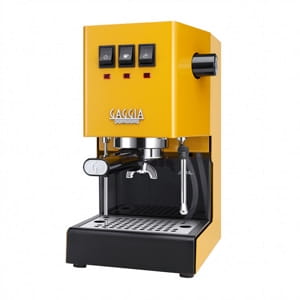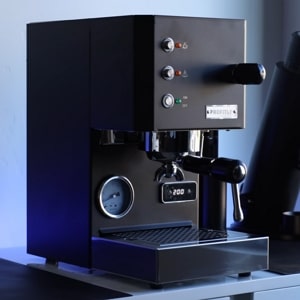
Best Overall for Most Homes

For most households, “best” means the machine that keeps espresso repeatable and makes milk drinks feel effortless without turning your counter into a hobby bench. Both picks below are true dual boilers, so you can brew and steam at the same time. The difference is ownership style: Elizabeth is the compact, low-drama daily driver; the Breville Dual Boiler is the value monster that rewards skill and exposes weak grinders.

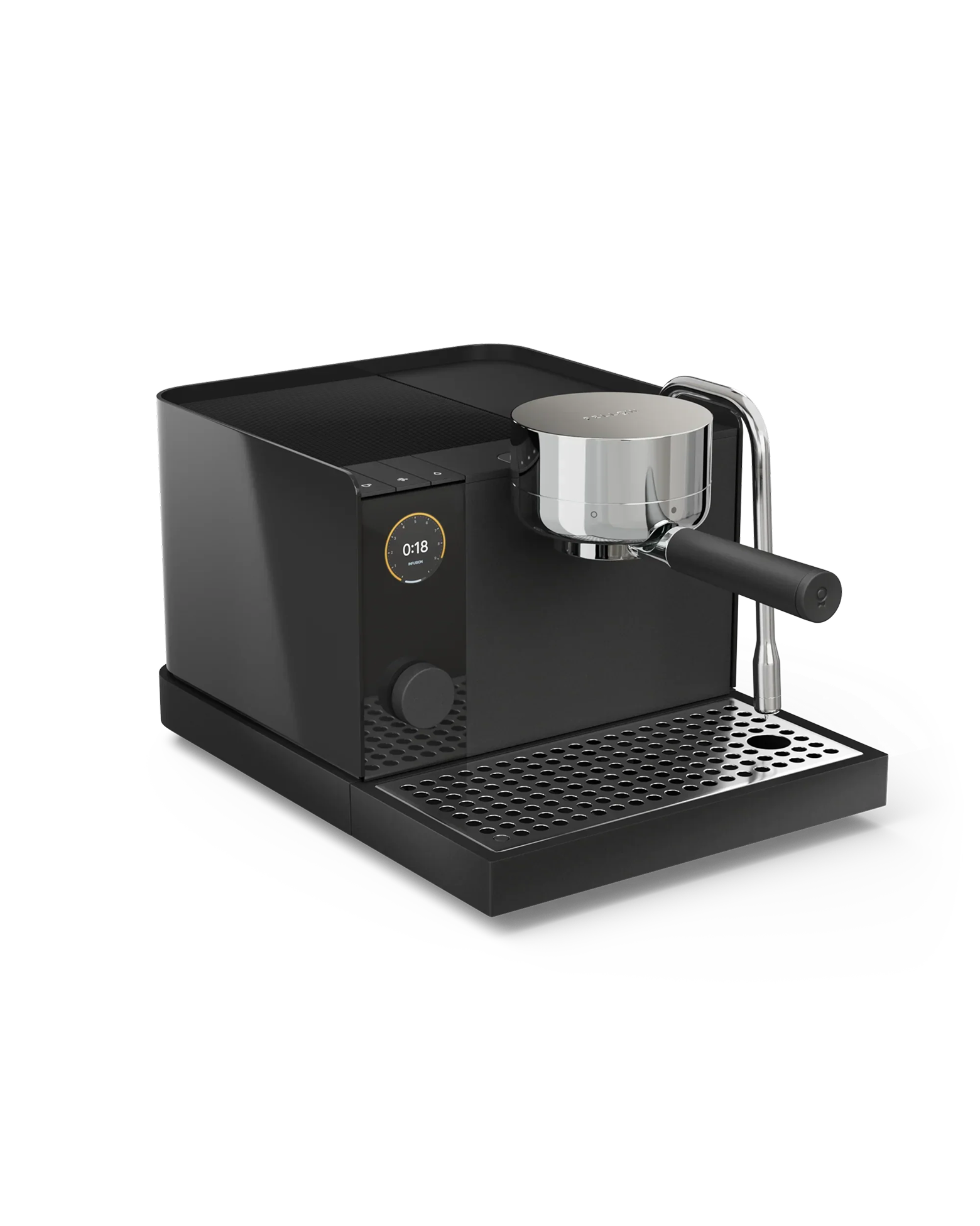
Lelit Elizabeth compact dual boiler espresso machine
Check price on Amazon

Typical price: $1,439.96 (varies by promos).

Read the full review

Lelit Elizabeth

Rating 4.4 / 5
Winner: best overall Compact dual boiler Dual PID Programmable pre-infusion Fast milk cadence Reservoir

Compact dual boiler that makes espresso-and-milk routines calm, fast, and repeatable without the “prosumer warm-up lifestyle.”

Overview

Compact dual boiler with independent PID, programmable pre-infusion, and real steam power for fast, repeatable service.

Pros

  • Excellent temperature stability after warm-up
  • Independent PID on brew and steam

Cons

  • Plastic steam-knob wear shows up in owner reports
  • No factory flow-control kit (ring group)
Features & Specs
  • Type: Semi-automatic (dual boiler)
  • Control: Independent brew/steam PID, programmable pre-infusion
  • Workflow: Brew and steam simultaneously
  • Best fit: Milk-forward homes wanting silky microfoam and quick back-to-back service
  • Avoid if: You need plumb-in or want factory flow-control as standard
Who It’s For / Not For
Great for
Milk drinks most days, small counters, people who want repeatability without a long ritual.
Not for
Plumb-in seekers and profiling-first tinkerers who want paddle control on day one.
Comparisons
  • Vs Breville Dual Boiler: Elizabeth feels more compact and calmer; BDB offers more programmability for less money but asks more of your grinder and prep.
  • Vs E61 dual boilers: Elizabeth trades classic looks and plumb-in options for faster “weeknight usability.”

Why it’s best overall: Elizabeth is one of the rare machines that makes sense for both the “two flat whites before work” crowd and the “I actually care about espresso flavor” crowd. The dual boiler layout is the big win: you can pull shots at a stable brew temperature while keeping steam ready, so milk drinks don’t feel like a slow sequence of mode switches. And because the machine is compact and programming-friendly, it feels like something you’ll use daily rather than admire occasionally.

Shop the essentials

The small upgrades that make a home coffee setup cleaner, smoother, and more enjoyable to use every day.

In real ownership terms, it hits the sweet spot of control vs drama. Independent PID control keeps the shot baseline steady, and programmable pre-infusion gives you a lever to improve light and medium roasts without turning every morning into an experiment. Steam power is strong enough for proper microfoam and quick recovery for a second drink. The downsides are straightforward: it’s reservoir-only (so water discipline matters), and it’s not the platform for “profiling-first” buyers who want a paddle from day one. If you want a machine that makes great espresso, steams like it means it, and doesn’t demand an E61 ritual to be consistent, this is the most balanced pick on the list.

Breville Dual Boiler (BES920) dual boiler espresso machine
Check price on Amazon

Typical price: $899.95 (varies by promos).

Read the full review

Breville Dual Boiler (BES920)

Rating 4.6 / 5
Alternative True dual boiler Triple PID 58 mm platform Programmable pre-infusion High value

Genuine dual-boiler architecture (brew + steam) with triple PID keeps extraction at set temp while you steam milk at the same time.

Overview

True dual boilers + triple PID. It’s a high-ceiling machine that saves time on milk drinks and rewards good grinding and puck prep.

Pros

  • True dual boilers + triple PID = ±2°F stability
  • Simultaneous brew & steam saves real time per drink

Cons

  • Steep learning curve, exposes prep mistakes
  • No grinder included; budget for a proper one
Features & Specs
  • Type: Semi-automatic (dual boiler)
  • Control: Triple PID, programmable pre-infusion
  • Workflow: Simultaneous brew + steam, fast milk cadence
  • Best fit: Value-driven enthusiasts who want dual-boiler power and control
  • Avoid if: You don’t want to buy a grinder or learn puck prep basics
Who It’s For / Not For
Great for
Milk-drink homes that want speed + control on a realistic budget.
Not for
Anyone trying to avoid learning curve, or anyone without grinder budget.

Why it’s the best alternative: The Breville Dual Boiler is still the “how is this so capable for the money?” pick. You get real dual-boiler workflow with serious temperature control and programmability, which means milk drinks are fast and espresso can be tuned intentionally. If you’re willing to learn, it gives you more headroom per dollar than almost anything else in the category.

The catch is that it doesn’t carry you. This machine expects you to show up with a grinder that can actually dial espresso and a prep routine that avoids channeling. If your grind is inconsistent or your puck prep is messy, the shots will be messy. Once you fix that, it becomes an incredibly consistent daily driver. It’s the alternative we recommend when someone wants dual-boiler performance but doesn’t want to spend “prosumer stainless box” money.

Also check

  • Rancilio Silvia Pro X – another dual boiler option with a more traditional prosumer feel.
  • Lelit Mara X – milk-first HX alternative if you want strong steam in a simpler platform.
  • Profitec GO – compact single boiler with PID for smaller kitchens and fewer milk rounds.
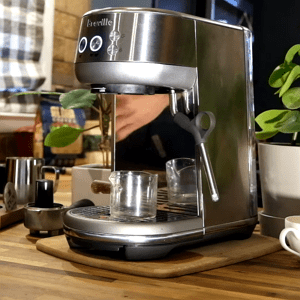
  • Breville Bambino Plus – beginner-friendly, fast heat-up, great when you want espresso without warm-up habits.
  • Lelit Bianca PL162T – step-up pick if you want enthusiast control and a longer runway.

Best for Beginners

Beginners don’t need “more features.” They need a machine that gives quick wins: stable enough extraction to learn dial-in, a workflow that doesn’t punish small mistakes, and milk steaming that feels achievable without ten failed pitchers. These two picks cover the two most common beginner paths: fast, low-fuss espresso (Bambino Plus) vs a long-term 58 mm platform you can grow into (Gaggia Classic EVO PRO).

Breville Bambino Plus compact thermoblock espresso machine
Check price on Amazon

Typical price: $449 (varies by promos).

Read the full review

Breville Bambino Plus

Rating 4.5 / 5
Winner: best for beginners 3-second heat-up PID stability Compact footprint Beginner-friendly steaming Low daily friction

The beginner pick because it’s fast, forgiving, and repeatable. You can make espresso on weekday mornings without “warm-up rituals.”

Overview

Fast heat-up and a forgiving workflow make it the easiest way to start making real espresso at home without committing to prosumer warm-up habits.

Pros

  • Extremely fast heat-up, easy to use daily
  • Stable enough to learn dial-in without fighting the machine
  • Compact and low-mess for small kitchens

Cons

  • Steam power is fine, not “host a brunch” powerful
  • Not a long-term tinkerer platform (no classic prosumer ecosystem)
Who It’s For / Not For
Great for
First-time espresso owners who want fast, repeatable drinks with minimal setup drama.
Not for
People making multiple milk drinks back-to-back, or buyers who want an upgrade-heavy prosumer path.
Beginner setup tip
  • Start with a pressurized basket only if you’re using pre-ground. Move to single-wall baskets as soon as you have a real grinder.
  • Use a simple baseline: 18 g in → 36 g out in ~25–30 s, then adjust by taste.
  • Milk: aim for 55–60°C and stop early. Overheating is the #1 beginner mistake.

Why it wins for beginners: Bambino Plus removes the two biggest early barriers: waiting and inconsistent baselines. Heat-up is basically instant, so you practice more and learn faster. And the machine is stable enough that when a shot is bad, it’s usually your grind, dose, or puck prep, not the machine doing something random.

It also suits real kitchens. It’s compact, it’s not fussy, and cleanup is quick. The trade-off is scale: if your household regularly makes multiple milk drinks in a row, you’ll want a stronger steam platform later. But as a first machine that gets you drinking espresso now, and learning properly over time, it’s the cleanest recommendation.

Gaggia Classic EVO PRO single boiler 58 mm espresso machine
Check price on Amazon

Typical price: $549 (varies by promos).

Read the full review

Gaggia Classic EVO PRO

Rating 4.5 / 5
Alternative 58 mm ecosystem 3-way solenoid Mod-friendly Compact metal chassis Upgrade path

The beginner alternative when you want a real 58 mm platform you can grow into, even if it’s more hands-on at first.

Overview

The “starter machine you won’t outgrow” because it’s a real 58 mm platform with serviceable internals and a massive accessory ecosystem.

Pros

  • 58 mm ecosystem and upgrade path
  • 3-way solenoid gives dry pucks and clean workflow
  • Mod community and parts availability are excellent

Cons

  • Needs proper warm-up for repeatability
  • Milk drinks are slower (single boiler workflow)
Who It’s For / Not For
Great for
Beginners who want to learn espresso properly and keep the machine for years.
Not for
Milk-drink-heavy households that need speed and simultaneous brew/steam.
Beginner warm-up routine
  • Give it real time to heat the group and portafilter. The “light” is not the same as “brew stable.”
  • Do a blank shot to preheat the basket and stabilize flow before dialing in.
  • If you steam, pull shots first, then switch to steam to avoid temperature swings.

Why it’s the best alternative for beginners: The Classic EVO PRO is the better pick when you want a machine you can keep and improve with for years. It uses a proper 58 mm ecosystem, parts are widely available, and the mod/upgrade path is real. The learning curve is steeper than Bambino, but the skills transfer cleanly to higher-end prosumer machines later.

The trade-off is workflow. Single boiler means you pull shots, then switch to steam, then wait for recovery. It’s totally fine for one or two milk drinks, but it’s slower when you’re making drinks for other people. If you want the “I can grow into this forever” beginner path, this is the one.

Also check

Best Budget (Under $300)

Under $300 is compromise territory. You can absolutely make enjoyable espresso, but you’re trading away one or more of the “adult features” that make ownership feel clean and repeatable: a 3-way solenoid (dry pucks and easy cleanup), heavier metal groups, stronger steam throughput, and long-horizon serviceability.

So our budget winner is the machine that gives you the most important thing at this price: a real learning path (pressurized now, standard baskets later) with PID stability and fast warm-up in a compact footprint. And our “stretch pick” is the point where you stop fighting the usual under-$300 downsides.

Gaggia Espresso Evolution EG2115 compact budget espresso machine
Check price on Amazon

Typical price: $249.95 (varies by promos).

Read the full review

Gaggia Espresso Evolution (EG2115)

Rating 3.9 / 5
Winner: best under $300 PID-controlled temp Fast thermoblock warm-up Compact footprint Pressurized + standard baskets Beginner learning path

PID-controlled espresso at true entry-level money, with a real upgrade path from pressurized baskets to standard baskets, plus quick warm-up and a compact footprint.

Overview

PID stability + fast warm-up + a genuine “learn and upgrade” basket path make this the most sensible under-$300 starting point.

Pros

  • PID-controlled brew temperature at true budget pricing
  • Pressurized and standard basket compatibility for a real learning path
  • Compact body and fast warm-up for everyday use

Cons

  • No 3-way solenoid: wet pucks, no backflushing
  • Plastic group and portafilter body raise durability questions
Who It’s For / Not For
Great for
First espresso machine buyers who want PID consistency, compact size, and a real progression path as they upgrade grinding.
Not for
Enthusiasts who insist on dry pucks, backflushing, 58 mm accessories, and long-horizon serviceability.
How to get the best results (budget reality)
  • If you’re using pre-ground: use the pressurized basket and focus on ratio and consistency, not chasing perfect timing.
  • If you have a grinder: move to the standard basket and aim for a simple baseline (1:2 in ~25–30 seconds), then adjust by taste.
  • Milk drinks: this tier makes “good home lattes,” not café throughput. Keep expectations realistic.
The under-$300 trade-offs (what you’re not getting)
  • No 3-way solenoid: your puck will be wet and cleanup is less tidy.
  • Limited ecosystem: fewer baskets/portafilters compared to 58 mm platforms.
  • Durability headroom: more plastic and lighter build means you’re buying value, not heirloom ownership.

Why it wins under $300: The Espresso Evolution is the rare budget machine that gives you a stable baseline (PID control) and a realistic way to grow. It can start life as a “make coffee now” machine with a pressurized basket, then become a proper learning tool once you add a capable grinder and move to the standard basket. That progression is the difference between a machine you use for a year and a machine that actually teaches you espresso.

Just go in with clear expectations. The lack of a 3-way solenoid means wetter pucks and a messier knock-out. Build is lighter and more plastic-heavy than prosumer machines. But at this price, the right goal is simple: consistent drinks, fast warm-up, and a platform that doesn’t trap you. For that, it’s the best budget call.

Breville Bambino Plus compact thermoblock espresso machine
Check price on Amazon

Typical price: $449 (varies by promos).

Read the full review

Breville Bambino Plus

Rating 4.2 / 5
Stretch pick 3-second heat-up PID stability Compact 9-bar extractions Lower regret

The “save up” choice that avoids the under-$300 pain points: faster daily workflow, better baseline stability, and fewer compromises that make you quit.

Overview

Consensus best “first real machine” because it’s fast, forgiving, and stable enough that your learning curve feels like progress, not chaos.

Pros

  • 3-second heat-up makes it a true daily driver
  • PID stability and pre-infusion improve repeatability

Cons

  • Fixed 200°F limits light-roast performance
  • Long-term serviceability and reliability vary by ownership conditions
Why this is worth stretching for
  • Less friction: under-$300 machines often sit unused. Bambino gets used because it’s ready instantly.
  • Better baseline: you spend more time learning grind and ratio, less time fighting the machine.
  • Lower regret: it’s less likely to be replaced quickly, which makes the “higher” price feel cheaper over time.

Why the stretch is worth it: If you can move your ceiling from “under $300” to “under $500,” Bambino Plus is where the regret rate drops hard. You get a faster, cleaner daily workflow and a more stable baseline that helps you learn properly. Under $300, you’re often accepting wet pucks, weaker build, and a narrower upgrade story. Bambino doesn’t solve everything, but it avoids the compromises that make people stop using the machine.

Also check

Best Compact Prosumer

“Compact prosumer” is a real niche: you want a machine that behaves like serious espresso hardware, but you don’t have space (or patience) for a large E61 box and long warm-up rituals. The two picks below solve that in different ways. Profitec GO is the compact PID single boiler that stays repeatable and honest for espresso-first routines. Lelit Mara X is the compact HX when milk drinks are the priority and you want stronger steam and simultaneous brew + steam.

Profitec GO compact PID single boiler espresso machine
Check price on Amazon

Typical price: $899.95 (varies by promos).

Read the full review

Profitec GO

Rating 4.4 / 5
Winner: compact prosumer PID control Shot timer 58 mm platform Fast warm-up Small footprint

A compact, number-driven single boiler that heats fast, times your shots, and keeps espresso repeatable in a real small-kitchen routine.

Overview

Compact PID single boiler with shot timer and 58 mm workflow. Best when you want espresso-first repeatability and can live with sequential milk workflow.

Pros

  • PID control + shot timer = fast dial-in and repeatable shots
  • 58 mm ecosystem and serviceable prosumer build
  • Small footprint fits real apartment counters

Cons

  • Single boiler milk workflow is sequential, slower for multiple drinks
  • No hot-water tap (americano workflow is less convenient)
Who It’s For / Not For
Great for
Espresso-first homes, small kitchens, users who want PID repeatability and a clear dial-in workflow.
Not for
Milk-drink-heavy households making multiple drinks back-to-back.
Compact workflow tips
  • Heat soak hack: lock the portafilter in while heating. Pull a short blank shot before dialing in.
  • Dial-in baseline: start at 18 g in, 36 g out in ~25–30 s, then adjust by taste.
  • If you steam: pull shots first, steam after. Purge wand thoroughly before and after.

Why it wins: Profitec GO is the compact prosumer choice because it gives you the two things that make espresso feel controllable at home: PID temperature control and a visible, repeatable workflow (shot timer, simple controls, 58 mm platform). If you’re pulling one or two drinks a day and you care about shot quality, it’s one of the easiest machines to live with in a small kitchen.

The trade-off is milk cadence. As a single boiler, it’s brew then steam. That’s fine for a daily cappuccino, but it’s not the machine for a Saturday round of four lattes. If your priority is espresso-first consistency in a compact footprint, GO is the best-balanced “prosumer feel without prosumer size” pick.

Lelit Mara X compact heat exchanger espresso machine
Check price on Amazon

Typical price: $1,699.95 (varies by promos).

Read the full review

Lelit Mara X

Rating 4.4 / 5
Alternative (milk-first compact) Compact E61 HX Strong steam Brew + steam Temp-managed modes Milk cadence

The compact HX that makes milk drinks fast, with temperature-managed modes that reduce the classic E61 flush dance.

Overview

A compact HX built for milk cadence, with temperature-managed modes that reduce the flush dance and make E61 feel more weekday-friendly.

Pros

  • Strong steam and simultaneous brew/steam for milk drinks
  • Modes reduce the typical HX cooling-flush fuss

Cons

  • Still an HX: needs some heat-management awareness
  • Longer warm-up habits than compact thermoblocks/single boilers
Who It’s For / Not For
Great for
Milk-drink homes that want prosumer steam and compact E61 build without jumping to a large dual boiler.
Not for
People who want “set temp, push button” espresso precision with zero heat-management thinking.
Milk-first workflow tip
  • If the machine has been idle hot, do a short flush before the first shot.
  • Steam first if you’re doing large milk rounds, then pull espresso and assemble quickly.
  • Use good water. HX machines reward water discipline long-term.

Why choose Mara X instead: If you’re milk-first and you want a compact prosumer box that can keep up, Mara X is the better daily experience. HX steam power plus simultaneous brew and steam makes lattes and cappuccinos feel fast, and the temperature-managed modes reduce the classic “flush dance” that turns many HX machines into a hobby.

It’s still an HX. That means you’ll learn a little rhythm around idle temperature and flushing. If you want “set temp, repeat forever” espresso precision, the GO is simpler. If you want compact E61 looks and strong milk cadence, Mara X earns its spot here.

Also check

Best for Milk Drinks and Back-to-Back Use

If you steam milk most days, “best” stops being about tiny flavor nuances and becomes about cadence: how fast you can pull a shot, texture milk, and repeat without waiting for the machine to catch up. That’s why this category is basically dual boiler territory. You want brew temperature stability and continuous steam power at the same time.

Our winner is the value dual boiler that’s still shockingly capable for real milk rounds. The alternative is the sturdier, more traditional prosumer dual boiler with a more “buy once” feel. And if you want the upgrade path into premium build, quiet rotary plumbing, and long-term counter ownership, there’s one clear step-up.

Breville Dual Boiler (BES920) dual boiler espresso machine for milk drinks
Check price on Amazon

Typical price: $899.95 (varies by promos).

Read the full review

Breville Dual Boiler (BES920)

Rating 4.6 / 5
Winner: milk drinks True dual boiler Triple PID Brew + steam Fast recovery High value

True dual boilers + triple PID. Brew at set temp while steaming milk at the same time, with the speed and recovery that makes back-to-back drinks realistic.

Overview

The best pick for milk drinks because it’s true dual boiler: brew and steam simultaneously, fast recovery, and stable temps that stay consistent through multiple drinks.

Pros

  • Simultaneous brew + steam makes latte rounds fast
  • Triple PID keeps espresso stable while steaming
  • Outstanding performance per dollar

Cons

  • Exposes weak grinders and sloppy puck prep
  • Less “heirloom” than classic stainless prosumer machines
Who It’s For / Not For
Great for
Milk-drink homes making multiple drinks back-to-back, especially if you value speed and temperature repeatability.
Not for
Buyers who refuse to buy a proper grinder or don’t want to learn puck prep basics.
Back-to-back workflow (the fast lane)
  • Pull espresso first, start steaming immediately, and assemble drinks as milk finishes. The dual boiler keeps both circuits stable.
  • If you’re doing 3+ milk drinks, keep milk volumes consistent so your steaming rhythm stays repeatable.
  • Use a clean baseline: 18 g in, 36 g out, adjust by taste. The machine is stable enough that your changes show clearly.

Why it wins for milk drinks: With a true dual boiler, you stop waiting. Espresso stays stable while you steam, and the machine recovers fast enough that “one latte” turns into “three lattes” without you watching temperature lights. That’s the daily quality-of-life upgrade milk drinkers actually feel.

The important caveat: this machine expects a real grinder and decent puck prep. If your grinder is inconsistent, the machine won’t hide it. But once the grind is right, it becomes one of the fastest, most repeatable milk-drink platforms you can buy for the money.

Rancilio Silvia Pro X dual boiler espresso machine
Check price on Amazon

Typical price: $1,990 (varies by promos).

Read the full review

Rancilio Silvia Pro X

Rating 4.5 / 5
Alternative Dual boiler Prosumer build Strong steam Long-term ownership Parts ecosystem

The more traditional prosumer dual boiler: sturdy build, strong service ecosystem, and a “keep it for years” ownership vibe for milk-heavy homes.

Overview

A sturdier dual-boiler alternative with prosumer build DNA and a long-term ownership feel for milk-heavy homes.

Pros

  • Prosumer build and strong parts ecosystem
  • Strong steam and consistent dual-boiler milk rounds

Cons

  • Less programmability and “hand-holding” than Breville
  • Higher price for the same core dual-boiler concept
Who It’s For / Not For
Great for
Milk-drink homes that value build quality, parts availability, and long-term serviceability.
Not for
Buyers chasing maximum features-per-dollar or the most guided workflow.

Why pick Silvia Pro X instead: If you want the more “traditional prosumer” answer, Silvia Pro X is it. You’re paying for a sturdier long-term ownership feel and a strong parts ecosystem. It’s the machine you buy when you care about serviceability and you want to keep it for years, not just maximize features per dollar.

Upgrade callout: If you want the premium version of this category, look at ECM Synchronika II. It adds a quiet rotary pump, tank-or-plumb flexibility, premium build, and long-term counter ownership vibes. It’s not “better because it’s pricier.” It’s better when you know you’ll keep the machine for years, want quieter operation, and want the option to plumb in later.

Also check

  • Lelit Elizabeth – compact dual boiler if you want speed without the bigger E61 footprint.
  • Lelit Mara X – HX option if you’re milk-first and want strong steam in a smaller body.
  • Lelit Bianca PL162T – upgrade path if you want flow control and profiling runway.
  • Profitec GO – if you make fewer milk drinks and want espresso-first repeatability in a compact box.
  • Breville Bambino Plus – if you want simpler, faster mornings and fewer prosumer habits.

Best Heat Exchanger for Milk-First Homes

If your household is mostly cappuccinos and lattes, a heat exchanger (HX) can be the sweet spot: strong steam, simultaneous brew + steam, and a more compact footprint than many dual boilers. The trade-off is that HX machines usually ask you to learn a little heat-management rhythm. That’s why most HX picks are either “enthusiast-only” or “flush dance required.”

Mara X is different. It’s one of the few HX machines that feels designed for real home routines, because it actively manages group temperature behavior to reduce the classic idle-overheat problem. If you want milk cadence and prosumer feel without stepping all the way into a large E61 dual boiler, this is the HX we actually recommend.

Lelit Mara X compact heat exchanger espresso machine for milk-first homes
Check price on Amazon

Typical price: $1,699.95 (varies by promos).

Read the full review

Lelit Mara X

Rating 4.4 / 5
Winner: HX for milk-first Compact E61 HX Brew + steam Strong steam Temp-managed modes Less flush fuss

The HX that kills most of the “flush dance.” Strong steam for milk rounds, with smarter temperature behavior so the first shot is easier to land.

Overview

A compact E61 HX tuned for milk-first homes. It keeps steam power strong while reducing the temperature “games” that make many HX machines feel like a hobby.

Pros

  • Strong steam and simultaneous brew/steam for quick milk rounds
  • Modes reduce cooling flush fuss compared to traditional HX machines
  • Compact prosumer build with classic E61 feel

Cons

  • Still an HX: you may need a short flush after long idle
  • Longer warm-up habits than thermoblocks/small PID single boilers
Who It’s For / Not For
Great for
Milk-drink homes that want strong steam, compact prosumer build, and a more weekday-friendly HX experience.
Not for
Buyers who want “set temp, no thinking” espresso precision or who refuse any heat-management learning.
Milk-first routine (fast and repeatable)
  • First shot after idle: do a quick flush if the machine has been sitting hot.
  • Steam cadence: purge, texture, purge again. Clean wand immediately to avoid baked-on milk.
  • Back-to-back drinks: keep your milk volume consistent and your pitcher angle repeatable. Steam power is there, technique finishes the job.
HX reality (what to expect)
  • HX advantage: you can brew and steam at the same time, with strong sustained steam.
  • HX trade-off: brew temperature is managed indirectly, so long idle times can change your first-shot behavior.
  • Mara X difference: its modes are designed to tame that behavior, so you do less “temperature guessing” than typical E61 HX machines.

Why it wins for milk-first homes: Mara X gives you the HX advantages that milk drinkers actually feel: strong steam and the ability to brew and steam at the same time. But it avoids the classic HX drawback where the first shot after idle is a guessing game. Its temperature-managed modes make the machine more predictable, which is why it works as a daily driver.

You still need good habits. If it’s been sitting hot, a quick flush can help. And because it’s an E61-style machine, it rewards warm-up discipline. But if your priority is milk cadence in a compact prosumer chassis, this is the HX we’d put on a real home counter.

Why this section is single-winner: HX machines vary a lot, and most alternatives either require more heat-management “flush discipline” or don’t deliver the same milk-drink cadence. Rather than padding the list, we keep this one tight: if you want a compact HX that behaves like a real daily driver, Mara X is the pick.

Also check

  • Breville Dual Boiler (BES920) – if you want milk cadence with more predictable brew temperature (true dual boiler).
  • Lelit Elizabeth – compact dual boiler that avoids HX heat-management habits.
  • Profitec GO – if you make fewer milk drinks and want espresso-first PID simplicity.
  • ECM Synchronika II – premium step-up if you want quiet rotary plumb-in capability and long-term ownership.
  • Rancilio Silvia Pro X – dual boiler alternative if you prioritize durability and parts ecosystem.

Best for Enthusiasts and Light-Roast Control

Light roasts don’t forgive vague machines. They amplify every weak link: temperature drift, inconsistent pre-infusion, pump spikes, and sloppy puck prep. So this category is for people who want control and repeatability, not just “better looking stainless.”

Our winner is the enthusiast platform that ships with the tool light-roast people actually use: a flow-control paddle that lets you manage the puck in real time. The alternative is the premium E61 dual boiler that nails build quality, quiet operation, and an OEM upgrade path, with a slightly more “classic ritual” default setup.

Lelit Bianca PL162T dual boiler with flow control paddle for light-roast espresso
Check price on Amazon

Typical price: $3,199 (varies by promos).

Read the full review

Lelit Bianca (PL162T)

Rating 4.6 / 5
Winner: enthusiasts Dual boiler E61 group Flow-control paddle Light-roast friendly Tank or plumb-in

The enthusiast’s dual boiler because it ships with flow control. You can pre-wet gently, manage peak flow, and taper the finish for sweeter, clearer light-roast shots.

Overview

Dual boiler E61 with a real flow-control paddle. It gives you the main lever that makes light-roast espresso easier: control over how water hits the puck, not just temperature.

Pros

  • Flow control built in: pre-wet, control peak flow, taper finish
  • Dual boilers with PID for stable brew temps and strong steam
  • Tank or plumb-in flexibility for long-term setups

Cons

  • E61 warm-up habits: needs proper heat soak for best repeatability
  • Profiling adds choices. Great for enthusiasts, unnecessary for casual users
Who It’s For / Not For
Great for
Light-roast drinkers, espresso nerds, and anyone who wants manual flow control without modding.
Not for
People who want push-button consistency or don’t want to learn warm-up + profiling basics.
Simple light-roast profile (starter routine)
  • 0–8 seconds: gentle pre-wet (low flow) until the puck is evenly saturated.
  • 8–25 seconds: open to steady mid-flow for extraction.
  • Final 5–8 seconds: taper flow to reduce harsh finish and emphasize sweetness.

This is a “training wheels” profile: easy to repeat and it reduces channeling on lighter coffees.

Why it wins: Bianca is the enthusiast pick because it gives you the control that actually matters for light roasts: the ability to manage how water flows through the puck. A gentle pre-wet reduces channeling, controlling peak flow prevents sudden puck damage, and tapering the finish can keep light roasts sweet instead of sharp. You’re not guessing. You’re steering.

It’s also a full-strength daily machine: dual boilers keep espresso stable while maintaining strong steam, and tank-or-plumb flexibility means it can grow into a “real bar” setup. The cost is time and intention. E61 machines like heat soak, and flow control adds choices. If you’ll use that control, Bianca earns its winner badge.

ECM Synchronika II dual boiler E61 rotary pump espresso machine
Check price on Amazon

Typical price: $3,599 (varies by promos).

Read the full review

ECM Synchronika II

Rating 4.6 / 5
Alternative Dual stainless boilers Rotary pump Tank or plumb-in OLED control Flow-control ready

The premium “buy once” E61 dual boiler: quiet rotary pump, plumb-in support, and a clean OEM path to flow profiling when you’re ready.

Overview

A premium dual-boiler E61 built for long-term ownership: quiet rotary pump, OLED control stack, and an OEM flow-control upgrade path when you want profiling later.

Pros

  • Quiet rotary pump + plumb-in support for serious home bars
  • Premium build and long-horizon serviceability
  • OEM flow-control path when you’re ready to profile

Cons

  • Manual profiling is optional, not stock
  • Large, heavy chassis demands space and warm-up discipline
Who It’s For / Not For
Great for
Owners who want premium build, quiet operation, and long-term bar-level workflow with an upgrade path into profiling.
Not for
Anyone looking for the cheapest path to flow control or anyone without space for a large E61 chassis.

Why choose Synchronika II instead: If you care about build quality, quiet operation, and long-term ownership more than “flow control included,” Synchronika II is the move. It’s the machine you buy when you know you’ll keep it for years, want plumb-in flexibility, and want a clean OEM path to profiling later rather than committing to it up front.

Also check

  • Profitec Pro 700 – another rotary dual boiler platform with strong steam and long-term ownership appeal.
  • Lelit Elizabeth – if you want dual boiler repeatability in a smaller, less ritual-heavy box.
  • Breville Dual Boiler (BES920) – value path to dual boiler temperature stability if you don’t need premium build.
  • Flair 58 – manual lever option if you want full pressure control without the E61 warm-up lifestyle.
  • Lelit Mara X – milk-first compact prosumer if your daily drinks are mostly cappuccinos.

Best All-in-One With Grinder

All-in-ones exist for one reason: you want espresso on your counter without building a separate grinder + machine ecosystem. Done right, they’re a clean workflow for shared households. Done wrong, they lock you into a grinder you can’t dial precisely, with retention and adjustment limits that cap shot quality.

Our winner is the all-in-one that reduces the biggest beginner failure point: inconsistent puck prep. The upgrade is for people who want the same assisted consistency, plus a more guided workflow and faster “multi-user” results. And the alternative is the option to consider if you prefer De’Longhi’s approach or find it at a strong price.

Breville Barista Express Impress BES876 espresso machine with built-in grinder
Check price on Amazon

Typical price: $899.95 (varies by promos).

Read the full review

Breville Barista Express Impress (BES876)

Rating 4.5 / 5
Winner: all-in-one Built-in grinder Assisted tamping Consistent puck prep 54 mm system Shared-household friendly

The best one-box espresso workflow because it fixes the common beginner failure: inconsistent puck prep. Easier consistency for households.

Overview

A smart all-in-one for households: assisted dosing and tamping make early espresso far more repeatable, with less mess and fewer “why is this shot bad?” mornings.

Pros

  • Assisted puck prep reduces channeling and improves consistency
  • One-box workflow: less counter clutter and fewer separate purchases

Cons

  • Built-in grinder limits long-term upgrade flexibility
  • 54 mm ecosystem is smaller than 58 mm prosumer setups
Who It’s For / Not For
Great for
Multi-user households, beginners who want quick wins, and buyers who want one footprint instead of two machines.
Not for
Enthusiasts chasing light-roast clarity and frequent grinder upgrades.
All-in-one reality check
  • Best use case: medium roasts + milk drinks + “repeatable mornings.”
  • Where it caps out: very light roasts and ultra-fine grind tuning.
  • Upgrade path: if you outgrow the grinder, you usually outgrow the machine.

Why it wins: Express Impress is the all-in-one we recommend because it fixes the “human error” part of early espresso. The assisted puck system makes dosing and tamping more consistent, which cuts channeling and reduces bean waste. That matters most in shared households where three people pull shots and nobody wants to become the barista in residence.

The trade-off is ceiling. Built-in grinders are convenient, but they rarely match the fine adjustment range and retention control of dedicated espresso grinders. If you’ll never upgrade the grinder and you want one box that works, this is an excellent choice. If you think you’ll get obsessive later, a separate grinder + machine path is still the long game.

Breville Barista Touch Impress BES881 espresso machine with grinder and touchscreen guidance
Check price on Amazon

Typical price: $1,199 (varies by promos).

Read the full review

Breville Barista Touch Impress (BES881)

Rating 4.6 / 5
Upgrade Touchscreen guidance Assisted puck system Built-in grinder Milk-drink friendly Multi-user smoother

The upgrade all-in-one: the same assisted puck prep, plus guided touchscreen workflow that makes consistent drinks easier for households.

Overview

The “less thinking, more coffee” upgrade: assisted puck prep plus touchscreen guidance makes daily consistency easier, especially in shared kitchens.

Pros

  • Guided touchscreen speeds repeatable drinks for multiple users
  • Assisted puck system keeps espresso results consistent

Cons

  • Costs more than Express Impress for the same core espresso hardware
  • Still a built-in grinder: limited upgrade flexibility

Why upgrade to Touch Impress: You’re not buying radically better espresso hardware. You’re buying a smoother daily experience. The touchscreen guidance makes it easier for multiple users to get consistent results, and it reduces the “how do I do this again?” friction that causes people to abandon espresso machines. If you want the most “approachable” all-in-one that still teaches fundamentals, this is it.

De’Longhi La Specialista Prestigio espresso machine with built-in grinder
Check price on Amazon

Typical price: $699.95 (varies by promos).

Read the full review

De’Longhi La Specialista Prestigio

Rating 4.2 / 5
Alternative Built-in grinder Simplified workflow Good value on sale Milk drinks friendly Less upgrade runway

A good alternative all-in-one if you prefer De’Longhi’s approach or find it heavily discounted. Convenient, but with a lower ceiling than the Breville Impress models.

Overview

A capable alternative all-in-one when you want convenience and find it at the right price. Best for milk drinks and simple daily routines.

Pros

  • Convenient one-box workflow with fewer accessories
  • Often excellent value when discounted

Cons

  • Lower tuning ceiling than the Breville Impress system
  • Less upgrade runway if you get more serious later

Why it’s the alternative: If you like De’Longhi’s design language or you find the Prestigio at an aggressive discount, it can be a practical one-box solution. Just be honest about the endgame: it’s for convenience and daily milk drinks, not for the “upgrade everything over five years” espresso journey.

Also check

Best Super-Automatic (Push-Button)

A good super-automatic is not trying to beat a dialed-in semi-auto. It’s trying to win at something more important for most people: consistent drinks with minimal effort. If you want espresso-based drinks on weekdays without tamping, weighing, purging, and cleaning a portafilter setup, this is the lane.

The two picks below are the best “push-button” options in our lineup for different reasons: Dinamica Plus is the most complete daily-driver super-auto for real espresso-based drinks and milk variety, while Philips 5400 LatteGo wins on easy ownership because the milk system is genuinely painless to clean.

Budget super-auto callouts: If you want the same push-button idea for less money, start with De’Longhi Magnifica Evo for the best value entry point, or Philips 3200 LatteGo / Philips 2200 LatteGo if you want LatteGo’s easy milk-cleaning at a lower price tier.

De’Longhi Dinamica Plus ECAM380.85.SB super-automatic espresso machine
Check price on Amazon

Typical price: $1,199 (varies by promos).

Read the full review

De’Longhi Dinamica Plus

Rating 4.5 / 5
Winner: super-automatic Push-button workflow Good espresso for a super-auto LatteCrema milk Fast daily routine Best all-rounder

The best push-button all-rounder: consistent espresso-based drinks, useful milk variety, and a daily workflow that stays fast even in busy homes.

Overview

A daily-driver super-auto that focuses on the things that matter: consistent drinks, useful milk variety, and an espresso extraction that’s better than “espresso-ish.”

Pros

  • Strong cup results for a super-auto, especially for milk drinks
  • Milk textures feel meaningfully different across drink styles
  • Fast routine that stays consistent in busy homes

Cons

  • Plastic-heavy build compared to prosumer machines
  • Supers punish neglect: cleaning cycles are not optional
Who It’s For / Not For
Great for
Busy homes, milk drinkers, and anyone who wants consistent espresso-based drinks without learning puck prep.
Not for
People chasing light-roast clarity, manual microfoam technique, or upgrade-heavy espresso tinkering.
How to get the best cup from a super-auto
  • Use fresher beans: super-autos improve dramatically with medium roasts that aren’t oily.
  • Grind setting: go as fine as you can without stalling the brew unit. This is where most supers fail.
  • Milk hygiene: rinse the milk circuit after every session. Old milk residue ruins flavor faster than any setting change.

Why it wins: Dinamica Plus is the super-auto that feels closest to a real espresso routine without forcing you to become a hobbyist. It can grind fine enough to produce proper pressure for the category, and the milk system delivers more than “one generic foam.” That matters if you rotate between cappuccinos and lattes and you want them to feel meaningfully different.

The only rule is discipline: super-autos stay good when you keep them clean. Follow the rinse/clean prompts, use decent water, and don’t feed it oily beans. Treat it like an appliance with a maintenance schedule and it rewards you with reliable drinks every day.

Philips 5400 LatteGo EP54xx super-automatic espresso machine
Check price on Amazon

Typical price: $899.95 (varies by promos).

Read the full review

Philips 5400 LatteGo (EP54xx)

Rating 4.5 / 5
Alternative LatteGo (easy milk clean) 12 one-touch drinks 4 user profiles Removable brew group Low mess ownership

The easiest super-auto to live with because the milk system is genuinely easy to clean, and the profile system makes shared kitchens painless.

Overview

The best alternative super-auto when your priority is ownership simplicity: LatteGo is easy to clean, profiles are genuinely useful, and the drink menu is broad.

Pros

  • LatteGo milk system is fast to rinse and hard to hate
  • Profiles + one-touch menu work well in shared kitchens

Cons

  • Less espresso tuning headroom vs Dinamica Plus for the category
  • Very light roasts are not the platform’s happy place

Why choose Philips 5400 instead: If you know yourself and you know you hate cleaning milk systems, LatteGo is the best reason to switch. It’s the super-auto that stays clean because it’s easy to rinse, not because you have perfect discipline. Add the profiles and broad one-touch menu, and it’s one of the best “family machine” experiences on the market.

Also check

Best Manual Espresso

Manual espresso is the “espresso nerd” lane: maximum control, minimum automation. The upside is you can learn pressure, flow, and puck feedback the way cafés do. The downside is obvious: there’s no built-in steam, and your results depend heavily on grinder quality and how consistent your prep is.

Our winner is the manual platform that feels closest to a modern café workflow (58 mm tools, heated brew head, live pressure feedback). The alternative is the “espresso purist” option when you want repeatability without pumps or power cords and you like the ritual.

Flair 58 manual lever espresso machine with heated brew head and pressure gauge
Check price on Amazon

Typical price: $506 (varies by promos).

Read the full review

Flair 58

Rating 4.4 / 5
Winner: manual espresso 58 mm ecosystem Heated brew head Pressure gauge Manual profiling Travel-friendly

A 58 mm manual lever with an electrically heated group and live pressure feedback. It’s the closest thing to café-style control without buying a pump machine.

Overview

A 58 mm manual lever with an electrically heated group and live pressure feedback for café-grade control and repeatability.

Pros

  • Heated brew head stabilizes extractions and speeds sessions
  • 58 mm ecosystem supports standard tools, baskets, and future upgrades

Cons

  • No integrated steam, milk needs a separate device
  • Heater adds a cable and electronics to manage (even if detachable)
Who It’s For / Not For
Great for
Enthusiasts who want manual pressure profiling with consistent thermal behavior; Home baristas building a 58 mm toolset.
Not for
Push-button convenience seekers; Milk-first households that want integrated steaming.
Simple lever profile (repeatable starter)
  • Pre-wet: low pressure (1–3 bar) until the puck is saturated.
  • Extract: ramp to ~6–9 bar and hold steady.
  • Finish: taper down to avoid harshness and emphasize sweetness.

This profile is easy to repeat and forgiving on light roasts.

Why it wins: Flair 58 is the manual machine that makes sense as a daily platform, not just a weekend toy. The heated brew head reduces temperature drift, and the 58 mm ecosystem means you can use normal baskets and tools instead of being stuck in a proprietary format. The pressure gauge is the real teacher: it tells you immediately when you’re too fine, too coarse, or channeling.

If you’re willing to do the work, it gives you café-grade control. If you want milk drinks, plan a separate solution (standalone steamer or frother). Manual espresso is a “grinder-first” category, and Flair rewards good grinding more than almost any pump machine.

9Barista MK 2 stovetop espresso machine
Check price on Amazon

Typical price: $899.95 (varies by retailer).

Read the full review

9Barista MK 2

Rating 4.7 / 5
Alternative No pump, no power Repeatable ritual Espresso purist vibe Travel/camping friendly Grinder-dependent

The manual alternative when you want repeatable espresso without a pump or a power cord. A ritual machine that rewards good grinding and consistency.

Overview

A power-free espresso ritual for purists: consistent shots without a pump, built for people who value repeatability over endless tinkering.

Pros

  • Consistent results once grind and dose are dialed
  • No electronics or pump, fewer failure points

Cons

  • No steam, milk requires a separate tool
  • More ritual and pacing than an electric machine
Who It’s For / Not For
Great for
Espresso purists who want consistent shots without a pump or a power cord, and already own a good grinder.
Not for
Push-button convenience seekers; Milk-first households; Anyone unwilling to learn a consistent heating routine.

Why choose 9Barista instead: 9Barista is for people who want the ritual and the simplicity: no pumps, no electronics, no apps, and no “what did the machine do today?” Once you lock in dose and grind, it can be impressively repeatable. It’s also uniquely portable for travel or camping espresso.

But it’s not a milk machine and it’s not a speed machine. If you want flexible profiling and café-style tool compatibility, Flair 58 is the better learning platform. If you want a pump-free ritual that still tastes like espresso, 9Barista is the alternative.

Also check

Compare All Picks

This is the “advanced mode” reference table for shoppers who already know what they’re looking for. Filter by budget band, machine class, milk capability, footprint, and whether a grinder is built in. Then sort by rating, price, or the intent-specific sorts like “best for milk” and “best for beginners.”

If you took the quiz above, the table will auto-filter to your answers and highlight your three recommendations.

Machine Class Best for Rating Price Milk Footprint Grinder Links
Gaggia Espresso Evolution (EG2115)Gaggia • budget thermoblock
Semi-auto Budget 3.9 / 5 ~$250 Milk-capable Compact No
Breville Bambino PlusBreville • fast thermoblock
Semi-auto Beginners 4.5 / 5 ~$449 Milk-capable Compact No
Gaggia Classic EVO PROGaggia • 58 mm single boiler
Semi-auto Beginners 4.5 / 5 ~$549 Milk-capable Compact No
Profitec GOProfitec • PID single boiler
Semi-auto Compact 4.4 / 5 ~$900 Milk-capable Compact No
Lelit Mara XLelit • compact HX
Semi-auto Milk drinks 4.4 / 5 ~$1,700 Milk-first Compact No
Lelit ElizabethLelit • compact dual boiler
Semi-auto Most homes 4.4 / 5 ~$1,440 Milk-first Compact No
Breville Dual Boiler (BES920)Breville • dual boiler
Semi-auto Milk drinks 4.6 / 5 ~$900 Milk-first Standard No
Rancilio Silvia Pro XRancilio • dual boiler
Semi-auto Milk drinks 4.5 / 5 ~$1,990 Milk-first Standard No
Lelit Bianca PL162TLelit • flow-control dual boiler
Semi-auto Enthusiasts 4.6 / 5 ~$3,199 Milk-first Standard No
ECM Synchronika IIECM • rotary dual boiler
Semi-auto Enthusiasts 4.6 / 5 ~$3,599 Milk-first Standard No
Barista Express ImpressBreville • built-in grinder
Semi-auto All-in-one 4.5 / 5 ~$900 Milk-capable Standard Included
Barista Touch Impress (BES881)Breville • built-in grinder + touchscreen
Semi-auto All-in-one 4.6 / 5 ~$1,199 Milk-capable Standard Included
La Specialista PrestigioDe’Longhi • built-in grinder
Semi-auto All-in-one 4.2 / 5 ~$700 Milk-capable Standard Included
De’Longhi Magnifica EvoDe’Longhi • super-auto
Super-auto Budget 4.3 / 5 ~$899 Milk-capable Standard Included
De’Longhi Dinamica PlusDe’Longhi • super-auto
Super-auto Push-button 4.5 / 5 ~$1,199 Milk-first Standard Included
Philips 2200 LatteGoPhilips • LatteGo super-auto
Super-auto Budget 4.2 / 5 ~$549 Milk-capable Standard Included
Philips 3200 LatteGoPhilips • LatteGo super-auto
Super-auto Budget 4.3 / 5 ~$699 Milk-capable Standard Included
Philips 5400 LatteGo (EP54xx)Philips • LatteGo super-auto
Super-auto Push-button 4.5 / 5 ~$900 Milk-first Standard Included
Flair 58Flair • heated manual lever
Manual Manual 4.4 / 5 ~$506 Espresso-only Compact No
9Barista MK 29Barista • stovetop espresso
Manual Manual 4.7 / 5 ~$900 Espresso-only Compact No