
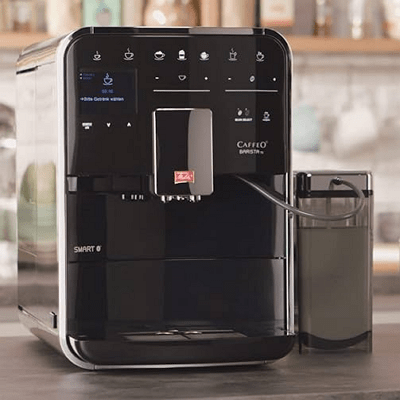
Typical UK pricing: £499–£599 depending on finish & promos. Confirm exact SKU and included milk container.
Melitta Barista TS Smart
A dual-hopper, app-savvy superautomatic that maps beans to recipes, pulls two milk drinks at once, and keeps the milk path clean with a quick Easy Steam Cleaning purge.
Overview
The Barista TS Smart is built for milk-forward homes that still care about how coffee is made. You get a true dual-chamber hopper with Automatic Bean Select, Double Cup for two milk drinks at once, Easy Steam Cleaning after service, and full control in the Melitta Connect app with profiles for the whole household.
Pros
- Dual hopper with bean-to-recipe mapping + low-bean warnings
- Double Cup works for milk drinks and black coffee
- Easy Steam Cleaning purges milk path quickly
- Removable brew group for real hygiene control
- Connect app: 21+ drinks, freestyle recipes, 8 user profiles
Cons
- Five grinder steps limit micro-tuning for ultra-light roasts
- Americano/Long Black are single-cup (one hot-water outlet)
- Milk temperature is café-correct rather than extra hot
- On-machine display is compact; app does the heavy lifting
Features & Specs
- Format: Superautomatic with TFT + rotary control; removable brew group
- Hopper: Dual chambers (~2×135 g) with Automatic Bean Select
- Drinks: 21 one-touch drinks + app recipes; IntenseAroma routine
- Adjust: 5 grind steps • 5 aroma strength steps • 3 brew temps
- Milk: Double Cup for milk drinks; Easy Steam Cleaning purge
- Capacities: 1.8 L tank • grounds drawer ≈16 pucks • spout up to ~140 mm
- App: Melitta Connect (profiles, recipe editor, bean mapping)
- Care: Guided cleaning/descale • Pro Aqua filter compatible
Workflow & Dial-In
- Startup: Let the auto-rinse warm the path; pre-warm cups if desired.
- Bean mapping: Load two beans and assign chambers to recipes in the app.
- Baseline espresso: Strength 3/5, medium temp, Constant (default) profile.
- Taste tuning: Use IntenseAroma or raise strength for more body; lower temp + Dynamic for brighter cups.
- Two at once: Use Double Cup for two cappuccinos/flat whites in one run.
- Save it: Store favorites to profiles so the whole house can one-tap them.
Milk System & Drinks
Clip the tube to your container, select your drink, and let Double Cup handle two milks at once. Milk temps target sweetness (not scalding). Run Easy Steam Cleaning after service; deeper cleans are guided in the menu/app.
Maintenance & Water
- Daily: Rinse milk path (auto), empty drip/grounds, quick group rinse.
- Weekly: Remove and rinse brew group under warm water; air-dry.
- When prompted: Run tablet clean and descale cycles; set water hardness in settings.
- Filters: Use Pro Aqua or equivalent if your water is hard.
Pricing & Availability (2025)
- UK: usually £499–£599 depending on finish/promo.
- EU/Elsewhere: varies by distributor; confirm voltage/plug and warranty.
FAQs
- Two milk drinks at once?
- Yes — Double Cup supports most milk recipes.
- Removable brew group?
- Yes — slides out for a sink rinse.
- App control?
- Yes — Melitta Connect: recipe editing, profiles, bean mapping.
- Does it take whole beans only?
- Primarily beans; a bypass chute varies by region/SKU — check your exact model.
- Milk hotter?
- Use high temperature setting and smaller cup volumes; machine targets café-correct temps.
Melitta is a “daily-use first” brand in the bean-to-cup lane, and the Barista TS Smart is built around one-touch drink variety, multiple user profiles, and “serve the household fast” convenience. It’s not trying to be a manual espresso platform — it’s trying to make consistent espresso-style and milk drinks with minimal friction.
The buying truth is simple: if you want repeatable drinks with low effort, the TS Smart fits. Your results come from the settings that matter on a super-auto — strength, volume, temperature, and keeping the brew unit and milk path clean. The reality check is equally clear: espresso texture and “dial-in ceiling” are limited by the built-in grinder/brew group, and maintenance discipline is non-negotiable for stable taste.
Shop the essentials
The small upgrades that make a home coffee setup cleaner, smoother, and more enjoyable to use every day.

Cleaner & Descaler Tablets
Keeps your machine clean, helps prevent buildup, and protects long-term performance.
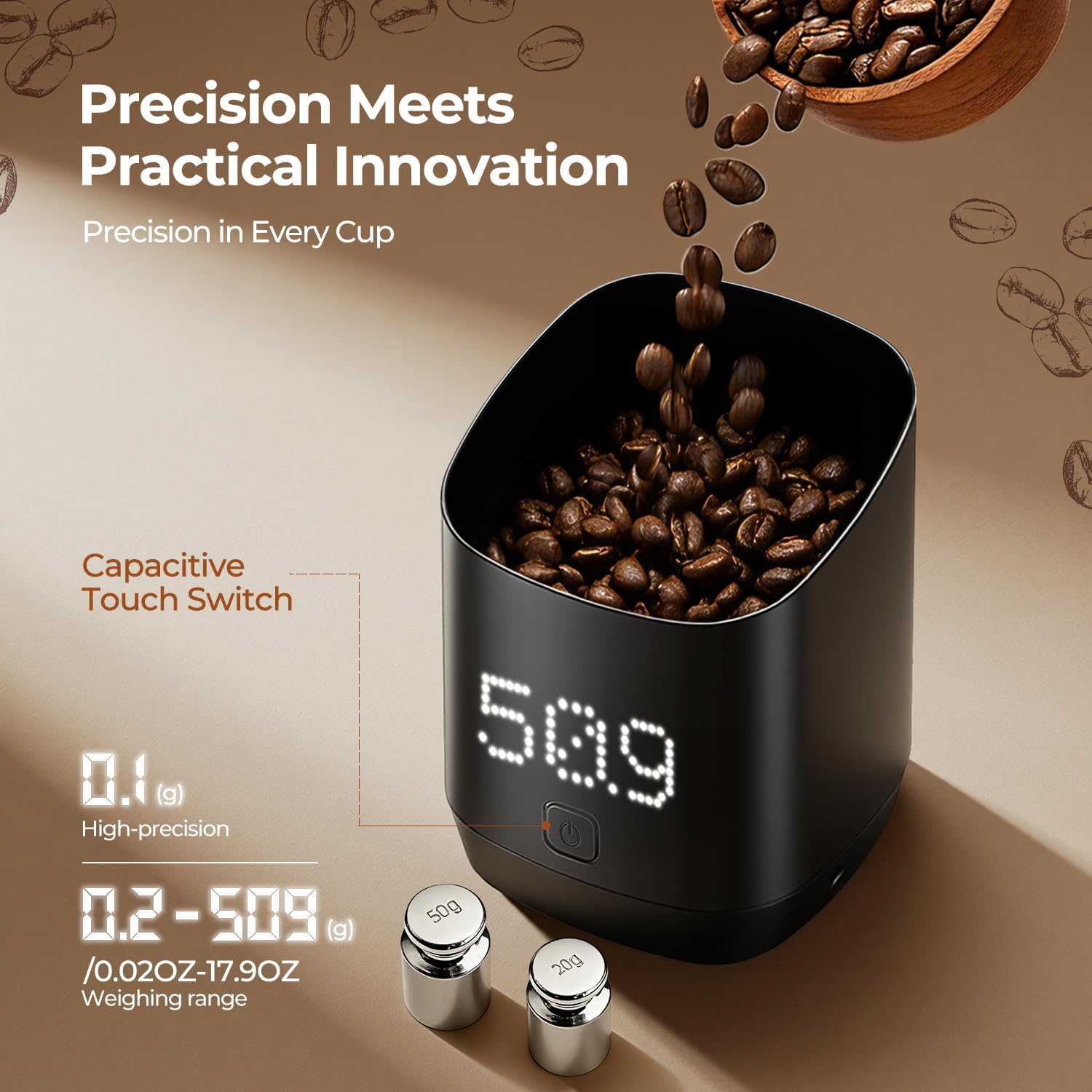
Digital Dosing Cup
Makes weighing beans faster and cleaner, with less mess around the grinder.
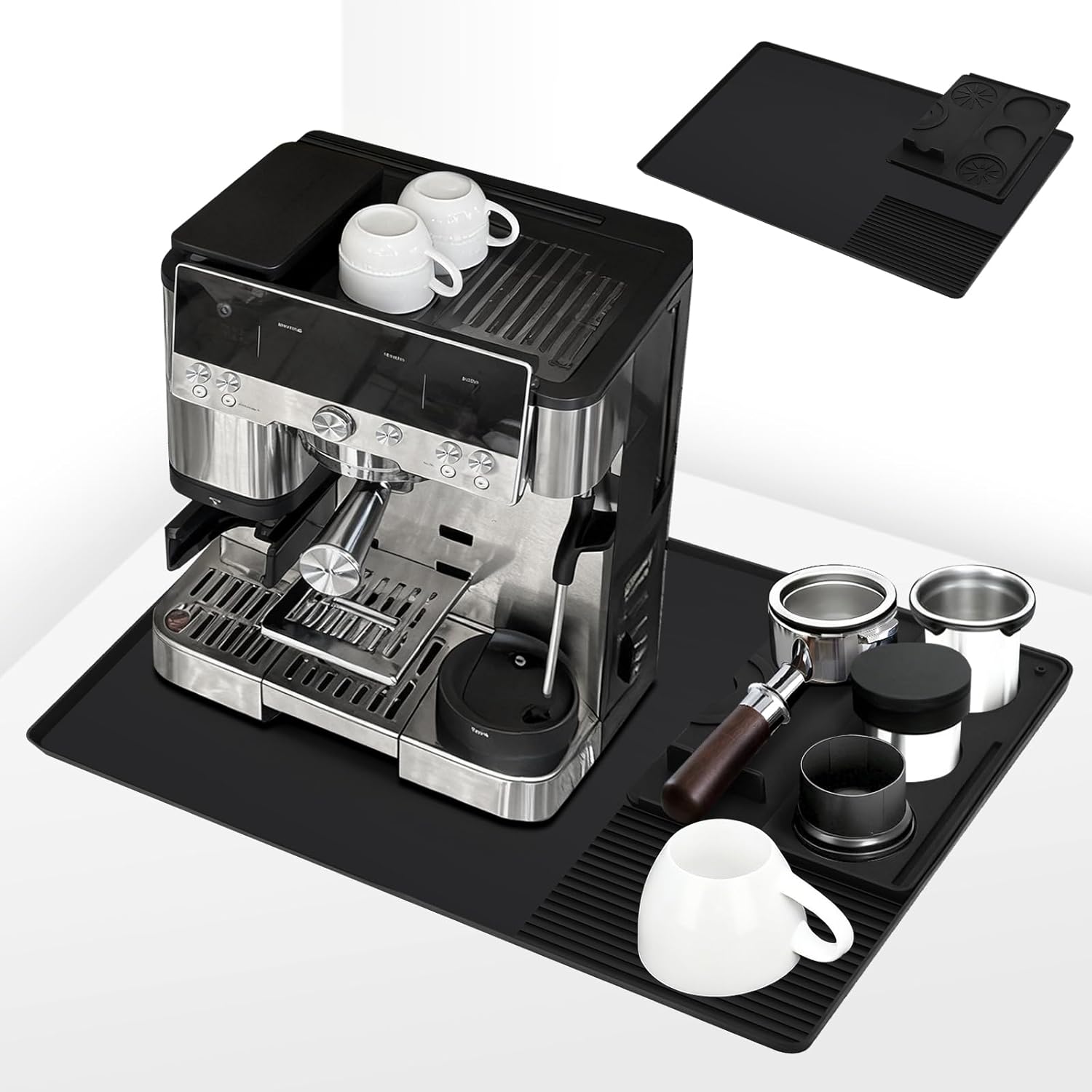
Silicone Mat
Protects your counter, catches spills, and gives your setup a cleaner working surface.

Vacuum Coffee Canister
Helps beans stay fresher longer by limiting air exposure after opening the bag.
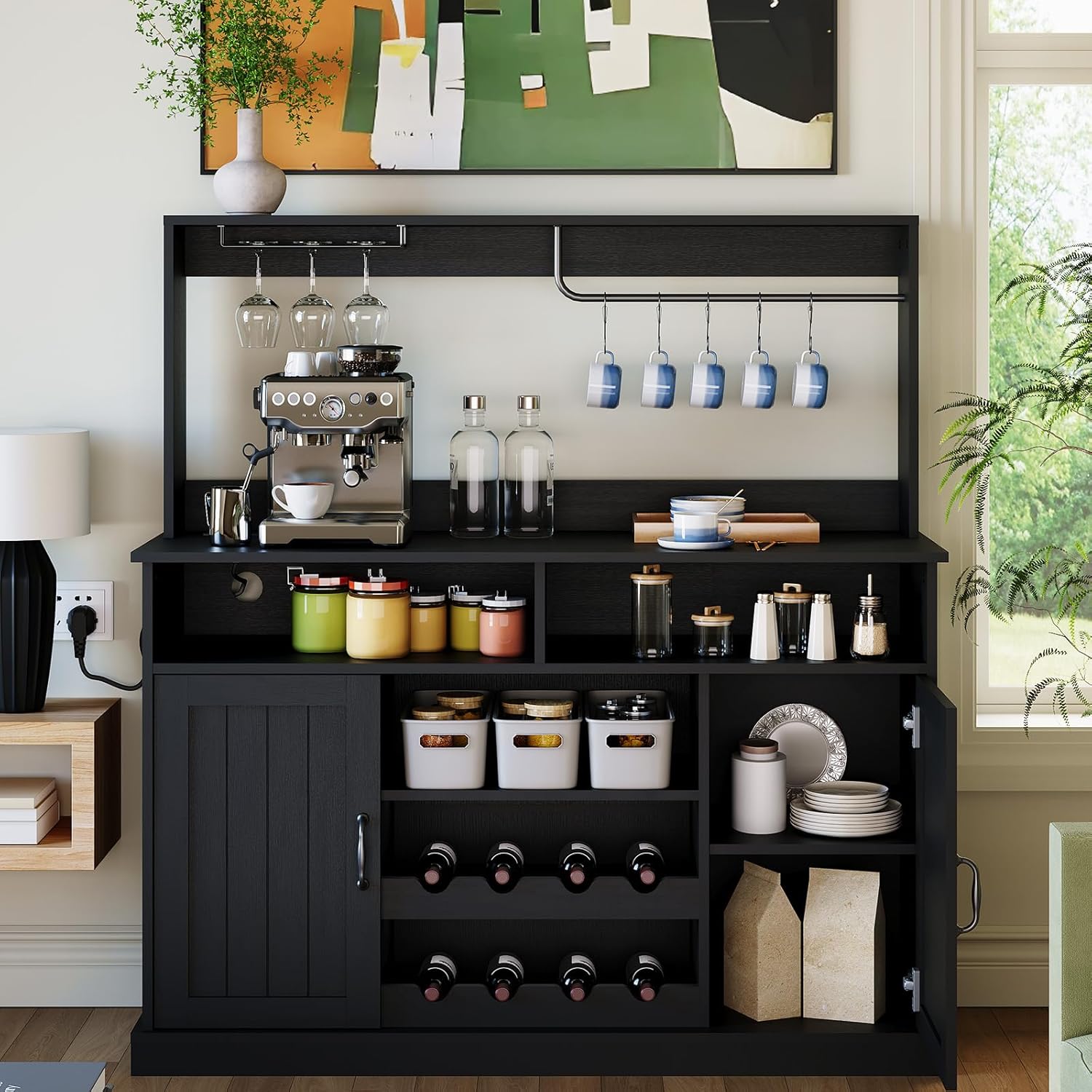
Farmhouse Coffee Bar Cabinet
Gives your machine, cups, beans, and accessories one dedicated home instead of cluttering the kitchen.
Common cross-shops on Coffeedant in this category include Jura E8 for premium polish, De’Longhi Dinamica Plus for value-forward one-touch, and Philips 5400 LatteGo for easy-clean milk workflow.
Overview
The Melitta Barista TS Smart is built for people who want café-style milk drinks and “good-enough espresso” with almost no workflow. It’s a super-automatic bean-to-cup machine: you load beans and water, tap a drink, and it handles grinding, dosing, brewing, and milk frothing for you. The two ownership features that change day-to-day use are its two-bean hopper system (easy bean switching) and app-connected drink customization that lets you save profiles and tweak strength/volume without turning your counter into a barista station.
In Melitta’s lineup, the Barista TS Smart sits in the “do it for me” premium lane above simpler one-hopper machines. The buying decision here is less about chasing the last 10% of espresso nuance and more about what you value: repeatable one-touch drinks, fast milk cadence, and low-skill consistency versus the ritual and control of a semi-auto portafilter machine.
Design intent
- Convenience-first coffee: one-touch brewing that removes the grinder, dosing, and tamping steps from your routine.
- Easy bean switching: a two-bean hopper setup that makes it realistic to alternate between a “milk drink” roast and a brighter coffee (or decaf workflow via a chute, if you use one).
- Milk drinks without learning curve: automatic milk frothing for cappuccino/latte-style drinks with minimal technique required.
- Personalization at the UI level: app + on-machine menus that let you save preferred strength, temperature level, and volume settings.
- Ownership through maintenance prompts: guided rinse/clean cycles and a removable brew group (depending on region variant) to keep hygiene manageable.
What it gets right in the cup and in cadence
- Reliable daily drinks: once you find your preferred bean + strength settings, results are consistent with very little effort.
- Milk cadence that feels effortless: multiple cappuccinos/latte-style drinks are easy because the machine handles frothing and dosing every time.
- Low mess workflow: no portafilter cleanup, no puck prep tools, and fewer variables to manage each morning.
- Household-friendly: different users can save their own profiles and get “their drink” without learning espresso technique.
The deliberate trade-offs
- Not a manual espresso platform: you can tune strength/volume (and often temperature level), but you cannot truly control grind-to-shot behavior like a semi-auto + grinder workflow.
- Milk system upkeep matters: great milk drinks require consistent cleaning habits (milk residue is the enemy of taste and reliability).
- Bean choice is the main “lever”: because variables are limited, you’ll get bigger improvements by changing beans than by chasing micro-adjustments.
- Super-auto espresso ceiling: it can make enjoyable espresso-style coffee, but it won’t match the texture and precision of a good grinder + 58 mm portafilter setup.
Where it fits
The Barista TS Smart is the right pick for households that want one-touch cappuccinos and lattes, value convenience over ritual, and prefer a machine that can serve multiple users with saved preferences. If your priority is espresso craft and you enjoy workflow control, a semi-auto setup (machine + grinder) will have a higher ceiling. If your priority is “push a button and get the drink,” the TS Smart fits best among premium super-automatics with strong milk workflows.
Cross-shop context: Barista TS Smart buyers typically compare against other premium bean-to-cup machines for milk drinks and ease-of-use (and occasionally against entry prosumer semi-autos when they’re deciding whether they want convenience or craft).
Melitta Barista TS Smart lineup: which version to buy
The Melitta Barista TS Smart is effectively a one-platform super-automatic sold in multiple trims and regional SKUs. You are not choosing a different brew engine, you are choosing finish, region plug / warranty, and sometimes small bundle differences (filters, milk container style, starter cleaning kit). If you are deciding between Melitta machines (not colors), the real fork is workflow style: this is a one-touch bean-to-cup platform built for convenience and milk drinks, not a manual portafilter routine.
| Version | Lineup slot | Compared to Reference | Typical price and note |
|---|---|---|---|
| Barista TS Smart (Reference finish) Reference | Safest default | Baseline availability and resale friendliness. Same bean-to-cup platform, dual-bean convenience, app control, and automatic milk workflow. Choose this when you want the least friction on inventory, spare parts, and retailer support. | Pricing varies widely by region and promotion • Best “buy it and forget it” trim |
| Barista TS Smart (Black) | Low-visual-noise | Same internals, same drink results. Black hides fingerprints and blends into darker kitchens. Pick this when the machine should visually disappear on the counter. | Usually priced close to the reference trim • Availability depends on dealer batches |
| Barista TS Smart (Silver / Stainless look) | Bright kitchen match | Same platform, different look. A lighter finish pairs well with stainless appliances and tends to show coffee splatter less than high-gloss panels. | Sometimes carries a small finish premium • Check lead times |
| Barista TS Smart (Regional bundle / “Plus” style) | Bundle-driven | Same core machine, but bundles can include different milk containers, filters, or starter cleaning kits. Buy based on the warranty and included accessories, not because you expect different coffee. | Price changes mainly reflect bundles and promotions • Confirm warranty terms |
How to read this: pick the finish you will enjoy seeing every day, then prioritize a seller that supports parts and warranty in your region. For imports, confirm voltage, plug type, and warranty coverage first—on super-automatics, local support matters more than trim.
Key Melitta Barista TS Smart Specifications
| Item | Detail |
|---|---|
| Machine | Melitta Barista TS Smart · Model page |
| Machine type | Super-automatic bean-to-cup (grinds, doses, brews, and froths automatically) |
| Bean system | Dual-bean convenience (two-hopper concept; best for easy bean switching and household preferences) |
| Grinder | Integrated burr grinder (fine adjustment range varies by region/SKU) |
| Milk system | Automatic milk frothing for cappuccino/latte-style drinks (milk cleaning routine is essential) |
| Connectivity | Smart/app-connected control for drink selection, personalization, and profiles (region/SKU dependent) |
| Drink customization | Adjustable strength and volume, with saved preferences (temperature level options vary by model firmware) |
| Pressure spec note | Super-auto machines often list a high “rated” pump pressure; real brewing happens at lower pressure by design |
| Warm-up expectations | Quick-start compared to prosumer boilers; best results after a couple of rinse cycles and consistent settings |
| Water targets | Use scale-safe water + a filter if your tap is hard · Descale based on prompts and verified hardness |
| Maintenance rhythm | Rinse cycles daily · Milk circuit clean routinely · Brew unit clean weekly (per manual) · Descale when prompted |
| Coffeedant score | Overall rating (convenience-forward category) |
| Typical price | Pricing varies widely by region and promotions · Prioritize local warranty and easy access to cleaning supplies and filters |
First Impressions & Build Quality
On the counter, the Barista TS Smart reads like a premium kitchen appliance rather than a prosumer tool. Build quality in this category is about fit, UI clarity, and how easy it is to keep the machine clean: bean access, water tank ergonomics, drip tray capacity, and milk-system hygiene are the real ownership story.
Ergonomically, it’s designed for “eyes-up” operation: choose a drink, confirm your profile, and let the machine do the workflow. The biggest quality-of-life difference between a happy owner and an annoyed one is maintenance friction—so prioritize a model variant and retailer bundle that makes cleaning routines simple (milk cleaning solution/tablets, filters, and clear prompts).
What’s in the Box
- Melitta Barista TS Smart bean-to-cup machine
- Milk hose / container solution (varies by bundle and region)
- Drip tray and grounds container
- Starter cleaning items (often varies by retailer bundle)
- User documentation and warranty information
Bundles vary. If you care about “low effort milk hygiene,” favor bundles that include the proper milk cleaning solution and water filter.
Chassis and internals
Super-automatic internals are purpose-built for repeatable, hands-off drinks: integrated grinder, dosing chamber, brew group, and an automatic milk path. The trade is control for convenience—your results improve most by selecting the right beans, dialing strength/volume, and keeping the brew group and milk circuit clean.
Controls and touch points
The TS Smart’s controls are about speed and personalization: saved profiles, drink menus, and quick edits for strength and volume. Treat it like a “repeatable drink system”: find the few recipes you love, save them, and let the machine be consistent.
Counter fit
| Item | Detail | Why it matters |
|---|---|---|
| Footprint | Medium appliance footprint (measure your counter depth) | Super-autos often need more depth than prosumer semis due to internal routing and containers. |
| Height / hopper access | Top access required | Bean filling and cleaning access can be annoying under low cabinets—measure clearance. |
| Water access | Removable tank (side/front access varies) | Easy tank removal makes daily life better; awkward access makes you hate refills. |
| Milk workflow | Automatic frothing, but needs hygiene | Fast lattes are great—until milk residue builds. Cleaning convenience matters. |
| Noise profile | Grinder + pump sound (normal for super-autos) | Expect grinding noise and a “brew cycle” sound; mats can reduce counter resonance. |
| Best results lever | Bean choice + saved recipes | Because you don’t tamp or manually control flow, beans and recipe settings do the heavy lifting. |
Testing Results
Super-automatics are best evaluated on repeatability, milk cadence, and how quickly they deliver a good drink with minimal setup. Results below focus on practical expectations: readiness behavior, drink cycle timing, and “copyable” starting points for common drinks.
| Metric | Result | Method |
|---|---|---|
| Ready-to-drink behavior | Quick-start appliance rhythm | Rinse/heat cycle first, then consistent drinks once settings are saved. |
| Drink repeatability | High (when beans + settings are stable) | Save a profile and keep the same beans; avoid frequent grind/strength swings. |
| Milk drink cadence | Strong for household routines | Multiple cappuccinos/lattes are easy—clean milk path to keep results stable. |
| Biggest performance lever | Bean freshness + recipe settings | Beans matter more than micro-tuning; save your “house drinks” and repeat. |
| Maintenance sensitivity | High (milk hygiene is non-negotiable) | Rinse daily; clean milk circuit routinely; descale when prompted based on hardness. |
| Drink | Strength | Coffee volume | Milk volume | Temperature | Notes |
|---|---|---|---|---|---|
| Espresso-style | High | Small | None | Medium/High | Use fresh medium roast; adjust strength before increasing volume. |
| Caffè crema / long coffee | Medium | Medium–Large | None | Medium | Best when you want a longer cup without bitterness—avoid max strength + max volume together. |
| Cappuccino | Medium–High | Small–Medium | Medium | Medium | Clean milk system often; stale milk residue shows up fast in taste. |
Key takeaways from testing
- It’s a convenience machine: best results come from stable beans + saved profiles, not constant tinkering.
- Milk cadence is the point: it shines when you want repeatable cappuccinos/lattes with minimal effort.
- Maintenance is performance: milk-system cleaning habits have an outsized impact on taste and reliability.
- Bean choice matters most: fresh, medium roasts typically deliver the most forgiving “espresso-style” results in super-autos.
Espresso Quality: getting the best out of the Melitta Barista TS Smart
The Melitta Barista TS Smart is a super-automatic built for repeatability and convenience, not manual craft. Instead of puck prep and portafilter technique, your “levers” are settings and inputs the machine can actually use: bean freshness, grind setting, strength, coffee volume, temperature level, and saved profiles (plus any “aroma / pre-brew” options your region’s firmware exposes). When those stay consistent, the TS Smart can produce a solid espresso-style base for milk drinks and a reliable long coffee.
Session protocol that keeps results consistent
- Start with good inputs: use fresh beans (medium roasts are the most forgiving in super-autos) and keep the hopper stable while dialing in.
- Let the machine stabilize: run the automatic rinse and pre-warm your cup with hot water (super-autos are sensitive to cold ceramics).
- Pick a baseline: choose one drink (espresso-style or cappuccino base) and lock in one coffee volume while you adjust strength and grind.
- Change one variable at a time: adjust grind first, then strength, then volume, and only then change temperature.
- Save the winner: once it tastes right, store it in a profile so the machine repeats it without “drift by habit.”
Flavor targets by drink style
| Drink | Baseline recipe (TS Smart) | What it tastes like when right | If too sour / thin | If too bitter / dry |
|---|---|---|---|---|
| Espresso-style (straight) |
Strength: High · Volume: Small · Temp: Medium–High Grind: Medium-fine (start) · Use fresh medium roast |
More body, less “watery” finish, balanced bitterness | Go finer and/or increase strength; keep volume small (don’t “fix” by pulling longer) | Go coarser or reduce strength one step; lower temp if your unit runs hot on dark roasts |
| Caffè crema / long coffee |
Strength: Medium · Volume: Medium · Temp: Medium Grind: Medium · Avoid max strength + max volume together |
Smoother, less harsh long cup with decent aroma | Increase strength slightly or go a touch finer; reduce volume if it’s “tea-like” | Reduce strength and/or go slightly coarser; avoid over-long volumes on dark roasts |
| Milk drinks (cappuccino / latte base) |
Coffee: High strength, Small–Medium volume · Milk: per drink preset Temp: Medium · Grind: Medium-fine |
Milk sweetness + a coffee base that still tastes like coffee | Increase coffee strength or reduce coffee volume; consider a slightly finer grind | Reduce coffee strength one step or drop temp; dark roasts can taste sharp when pushed |
Strength, grind, and volume: use them like tools
- Strength: the fastest way to add body and coffee presence—raise strength before you increase volume.
- Grind: go finer if shots taste weak/watery; go coarser if they turn harsh, bitter, or slow the machine down.
- Volume discipline: “longer” rarely means “better” on super-autos. Keep espresso volumes small for best intensity.
- Temperature: increase for lighter roasts that taste flat; decrease for darker roasts that taste sharp or bitter.
Diagnostics you can see and taste
| Signal | Likely cause | Targeted fix |
|---|---|---|
| Watery coffee, weak aroma, “thin” finish | Grind too coarse, volume too high, or strength too low | Go finer; increase strength; reduce volume; warm cup first |
| Harsh bitterness / dry finish | Grind too fine, strength too high for the roast, or volume too long | Go coarser; reduce strength one step; reduce volume; consider lower temp on dark roasts |
| Drink tastes “cool” and muted | Cold cup, low temp setting, or short warm-up routine | Pre-warm cup; raise temp one level; let the machine finish rinse and stabilize |
| Results drift over days | Beans aging, hopper refills mixing old/new, brew unit oils | Use fresher beans; don’t top-up endlessly; clean brew unit and run cleaning program |
Keep variance low
- Use fresh beans and keep one “house setting” saved in a profile.
- Clean the brew unit regularly (per the manual) and run the coffee-system cleaning program when prompted.
- Use scale-safe water and set water hardness correctly so descaling prompts are meaningful.
Milk System: Barista TS Smart milk workflow, texture, and consistency
The Barista TS Smart uses an automatic milk system (hose/container-based, bundle dependent) to build cappuccinos and lattes at the press of a button. The quality ceiling is mostly about milk temperature, freshness, and cleanliness of the milk path. If milk residue builds up, taste drops fast—so the best “technique” is a consistent rinse-and-clean routine.
Technique targets that make milk drinks repeatable
- Use cold milk: keep milk at fridge temperature for tighter foam and better sweetness.
- Rinse after milk: run the machine’s milk rinse/clean step right after each session.
- Deep clean routinely: use the recommended milk-system cleaner on schedule, not only when it smells “off.”
- Keep air leaks away: ensure the milk hose is firmly seated; small leaks reduce foam quality.
Milk volume and real-world timing
| Drink | Typical use | Cycle time expectation | Tip |
|---|---|---|---|
| Cappuccino | 6–8 oz home cappuccino | ~60–120 s (varies by settings + cleaning cycle) | Keep the coffee base small/strong so it doesn’t disappear in foam. |
| Latte | 10–14 oz latte | ~90–150 s | If it tastes weak, reduce coffee volume and raise strength instead of “more milk.” |
Texture targets by drink
| Drink | Target texture | Notes |
|---|---|---|
| Cappuccino | Airier foam cap + creamy body | Great when you want “classic café” texture; hygiene matters most for taste. |
| Latte | Creamy, lower-foam milk | Use a stronger coffee base; latte drinks expose weak espresso settings quickly. |
| Flat-white style (if supported) | Lower foam, higher gloss | Best achieved by reducing milk foam intensity and keeping coffee dose/strength high. |
Keep milk performance sharp
- Run the milk rinse after every milk session, then do the full milk-system clean on a schedule.
- Replace milk hoses/parts when they discolor or hold odors—consumables are normal in this category.
- If foam turns bubbly or thin, the first suspect is milk-path residue, not “weak steam.”
Hardware Essentials
Heating and water system
In a super-automatic, heating is designed for quick readiness and repeatable cycles. The ownership win is convenience: the machine handles brew temperature control within its system limits, and your job is keeping the water scale-safe.
- Water settings: set water hardness correctly so cleaning/descale prompts are accurate.
- Filter (if supported): use the in-tank filter system if your water is moderately hard and you want less scale drift.
- Temperature levels: use higher temperature for lighter roasts; lower for darker roasts that taste sharp or bitter.
Pump behavior and “pressure” reality
Super-autos often advertise a high “rated” pump pressure, but real extraction happens at lower pressure by design. For you, the practical takeaway is simple: focus on grind, strength, and volume to control intensity and balance.
- Best practice: fix thin drinks by going finer and increasing strength before you increase volume.
- Flow issues: repeated “slow/blocked” behavior usually points to too-fine grind, oily beans, or a brew unit that needs cleaning.
- Noise note: grinder + pump sounds are normal; mats help reduce counter resonance.
Brew unit, grinder, and internal dosing
The TS Smart’s “brew group” is the heart of consistency. Keep it clean, and results stay stable. In this category, maintenance is performance: oils and fines buildup show up as dull flavor and inconsistent output.
Milk system hardware
Instead of a steam wand, you’re working with an automatic milk path (hose/container) and a programmed frothing routine. Foam quality is mostly milk temperature + cleanliness of the milk circuit.
Accessories that actually improve results
- Water hardness test strips: makes your filter/descale plan real, not guesswork.
- Water filter cartridges (if supported): reduce scale risk and keep taste steadier.
- Cleaning tablets: for the coffee system and brew unit maintenance.
- Milk system cleaner: the highest ROI “taste upgrade” for milk drinks.
- Spare milk hose / connectors: cheap consumables that prevent stale milk flavors.
- Pre-warm cups: simple habit that improves temperature and taste more than most setting tweaks.
| Component | Spec | Use note |
|---|---|---|
| Grinder | Integrated burr grinder | Most impactful taste control after beans; adjust gradually and re-test. |
| Brew unit | Internal brew group (often removable) | Clean regularly; oils and fines buildup cause dull flavor and drift. |
| Milk system | Automatic milk frothing (hose/container) | Rinse after use; deep-clean routinely for best taste and foam. |
| Profiles | Saved recipes / profiles | Save your “house drinks” so the machine repeats without constant tweaking. |
| Water plan | Hardness setting + filter/descale routine | Scale prevention protects taste and reliability more than any other habit. |
| User control | Strength, volume, temp levels | Increase strength before volume; adjust one variable at a time. |
Rancilio Silvia Pro X vs The Field: Quick Matrix
| Match-up | Core difference | Best for | Jump to section | Model page |
|---|---|---|---|---|
| Silvia Pro X vs Lelit Elizabeth | Heavier, more traditional build + brew gauge vs compact dual-boiler value and fast heat-up | Pro X for tactile feedback and robust service lane; Elizabeth for value and speed | Open | Lelit Elizabeth |
| Silvia Pro X vs Breville Dual Boiler | Traditional prosumer parts and feel vs maximum features-per-dollar with a more appliance-forward UI | BDB for value and volumetric convenience; Pro X for simpler long-term serviceability | Open | Breville Dual Boiler |
| Silvia Pro X vs Profitec Pro 600 | Compact non-E61 dual boiler simplicity vs E61 ritual with upgrade runway | Pro 600 for E61 ownership and future flow-control options; Pro X for compact repeatability | Open | Profitec Pro 600 |
| Silvia Pro X vs Lelit Bianca | Repeatable dual-boiler routine vs paddle-driven flow control and profiling | Bianca for experimentation and pressure artistry; Pro X for clean, consistent daily cadence | Open | Lelit Bianca |
| Silvia Pro X vs La Marzocco Linea Micra | Value-focused compact dual boiler vs premium-speed saturated group with app control | Micra for premium speed/build and a higher ceiling; Pro X for true dual-boiler performance at lower spend | Open | Linea Micra |
| Silvia Pro X vs Ascaso Steel Duo PID | Dual boiler steam buffer and stability vs ultra-fast dual-thermoblock starts and efficiency | Steel Duo for speed and low idle habits; Pro X for stronger steam cadence and classic prosumer feel | Open | Ascaso Steel Duo PID |
Rancilio Silvia Pro X vs Lelit Elizabeth
This is the most common “compact dual boiler” decision. Both can make excellent espresso with the right grinder. The difference is ownership feel: Silvia Pro X leans heavier and more traditional, with a brew-pressure gauge that speeds diagnosis. Lelit Elizabeth is the value benchmark for a fast, compact dual boiler with smart pre-infusion logic.
Core differences
- Build feel: Pro X reads more metal-forward and tool-like; Elizabeth prioritizes compact value engineering.
- Dial-in feedback: Pro X gives you a brew gauge; Elizabeth leans on programming and workflow speed.
- Buying logic: choose Pro X for tactile feedback and a traditional service lane; choose Elizabeth for value and fast warm-up habits.
| Aspect | Silvia Pro X | Lelit Elizabeth |
|---|---|---|
| Best fit | Milk drinkers who want compact dual boiler stability plus gauge feedback | Value buyers who want fast heat-up and a compact dual boiler that is easy to live with |
| Daily feel | Traditional prosumer workflow, simple face, strong steam buffer | Quick, efficient routines with more “smart” pre-infusion programming |
| Trade-off | Costs more than value dual boilers | Feels lighter in build compared with heavier prosumer chassis |
Who should choose which
- Pick Silvia Pro X if you want the brew gauge, heavier feel, and a compact machine that holds steam cadence.
- Pick Lelit Elizabeth if value and speed are your priority and you still want a true dual boiler.
Rancilio Silvia Pro X vs Breville Dual Boiler
This match-up is about value philosophy. Breville Dual Boiler is the “features-per-dollar” champion with a friendly interface and volumetric convenience. Silvia Pro X counters with a more traditional build, a simpler long-term service story, and a brew gauge that helps you dial in with less guesswork.
Core differences
- Feature density: Breville packs in convenience and programmability for the money.
- Service lane: Pro X leans on more conventional prosumer components and a straightforward layout.
- Daily workflow: BDB is “set it and repeat by volume”; Pro X is “manual craft with predictable feedback.”
| Aspect | Silvia Pro X | Breville Dual Boiler |
|---|---|---|
| Best fit | Buyers who want traditional prosumer feel and simpler parts logic | Buyers who want maximum features and convenience per dollar |
| Daily feel | Manual semi-auto rhythm, gauge feedback, strong steam buffer | Convenience-forward workflow with repeatable volumetric routines |
| Trade-off | Less convenience automation than Breville | Long-term service paths differ from traditional prosumer machines |
Who should choose which
- Pick Silvia Pro X if you want a traditional prosumer machine that is easy to understand, own, and maintain.
- Pick Breville Dual Boiler if your priority is value and convenience, and you like feature-rich workflows.
Rancilio Silvia Pro X vs Profitec Pro 600
This is the “compact modern dual boiler” versus “E61 dual boiler” fork. Profitec Pro 600 brings E61 ritual, more mass, and the option to chase an upgrade path that E61 platforms support. Silvia Pro X stays compact and straightforward, with a brew gauge and soft infusion for predictable dialing-in without the E61 warm-up lifestyle.
Core differences
- Group style: Pro 600 is E61; Pro X is a more modern compact group approach.
- Warm-up behavior: E61 routines tend to reward longer heat soak.
- Ownership intent: Pro 600 suits ritual and upgrade-minded owners; Pro X suits “get great espresso daily without extra ritual.”
| Aspect | Silvia Pro X | Profitec Pro 600 |
|---|---|---|
| Best fit | Compact dual boiler buyers who want stable espresso and strong steam with low fuss | E61 lovers who want classic ritual and an upgrade-friendly platform |
| Daily feel | Simple UI, gauge feedback, predictable workflow | E61 workflow with more ritual and longer heat soak expectations |
| Trade-off | No E61 upgrade ecosystem | Larger footprint and longer warm-up reality |
Who should choose which
- Pick Silvia Pro X if you want compact repeatability and fast diagnosis via the brew gauge.
- Pick Profitec Pro 600 if you want E61 ritual and a platform that supports a longer-term upgrade mindset.
Rancilio Silvia Pro X vs Lelit Bianca
Lelit Bianca is a tinker’s platform: paddle flow control, E61 behavior, and a clear path to profiling and experimentation. Silvia Pro X is built for clean repeatability with fewer knobs to chase. If you want to sculpt pressure and flow, Bianca is the right tool. If you want stable espresso and strong steam with a simpler routine, Pro X wins on daily friction.
Core differences
- Control style: Bianca is manual flow control; Pro X is repeatable soft infusion, not profiling.
- Ritual: Bianca leans into E61 ownership; Pro X stays compact and direct.
- Decision lens: buy Bianca for experimentation; buy Pro X for consistency and speed of routine.
| Aspect | Silvia Pro X | Lelit Bianca |
|---|---|---|
| Best fit | Daily milk drinkers who want consistent shots without profiling | Enthusiasts who want paddle control and profiling experimentation |
| Daily feel | Simple, predictable, repeatable | Hands-on, adjustable, experimentation-friendly |
| Trade-off | No manual flow control | More ritual and a larger footprint |
Who should choose which
- Pick Silvia Pro X if you want reliable results and you do not want to profile every coffee.
- Pick Lelit Bianca if experimenting with flow and pressure is the point of ownership.
Rancilio Silvia Pro X vs La Marzocco Linea Micra
Linea Micra plays in a higher price lane with premium build, speed-forward behavior, and app-driven control. Silvia Pro X competes by delivering true dual-boiler stability, strong steam, and a straightforward interface for significantly less money. If you want the premium-speed experience, Micra is the answer. If you want high-level espresso and milk cadence without the premium tax, Pro X holds its ground.
Core differences
- Speed and polish: Micra’s appeal is premium speed, build, and a modern control layer.
- Value lane: Pro X targets stable dual-boiler performance and predictable workflow at a lower spend.
- Buying logic: pay up for Micra if you want premium fit and near-instant readiness; choose Pro X when you want performance-per-dollar.
| Aspect | Silvia Pro X | Linea Micra |
|---|---|---|
| Best fit | Serious home baristas who want true dual boiler performance with a compact footprint | Buyers who want premium speed, build, and a higher-end ownership experience |
| Daily feel | Simple, stable, traditional semi-auto rhythm | Premium, fast, and polished with app-led control options |
| Trade-off | Not a premium-speed platform | Costs significantly more |
Who should choose which
- Pick Silvia Pro X if you want serious espresso and steam performance without stepping into premium pricing.
- Pick Linea Micra if speed, build, and premium ownership polish are the reasons you are buying.
Rancilio Silvia Pro X vs Ascaso Steel Duo PID
This is the “fast-start modern platform” versus “classic dual boiler cadence” decision. Ascaso Steel Duo PID uses dual thermoblocks for rapid starts and lower standby habits. Silvia Pro X brings a real steam boiler buffer and the predictable feel of a traditional prosumer machine. If your mornings demand speed and you do not want long idle time, Ascaso shines. If you steam daily and want a steadier milk workflow, Pro X is the safer bet.
Core differences
- Heat-up and energy: Ascaso is speed-first; Pro X is stability-first with a boiler buffer.
- Milk cadence: Pro X is stronger for repeated milk drinks; Ascaso is best for one or two without drama.
- Ownership feel: Ascaso reads modern and efficient; Pro X reads traditional and serviceable.
| Aspect | Silvia Pro X | Ascaso Steel Duo PID |
|---|---|---|
| Best fit | Milk drink households who want steady steam and repeatable dual boiler behavior | Speed-first buyers who want fast starts and efficient on-off ownership |
| Daily feel | Compact prosumer tool with strong steam buffer | Very fast readiness and efficient workflow habits |
| Trade-off | Not the fastest start in class | Steam strength is more “home round” than “mini café round” |
Who should choose which
- Pick Silvia Pro X if you steam daily and want the most predictable milk cadence in a compact chassis.
- Pick Ascaso Steel Duo PID if speed, efficiency, and quick on-demand shots are your main priorities.
How to use this matrix: If you want compact dual-boiler stability and strong steam with simple controls, Silvia Pro X is the clean pick. If you want profiling, step to Bianca. If you want premium-speed and polish, step to Linea Micra. If you want maximum value per dollar, Breville Dual Boiler and Lelit Elizabeth are the first cross-shops.
In-Depth Analysis
The Melitta Barista TS Smart is a “household convenience” super-automatic: it is designed to reliably make espresso-style drinks and milk drinks at the push of a button, with personalization and user profiles layered on top. Its ownership truth is simple: if you want repeatable drinks, low daily effort, and the ability to serve multiple people quickly, it is a strong fit. The trade-offs are equally clear: it is not a café-style manual espresso platform, and the ceiling is defined by grinder limits, brew-unit geometry, and how clean the machine is kept.
1) Why it works for real home routines: one-touch consistency, household speed
Super-autos win when mornings are real life. You can go from “power on” to a drink with minimal steps, and the machine carries the consistency burden: dose control, tamping, brewing, and milk frothing happen inside a repeatable program.
- What you feel: less learning curve, faster service, fewer “bad shots” from human variance.
- What it changes: the household actually uses it every day because the workflow is simple.
- What it does not do: manual puck prep, true espresso profiling, or café-style micro-adjustment.
2) The tools that matter on a super-auto: profiles + bean switching + strength/volume control
On this class of machine, your best results come from using the “consumer-facing” controls well: bean selection (if you rotate coffees), strength, drink volume, and temperature. If the machine supports multiple user profiles, save each person’s drink so you stop re-adjusting the settings every day.
| Tool | What it solves | How to use it well |
|---|---|---|
| User profiles | Repeatability across multiple people in the house | Save “your” espresso and milk drinks so settings don’t drift day to day |
| Bean switching (two-bean / selection) | Regular vs decaf (or dark vs light) without constantly emptying hoppers | Keep one hopper for daily coffee, one for decaf/guest coffee; purge with a short drink when you switch if needed |
| Strength + volume | Watery coffee and “too strong” coffee problems | Fix taste by increasing strength or reducing volume before chasing temperature changes |
| Milk ratio settings | Flat, thin milk drinks | Dial milk/coffee ratio per drink; keep milk cold and clean the milk path often |
3) “Espresso” stability: what to expect (and what makes it better)
A super-auto’s espresso is built for consistency, not for maximum café-level texture. The best outcomes come from a tight recipe philosophy: use fresher beans, avoid ultra-oily roasts that can foul grinders, keep brew strength reasonable, and don’t over-extend volume (long drinks get thin fast).
- Best taste lane: shorter espresso-style drinks and balanced milk drinks (cappuccino/latte lanes).
- Common mistake: “large cup + max volume” turns coffee thin; reduce volume or increase strength first.
- Consistency lever: clean brew unit and correct water filtration keeps flavor steadier over months.
4) Milk performance: convenience first, cleanliness is the limiter
With one-touch milk systems, the result is usually “good enough and consistent” when the milk path is clean and milk is cold. Most milk problems are not “weak steaming,” they’re residue, old milk, or a missed cleaning cycle.
5) Warm-up reality: fast readiness, but first drink still benefits from a rinse
Super-autos are typically “ready” quickly, but the first drink is more consistent if you run the machine’s quick rinse (or a short hot-water cycle) to warm internal lines and the spout area. This is a small habit that improves the first cup without adding real effort.
6) Water and scale: the cheapest way to protect taste and reliability
Water quality drives both taste and reliability. In super-autos, scale and oils show up as: hotter/colder drift, weaker flow, odd noises, milk inconsistency, and “mystery” errors. The best ownership habit is simple: use an appropriate filter strategy and follow the descaling prompts correctly.
- Use the right water: scale-safe water protects the thermoblock/boiler path and keeps flow stable.
- Don’t ignore prompts: run the cleaning/descaling cycles when they trigger (and finish them fully).
- Clean oils too: coffee oils stale flavor; follow the internal cleaning routine on schedule.
7) Serviceability and ownership: super-auto reality (cleaning beats tinkering)
Unlike prosumer semi-autos, most service “wins” here come from preventive care: keeping the brew group clean, keeping the grinder area clear, and keeping milk systems spotless. When something does fail, it’s usually sensors, valves, seals, or wear in the brew group—more appliance-like than hobby-like.
- Brew group care: rinse and dry regularly (per manual) to prevent gunk buildup and sticky movement.
- Grinder care: avoid very oily beans; keep the hopper clean; don’t let fines cake up.
- Milk system care: clean after every use, deep clean on schedule.
8) Cross-shop logic: where it fits against the machines people actually compare
Barista TS Smart wins when you want a “feature-rich household” machine: profiles, drink variety, and bean switching convenience. If you want premium build/service lane, the better answer can shift. If you want the easiest milk cleanup, the better answer can also shift.
| If you want... | Cross-shop | Why |
|---|---|---|
| Premium ownership polish + strong service lane | Jura E8 | Often chosen for premium feel and a calmer “set it and repeat” ownership experience |
| Great value for daily milk drinks | De’Longhi Dinamica Plus | Common pick for approachable one-touch routines and value logic |
| Lowest-fuss milk cleanup | Philips 5400 LatteGo | Built around “easy clean” milk ownership habits |
| Premium touchscreen profiles | Saeco Xelsis | Profile-forward UI and premium super-auto positioning |
| Calm household UI and routines | Siemens EQ.6 | Often cross-shopped for “easy for everyone” daily use (varies by trim) |
| More café-like premium super-auto lane | Gaggia Accademia | Typically chosen for a more premium, café-adjacent ownership feel |
Editorial placement: keep “strength + volume” guidance close to Espresso Performance, put milk-cleaning guidance near Milk System, and place water + cleaning program reminders near Maintenance so readers connect taste to care.
Melitta Barista TS Smart - frequently asked questions
Fast answers to the questions people ask before they commit to the Barista TS Smart.
Is the Melitta Barista TS Smart worth it?
Yes if you want a feature-rich super-automatic that can serve multiple people quickly with saved profiles and lots of one-touch drinks. If you want café-style manual espresso control, a semi-automatic setup is the better lane.
Does it make “real espresso”?
It makes consistent espresso-style drinks designed for convenience. The best results come from fresh beans, sensible drink volumes, and keeping the brew unit clean. For maximum crema texture and manual control, a grinder + semi-auto machine will outperform any super-auto.
Is it good for milk drinks?
Yes—milk drinks are the super-auto sweet spot. Consistency depends on cold milk and strict milk-system cleaning after every use.
What settings matter most for taste?
Strength and volume first. If coffee tastes thin, increase strength or reduce volume. Use temperature as a secondary adjustment, and save your final recipe into a user profile.
How often do I need to clean it?
Rinse cycles are the daily baseline. Milk systems should be rinsed after every milk session. Follow the machine’s internal cleaning and descaling programs when prompted, and keep the brew unit clean on a regular cadence.
Do I need to descale?
Yes, when the machine prompts it (or when your water requires it). Use scale-safe water and the correct descaler, then complete the full cycle with all rinses—partial cycles are where reliability problems start.
Is it noisy?
Like most super-autos, it makes grinder noise during grinding and pump noise during brewing. The practical fix is simple: place it on a stable surface and keep accessories from rattling.
Used & Refurbished Buyer’s Guide
A used Melitta Barista TS Smart can be a good buy if it was cared for properly. The biggest risks are neglected cleaning (coffee oils and milk residue), scale (water path), and brew-group wear. If you can run a quick drink and a milk cycle, you can catch most red flags fast.
| Inspect | What to check | Pass criteria |
|---|---|---|
| Brew test | Pull an espresso-style drink and a longer coffee; watch flow and listen for strain. | Normal flow, no “choking,” no burning smell, no repeated error prompts. |
| Milk system | Run a milk drink and then the rinse program; inspect the milk hose/parts. | Foam is consistent, rinse completes, no sour smell or stubborn residue. |
| Brew group | Remove (if removable), inspect for cracks, stiffness, or heavy buildup. | Moves smoothly, not gummed up, no visible damage. |
| Scale history | Ask what water was used and whether filters/descaling were done on schedule. | Credible routine; no signs of slow heating/weak flow that suggest heavy scale. |
| Leaks | Check under the machine and around drip area after brewing and rinsing. | No pooling, no repeated leaking during a short session. |
| Grinder behavior | Listen for abnormal grinding/stuttering; check if the hopper is caked with oily residue. | Consistent grind sound; no harsh mechanical noises. |
| Programs complete | Run a rinse/clean cycle and confirm it completes without fault. | No mid-cycle failure, no persistent “service needed” states. |
| Accessories | Confirm milk container/hose (if included), drip tray, water tank, manuals, and power cable. | Complete kit, or the price reflects missing parts. |
Refurb units should include a cleaned brew group path, fresh seals as needed, and a store-backed warranty. Confirm coverage terms.
Accessories & Upgrades
With super-autos, “upgrades” are mostly care products and water strategy. Spend on the things that keep taste stable and prevent failures: filters, cleaning tablets, milk cleaner, and scale-safe water.
| Category | What to buy | Why it helps |
|---|---|---|
| Water strategy | Filter cartridge (if supported) + simple water test strips | Reduces scale risk and keeps flow/temperature behavior more consistent |
| Cleaning (coffee oils) | Manufacturer-approved cleaning tablets | Prevents rancid flavor and reduces brew-path buildup |
| Descaling | Correct descaler for the machine + measuring bottle | Protects the water path and reduces “mystery” reliability issues |
| Milk hygiene | Milk-system cleaner + spare milk hose (if applicable) | Improves foam consistency and prevents sour flavors |
| Workflow | Insulated milk container (optional) + microfiber set | Keeps milk colder longer and makes cleanup faster |
| Beans | Medium roasts that aren’t ultra-oily | Helps grinders stay cleaner and reduces clogging/staling issues |
Related cross-shops: Jura E8 · De’Longhi Dinamica Plus · Philips 5400 LatteGo
Known Issues & Troubleshooting
- Coffee tastes thin / watery: reduce drink volume or increase strength first. Very long coffees will always get thinner faster than short drinks.
- Milk foam is weak or inconsistent: confirm milk is cold, run the rinse after every milk session, and deep-clean the milk path on schedule.
- Flavor turns “stale” fast: brew-path oils are the usual cause. Run cleaning tablets per schedule and keep the brew group clean.
- Grinding sounds strained or irregular: avoid very oily beans, keep the hopper clean, and don’t let fines cake up over time.
- Frequent descaling prompts / flow issues: water hardness is likely high. Use a filter strategy and follow full descale + rinse programs.
- App/connectivity frustration: treat app control as “nice to have.” Save profiles on the machine itself so daily use still works without the phone.
Conclusion: Should You Buy the Melitta Barista TS Smart?
Who it’s for
- Households who want one-touch coffee and milk drinks with low daily effort.
- Families who benefit from user profiles and saved personalization.
- Buyers who like rotating coffees (regular/decaf or dark/light) without constant hopper swapping.
- People willing to follow cleaning + descaling prompts like clockwork.
Who should avoid it
- Anyone chasing café-level manual espresso texture and control.
- Owners who dislike cleaning routines (milk systems demand hygiene).
- People who want a “no-maintenance” machine—super-autos are appliances that need care.
- Silence seekers (grinder noise is part of the category).
We’ve categorized the best espresso machines for every kind of buyer
Find the right shortlist faster, whether you want convenience, a beginner-friendly setup, a smaller footprint, or better value at a given budget.
Best Superautomatic Espresso Machines
One-touch picks for speed and convenience.
Best Espresso Machines for Beginners
Easy-to-use machines with a smoother learning curve.
Best Small Espresso Machines
Compact machines for tighter kitchens and counters.
Best Espresso Machines With Built-In Grinder
All-in-one options with fewer extra pieces to buy.
Best Cheap Espresso Machines Under $500
Budget picks that still make sense for real espresso.
Best Prosumer Espresso Machines Under $1000
More serious machines with stronger value for the money.
Best Single Boiler Espresso Machines
Simple, space-saving picks for espresso-first routines.