
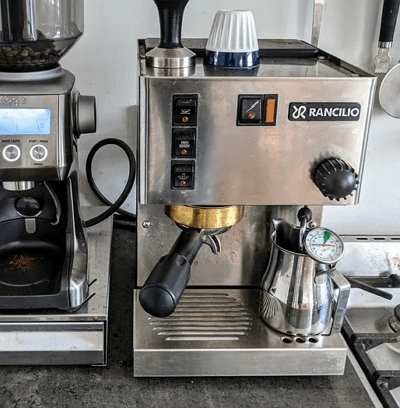
Rancilio Silvia Pro X
A precise, compact dual boiler that favors consistency and clean workflow. Temperature control is dependable, steaming is confident, and the interface stays out of the way. Value is strongest for milk drinkers who want repeatable results and a metal-first chassis. It lacks rotary-level quiet and built-in flow control.
Pros
- Dual PID + independent boilers for repeatable temperature control
- Soft infusion (0–6 s) helps stabilize early flow on lighter roasts
- Real steam power from a 1.0 L boiler in a compact 25 cm width
- Brew-pressure gauge makes dial-in and diagnosis easier
- 58 mm ecosystem compatibility for baskets, tampers, and tools
Cons
- Vibration-pump noise compared with rotary machines
- No factory flow-control / profiling kit
- Needs a real heat soak for best shot-to-shot stability
- Street price competes with feature-rich value rivals
Features
- Dual-boiler design (simultaneous brew + steam)
- Boilers: 0.3 L insulated brass brew boiler + 1.0 L steam boiler
- Dual PID control with digital display + shot timer
- Variable soft infusion: 0–6 seconds
- Brew-circuit pressure gauge (front panel)
- Vibration pump
- ~2.0 L top-loading reservoir
- 58 mm portafilter ecosystem
- Approx. size/weight: 25 W × 42 D × 39 H cm, ~20 kg
- Finishes commonly sold: Inox, Black, White, Pink (availability varies)
Pricing
- US: typical new ~$2,195 (open-box/refurb often ~$1,550–$1,900)
- UK: promos often ~£1,249–£1,399
- EU: common listings ~€1,299–€1,449
- CA: typical ~C$2,395–C$2,595
- CH: often ~CHF 1,700–1,800
- Voltage, finish, and warranty region can move the number; verify dealer coverage.
FAQs
- Is the Silvia Pro X worth it?
- Yes if you want compact dual-boiler stability, strong steam, and predictable dial-ins without E61 ritual.
- Warm-up time?
- Expect ~15 minutes to “machine-ready,” plus a few more minutes of heat soak for best consistency.
- Does it have soft infusion?
- Yes. Programmable 0–6 seconds of low-pressure pre-wetting before full pump pressure.
- Can I add flow control?
- No factory kit. If you want true profiling, choose a platform designed for it.
- Portafilter size?
- 58 mm. Most third-party baskets, tampers, and puck screens fit.
- How strong is the steam?
- Confident for home use. The 1.0 L steam boiler supports 1–3 milk drinks in a row with good recovery.
Great Fit
- Milk-forward homes who steam daily and want repeatable texture
- Home baristas who value stable brew temps and predictable dial-ins
- Buyers who want a metal-first, serviceable dual boiler in a compact width
Bad Fit
- Silence seekers (rotary pump machines win here)
- Flow-profiling tinkerers who want a paddle out of the box
- Buyers chasing the lowest-cost dual boiler value tier
What’s New vs Silvia Pro
- Pro X adds variable soft infusion (0–6 s).
- Pro X adds a brew-circuit pressure gauge on the front panel.
- Updated handle and more finish options (availability varies by market).
- Shopping tip: listings sometimes blur “Pro” and “Pro X”; Pro X is the one with soft infusion + gauge.
Rancilio is a “commercial DNA, home footprint” brand, and the Silvia Pro X is the practical expression of that: a compact dual-boiler machine built for repeatable espresso and real milk cadence, without E61 warm-up ritual or app-driven complexity. It’s a prosumer tool that rewards good puck prep and a consistent workflow.
On our bench, the Silvia Pro X’s buying truth is simple: if you want stable brew temperature, strong steam, and predictable day-to-day results, it’s an excellent “do the fundamentals well” platform. The two features that materially help real home use are variable soft infusion (repeatable puck wetting) and a brew-pressure gauge (instant feedback while dialing in). The reality check is also straightforward: it uses a vibration pump (so it’s louder than rotary machines), it does not ship with a flow-control/profiling ecosystem, and you still need a capable grinder to realize the machine’s ceiling.
For cross-shoppers, we generally frame Silvia Pro X against the machines people actually buy instead: Lelit Elizabeth for a compact dual-boiler value benchmark, Breville Dual Boiler for maximum features per dollar, Profitec Pro 600 for the classic dual-boiler/E61 lane, and Lelit Bianca if flow profiling is the point of the hobby.
Overview
The Rancilio Silvia Pro X is built for serious home baristas who want a compact dual boiler that behaves like a small commercial machine. You get dual PID control, a brew-pressure gauge, and programmable soft infusion (0–6 s), which together make dialing-in more predictable than most non-profiling prosumer boxes. In daily use it rewards tidy puck prep, keeps temperatures steady once heat-soaked, and delivers steam that can handle real cappuccino cadence without drama.
In the Rancilio lineup, the Pro X is the “do it properly” step up from the classic single-boiler Rancilio Silvia V6. The brew side is optimized for repeatability and shot-to-shot consistency, while the independent steam boiler gives you milk power that does not pull the brew temperature around. The decision in this price tier is less about whether it can make good espresso, and more about what ownership style you want: simple, stable, and serviceable, or an E61 profiling platform with more ritual and a larger footprint.
Shop the essentials
The small upgrades that make a home coffee setup cleaner, smoother, and more enjoyable to use every day.

Cleaner & Descaler Tablets
Keeps your machine clean, helps prevent buildup, and protects long-term performance.
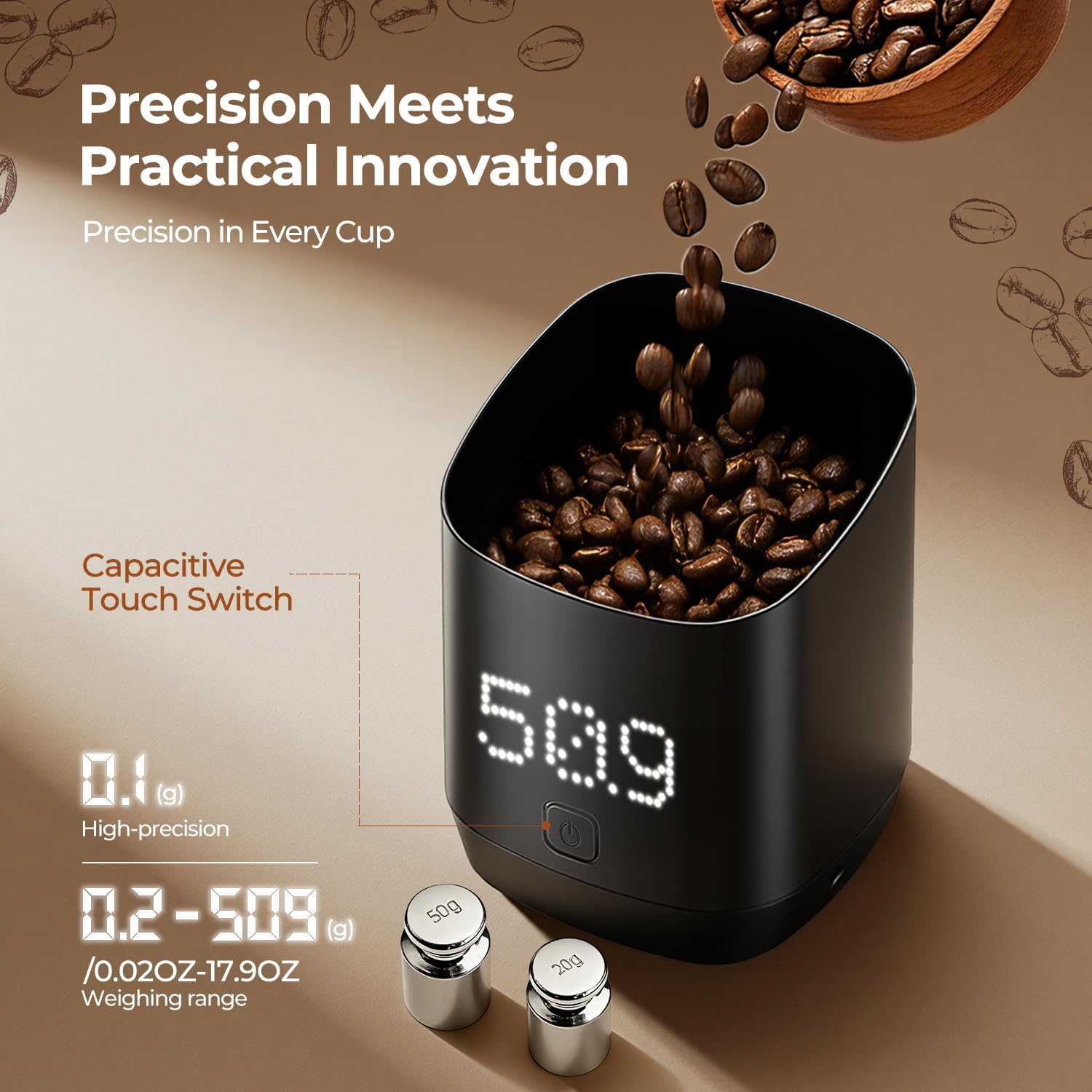
Digital Dosing Cup
Makes weighing beans faster and cleaner, with less mess around the grinder.
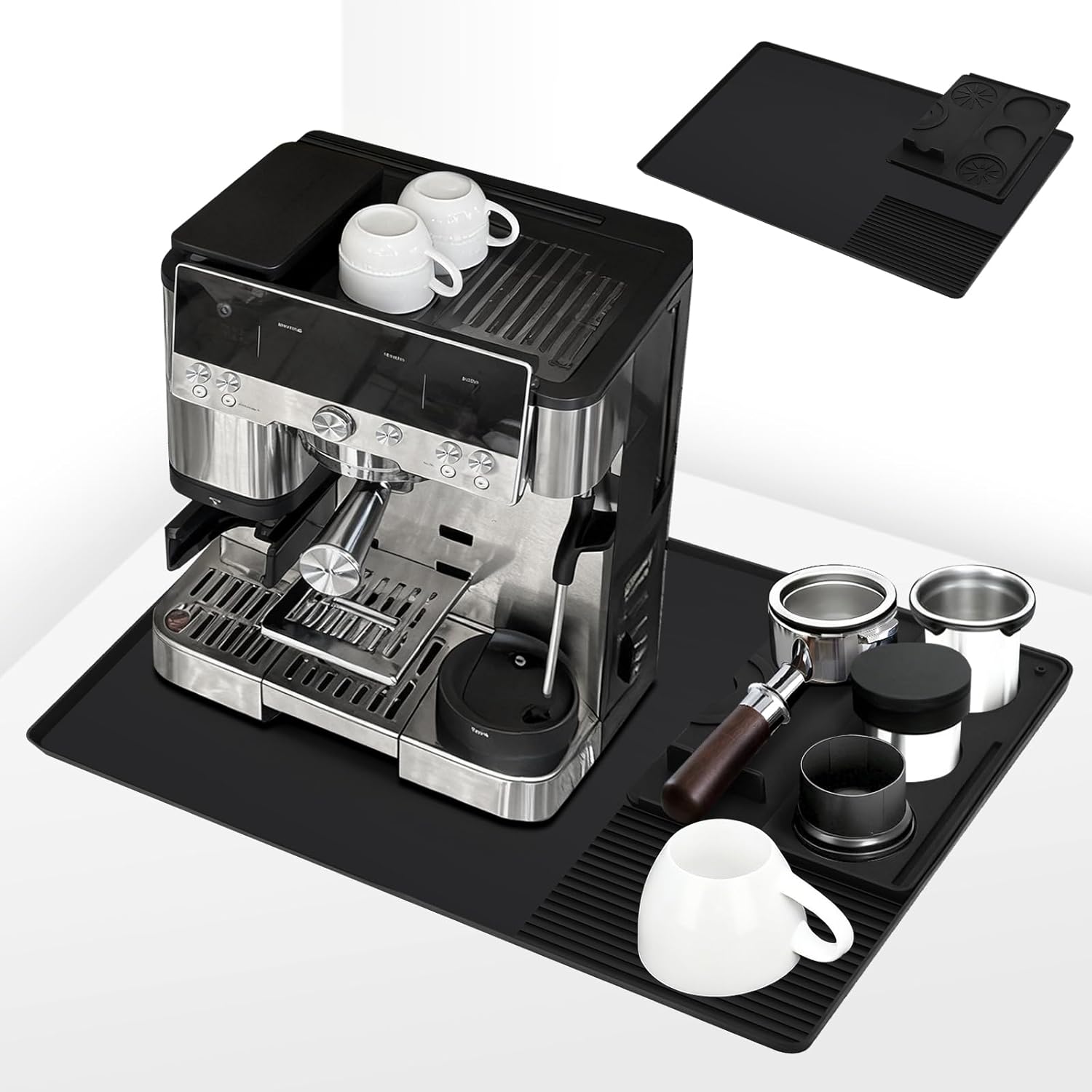
Silicone Mat
Protects your counter, catches spills, and gives your setup a cleaner working surface.

Vacuum Coffee Canister
Helps beans stay fresher longer by limiting air exposure after opening the bag.
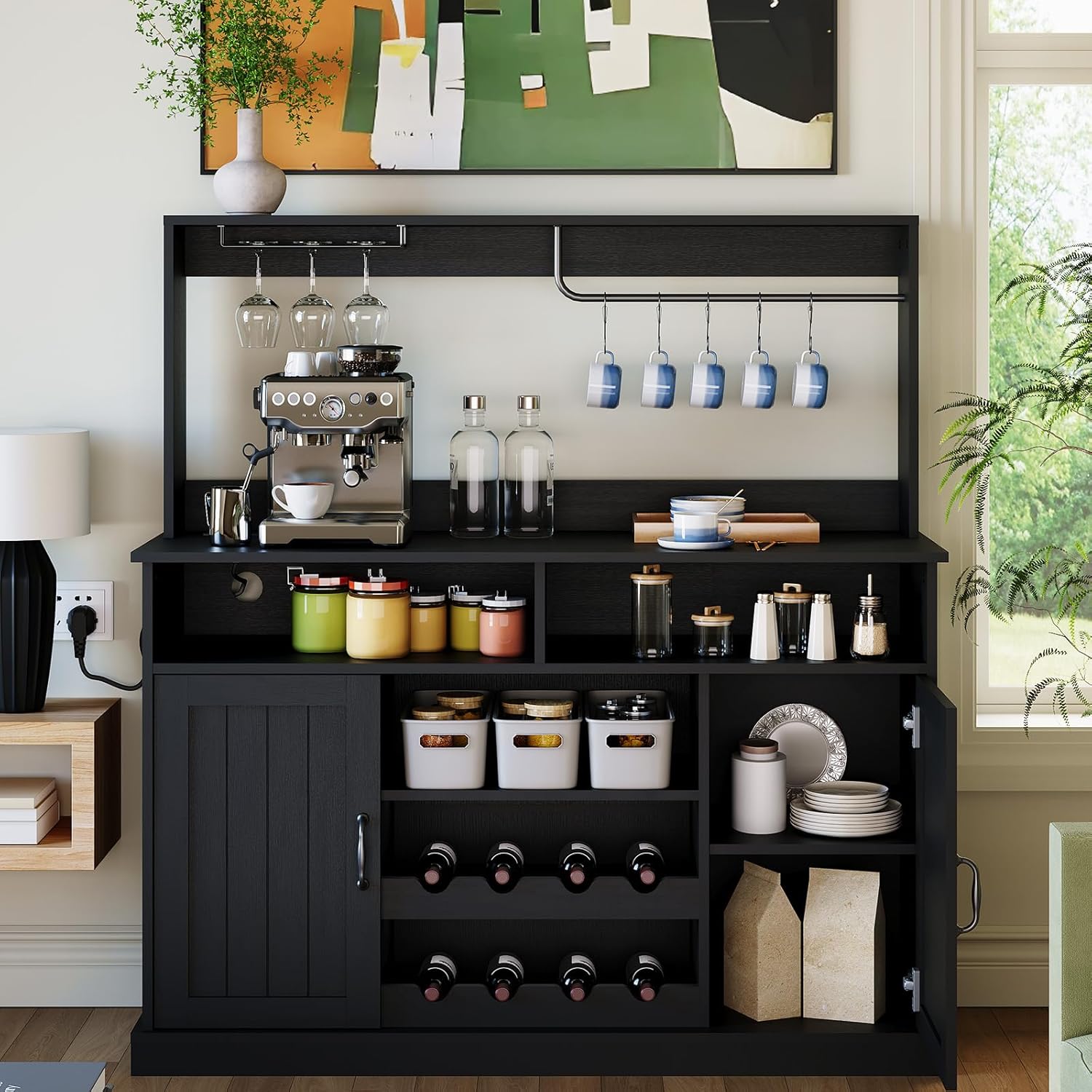
Farmhouse Coffee Bar Cabinet
Gives your machine, cups, beans, and accessories one dedicated home instead of cluttering the kitchen.
Design intent
- Stability-first espresso: dual boilers and dual PID keep brew temperature locked while you steam.
- Predictable dialing-in: the brew-pressure gauge gives you immediate feedback when the grind or puck prep is off.
- Repeatable pre-wet: soft infusion is a fixed, programmable puck-wetting step that helps smooth early flow.
- Small-footprint prosumer build: compact chassis, straightforward controls, and a layout that prioritizes workflow over decoration.
- Serviceable ownership: traditional components and standard 58 mm parts keep long-term maintenance realistic.
What it gets right in the cup and in cadence
- Temperature confidence once heat-soaked: consistent extractions with less guesswork across consecutive shots.
- Steam that feels “café-speed” for home: enough boiler volume and pressure for 1–3 milk drinks without waiting between pitchers.
- Clean workflow: no flush rituals, no guessing where the brew temperature is, and the UI stays out of your way.
- Useful feedback while learning: pressure behavior plus taste notes make it easier to build a repeatable recipe.
The deliberate trade-offs
- No true profiling: soft infusion helps, but it is not manual flow control and it does not replace a paddle-style profiling platform.
- Vibration-pump character: it is louder than rotary-pump machines, especially during autofill events.
- Heat-soak still matters: the display can say “ready” before the group and portafilter are fully stabilized for the best first shot.
- Value competition is real: feature-per-dollar is strong in this segment, so you are paying for build feel and long-term serviceability.
Where it fits
The Silvia Pro X is the right pick for home baristas who make milk drinks most days and want a compact dual boiler that is stable, predictable, and mechanically straightforward. If you want classic E61 ritual with manual flow control potential, look at a profiling-capable platform like the Lelit Bianca or an E61 dual boiler like the Profitec Pro 600. If you want maximum value and fast warm-up above all, the Lelit Elizabeth and Breville Dual Boiler are the common cross-shops.
Cross-shop context on Coffeedant: Silvia Pro X buyers most often compare against the Lelit Elizabeth for compact dual-boiler value, the Breville Dual Boiler for features-per-dollar, the La Marzocco Linea Micra for premium speed and build, and simpler alternatives like the Profitec Go (single boiler) or Lelit Mara X (HX) when budget or footprint is the main constraint.
Rancilio Silvia Pro X lineup: which version to buy
The Rancilio Silvia Pro X is effectively a one-platform machine sold in multiple finishes. You are not choosing a different brew engine, you are choosing color availability, region voltage and warranty, and sometimes a small finish premium. If you are deciding between Rancilio models (not colors), the real fork is single boiler versus dual boiler: Rancilio Silvia V6 (classic single boiler ritual) versus the Pro X (compact dual boiler cadence).
Rancilio Silvia Pro X vs Silvia basic model
| Category | Silvia Pro X | Silvia basic model |
|---|---|---|
| Boiler setup | Dual boiler machine built for brewing and steaming without the usual single-boiler wait. | Classic single boiler machine with a more manual brew-then-steam rhythm. |
| Daily workflow | Faster and cleaner for back-to-back drinks, with less temperature guesswork. | More ritual-driven. Great for learning, but slower when you move from espresso to milk. |
| Temperature control | Dual PID setup makes brew behavior more predictable and easier to repeat. | More old-school temperature management, especially if you want the best shot consistency. |
| Milk drinks | The stronger fit for cappuccino and latte households. | Can steam well, but the single-boiler cadence slows milk-heavy routines down. |
| Who it suits best | Buyers who want compact prosumer convenience and repeatable espresso-plus-milk workflow. | Buyers who want the classic Silvia experience and do not mind a more hands-on learning curve. |
| Best shorthand | Compact dual boiler cadence. | Classic single boiler ritual. |


How to read this: pick the finish you will enjoy seeing every day, then prioritize a seller that supports parts and warranty in your region. If you are importing, confirm voltage, plug type, and warranty coverage first, because that matters more than the color.
Key Rancilio Silvia Pro X Specifications
Semi-automatic dual boiler with a dedicated brew boiler and dedicated steam boiler.
0.3 L brew boiler and 1.0 L steam boiler.
Dual PID with independent brew and steam setpoints.
Programmable soft infusion from 0 to 6 seconds.
Brew-pressure gauge with OPV-governed pressure behavior.
Vibration pump. Traditional and serviceable, but louder than rotary designs.
58 mm with a wide accessory and basket ecosystem.
1.0 L steam boiler with a 4-hole tip. Strong enough for 1 to 3 milk drinks in a row.
About 15 minutes to machine-ready, then a few more minutes for full group and portafilter heat soak.
About 25 cm wide and about 39 cm tall. Top-fill tank, so plan overhead clearance for refills.
Hardness 40 to 80 ppm as CaCO3, alkalinity 30 to 60 ppm as CaCO3, and pH near 7.
Water backflush daily, detergent backflush weekly, and descale only when needed. Water first, descale second.
First Impressions & Build Quality
On the counter, the Silvia Pro X reads like a compact commercial tool, not a lifestyle appliance. The chassis uses stainless panels over a rigid frame, and the internals are laid out cleanly with short runs and sensible access once the covers are off. At about 25 cm wide and about 39 cm tall, it fits under most wall cabinets, but you still want clearance above for top-fill refills and cup access.
Ergonomically, it is a straightforward semi-auto: a simple face, clear feedback, and an “eyes up” workflow. The brew-pressure gauge is the under-rated ownership feature, because it makes problem diagnosis fast when a shot runs too slow, too fast, or starts channeling early.
What’s in the Box
- Rancilio Silvia Pro X espresso machine
- 58 mm portafilter (kit varies by retailer)
- Filter baskets (basket count and sizes vary by region and bundle)
- Water tank and drip tray
- User documentation and warranty information
Bundles vary by retailer and region. If you care about a bottomless portafilter, extra baskets, or a better tamper, plan those as add-ons from day one.
Chassis and internals
The design is traditional where it matters for service: a vibration pump with familiar mounts, an OPV you can verify with a blind basket, and standard 58 mm wear items. Longevity is mostly water management and routine gasket checks. If you keep scale under control, the machine stays consistent and failures tend to be predictable, not mysterious.
Controls and touch points
The Pro X is control-forward without turning into a science project. Dual PID lets you set brew temperature for roast level, and you can run the steam boiler higher for drier steam or lower for more forgiving texturing. Soft infusion is programmable and repeatable. It is a pre-wet step, not flow control, but it helps stabilize early flow when your puck prep is good.
Counter fit
| Item | Detail | Why it matters |
|---|---|---|
| Width | About 25 cm | Fits well on narrow counters and leaves room for a grinder. |
| Height | About 39 cm | Usually clears wall cabinets, but top-fill refills need overhead clearance. |
| Warm-up reality | Machine-ready first, brew-stable after heat soak | First shot quality improves when the group, basket, and portafilter are fully saturated with heat. |
| Tank access | Top-loading refill | If your machine lives under cabinets, measure the clearance so refills are not annoying. |
| Noise profile | Vibration-pump character | Expect more sound than a rotary pump machine, especially during refill events. |
| Accessory ecosystem | 58 mm standard | Easy upgrades, baskets, tampers, puck screens, and bottomless portafilters all have wide compatibility. |
Testing Results
Tests used a disciplined warm-up and heat-soak routine, multiple grinder styles, and water mixed into a safe hardness and alkalinity range. Results below focus on temperature behavior, recovery cadence, steam timing, and practical dial-in settings that map to common coffees.
| Metric | Result | Method |
|---|---|---|
| Warm-up to machine-ready | About 15 minutes | Boilers at setpoint, then blank-shot heat soak for best first cup. |
| Shot-to-shot stability (heat-soaked) | About 0.3 to 0.5 °C variance at the basket | Stability checks after the group and portafilter are fully warmed. |
| Recovery between shots | About 30 to 45 seconds for typical ratios | Minimal purge, tight workflow, consistent prep. |
| Soft infusion range | 0 to 6 seconds | Repeatable pre-wet phase to stabilize early flow. |
| 200 ml milk steam timing | About 25 to 35 seconds (5 °C to 60 °C) | Brief purge, stretch 3 to 5 seconds, then roll to finish. |
| 350 ml milk steam timing | About 35 to 50 seconds | Depends on steam setpoint and pitcher technique. |
| Noise expectation | Mid 60s dBA at one meter during extraction (typical vib-pump lane) | Tray and cup rattle can add perceived noise. |
| Coffee | Dose | Yield | Time | Brew temp | Soft infusion | Notes |
|---|---|---|---|---|---|---|
| Medium blend | 18 g | 38 g | 28 s | 93 °C | 2 s | Chocolate, low bitterness |
| Light SOE | 18.5 g | 48 g | 32 s | 94.5 °C | 4 s | High clarity, sweet acidity |
| Decaf | 18 g | 38 g | 27 s | 92.5 °C | 2 s | Clean, soft finish |
Key takeaways from testing
- It is a stability machine: once heat-soaked, it repeats shots tightly and stays composed while steaming.
- The brew gauge is a real workflow tool: it speeds diagnosis when a shot is wrong, especially for newer dial-ins.
- Soft infusion helps, but it is not profiling: it improves early puck wetting and reduces edge channeling risk when prep is solid.
- Steam is confidently “milk drink ready”: 1 to 3 drinks in a row is realistic without waiting around.
- Water control is the ownership lever: hit a sane hardness and alkalinity range, then descale only when performance signals it.
Espresso Quality: getting the best out of the Rancilio Silvia Pro X
The Rancilio Silvia Pro X is a semi-automatic built for repeatability, not automation. With a good grinder and disciplined puck prep, it delivers stable, clean espresso thanks to dual PID control, an independent steam boiler, and a brew-pressure gauge that makes dial-in problems obvious fast. Your “levers” are the ones that matter in real espresso: grind, dose, yield, time, brew temperature, and soft infusion (0–6 s).
Session protocol that keeps results consistent
- Heat soak, not just “ready”: lock in a dry portafilter and basket, let the boilers reach setpoint, then pull a 3–4 second blank shot.
- Give it a few minutes: wait 2–3 minutes and pull another short blank to chase initial chill from the group and portafilter.
- Set a baseline: pick a target ratio (1:2 for medium roasts, 1:2.5–1:2.8 for lighter coffees) and keep it steady while you adjust grind.
- Change one variable at a time: adjust grind first, then temperature or soft infusion, then dose only if the basket is underfilled or overfilled.
- Use the gauge as feedback: stable pressure with bad taste usually means recipe. Unstable pressure usually means puck prep or grind.
Flavor targets by coffee style
| Coffee | Baseline recipe (Silvia Pro X) | What it tastes like when right | If too sour / thin | If too bitter / dry |
|---|---|---|---|---|
| Medium espresso blend |
Dose 18 g → Yield 36–40 g in 25–30 s Brew temp 92–93°C · Soft infusion 0–2 s |
Syrupy body, rounded chocolate, steady crema | Go finer or tighten yield to 1:2; raise brew temp 1°C if needed | Go coarser or reduce yield slightly; drop temp 1°C if roast is darker |
| Light single-origin espresso |
Dose 18.5 g → Yield 45–50 g in 28–34 s Brew temp 94–95°C · Soft infusion 3–5 s |
Bright but clean acidity, higher clarity, less astringency at longer ratios | Go finer, extend yield slightly (within taste), or increase temp 0.5–1°C | Go coarser, reduce yield, or shorten soft infusion if puck is over-wetting |
| Decaf (Swiss-water style) |
Dose 18 g → Yield 36–40 g in 26–30 s Brew temp 92–93°C · Soft infusion 1–3 s |
Caramel sweetness, controlled finish, less bite | Go finer and keep yield in the 1:2–1:2.2 lane; avoid long pulls | Go coarser or lower temp 0.5–1°C; decaf turns dry quickly when over-extracted |
Brew temperature and soft infusion: use them like tools
- Brew temperature: run 92–93°C for most medium blends; push 93–95°C for lighter coffees that taste tight or sharp.
- Soft infusion: use 0–2 s for classic medium-roast viscosity; use 3–5 s for light roasts when you want calmer early flow.
- Gauge literacy: the gauge helps you catch “grind too coarse” (low pressure, fast flow) versus “choked puck” (high pressure, drips).
- Volume discipline: fix taste by adjusting grind and ratio before you chase exotic settings. Recipe wins first.
Diagnostics you can see and taste
| Signal | Likely cause | Targeted fix |
|---|---|---|
| Fast shot, low gauge reading, thin body | Grind too coarse, under-dosed basket, or weak distribution | Go finer; verify dose; WDT and level tamp; keep soft infusion short on medium roasts |
| Slow drips, high gauge reading, harsh dryness | Grind too fine, overdosed basket, or puck swelling and choking | Go coarser; reduce dose 0.5 g if needed; shorten yield; lower temp 0.5–1°C on darker coffees |
| Spritzing or sudden blonding early | Channeling from uneven puck prep or rim gaps | Improve distribution, tamp level, clean basket rim; use 2–4 s soft infusion for light roasts |
| “Settings are right” but first shot is inconsistent | Not fully heat-soaked group and portafilter | Follow the heat soak protocol: short blank, wait, short blank, then brew |
Keep variance low
- Use a consistent puck routine (WDT, level tamp, dry basket). This machine rewards discipline.
- Log dose, yield, time, brew temp, and soft infusion. Small changes add up faster than you think.
- Keep water in a sane range (roughly 40–80 ppm hardness with balanced alkalinity) to protect taste and reduce scale-driven drift.
Milk System: Silvia Pro X steaming workflow, texture, and consistency
The Silvia Pro X is a manual-steam machine with a true dual boiler advantage: the 1.0 L steam boiler keeps pressure steady while the brew boiler stays locked on temperature. In practice, that means a clean routine for 1–3 milk drinks in a row without waiting for recovery. The stock 4-hole tip favors fast incorporation and easy whirlpool formation, so the main skill is controlling stretch time and not over-purging.
Technique targets that make latte art texture repeatable
- Purge briefly: clear condensation, then start immediately. Long purges waste pressure and slow the pitcher.
- Stretch 3–5 seconds: tip just under the surface, add air early, then stop adding air before the foam gets coarse.
- Roll to finish: sink the tip slightly to build a stable whirlpool, then finish at 60–65°C.
- Wipe and purge: clean the wand right away and purge 1–2 seconds to keep the tip holes sharp.
Milk volume and real-world timing
| Milk volume | Target drink | Typical steam time | Tip |
|---|---|---|---|
| 200 ml (from ~5°C) | 6–8 oz cappuccino / flat white | 25–35 s to ~60°C | Stretch early, then roll hard. Keep the pitcher cold to buy working time. |
| 350 ml | 12–14 oz latte | 35–50 s | If foam gets too thick, shorten stretch and let rolling do the work. |
Texture targets by drink
| Drink | Milk volume | Target texture | Notes |
|---|---|---|---|
| Cappuccino | 150–220 ml | Glossy microfoam, slightly more lift | Use the full 3–5 s stretch, then roll tight to avoid dry foam. |
| Latte | 250–350 ml | Paint-like microfoam, minimal bubbles | Shorten stretch and prioritize rolling to keep texture pourable. |
| Flat white | 160–220 ml | Low-foam, high gloss | Very short stretch, then roll. Finish closer to 60°C for sweetness. |
Keep milk performance sharp
- Do not let milk residue bake into the tip. Wipe and purge every time.
- If steam feels wetter than usual, raise steam boiler setpoint slightly and keep purges short.
- If texture turns bubbly, the usual cause is stretching too long, not weak steam.
Hardware Essentials
Silvia Pro X uses a 0.3 L brew boiler paired with a 1.0 L steam boiler, each controlled by PID.
That separation is the ownership win: the brew boiler stays steady while the steam boiler handles milk demand.
Set brew temperature for roast level, and run the steam boiler higher when you want drier steam.
0–6 seconds of fixed pre-wet helps stabilize early flow.
Roughly 40–80 ppm hardness with balanced alkalinity for taste and longevity.
The machine uses a vibration pump with an OPV-governed pressure system.
The front brew-pressure gauge is practical feedback, not decoration.
Use the gauge to diagnose grind and puck prep, then confirm the final call with taste.
Verify with a blind basket only when you can measure consistently and log the result.
Vibe pumps are audible. Tray and cup rattles usually make the machine sound louder than it is.
Silvia Pro X is a standard 58 mm machine.
Baskets, tampers, puck screens, and bottomless portafilters are all easy upgrades.
The machine rewards precise distribution and level tamping more than most owners expect.
The stock 4-hole steam tip is fast and forgiving once you control stretch time.
If you want slower, finer control, an alternate tip can make training easier.
0.1 g scale. The fastest consistency upgrade.
58.5 mm flat tamper for better level tamping and edge seal.
0.3–0.4 mm needles help reduce channeling with modern grinders.
18 g or 20 g baskets with tighter geometry improve repeatability.
Helps reduce screen fouling and keeps the shower area cleaner.
Use a filter cartridge or remineralization plan that lands you in a scale-safe range.
| Component | Spec | Use note |
|---|---|---|
| Brew boiler | 0.3 L | Fast stabilization once heat-soaked; keep a tight workflow between shots. |
| Steam boiler | 1.0 L | Confident for 1–3 milk drinks in a row with minimal recovery waiting. |
| Control | Dual PID | Set brew temp for roast level; set steam boiler for drier or gentler steaming. |
| Pre-wet | Soft infusion 0–6 s | Repeatable puck wetting, not manual profiling. Helps calm early flow on light roasts. |
| Pressure | Brew-pressure gauge + OPV | Gauge speeds diagnosis when shots run fast, slow, or channel early. |
| Portafilter | 58 mm | Huge accessory ecosystem: baskets, tampers, puck screens, bottomless PF. |
| Pump | Vibration pump | Audible during extraction; rubber feet and tray management reduce perceived noise. |
Rancilio Silvia Pro X vs The Field: Quick Matrix
| Match-up | Core difference | Best for |
|---|---|---|
| Silvia Pro X vs Lelit Elizabeth | Heavier, more traditional build + brew gauge vs compact dual-boiler value and fast heat-up | Pro X for tactile feedback and robust service lane; Elizabeth for value and speed |
| Silvia Pro X vs Breville Dual Boiler | Traditional prosumer parts and feel vs maximum features-per-dollar with a more appliance-forward UI | BDB for value and volumetric convenience; Pro X for simpler long-term serviceability |
| Silvia Pro X vs Profitec Pro 600 | Compact non-E61 dual boiler simplicity vs E61 ritual with upgrade runway | Pro 600 for E61 ownership and future flow-control options; Pro X for compact repeatability |
| Silvia Pro X vs Lelit Bianca | Repeatable dual-boiler routine vs paddle-driven flow control and profiling | Bianca for experimentation and pressure artistry; Pro X for clean, consistent daily cadence |
| Silvia Pro X vs La Marzocco Linea Micra | Value-focused compact dual boiler vs premium-speed saturated group with app control | Micra for premium speed/build and a higher ceiling; Pro X for true dual-boiler performance at lower spend |
| Silvia Pro X vs Ascaso Steel Duo PID | Dual boiler steam buffer and stability vs ultra-fast dual-thermoblock starts and efficiency | Steel Duo for speed and low idle habits; Pro X for stronger steam cadence and classic prosumer feel |
Rancilio Silvia Pro X vs Lelit Elizabeth
This is the most common “compact dual boiler” decision. Both can make excellent espresso with the right grinder. The difference is ownership feel: Silvia Pro X leans heavier and more traditional, with a brew-pressure gauge that speeds diagnosis. Lelit Elizabeth is the value benchmark for a fast, compact dual boiler with smart pre-infusion logic.
Core differences
- Build feel: Pro X reads more metal-forward and tool-like; Elizabeth prioritizes compact value engineering.
- Dial-in feedback: Pro X gives you a brew gauge; Elizabeth leans on programming and workflow speed.
- Buying logic: choose Pro X for tactile feedback and a traditional service lane; choose Elizabeth for value and fast warm-up habits.
| Aspect | Silvia Pro X | Lelit Elizabeth |
|---|---|---|
| Best fit | Milk drinkers who want compact dual boiler stability plus gauge feedback | Value buyers who want fast heat-up and a compact dual boiler that is easy to live with |
| Daily feel | Traditional prosumer workflow, simple face, strong steam buffer | Quick, efficient routines with more “smart” pre-infusion programming |
| Trade-off | Costs more than value dual boilers | Feels lighter in build compared with heavier prosumer chassis |
Who should choose which
- Pick Silvia Pro X if you want the brew gauge, heavier feel, and a compact machine that holds steam cadence.
- Pick Lelit Elizabeth if value and speed are your priority and you still want a true dual boiler.
Rancilio Silvia Pro X vs Breville Dual Boiler
This match-up is about value philosophy. Breville Dual Boiler is the “features-per-dollar” champion with a friendly interface and volumetric convenience. Silvia Pro X counters with a more traditional build, a simpler long-term service story, and a brew gauge that helps you dial in with less guesswork.
Core differences
- Feature density: Breville packs in convenience and programmability for the money.
- Service lane: Pro X leans on more conventional prosumer components and a straightforward layout.
- Daily workflow: BDB is “set it and repeat by volume”; Pro X is “manual craft with predictable feedback.”
| Aspect | Silvia Pro X | Breville Dual Boiler |
|---|---|---|
| Best fit | Buyers who want traditional prosumer feel and simpler parts logic | Buyers who want maximum features and convenience per dollar |
| Daily feel | Manual semi-auto rhythm, gauge feedback, strong steam buffer | Convenience-forward workflow with repeatable volumetric routines |
| Trade-off | Less convenience automation than Breville | Long-term service paths differ from traditional prosumer machines |
Who should choose which
- Pick Silvia Pro X if you want a traditional prosumer machine that is easy to understand, own, and maintain.
- Pick Breville Dual Boiler if your priority is value and convenience, and you like feature-rich workflows.
Rancilio Silvia Pro X vs Profitec Pro 600
This is the “compact modern dual boiler” versus “E61 dual boiler” fork. Profitec Pro 600 brings E61 ritual, more mass, and the option to chase an upgrade path that E61 platforms support. Silvia Pro X stays compact and straightforward, with a brew gauge and soft infusion for predictable dialing-in without the E61 warm-up lifestyle.
Core differences
- Group style: Pro 600 is E61; Pro X is a more modern compact group approach.
- Warm-up behavior: E61 routines tend to reward longer heat soak.
- Ownership intent: Pro 600 suits ritual and upgrade-minded owners; Pro X suits “get great espresso daily without extra ritual.”
| Aspect | Silvia Pro X | Profitec Pro 600 |
|---|---|---|
| Best fit | Compact dual boiler buyers who want stable espresso and strong steam with low fuss | E61 lovers who want classic ritual and an upgrade-friendly platform |
| Daily feel | Simple UI, gauge feedback, predictable workflow | E61 workflow with more ritual and longer heat soak expectations |
| Trade-off | No E61 upgrade ecosystem | Larger footprint and longer warm-up reality |
Who should choose which
- Pick Silvia Pro X if you want compact repeatability and fast diagnosis via the brew gauge.
- Pick Profitec Pro 600 if you want E61 ritual and a platform that supports a longer-term upgrade mindset.
Rancilio Silvia Pro X vs Lelit Bianca
Lelit Bianca is a tinker’s platform: paddle flow control, E61 behavior, and a clear path to profiling and experimentation. Silvia Pro X is built for clean repeatability with fewer knobs to chase. If you want to sculpt pressure and flow, Bianca is the right tool. If you want stable espresso and strong steam with a simpler routine, Pro X wins on daily friction.
Core differences
- Control style: Bianca is manual flow control; Pro X is repeatable soft infusion, not profiling.
- Ritual: Bianca leans into E61 ownership; Pro X stays compact and direct.
- Decision lens: buy Bianca for experimentation; buy Pro X for consistency and speed of routine.
| Aspect | Silvia Pro X | Lelit Bianca |
|---|---|---|
| Best fit | Daily milk drinkers who want consistent shots without profiling | Enthusiasts who want paddle control and profiling experimentation |
| Daily feel | Simple, predictable, repeatable | Hands-on, adjustable, experimentation-friendly |
| Trade-off | No manual flow control | More ritual and a larger footprint |
Who should choose which
- Pick Silvia Pro X if you want reliable results and you do not want to profile every coffee.
- Pick Lelit Bianca if experimenting with flow and pressure is the point of ownership.
Rancilio Silvia Pro X vs La Marzocco Linea Micra
Linea Micra plays in a higher price lane with premium build, speed-forward behavior, and app-driven control. Silvia Pro X competes by delivering true dual-boiler stability, strong steam, and a straightforward interface for significantly less money. If you want the premium-speed experience, Micra is the answer. If you want high-level espresso and milk cadence without the premium tax, Pro X holds its ground.
Core differences
- Speed and polish: Micra’s appeal is premium speed, build, and a modern control layer.
- Value lane: Pro X targets stable dual-boiler performance and predictable workflow at a lower spend.
- Buying logic: pay up for Micra if you want premium fit and near-instant readiness; choose Pro X when you want performance-per-dollar.
| Aspect | Silvia Pro X | Linea Micra |
|---|---|---|
| Best fit | Serious home baristas who want true dual boiler performance with a compact footprint | Buyers who want premium speed, build, and a higher-end ownership experience |
| Daily feel | Simple, stable, traditional semi-auto rhythm | Premium, fast, and polished with app-led control options |
| Trade-off | Not a premium-speed platform | Costs significantly more |
Who should choose which
- Pick Silvia Pro X if you want serious espresso and steam performance without stepping into premium pricing.
- Pick Linea Micra if speed, build, and premium ownership polish are the reasons you are buying.
Rancilio Silvia Pro X vs Ascaso Steel Duo PID
This is the “fast-start modern platform” versus “classic dual boiler cadence” decision. Ascaso Steel Duo PID uses dual thermoblocks for rapid starts and lower standby habits. Silvia Pro X brings a real steam boiler buffer and the predictable feel of a traditional prosumer machine. If your mornings demand speed and you do not want long idle time, Ascaso shines. If you steam daily and want a steadier milk workflow, Pro X is the safer bet.
Core differences
- Heat-up and energy: Ascaso is speed-first; Pro X is stability-first with a boiler buffer.
- Milk cadence: Pro X is stronger for repeated milk drinks; Ascaso is best for one or two without drama.
- Ownership feel: Ascaso reads modern and efficient; Pro X reads traditional and serviceable.
| Aspect | Silvia Pro X | Ascaso Steel Duo PID |
|---|---|---|
| Best fit | Milk drink households who want steady steam and repeatable dual boiler behavior | Speed-first buyers who want fast starts and efficient on-off ownership |
| Daily feel | Compact prosumer tool with strong steam buffer | Very fast readiness and efficient workflow habits |
| Trade-off | Not the fastest start in class | Steam strength is more “home round” than “mini café round” |
Who should choose which
- Pick Silvia Pro X if you steam daily and want the most predictable milk cadence in a compact chassis.
- Pick Ascaso Steel Duo PID if speed, efficiency, and quick on-demand shots are your main priorities.
How to use this matrix: If you want compact dual-boiler stability and strong steam with simple controls, Silvia Pro X is the clean pick. If you want profiling, step to Bianca. If you want premium-speed and polish, step to Linea Micra. If you want maximum value per dollar, Breville Dual Boiler and Lelit Elizabeth are the first cross-shops.
Final verdict: Rancilio Silvia Pro X
The call: this is the sweet spot buy for people who want repeatable espresso and real steam performance in a compact footprint, without stepping into E61 ritual, rotary-pump pricing, or paddle-style profiling.
FAQ
Quick ownership answers only.
Is the Rancilio Silvia Pro X worth it?
Yes if you want a compact dual boiler with stable temperatures, strong steam, and a predictable daily workflow. Soft infusion and the brew-pressure gauge make it easier to dial in without turning the machine into a hobby project.
What is the warm-up time in real use?
Expect about 15 minutes to machine-ready, then a few more minutes for the group, basket, and portafilter to fully heat soak. Lock in the portafilter and run a short blank shot before the first real pull for better first-shot consistency.
Does it have soft infusion, and how should I use it?
Yes. You can program 0 to 6 seconds of low-pressure pre-wetting. Keep it short or off for medium blends when you want more body. Run it longer for lighter roasts and longer ratios when you want a calmer shot start.
What does the brew-pressure gauge actually help with?
It gives you real-time dial-in feedback. If pressure rises too slowly, the grind may be too coarse or the puck prep weak. If pressure spikes fast and the shot crawls, you are likely too fine. It is one of the most useful 'see what went wrong' tools on the machine.
Can it handle back-to-back espresso and milk drinks?
Yes. Once fully warmed, it is comfortable doing two espressos or one to three milk drinks in a row without the temperature drama you get on single boilers.
Can I add flow control or pressure profiling?
Not as a factory profiling platform. Soft infusion is a fixed pre-wet step, not paddle-style flow control. If manual profiling is your daily goal, a machine like the Lelit Bianca is the more natural fit.
What water should I use in the Silvia Pro X?
Aim for moderate hardness and balanced alkalinity. A practical target is about 40 to 80 ppm hardness and 30 to 60 ppm alkalinity as CaCO3. Good water protects the boilers, keeps steam recovery healthy, and reduces the odds that you need to descale.
How often should I clean it?
Water backflush daily, detergent backflush weekly, and wipe and purge the steam wand after every milk session. Replace the group gasket when it stiffens or when you start seeing drips during a shot.
We’ve categorized the best espresso machines for every kind of buyer
Find the right shortlist faster, whether you want convenience, a beginner-friendly setup, a smaller footprint, or better value at a given budget.
Best Superautomatic Espresso Machines
One-touch picks for speed and convenience.
Best Espresso Machines for Beginners
Easy-to-use machines with a smoother learning curve.
Best Small Espresso Machines
Compact machines for tighter kitchens and counters.
Best Espresso Machines With Built-In Grinder
All-in-one options with fewer extra pieces to buy.
Best Cheap Espresso Machines Under $500
Budget picks that still make sense for real espresso.
Best Prosumer Espresso Machines Under $1000
More serious machines with stronger value for the money.
Best Single Boiler Espresso Machines
Simple, space-saving picks for espresso-first routines.