
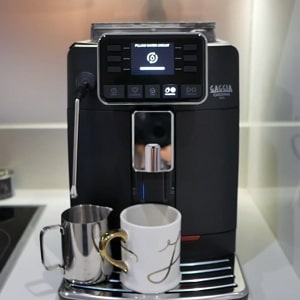
$819 clearance (Everything Kitchens) vs $1,099 MSRP. Amazon typically $1,049–$1,099.
Gaggia Cadorna Barista Plus
Super-automatic convenience with a real manual steam wand for latte-art microfoam—great value around $819, but reliability and bean-compatibility caveats apply.
Overview
Cadorna Barista Plus blends push-button grinding/brewing with a genuine manual steam wand. You get 10-step ceramic burrs, a fast-heating thermoblock, 4 per-user profiles, and a full-color TFT. The wand is the headline: 2-hole tip, real microfoam, latte-art capable. Trade-offs: loud grind/brew, strict bean compatibility (no oily/dark/flavored), and reliability patterns that make an extended warranty a wise add-on.
Pros
- Manual 2-hole steam wand enables latte-art microfoam
- 4 user profiles save grind/temp/strength/volume per person
- Italian-made; clear TFT interface and quick warm-up
- Good crema and body for a super-automatic at this price
- Strong value at ~$819 versus Swiss rivals
Cons
- Reliability concerns (grinder/power) around 8–18 months—get extended coverage
- No oily/dark/flavored beans (risk of permanent grinder damage)
- Loud: ~72–76 dB grinding, ~68–70 dB brewing
- Thermoblock needs short recovery between back-to-back shots
- Button-controlled steam purges a little water before steam
Main features
- Manual stainless steam wand (2-hole tip) for microfoam
- 10-step ceramic flat-burr grinder (adjust while grinding)
- 4 customizable user profiles with TFT UI
- Quick Heat thermoblock (~60 s to brew temp)
- 3 brew temperature settings (≈92/94/96 °C)
- 5 aroma/strength levels (Optiaroma)
- 6 one-touch drinks: ristretto, espresso, lungo, coffee, Americano, hot water
- Made in Italy; removable brew unit
Glanceable specs
Pricing & availability
Best windows: Black Friday/Cyber Monday, post-holiday clearance, and spring promos.
Who it’s for
- Households needing per-user profiles and easy UI
- Milk-drink fans who want manual steam control & latte art
- Value hunters at ~$819 who accept some maintenance
- Soft-water homes (less frequent descaling)
Who should avoid it
- “Push-button milk” seekers (consider Cadorna Prestige / De’Longhi Dinamica)
- Dark/oily/flavored-bean users (not compatible)
- Hard-water users unwilling to descale monthly
- Reliability-first buyers (Philips 3200 LatteGo is safer)
- Noise-sensitive homes
FAQs
- Is it worth it at ~$819?
- For users who want a real steam wand in a super-auto plus per-user profiles—yes. Add extended warranty.
- Can I use dark or flavored beans?
- No. Oils/flavors glaze ceramic burrs and can kill the grinder; not covered by warranty.
- How loud is it?
- About ~72–76 dB grinding, ~68–70 dB brewing—brief but noticeable.
- Does it steam and brew at the same time?
- No. Pull shots first, then steam (≈25–30 s to steam-ready).
- Descale cadence?
- Level-4 hard water ≈ every 4 weeks; soft water ≈ every 4–6 months. Use Gaggia Decalcifier.
Gaggia is one of the classic “espresso at home” names, and the Cadorna Barista Plus is its super-automatic take on daily convenience: fast drinks, repeatable settings, and a manual steam wand for people who still want real control over milk texture. It’s built for households that want consistency without turning every cup into a workflow project.
The buying truth for this machine is straightforward: you get push-button espresso and coffee drinks with a wide range of strength and temperature adjustments, plus profiles so multiple users can save “known good” recipes. The trade-off is also straightforward: it’s a super-auto ceiling—excellent for the category, but it won’t replace a dialed-in semi-auto with a dedicated grinder.
Shop the essentials
The small upgrades that make a home coffee setup cleaner, smoother, and more enjoyable to use every day.

Cleaner & Descaler Tablets
Keeps your machine clean, helps prevent buildup, and protects long-term performance.
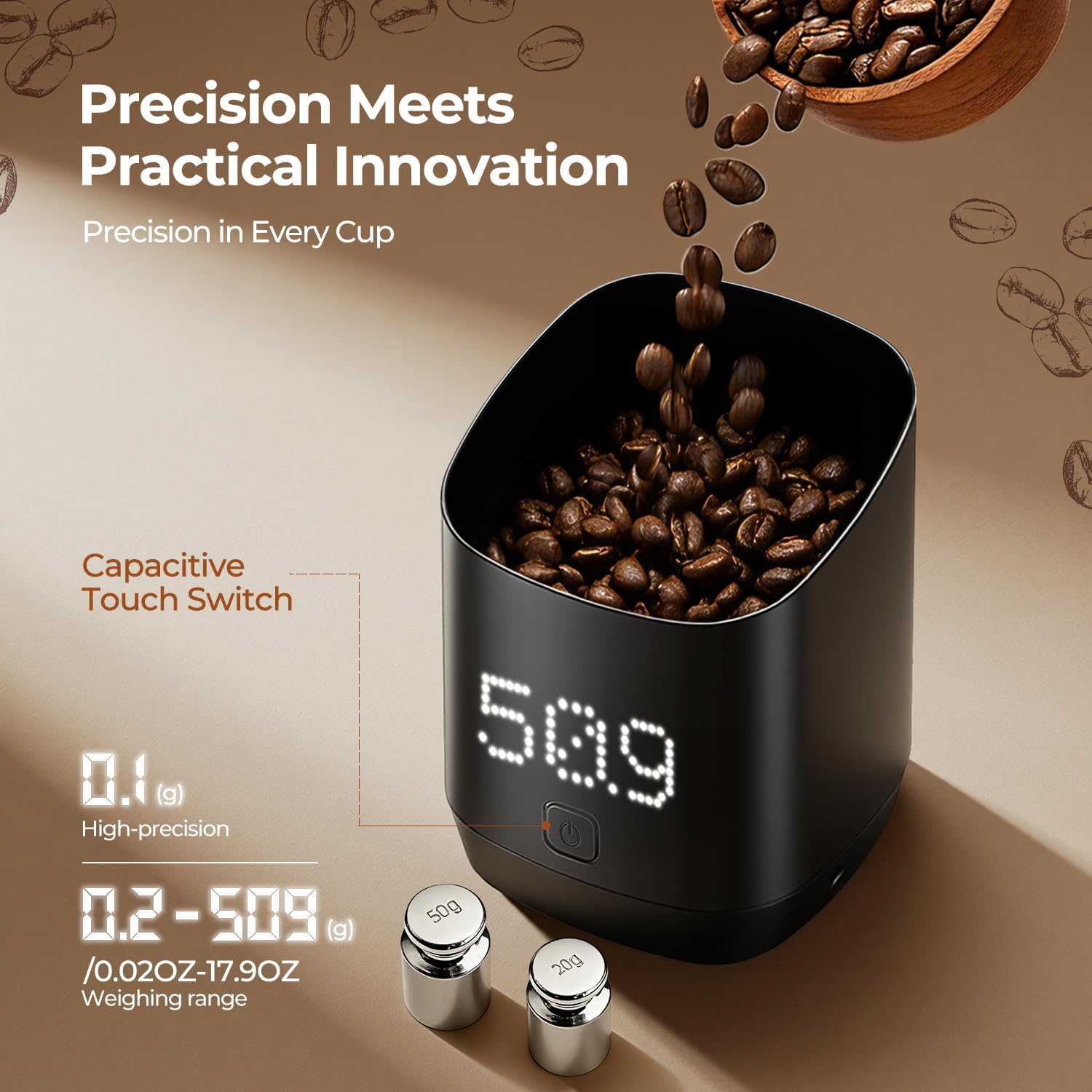
Digital Dosing Cup
Makes weighing beans faster and cleaner, with less mess around the grinder.
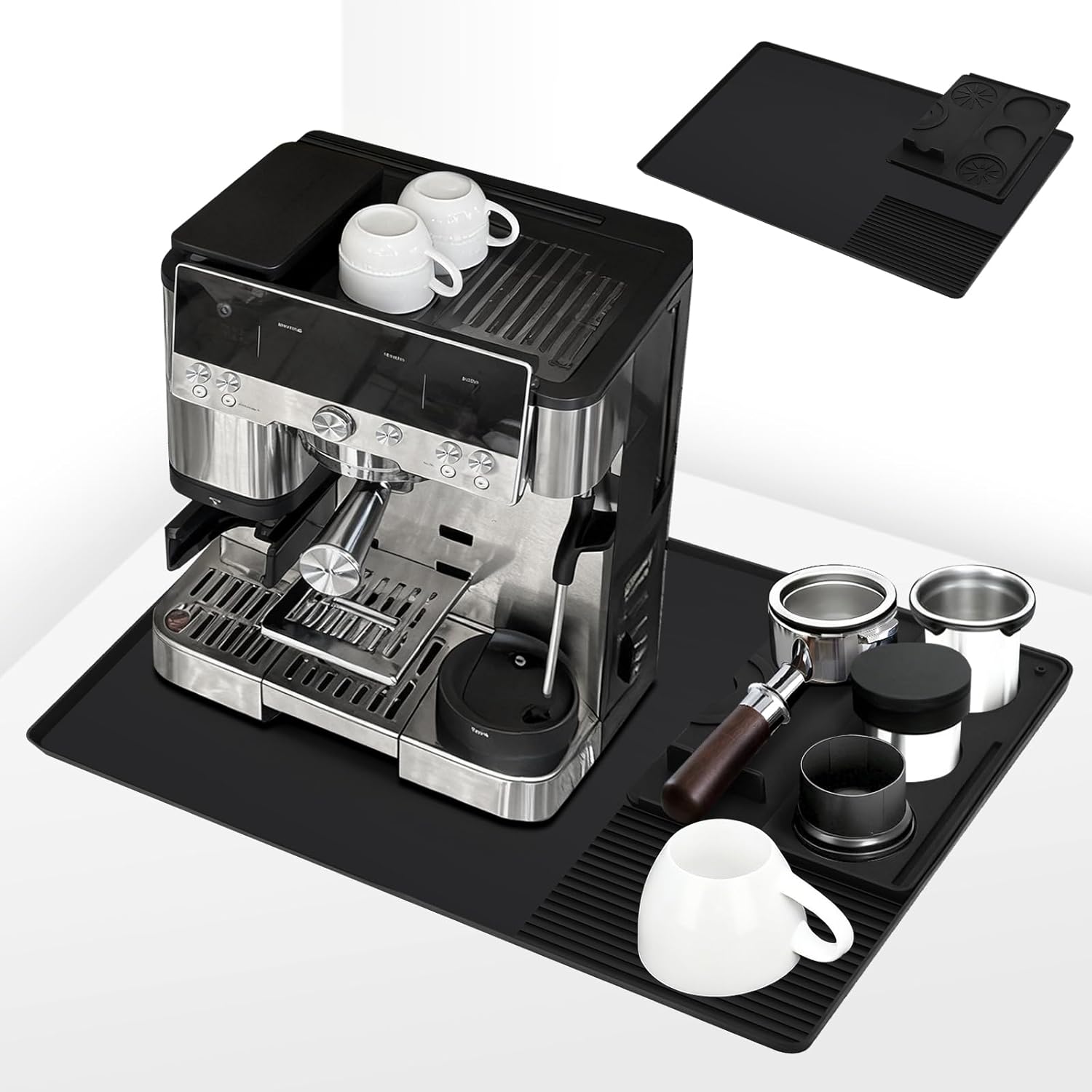
Silicone Mat
Protects your counter, catches spills, and gives your setup a cleaner working surface.

Vacuum Coffee Canister
Helps beans stay fresher longer by limiting air exposure after opening the bag.
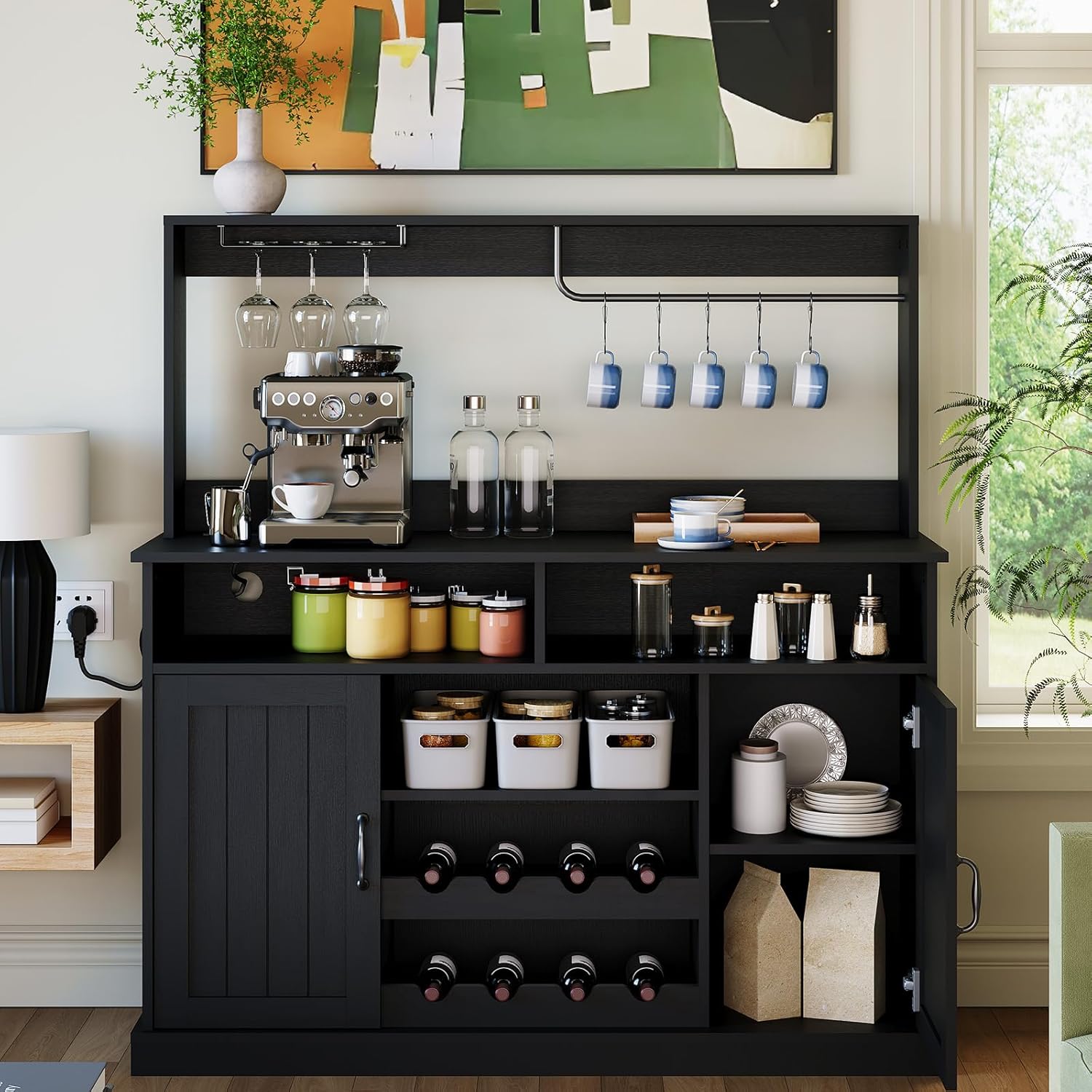
Farmhouse Coffee Bar Cabinet
Gives your machine, cups, beans, and accessories one dedicated home instead of cluttering the kitchen.
Cross-shop lens: if you want one-touch milk drinks, you typically look at carafe-based alternatives. If you want manual milk control and repeatable espresso/coffee drinks, the Barista Plus is in its comfort zone.
Overview
Gaggia is the “Italian café-at-home” legacy brand, and the Gaggia Cadorna Barista Plus is its most practical pitch for people who want super-automatic convenience but still care about milk texture. It’s a bean-to-cup machine that grinds, doses, and brews at the press of a button—then hands milk control back to you with a manual steam wand (the reason this model exists).
In daily use, Cadorna Barista Plus is about repeatable coffee fast: a clear, full-color interface, multiple user profiles for saved preferences, and a ceramic burr grinder with adjustable settings. It’s not trying to be a prosumer semi-auto—its “win” is making decent espresso-style drinks quickly, then letting you steam milk like a classic machine when you want latte-art-capable microfoam.
Design intent
- Convenience-first espresso: push-button grinding + brewing with consistent, repeatable results.
- Manual milk control: a real steam wand for people who prefer texture control over one-touch milk automation.
- Personalization without fuss: saved profiles and drink parameters so multiple people can use the same machine.
- Fast readiness: thermoblock-style heating behavior prioritizes short warm-up and steady everyday cadence.
- Service-friendly fundamentals (for a super-auto): removable brew group design so routine cleaning is realistic.
What it gets right in the cup and in cadence
- Easy “good enough” espresso at button press: consistent shots for milk drinks and Americanos without barista workflow.
- Latte-art potential (if you practice): manual steaming means you can chase glossy microfoam instead of accepting auto-foam.
- Profile-based convenience: households benefit when each person can keep their strength/volume preferences saved.
- Low daily friction: no portafilter prep, no puck mess on the counter—just refill water/beans and do the cleaning prompts.
The deliberate trade-offs
- It’s still a super-automatic: you don’t get true puck prep control, precision baskets, or the “shot craft” ceiling of a semi-auto.
- Bean discipline matters: like most super-autos, it’s happiest with non-oily beans—dark/oily or flavored beans can cause grinder issues.
- Noise is part of the category: built-in grinders are audible, especially during morning cycles.
- Maintenance is non-optional: cleaning cycles, brew-group rinsing, and descaling (depending on water) are the cost of ownership.
Where it fits
The Cadorna Barista Plus is the right lane for people who want push-button espresso drinks but prefer manual steaming for better texture control. If you want fully automatic milk with less hands-on steaming, cross-shop Gaggia Accademia or other carafe-based super-autos. If you want a more premium, polish-forward experience (and usually pay more), look at the Jura E8. If you want app-led convenience and automatic milk workflows, the De’Longhi Dinamica Plus and Philips 5400 LatteGo are common alternatives.
Quick cross-shop shorthand: choose Cadorna Barista Plus when you want manual steam control in a super-auto. Choose Jura when you want premium UI + polish. Choose Dinamica Plus or LatteGo when easy automatic milk is the priority.
Gaggia Cadorna Barista Plus lineup: which version to buy
The Gaggia Cadorna Barista Plus is part of the Cadorna super-automatic family, so the “brew engine” story is mostly the same: you’re choosing milk workflow (manual wand vs automatic milk), drink menu, and how much personalization you want. The Barista Plus is the “manual milk, café feel” pick: you get push-button espresso convenience, but you texture milk yourself with a steam wand.
| Model | Lineup slot | Compared to Barista Plus | Typical price and note |
|---|---|---|---|
| Cadorna Barista Plus Reference | Manual-milk sweet spot | Manual milk with a professional steam wand + profiles for saved recipes. Choose this if you want “super-auto convenience for espresso” but still want to texture milk yourself. | Mid-range Cadorna pricing • Usually cheaper than fully automatic milk models |
| Cadorna Prestige | One-touch milk | Prioritizes automatic milk drinks (carafe workflow) and a bigger “press-one-button cappuccino” lifestyle. Pick this if milk convenience beats manual steaming. | Higher tier • You’re paying for milk automation and menu breadth |
| Cadorna Milk | Auto milk, simpler | Automatic milk workflow, but typically a smaller drink menu than Prestige. Best when you want auto milk without paying for the top tier. | Mid-high tier • “Auto milk for less” lane |
| Cadorna Plus | Value, classic frother | Similar convenience, but typically uses a classic pannarello style frother rather than a pro wand. Choose this if you want the lowest-friction price in the family and you’re okay with simpler milk texture. | Often the value pick • Strong “first serious super-auto” lane |
| Cadorna Style | Most basic | Strips down the menu and features. Buy only if you want the simplest Cadorna footprint and don’t care about deeper personalization. | Lowest tier • “Simple coffee + espresso” focus |
How to read this: if milk drinks are daily and you want them at the press of a button, go Prestige (or Milk). If you want better microfoam and you’re happy steaming yourself, Barista Plus is the clean pick.
Key Gaggia Cadorna Barista Plus Specifications
| Item | Detail |
|---|---|
| Machine | Gaggia Cadorna Barista Plus · Model page · Cross-shop: Jura E8 |
| Machine type | Super-automatic bean-to-cup (built-in grinder, automatic dosing, one-touch brewing) |
| Milk system | Manual milk workflow with a professional steam wand (you control texture) |
| Drink menu | Core espresso + coffee + americano + hot water style menu (varies by region/firmware) |
| User profiles | Up to 4 profiles for saving personalized recipes |
| Grinder | Ceramic burr grinder with multiple grind steps (commonly 10 settings) |
| Aroma/strength | Multi-level dose/strength control (commonly 5 aroma levels) |
| Pump pressure | 15 bar class |
| Water tank | About 1.8 L (60.8 fl oz class) |
| Bean hopper | About 250 g |
| Pucks container | About 10 portions |
| Warm-up expectations | Quick-heat behavior (often around ~1 minute to ready) |
| Footprint notes | About 26 cm wide · 38 cm tall · 44 cm deep |
| Weight | About 9 kg |
| Coffeedant score | Overall rating |
| Typical price | Pricing varies by region and promos; Barista Plus usually lands below Cadorna Prestige and above “entry” super-autos. |
First Impressions & Build Quality
The Cadorna Barista Plus is a “push-button espresso, manual milk” hybrid: a wide display and guided UI for brewing/cleaning, paired with a steam wand for hands-on microfoam. It reads more like a serious kitchen appliance than a chrome prosumer box: practical plastics, tidy fit, and a layout built around speed and repeatability.
What’s in the Box
- Gaggia Cadorna Barista Plus super-automatic espresso machine
- Water tank + drip tray + used-puck box
- Milk steaming wand (built-in)
- Cleaning / maintenance items (varies by retailer bundle)
- User documentation + warranty information
Bundles vary. If your retailer includes a water filter, hardness strip, or cleaning tablets, treat those as “first month” supplies and set a replenishment reminder.
Chassis and internals
The ownership win in this class is a removable brew group and a consistent cleaning rhythm. If you rinse and lubricate on schedule, you reduce squeaks, leaks, and the “mystery drift” that makes super-autos taste worse over time.
Controls and touch points
The UI is profile-friendly: pick a drink, set your strength/volume/temperature preferences, then save to a profile so your daily routine becomes one-touch. The steam wand gives you real control over milk texture (and lets you choose your own pitcher size).
Counter fit
| Item | Detail | Why it matters |
|---|---|---|
| Width | ~26 cm | Leaves realistic room for mugs and a milk pitcher; still plan space for bean access. |
| Height | ~38 cm | Usually clears wall cabinets, but check clearance for removing the water tank and refilling beans. |
| Depth | ~44 cm | Plan for rear clearance if your counter is shallow. |
| Workflow | Fast heat + guided UI | Super-autos trade “dialing-in” for repeatable menus and saved profiles. |
| Milk drinks | Manual steaming | You get better texture control than auto milk, but you do the pitcher work and cleanup. |
| Cleaning | Rinse cycles + brew group care | Consistency over months depends on cleaning discipline more than anything else. |
Testing Results
Super-automatic “testing” is mostly about workflow reality: how fast it gets to temperature, how consistent the shots feel cup-to-cup, and how much control you get over strength, temperature, and volume. Use the table below as a practical expectation map (and then tune by taste).
| Metric | Expectation | Use note |
|---|---|---|
| Warm-up to ready | Fast start (often ~1 minute class) | Run a quick rinse cycle if the machine prompts it; first drink improves when the internals are hot. |
| Grind range | Multi-step grinder (commonly 10 steps) | Adjust one click at a time, and give it 2–3 drinks to “settle” before judging. |
| Aroma/strength range | Multi-level dose control (commonly 5 levels) | Fix taste by changing strength and volume before chasing grind. |
| Profile workflow | Up to 4 saved profiles | Save “your” espresso and “your” americano separately so daily use stays one-touch. |
| Milk drink control | Manual wand = full texture control | Short purge, stretch briefly, then roll to finish at 60–65°C. Clean immediately. |
| Drink goal | Strength / aroma | Volume | Temp | Grind | Notes |
|---|---|---|---|---|---|
| Espresso (balanced) | Medium-high | 25–35 ml | Hot | Mid-fine | Most “café espresso” taste comes from slightly higher strength + modest volume. |
| Ristretto-leaning | High | 18–25 ml | Hot | Fine (one step finer) | Keep volume tight; avoid over-long pulls that taste thin. |
| Lungo / long espresso | Medium | 45–60 ml | Hot | Mid | If it gets bitter, reduce volume before lowering strength. |
| Americano (clean) | Medium-high | Espresso + hot water | Hot | Mid-fine | Better than “extra long coffee”: pull espresso, then add water to taste. |
| Cappuccino / latte (manual) | Espresso: medium-high | 30 ml espresso + milk | Hot | Mid-fine | Steam milk to glossy microfoam; texture is determined by stretch time, not the machine’s menu. |
Espresso Quality: getting the best out of the Gaggia Cadorna Barista Plus
The Gaggia Cadorna Barista Plus is a super-automatic, so espresso quality is less about manual puck prep and more about using the machine’s control levers well: grind setting, strength/aroma, drink volume, and temperature (plus coffee freshness and water quality). When you keep those consistent and save the result to a profile, this machine delivers repeatable “daily espresso” with minimal fuss.
Session protocol that keeps results consistent
- Start hot: let the machine complete its rinse/start-up routine. If it’s been idle, run a quick hot-water rinse to warm the spouts and cup.
- Pick one baseline: choose a standard espresso recipe (medium-high strength + modest volume) and keep it fixed while you adjust.
- Fix intensity with volume first: if espresso tastes thin, reduce volume before you change grind.
- Then adjust strength: raise strength/aroma for more body and intensity, lower it if it tastes harsh at the same volume.
- Only then touch grind: move one step at a time and give the machine a few drinks to stabilize before judging.
- Save it: once it’s right, store it to a profile so daily use stays one-touch and consistent.
Flavor targets by coffee style
| Coffee | Baseline recipe (Cadorna Barista Plus) | What it tastes like when right | If too sour / thin | If too bitter / dry |
|---|---|---|---|---|
| Medium espresso blend |
Strength medium-high · Volume 25–35 ml Temp hot · Grind mid-fine |
Rounded chocolate, steady crema, fuller body | Reduce volume first; raise strength one step; then go one step finer if needed | Increase volume slightly; lower strength one step; then go one step coarser if it’s still drying |
| Light roast (espresso or lungo) |
Strength high · Volume 30–45 ml Temp hot · Grind mid |
Cleaner acidity, more clarity, less harshness | Raise temp if you have levels; increase strength; go one step finer after volume/strength are stable | Drop volume a touch (if lungo); go one step coarser; avoid max strength if it turns woody |
| Decaf |
Strength medium · Volume 25–35 ml Temp hot · Grind mid |
Caramel sweetness, softer finish, less bite | Reduce volume; increase strength one step; keep pulls shorter than you think | Lower strength; go slightly coarser; avoid long volumes (decaf turns dry fast) |
Use the controls like tools
- Volume = intensity lever: the fastest way to fix “watery” espresso is almost always less volume.
- Strength = body lever: higher strength increases body and punch, but can also amplify bitterness if volume is too low.
- Grind = texture + balance: finer usually increases resistance/body (up to a point); coarser usually reduces harshness.
- Temperature = roast lever: run hotter for lighter coffees; slightly cooler can calm darker roasts.
Diagnostics you can see and taste
| Signal | Likely cause | Targeted fix |
|---|---|---|
| Espresso tastes thin / watery | Volume too high for the coffee, or strength too low | Reduce volume; increase strength; then go one step finer if needed |
| Harsh, bitter finish | Too strong for the set volume, or grind too fine | Lower strength one step; increase volume slightly; then go one step coarser |
| Espresso swings day-to-day | Beans aging, grind drifting, or settings changed without logging | Keep one baseline; adjust volume first; then strength; log changes and save to a profile |
| First drink is weaker than later drinks | Machine/spouts not fully hot | Use the rinse/start-up cycle; warm the cup; run a quick hot-water rinse first |
| Flavor is dull / “flat” even when strong | Old beans, oily beans gumming the grinder, or scale affecting brew temp | Use fresher coffee; avoid very oily dark roasts; clean brew group; keep water in a scale-safe range |
Keep variance low
- Use fresh beans and keep the hopper clean; very oily beans can dull flavor and create grinder inconsistency.
- Change one variable at a time and give the machine a few drinks before judging grind changes.
- Use scale-safe water and keep up with cleaning prompts—super-automatic performance drifts fastest when cleaning is delayed.
Milk System: Cadorna Barista Plus steaming workflow, texture, and consistency
The Barista Plus is the “manual milk” Cadorna: you pull espresso at the push of a button, then you create microfoam with a steam wand. The win is control: you can get real cappuccino texture when your technique is consistent. The trade-off is that you own the cleanup and the steaming rhythm.
Technique targets that make texture repeatable
- Purge briefly: clear condensation, then start immediately. Long purges waste steam energy.
- Stretch early: add air for a few seconds near the surface, then stop adding air before foam gets coarse.
- Roll to finish: sink the tip slightly to build a whirlpool and integrate to 60–65°C.
- Wipe and purge: wipe the wand right away and purge again to keep the tip clean.
Milk volume and real-world timing
| Milk volume | Target drink | Typical steam time | Tip |
|---|---|---|---|
| 200 ml (cold) | 6–8 oz cappuccino / flat white | 30–45 s to ~60°C | Keep the pitcher cold; stretch briefly, then roll hard to finish glossy. |
| 350 ml | 12–14 oz latte | 45–65 s | If foam gets thick, shorten stretching and let rolling do the work. |
Texture targets by drink
| Drink | Milk volume | Target texture | Notes |
|---|---|---|---|
| Cappuccino | 150–220 ml | Glossy microfoam, slightly more lift | Stretch a little longer than latte, then roll tight to avoid dry foam. |
| Latte | 250–350 ml | Paint-like microfoam, minimal bubbles | Short stretch; prioritize rolling for pourable texture. |
| Flat white | 160–220 ml | Low-foam, high gloss | Very short stretch; finish closer to 60°C for sweetness. |
Keep milk performance sharp
- Clean immediately—milk residue is the #1 cause of “bad steam days.”
- If steam feels weak, check for scale and follow the machine’s maintenance routine (water quality first).
- If foam turns bubbly, the usual cause is stretching too long, not “weak steam.”
Hardware Essentials

Heating, brewing, and water system
Super-automatics prioritize fast heat-up and repeatable brewing. The practical ownership win is consistency: keep water in a scale-safe range, use a compatible filter if you prefer, and follow the machine’s rinse/clean prompts so temperature and flow stay steady.
- Temperature settings: use hotter for light roasts and slightly cooler for darker roasts if you have temperature levels.
- Water targets: scale-safe water (moderate hardness + balanced alkalinity) protects taste and reduces service events.
- Rinse habit: warming the brew path improves first-cup quality more than most people expect.
Grinder, dosing, and extraction behavior
On a super-automatic, “pressure” is not a gauge-driven skill. Your real extraction control comes from the grinder + dose logic and the drink parameters. Treat grind changes as small, slow experiments, and make volume/strength changes first for faster results.
- Best practice: adjust volume and strength first; use grind as your fine-tuning lever.
- Stabilization: after a grind change, pull a few drinks before you decide it helped or hurt.
- Bean choice: medium roasts are the easiest “sweet spot.” Very oily dark roasts can reduce grinder consistency over time.
Brew group and maintenance access
Instead of a portafilter, the Cadorna uses an internal brew group that forms and compresses the puck automatically. Consistency over months depends on brew group care: rinse regularly, lubricate when prompted, and don’t ignore cleaning cycles.
Steam wand hardware
The Barista Plus is a manual-milk machine. Technique controls texture more than specs: short purges, short stretching, and a strong rolling whirlpool are the reliable path to glossy milk.
Accessories that actually improve results
- 0.1 g scale (optional): useful if you’re dialing in by taste and want consistent milk + espresso ratios.
- Milk pitcher (12 oz / 350 ml): the simplest upgrade for repeatable microfoam.
- Water test strips: lets you pick a filter/water strategy based on real hardness, not guesswork.
- Cleaning tablets + lubricant: keeps the brew group consistent and prevents flavor from going stale.
- Microfiber + wand brush: makes “clean immediately” easy, which keeps steam performance consistent.
| Component | Spec / feature | Use note |
|---|---|---|
| Grinder | Ceramic burrs (multi-step) | Change one step at a time and judge after a few drinks. |
| Brew group | Removable brew unit | Rinse regularly; lubricate when prompted to keep extraction consistent. |
| Strength control | Multiple aroma/strength levels | Use strength + volume as your main taste levers before grind changes. |
| Milk | Manual steam wand | Texture comes from short stretch + strong rolling whirlpool. |
| Water strategy | Filter option + cleaning prompts | Scale-safe water + consistent cleaning prevents taste drift over time. |
Gaggia Cadorna Barista Plus vs The Field: Quick Matrix
| Match-up | Core difference | Best for | Jump to section | Model page |
|---|---|---|---|---|
| Cadorna Barista Plus vs Jura E8 | Manual steam “barista lane” + removable brew group vs premium one-touch refinement and convenience-first milk workflow | Gaggia for hands-on steaming and service-friendly ownership; Jura for polished one-touch results and premium feel | Open | Jura E8 |
| Cadorna Barista Plus vs De’Longhi Dinamica Plus | Manual wand control vs LatteCrema convenience + app-forward, milk-first workflow | Gaggia for microfoam control and simpler “barista routine”; Dinamica Plus for fast one-touch milk drinks | Open | De’Longhi Dinamica Plus |
| Cadorna Barista Plus vs Philips 5400 LatteGo | Espresso-forward Gaggia platform + manual wand vs tube-free LatteGo milk convenience and easy cleaning | Gaggia for barista control and espresso “feel”; Philips for low-fuss cappuccinos and quick cleanup | Open | Philips 5400 LatteGo |
| Cadorna Barista Plus vs Saeco Xelsis | Simpler, hands-on workflow vs premium touchscreen + personalization + higher “tech” ceiling | Gaggia for value and manual steaming; Xelsis for maximum drink variety, profiles, and automation | Open | Saeco Xelsis |
| Cadorna Barista Plus vs Gaggia Cadorna Prestige | Same family, different milk lane: manual wand vs integrated one-touch milk carafe | Barista Plus for learning and latte-art texture; Prestige for pure push-button milk convenience | Open | Gaggia Cadorna Prestige |
| Cadorna Barista Plus vs De’Longhi Eletta Explore | Espresso + manual steaming focus vs “drink menu monster” (hot + cold) and modern feature density | Gaggia for classic café workflow; Eletta Explore for variety seekers and cold/hot drink flexibility | Open | De’Longhi Eletta Explore |
Gaggia Cadorna Barista Plus vs Jura E8
This is a “hands-on barista lane” versus “premium automation” decision. Cadorna Barista Plus is about manual steaming and service-friendly ownership (notably, the removable brew group). Jura E8 is about polished one-touch results, premium fit-and-finish, and a smoother convenience-first experience.
Core differences
- Milk workflow: Gaggia’s manual wand rewards skill; Jura is built for consistent one-touch milk drinks with less technique.
- Ownership style: Gaggia is “open it, rinse it, keep it simple”; Jura is “premium appliance” convenience with a different service approach.
- Buying logic: pick Gaggia if you want to steam yourself; pick Jura if you want the most polished, push-button daily routine.
| Aspect | Cadorna Barista Plus | Jura E8 |
|---|---|---|
| Best fit | Buyers who want manual steaming and barista-style texture control | Buyers who want premium one-touch convenience and refined daily workflow |
| Daily feel | Hands-on, café-style routine with more control over milk texture | “Press and go” drinks with a polished interface and premium ownership feel |
| Trade-off | More technique required for milk consistency | Typically higher price and a different long-term service lane |
Who should choose which
- Pick Cadorna Barista Plus if you want to learn steaming, chase latte-art texture, and prefer a simpler, service-friendly platform.
- Pick Jura E8 if you want premium polish and one-touch milk drinks with minimal technique.
Gaggia Cadorna Barista Plus vs De’Longhi Dinamica Plus
This match-up is about milk philosophy. Dinamica Plus is built around convenient milk drinks and modern UI/app behavior. Cadorna Barista Plus stays in the barista lane with a manual steam wand and a more hands-on “make it like a café” routine.
Core differences
- Milk experience: Dinamica Plus leans one-touch and consistent; Cadorna Barista Plus leans manual control and skill-based texture.
- Workflow: Dinamica Plus is faster for back-to-back milk drinks; Cadorna is more satisfying if you enjoy the process.
- Decision lens: choose Dinamica Plus for speed and convenience; choose Cadorna for manual steaming and “barista feel.”
| Aspect | Cadorna Barista Plus | Dinamica Plus |
|---|---|---|
| Best fit | People who want manual steaming and more hands-on control | People who want easy one-touch milk drinks and app-forward convenience |
| Daily feel | More “café routine” and learning curve | Faster, more automated milk workflow |
| Trade-off | Milk drinks require technique | Less “hands-on” than a manual wand workflow |
Who should choose which
- Pick Cadorna Barista Plus if you want to steam manually and care about learning texture control.
- Pick Dinamica Plus if the priority is fast, repeatable milk drinks with minimal effort.
Gaggia Cadorna Barista Plus vs Philips 5400 LatteGo
This is “manual wand control” versus “easy milk convenience.” Philips 5400 LatteGo is loved for a simple, tube-free milk system that cleans fast. Cadorna Barista Plus is for people who want to learn steaming and prefer a more café-like workflow.
Core differences
- Milk cleaning: LatteGo is built to be quick and low-fuss; a manual wand requires wipe/purge habits.
- Milk quality control: the wand can produce better microfoam if you have technique.
- Buying logic: choose Philips for convenience; choose Gaggia for control and a barista-style routine.
| Aspect | Cadorna Barista Plus | Philips 5400 LatteGo |
|---|---|---|
| Best fit | Hands-on users who want manual steaming control | Convenience-first users who want fast milk cleanup |
| Daily feel | More involved but more “café-like” | Quick milk drinks with minimal maintenance friction |
| Trade-off | Technique required for consistent milk | Less barista-style control over texture |
Who should choose which
- Pick Cadorna Barista Plus if you want to make milk texture a skill and enjoy a more manual routine.
- Pick Philips 5400 LatteGo if you want low-fuss cappuccinos and quick cleanup.
Gaggia Cadorna Barista Plus vs Saeco Xelsis
Saeco Xelsis is a “premium automation and personalization” platform with a bigger feature ceiling. Cadorna Barista Plus is simpler and more hands-on, aiming for barista-style milk control at a lower friction-to-own level.
Core differences
- Interface and profiles: Xelsis leans premium touchscreen personalization; Cadorna stays simpler and more direct.
- Milk philosophy: Xelsis is built to automate milk; Cadorna is built to let you steam manually.
- Decision lens: buy Xelsis for maximum automation and variety; buy Cadorna for value and manual control.
| Aspect | Cadorna Barista Plus | Saeco Xelsis |
|---|---|---|
| Best fit | Manual-steam buyers who want a simpler ownership story | Automation lovers who want maximum personalization and drink variety |
| Daily feel | Hands-on, skill-rewarding routine | Premium interface, highly automated workflow |
| Trade-off | Less “push-button milk” convenience | Higher spend and more feature complexity |
Who should choose which
- Pick Cadorna Barista Plus if you want manual steaming and better value-per-dollar.
- Pick Saeco Xelsis if premium automation, profiles, and a “do everything for you” interface is the point.
Gaggia Cadorna Barista Plus vs Gaggia Cadorna Prestige
This is the cleanest “same family, different milk lane” decision. Barista Plus is the manual steaming choice. Cadorna Prestige is the push-button milk carafe choice. Espresso fundamentals are similar; the ownership experience is not.
Core differences
- Milk workflow: Barista Plus = wand technique; Prestige = one-touch milk drinks.
- Cleaning habits: wand routines are manual; carafes add parts but reduce skill requirement.
- Decision lens: buy Barista Plus if you want microfoam control; buy Prestige if you want speed and convenience.
| Aspect | Barista Plus | Cadorna Prestige |
|---|---|---|
| Best fit | Manual steaming + latte-art learners | Households that want one-touch cappuccinos daily |
| Daily feel | Skill-forward, café-like routine | Convenience-forward, “press and go” milk drinks |
| Trade-off | More technique, more involvement | Less manual control over texture |
Who should choose which
- Pick Barista Plus if you want manual wand control and enjoy the craft.
- Pick Cadorna Prestige if milk automation is the whole reason you’re upgrading.
Gaggia Cadorna Barista Plus vs De’Longhi Eletta Explore
This is a “classic café routine” versus “feature-density and variety” decision. Eletta Explore is aimed at people who want a huge drink menu (including cold options) and modern convenience features. Cadorna Barista Plus stays focused on espresso-first habits and manual milk control.
Core differences
- Drink variety: Eletta Explore is the variety-first machine; Cadorna is the routine-first machine.
- Milk lane: Eletta Explore leans automated workflows; Cadorna leans manual steaming.
- Decision lens: pick Eletta Explore if variety is the point; pick Cadorna if you want classic café habits with more control.
| Aspect | Cadorna Barista Plus | Eletta Explore |
|---|---|---|
| Best fit | Espresso + manual milk control, barista feel | Variety seekers (hot + cold) who want maximum menu flexibility |
| Daily feel | Skill-forward and simple | Feature-forward and menu-rich |
| Trade-off | Less automation and fewer “novelty” drinks | More complexity (and usually more spend) for the extra features |
Who should choose which
- Pick Cadorna Barista Plus if your priority is espresso + manual microfoam control.
- Pick Eletta Explore if drink variety (including cold) is why you’re buying.
How to use this matrix: If you want a super-automatic that still feels like “making coffee,” Cadorna Barista Plus wins on manual milk control. If you want pure one-touch milk convenience, look at Cadorna Prestige, Dinamica Plus, or Jura E8. If your priority is quick-clean milk, Philips LatteGo is the convenience lane. If you want maximum personalization and a premium touchscreen, Saeco Xelsis is the step-up.
In-Depth Analysis
The Gaggia Cadorna Barista Plus is a super-automatic that aims for “real espresso at the push of a button,” while keeping milk as a hands-on skill via a commercial-style steam wand. Its day-to-day strength is consistency: a fast-heating brew system, a wide adjustment range for grind/strength/temperature, and user profiles that let households save repeatable recipes. The trade-off is equally clear: this is not a café workflow machine—espresso is “best-in-class for a super-auto,” but it will not match a great grinder + semi-auto.
1) Why it works for real routines: fast, repeatable, low fuss
If your goal is dependable espresso and long coffee drinks without turning coffee into a hobby, the Cadorna Barista Plus makes sense. It’s built around fast heat-up behavior and “set it once, repeat it” controls—especially useful when multiple people share one machine.
- What you feel: consistent coffee strength, stable “one-touch” drink results, and predictable day-to-day behavior.
- What it changes: less time spent dialing in; more time spent drinking.
- What it does not do: the fine-grained tactile control (and ultimate ceiling) of a semi-automatic setup.
2) The tools that matter on this platform: grind + strength + temperature + pre-brewing
On super-automatics, your best results come from a simple rule: adjust one thing at a time and let the machine settle for a few drinks. On the Cadorna Barista Plus, the highest-impact levers are grinder setting, aroma/strength level, brew temperature, and pre-brewing behavior.
| Tool | What it solves | How to use it well |
|---|---|---|
| Grinder setting | Body and strength (watery vs syrupy) | Go finer for more body (if flow allows); adjust only while the grinder is running |
| Aroma / strength | “Too weak” coffee without choking the shot | Increase strength before going extremely fine; aim for taste first, not maximum settings |
| Brew temperature | Sour vs flat (especially with lighter roasts) | Raise temp for lighter roasts; lower slightly for darker roasts if bitterness dominates |
| Pre-brewing | Smoother extraction starts | Leave it on; if espresso tastes sharp/underdeveloped, combine slightly hotter temp + finer grind |
| User profiles | Household consistency | Save two or three “known good” recipes (espresso + lungo/coffee) for easy repeatability |
3) Espresso stability and recovery: what to expect in practice
The Cadorna’s “espresso lane” is consistency over peak craft. Once you’ve found a grinder + strength pairing that works for your beans, the machine repeats that profile well for daily use. Where it can drift is beans (oily/dark roasts), scale, and infrequent cleaning.
- Shot-to-shot repeatability: strong once your recipe is saved in a profile.
- Recovery: tuned for home pace—multiple coffees are easy, but milk back-to-backs depend on wand technique.
- Best results habit: keep beans fresh and non-oily; keep the brew group clean; descale on time.
4) Milk performance: why Barista Plus is the “manual milk” Cadorna
“Barista Plus” is the tell: this model is for people who want to steam milk themselves. The steam wand gives you control over texture (cappuccino foam vs latte microfoam), but it also requires a routine: purge, stretch briefly, roll, then wipe + purge again.
5) Warm-up reality: quick-start machine, best results after a short rinse
Super-autos tend to feel “ready fast.” A short hot-water rinse into the drip tray (or cup) helps stabilize the brew path, and a brief wand purge helps you avoid watery first steam.
6) Water and scale: taste + reliability live here
Water quality drives both flavor and machine life. If scale builds up, you’ll often see symptoms like weaker steam, slower flow, or inconsistent dispensing. Use a water filter if it fits your routine, and descale when the machine asks.
- Best habit: filtered water + on-time descaling.
- Do not “over-descale”: follow the machine prompts and the manual for rinse cycles.
- Watch-outs: very hard water without filtering is the fastest path to flow problems.
7) Serviceability and ownership: removable brew group is a real win
One of Gaggia’s practical advantages is the removable brew group. That’s a big deal for long-term ownership: you can rinse it, keep oils under control, and reduce the “mystery problems” that show up when internal coffee residue builds.
- Weekly-ish routine: rinse the brew group, wipe the chamber, empty dregs + drip tray.
- Periodic routine: lubricate the brew group as recommended; clean the grinder area carefully (no water).
- Reality check: super-autos still have sensors and boards—cleaning prevents a lot of “false alarms.”
8) Cross-shop logic: when the better answer changes
The Barista Plus wins if you want one-touch espresso/coffee drinks and you are happy to steam milk manually. If your priorities shift, the right machine shifts too.
| If you want... | Cross-shop | Why |
|---|---|---|
| Automatic milk (carafe workflow) | Gaggia Magenta Prestige | Milk drinks become one-touch; less skill required than a steam wand |
| A higher-end “do everything” Gaggia | Gaggia Accademia | Premium Gaggia lane with more features and a higher convenience ceiling |
| Simpler milk convenience ecosystem | Philips 4300 LatteGo | Very easy milk cleaning workflow; “family-friendly” operation |
| DeLonghi-style convenience + drink range | DeLonghi Dinamica Aroma Bar | Strong mainstream super-auto alternative with different UI/maintenance feel |
| Quieter, more polished super-auto taste lane | Jura E8 | Often cross-shopped for premium espresso taste and a more “set-and-forget” experience |
Editorial placement: keep the “tools that matter” table near Espresso/Milk Performance, and put water + brew group care near Maintenance so readers tie taste to upkeep.
Gaggia Cadorna Barista Plus - frequently asked questions
Fast answers to the questions people ask before they commit to the Cadorna Barista Plus.
Is the Gaggia Cadorna Barista Plus worth it?
Yes if you want a super-automatic that makes consistent espresso and long coffees quickly, and you are happy to steam milk manually. It’s strongest for households that want repeatability (profiles) and a “real wand” for milk texture control.
How do I make the espresso stronger?
Increase aroma/strength first, then go slightly finer on the grinder (only while grinding), then adjust temperature upward if the shot tastes sour or thin. Small changes over a few drinks work better than maxing settings immediately.
Does it make cappuccino and latte automatically?
Not as a one-touch milk drink system on this model. The “Barista Plus” approach is manual milk: you pull espresso and steam milk with the wand. If you want one-touch milk drinks, cross-shop a carafe-based model like the Gaggia Magenta Prestige.
What beans work best in the Cadorna Barista Plus?
Medium roasts and non-oily beans are the safest lane for super-automatics. Very oily dark roasts can increase grinder residue and feed issues over time. Freshness matters more than chasing extreme roast styles.
How often should I clean it?
Empty the drip tray and dregs bin as prompted, rinse the removable brew group regularly, wipe the brew chamber, and clean the steam wand after every milk session. Descale when the machine requests it.
My coffee is watery — what’s the fastest fix?
Go one step finer on the grinder and/or increase strength. If the machine starts struggling or flow becomes inconsistent, back off slightly and clean the brew group. Then re-test with two or three drinks before changing anything else.
Is it noisy?
Like most super-automatics, you should expect grinder noise and pump noise during brewing. The best practical improvements are: keep the machine on a mat if your counter resonates, and keep the drip tray seated firmly so it does not rattle.
Used & Refurbished Buyer’s Guide
A used Gaggia Cadorna Barista Plus can be a strong buy because the brew group is removable and routine maintenance is accessible. The condition risks to take seriously are scale (water circuit restrictions), grinder wear/jams, and sensor/flow issues that show up as repeated priming or poor dispensing.
| Inspect | What to check | Pass criteria |
|---|---|---|
| Startup + priming | Power on cold, let it initialize, run hot water from the wand. | No repeated “filling circuit” loops; water flow is steady. |
| Espresso brew cycle | Pull two espressos back-to-back. | Consistent volume, no error states, no severe watery “first shot” issues. |
| Grinder behavior | Listen during grinding; check for stalling or loud crunching. | Consistent tone; no repeated “no beans” errors with beans present. |
| Brew group condition | Remove brew group, inspect seals, rinse and reinstall. | Seats cleanly; no cracks; movement feels smooth (not gritty or seized). |
| Leaks + internal residue | Check under the machine and around the drip tray rails. | No pooling; no heavy crusty scale trails; normal light coffee residue is fine. |
| Steam wand | Steam for 15–20 seconds, close valve, observe wand tip. | Stops cleanly (a tiny residual drip is normal); no persistent leaking from fittings. |
| Maintenance history | Ask about water hardness, filter use, and descaling frequency. | Credible water routine; no “never descaled, hard water” stories. |
| Accessories | Confirm drip tray, dreg drawer, water tank, brew group, and manuals. | Complete kit, or the price reflects missing parts. |
Refurb units should include a store-backed warranty. Confirm coverage on grinder, pump, electronics, and sensors (flow/level).
Accessories & Upgrades
The best “upgrades” for a super-automatic are the ones that improve taste consistency and reduce maintenance friction: water strategy, cleaning supplies, and a simple milk workflow kit.
| Category | What to buy | Why it helps |
|---|---|---|
| Water strategy | Water filter (if supported) + descaler + basic hardness test | Protects flow and steam performance; keeps taste stable over months |
| Brew group care | Brew group lubricant + soft brush + microfiber | Reduces squeaks/stiction; prevents residue-driven errors and weak coffee |
| Milk workflow | 12 oz pitcher (sharp spout) + thermometer (optional) | Makes manual steaming easier and helps you repeat texture for cappuccino/latte |
| Daily convenience | Small knockbox or puck bin + counter mat | Keeps cleanup fast and reduces rattle/noise on resonant counters |
| Beans discipline | Air-tight container for beans | Stabilizes grind/flow day-to-day and reduces “sudden watery espresso” swings |
Known Issues & Troubleshooting
- Espresso tastes watery: increase aroma/strength first, then adjust one step finer. If flow becomes inconsistent, rinse the brew group and re-test.
- Espresso tastes sharp/sour: raise brew temperature one step and consider slightly finer grind; lighter roasts usually need more heat and/or strength.
- Steam sputters water first: purge briefly, then steam immediately. Clean the wand tip holes and wipe/purge after every pitcher.
- Machine struggles to prime or dispenses inconsistently: check tank seating, run hot water to prime, and consider scale/flow-meter cleaning if symptoms persist.
- Grinder feed issues: avoid very oily beans; keep the hopper clean; do not change grinder settings unless the grinder is running.
Conclusion: Should You Buy the Cadorna Barista Plus?
Who it’s for
- People who want super-auto convenience but prefer a real steam wand for milk control.
- Households that benefit from user profiles and repeatable saved recipes.
- Buyers who want a removable brew group for practical long-term maintenance.
- Daily espresso + americano/coffee drinkers who value “push-button consistency.”
Who should avoid it
- Anyone who wants one-touch cappuccino/latte milk drinks (choose a carafe model instead).
- People chasing the ceiling of a semi-auto espresso setup with a dedicated grinder.
- Users who won’t maintain cleaning/descaling—super-autos punish neglect.
- Silence seekers who are sensitive to grinder noise.
We’ve categorized the best espresso machines for every kind of buyer
Find the right shortlist faster, whether you want convenience, a beginner-friendly setup, a smaller footprint, or better value at a given budget.
Best Superautomatic Espresso Machines
One-touch picks for speed and convenience.
Best Espresso Machines for Beginners
Easy-to-use machines with a smoother learning curve.
Best Small Espresso Machines
Compact machines for tighter kitchens and counters.
Best Espresso Machines With Built-In Grinder
All-in-one options with fewer extra pieces to buy.
Best Cheap Espresso Machines Under $500
Budget picks that still make sense for real espresso.
Best Prosumer Espresso Machines Under $1000
More serious machines with stronger value for the money.
Best Single Boiler Espresso Machines
Simple, space-saving picks for espresso-first routines.