
Takeaway
Musica is Nuova Simonelli’s compact, volumetric heat exchanger for homes, offices, and low-volume bars that want professional components without a learning cliff. It pairs a 2 liter copper HX boiler with strong steam, programmable shot volumes, and a thermoregulated brew group that includes true pre-infusion. You can buy it as a reservoir model or a direct-connect variant, and in many markets the “Direct Connect” trim lets you run either from the 3 liter tank or a water line. The Lux version adds LED edges if you want the art-deco glow. Dimensions are roughly 320 by 400 by 430 millimeters, weight is about 20 kilograms, and power is 1200 watts. It is NSF and ETL listed on many North American listings, which is why you see Musicas in mobile bars, hotel lounges, and boutique setups. In the cup it delivers the forgiving, syrupy HX signature with real milk throughput. In daily use the volumetric keypad and push-pull steam lever are the speed features you actually feel.
At a glance
- Architecture. Single-boiler heat exchanger with a thermoregulated Simonelli group, not a classic E61. Programmable volumetric dosing with a manual button for free-pour control.
- Boiler and power. Copper HX boiler around 2 liters. 1200 W element on the official spec sheet.
- Water. 3 liter reservoir on pour-over trims; Direct Connect versions can be plumbed and, in several markets, still include a reservoir.
- Dimensions and mass. 320 W × 400 D × 430 H mm. About 20 kg.
- Wands and valves. Push-pull steam, hot-water button, and a cool-touch wand available or included depending on market.
- Certifications. Many US listings show NSF and ETL approvals, which make it viable for light commercial duty.
- Price snapshots, late 2025. USA 2,400 to 3,300 dollars depending on trim and dealer. UK about 1,250 to 2,040 pounds by configuration. Australia roughly 2,600 to 3,000 AUD. Canada commonly 2,950 to 3,150 CAD. VAT, duties, and promos swing these numbers.
Glanceable specs
- Group. Thermoregulated Simonelli brew group with pre-infusion; 58 mm portafilter.
- Boiler. Copper HX, about 2.0 L. Reports range 2.0 to 2.5 L across retailers; Simonelli USA lists 2.0 L.
- Pump. Vibration by default. Some regions list a “Lux Rotary” variant, but the standard Musica uses a vibe pump.
- Water source. 3 L tank on pour-over. Direct Connect can run line-in and, on many listings, still has the 3 L tank.
- Controls. Backlit soft-touch keypad with three programmable volumes, manual button, hot-water button, and push-pull steam.
- Size and weight. 320 × 400 × 430 mm; ~20 kg.
- Power. 1200 W, 115 V in North America.
- Certs. NSF and ETL on many NA dealer sheets.
Build and design
Chassis and stance
Musica wears stainless steel with ABS accents and the signature harp-like side profile. The face is a tidy rectangle of clear signals: a large boiler manometer, a backlit volumetric keypad, a central group with reverse-mirror backsplash, a push-pull steam lever, and a dedicated hot-water button. The official technical sheet confirms the compact envelope at 320 by 400 by 430 millimeters and 20 kilograms. The result is a sturdy, narrow machine that still feels like a bar tool rather than a decorative toy.
Brew group, not an E61
Nuova Simonelli uses its own thermoregulated group rather than a classic E61. The group is designed to hold temperature via a heat-exchange circuit and mass, and the factory literature calls out a pre-infusion system. That system is their SIS approach: a gentle wetting stage that normalizes the first seconds of flow and reduces the penalty for small tamp inconsistencies. It is a practical design choice for a volumetric HX where bar cadence often takes priority over tinker time.
Boiler, hydraulics, and materials
Musica runs a copper steam boiler with an internal heat-exchanger tube. Most dealer specs list 2.0 liters, with a few citing 2.5 liters on certain trims. In practice you can treat it as a two-liter class HX. That size is what buys you the steam authority you feel on the wand and the ability to brew and steam together without watching the gauge bob wildly.
Water path options
There are two Musicas to consider. The Pour Over uses a 3 liter reservoir and runs happily as a stand-alone bar. The Direct Connect adds a line-in and, on North American dealer pages, often retains the tank so you can choose tank or plumbed operation by install. That flexibility is the Musica’s long runway. Start tanked in a kitchen. Later, hardline it and free your headcount from topping up and emptying a tray during busy runs.
Wands, valves, and upgrades
The push-pull steam lever is faster and kinder to wrists than a threaded knob. Hot water is a button press, which makes Americanos and rinsing tools predictable. Many markets ship a cool-touch steam wand, and Simonelli sells an official cool-touch upgrade that fits Musica and Oscar II if your unit did not ship with one. The fittings use standard Simonelli parts, and the back-plate’s “reverse mirror” finish genuinely helps you watch a bottomless extraction without crouching.
Lux trim
If you want drama, the Lux variant adds LED-lit side panels. It does not change hydraulics or control logic. It does change the way your bar looks after dark, which is why small venues often pick Lux for customer-facing counters.
Shop the essentials
The small upgrades that make a home coffee setup cleaner, smoother, and more enjoyable to use every day.

Cleaner & Descaler Tablets
Keeps your machine clean, helps prevent buildup, and protects long-term performance.
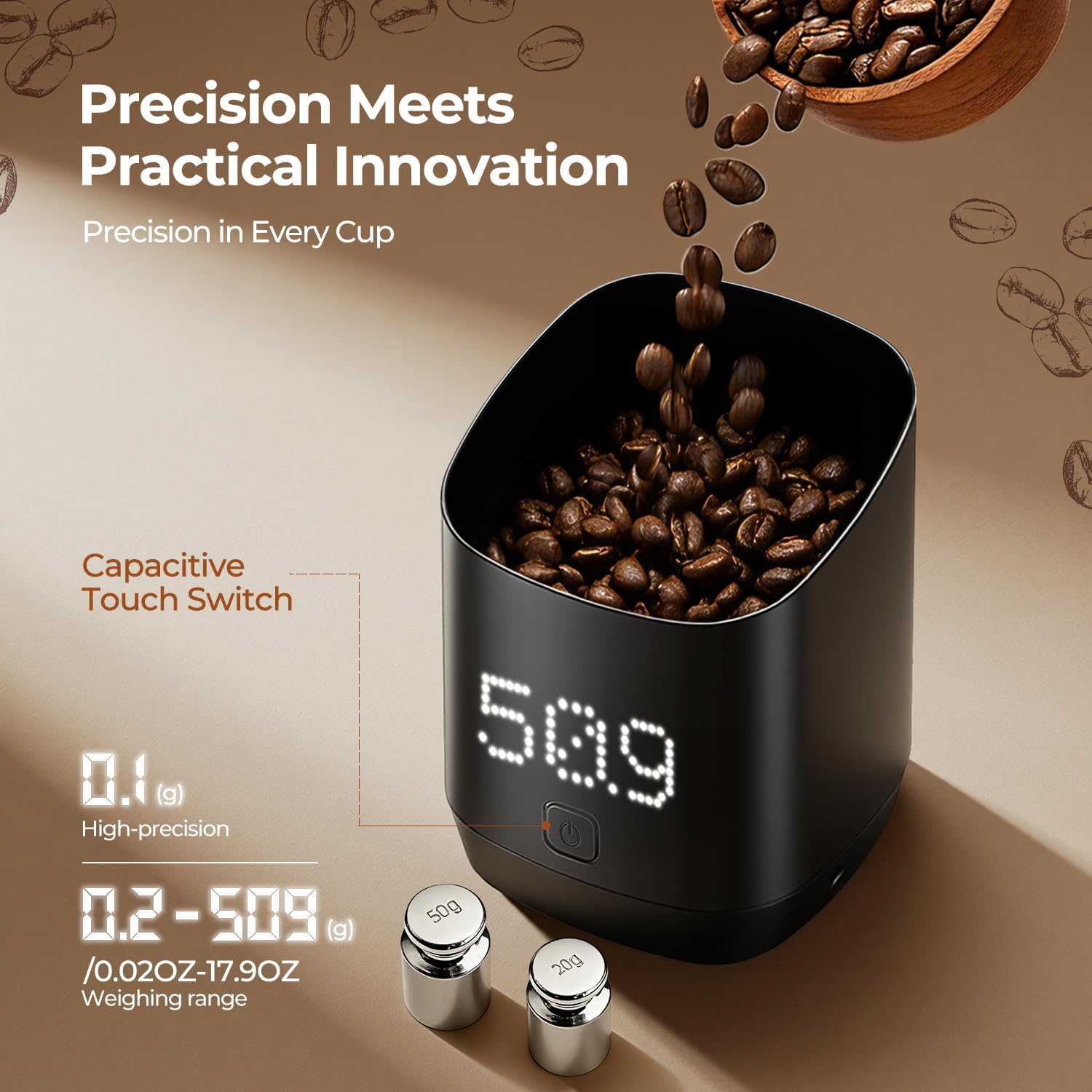
Digital Dosing Cup
Makes weighing beans faster and cleaner, with less mess around the grinder.
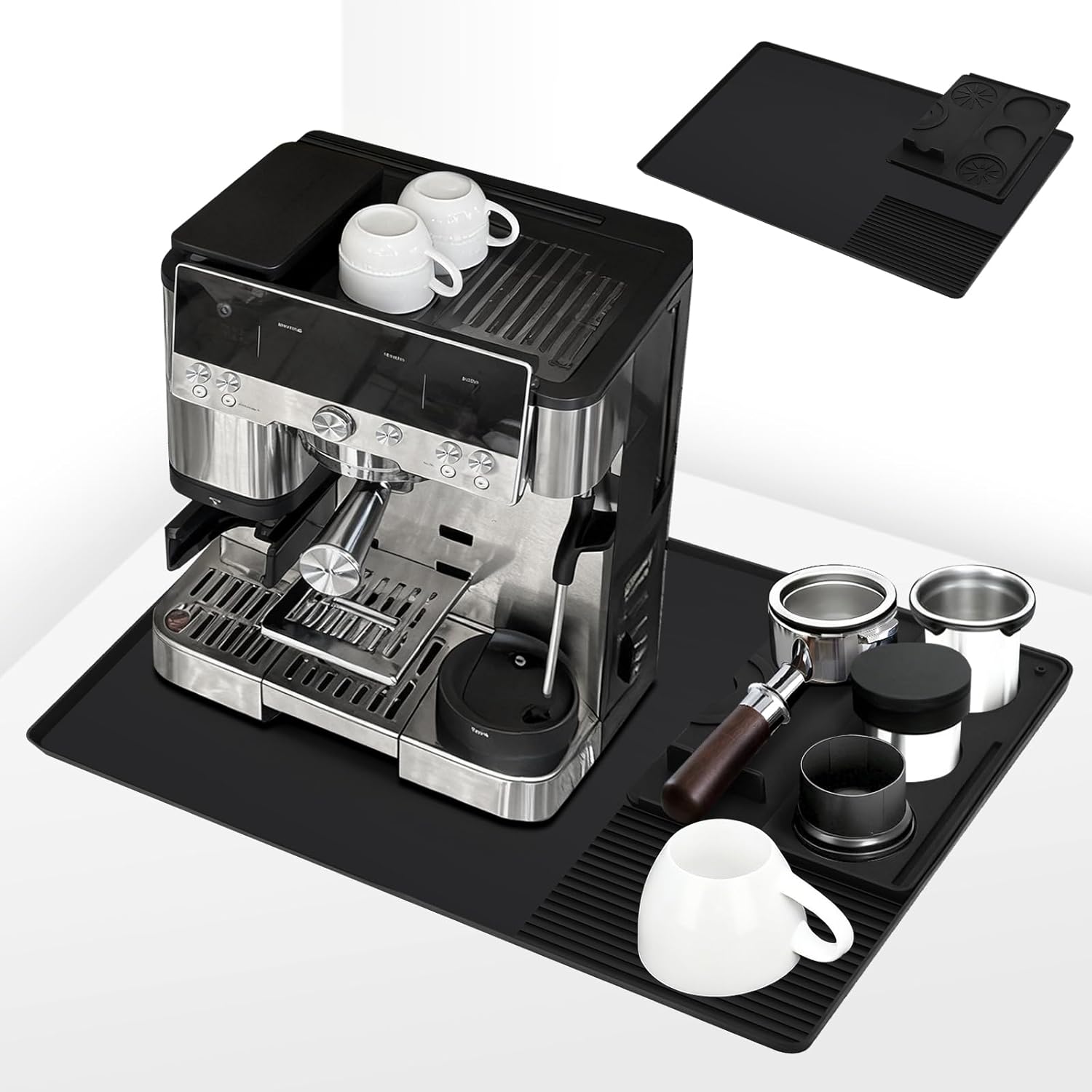
Silicone Mat
Protects your counter, catches spills, and gives your setup a cleaner working surface.

Vacuum Coffee Canister
Helps beans stay fresher longer by limiting air exposure after opening the bag.
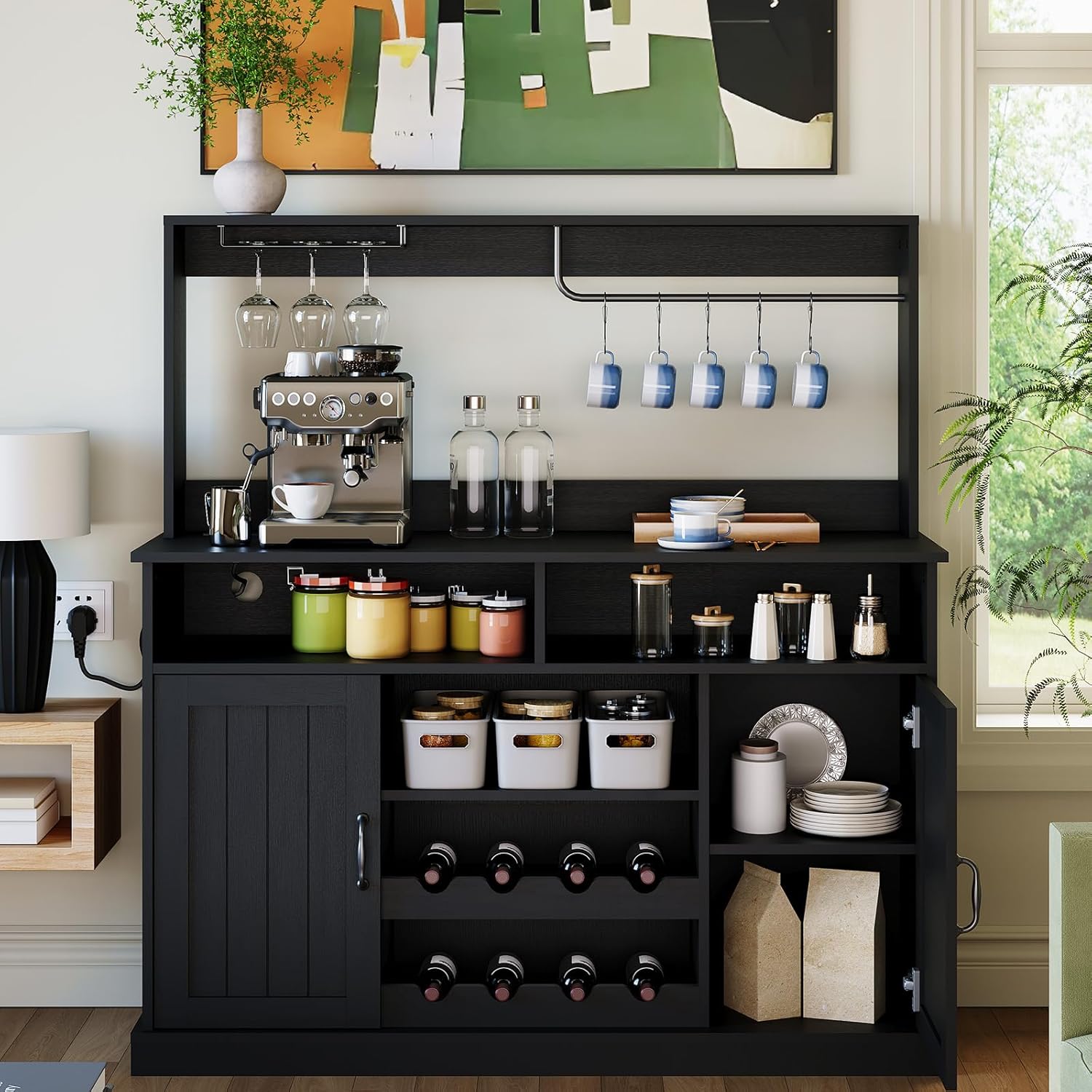
Farmhouse Coffee Bar Cabinet
Gives your machine, cups, beans, and accessories one dedicated home instead of cluttering the kitchen.
Workflow
Warm-up and readiness
HX boilers hit pressure long before a group is truly soaked. Give Musica time to saturate the brew group and the portafilter. Lock a portafilter in during warm-up so brass and steel rise together. Use the boiler gauge as a coarse sanity check and then pull a blank or two to bring the group to equilibrium. This is the difference between a first espresso that tastes like your third and a first espresso you wish you had tossed. The factory page confirms the thermoregulated group and HX architecture, which are built for this kind of steady-state routine.
Volumetrics that actually help
The backlit keypad takes the guesswork out of pace. Program three shot volumes and keep a manual button in the middle for free-pour. Volumetrics are stored in memory and are simple to adjust. That setup lets you start a shot and immediately move to milk or cups without babysitting the pump switch. Multiple sources confirm three programmable doses and manual control, so your bar can standardize espresso output across users.
Cooling-flush rhythm
Like any HX, water resting in the exchanger during idle runs too hot for a sensitive straight shot. Fix it with a short cooling flush. Raise the lever, watch the sputter turn into a smooth stream, then lock and brew. On medium roasts the flush is brief. On dense light roasts add a beat. Between back-to-back shots you often skip the flush because the HX has not crept upward yet. The manometer gives a sense of where the boiler sits in its cycle. Once this rhythm is muscle memory, Musica behaves like a small café machine. The official page points to a pre-infusion system and a heat exchanger designed to keep water temperature consistent while you work.
Tank today, water line tomorrow
If you start in reservoir mode, the 3 liter tank buys real headroom. When you plumb in, most North American Direct Connect trims let you keep the tank for flexibility and service. Whole Latte Love notes the Direct Connect’s ability to operate with its large 3 L reservoir or via line-in, which is rare at this size and price.
Ergonomics for speed
Push-pull steam means on is on and off is off with one motion. The hot-water button is programmable on several dealer pages, which makes Americanos a single press. The keypad is bright and visible. The reverse mirror lets you check flow under a bottomless without moving your head. None of this is flashy. All of it is the feel of a bar tool that was made to earn tips.
Espresso performance
Stability you can repeat
The thermoregulated group and SIS pre-infusion give you a calm start. The HX holds the brew path warm via thermosyphon, and the copper boiler keeps steam pressure steady. With a mapped cooling flush and honest puck prep, shots line up predictably across blends. Nuova Simonelli markets SIS as a way to normalize the first seconds of the pour, and third-party write-ups describe it plainly as a pre-infusion that smooths out tamp variations. That maps to what you see in the bottomless and what you taste in the cup: even beading, steady column, clean finish.
Starting recipes
For a house medium blend, start at 18 grams in, 36 grams out, 27 to 31 seconds from pump on. Program one keypad button to that volume on your favorite basket. Keep dose and yield fixed while you move grind to land in time. For lighter roasts, extend the flush slightly, grind finer, and target 1:2.2 in the low thirties. For darker roasts, shorten the flush, keep the grind a notch coarser than your medium track, and pull closer to 1:1.9 while watching the finish.
What the pour tells you
Even pre-infusion, gentle beading, and a steady stream that stripes and then blondes are your green lights. Angry, fast initial spurts mean distribution missed. Early blonding at short times points to coarse grind or under-dose. Astringency at longer ratios often means over-flushing or running cooler than the coffee wants. The volumetric keypad makes diagnosis easier because volume is fixed; you only tune grind and flush.
Pump feel and noise
The standard Musica uses a vibe pump. That means a firmer pump note than a rotary machine, but the case mass keeps noise under control. If silence is your top priority, a rotary HX from ECM or Rocket is calmer under flow. If you want this footprint and volumetrics with a price that stays sane, the Musica’s pump is a fair trade. Several dealer sheets keep the boiler around 2.0 liters and emphasize the ability to steam and brew together, which is where the machine earns its keep.
Milk steaming
Steam character
Two-liter-class copper HX steam is assertive and dry. The wand purges condensation cleanly. A 4-hole tip is common on Musica listings, and it gives you short, predictable stretches on 6 to 12 ounce pitchers with quick recovery. This machine will juggle a shot and a pitcher back to back without losing cadence. In small venues that matters more than any headline spec. Listings from Whole Latte Love and pro dealers explicitly tie the HX and copper boiler to simultaneous brew and steam capacity, which matches real-world feel.
Wand behavior and options
Many North American units ship with a cool-touch wand. If yours did not, the official Simonelli cool-touch kit for Oscar II and Musica drops in without drama. That upgrade keeps wipe-downs safe and fast on busy bars. The push-pull lever gives instant full steam and lets you feather if you need throttle. Program a hot-water dose for Americanos and you can run a tidy three-drink cadence without moving your feet.
Practical cadence
Purge a short burst, stretch for six to eight seconds, then ride the roll to your target. Pull a shot, park the portafilter, steam a pitcher, wipe, purge, and repeat. If your household leans milk-forward, Musica’s steam advantage over smaller single boilers is obvious after one weekend.
Maintenance and reliability
Daily loop
Purge and wipe the wand after each pitcher. Water backflush at the end of a session. Detergent backflush weekly if you pull daily. Soak screen and baskets on schedule. Replace the group gasket before it hardens. Musica’s service documentation and parts catalogs are widely available; Webstaurant and Simonelli’s own portal host service manuals and exploded views that make owner maintenance straightforward.
Water decides your ticket count
If you run tanked, feed the machine filtered water in an espresso-safe hardness and alkalinity band. If you plumb in, use a filter head that softens and stabilizes alkalinity for copper and brass. Many US dealer listings emphasize NSF and ETL, which is a hint that they expect the machine to see commercial water. Protect it the same way you would any bar hardware and you will not be scheduling descale parties.
Parts, options, and certification
The platform uses mainstream Simonelli components. Push-pull valves, solenoids, wands, and gaskets have wide distribution. Volumetric keypads and boards are common parts with published part numbers. The NSF and ETL approvals on North American trims mean replacement parts and service support are part of the plan, not an afterthought.
Programming and controls
Volumetrics
Store up to three volumes. Program them once, then use the manual button when you want to free-pour. This is the cleanest way to hold consistency across users. Espresso Parts and multiple dealer write-ups confirm three programmable dosages with backlit soft-touch keys.
Pre-infusion
SIS is Simonelli’s pre-infusion. It smooths the start of the shot and lowers the penalty for small tamp variations. The official technology page explains the intent clearly. Use it to your advantage by stabilizing dose and distribution so the pre-wetting has a consistent puck to work with.
Hot water
Several dealers note programmable hot-water dosing. If your site caters to Americanos, set a sane volume and stop guessing. It saves motion and reduces errors in a rush.
Steam control
The push-pull lever is a single, fast motion. Open, stretch, roll, close. It is one of those parts you stop noticing because it does not slow you down.
Water source
On Direct Connect, plumb the machine when your bar settles down. If your unit retains the tank, you can still run it reservoir-only for events and pop-ups. Whole Latte Love is explicit that the Direct Connect can operate from its 3 L tank or a line.
Bench workflow: from unboxing to a calm service
1) Placement and water
Give the steam wand room to swing and leave clearance for a straight portafilter pull. If you stay tanked, rinse and fill the 3 liter reservoir and seat the filter holder. If you plan to plumb in, install a softening cartridge rated for espresso, connect the line, and test for leaks before power. Several US listings also show NSF and ETL approvals, which is a hint to treat water quality like a real bar from day one.
2) Warm-up and soak
Lock an empty portafilter. Power on. Let the group heat-soak beyond the first rise to pressure. Purge a touch of steam as the boiler approaches pressure to eject condensation. Your first shot should taste like your third.
3) Program your doses
Pick a baseline recipe. For a house medium blend, program a 36 gram output on your double basket and name it your “A” button. Program a shorter 32 gram as your “B” for darker blends and a longer 40 gram as your “C” for lighter roasts. Use the manual button when you want to freestyle. Espresso Parts and vendor guides confirm three programmable doses with manual control in the middle.
4) Map the cooling flush
After a long idle, raise the lever and flush until the sputter becomes a steady stream. Lock in and pull. Log how long that flush is for your roast and room. You will adjust by a second or so with the season and your set heat band.
5) Milk cadence
Pull shot, park the portafilter, purge a short burst, stretch six to eight seconds, roll to temperature, wipe, purge. If you serve a round of cappuccinos, do not chase a higher steam setting unless your pressure is clearly low. The two-liter class boiler and copper construction are already in the sweet spot for home volumes. Dealer pages that call out simultaneous brew and steam are not kidding.
6) Cleaning loop
Water backflush nightly for daily users. Detergent backflush weekly. Soak screens and baskets. Keep the tank clean if you run reservoir-only. Change cartridges on schedule if you are plumbed. Manuals and parts books are easy to find and keep you out of guesswork mode.
Competitive comparisons
Nuova Simonelli Oscar II
Oscar II shares the HX architecture and class-leading steam in a cheaper, simpler body. It is also NSF listed on many US dealer pages. The big differences: Oscar II is time-based programming rather than volumetric on many trims, a simpler indicator set, and a less refined workspace. If you need to save money and can live without volumetrics and the Musica’s ergonomics, Oscar II is a rational alternative. If you want programmable volumes, a larger manometer, and nicer on-bar features, Musica earns its premium.
Profitec Pro 500 PID
Pro 500 PID is a stainless-boiler HX with a vibration pump and tank-only water source. It adds a boiler PID and a tidy German build. It deletes volumetric dosing and commercial certifications. If you never plan to plumb in and you prefer stainless internals with a temperature readout on the face, Pro 500 PID is an excellent home machine. If you want volumetrics, NSF/ETL presence, and the option to go line-in, Musica suits mixed home-slash-business scenarios better.
ECM Technika V Profi PID
Technika V adds a rotary pump, stainless boiler, and a switchable tank-or-line water path. It is quieter under flow and has its own shot-time display on recent trims, but it costs more and drops volumetric dosing. If you value noise and stainless construction above all, Technika fits the brief. If your priority is programmable volumes and commercial approvals in a compact footprint, Musica stays compelling.
Rocket Mozzafiato Cronometro V
Rocket’s Mozzafiato V is a vibe-pump HX with PID boiler control and a built-in shot timer. It is reservoir-only. If plumbing and volumetrics matter, Musica’s Direct Connect wins. If you will stay tank-only and want that E61 lever feel with visible time, Rocket’s platform is a lateral alternative.
Lelit Mara X (PL62X)
Mara X is a compact HX that actively manages brew temperature to minimize cooling-flush fuss. It is tank-only, vibe-pump, and smaller on the counter. If you want the smallest HX that hides more of the flush routine and you do not need volumetrics or certs, Mara X is a smart home pick. If you want larger steam reserves, programmable shots, and a path to a water line, Musica is the better service tool.
Bezzera BZ10
BZ10 swaps a traditional HX group for Bezzera’s electronically heated group, which shortens warm-up and shrinks the footprint. It is tank-only and vibe-pump. If size and quick heat matter more than volumetrics and certifications, BZ10 is honest gear. If you want a machine that feels at home in small service and offers programmable volumes with push-pull steam, Musica targets that lane.
Real-world numbers and notes
- 2.0 liter copper HX boiler is the common spec across major dealers; some list 2.5 liters on certain trims. Treat the system as a two-liter class for steam and recovery planning.
- 3.0 liter reservoir on pour-over trims and on many Direct Connect units as a fallback.
- 320 × 400 × 430 mm, 20 kg, 1200 W on the official sheet.
- Programmable volumetrics with up to three doses; manual button for free-pour.
- SIS pre-infusion on the thermoregulated Simonelli group.
- Push-pull steam and optional or included cool-touch wand depending on market; official cool-touch upgrade is available.
- NSF and ETL shown on many NA retailer spec sheets.
- Price snapshots, late 2025: US 2,400–3,300 USD, UK 1,250–2,040 GBP, AU about 2,600–3,000 AUD, CA 2,950–3,150 CAD.
Strengths
- Volumetric dosing on a compact HX. Three programmable volumes plus manual control remove guesswork and speed up service.
- Serious steam with quick recovery. Two-liter-class copper HX delivers dry, confident steam for 12-ounce pitchers and back-to-backs.
- Thermoregulated group with SIS pre-infusion. A calm start to the shot and forgiving behavior across users.
- Tank-or-line flexibility in the Direct Connect trim. Operate from a 3 L reservoir or plumb in when the bar grows.
- Commercial footing. NSF and ETL presence on many listings signal components and build suitable for light service.
Trade-offs
- It is still an HX. You manage idle heat with a brief cooling flush rather than setting a brew degree on a PID.
- Vibration pump. Louder than rotary under flow. If silence is the top priority, consider a rotary HX at a higher price.
- Spec variance in the wild. Dealers quote 2.0 to 2.5 L boiler figures and different tank notes by trim; use the official size and weight as anchors and confirm local stock details.
Scores
- Build quality: 8.8
- Temperature stability: 8.5
- Shot consistency: 8.7
- Steaming power: 9.1
- Workflow and ergonomics: 9.2
- Maintenance and serviceability: 8.7
- Value: 8.8
Overall: 8.8
Verdict
Musica is the working barista’s HX made compact. The combination of a copper HX boiler, a thermoregulated Simonelli group with SIS pre-infusion, volumetric dosing, and push-pull steam turns into a morning routine that feels like a café’s cadence. Shot volumes are on buttons. Steam is there when you need it. The group comes up to a steady state and then stays put if you give it a fair warm-up. The Direct Connect trim lets you start tanked and then hardline when your bar is ready. The Lux model adds theater for customer-facing counters without complicating anything.
If your day is mostly straight espresso from light roasts and you want a brew PID with degree-level control, a dual boiler fits better. If your priority is milk drinks, small-team consistency, and a platform that can go from home to pop-up to office kitchen without drama, Musica still earns its space. The fact that so many North American listings carry NSF and ETL badges is not marketing fluff. It is a clue that the parts and the layout are meant to work every day. Keep it clean, feed it good water, and it will pull honest shots and spin glossy milk for years.
TL;DR
Volumetric heat-exchanger with a thermoregulated Simonelli group, SIS pre-infusion, strong steam from a two-liter-class copper boiler, and a compact stainless chassis. Pour-over uses a 3 L tank. Direct Connect lets you plumb in and, on many listings, still run from the tank. Dimensions 320 by 400 by 430 mm, about 20 kg, 1200 W. NSF and ETL present on many NA trims. Late-2025 street pricing spans roughly 2,400 to 3,300 USD, 1,250 to 2,040 GBP, 2,600 to 3,000 AUD, and 2,950 to 3,150 CAD. It is an HX you can actually work on a small bar without babysitting. Nuova Simonelli+2Whole Latte Love+2
Pros
- Volumetric dosing with three programmable volumes and manual control
- Strong, dry steam with quick recovery from a copper HX
- Thermoregulated group with SIS pre-infusion for calm extractions
- Push-pull steam, hot-water button, and optional cool-touch wand for fast service
- Direct Connect trim that can run tank or line on many listings
Cons
- Needs a brief cooling flush after idle like any HX
- Vibration pump is not rotary-quiet
- Boiler and reservoir figures vary by listing; confirm your exact trim
Who it is for
- Home baristas and small teams who want volumetrics, strong steam, and a path to plumbing without going full commercial
- Mobile bars, offices, and boutique counters that need NSF/ETL presence and reliable cadence in a compact footprint
- Milk-forward households that value speed and repeatable dosing over menu-heavy control panels
- People who prefer a proven HX workflow with professional ergonomics and easy parts support
Sources
Official technical sheet for size, weight, power, and group information; official US and dealer pages for Direct Connect and tank specifications; dealer and parts pages for volumetrics, cool-touch wand, and push-pull steam; retailer pages for NSF/ETL certifications and price snapshots. Key references include Nuova Simonelli’s product page and technology notes, Whole Latte Love’s Direct Connect listing, Espresso Parts and pro dealers for volumetric and SIS details, and Simonelli USA plus Webstaurant for manuals and certification information.
We’ve categorized the best espresso machines for every kind of buyer
Find the right shortlist faster, whether you want convenience, a beginner-friendly setup, a smaller footprint, or better value at a given budget.
Best Superautomatic Espresso Machines
One-touch picks for speed and convenience.
Best Espresso Machines for Beginners
Easy-to-use machines with a smoother learning curve.
Best Small Espresso Machines
Compact machines for tighter kitchens and counters.
Best Espresso Machines With Built-In Grinder
All-in-one options with fewer extra pieces to buy.
Best Cheap Espresso Machines Under $500
Budget picks that still make sense for real espresso.
Best Prosumer Espresso Machines Under $1000
More serious machines with stronger value for the money.
Best Single Boiler Espresso Machines
Simple, space-saving picks for espresso-first routines.