
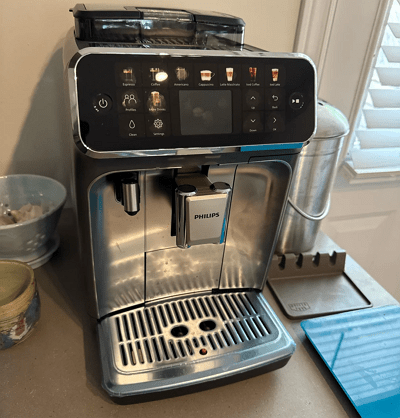
Typical list: $1,099 • Promos often ~$499. Strong value for 12 drinks, 4 profiles, and LatteGo.
Philips 5400 LatteGo
A compact bean-to-cup with 12 one-touch drinks, four profiles, a removable brew group, and the tube-free LatteGo carafe that rinses clean in ~15 seconds.
Overview
Philips 5400 LatteGo tops Philips’ mainstream line: 12 drinks, 4 profiles, a 12-step ceramic grinder, and AquaClean filtration that can push descaling far out if you swap filters on time. The removable brew group keeps hygiene in your hands, and the two-piece, tube-free LatteGo carafe rinses clean at the tap in ~15s or goes in the dishwasher. Espresso from medium roasts is balanced and predictable; long coffees and Americanos are clean. Around $499 on promo, it’s a superb daily driver when ease and cleanliness matter more than metal shells and app theatrics.
Pros
- Tube-free LatteGo carafe cleans in seconds
- 4 profiles keep peace in shared kitchens
- Removable brew group for direct hygiene control
- 12-drink menu covers real-world favorites
- 12-step ceramic grinder + Extra Shot for easy intensity changes
- AquaClean meaningfully extends time between descales
Cons
- Macro grinder steps limit fine-tuning on very light roasts
- Cannot pour two milk drinks simultaneously
- Plastic shell feels appliance-first, not premium metal
- Filter/clean prompts still rely on user discipline
Features & Specs
- Drinks: 12 one-touch (espresso, coffee, Americano, cappuccino, flat white, travel mug program)
- Profiles: 4 user profiles + guest
- Milk: LatteGo two-piece, tube-free carafe; dishwasher-safe
- Brew group: removable for sink rinse
- Grinder: 12-step ceramic (rated ~20,000 cups)
- Controls: 5 aroma levels, 3 brew temps, adjustable coffee & milk volumes, Extra Shot
- Filtration: AquaClean (up to 5,000 cups without descaling when filters are replaced on time)
- Capacity: 1.8 L tank • ~275 g hopper • spout 85–145 mm
Who it’s for / who should avoid
Pricing notes
- Typical list around $1,099.
- Promotions commonly land near $499—excellent value for the full LatteGo package.
- Amazon pricing is dynamic; check the button above for current offers.
Philips 5400 LatteGo is the top of Philips’ mainstream superautomatic line. It keeps the brand’s core advantages intact and adds the convenience most households ask for. You get twelve one-touch coffees, four user profiles, a clear TFT display, a 12-step ceramic grinder, and AquaClean filtration that can push descaling far into the future when you replace filters on time. The headline is LatteGo. It is a two-piece, tube-free carafe that rinses under the tap in seconds and is dishwasher-safe. That one design choice is why milk drinks stay consistent month after month.
The machine’s Aroma Extract logic manages temperature and flow in a sensible range and there is an Extra Shot option for more presence without flooding the cup. Capacity is kitchen-friendly at 1.8 liters of water, 275 grams of beans, and a dregs drawer of about twelve pucks. The brew group is removable, which keeps hygiene honest. If you want a longer preset list, app telemetry, or metal-heavy cosmetics, you will look elsewhere.
If you want a competent daily driver with fast milk cleanup, repeatable espresso, and real user profiles at a fair price, 5400 LatteGo is the sweet spot in Philips’ line.
Shop the essentials
The small upgrades that make a home coffee setup cleaner, smoother, and more enjoyable to use every day.

Cleaner & Descaler Tablets
Keeps your machine clean, helps prevent buildup, and protects long-term performance.
$18.99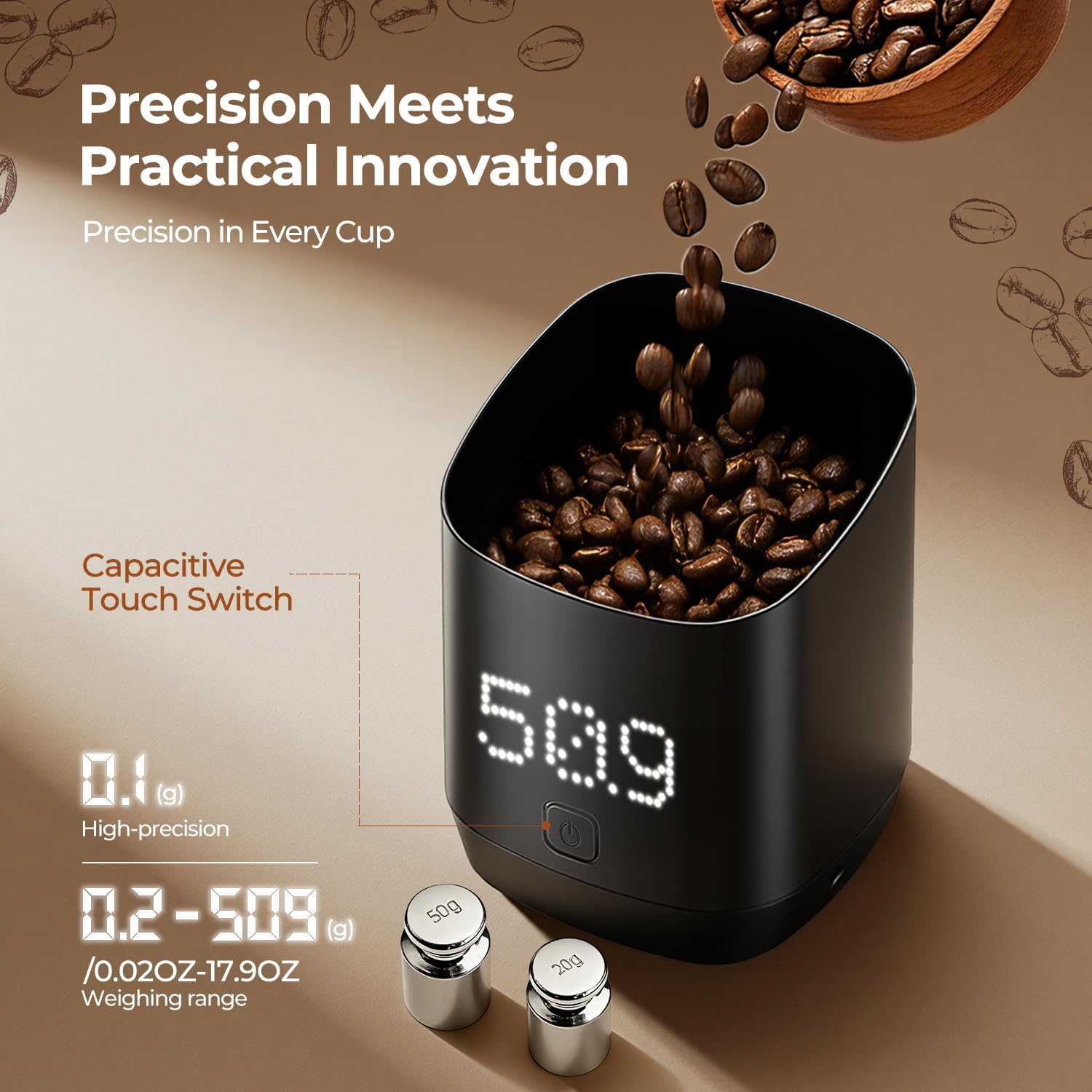
Digital Dosing Cup
Makes weighing beans faster and cleaner, with less mess around the grinder.
$36.95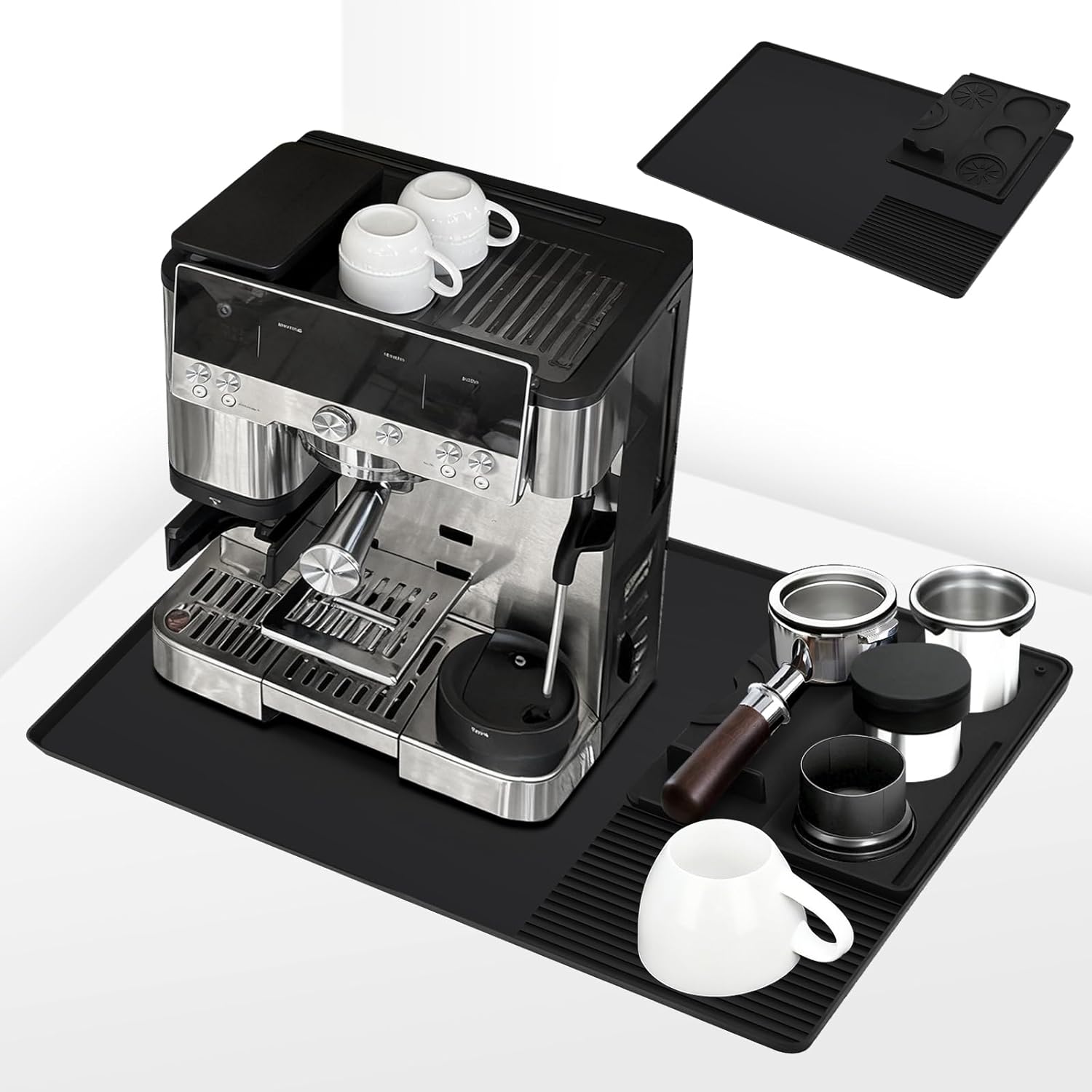
Silicone Mat
Protects your counter, catches spills, and gives your setup a cleaner working surface.
$18.99
Vacuum Coffee Canister
Helps beans stay fresher longer by limiting air exposure after opening the bag.
$29.99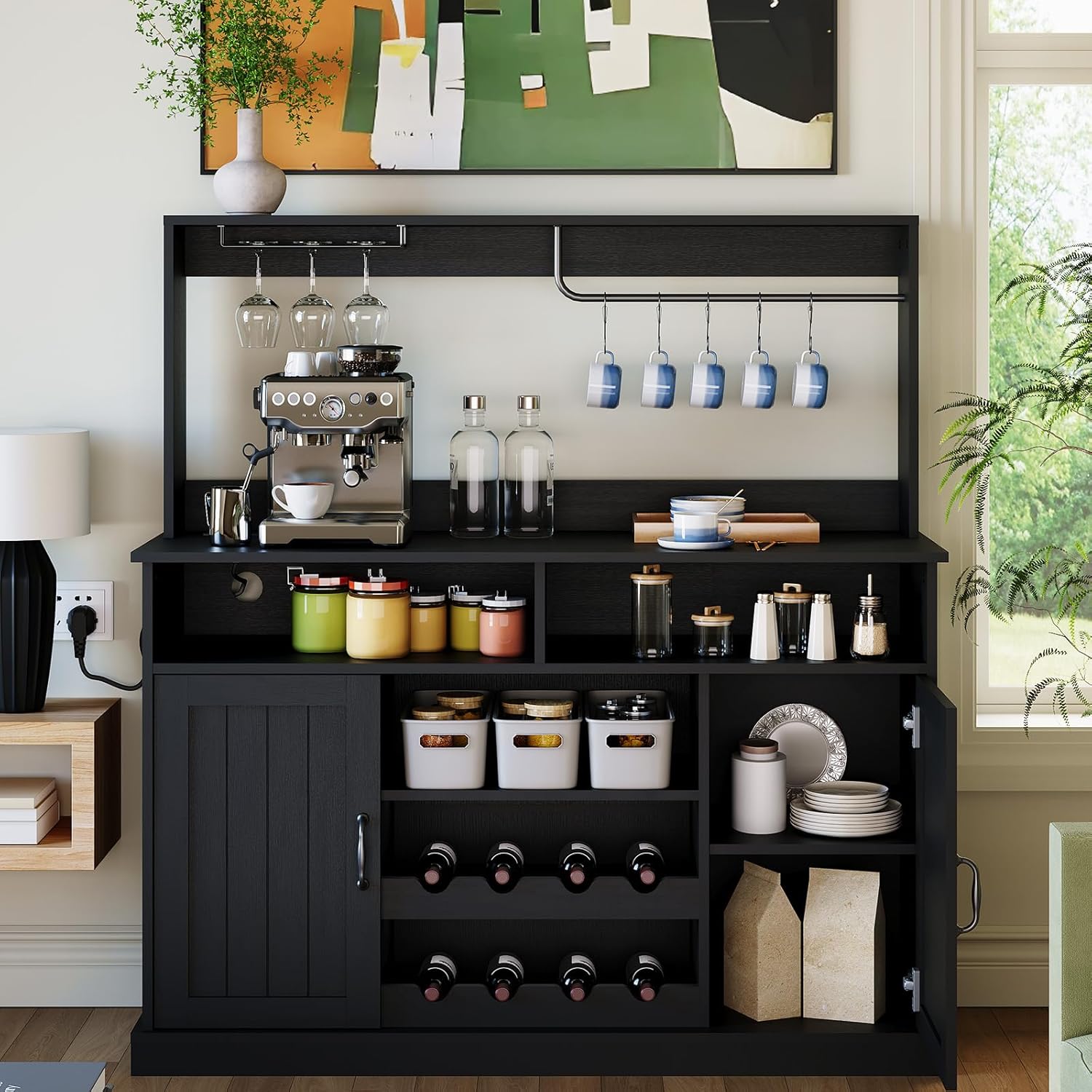
Farmhouse Coffee Bar Cabinet
Gives your machine, cups, beans, and accessories one dedicated home instead of cluttering the kitchen.
$169.99
At a glance
- Format. Fully automatic bean-to-cup with TFT display, four user profiles, and a removable brew group.
- Drinks. Twelve at one touch, including espresso, coffee, Americano, cappuccino, latte macchiato, flat white, café au lait, caffè latte, caffè crema, ristretto, espresso lungo, and a travel-mug program, plus frothed milk and hot water. Drink count and names come from the EP5447 spec.
- Grinder. 100 percent ceramic burrs, 12 macro steps, durability claim of 20,000 cups.
- Customization. Five strength levels, three brew temperatures, adjustable coffee and milk volume, Extra Shot, and pre-brew aroma control. Four profiles plus a guest slot.
- Milk. LatteGo carafe with two parts and no tubes; cleans at the tap in roughly 15 seconds and is dishwasher-safe.
- Capacities and size. Water 1.8 L. Beans 275 g. Grounds drawer about 12 pucks. Carafe 0.26 L. Spout height 85 to 145 mm. Body 246 × 372 × 433 mm. Weight about 8 kg.
- Filtration. AquaClean filter; replace on schedule and the machine targets up to 5,000 cups before a descale is required.
- Origin. Designed in Italy, made in Romania for the EP5447 series.
Glanceable specs
- Pump. 15-bar vibration pump
- Heat. Thermoblock brew system, 1500 W region dependent
- Brew group. Fully removable, sink-rinsable
- User profiles. Four, plus guest
- Controls. TFT display with Coffee Customizer for strength and volume; Extra Shot toggle
- Grinder. 12 steps, ceramic, hopper-top adjustment
- Milk. LatteGo two-piece carafe, 0.26 L, dishwasher-safe
- Capacities. Water 1.8 L, beans 275 g, grounds 12 pucks, spout 85–145 mm
- Footprint. 246 × 372 × 433 mm, approx. 8 kg
- Filtration. AquaClean CA6903 compatible, up to 5,000 cups without descaling with eight timely filter changes
All items above are published by Philips for the EP5447 configuration.
Build and design
Philips kept the 5400 compact and tidy so it fits real kitchens. The 246 mm width and 372 mm height slip under cabinets and leave space to lift the hopper lid. The 433 mm depth lets the tank and dregs drawer slide straight out from the front. There is minimal side clearance required, which matters on narrow counters. The listed mass around eight kilograms keeps the chassis planted when the pump starts and when you dock the carafe.
The fascia is practical. A color TFT sits at eye level with soft keys around it. Icons are clear and the navigation steps are short, which cuts the learning curve for a household. Philips’ Coffee Customizer sits behind the drink tiles and exposes strength, coffee length, milk length, and Extra Shot without digging through deep menus. Four user profiles plus a guest slot mean your house can lock in preferences and stop overwriting one another’s settings. The profile count and guest behavior are explicit in the EP5447 spec sheet.
Material choices track the price tier. The shell is plastic with a matte base color and chrome trim. The drip grid and major touch points feel solid for a machine of this class. The brew group lives behind a side door. One latch releases it so you can rinse under the tap. This is Philips’ long-standing advantage over sealed-group competitors at the same spend. You see and service the part that touches your coffee.
LatteGo is the visual tell. The carafe is only two parts and has no silicone tubes. Milk and air meet in a small round chamber and flow straight to the cup through a short outlet. Cleaning is realistic because there are no hidden channels to scrub. Philips describes the system as rinsable in about 15 seconds at the tap and explicitly states that the carafe is dishwasher-safe. That simplicity is why foam quality stays stable over time. Owners actually clean it.
Under the lid, the grinder uses ceramic burrs with 12 macro steps. Ceramic is quiet and stable at home volumes. Philips claims at least 20,000 cups of life on the grinder set, which is well into multi-year ownership for typical households. The steps are macro by design; you use strength as the first flavor lever, grind as a flow lever, and temperature to shape finish.
Workflow
Startup, rinses, and panel rhythm
Power on. The machine runs an automatic rinse to heat and refresh the path. Let it finish and pre-warm your cup if you care about shot temperature. The TFT menu lands on drink tiles. Pick the drink, open Coffee Customizer if you want to edit strength or volumes, and pull. It is a short path from button to cup. Philips spells out this ease-of-use story across the 5400 materials and the EP5447 spec.
Profiles and repeatability
Four profiles plus guest are not decoration. They stop preference wars in the kitchen. Each person can lock in strength, volumes, and even names for their favorites without overwriting anyone else. The spec table calls out “User Profiles: 4, Guest.” In practice you will build a personal screen of three or four tiles you actually use and leave the rest alone.
Grinder and beans
Move the grind ring only while the grinder is turning. Start one click finer than midpoint for espresso, one click coarser for longer coffees. If a shot runs fast and tastes hollow, step finer. If bitterness creeps in and crema looks muddy, coarsen one click and consider dropping brew temperature one step. The machine rewards medium roasts. Very light Scandinavian profiles are possible if you keep volumes short and run high temperature, but you will be at the fine end of the ladder with narrow room to maneuver. Philips’ published 12-step ladder and ceramic construction set the expectation that steps are macro rather than micrometric.
Coffee Customizer, Extra Shot, and the Aroma Extract logic
Philips’ Aroma Extract logic is simple: keep water between about 90 and 98 °C and regulate flow so extraction stays centered. That is what a compact thermoblock needs to avoid thin, sour cups early and bitter cups late. When you want more presence, turning on Extra Shot adds intensity without just dumping more water into the puck. These are small levers that protect flavor while keeping the interface clean.
Two cups and no double milk
The machine can brew two espressos or two coffees in one pass. It does not prepare two milk drinks at once. That split is explicit in the spec sheet and it is the norm at this price. If two people want milk drinks, make back-to-back cups and rinse the LatteGo path after.
Travel mug and tall cups
Spouts rise to about 145 mm. That covers most latte glasses and many travel mugs. The PDF lists a “travel mug function” among the twelve beverages and states the spout clearance. Keep spouts low for short cups so you do not beat up crema with a long drop.
Espresso performance
Flavor target
Philips tunes the 5400 for balanced espresso with medium roasts. With grind one click finer than mid and strength at 3 of 5, you get a compact crema, clear mid-palate, and an honest finish. It is not a ristretto specialist and it does not pretend to be. The small brew chamber prefers sane volumes. Use Extra Shot for more density rather than stretching a single espresso to a long drink. The listed Pre-brew Aroma control and the Aroma Extract temperature range are there to keep short shots sweet and long coffees clean.
Dialing a new coffee
Start in the middle on grind and temperature. Select Constant strength at 3 of 5, espresso volume near default, and pull. If the cup feels thin or fast, go one click finer. If you want more presence, bump strength before you chase another grind step. If bitterness shows up, coarsen one click and drop temperature to low. Use Extra Shot for milk drinks and larger mugs when you want more coffee tone without flooding the extraction. These steps align with the feature set Philips exposes on the 5400.
Espresso versus coffee versus Americano
Espresso is short and punchy. “Coffee” is longer from the brew chamber and suits normal mugs. Americano is espresso followed by hot water from a separate path and is often the cleanest way to fill a big cup. The 5400’s twelve-drink list includes both “coffee” and “Americano,” so you can choose the path your beans prefer without reprogramming a tile.
Light roasts and realism
Very light roasts at tiny ratios ask more of a compact brew unit than it can deliver. You can make them drinkable with high temperature, the finest feasible grind, and short volumes. You will not get the tactile density of a 58 mm manual system. That is physics, not a failing. With medium and medium-dark coffees, the 5400 hits its stride.
Milk steaming and texture
LatteGo texture and cadence
LatteGo makes glossy, medium-dry foam that is ideal for cappuccino and serviceable for lattes and flat whites when you set milk length sensibly. Because the carafe has only two parts and no tubes, cleanup is a rinse rather than a ritual. Philips markets a “clean in as little as 15 seconds” claim under the tap and adds dishwasher-safe to close the loop. The short path and the easy rinse are what keep flavor clean and foam consistent across different milks.
Milk order and presets
The twelve-drink suite covers cappuccino, latte macchiato, caffè latte, flat white, and café au lait. The machine places milk and coffee in the correct order for each. A macchiato looks layered. A flat white pulls the shot and adds a shorter, denser milk portion if you program it that way. You can adjust milk volume and save it to your profile so the same cup happens every morning. Philips lists these milk recipes explicitly for the 5400.
Plant milk behavior
Barista-formulated oat and soy hold structure best. Almond can be lighter. LatteGo’s consistent air injection keeps texture predictable if your milk contains enough protein. The carafe’s quick rinse keeps carryover flavors to a minimum when you switch between dairy and plant milks.
Two-up milk reality
The 5400 does not pour two milk drinks at once. Make back-to-back cups and run the carafe’s rinse promptly. Philips shows “Milk Double Cup: No” in the spec table, which sets expectations correctly.
Maintenance and ownership
Brew group care
Open the side door, press the latch, and pull the group. Rinse it weekly under warm water and let it air-dry. Apply a line of food-safe grease to the rails and cam as needed. This is the simplest path to long-term reliability because you control hygiene. Philips emphasizes the removable group on the EP5447 spec and on the 5400 product pages.
AquaClean filters and descaling
Fit an AquaClean filter, activate it in the menu, and replace it when the machine asks. With eight timely replacements, Philips specifies up to 5,000 cups before a descale is required. When descaling is due, run the guided program. The claim scope and replacement cadence are documented in Philips’ AquaClean materials.
LatteGo cleaning cadence
Rinse the two parts at the tap after milk sessions. Dishwasher them regularly. There are no tubes, so there is no daily milk-cleaner cycle. Philips’ cleaning pages and the EP5447 sheet both highlight the two-piece, no-tube design and the 15-second rinse claim.
Rinses, tablets, and counters
The machine runs automatic rinses on startup and shutdown. Keep brew-path cleaning tablets and a tube of grease on hand. The accessory list on the EP5447 document includes a measuring scoop, hardness strip, an AquaClean filter, grease, and a storage lid for LatteGo. Philips’ manuals and spec sheets show guided descaling and rinse programs.
Capacities that reduce friction
Water tank is 1.8 liters. Hopper is 275 grams. Grounds drawer is around twelve pucks. Carafe is 0.26 liters. Put simply, you can handle a family morning without constant refills or tray trips. The spouts rise to 145 mm so tall glasses and many travel mugs fit without gymnastics. All of these numbers come from the EP5447 spec table.
Real numbers you can trust
- Water 1.8 L
- Beans 275 g
- Waste 12 servings
- Carafe 0.26 L
- Spouts 85–145 mm
- Dimensions 246 × 372 × 433 mm
- Weight approx. 8 kg
- Power about 1500 W on 230 V markets, 120 V versions are rated accordingly
- Pump 15 bar
- Grinder 12 steps, 100 percent ceramic, 20,000 cup durability claim
- Profiles four plus guest
- Beverages twelve one-touch coffees plus frothed milk and hot water
All documented on Philips’ EP5447 spec sheet and regional product materials for the 5400.
Competitive comparisons
Philips 3200 LatteGo
Philips 3200 is the value benchmark with a shorter drink list and the same two-piece LatteGo carafe. If you only need espresso, coffee, cappuccino, Americano, and latte macchiato, 3200 saves money without giving up the removable group or the dishwasher-safe carafe. If you want more presets, four profiles, Extra Shot, and the travel-mug program, 5400 earns the bump. Philips’ compare pages and regional listings map the differences cleanly.
Philips 4300 and 2200 LatteGo
Philips 4300 sits between 3200 and Philips 5400 with more drinks than 3200 and a similar interface. Philips 2200 is the entry point with three core drinks and LatteGo milk. If you care more about frictionless milk cleanup than long menus, 2200 is an honest budget choice. If you want twelve drinks and four profiles, 5400 is the ceiling in the LatteGo family before you jump to Saeco. Philips’ LatteGo pages confirm the lineup and drink counts by tier.
De’Longhi Magnifica Evo and Dinamica Plus
De’Longhi competes on drink variety and LatteCrema milk texture. Magnifica Evo covers five to seven one-touch drinks depending on the code and offers a carafe with a quick clean. Dinamica Plus goes bigger with a deeper preset list and a different milk signature. Both keep a removable group. If you value the fastest milk cleanup and a tube-free carafe, Philips’ LatteGo remains the easiest to live with. If you want taller foam and a larger one-touch menu at similar money, De’Longhi earns a look. Regional pages for Evo and Dinamica outline the menus but vary by code.
Gaggia Cadorna Prestige
Cadorna Prestige moves up in price and adds profiles and a broader menu with an integrated carafe. Cleanup is still straightforward but involves more parts. If you want profiles and lots of presets with slightly more manual control, Cadorna is compelling. If simplicity is the priority and you value a two-piece carafe above all, Philips holds the edge.
Jura E8
Jura E8 is the sealed-group alternative with guided hygiene, Pulse Extraction Process on short shots, and one-touch milk drinks. It costs more and you cannot pull and rinse the brew group in a sink. If you want the highest polish and are comfortable living inside the brand’s cleaning prompts, Jura makes sense. If you want a removable group, a lower spend, and a carafe you can rinse in seconds, Philips is the practical choice.
Scores
- Build quality: 8.2
- Temperature stability and brew consistency: 8.1
- Grinder quality: 8.2
- Milk system performance: 8.6
- Workflow and ergonomics: 8.8
- Cleaning and maintenance: 9.2
- Value: 8.5
Overall: 8.5
Pricing and variants by market, November 2025
Model codes in the EP54xx family vary by finish and bundle. EP5447/94 and EP5447/90 are common regional codes. Drink count and core features are consistent, and regional pages show the same twelve-drink menu, LatteGo, four profiles, and a TFT display.
- United States. Philips’ US storefront lists the 5400 LatteGo with periodic aggressive discounts. Example: EP5447 shown with a regular price above one thousand dollars and a sale price listed far lower during 2025 promotions. Exact numbers move with campaigns. Renewed units list four profiles and the same twelve-drink suite. Validate warranty terms when buying renewed.
- United Kingdom. The EP5446/70 and EP5447 series appear at major retailers such as John Lewis with full twelve-drink menus. Street pricing fluctuates widely in seasonal windows. Use the retailer’s product code to confirm the exact trim.
- Canada. Philips Canada lists the 5400 with the twelve-drink slate and LatteGo. Marketplace pricing varies by seller status. Confirm whether the listing is Philips direct or third-party.
- Australia. Philips Australia’s EP5447/90 page shows the same features and a historical suggested retail price around AUD 1,399, with local retail frequently discounting. Availability changes by colorway and season.
Always check the last two digits of the code, the color description, and the accessory list. Some regions bundle an extra AquaClean filter or a LatteGo storage lid. The EP5447 spec lists the included measuring scoop, hardness strip, AquaClean filter, grease, and a LatteGo storage lid.
Deep dive: what the 5400 gets right
LatteGo is genuinely low friction
The two-piece carafe has no tubes and no hidden parts. You rinse both pieces under the tap and set them to dry, or you place them in the dishwasher. The difference between “owners should clean” and “owners will clean” is the difference between dairy-fresh foam and a slow drift into sour flavors and unstable texture. Philips’ cleaning pages make the claim and the spec sheet backs it up.
User profiles that matter
Four profiles plus a guest slot mean you can save a flat white for one person, a cappuccino for another, an Americano and an espresso for a third, and leave a guest tile open. No one overwrites anyone. It is basic, and it is exactly what most shared kitchens need. Philips states the profile count and the guest behavior in the EP5447 sheet.
The removable brew group
You can see and clean the part that brews your coffee. Pull it, rinse it, let it air-dry, and you avoid the long-term build-up that plagues sealed-group designs when owners lean on software prompts alone. This is one of Philips’ structural advantages in the class.
AquaClean keeps owners honest
Descaling is the task many people skip. AquaClean pushes it far out when you replace the filter on time. The claim is up to 5,000 cups with eight timely replacements. That keeps the thermoblock’s behavior stable and protects taste. Philips documents the claim and the scope on the AquaClean pages.
Small levers that protect taste
Aroma Extract targets a sensible 90 to 98 °C water window and manages flow. Extra Shot increases coffee intensity without just throwing more water at the puck. These are simple tools that improve day-to-day results without making the interface complex.
Trade-offs to expect
- Macro grind steps. Twelve steps are a good ladder for this class, but they are macro moves. Use strength first for intensity, grind for flow, and temperature to adjust finish.
- No two-up milk. You cannot pour two milk drinks at once. Brew back-to-back and rinse. The spec sheet is clear on this point.
- Not a light-roast specialist. Very light roasts at tiny ratios are outside a compact brew chamber’s comfort zone. Keep volumes short and expectations reasonable.
- Plastic shell. If you are chasing metal-heavy cosmetics and app ecosystems, you will be shopping in a higher price tier. The 5400 spends its budget on internals, profiles, and milk cleanup rather than steel for the sake of steel.
Who it is for
- Households that want a broad menu of milk and black coffees without complexity
- People who will actually clean a milk system when the rinse takes seconds
- Owners who value profile-based repeatability and a removable brew group
- Medium-roast drinkers who prefer balanced espresso and clean long coffees
- Buyers who want a compact footprint with sensible capacities and a fair price
Setup checklist I recommend
- Install and activate AquaClean. Fit the CA6903 filter, activate it in the menu, and follow the priming step so the machine tracks capacity. This extends descale intervals and stabilizes taste. Philips states the cup claim and the eight-filter cadence clearly.
- Baseline espresso. Set grind one notch finer than mid, strength 3 of 5, temperature medium, default volume. Pull two shots to heat-soak, taste, then change one lever at a time. Use Extra Shot to lift intensity.
- Program milk drinks. Start with cappuccino and latte macchiato. Adjust milk length to suit your cups and save to your profile so you never overflow. The twelve-drink list includes all the usual milk recipes.
- Daily care. Rinse LatteGo after milk sessions. Empty the tray and dregs at night. Wipe the spouts. Weekly, pull and rinse the brew group and wash LatteGo in the dishwasher.
- Respect prompts. Replace filters when prompted and run guided descaling on schedule. Keep a small stock of filters and brew-path tablets on hand.
Variant notes and regional differences
- EP5447/94 and EP5447/90 are common. Both list the twelve-drink suite, LatteGo, four profiles, a TFT display, and the same capacities. Philips’ PDFs and regional pages align on these core features.
- EP5446/70 appears in the UK with the same drink count and LatteGo. Retailers like John Lewis list it with a full feature set. Verify the included accessories and finish.
- Designed in Italy, made in Romania is printed on the EP5447 spec. Voltage, plug type, and power vary by market.
Verdict
Philips 5400 LatteGo earns its place on a kitchen counter by focusing on the two biggest pain points in this category: milk cleanup and maintenance. LatteGo solves the first one with a two-piece, tube-free carafe that rinses in seconds and can live in the dishwasher. The removable brew group, guided routines, and AquaClean solve the second by giving owners simple tasks that actually get done. Espresso is balanced when you stay in the middle of the grinder’s range. Long coffees are sensible when you use Americano or the coffee program instead of stretching a tiny puck too far. Milk drinks are consistent because the system cleans fast and the machine layers recipes correctly. The four user profiles keep peace in shared homes.
There are trade-offs. The grinder’s ladder is macro. Two milk drinks at once is not on the table. The shell is plastic and the design language is appliance-first rather than sculpture. If you want metal and app telemetry, you will pay more. If you want the least friction with the most relevant features for a mixed household, 5400 LatteGo is the honest choice in Philips’ range. The numbers are sound. Twelve drinks, four profiles, a 12-step ceramic grinder, a removable brew group, and a milk system you will actually keep clean. That is how daily coffee stays good.
TL;DR
Twelve one-touch drinks. Four user profiles. A removable brew group. AquaClean that pushes descaling far out when you replace filters on time. LatteGo’s two-piece carafe rinses in seconds and is dishwasher-safe. If your kitchen needs reliable espresso, clean long coffees, and cappuccinos with minimal cleanup, the Philips 5400 LatteGo is the right pick in Philips’ lineup.
Pros
- Tube-free LatteGo carafe cleans at the tap in about 15 seconds and is dishwasher-safe
- Four user profiles plus a guest slot for repeatability in shared homes
- Removable brew group keeps hygiene in your hands
- Twelve-drink menu covers the real-world list, including Americano and flat white
- 12-step ceramic grinder and Extra Shot for simple intensity control
- AquaClean filtration extends time between descales when used as specified
Cons
- Macro grinder steps limit fine tuning of very light roasts
- Cannot pour two milk drinks at once
- Plastic shell is functional rather than premium
- Requires owner discipline to replace filters and run guided routines
Competitive pricing context by market
- USA. The Philips storefront shows the 5400 with wide swings between MSRP and promotion during 2025. Renewed units list with four profiles and the full drink set. Verify warranty coverage and bundle contents.
- UK. EP5446/70 and EP5447/90 appear at major retailers like John Lewis with the full twelve-drink suite. Street prices vary in seasonal windows.
- Canada. Philips CA lists the twelve-drink lineup and LatteGo. Marketplace pricing depends on seller status.
- Australia. EP5447/90 shows a historical suggested retail around AUD 1,399 on Philips AU with frequent retailer discounting.
Match the exact EP54xx code on the box to the regional spec sheet and accessory list before you buy. It prevents surprises on finish, included filters, and small UI differences.
Sources and references
- Philips EP5447 Series specification sheet confirming twelve beverages, four profiles plus guest, 12-step grinder, capacities, spout range, dishwasher-safe parts, Extra Shot, Aroma Extract temperature logic, and origin.
- Philips LatteGo cleaning guidance and claim that the two-piece, tube-free carafe can be rinsed at the tap in roughly 15 seconds and is dishwasher-safe.
- Philips AquaClean pages outlining the “up to 5,000 cups” no-descale claim with eight timely filter replacements and scope notes.
- Philips regional 5400 product pages reiterating the twelve-drink list and LatteGo positioning.
- Philips AU product page for EP5447/90 noting SRP context in that market.
Philips 5400 LatteGo - frequently asked questions
Answers to the most common questions about Philips 5400 LatteGo in everyday use.
What is the main difference between Philips 5400 LatteGo and cheaper LatteGo models like 3200 or 4300?
Philips 5400 LatteGo sits at the top of the mainstream LatteGo line. It keeps the same two piece tube free LatteGo carafe and removable brew group as 2200 and 3200, but adds twelve one touch drinks, four user profiles, a TFT screen, Extra Shot, and a travel mug program. 3200 has a shorter drink list and no profiles. 4300 sits in the middle with more drinks than 3200 but less flexibility than 5400. If you want the full menu and real profiles without moving to Saeco, 5400 is the ceiling in this range.
How easy is it to clean the LatteGo milk carafe on the 5400?
LatteGo is one of the easiest milk systems to live with. The carafe has only two parts and no silicone tubes. Milk and air mix in a small chamber and flow straight to the cup. After a milk session you separate the two pieces and rinse both at the tap, which takes around fifteen seconds. Philips also lists LatteGo as dishwasher safe. There are no hidden channels to scrub, which is why foam quality stays stable in month six instead of drifting.
Do I really not need to descale if I use AquaClean filters on Philips 5400?
Philips AquaClean filtration can delay descaling for a long time, but it depends on replacing filters when the machine asks and on your water hardness. The specification states that with eight timely filter changes the system can reach up to 5,000 cups before a descale is required. In practice you install and activate AquaClean, follow the prompts for each new filter, and run a descale cycle when the counter finally requests it. If you ignore filter prompts, descaling will come sooner.
Can Philips 5400 LatteGo make two milk drinks at the same time?
No. Philips 5400 can pull two black coffees at once, such as espresso or regular coffee, but it does not pour two milk drinks in a single cycle. When two people want cappuccino or flat white you brew them back to back and rinse the LatteGo parts after the milk session. Philips spec tables mark Milk Double Cup as not supported, which keeps expectations clear.
What type of coffee beans work best in Philips 5400 LatteGo?
Medium and medium dark roasts designed for super automatic machines tend to work best. The 12 step ceramic grinder and compact brew chamber are tuned for balanced extractions in that range. Oily very dark beans can clog the chute. Ultra light Scandinavian style roasts can be used if you keep shots short and temperature high, but you will sit at the fine end of the grinder ladder with limited room to move. For mixed households, one sensible pattern is:
- Medium roast for long coffees and Americanos.
- Slightly darker blend for cappuccinos and flat whites.
How do the four user profiles work on Philips 5400 LatteGo?
The machine offers four named profiles plus a guest slot. Each profile can store strength, coffee volume, milk volume, and other tweaks for the drinks you use. When you select your profile and adjust a recipe, the changes are saved under your name only. Other profiles keep their own versions, and the guest profile is there for temporary settings. This avoids the usual battle where one person prefers short, strong shots and another wants mild long cups.
Does Philips 5400 LatteGo fit travel mugs and tall glasses?
Yes. The spout height range is specified at 85 to 145 millimeters. Short espresso cups sit close to the outlet to protect crema. Latte glasses and many travel mugs fit when you raise the spouts toward the top of the range. One of the twelve programs is a travel mug drink, which lets you dial in a cup size and save it, then repeat without guessing volumes each morning.
How often should I clean the brew group on Philips 5400 and what is the right way to do it?
A weekly routine is a sensible baseline. Open the side door, press the latch, pull the brew group out, and rinse it under warm water without detergent. Let it air dry and reinstall. Every few months add a thin line of food safe grease to the rails and moving cam following the manual. This light hands on care keeps the infuser moving freely, preserves shot consistency, and reduces the chance of error messages about the group not being seated.
How does Philips 5400 LatteGo compare to Jura E8 for daily use?
Jura E8 is the more premium machine with a sealed brew unit, a different extraction profile, and a higher price. It runs guided cleaning cycles and uses Jura detergents rather than letting you pull the group. Philips 5400 LatteGo focuses on practicality. You get a removable brew group, the tube free LatteGo carafe, four profiles, and a lower spend. Jura suits buyers who want a polished ecosystem and are happy to follow its cleaning prompts. Philips suits buyers who want to see and clean the core parts themselves and prefer a simpler, cheaper platform that still covers a full drink menu.
We’ve categorized the best espresso machines for every kind of buyer
Find the right shortlist faster, whether you want convenience, a beginner-friendly setup, a smaller footprint, or better value at a given budget.
Best Superautomatic Espresso Machines
One-touch picks for speed and convenience.
Best Espresso Machines for Beginners
Easy-to-use machines with a smoother learning curve.
Best Small Espresso Machines
Compact machines for tighter kitchens and counters.
Best Espresso Machines With Built-In Grinder
All-in-one options with fewer extra pieces to buy.
Best Cheap Espresso Machines Under $500
Budget picks that still make sense for real espresso.
Best Prosumer Espresso Machines Under $1000
More serious machines with stronger value for the money.
Best Single Boiler Espresso Machines
Simple, space-saving picks for espresso-first routines.