

Check live regional pricing and bundles.
Affiliate disclosure: Coffeedant is funded by affiliate links that may earn a commission at no extra cost to you.
Philips 3200 LatteGo
Two-piece LatteGo carafe, removable brew group, and ceramic burrs for everyday milk drinks with minimal cleanup. Solid espresso on medium roasts, and one-touch milk drinks that do not turn cleaning into a daily project.
At a glance
Overview
3200 LatteGo keeps the things that matter to busy homes: a two-piece milk carafe with no hidden tubes, a removable brew group you can rinse at the sink, and ceramic burrs that stay consistent. Espresso is solid with medium roasts and milk drinks are one-touch simple. It is not for latte-art practice or third-wave tinkering. It is for dependable cappuccinos and lattes with minimal upkeep.
Pros
- LatteGo cleans in seconds: two parts, no hidden tubes
- Removable brew group reduces long-term service anxiety
- Simple, reliable workflow with strength, temp, and volume memory
- Ceramic burrs resist heat and corrosion
- Good value over multi-year ownership
Cons
- Foam is airy, not true latte-art microfoam
- No user profiles and no color screen
- Less convincing with very light roasts
- Oily beans can jam the chute and burr chamber
Who it is for
- Households that drink mostly cappuccinos, lattes, and Americanos.
- Owners who value fast milk cleanup and easy maintenance.
- People who prefer medium to medium-dark roasts and want repeatable results.
Who should avoid it
- Home baristas chasing latte-art microfoam and light-roast clarity.
- Users who need multiple user profiles and a color screen.
- Coffee geeks who tweak grind and ratios bag-to-bag.
Main features
- Two-piece LatteGo carafe with no internal milk tubes.
- Removable brew group for sink rinsing.
- Ceramic burr grinder with 12 steps.
- 1.8 L front-access water tank and ~275 g hopper.
- Three brew temperature levels.
- Drink set: Espresso, Coffee, Americano, Cappuccino, Latte Macchiato, Hot Water.
- AquaClean filtration extends time between descales (when used as directed).
- Bypass doser for pre-ground coffee.
Ownership tips that matter
- Start with medium or medium-dark beans. Very light roasts are hit-or-miss on this platform.
- Keep beans on the drier side. Oily beans can stick and clog the chute/burr chamber.
- Rinse the brew group weekly (or more if you pull a lot).
- Rinse LatteGo right after milk drinks. That is the whole point: quick cleanup, no tubes.
Quick specs
- Grinder: Ceramic burrs, 12 steps
- Water tank: 1.8 L (front access)
- Bean hopper: ~275 g
- Temps: 3 brew temperature levels
- Milk system: LatteGo (2-piece, tube-free)
- Bypass doser: Yes (pre-ground)
- Filter: AquaClean compatible
The Philips 3200 LatteGo is the super-automatic that most milk-forward homes actually keep using. It trades exotic shot profiles and app toys for a workflow that stays simple after the honeymoon period. The LatteGo carafe has only two parts and no hidden milk tubes. You rinse it, park it in the fridge if there’s milk left, and it works again the next morning.
The grinder is ceramic, the brew group is removable, and the tank pulls straight out from the front. That combination is why the 3200 has stuck around in so many kitchens. Espresso quality is solid for a super-auto. It favors medium and medium-dark roasts, and it will make a believable cappuccino or latte at one touch. It is not a machine for latte-art practice or third-wave tinkering. It is a machine for repeatable drinks with minimal upkeep, which is exactly what many households need.
Shop the essentials
The small upgrades that make a home coffee setup cleaner, smoother, and more enjoyable to use every day.

Cleaner & Descaler Tablets
Keeps your machine clean, helps prevent buildup, and protects long-term performance.
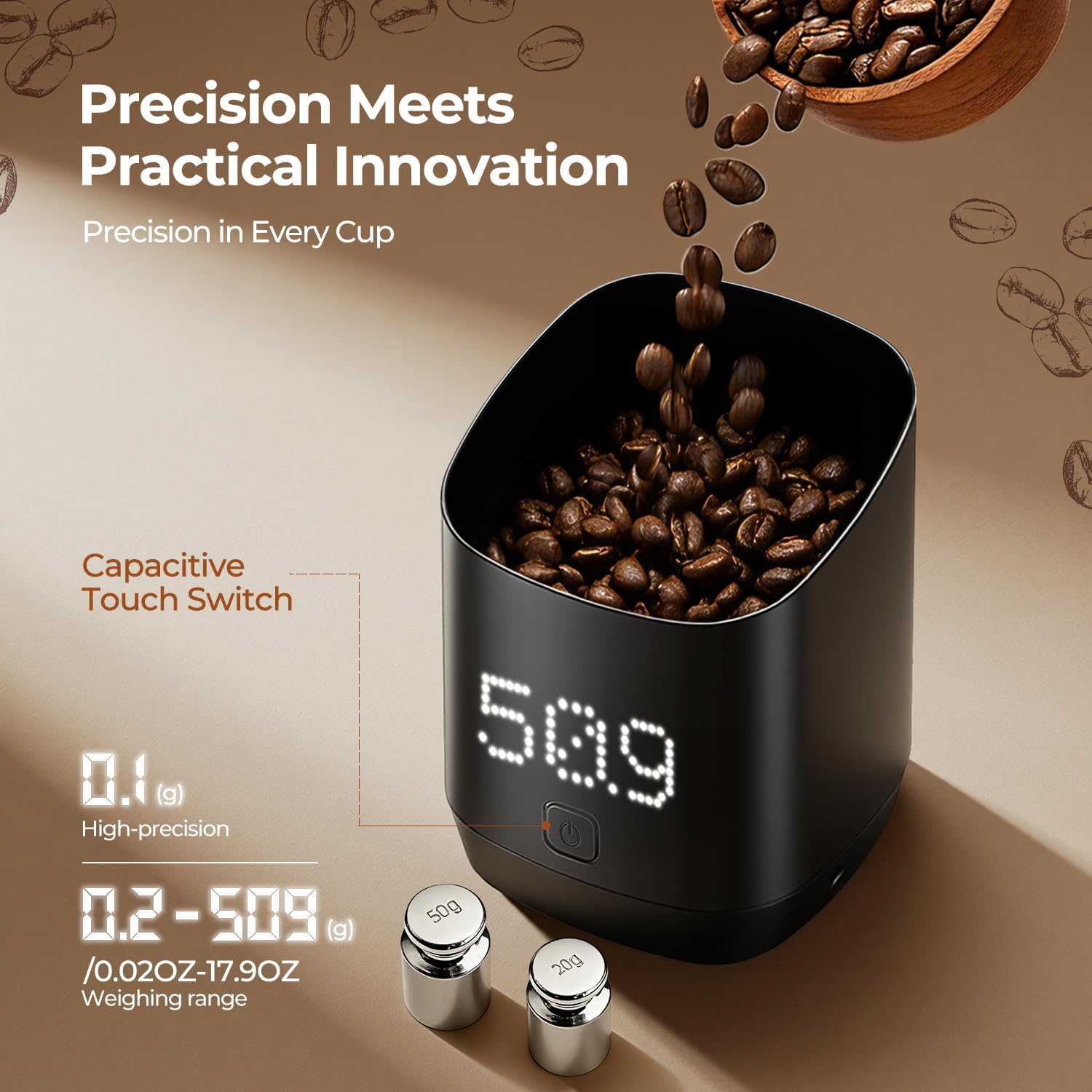
Digital Dosing Cup
Makes weighing beans faster and cleaner, with less mess around the grinder.
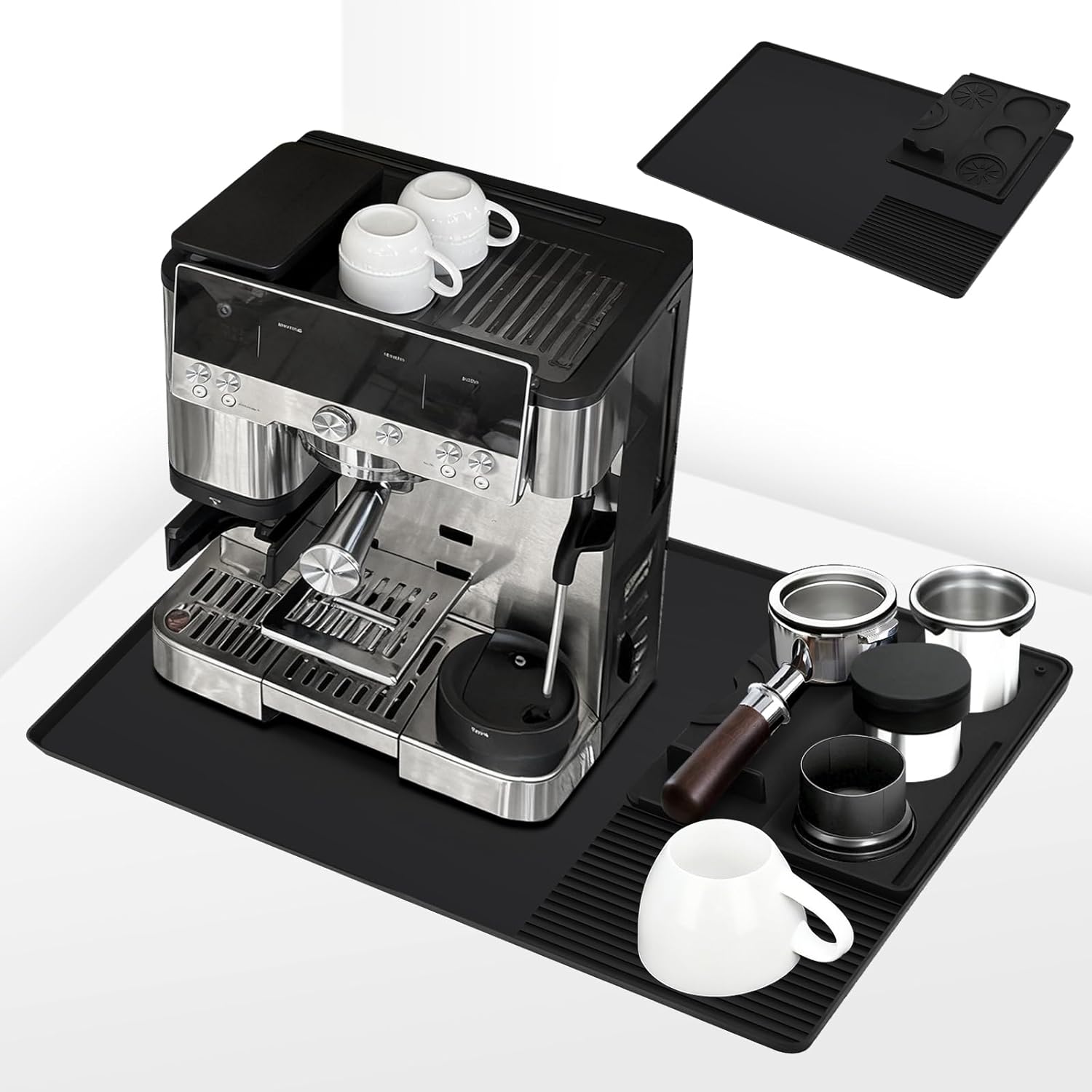
Silicone Mat
Protects your counter, catches spills, and gives your setup a cleaner working surface.

Vacuum Coffee Canister
Helps beans stay fresher longer by limiting air exposure after opening the bag.
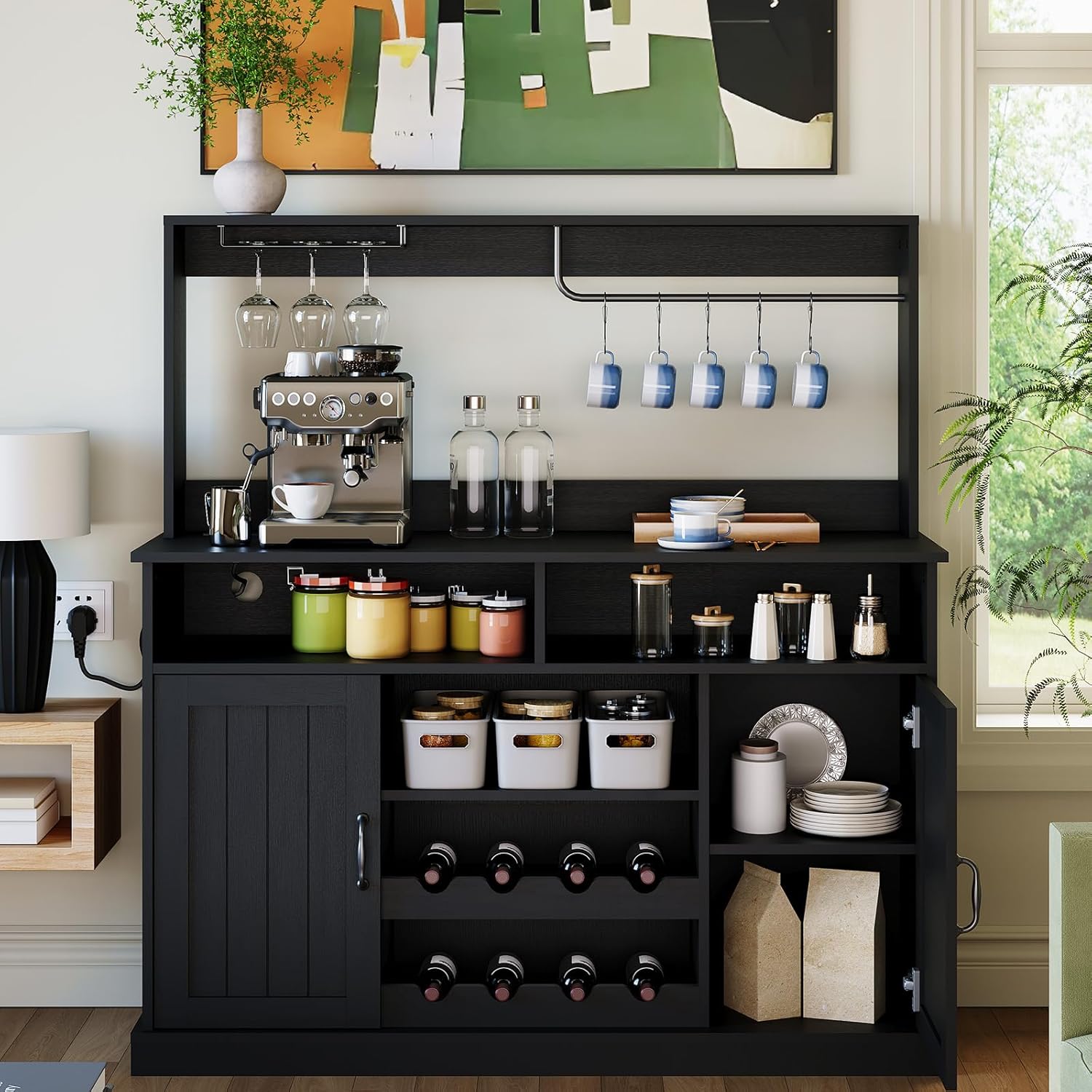
Farmhouse Coffee Bar Cabinet
Gives your machine, cups, beans, and accessories one dedicated home instead of cluttering the kitchen.
If you are choosing between Philips tiers, the 3200 sits in the middle. It shares core hardware with the 4300 and 5400, with fewer menu options and a simpler interface. Compared with competitors, Philips wins on milk cleanup and ease of ownership, while De’Longhi and Jura push harder on drink variety and polish. Gaggia targets the enthusiast who still wants a carafe but prefers a bit more manual control. The 3200 hits the broadest target: dependable everyday milk drinks, good enough espresso, and very low friction.
Where It Sits in the Philips Lineup
Philips carves its LatteGo family by user interface, drink count, and quality-of-life features, not by new brew magic in each tier. The 1200 and 2200 lines are the entry point. The 3200 is the step where the feature set feels complete for a small family. The 4300 and 5400 add a color display, more drinks, and user profiles. The brew group, the LatteGo system, the AquaClean filter, and the ceramic grinder concept stay consistent across the series.
That matters for value. Many shoppers worry they will outgrow the 3200 and wish they had paid for the 5400. In real use, most homes cycle daily between espresso, “coffee” (a longer espresso), Americano, cappuccino, and latte macchiato. The 3200 covers that. If you know you want flat whites, cortados, extra variations, or user profiles for several people with different strengths and volumes, push to the 4300 or 5400. If you want the least expensive way to get LatteGo’s easy cleanup, the 2200 will do it with a smaller drink menu and a more basic panel.
What’s In the Box
You get the machine, the two-piece LatteGo carafe and lid, an AquaClean filter, a water-hardness strip, a measuring scoop for pre-ground coffee, a small tube of brew-group grease, and the manual. Some retailers bundle a starter descaling solution or a spare gasket. Region packs can vary, but the essentials are consistent: machine, carafe, filter, strip, scoop, grease.
Specification Highlights
- Water tank: 1.8 L, front access
- Bean hopper: 275 g with lid
- Grounds container: about twelve pucks when set to standard volumes
- Grinder: ceramic burrs with twelve steps
- Aroma strength: multiple steps, each step controls dose time and grind cycle
- Temperature: three levels in the menu
- Pump: rated to 15 bar with internal regulation
- Spout height: about 85–145 mm
- Drinks: typically Espresso, Coffee, Americano, Cappuccino, Latte Macchiato, and Hot Water; some market variants add an Iced Coffee program
- Model family: EP3241 series with cosmetic and menu differences across regions
These specs do not tell the story alone, but they frame the expectations. A 1.8-liter tank is generous for a compact super-automatic. The hopper size is comfortable for a week of use for most households. Ceramic burrs keep heat low and do not rust. A removable brew group keeps maintenance friendly.
Design and Build
Philips builds the 3200 around a compact plastic chassis. The finish is matte on most trims, with a clear water tank window and a simple black touch panel. It feels like an appliance rather than a piece of commercial equipment. The trade-off is clear. You get a lighter body and a reasonable price. You also get a plastic door over the right-side brew group and plastic rails for the tank.
Fit and finish are consistent. The spout adjusts smoothly to fit demitasse cups up to most latte glasses. The drip tray’s steel cover lifts off for a quick rinse. The LatteGo mount is solid, and the carafe indexes with a clean click. The hopper lid seals decently. There is no rubber gasket on the hopper like you see on higher-end machines, so be mindful of very dry climates where beans can stale faster.
Inside, the brew group is the star for serviceability. You pull it out with one hand, rinse it in the sink, and slide it back in. That design is one of the reasons Philips machines survive in the wild. You do not need a service visit to clean the heart of the machine. Philips also keeps the grinder reachable for basic clearing. If you get stuck beans from an oily roast, you can usually clear the path without opening the entire machine.
Controls and Interface
The front panel has capacitive buttons for each drink and for milk and coffee adjustments. Strength is represented by bean icons. Temperature lives in a menu. Volume is adjustable per drink and will be remembered the next time you select that drink. Long-press programming allows you to “teach” a drink volume by stopping the pour where you want it; after that the machine repeats it.
There are no user profiles. If two people prefer different volumes and strengths for the same drink, you will either compromise or adjust on the fly. The display is icon-based, not a color TFT. That keeps the price lower and the learning curve shallow. The messages are clear. When it wants water, beans, a drain of the drip tray, or a filter change, the panel tells you what to do.
Grinder, Dose, and Coffee System
The ceramic burr set has twelve steps controlled by a slider in the hopper. Adjustment is on the coarse side compared with enthusiast grinders. Super-automatics run a narrow pressure window and rely on consistency more than extraction flexibility. The 3200 is happiest between the finer half of the range for espresso-length drinks and the middle for “coffee.” Grind only while the burrs are turning. The slider will move even when still, but you risk jamming the collar and chipping the teeth. If you need to step several notches finer, do it one click per shot and let the burrs settle.
The “aroma” or strength levels control dose mass by changing grind time and pre-infusion behavior. Single-cycle dose mass typically falls in the high-single to low-double grams. At maximum strength, most units we have tested land near the ten-gram mark for one grind cycle. A “double” espresso on the 3200 is two separate grind-and-brew cycles. That is why the crema looks fresh on both halves. It is also why the machine needs a beat between pours to clear the brew chamber.
Super-automatics volumetrically meter beverage output. Think in milliliters rather than grams. If you want a classic 1:2 espresso ratio, you will approximate it with a set cup volume and a strength level that gives you the body you like. This is not a con. It is how this class of machine operates.
Espresso Performance
A 3200 will not mirror the texture and structure of a well-tuned prosumer setup. What it will do is give you a reliable shot that tastes like espresso. The machine pre-infuses, ramps pressure, and brews in a window that keeps bitterness in check if you feed it the right coffee. Medium roasts are the safest lane. Medium-dark formats work well when you want chocolate, hazelnut, and caramel profiles. Very light Nordic roasts taste thin and sharp. That is not a grinder issue alone. It is a system issue. The pressure and temperature design aims for mainstream palates.
Set temperature to High for almost all coffees. Use the finest grind that does not choke the flow. Start with strength one click below max. Program espresso to about 35–40 ml per cycle if you want a short shot with enough viscosity. If you want a bigger drink, choose Americano rather than pushing espresso volume higher. The Americano program adds hot water after extraction and keeps flavor intact.
Crema on the 3200 is stable and slightly mousse-like with high-oil coffees. With medium roasts it looks natural, not thick foam. Taste follows crema. With well-developed beans, you get a sweet center, basic coffee aromatics, and a clean finish. With lighter beans you get citrus and florals at the cost of depth. Do not chase ristretto ratios. You will get “peaky” shots that feel concentrated but taste flat.
Cup temperature is fine out of the box if you preheat cups with a hot-water flush during warm-up. If you like very hot drinks, set temperature High and switch to thicker mugs. Super-automatics often read cooler in the cup than prosumer machines due to path length and mixing. Preheated cups are the cheapest fix.
Milk System: LatteGo
LatteGo is the selling point. It has two structural parts: a front reservoir for milk and a back mixing chamber that creates foam by drawing air through a small vent. There are no internal tubes to scrub. There is no hidden siphon to clog. You detach the carafe, rinse the two pieces under warm water, and park it in the rack. If you have milk left, you can snap on the lid and store it in the fridge.
Foam quality skews airy. Think cappuccino foam rather than the tight microfoam you steam with a wand. The texture is consistent and stable enough for a layered latte macchiato. Latte art is not realistic. The foam is too dry and breaks when you try to draw. For most households this is a fair trade. You press Cappuccino, the machine doses milk first, textures it, and then pulls espresso through the foam. You press Latte Macchiato, it flips the order and gives you that layered look. You press Milk if you want a pitcher for hot chocolate. You can set milk volume by long-press programming per drink.
Milk temperature lands in the mid-50s to low-60s Celsius depending on volume and starting milk temperature. If you want hotter milk, start with milk right from the fridge and run slightly less volume. If you want thicker foam, nudge the milk volume down and the strength up. A little less milk yields a nicer texture for smaller cappuccino cups.
Cleaning behavior is the main win. Many carafe systems hide milk in plastic lines that never feel clean. LatteGo avoids that design. The weakest link is the small silicone gasket on the carafe’s mixing chamber. Treat it gently when you disassemble. Top-rack dishwasher is fine on normal cycles. Avoid very hot sanitizing cycles that can warp plastic over time.
Iced Coffee Program (Market Dependent)
Some versions add an Iced Coffee button. The machine runs a shorter espresso over ice at a lower brew temperature. It is not cold brew. It is not a Japanese iced pour-over either. It is a convenience mode for iced milk drinks. If your unit has it, keep expectations in check. Use a tight cup volume for the coffee portion and plenty of ice. Add milk after the shot to avoid diluting it during extraction. If your unit does not have the button, you can create a manual iced drink by programming a short Americano and brewing into a glass full of ice.
Workflow
Morning routine is straightforward. Fill the tank from the front. Top up the hopper. Slide the spout down for small cups. Choose Espresso or your favorite milk button. Adjust strength if you like. The machine will purge a little water on wake-up, heat quickly, grind, and pull.
Here is a reliable starting routine for a two-drink morning:
- Power on, place cups, and run a quick Hot Water pulse to preheat.
- Select Cappuccino with strength one step below max and the milk volume you prefer.
- While the drink runs, wipe the spout and check the drip tray.
- Brew a separate Espresso or Americano while the carafe sits in the fridge.
- After the last drink, remove the LatteGo, rinse both pieces, and set them to dry.
Evening cleanup is minimal. Empty the drip tray and grounds drawer when the panel asks. Rinse the brew group every few days under warm water. Dry it and slide it back in. Lubricate the group on the schedule in the manual. Replace the AquaClean filter when the display prompts you. The whole point of this machine is that none of these steps require tools or a bench.
Maintenance and Cleaning
Daily
- Rinse the LatteGo carafe after each milk session. If you store milk inside, rinse before the next use as well.
- Empty the drip tray if you brewed many drinks.
- Wipe the spouts.
Weekly
- Remove the brew group and rinse it. Let it air dry.
- Wipe the inside of the machine around the group housing.
- Use a brush to clear grinds around the chute and gasket.
Monthly
- Lubricate the brew group rails and piston as instructed in the manual.
- Run a cleaning tablet through the pre-ground chute to clear coffee oils from the brew path.
- Inspect LatteGo gaskets for wear.
Filter and Descaling
- Keep AquaClean active. It extends the time between descales by filtering scale before it reaches the boiler.
- The panel tracks flow and tells you when to replace the filter. If you replace on time, you will go a long stretch without descaling.
- When the machine asks for a descale, do it. Ignoring descale prompts is the fastest way to hurt performance.
Water, Filtration, and AquaClean
Water matters more than most owners expect. Use the hardness strip in the box and set the machine to the correct hardness in the menu. If you are on hard municipal water, run AquaClean and replace as prompted. If your water is very hard, consider pre-filtering through a pitcher and then using AquaClean as insurance. If you already use a good home filter and your water is in the middle hardness range, AquaClean alone is usually fine.
AquaClean will not fix everything. If your tap is highly chlorinated, you may still taste it in your coffee. Activated carbon filtration helps with chlorine and odor. The boiler and hydraulic system in a super-automatic are small. Scale accumulates quickly with untreated hard water. Keeping the filter plan on schedule protects the machine and keeps milk temps and shot flow consistent.
Reliability, Wear Items, and Known Issues
Every mass-market super-automatic has patterns we see in service.
- LatteGo gasket fatigue. The small silicone gasket in the mixing chamber can stiffen over time. If milk flow becomes inconsistent, check it first. Replacements are inexpensive.
- Oily bean jams. Super-automatics do not love French roasts. Oils cake in the chute and the burr chamber. If you must run dark beans, purge with a handful of dry medium beans each week and brush the chute.
- Weak crema after months. Often this is a brew group that needs lubrication and cleaning, or a filter that is overdue. Restore maintenance and crema returns.
- Noisy grinder. Ceramic burrs are durable. Sudden loudness often means a pebble made it into the hopper. Empty the hopper, vacuum the top, run the grinder empty for a second, and resume.
- Drip from spouts after brew. Small residual drips are normal. Significant dripping suggests the three-way valve needs cleaning via a tablet cycle.
Treat the machine as a daily appliance. Service it at the sink, not the workbench, and it will repay you with years of uptime.
Noise, Speed, and Energy Use
The grinder is the loudest moment. It is quick and sharp rather than droning. Most households brew without waking sleepers in the next room. From button press to espresso in cup, expect under a minute after warm-up. Milk drinks add another minute for dosing and foam. Eco mode reduces idle consumption by sleeping the heater. Wake-up purges keep the system sanitary. If you care about energy, power down fully after your last cup and let the auto-purge handle the next start.
Coffee Choice and Roast Pairing
Choose coffees that match the machine’s design. Medium roasts are the safe default. Look for tasting notes like chocolate, caramel, almond, hazelnut, dried fruit, vanilla, and gentle citrus. If you prefer dark chocolate and low acidity, step toward medium-dark. Avoid oily surfaces and extreme dark roasts. They taste fine on day one and choke the system by week three.
For milk drinks, blend choices are forgiving. You can run a Brazil base with Central American support and be happy year-round. Natural-process Ethiopians are bright and aromatic but can taste thin at super-auto pressures. If you chase florals and bergamot, lower milk volume and run High temperature to preserve aromatics. For decaf, choose a mountain-water process with medium development to keep body.
Suggested Starter Settings
The following settings get most users to a pleasant baseline. Adjust to taste.
Espresso
- Grind: two to three clicks from the finest that still flows smoothly
- Strength: one step below maximum
- Temperature: High
- Volume: 35–40 ml per cycle
- Notes: If the shot races, take the grind one click finer. If bitterness shows, pull the volume back five milliliters and consider a beefier medium roast.
Americano
- Grind: middle of the range
- Strength: middle or one step below max
- Temperature: High
- Coffee portion: 60–80 ml
- Water portion: 80–120 ml after extraction
- Notes: Use Americano rather than long “coffee” if you like clarity over concentration.
Cappuccino
- Grind: middle-fine
- Strength: one step below maximum
- Milk: set to a smaller programmed volume to keep foam tight
- Temperature: High
- Notes: For a traditional 150–180 ml cappuccino, reduce milk volume and keep espresso around 35–40 ml. The default recipes often over-milk.
Latte Macchiato
- Grind: middle
- Strength: middle
- Milk: default or slightly higher for a tall glass
- Temperature: High
- Notes: Layering looks best with cold milk and a glass pre-rinsed with hot water.
Accessories and Small Upgrades
- Cups and glasses. Use thick ceramic demitasse for espresso. For milk drinks, tall double-wall glasses keep heat longer without burning fingers.
- Knock box. Even super-automatic pucks need a home if you brew several drinks before emptying the drawer.
- Water treatment. If your hardness is high, add a pitcher filter upstream of AquaClean.
- Cleaning tablets. Keep a small pack on hand and run one monthly through the pre-ground chute.
- Spare LatteGo carafe. If you brew milk drinks several times a day, a second carafe in the fridge is convenient.
Value, Price, and Availability
The 3200’s value sits in the ownership curve more than the sticker at checkout. The machine costs less than many rivals with screens and profiles. It costs more than stripped-down options that make you clean complicated milk lines. After the first month, users care about rinsing, not about how many beans are drawn on the display. The 3200 wins that story. It uses affordable filters and generic cleaning tablets. Replacement o-rings and carafes are easy to find. The brew group design removes fear from long-term upkeep. Over a three-to-five-year window, those details matter as much as the price you paid.
Seasonal sales change the math. During major retail periods, the 4300 can drop close to the 3200. If you see that spread shrink, go 4300 for the display and profiles. If the gap is wide, buy the 3200 and spend the difference on good beans and filters.
Competitor and Alternative Analysis
The right comparison depends on whether you are looking across the Philips family or across the market. Use the sections below to anchor your choice. Every competitor is a practical alternative that shoppers consider at this price and size.
Philips 1200 LatteGo
The 1200 gives you LatteGo at the lowest Philips price. You give up drink variety and some convenience. The interface is more basic, with fewer presets, and the overall feel is simpler. Shot quality is not meaningfully different if you match grind and dose. If your menu is espresso and cappuccino, and you want the least expensive path to easy milk cleanup, the 1200 makes sense. If you want Americano and a latte macchiato as daily buttons, the 3200 is the better fit.
Philips 2200 LatteGo
The Philips 2200 LatteGo is a small step above the 1200. It shares the same LatteGo concept and core brew hardware. The difference is mostly in buttons and drink mix. For many households the 2200 is either barely enough or just short. The 3200’s extra convenience features, like more flexible volume memory and an Americano program, justify the step up for most buyers. If the discount is substantial and you do not need Americano, the 2200 is fine.
Philips 4300 LatteGo
The Philips 4300 LatteGo is the most common upgrade path from the 3200. You gain a color display, more drink icons, and user profiles. Profiles matter if two or more people want to save their own volumes and strengths. The brew and milk systems remain the same. Milk texture does not change. Shot character does not change. You are paying for a nicer interface and convenience. If the price gap is modest during a sale, the 4300 is the smart stretch.
Philips 5400 LatteGo
The Philips 5400 LatteGo is the “everything menu” Philips. It adds yet more one-touch drinks, four user profiles, and a fancier face. Under the hood it is familiar. If you want a machine that looks premium on the counter and you want to push buttons for every variant under the sun, the 5400 scratches that itch. If you just need espresso, Americano, cappuccino, and latte macchiato, the 3200 is more than enough at a better price.
De’Longhi Magnifica Evo
De’Longhi’s Magnifica Evo lines up directly with the 3200. It uses a LatteCrema carafe that produces thicker milk foam than many rivals. Cleaning the carafe is straightforward but not as simple as LatteGo because there are more parts and seals. De’Longhi often advertises a larger drink count with dedicated buttons for flat white or over-ice drinks on higher trims. The grinder uses steel burrs, and the shot flavor leans toward a slightly bolder, darker profile out of the box. If you care most about thicker foam and want more labeled drinks on the panel, the Evo is a credible alternative. If you care most about the fastest, least fussy milk cleanup, Philips still leads.
Gaggia Magenta Prestige
Gaggia’s Magenta Prestige is the champion for people who want a compact carafe machine with a cleaner interface and a bit more control. You get a color display with a menu structure that makes sense the first time you use it. The carafe is integrated and easy to handle, though it has more pieces than LatteGo. Espresso is similar in body and balance, with a touch more flexibility in programming. The Magenta tends to feel like a hobbyist’s super-automatic. If you want to push recipes and tweak volumes often, the Prestige is excellent. If you value pop-simple milk cleaning above all, the 3200 still wins.
Jura E8
Jura sells polish and a luxury feel. The Jura E8 runs a different brew system, a slicker UI, and an upgraded milk frother. The milk texture can get closer to true microfoam at its best. The screen is bright and the drink variety is broad. Ownership is different: Jura uses a closed brew unit you cannot remove for sink cleaning. You rely on tablets and automated cycles for sanitation. Many owners like that because it feels premium and low effort. Others prefer the certainty of rinsing a brew group in the sink. If you want a beautiful machine, a refined milk texture, and you are fine with proprietary cleaning, the E8 is a step up in both experience and price. The 3200 delivers 80 percent of the drinks for far less money and much cheaper parts.
Siemens EQ.6 Plus
Siemens focuses on interface elegance and consistency. The Siemens EQ.6 Plus offers a clean screen, intuitive recipes, and quiet operation. Milk foam is closer to Philips than to Jura in texture. Cleaning is more involved than LatteGo. Espresso quality sits in the same class. If you like German-appliance visuals and you care about a refined UI, Siemens is worth a look. If your top priority is milk cleanup speed, Philips holds the edge.
Breville Bambino Plus + Grinder (Semi-Automatic Alternative)
A meaningful alternative to any super-automatic is a simple semi-automatic paired with a good grinder. The Bambino Plus with an entry-level burr grinder delivers better milk texture and the potential for sweeter, more balanced espresso with light and medium roasts. You trade time for quality. You will purge a steam wand, wipe it, and clean a portafilter every time. If you want to learn technique and enjoy the process, the Bambino path is rewarding. If you want an acceptable cappuccino in one minute while you pack lunches, buy the 3200.
Who It’s For
- Households that drink mostly cappuccinos, lattes, and Americanos and want one-touch convenience
- Buyers who care about cleaning and maintenance as much as flavor
- People who prefer middle-of-the-road roasts and want consistent results without learning barista skills
- Families who like to keep milk in a carafe in the fridge and re-attach it when needed
Who Should Avoid It
- Home baristas who want latte-art microfoam, light-roast clarity, and variable pre-infusions
- Users who need profiles for several people and a screen that shows every drink option at once
- Coffee geeks who plan to experiment with specialty light roasts and minor grind adjustments every bag
Troubleshooting Quick Wins
- Watery cappuccino. Reduce milk volume and increase strength one step. Use a smaller cup.
- Bitter espresso. Cut espresso volume by 5–10 ml. Move one grind click coarser and switch beans to a medium roast.
- Sour espresso. Increase temperature to High. Move one grind click finer. Consider a medium-dark roast.
- Milk splatter from LatteGo. Check the vent opening and gasket seat. Reassemble fully until you feel a firm click.
- Weak crema after months. Rinse and lubricate the brew group. Replace the AquaClean filter. Run a cleaning tablet.
Long-Term Ownership Notes
The best part of owning the 3200 is that the chore list is short. You do not need to pull panels or learn hidden service menus to keep it running. The brew group rinse is fast. The LatteGo rinse is faster. Filters cost less than many competitors’ systems. If you keep to the schedule, you will replace a few gaskets every few years, buy filters, and that is it.
Do not use oily beans. Everyone tries it once. The first week tastes like chocolate syrup. The second week the grinder slows. By the third week the chute cakes and the shot becomes a syrupy trickle. If you love dark roast, find roasters who develop sweetness without an oily surface. Your machine will last longer and taste better.
If you entertain often, consider a second LatteGo carafe. It increases throughput. You can run milk drinks continuously while the second carafe chills. Also keep a small micro-fiber cloth by the machine. Wipe the spouts immediately after milk drinks and they never cake.
Verdict
The Philips 3200 LatteGo gets the fundamentals right for everyday coffee. It makes espresso that tastes like espresso, not concentrated drip. It builds milk foam that families enjoy, even if it will not pour a rosetta. It cleans up faster than anything else in its class. The interface is simple. The parts are accessible. If you come from a manual setup, you will miss the tactile ritual. If you come from a capsule machine, you will wonder why you waited this long.
This is not a machine for chasing perfect extractions or showing off a color display. It is a machine for pressing Cappuccino while you pull mugs from the cabinet, and then rinsing two pieces of plastic before you walk out the door. If that sounds like your morning, the 3200 is a smart buy that will hold up without stealing your time.
Philips 3200 LatteGo — FAQ
Is the LatteGo carafe dishwasher-safe?
Yes. The two LatteGo pieces are top-rack dishwasher-safe. A quick warm-water rinse after use keeps it spotless day-to-day.
Can I remove the brew group for cleaning?
Yes. Open the right door, press the latch and slide the group out. Rinse weekly and lubricate monthly per the manual.
Does the 3200 have user profiles or an app?
No profiles and no app on the 3200. If you want profiles and a color screen, look at the 4300 or 5400.
Is there an Iced Coffee program?
Some market variants include an Iced Coffee button. If yours does not, program a short Americano and brew over plenty of ice.
What beans work best and what should I avoid?
Use medium to medium-dark roasts with dry surfaces. Avoid oily French roasts; they cake the chute and burrs and hurt flow.
How do I fix watery cappuccinos?
Reduce milk volume, increase strength one step and use colder milk. Program smaller milk for tighter foam.
How do temperature and strength adjustments work?
Set temperature (Low/Med/High) in the menu. Strength uses the bean icons and changes dose time and grind cycle. The machine remembers per drink.
Does it have a bypass for pre-ground coffee?
Yes. Use the included scoop to dose decaf or flavored coffee via the pre-ground chute.
How often should I replace AquaClean and descale?
Replace AquaClean when prompted. If you keep filters on schedule you will go a long time before the machine asks for a descale—do it when it asks.
Can it make a flat white?
There is no dedicated flat white button on the 3200. You can approximate with a short Cappuccino and reduced milk volume, then an extra espresso.
We’ve categorized the best espresso machines for every kind of buyer
Find the right shortlist faster, whether you want convenience, a beginner-friendly setup, a smaller footprint, or better value at a given budget.
Best Superautomatic Espresso Machines
One-touch picks for speed and convenience.
Best Espresso Machines for Beginners
Easy-to-use machines with a smoother learning curve.
Best Small Espresso Machines
Compact machines for tighter kitchens and counters.
Best Espresso Machines With Built-In Grinder
All-in-one options with fewer extra pieces to buy.
Best Cheap Espresso Machines Under $500
Budget picks that still make sense for real espresso.
Best Prosumer Espresso Machines Under $1000
More serious machines with stronger value for the money.
Best Single Boiler Espresso Machines
Simple, space-saving picks for espresso-first routines.