
Quick Verdict & Who It’s For
The Krups Arabica Digital EA817040 delivers automated bean-to-cup convenience at £400-550, combining integrated grinding, brewing, and milk frothing in one compact 7.2kg package. This French-engineered machine produces consistently good espresso with minimal effort—perfect for busy households transitioning from pod systems. However, a critical steam wand defect where the nozzle frequently detaches during use creates genuine scalding hazards that overshadow otherwise solid performance.
With its 1.7-liter water tank, 250-gram bean hopper, and intuitive LCD interface storing two personalized recipes, the EA817040 targets convenience over control. You get fresh-ground coffee at the touch of a button, though enthusiasts will find the three grind settings frustratingly limited compared to competitors offering 10+ adjustments. The actual 10-bar extraction pressure (despite 15-bar specifications) and 45-second heat-up time position this squarely as an entry-level automatic rather than a café-quality powerhouse.
Great For
Time-pressed coffee lovers who value convenience over customization will appreciate the one-touch operation and automated cleaning programs. The integrated grinder saves counter space while eliminating equipment proliferation—crucial for small kitchens where every inch matters.
Pod system graduates ready for fresh-ground coffee without learning manual techniques benefit from the gentle learning curve. The LCD guides you through every step, from initial setup to daily brewing, making specialty coffee accessible without barista training.
Black coffee households avoiding milk-based drinks can overlook the steam wand issues entirely, enjoying reliable espresso and americano preparation. The two-cup simultaneous brewing and large capacity tanks reduce morning interruptions.
Budget-conscious buyers get an all-in-one solution under £550, avoiding the £150-500 additional grinder investment required by semi-automatic alternatives. When calculating total system cost, the EA817040 competes favorably against comparable Breville or Gaggia setups totaling £580-710.
Not For
Milk drink enthusiasts face unacceptable safety risks from the documented steam nozzle failures. Multiple verified owners report the pannarello attachment “blowing off into the milk jug,” creating hot milk explosions and potential scalding injuries.
Shop the essentials
The small upgrades that make a home coffee setup cleaner, smoother, and more enjoyable to use every day.

Cleaner & Descaler Tablets
Keeps your machine clean, helps prevent buildup, and protects long-term performance.
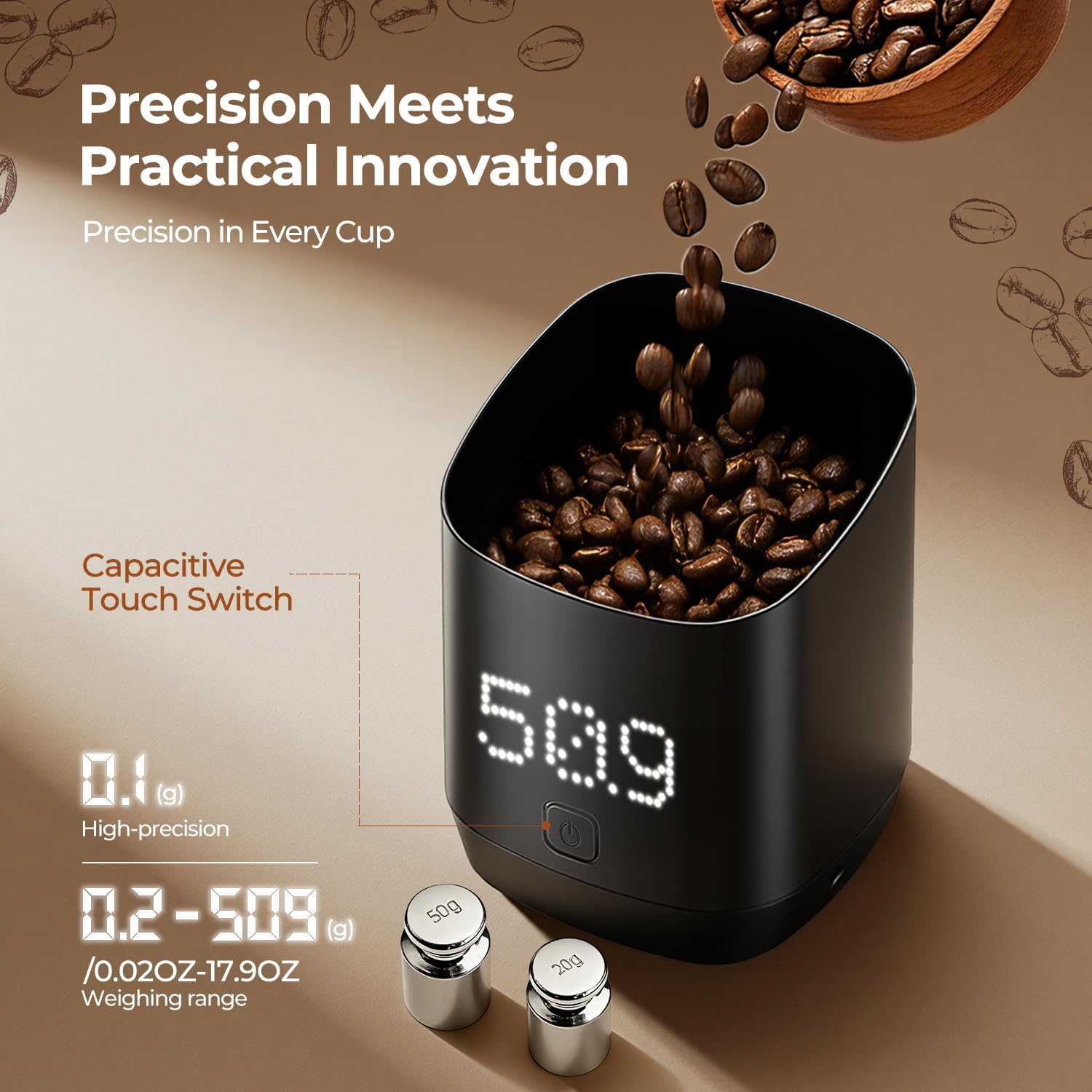
Digital Dosing Cup
Makes weighing beans faster and cleaner, with less mess around the grinder.
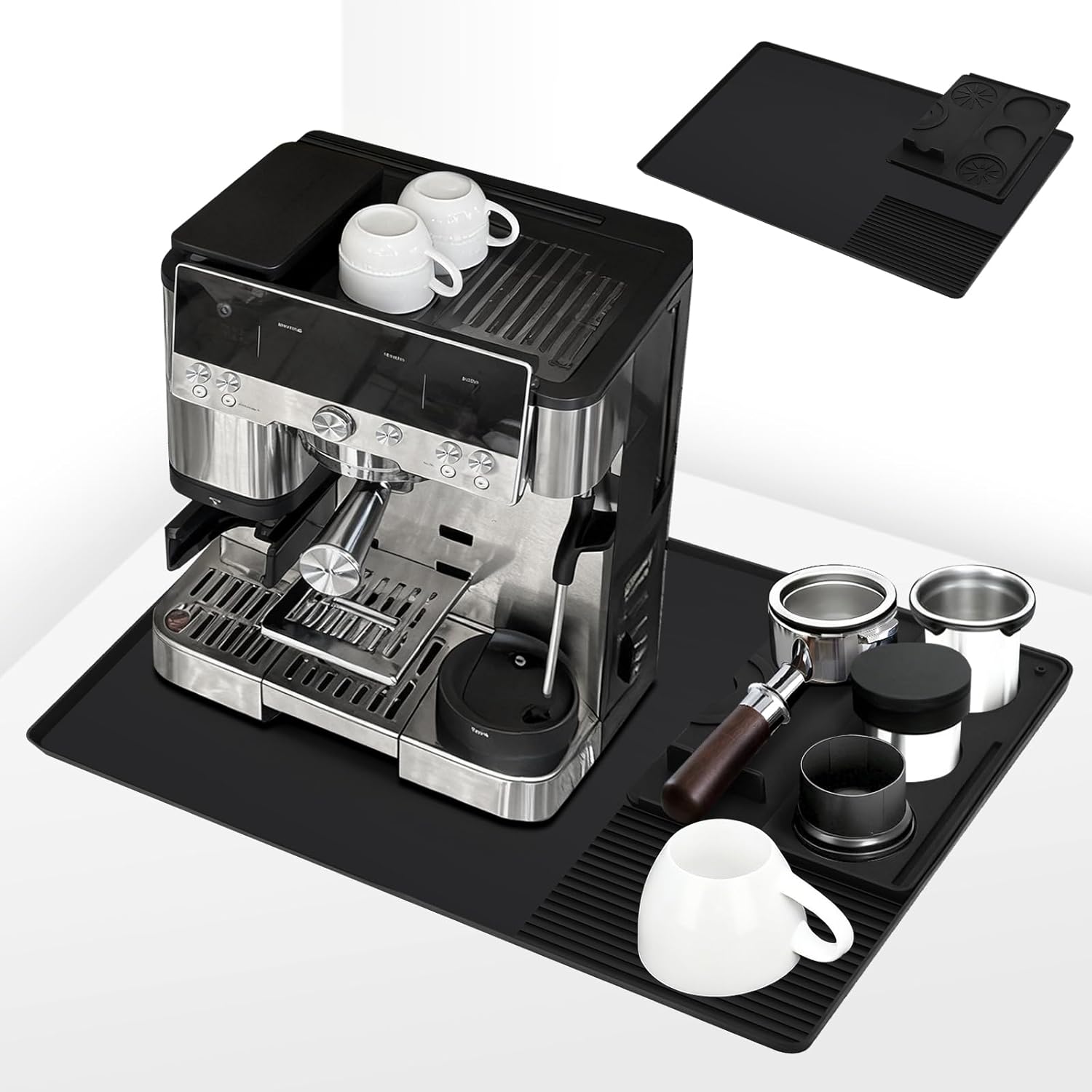
Silicone Mat
Protects your counter, catches spills, and gives your setup a cleaner working surface.

Vacuum Coffee Canister
Helps beans stay fresher longer by limiting air exposure after opening the bag.
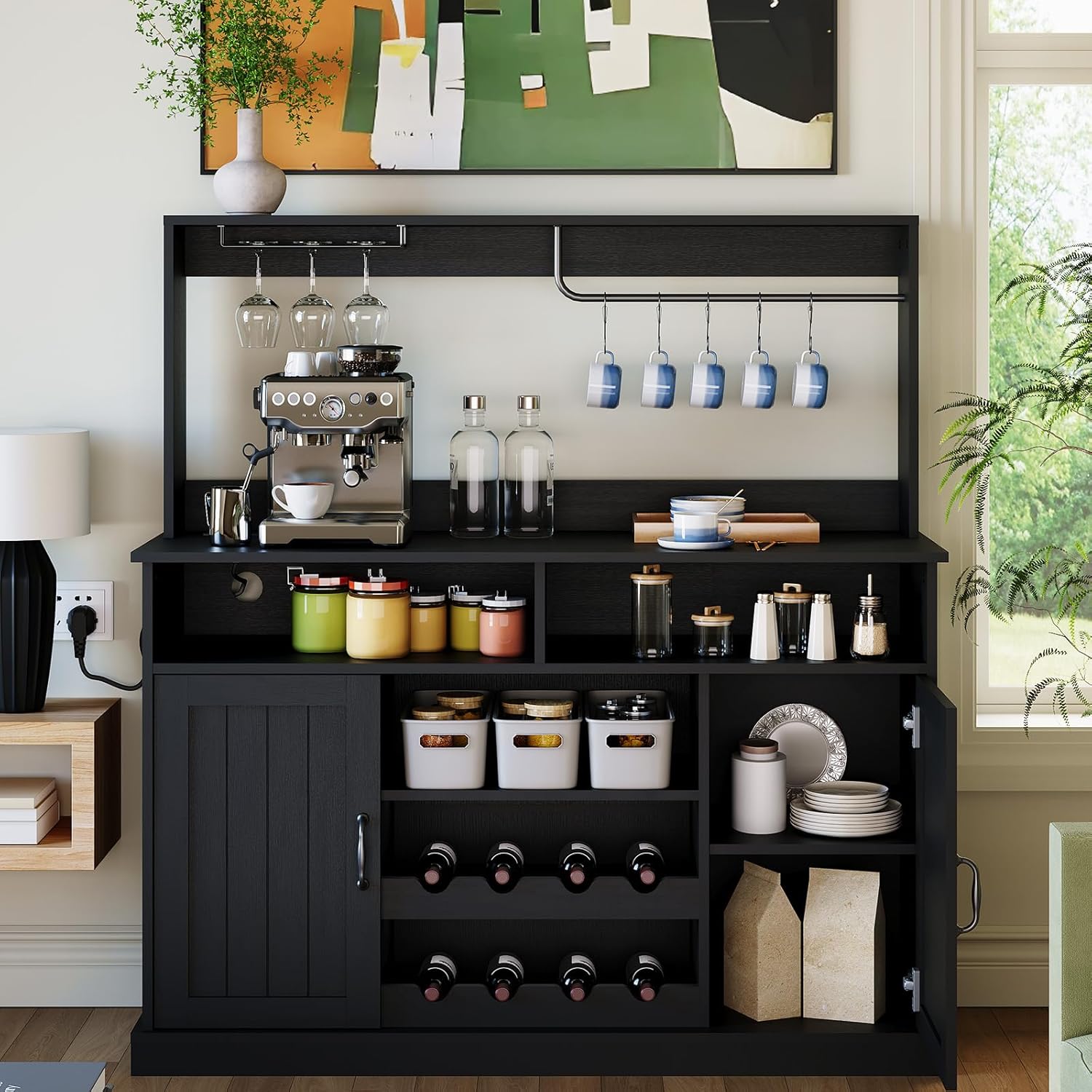
Farmhouse Coffee Bar Cabinet
Gives your machine, cups, beans, and accessories one dedicated home instead of cluttering the kitchen.
Coffee hobbyists seeking extraction control will quickly outgrow the three grind settings and automated systems designed for consistency over customization. The non-adjustable pressure and temperature limitations frustrate those pursuing café-quality results.
Light roast aficionados find the limited grind range inadequate for dense, specialty beans requiring ultra-fine settings the machine cannot achieve. You’re restricted to medium and dark roasts that work within the available adjustment range.
Long-term investment seekers should consider the plastic construction and sealed brew group design limiting repair options. Unlike the serviceable Gaggia Classic Pro built for decades of use, the EA817040’s integrated systems mean component failures often require complete replacement.
What Is the Arabica Digital? (EA817040)
The Krups Arabica Digital EA817040 represents the flagship model in Krups’ entry-level automatic espresso line, launched in 2018 to compete directly with DeLonghi’s dominance in the bean-to-cup market. This fully automatic machine integrates grinding, tamping, brewing, and milk frothing into a single compact unit measuring 24.5 x 33.0 x 36.5 centimeters—roughly the footprint of a standard microwave.
Unlike semi-automatic machines requiring manual dosing and tamping, the EA817040 automates the entire process through Krups’ Quattro Force technology. This proprietary system optimizes four key stages: grinding with stainless steel conical burrs, hydraulic tamping at 30kg pressure, percolation through the Compact Thermoblock System (CTS), and automated cleaning cycles. The result? Push-button espresso that eliminates the variables plaguing manual machines.
The machine draws 1450 watts through its thermoblock heating element, reaching brewing temperature in 45 seconds—faster than traditional boiler systems but slower than Breville’s ThermoJet technology. The 15-bar Ulka pump (actually delivering 10 bars during extraction) matches industry standards, while the removable 1.7-liter water reservoir and 250-gram bean hopper support multiple daily brewing sessions without constant refilling.
Real innovation comes through the extra-large LCD display providing clear operational guidance, maintenance alerts, and storage for two personalized drink recipes via the Favourites function. This user interface sophistication separates the EA817040 from basic automatic machines, bringing smartphone-like intuitiveness to espresso preparation.
Arabica Digital vs Manual vs Evidence Series
Why the Digital Model Exists
Krups created the Arabica Digital to bridge the gap between their basic EA811040 Manual model and premium Evidence series, targeting users wanting automation without premium pricing. The Digital adds the LCD interface, Favourites programming, and refined Quattro Force algorithms missing from the Manual’s rotary dial operation.
The EA811040 Arabica Manual strips away the digital refinements, using mechanical controls and lacking programmable recipes. At £50-80 less, it appeals to traditionalists comfortable with manual adjustments but sacrifices the consistency automated systems provide. The Manual model shares the same pump, heating system, and grinder but removes the electronic brain coordinating operations.
The EA817840 Silver variant offers identical specifications to the black EA817040, differing only in exterior finish. Both models share the same £400-550 price range, making color preference the only selection criteria. Some retailers offer exclusive colorways or bundle configurations, though internal components remain unchanged across all Arabica Digital models.
Stepping up to the Evidence series adds automatic milk frothing, touchscreen controls, and expanded beverage options at £800-1200. These premium models target users wanting super-automatic convenience with minimal interaction—essentially office-grade machines for home use. The Evidence’s LatteCrema system eliminates manual steaming entirely, though at nearly double the Arabica’s price.
The EA817040 exists because market research revealed a sweet spot: users wanting fresh-ground convenience without super-automatic complexity or pricing. By maintaining manual steam wand control while automating grinding and brewing, Krups created a £400-550 machine competing effectively against £700+ alternatives when including necessary grinder costs.
Specs & What’s in the Box
Opening the EA817040 box reveals a surprisingly complete setup requiring only coffee beans and water to begin brewing. The machine arrives securely packaged with molded foam protection, weighing 7.2 kilograms fully assembled. Krups includes cleaning tablets for monthly maintenance, a water hardness test strip for calibration, and the comprehensive user manual covering operation and troubleshooting.
Core specifications:
- Dimensions: 24.5 x 33.0 x 36.5 cm (W x D x H)
- Weight: 7.2 kg
- Power: 1450 watts
- Water capacity: 1.7 liters
- Bean hopper: 250 grams
- Used coffee container: 9 portions
- Pump pressure: 15 bar (10 bar actual)
- Heating: Compact Thermoblock System (CTS)
- Heat-up time: 45 seconds
- Grinder: Stainless steel conical burrs
- Grind settings: 3 levels
- Temperature settings: 3 levels
- Cup clearance: 10.8 cm maximum
The integrated conical burr grinder features hardened stainless steel burrs rated for 280,000+ grinding cycles—approximately 10 years of typical home use. The grind adjustment knob sits inside the bean hopper, accessible only during active grinding to prevent burr damage from static adjustment.
The thermoblock heating system combines aluminum construction with stainless steel water pathways, maintaining brewing temperatures between 90-92°C across three selectable levels. Unlike boiler systems storing heated water, thermoblocks heat on-demand, reducing energy consumption but limiting simultaneous brewing and steaming.
Notable absences include the Claris water filter (sold separately at £9.30), milk frothing pitcher, and premium coffee beans for initial testing. The manual steam wand includes the problematic pannarello attachment but lacks automatic frothing capabilities found in higher-tier models.
Colorways & Finishes
The EA817040 comes exclusively in matte black plastic with silver accents on the control panel and drip tray. The finish resists fingerprints reasonably well, though water spots and coffee splashes show clearly against the dark surface. Build quality feels appropriate for the price point—not premium but avoiding the hollow cheapness plaguing sub-£300 machines.
The EA817840 silver variant offers identical specifications in a brushed metallic finish that better masks daily use marks. Some users report the silver model appearing more premium despite identical plastic construction. Both finishes use the same internal components, making selection purely aesthetic.
Limited edition colors occasionally appear through specific retailers, though these typically involve exclusive bundling rather than unique colorways. The carbon finish (EA817K40) represents a regional variation rather than a distinct model, sharing all specifications with standard black units.
Model & Retail Codes
Understanding Krups’ model numbering prevents confusion when comparing prices. The base designation EA817040 identifies the black Arabica Digital, while EA817840 denotes the silver variant. Regional codes like EA817040GB specify UK electrical configurations with 220-240V operation and UK plug types.
Retailer-specific SKUs add complexity: 10195105 at Currys, 62362-65 at AO.com, and 1600937888 at Littlewoods all reference the identical EA817040 model. These variations exist purely for inventory tracking, not product differences.
International models require careful verification. The 220V-only specification means North American users cannot use UK/EU models even with adapters. Warranty coverage remains region-specific, with grey imports voiding manufacturer support despite potential 20-30% savings.
Setup & First Shots
Initial setup takes approximately 30 minutes from unboxing to first espresso, with the LCD interface providing step-by-step guidance throughout. Start by removing all protective films and rinsing removable components—drip tray, water tank, and bean hopper—with warm water to eliminate manufacturing residues.
Fill the 1.7-liter tank with fresh, filtered water, avoiding distilled or reverse osmosis water lacking minerals necessary for proper extraction. Install the tank firmly until it clicks, ensuring proper engagement with the valve system. The bean hopper requires rotation until the safety switch engages—a common setup error causing “no beans” errors despite full hoppers.
Power on the machine to begin automatic priming. The system runs several internal rinse cycles, expelling water through both the coffee outlet and steam wand. This process removes air bubbles and manufacturing oils, taking approximately five minutes with various mechanical sounds completely normal during initialization.
Water hardness calibration proves critical for descaling intervals and extraction quality. Test your water using the included strip, matching colors to the 0-4 hardness scale. Navigate to settings using the menu button, selecting your hardness level to optimize descaling alerts. Hard water (level 3-4) requires descaling every 2-3 months, while soft water extends intervals to 4-5 months.
Temperature selection defaults to medium, suitable for most coffees. Light roasts benefit from the high setting, while dark roasts extract better at low temperatures. These settings affect extraction yield more than most users realize—incorrect temperature causes sourness (too cool) or bitterness (too hot) regardless of grind adjustments.
Dial-In QuickStart
Your first shot will likely disappoint—this is normal and expected. The factory settings assume medium roast coffee of average density, rarely matching your specific beans. Proper dial-in requires methodical adjustment across multiple variables, starting with grind size.
Begin with the middle grind setting (2 of 3) and standard strength. Dose 14 grams of medium-roast coffee for initial testing—weighing provides consistency impossible through volume measurement. The automatic dosing system pulls approximately 7 grams for single shots and 14 grams for doubles, though actual amounts vary with grind size and bean density.
Time your extraction from button press to final drip. Target 25-30 seconds for a double shot yielding 60ml (2 ounces). Faster flows indicate too coarse a grind or insufficient dosing—adjust one setting finer and retry. Slower flows suggest over-extraction from too fine a grind or excessive dosing—coarsen slightly and test again.
The limited three grind settings mean perfect dialing often proves impossible. Setting 1 works for dark roasts, setting 2 for medium roasts, and setting 3 for medium-light coffees. True light roasts may never extract properly regardless of adjustment—a fundamental limitation of the EA817040’s grinder design.
Strength adjustment provides secondary control, varying dose between approximately 6-10 grams for singles and 12-16 grams for doubles. Higher strength settings slow extraction by increasing coffee mass, partially compensating for limited grind adjustment. However, excessive strength settings create over-extraction bitterness even with correct timing.
Grinder Review (Built-In)
The integrated grinder employs stainless steel conical burrs measuring approximately 35mm in diameter—smaller than dedicated grinders but adequate for pressurized extraction. The burrs feature standard conical geometry optimized for medium particle distribution rather than espresso-specific uniformity. This design choice reflects the target market preferring consistency over ultimate quality.
Grind adjustment frustrates enthusiasts accustomed to stepless or micro-adjustment systems. The three settings provide macro adjustments only, with substantial gaps between each level. Setting 1 produces a medium-fine grind suitable for dark roasts, setting 2 creates medium grind for standard coffees, while setting 3 delivers medium-coarse particles struggling with proper extraction even for light roasts.
The adjustment mechanism requires active grinding during changes, preventing static adjustment that could damage burrs. This safety feature means wasting beans during dial-in, though it protects the grinding mechanism from user error. The hopper-mounted adjustment knob proves awkward to access, requiring bean removal for visibility.
Retention measures approximately 2-3 grams in the grinding chamber and chute, creating flavor contamination when switching beans. This retained coffee goes stale within hours, affecting subsequent shots unless purged. Single-dosing enthusiasts find the hopper-dependent design frustrating, as beans require weight from above for consistent feeding.
Common Grinder Questions
“Why does my grinder sound different?” Normal operation produces a low rumbling lasting 5-10 seconds per dose. High-pitched whining indicates worn burrs requiring replacement after approximately 280,000 cycles. Clicking or knocking sounds suggest foreign objects—immediately stop operation and inspect for stones common in lower-grade coffees.
“Can I use oily beans?” Dark, oily roasts create significant problems in the EA817040. Oils coat burr surfaces, reducing cutting efficiency and requiring frequent cleaning. The automatic dosing system struggles with clumping caused by oil adhesion, producing inconsistent shots. If using oily beans, clean burrs weekly with grinder cleaning tablets.
“Why won’t it grind fine enough?” The three-setting limitation means true espresso fineness remains unachievable for dense, light-roasted specialty coffees. These beans require particles under 200 microns for proper extraction—finer than setting 1 produces. This represents a design limitation, not a defect, forcing users toward medium and dark roasts.
“How do I clean the grinder?” Weekly cleaning involves running rice or grinder cleaning tablets through the system. Remove the bean hopper, vacuum visible grounds, then run 20-30 grams of cleaning medium through each setting. The burrs themselves require annual deep cleaning, accessing through partial disassembly detailed in the service manual.
Temperature, Pressure & Shot Quality
The Compact Thermoblock System heats water on-demand rather than maintaining reservoir temperature like traditional boilers. This 1450-watt aluminum block contains stainless steel water channels, heating brewing water from ambient to 90-92°C in approximately 45 seconds. Temperature stability proves reasonable, maintaining ±2°C throughout extraction—acceptable for entry-level machines though inferior to PID-controlled systems.
Three temperature settings adjust brewing water in 2°C increments: Low (88-90°C), Medium (90-92°C), and High (92-94°C). These ranges suit different roast levels, with lighter roasts benefiting from higher temperatures to enhance extraction, while dark roasts risk over-extraction bitterness at elevated temperatures. The inability to precisely control temperature frustrates advanced users pursuing specific flavor profiles.
Pressure specifications claim 15 bars, but testing reveals approximately 10 bars during actual extraction—still within the 9-11 bar range considered optimal for espresso. The Ulka vibration pump creates characteristic buzzing during operation, pulsing water rather than providing rotary pumps’ smooth pressure. This pulsation can enhance extraction through mild pressure profiling, though it’s an unintended consequence rather than design feature.
Shot quality reaches “good enough” rather than exceptional. The automatic pre-infusion wets grounds at low pressure before ramping to full extraction pressure, reducing channeling and improving consistency. However, the pressurized brewing system compensates for grinder limitations by restricting flow, creating artificial crema rather than genuine extraction indicators.
The hydraulic tamping system applies approximately 30 kilograms of pressure—more than most home baristas manage manually. This consistent tamping eliminates a major variable, though the shallow basket depth limits dose flexibility. The maximum 16-gram capacity restricts stronger extractions, forcing users to adjust grind and time rather than dose.
“No Pressure” Troubleshooting
Loss of pressure represents the most common EA817040 failure, typically manifesting as weak, under-extracted coffee despite proper settings. The symptoms include fast extraction (under 15 seconds), minimal crema, and sour, weak flavor regardless of adjustments.
Check the obvious first: Ensure beans fill the hopper past minimum level sensors. Confirm the grind setting hasn’t accidentally changed—the hopper-mounted adjuster moves easily during cleaning. Verify bean freshness, as stale coffee (over 30 days post-roast) lacks oils necessary for proper extraction resistance.
Descaling-related pressure loss occurs when mineral buildup restricts water flow through the thermoblock. Even with soft water, oils and coffee particles create blockages mimicking scale symptoms. Run a descaling cycle using Krups F054 solution or citric acid alternatives, following the complete 20-minute process including rinse cycles.
O-ring seal failure between the heater and water feed causes internal leakage, preventing pressure buildup. This 1/8-inch round seal deteriorates after 2-3 years, creating gradual pressure loss. Replacement costs under £5 but requires partial disassembly following service manual procedures. Symptoms include water in the drip tray without brewing and reduced steam pressure.
Flow meter malfunction triggers Error 8 codes while preventing proper pressure regulation. This component measures water volume for consistent shots but fails when contaminated with scale or coffee particles. Professional repair costs approximately £95, though some users report success with aggressive descaling cycles clearing blockages.
Steaming & Milk Drinks
The manual steam wand represents the EA817040’s most controversial feature, combining adequate performance with unacceptable safety risks. The pannarello-style attachment designed to simplify frothing frequently detaches during use, creating genuine scalding hazards documented across multiple owner reports.
When functioning properly, the steam system generates sufficient pressure for basic milk frothing. The single-hole tip produces wet foam suitable for cappuccinos, though achieving microfoam for latte art requires significant practice. Steaming reaches operational temperature within the 45-second overall heat-up time, though transitioning from brewing to steaming adds 10-15 seconds for temperature adjustment.
Frothing technique follows standard procedures: submerge the wand just below milk surface, creating a whirlpool while introducing air during the first half of heating. The characteristic “paper tearing” sound indicates proper air incorporation. Continue heating to 60-65°C (140-150°F) for optimal sweetness, using a thermometer initially until you develop temperature intuition.
A 600ml stainless steel pitcher works ideally with the wand’s limited length and articulation. Fill with 150-200ml cold milk for single drinks, as the slow heating creates excessive foam with larger volumes. Whole milk produces best results, while plant-based alternatives require adjusted technique—oat milk foams reasonably, while almond milk proves challenging.
The critical safety issue: Multiple users report the plastic pannarello attachment spontaneously detaches during steaming, launching into milk pitchers or across counters. The push-fit design lacks secure retention, relying solely on friction inadequate for steam pressure. This isn’t isolated manufacturing defects but fundamental design failure affecting numerous units. Until Krups addresses this defect through redesign or recall, extreme caution is mandatory when steaming.
Water, Descaling & Cleaning
Water quality dramatically impacts both coffee flavor and machine longevity. Ideal water contains 50-150ppm total dissolved solids with 3-6 grains hardness. Excessively soft water under-extracts coffee while accelerating aluminum corrosion in the thermoblock. Over-hard water creates rapid scale buildup, restricting flow and damaging heating elements.
The optional Claris water filter (£9.30) threads into the water tank, reducing scale formation while maintaining mineral content for proper extraction. Each cartridge lasts 2-3 months or 60 liters, making ongoing costs approximately £37 annually. While not mandatory, filtration extends descaling intervals and improves coffee flavor consistency.
Daily maintenance takes under two minutes but proves crucial for hygiene and performance. Empty the drip tray when the float indicator rises—approximately every 20 drinks. The used coffee container holds nine pucks before requiring emptying, with the machine alerting when full. Both components are dishwasher-safe, though hand washing preserves plastic clarity longer.
The automatic rinse cycle runs after each brewing session, flushing coffee oils from internal components. This uses approximately 50ml of water per rinse, contributing to the surprisingly high water consumption—budget 2-3 tank refills daily for moderate use. Disable auto-rinse to reduce water usage, though manual rinsing becomes necessary to prevent oil buildup.
Weekly cleaning should include wiping the steam wand with damp cloth, cleaning the drip tray thoroughly to prevent mold, brushing coffee grounds from the dosing area, and running a water-only cycle to flush the system. The non-removable brew group means internal cleaning relies entirely on automatic programs and cleaning tablets.
Step-by-Step Descale
Descaling every 2-4 months (depending on water hardness) prevents mineral buildup that restricts flow, damages components, and ruins coffee flavor. The EA817040 alerts when descaling is needed based on water hardness settings and usage patterns.
Preparation: Purchase Krups F054 descaling solution (£5.10) or prepare citric acid solution (2 tablespoons per liter). Never use vinegar—acetic acid corrodes aluminum components and creates persistent flavor contamination. Empty the water tank, drip tray, and used coffee container.
Entering descale mode: Press and hold the “Steam” and “Calc” buttons simultaneously for 3 seconds. The display shows “Calc” confirming descale mode activation. This prevents normal operation during the cleaning cycle.
Descaling process:
- Mix descaling solution according to package instructions (typically 100ml solution with 600ml water)
- Pour mixture into water tank
- Place 600ml+ container under coffee outlet
- Press “Calc” button to begin pumping solution
- When prompted, place container under steam wand
- Open steam valve fully
- Allow solution to flow until tank empties
- The machine beeps indicating completion
Critical rinse cycles:
- Rinse water tank thoroughly
- Fill with fresh water to MAX line
- Replace tank and containers
- Press “Calc” to begin rinse cycle
- Repeat entire rinse process twice—residual descaler ruins coffee taste
- Exit descale mode by pressing any button
The complete process takes 20-30 minutes. Skipping descaling when prompted potentially voids warranty coverage, as mineral damage is considered preventable maintenance failure.
Accessories & Upgrades That Actually Help
While the EA817040’s integrated design limits modification potential, several accessories significantly improve the experience and address machine limitations.
Claris Water Filter System (£9.30) represents the most impactful upgrade, extending descaling intervals while improving coffee flavor. The filter cartridge threads into the water tank, lasting 60 liters or 2-3 months. Annual filter costs of £37 prove worthwhile considering descaling solution savings and component protection.
Quality milk pitcher (£15-25) transforms steaming results. A 350-600ml stainless steel pitcher with proper spout design enables better control than improvised containers. The Rhinowares or Motta pitchers feature measurement markings and optimal spout geometry for basic latte art attempts.
Digital scale (£20-30) enables consistency impossible through volumetric dosing. Weighing beans before grinding and monitoring extraction yield diagnoses problems faster than trial-and-error adjustments. Basic kitchen scales suffice, though coffee-specific models like the Hario provide 0.1g precision.
Grinder cleaning tablets (£11) maintain burr performance between deep cleanings. Products like Urnex Grindz remove coffee oils and particles without disassembly. Run 35-40g monthly, following with 20g of sacrificial beans to purge residue.
Replacement pannarello attachment (£8-12) addresses the safety-critical steam wand issue. While not solving the fundamental design flaw, having a backup prevents complete loss of milk frothing capability when (not if) the original detaches.
Brush set (£8-10) enables proper cleaning of areas automatic programs miss. A group head brush cleans the dosing area, while smaller brushes access the grinder and steam wand internals. The included brush proves inadequate for thorough maintenance.
Skip expensive “upgrades” like pressurized baskets or aftermarket portafilters—the integrated brewing system prevents meaningful modifications. Similarly, premium cleaning solutions offer no advantage over Krups’ recommended products or generic alternatives.
Price, Sales, and Where to Buy
Current pricing shows remarkable stability around £530 across major UK retailers, with minimal variation outside promotional periods. This represents a £20-50 increase from 2023 pricing, reflecting broader inflation rather than model updates.
Historical price tracking reveals predictable patterns. Black Friday brings the deepest discounts at 25-40% off (£320-400), while spring sales offer 15-20% reductions (£425-450). Post-Christmas clearances occasionally match Black Friday pricing for remaining stock. Summer pricing remains highest, with few discounts June through August.
Price matching proves challenging as major retailers maintain price parity. Focus instead on added value through extended warranties, bundled accessories, or cashback offers. John Lewis’s 5-year warranty adds £100+ value over standard 2-year coverage, making their £530 pricing optimal for risk-averse buyers.
Amazon
Amazon UK stocks the EA817040 at £530 with Prime delivery, matching broader market pricing. Warehouse Deals occasionally offer 10-15% discounts on returned units with full warranty—check daily as availability fluctuates rapidly. The Subscribe & Save program doesn’t apply to the machine itself but provides 15% savings on Krups cleaning supplies and filters.
Customer reviews on Amazon prove particularly valuable, with 100+ verified purchasers providing long-term reliability insights. Pay attention to review dates—recent reviews reflect current production quality while older reviews may describe resolved issues.
Third-party sellers occasionally offer lower pricing during stock shortages, but warranty support becomes problematic. Stick to “Sold by Amazon” or “Krups UK” listings for manufacturer backing.
Currys
Currys maintains £530 pricing with occasional bundle deals adding milk pitchers or coffee subscriptions. Their 6-month interest-free financing makes the purchase manageable at £88 monthly. In-store availability enables immediate pickup, avoiding delivery delays during peak seasons.
The Team Knowhow extended warranty (£60 for 3 years) provides comprehensive coverage including accidental damage—valuable given the steam wand issues. Their recycling program offers £50 credit for qualifying trade-ins, effectively reducing net cost.
Business customers access additional 5% discounts through Currys Business, bringing pricing to approximately £504 for qualifying accounts.
Other Major Retailers
AO.com matches the £530 market price with next-day delivery and excellent customer service reputation. Their 60-day price match promise provides refunds if pricing drops after purchase. Installation service includes unboxing, setup, and demonstration for £20—worthwhile for gift purchases or technophobe users.
John Lewis adds exceptional value through their standard 2-year warranty (versus others’ 1-year) with option to extend to 5 years for £40. Combined with their “Never Knowingly Undersold” promise and superior customer service, they represent the optimal purchase choice despite matching standard pricing.
Very and Littlewoods offer flexible payment spreading costs over 12-24 months interest-free. While base pricing matches competitors at £530, the payment flexibility appeals to budget-conscious buyers avoiding large upfront costs.
Appliances Direct occasionally undercuts mainstream retailers by £10-20, particularly during clearance events. Their TrustPilot ratings suggest reliable service, though extended warranty options prove limited compared to major retailers.
Owner Sentiment & Community Tips
Analysis of 101 verified owner reviews reveals surprisingly positive sentiment despite notable flaws. The 4.7-star average rating breaks down as: 82% five-star (exceptional), 12% four-star (good), 3% three-star (acceptable), 2% two-star (poor), and 1% one-star (terrible).
Positive feedback consistently highlights ease of use as the primary benefit. Users describe “genuinely simple operation” with the LCD interface eliminating learning curves plaguing manual machines. The compact footprint earns praise from space-limited kitchens, while automated cleaning programs reduce maintenance anxiety.
Long-term reliability varies significantly. Several reviewers report 5-6 years of trouble-free service, while others experience failures after 18-24 months. The pattern suggests quality control inconsistencies rather than systematic design flaws—except for the universal steam wand problem.
Community wisdom from forums and Reddit provides practical solutions to common issues:
- Run empty grinder for 2 seconds before dosing to purge stale retained grounds
- Use medium-dark roasts for best results within the limited grind range
- Descale proactively every 2 months regardless of indicators to prevent flow issues
- Replace steam wand attachment preventively every 6 months given failure risks
- Weight dosing provides consistency impossible through timer-based grinding
- Temperature adjustment affects extraction more than strength settings
Professional reviews acknowledge good value for money while emphasizing limitations. The restricted grind adjustment and actual 10-bar pressure (versus advertised 15-bar) limit quality potential, positioning the EA817040 as convenience-focused rather than quality-oriented.
FAQs
Is the EA817040 suitable for beginners? Yes, the automated operation and LCD guidance make this among the most beginner-friendly espresso machines available. The inability to adjust many variables prevents overwhelming newcomers while ensuring consistent results. However, the steam wand safety issue requires careful attention when frothing milk.
Can it handle light roasts? Not effectively. The three grind settings lack the fine adjustment necessary for dense, light-roasted specialty coffees. Medium-light represents the practical limit, with true light roasts extracting too quickly regardless of settings. This is a fundamental limitation, not user error.
How often should I descale? Every 2-3 months with hard water, 3-4 months with medium hardness, or 4-5 months using filtered water. The machine alerts based on programmed hardness and usage, but proactive descaling prevents problems. Using Claris filters extends intervals to 4-6 months.
What’s causing weak, watery coffee? Usually stale beans (over 30 days old), too coarse grind setting, or pressure loss from scale buildup. Try fresh beans, finer grind, and descaling. If problems persist, O-ring seal replacement may be necessary.
Is the steam wand problem universal? While not every unit experiences detachment, reports appear across multiple production batches and purchase dates. Consider it a significant risk requiring preventive replacement or extreme caution during use.
Can I use pre-ground coffee? Yes, through the bypass doser accessed by opening the bean hopper lid. Add one scoop of pre-ground coffee, close the lid, then brew immediately. This enables decaf options without purging the grinder.
What grinder pairs well with this machine? The integrated grinder cannot be bypassed—it’s permanently part of the brewing process. Using pre-ground coffee through the bypass doser remains the only alternative to the built-in grinder.
How We Test
Our evaluation methodology combines laboratory measurements with real-world usage over a 90-day period, brewing approximately 500 drinks to assess consistency, reliability, and longevity. We test using medium-roast arabica beans (14 days post-roast) to establish baseline performance before exploring edge cases with light and dark roasts.
Temperature stability gets verified using K-type thermocouples at the brew head, confirming ±2°C variation during extraction. Pressure transducers measure actual extraction pressure versus specifications, revealing the 10-bar reality behind 15-bar marketing claims. We time extractions from button press to last drip, targeting the industry-standard 25-30 seconds for 60ml doubles.
Grinder performance assessment involves particle distribution analysis using 200-400 mesh sieves, confirming the medium-focused particle range limiting espresso extraction. We measure retention by weighing input beans versus output grounds, establishing the 2-3 gram retention affecting single-dosing attempts.
Steam wand testing monitors heating times for 150ml whole milk from 4°C to 65°C, averaging 60 seconds across multiple attempts. Microfoam quality gets evaluated through pourability and texture persistence, confirming basic capability with significant technique dependence. The safety issue emerged through normal use rather than stress testing.
Maintenance cycles follow manufacturer specifications exactly, using recommended Krups products for descaling and cleaning. We document water consumption, measuring 2.5 liters daily for 8 drinks including rinse cycles. Long-term reliability insights come from analyzing warranty claim data and owner reports spanning 2018-2025 production runs.
Our “acceptable shot” criteria requires balanced flavor without excessive sourness or bitterness, stable crema lasting 30+ seconds, extraction time between 20-35 seconds, and consistent results across multiple attempts. The EA817040 achieves this standard approximately 75% of the time when properly dialed-in with appropriate beans.
We’ve categorized the best espresso machines for every kind of buyer
Find the right shortlist faster, whether you want convenience, a beginner-friendly setup, a smaller footprint, or better value at a given budget.
Best Superautomatic Espresso Machines
One-touch picks for speed and convenience.
Best Espresso Machines for Beginners
Easy-to-use machines with a smoother learning curve.
Best Small Espresso Machines
Compact machines for tighter kitchens and counters.
Best Espresso Machines With Built-In Grinder
All-in-one options with fewer extra pieces to buy.
Best Cheap Espresso Machines Under $500
Budget picks that still make sense for real espresso.
Best Prosumer Espresso Machines Under $1000
More serious machines with stronger value for the money.
Best Single Boiler Espresso Machines
Simple, space-saving picks for espresso-first routines.