
The Gaggia Cadorna Milk delivers genuinely excellent espresso with Italian craftsmanship and impressive features for $799-999, but suffers from a critical design flaw in its milk frothing system that typically manifests within 6 weeks to 3 months of use—and isn’t covered by warranty. While the machine initially impresses with its 100% ceramic burr grinder, 10 pre-programmed beverages, and 4 user profiles, long-term owners consistently report milk system failures, grinder motor replacements within 8 months, and maintenance requirements far exceeding expectations. At $799 (current clearance pricing at Everything Kitchens), the machine represents a calculated risk: exceptional coffee quality when working, but budget an additional $150-250 annually for replacement parts and servicing to maintain performance.
Technical foundation: Italian engineering meets modern convenience
The Gaggia Cadorna Milk (model RI9603/47 for North America) measures 10.24″ wide × 14.96″ tall × 17.32″ deep and weighs 20.5 pounds, making it compact enough for most kitchen counters while accommodating cups up to 6.1 inches tall—a notable advantage over competitors like the Jura E8’s restrictive 4.4-inch clearance. The machine houses a 15-bar vibration pump delivering approximately 9 bars during extraction, paired with a Quick Heat thermoblock boiler constructed from stainless steel and aluminum composite that reaches brewing temperature in roughly one minute. This single-boiler design means steam and brewing cannot occur simultaneously, a limitation shared with most machines in this price category.
The grinder represents a premium component rarely found below $1,000: 100% ceramic flat burrs with 10 adjustment settings. Ceramic burrs prevent overheating during grinding, preserve coffee aromas, operate more quietly than steel alternatives, and maintain sharpness significantly longer. The grinder handles 7-11 grams per shot depending on the Optiaroma strength setting, though adjustment requires using a tool inside the bean hopper while the grinder runs—an awkward process users consistently criticize. The 300-gram bean hopper includes a transparent design with an aroma-preserving lid, though unlike the Cadorna Prestige model, this lid lacks a complete seal, allowing coffee aroma to permeate the kitchen even when the machine sits idle.
The removable brew group represents core Gaggia engineering heritage, featuring automatic dosing and tamping with a pre-brewing function that allows coffee grounds to bloom before full extraction. This pre-infusion capability, uncommon in this price range, enhances flavor development and contributes to the machine’s superior espresso quality compared to similarly-priced competitors. The brew group requires weekly removal and rinsing under cold water (never with soap or in a dishwasher), plus monthly cleaning with Gaggia tablets and periodic lubrication every 2-4 months depending on usage intensity.
The Capp in Cup system: innovative design, problematic execution
The machine’s defining feature—the Capp in Cup automatic milk frothing system—exemplifies both Gaggia’s innovation and their quality control challenges. The system uses a 500ml external milk carafe with a suction tube that draws milk, froths it through a double-frothing process to remove large bubbles, and dispenses it automatically for one-touch cappuccinos and lattes. When functioning properly, it produces velvety microfoam at optimal temperature (approximately 60-65°C) with impressive consistency, automatically layering drinks to create attractive café-style presentations.
The critical design flaw centers on a small T-shaped plastic piece inside the carafe lid containing a tiny hole that blocks with remarkable frequency. Multiple owners report the pattern: the system works flawlessly for 1-6 weeks, then suddenly only steam emerges with no milk flow. The fix requires complete disassembly of the carafe lid, locating the lopsided T-shaped component, and blowing through or thoroughly cleaning the minuscule opening. Users report needing this deep cleaning “almost daily” rather than the manufacturer-recommended weekly schedule, with some requiring twice-weekly soaking in Urnex Rinza cleaning solution to maintain functionality.
Gaggia’s warranty explicitly excludes milk carafes as “normal wear and tear” items, placing the burden of replacement costs ($50-100) and constant maintenance entirely on owners. One Australian user waited six months for a replacement carafe, rendering the machine essentially useless without it. Forum members consistently advise against storing the carafe in the refrigerator with the lid attached, as condensation accelerates the blocking issue—contradicting the intuitive practice of keeping prepared milk cold for morning coffee.
Shop the essentials
The small upgrades that make a home coffee setup cleaner, smoother, and more enjoyable to use every day.

Cleaner & Descaler Tablets
Keeps your machine clean, helps prevent buildup, and protects long-term performance.
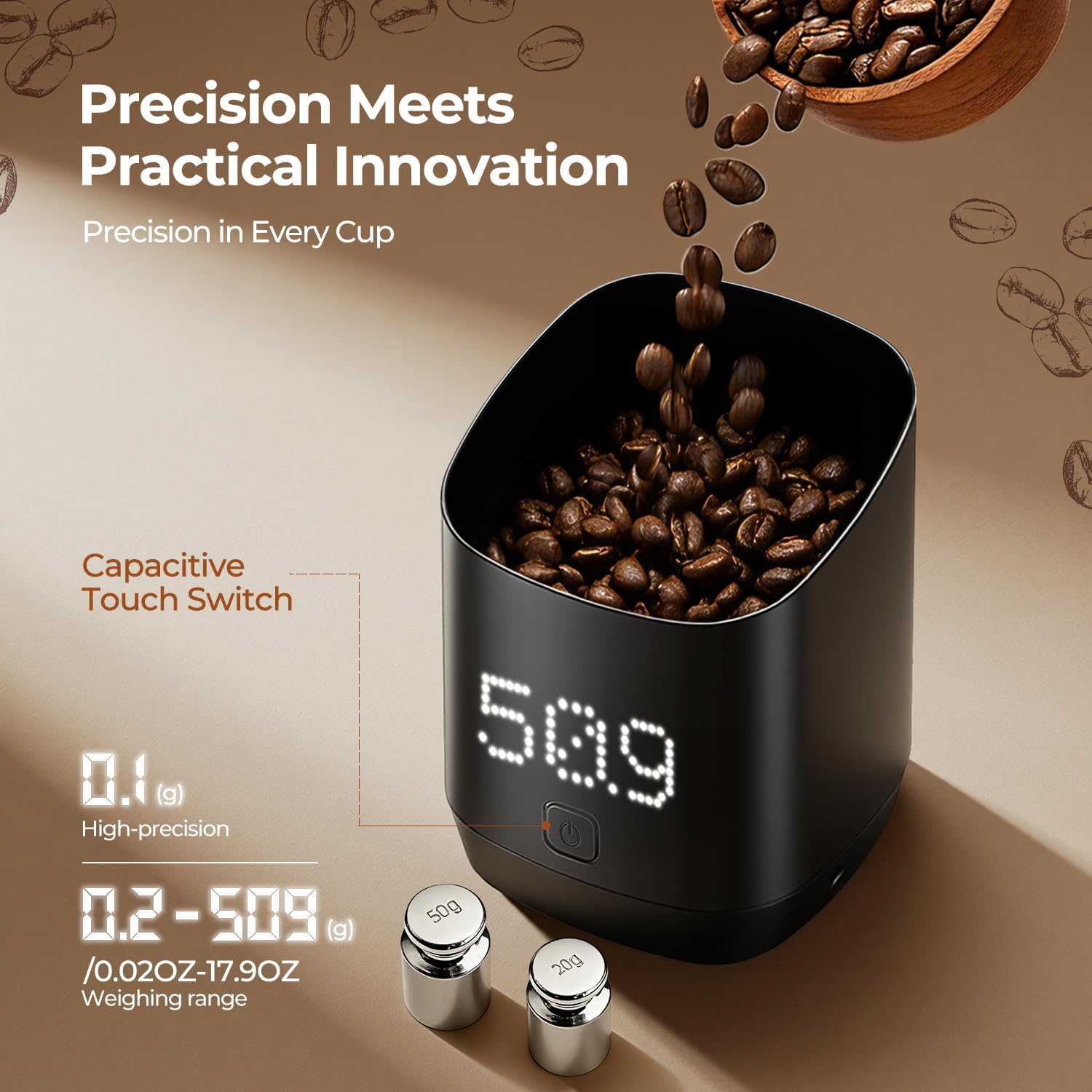
Digital Dosing Cup
Makes weighing beans faster and cleaner, with less mess around the grinder.
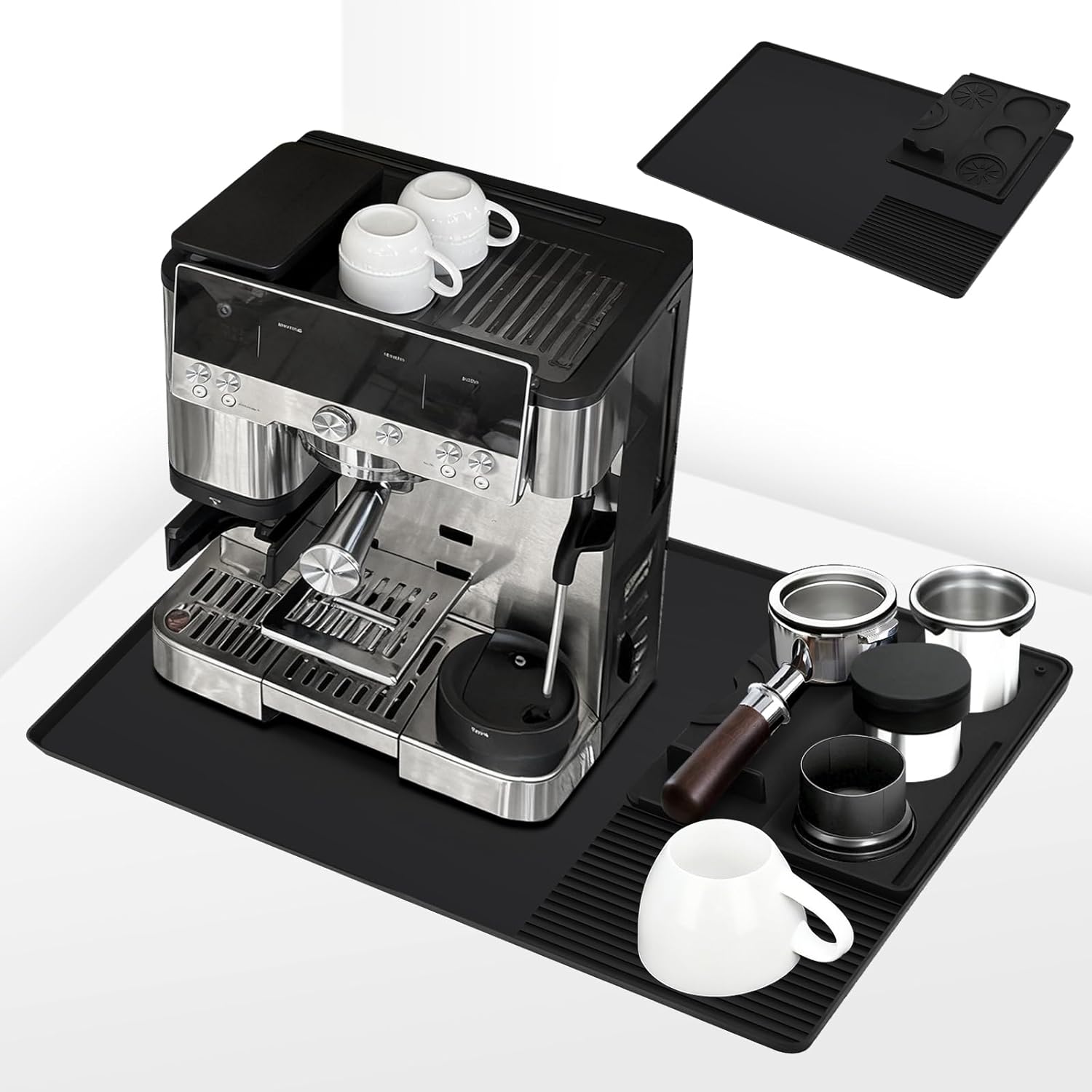
Silicone Mat
Protects your counter, catches spills, and gives your setup a cleaner working surface.

Vacuum Coffee Canister
Helps beans stay fresher longer by limiting air exposure after opening the bag.
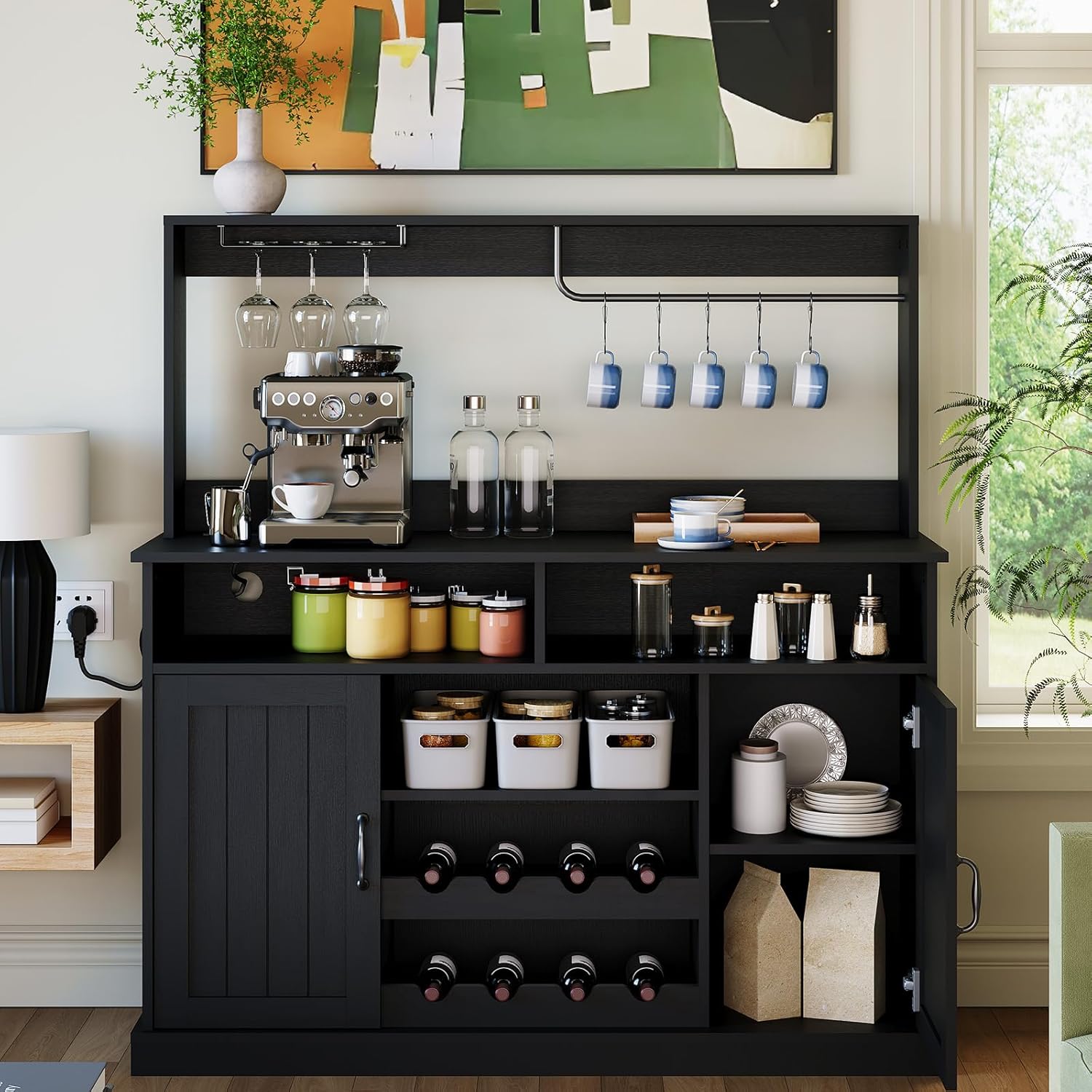
Farmhouse Coffee Bar Cabinet
Gives your machine, cups, beans, and accessories one dedicated home instead of cluttering the kitchen.
Temperature represents another milk system complaint. The Capp in Cup system was engineered for room-temperature boxed milk common in European markets, programmed for a 50-70°F temperature increase. Starting with refrigerator-cold milk at 33°F yields drinks around 100-110°F—lukewarm by American standards. Users report multiple workarounds: letting milk sit at room temperature before use, microwaving for 10 seconds before adding to the carafe, or programming the maximum temperature setting and foam quantity. Even on the highest of three temperature settings (approximately 91-93°C for coffee), milk drinks often disappoint temperature-sensitive drinkers.
Coffee quality: where the machine genuinely excels
Despite reliability concerns, the Gaggia Cadorna Milk produces genuinely excellent espresso that justifies its premium positioning over competitors like the Philips 3200 LatteGo. Reviewers consistently praise the “rich and chocolatey” espresso character, with one owner noting the machine extracts flavor “SO much better” than their previous Saeco while using only 75-80% of the bean quantity for equivalent volume. The crema quality receives mixed assessment—Coffee expert Arne from Coffeeness notes it appears “a bit thin” compared to other manufacturers but remains cohesive and stable, while Pro Tool Reviews describes an “excellent amount of crema” with “wonderful and full flavor.”
The pre-brewing function contributes significantly to extraction quality by allowing water to saturate grounds before full pressure application, enhancing aroma development and flavor complexity. Combined with the ceramic burr grinder’s consistent particle size distribution and the ability to fine-tune across 10 grind settings, the machine delivers espresso quality comparable to semi-automatic machines in experienced hands. The Optiaroma system’s five intensity levels (representing 1-5 beans on the display) adjust the dose from approximately 6.5 grams for mild coffee to 11.5 grams for maximum strength, providing meaningful customization without requiring manual intervention.
The full-color TFT display presents 10 pre-programmed beverages: ristretto (30ml), espresso (40ml), espresso lungo (80ml), coffee (120ml), Americano, cappuccino, café au lait, latte macchiato, frothed milk, and hot water. Each can be customized for volume, temperature (three levels), and coffee strength, with settings saved to one of four color-coded user profiles—ideal for households with varying preferences. The interface receives universal praise for intuitive navigation and clear visual feedback, contrasting sharply with competitors using basic LED button arrays or monochrome displays.
Reliability patterns: initial satisfaction, escalating problems
User experience data reveals a disturbing pattern: enthusiastic initial reviews followed by mounting frustration as reliability issues emerge. The machine consistently impresses during the first 1-3 months, leading to many 4-5 star reviews from recent buyers. However, longer-term owners paint a different picture, with ProductReview.com.au rating the similar Cadorna Prestige at just 2.5 out of 5 stars from 22 reviews—well below average for the category.
Grinder motor failures represent the second most serious reliability concern after milk system issues. One documented case showed complete failure at 8 months of normal use, triggering Error Code 02 (Grinder Disconnected) and requiring warranty service. The grinder proves particularly sensitive to oily beans—dark roasts, caramelized beans, or flavored varieties cause accumulation in the grinding chamber and can permanently damage the motor. Gaggia’s warranty explicitly excludes damage from oily beans, placing the burden on users to source appropriate medium or light roast beans with dry, non-oily surfaces. Even slightly shiny beans can trigger the sensitive “No Beans” sensor, causing false alarms and requiring complete vacuum cleaning of the hopper, chute, and grinding chamber.
Parts availability represents a critical weakness undermining the machine’s value proposition. Multiple users report multi-month waits for replacement components, with one owner waiting six months for a milk carafe while their $1,000+ machine sat unusable. An Australian reviewer documented spending approximately $150 annually on replacement parts plus $140 for professional servicing—nearly $300 per year in maintenance costs that quickly erode the initial savings versus premium Swiss alternatives like Jura.
The warranty provides only one year of parts and labor coverage, handled directly by Gaggia through authorized service centers. This compares unfavorably to the Philips 3200 LatteGo’s standard 2-year warranty or Whole Latte Love’s extended 2-year coverage (1 year manufacturer + 1 year retailer) when purchased from their store. Critically, the warranty excludes scale buildup damage, coffee oil accumulation, milk system components, wear items like gaskets and seals, and any damage from inadequate maintenance—limitations that place significant financial risk on owners.
Maintenance reality: far beyond reasonable expectations
Gaggia positions the Cadorna Milk as requiring “simple” maintenance, but owner experiences tell a different story. Daily tasks include emptying the drip tray when the red indicator emerges, emptying the coffee pucks container (holds 10 spent pucks), and running the Quick Milk Clean cycle after each milk-based beverage—an automatic rinse that takes 1-2 minutes but proves insufficient to prevent the previously discussed clogging issues.
Weekly maintenance escalates considerably: remove the brew group and rinse under cold running water without any soap or detergents (which strip protective lubricant and affect coffee flavor), empty and refill the 1.5-liter water tank, and completely disassemble the milk carafe for manual cleaning. This disassembly isn’t a simple rinse—it requires separating the T-shaped internal piece, cleaning the tiny hole, washing all components with mild soap, and carefully reassembling. Users who skip or inadequately perform this weekly ritual report milk system failures within weeks.
Monthly obligations include running the automated brew group cleaning cycle with Gaggia Coffee Clean tablets (approximately $13 for 10 tablets), performing a deep milk system clean with Urnex Rinza powder, and lubricating the brew group’s tracks and guides with food-safe grease. Every 2-6 months depending on water hardness and filter usage, descaling becomes necessary—a 25-minute guided process requiring Gaggia’s proprietary descaling solution ($12.99 per bottle). The machine absolutely cannot use vinegar or generic descaling agents based on mineral acids, as these corrode internal piping and void the warranty. The Intenza+ water filter ($9-15 each) requires replacement every 3 months or 50 liters, whichever comes first.
Comparing maintenance burden across competitors reveals the Philips 3200 LatteGo’s significant advantage: its milk system disassembles into just two dishwasher-safe pieces with no tubes or small holes to clog. This design difference alone represents a meaningful quality-of-life improvement for users prioritizing convenience. The DeLonghi Dinamica’s LatteCrema system falls somewhere between—easier than Gaggia’s Capp in Cup but more complex than Philips’ elegant simplicity. Jura machines demand similarly rigorous maintenance but provide 2-year warranties and better parts availability to support long-term ownership.
Pricing and value proposition in competitive context
Current retail pricing positions the Cadorna Milk at $799-999 MSRP, with Everything Kitchens offering the best documented price at $799 (20% off MSRP) in a clearance sale as of October 2025. Amazon typically carries the machine at $999-1,099 depending on third-party seller pricing, while Whole Latte Love maintains the $999 standard price but includes 2-year warranty coverage and free “Barista Assist” setup support. Refurbished units from Whole Latte Love’s buyer’s remorse program sell for $699-799 with 6-12 month warranties—potentially attractive for budget-conscious buyers comfortable with slightly reduced coverage.
Seasonal sales patterns suggest waiting for Black Friday or Cyber Monday could yield prices around $749-849 (15-25% discounts), while Amazon Prime Day historically delivers 10-20% reductions. Post-holiday January clearance and occasional spring sales offer additional opportunities, though the current $799 clearance pricing at Everything Kitchens already matches or beats typical sale prices. Historical price tracking via CamelCamelCamel shows the machine remained fairly stable at $999-1,099 from its 2020 launch through 2023, with recent softening suggesting Gaggia may be repositioning the line or clearing inventory.
Major retailers notably absent from Cadorna Milk distribution include Seattle Coffee Gear (carries Gaggia but not this model), Williams Sonoma, Sur La Table, Bed Bath & Beyond, Best Buy, and Target—limiting purchase options primarily to specialty coffee equipment dealers and Amazon. This restricted distribution may contribute to parts availability problems, as fewer retailers maintain inventory of consumable components and replacement parts.
Direct comparisons reveal positioning strengths and weaknesses
Against the Philips 3200 LatteGo ($687-800), the Gaggia offers superior espresso quality, better build materials (Italian manufacturing versus Romania/China), twice the number of drink options (10 versus 5), and 4 user profiles versus limited customization. However, Philips provides the simpler 2-piece dishwasher-safe milk system, iced coffee capability (entirely absent from Gaggia), 2-year standard warranty, and 12 grind settings versus 10. The Philips wins on convenience and reliability; the Gaggia on coffee quality and features—making the choice dependent on whether users prioritize hassle-free operation or superior extraction.
Within Gaggia’s lineup, the Cadorna Prestige ($1,049-1,699) justifies its $250-700 premium through an integrated milk carafe that connects directly to the machine front (avoiding the Capp in Cup’s problematic tube design), 14 pre-programmed beverages including potential over-ice options on latest variants, a sealed bean hopper lid, and automated milk system cleaning cycles. The Prestige’s milk system receives significantly better reviews for reliability and convenience, suggesting the $350-400 typical price difference represents worthwhile insurance against the Milk model’s most serious weakness. The Cadorna Barista Plus ($819-1,199) substitutes a commercial-style manual steam wand for automatic milk frothing, appealing to users wanting latte art capability and hands-on control but requiring significant technique development.
The Jura E6 ($1,400-1,600) and E8 ($2,099-2,200) represent premium Swiss alternatives costing $600-1,200 more than the Cadorna Milk. This substantial premium buys refined precision engineering, quieter operation, larger dose range (5-16g versus 6.5-11.5g), and superior long-term reliability with 2-year warranties. However, the E6 offers only 3 pre-programmed drinks with a manual milk attachment, while the E8’s 12 drinks and LatteCrema milk system cost $60 extra. The Jura machines also feature just 6 grind settings versus Gaggia’s 10, shorter cup clearance (4.4″ versus 6.1″), and higher ongoing costs for proprietary cleaning products. Whole Latte Love’s comparison concludes the “Cadorna Prestige really succeeds at presenting itself as the higher value option” versus Jura—a judgment even more applicable to the $700-cheaper Cadorna Milk, provided reliability concerns can be tolerated.
DeLonghi Dinamica models span a wide range complicating direct comparison. The manual milk variants ($800-900) lack automatic frothing despite similar pricing to the Gaggia, making them poor value alternatives. The LatteCrema automatic milk models ($1,200-1,700) compete with Cadorna Prestige rather than the Milk. DeLonghi machines use steel conical burrs (13 settings) versus Gaggia’s ceramic flat burrs, offer iced coffee functionality, but receive criticism for more plastic construction and less authentic espresso character. The Dinamica Plus ($1,400-1,700) adds touchscreen control and app connectivity, features absent from all Cadorna models but of questionable practical value.
Professional assessment: limited technical data, positive subjective reviews
Comprehensive professional reviews with laboratory-grade measurements—TDS readings via refractometer, precise temperature stability data, pressure profiling—essentially don’t exist for the Cadorna Milk. The coffee enthusiast community focuses analytical attention on prosumer semi-automatic machines rather than super-automatics, leaving this category with primarily subjective assessments and feature-focused consumer reviews. The most technically rigorous evaluation came from Coffeeness.de reviewing the similar Cadorna Prestige, praising Italian build quality as “more than impressed” and noting espresso “tastes rich and chocolatey” with “cohesive” though slightly thin crema. The pre-brewing function received explicit recognition as uncommon in fully automatic machines and contributing to superior aroma development.
Pro Tool Reviews tested the actual Cadorna Milk in an office environment over multiple weeks, reporting “excellent amount of crema” with “really wonderful and full flavor” from both Gaggia-branded beans and third-party whole beans. Cappuccino quality impressed despite limited froth volume compared to manual systems, with 2% milk yielding “a good amount of froth—even compared to whole milk.” The full-color LCD screen received praise as “easy to use and intuitive,” while the value proposition calculation noted that at $5 per cup in cafés, the machine pays for itself in “just 300 pours”—roughly 60 weekdays of daily use.
Whole Latte Love’s product expertise emphasizes the 100% Italian manufacturing, ceramic burrs for cool grinding, and Optiaroma’s 5 intensity levels as standout features. Their technical support documentation provides detailed troubleshooting procedures suggesting extensive experience with common failure modes—itself a telling indicator of reliability challenges. The “Barista Assist” setup service they include with purchases acknowledges the machine’s learning curve and complex initial configuration requirements.
Common failure modes and troubleshooting solutions
Beyond milk system and grinder issues, several other problems recur with sufficient frequency to warrant attention. Error Code E05 (water circuit failure) typically indicates descaling urgency or water filter blockage, resolved by removing the Intenza+ filter temporarily and running an immediate descaling cycle. Error Codes E03 and E04 signal brew unit movement failures—the tamping assembly cannot reach its work position (E03) or return home (E04), usually caused by coffee grounds accumulation or inadequate lubrication requiring brew group removal, thorough cleaning, and relubrication of o-rings and tracks.
Temperature inconsistency manifests through Error E14 (cold shots, often resolved by restarting) or the more serious E15 (thermostat failure requiring professional repair). The machine offers three temperature presets approximating 85-87°C (low), 88-90°C (medium), and 91-93°C (high), but lacks precise digital control or real-time temperature display. Users seeking genuinely hot coffee must select the highest setting and preheat cups with hot water, as the thermoblock system’s on-demand heating cannot match traditional boiler thermal stability.
Pressure problems causing weak, slow, or absent extraction typically stem from three causes in order of likelihood: excessive grind fineness creating blockage, scale accumulation restricting water flow, or brew unit check valve debris. The solution hierarchy involves setting the grinder to coarser positions, descaling immediately even if not prompted, and removing the brew unit to clean internal valves and check the red silicone o-ring for damage or displacement. The water filter itself can restrict flow as it nears replacement time, making temporary removal a useful diagnostic step.
The grinder sensor falsely triggering “No Beans” errors despite a full hopper indicates oily bean residue or coffee dust accumulation in the grinding chamber. Complete resolution requires removing all beans, vacuuming the hopper and chute thoroughly, setting the grinder to its coarsest position (setting 10), and running 2-3 shots before gradually adjusting finer. Using Urnex SuperGrindz cleaning pellets periodically helps prevent buildup, though users must avoid oily beans entirely for long-term reliability. The adjustment process itself frustrates users: changes require turning a knob inside the bean hopper using the included tool while the grinder operates, necessitating brewing a shot just to make the adjustment—then brewing 1-2 more to evaluate results.
Setup process and dial-in guidance for optimal performance
Initial setup demands more attention than typical super-automatics. After unboxing and removing protective materials, users must perform a water hardness test using the included strip: dip for 1 second, wait 1 minute, count colored squares (1-4 scale), and input the result. This setting critically determines descaling frequency reminders—incorrect input leads to either premature nagging or dangerous scale accumulation. The Intenza+ water filter requires 5+ minutes soaking while squeezed underwater to release air bubbles before installation, a step easy to rush but essential for proper function.
The machine doesn’t automatically prompt filter activation, requiring manual navigation to Settings → Water Filter → Activate—failing this step causes incorrect descaling frequency calculations. After filter installation and activation, the machine runs an automatic priming rinse lasting about 1 minute. Gaggia explicitly recommends brewing and discarding the first 5 coffees to allow the machine’s self-adjustment algorithms to calibrate, though most users skip this wasteful but theoretically beneficial step.
For espresso dialing-in, start with grind setting 4-5 (medium-fine) and Optiaroma strength level 3 (medium). Light roasts typically benefit from settings 1-3 (finer) to balance brightness and increase extraction, while dark roasts need settings 7-10 (coarser) to prevent bitter over-extraction. Target extraction time approximates 25-30 seconds for standard espresso, with ristretto completing in 20-25 seconds and lungo extending to 30-40 seconds. If extraction runs too fast (under 20 seconds) yielding weak, sour coffee, grind finer or increase dose via Optiaroma. Conversely, slow extraction (over 40 seconds) producing bitter, astringent coffee requires coarser grinding or reduced dose.
Temperature dialing proves less precise with only three presets. The default medium setting (approximately 90°C) suits most coffees, but light roasts often benefit from the high setting (93°C) for improved extraction, while extremely dark roasts risk burnt flavors at high temperatures. Milk drink temperature remains problematic regardless of setting when starting with refrigerator-cold milk—the system’s fundamental design limitation discussed previously.
Accessory ecosystem and recommended additions
Essential accessories not included with purchase form a $80-100 initial investment: additional Intenza+ water filters ($9-15 each, replace every 3 months), Gaggia Coffee Clean tablets ($13 for 10 tablets), Gaggia descaling solution ($13 per bottle), and Urnex Rinza milk frother cleaner ($15 for 32oz bottle). Whole Latte Love packages these items in a “Super-Automatic Maintenance Package” typically priced around $80-100, providing convenient one-stop acquisition of first-year consumables.
The choice of coffee beans represents the most impactful upgrade, yet paradoxically creates the greatest risk. Gaggia machines absolutely cannot tolerate oily beans—those appearing shiny, slippery, or sticky will cause grinder jams, sensor false alarms, and potentially permanent motor damage not covered by warranty. Most Starbucks and mass-market dark roasts fall into this forbidden category. Instead, seek medium to medium-light roasts with dry, rough-feeling surfaces from roasters like Whole Latte Love’s Crema Wave, Lavazza Super Crema, Maromas Orphea, or local roasters offering non-oily beans. Fresh beans within 2-4 weeks of roasting deliver optimal flavor, though properly stored beans remain acceptable for several months.
Third-party water filters using the Intenza+ standard (also branded as Mavea or Brita, model numbers CA6702/00, RI9113/60, 21001711, 21001419) typically cost less than Gaggia-branded versions while providing identical filtration. Generic o-ring kits designed for Saeco/Philips/Gaggia compatibility ($10-15 for 18-30 piece assortments) provide economical replacement for the frequently-needed brew unit seals. After-market descaling solutions remain risky—while products like Durgol Universal Descaler receive community recommendations, any non-Gaggia solution technically voids warranty if damage occurs, placing financial risk on users.
No meaningful grinder modifications exist for home users—the ceramic burr assembly remains sealed and proprietary. Similarly, the machine lacks app connectivity, WiFi capability, or firmware update mechanisms, limiting upgrade potential to physical accessories and consumable improvements.
The reliability paradox: excellent engineering undermined by execution
The fundamental paradox of the Gaggia Cadorna Milk centers on the disconnect between its engineering merits and execution quality. The ceramic flat burr grinder genuinely represents premium technology, the thermoblock boiler heats efficiently, the removable brew group enables maintenance impossible with sealed alternatives, and the pre-brewing function enhances extraction beyond most competitors. Italian manufacturing heritage and attention to core espresso quality shine through in every properly-pulled shot. Yet these genuine strengths cannot overcome the milk system’s flawed T-shaped valve design, grinder motor’s sensitivity to bean oils, inadequate parts distribution network, and miserly 1-year warranty insufficient to cover typical failure timelines.
Users describing “love at first use” followed by “constant frustration by month three” capture the ownership experience arc. The machine delivers exceptional coffee quality when functioning optimally, justifying its premium price versus basic super-automatics. However, “when functioning optimally” increasingly becomes “when I’ve just completed the two-hour deep cleaning routine” rather than the expected daily reliable performance. The annual $150-250 in parts and servicing documented by long-term owners transforms the apparent $800 bargain into an $1,050-1,250 total cost of ownership—suddenly very close to the Cadorna Prestige’s upfront price with its superior milk system reliability.
For buyers absolutely committed to this specific model, the current Everything Kitchens clearance at $799 represents the best documented pricing, potentially worth immediate action before inventory depletes. The refurbished option from Whole Latte Love at $699-799 merits consideration despite reduced warranty (6-12 months versus 1 year), particularly since most failures occur early in ownership when any warranty remains active. Waiting for Black Friday ($749-849 expected range) makes sense for patient buyers willing to gamble on availability, though the $50-100 potential savings hardly justifies significant delay given the machine’s competitive weaknesses.
Verdict: calculated risk for espresso enthusiasts, caution for convenience seekers
The Gaggia Cadorna Milk succeeds as a showcase for Italian espresso engineering and fails as a consumer appliance requiring reliability and reasonable maintenance. At $799-999, it delivers coffee quality comparable to machines costing $1,400+, featuring premium components like ceramic burr grinding, programmable profiles, and automatic milk frothing. For technically-inclined users comfortable with regular maintenance, troubleshooting minor issues, and budgeting for replacement parts, the machine can provide satisfying daily espresso at home café quality.
However, the average consumer expecting appliance-like reliability will encounter frustration. The milk system’s chronic clogging issues, not covered by warranty and requiring near-daily intervention, represent a fundamental design failure Gaggia should have addressed before release. Grinder sensitivity to bean oils creates an ongoing sourcing challenge in markets dominated by dark-roast coffee culture. The restricted distribution network’s parts availability problems can render the machine unusable for months while awaiting components. Most critically, the 1-year warranty proves insufficient for a machine where significant issues consistently emerge in months 3-12 of ownership.
Buyers should consider the Philips 3200 LatteGo if prioritizing convenience, reliability, and low maintenance over ultimate espresso quality. Those able to budget $1,000-1,200 should strongly consider the Gaggia Cadorna Prestige instead, as its improved milk system, additional drink options, and sealed bean hopper represent worthwhile reliability improvements. The Jura E8, despite costing $2,100, provides a reference point for what premium pricing delivers: Swiss precision, 2-year warranty, better parts availability, and support infrastructure justifying the investment for users planning 5+ year ownership.
For the specific audience of budget-conscious espresso enthusiasts willing to maintain equipment rigorously, avoid oily beans religiously, and accept occasional mechanical challenges, the Cadorna Milk at $799 remains compelling—just ensure backup coffee-making methods exist for inevitable service interruptions. For everyone else, the reliability concerns outweigh the espresso quality advantages, making similarly-priced alternatives with better support ecosystems the wiser choice.
We’ve categorized the best espresso machines for every kind of buyer
Find the right shortlist faster, whether you want convenience, a beginner-friendly setup, a smaller footprint, or better value at a given budget.
Best Superautomatic Espresso Machines
One-touch picks for speed and convenience.
Best Espresso Machines for Beginners
Easy-to-use machines with a smoother learning curve.
Best Small Espresso Machines
Compact machines for tighter kitchens and counters.
Best Espresso Machines With Built-In Grinder
All-in-one options with fewer extra pieces to buy.
Best Cheap Espresso Machines Under $500
Budget picks that still make sense for real espresso.
Best Prosumer Espresso Machines Under $1000
More serious machines with stronger value for the money.
Best Single Boiler Espresso Machines
Simple, space-saving picks for espresso-first routines.