
Budget espresso guide
Best Budget Espresso Machines Under $500
You do not need a four-figure machine to make satisfying espresso at home. You do need a machine that respects the basics: stable enough brewing, a sensible workflow, and a realistic path to repeatable drinks. This list is built for that.
The big trap in this category is false value. Cheap machines can look loaded with features and still cost you more in frustration, bad coffee, and instant upgrade urges. My picks below focus on machines that make sense to live with, not just machines that look good on a product page.
Quick answer
Buy the Breville Bambino Plus if you want the easiest path to genuinely good home espresso under $500.
Buy the Gaggia Espresso Evolution if you want the strongest value and a better learning path per dollar.
Buy the Philips 2200 LatteGo if you want fresh-bean, one-touch coffee and cappuccino with minimal cleanup.
One important note: this roundup ranks machines by how well they fit the sub-$500 category when they are selling inside that ceiling. Promo pricing moves a lot here, so think in terms of lanes, not one frozen price tag.
Deals of the Week
On this page
Comparison table
| Machine | Best use | Price lane | Type |
|---|---|---|---|
| Breville Bambino Plus | overall | Around $449 | 54 mm semi-automatic |
| Gaggia Espresso Evolution | value pick | Around $250 | Compact thermoblock semi-automatic |
| Philips 2200 LatteGo | one-touch option | Around $349 | Bean-to-cup superautomatic |
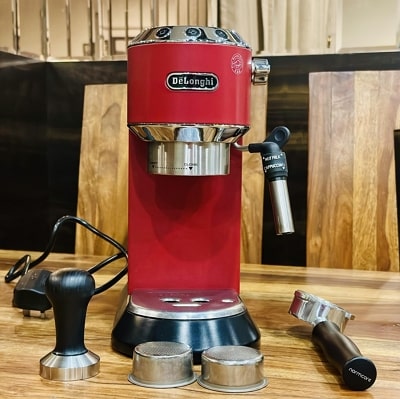
| De'Longhi Dedica EC685 | for tiny kitchens | Street price varies | Slim 51 mm semi-automatic |
| De’Longhi ECP3420 | absolute budget buy | Very low buy-in | Entry semi-automatic |
The shortlist
This is a tight list on purpose. I would rather give you five machines with clear reasons to exist than pad the page with weak “also-rans” that only look good because they are cheap.
Breville Bambino Plus
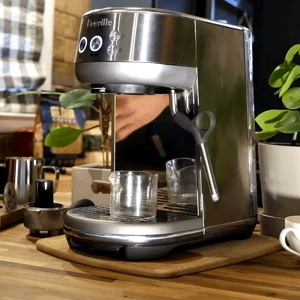
Best for: Beginners who want good espresso fast and milk drinks without a long learning curve.
If you want the cleanest answer to the under-$500 question, start here. The Bambino Plus gets out of your way. It heats fast, keeps the control panel simple, and gives you a workflow that feels much closer to daily use than weekend tinkering.
That matters in this price class. A lot of cheaper machines technically make espresso, but they waste your time with slow warm-up, weak steaming, or fiddly controls that turn every drink into a small project. The Bambino Plus avoids most of that. Breville says the ThermoJet system reaches extraction temperature in about 3 seconds, and the machine pairs low-pressure pre-infusion with a 9-bar extraction target. In real terms, that means quicker starts and a more forgiving path to balanced medium-roast shots than most entry machines manage.
The real advantage for most buyers is milk. The automatic steam wand is not a gimmick. It lowers the friction for cappuccinos and flat whites, especially when you do not want to texture milk manually every morning. You still need a capable grinder and fresh beans to get the best from it, but this is the budget machine that most often feels like a keeper instead of a temporary compromise.
Why it works
Fast heat-up, simple controls, and automatic milk texturing make it the easiest route to satisfying home espresso at this budget.
Know before you buy
It is more appliance-like than tank-like. Long-term serviceability and light-roast flexibility are not its strongest points.
Gaggia Espresso Evolution
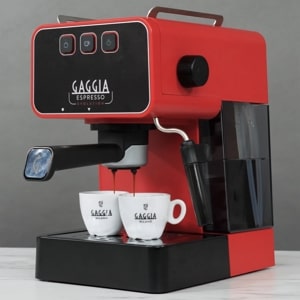
Best for: Buyers who want real control per dollar and a machine that makes more sense as they improve.
The Espresso Evolution is the machine I would point to when someone says, “I do not need fancy. I just want a smart budget buy.” It has a better learning path than many cheap thermoblock machines because it does not trap you in a dead-end setup. You can start with forgiving baskets and then move toward a more serious puck-prep routine later.
Its biggest draw is temperature management for the money. Gaggia positions this machine around PID-controlled brew temperature and a quick-heating compact format, which is exactly the kind of feature that matters more than generic pump-pressure marketing. Under $500, stable and repeatable brewing matters far more than a flashy pressure number on the box. The result is a machine that can make cleaner, more repeatable espresso than many department-store budget picks, provided your grinder is up to the job.
The tradeoffs are straightforward. This is not a mini prosumer machine. You do not get the heavier 58 mm ecosystem, the dry pucks of a 3-way solenoid, or the stronger long-term confidence of a metal-heavy classic platform. Still, for a first real espresso machine with sensible fundamentals and a compact footprint, it punches well above its asking price.
Why it works
It gives you better fundamentals than most cheap starter machines and leaves room to grow once your grinder and technique improve.
Know before you buy
Plastic-heavy construction and no 3-way solenoid keep it firmly in the budget class.
Philips 2200 LatteGo
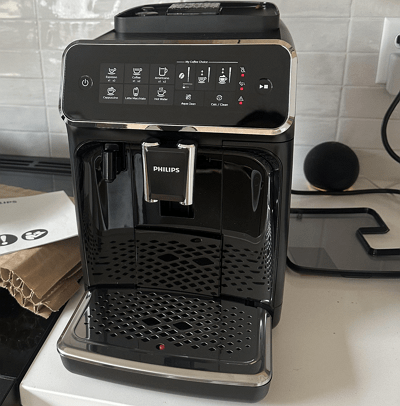
Best for: Busy households that want espresso, coffee, and cappuccino with almost no learning curve.
Not everyone shopping under $500 wants to become a home barista. Some people just want a fresh-bean machine that makes a decent cappuccino before work and does not leave a sink full of parts behind. That is exactly where the Philips 2200 LatteGo makes sense.
It is a superautomatic, so you are buying convenience first. Philips gives you three core drinks, a 12-step ceramic grinder, a removable brew group, and the LatteGo milk system. The big win is cleanup. The two-piece milk carafe has no fiddly milk tube, and Philips says it can be rinsed in about 15 seconds. That sounds like a small detail, but it is the reason machines like this survive daily use. Easy cleanup means people actually clean them, which keeps milk drinks tasting better over time.
The espresso ceiling is lower than a good manual setup with a separate grinder. That is the honest trade. If you care most about shot texture and dialing in different coffees, buy one of the semi-automatic picks instead. But if you care about speed, consistency, and the ability to serve a household without explaining puck prep, the 2200 LatteGo is one of the most sensible budget buys in the category.
Why it works
Fresh beans, push-button drinks, and one of the least annoying milk systems in the price bracket.
Know before you buy
You give up the ceiling and control of a manual setup. This is a convenience machine first.
De'Longhi Dedica EC685
Best for: Small counters, fast morning routines, and buyers who want a very slim machine they can still grow with.
The Dedica stays on budget lists for one reason: it solves real kitchen problems. It is slim, quick to heat, easy to place, and much less intimidating than heavier single-boiler machines. If your available space is the real constraint, that matters as much as extraction theory.
De’Longhi’s own pitch is simple. The Dedica is only 15 cm wide and uses a fast thermoblock system with programmable volumes and brew-temperature options. That combination is why it still works. You can set it up for a repeatable daily routine, leave it on a narrow counter, and get decent espresso-style drinks without building a full station around it. Out of the box it is a pressurized-basket machine, which is both its strength and its ceiling. It gets beginners moving quickly, but it does not show everything the coffee can offer.
The Dedica becomes much more interesting when you treat it as a compact platform instead of a finished system. Pair it with a real grinder, move to a non-pressurized basket when you are ready, and keep your preheat routine consistent. Do that, and this tiny machine stops feeling like a compromise. It starts feeling like a very practical answer for people who want real espresso in a real kitchen.
Why it works
Extremely narrow footprint, fast warm-up, and a smoother daily routine than most cheap espresso appliances.
Know before you buy
Stock performance leans heavily on pressurized baskets. To unlock more, you will want a grinder and basket upgrades.
De’Longhi ECP3420

Best for: People who want the cheapest honest entry into espresso and understand that technique matters.
This is the pick for buyers who mean budget literally. The ECP3420 is not trying to impress you with premium materials or café cosplay. It is a simple entry machine that can still teach the basics if you keep expectations realistic.
What I like about it is that the machine tells the truth. You get pressurized baskets for easier early wins, a convertible Panarello wand for simple milk drinks, and a compact chassis that does not feel demanding to own. Coffeedant’s core take on this machine is right: it rewards method. If you dose consistently, keep your shots disciplined, and pay attention to puck prep, you can make satisfying drinks on it. If you rush it, buy stale coffee, and expect magic from the stock setup, it will taste exactly like a cheap machine.
The reason it earns a place here is not raw performance. It earns its place because it is a low-cost way to learn what actually matters in espresso. Fresh coffee, grind quality, water, temperature routine, and milk technique all become visible very quickly. That makes the ECP3420 a fair choice for someone who wants to spend as little as possible now and decide later whether the hobby deserves more money.
Why it works
Cheap entry cost, honest feature set, and enough capability to make the basics worth learning.
Know before you buy
This is a starter machine, not a destination machine. Expect clear limits in steam power, basket quality, and shot ceiling.
How to shop under $500 without wasting the budget
The simplest rule is this: buy for your real routine, not the dream version of your routine. If you want two cappuccinos before work and you hate cleanup, that points to convenience. If you want better espresso texture and do not mind a little ritual, that points to a manual machine and a grinder-first mindset.
Put money where cup quality lives
On manual machines, the grinder, fresh beans, and your puck prep matter as much as the machine. A cheaper machine with a real grinder usually beats a fancier machine fed by a weak grinder.
Choose your lane early
If you want control, buy manual. If you want push-button coffee from whole beans, buy superautomatic. Trying to force one category to behave like the other usually ends in disappointment.
Pressurized baskets are fine to start
They help beginners get drinkable shots sooner. Just do not confuse “easy early success” with the full ceiling of the machine. Better baskets and better grinding still matter.
Leave room for the small stuff
A scale, proper water, and basic cleaning supplies matter. Budget espresso goes sideways fast when all the money goes to the machine and nothing is left for the routine around it.
My strongest budget advice is boring but reliable: if espresso itself is the goal, protect money for a grinder. If convenience is the goal, stop pretending you want a barista hobby and buy the superautomatic that will actually fit your mornings.
FAQ
Is $500 enough for real espresso at home?
Yes, but only if you spend the budget in the right place. Around this price, the best machines can make genuinely satisfying espresso. What you do not get is unlimited forgiveness. Manual machines still need a capable grinder, fresh beans, and a consistent routine. If you want fresh-bean coffee without learning puck prep, a budget superautomatic can make more sense than a weaker manual setup.
Should I buy the machine first or the grinder first?
For manual machines, the grinder matters as much as the machine. A great machine paired with a poor grinder still produces frustrating espresso. If your budget is tight, it is often smarter to buy a less expensive machine and protect money for a real espresso grinder, a scale, and fresh coffee.
Are pressurized baskets bad?
No. They are training wheels, not a scam. Pressurized baskets help beginners get usable flow and crema with less precise grinding. The problem starts when buyers expect them to show the full flavor and texture potential of espresso. They are fine to start with. They are just not where you want to finish if the hobby sticks.
Which pick here is easiest for milk drinks?
If you want push-button cappuccinos, the Philips 2200 LatteGo is the easiest. If you want better espresso potential with less milk effort, the Bambino Plus is the stronger manual option because its automatic steam wand removes a lot of friction from the daily routine.
Which machine has the best long-term learning path?
The Gaggia Espresso Evolution and the Dedica both make sense for buyers who want to improve over time. The Gaggia has the cleaner fundamentals. The Dedica wins when counter space is the non-negotiable limit. Both benefit a lot from a real grinder and better baskets once you are ready.
We’ve categorized the best espresso machines for every kind of buyer
Find the right shortlist faster, whether you want convenience, a beginner-friendly setup, a smaller footprint, or better value at a given budget.
Best Superautomatic Espresso Machines
One-touch picks for speed and convenience.
Best Espresso Machines for Beginners
Easy-to-use machines with a smoother learning curve.
Best Small Espresso Machines
Compact machines for tighter kitchens and counters.
Best Espresso Machines With Built-In Grinder
All-in-one options with fewer extra pieces to buy.
Best Cheap Espresso Machines Under $500
Budget picks that still make sense for real espresso.
Best Prosumer Espresso Machines Under $1000
More serious machines with stronger value for the money.
Best Single Boiler Espresso Machines
Simple, space-saving picks for espresso-first routines.