

Often heavily discounted. Check your region’s listing for latest price, voltage, and included baskets.
De’Longhi ECP3420
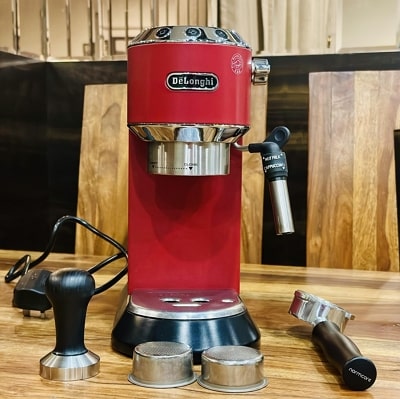
Entry-level espresso that rewards method: pressurized baskets for easy wins, a convertible Panarello wand for simple milk, and real gains when you add a bottomless PF + unpressurized basket.
Overview
The ECP3420 is a compact, budget-friendly thermoblock machine that can make enjoyable espresso and serviceable milk drinks if you follow a steady routine. Stock pressurized baskets keep things easy; swap to an unpressurized 51 mm basket + bottomless PF and pair with a capable grinder to unlock sweeter, syrupier shots. Treat it as an approachable platform that rewards method—not a prosumer boiler box.
Pros
- Compact footprint, quick heat
- Pressurized baskets work with a wide grind range
- ESE pod compatibility for mess-free shots
- 51 mm ecosystem: bottomless PFs & precision baskets widely available
- Panarello sleeve can be removed for basic microfoam practice
Cons
- Stock baskets limit clarity with fresh light roasts
- Modest steam power; one small pitcher at a time
- No 3-way solenoid or brew-pressure gauge
- Thermoblock’s low thermal mass needs preheat/flush cadence
Features & Specs
- Type: Compact single-group thermoblock • vibration pump
- Pump rating: 15 bar (marketing rating)
- Temperature: Thermostat switch for Brew ↔ Steam
- Filters: 3-in-1 holder — pressurized single/double + ESE pod insert
- Portafilter: 51 mm, three-ear mount
- Steam: Panarello wand; sleeve removable for one-hole tip
- Water tank: ~1.0–1.1 L, removable (rear)
- Footprint: Narrow, cabinet-friendly; two-stage drip tray for taller cups
- Power: ~1100 W • Auto-standby after inactivity
Workflow & Dial-In
- Preheat: Warm up, lock PF in, run a blank shot to heat group/basket/cup.
- Pressurized path: Use the double insert, light tamp; target ~60–70 ml in ~25–30 s.
- Upgrade path: Fit a 51 mm unpressurized basket + bottomless PF; start 16–18 g → 32–36 g in 25–35 s.
- Steam: Switch to Steam, wait for ready; purge, foam a small pitcher, purge/wipe.
- Cooldown: Before the next espresso, flush a few seconds to drop from steam temp.
- Drip tray: Empty often—preheats/flushes fill it quicker than expected.
Milk & Steaming
Panarello mode: Easy cappuccino foam with minimal technique. For latte-style microfoam, remove the sleeve to use the inner one-hole tip.
- Purge to clear condensation.
- Introduce a breath of air 3–5 s, then sink tip to start a gentle vortex.
- Stop when the pitcher is hot to the touch (~60–65 °C).
- Small portions (6–8 oz milk) work best; allow recovery between pitchers.
Maintenance & Water
- Daily: Knock puck, rinse basket, wipe group screen, purge & wipe wand, empty tray.
- Weekly: Soak baskets/spouts in mild cleaner; no detergent backflush (no 3-way solenoid).
- Scale: Use softened/filtered water; descale per usage; rinse thoroughly afterward.
- Parts: 51 mm baskets, bottomless PFs, and replacement wands are widely available.
Comparisons
- De’Longhi Dedica EC685: Slimmer, programmable volumes, temp steps. ECP is simpler; both share 51 mm format.
- Breville Bambino: Faster, stronger steam, often ships with non-pressurized baskets; usually costs more.
- Gaggia Classic Pro: 58 mm, 3-way solenoid, tinker-friendly; larger and pricier but more “prosumer.”
FAQs
- Does it support ESE pods?
- Yes — use the ESE insert in the 3-in-1 holder.
- Portafilter size?
- 51 mm (three-ear). Many aftermarket baskets/bottomless PFs exist.
- Preinfusion or PID?
- No — thermostat-controlled; use a consistent warm-up/flush routine.
- Backflush with detergent?
- No — there’s no 3-way solenoid. Clean visible parts and descale as needed.
- Brew pressure control?
- No gauge/OPV tuning. For real flow control, move to an unpressurized basket and dial grind.
De'Longhi is a “weekday coffee first” brand, and the ECP3420 sits in the budget, pressurized-basket lane: a simple pump machine built to make espresso-style drinks (especially milk drinks) without requiring a café-grade grinder. It’s the kind of machine that rewards good habits—preheating, consistent dosing, and a clean steam routine—more than fancy settings.
On our bench, the ECP3420’s buying truth is straightforward: it’s a strong value if you want a forgiving starter machine that can work with pre-ground coffee and still produce enjoyable cappuccinos and lattes. The reality check is equally simple: the ceiling is limited by temperature stability, pressurized basket workflow, and modest steam power compared with higher-tier machines.
Deals of the Week
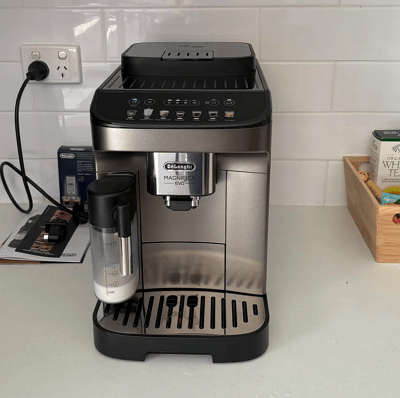
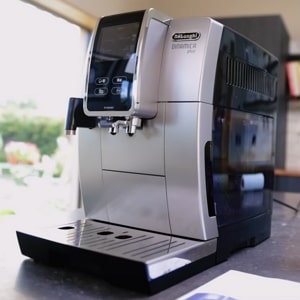
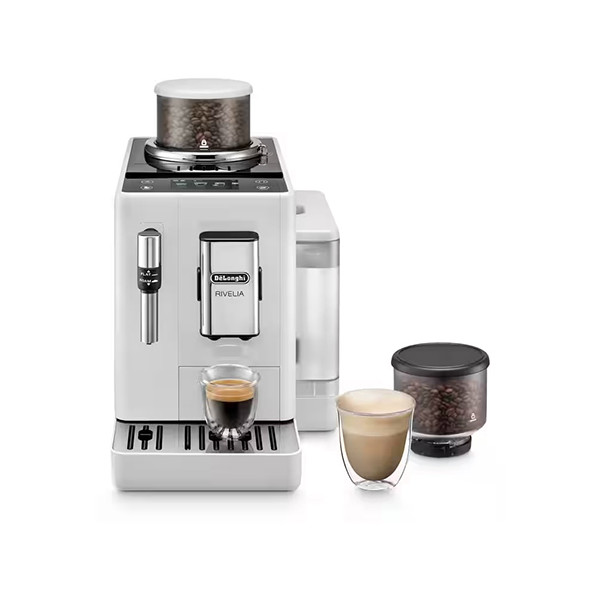
For cross-shoppers, we usually frame ECP3420 against the machines people actually move to next: De'Longhi Dedica for a slimmer, more modern daily footprint, Breville Bambino for a higher ceiling and smoother workflow, and Gaggia Classic Pro if you want a more upgrade-friendly hobby platform.
Overview
The De'Longhi ECP3420 is a budget-friendly, hands-on espresso machine for people who want real espresso workflow without the complexity (or cost) of prosumer gear. The “secret sauce” is the pressurized portafilter system: it’s forgiving with pre-ground coffee, can produce crema-looking shots easily, and helps beginners get drinkable results fast. You also get a simple manual steam wand for cappuccinos and lattes, plus E.S.E. pod compatibility for ultra-low-effort espresso.
In the De'Longhi world, the ECP3420 sits in the “learn the basics” lane: manual dosing, manual timing, and simple controls. It can make satisfying milk drinks once you learn a repeatable routine, but it’s not built for precision temperature control or high-end espresso experimentation. Think of it as a starter machine that rewards good habits, then shows you clearly when you’ve hit its ceiling.
Design intent
- Beginner-friendly espresso: a pressurized basket setup that’s forgiving with grind and puck prep.
- Manual workflow without intimidation: simple switches and a straightforward routine—dose, brew, steam.
- Milk drinks at home: a basic steam wand designed to get you cappuccino-style foam and everyday lattes.
- Flexible inputs: works with ground coffee and E.S.E. pods, so you can start cheap and upgrade later.
- Value-first build: compact footprint and affordable ownership for first-time espresso buyers.
What it gets right in the cup and in cadence
- Forgiving espresso shots: pressurized baskets make it easier to hit “good enough” espresso even with basic grinders or pre-ground coffee.
- Approachable milk drinks: solid for cappuccinos and lattes once you learn wand placement and timing.
- Simple daily routine: fewer settings to chase—great when you just want a repeatable morning drink.
- Upgrade runway: as your skills grow, you can improve results with fresher beans, better grinding, and tighter workflow discipline.
The deliberate trade-offs
- Not a precision espresso platform: no PID control and limited temperature management compared to higher-end machines.
- Pressurized-basket ceiling: it’s forgiving, but it also limits clarity and “true café-style” dialing-in compared to non-pressurized setups.
- Steam is functional, not pro: good for foam and everyday milk drinks, but latte-art microfoam is harder than on stronger, more precise systems.
- Workflow quirks: like many entry machines, you may need a little routine (warming, timing) to keep drinks consistent.
Where it fits
The ECP3420 is the right pick if you want an affordable, manual espresso machine for milk drinks and everyday espresso, especially if you’re using pre-ground coffee or you’re just getting into the hobby. If your goal is to chase higher-end espresso clarity, lighter-roast dialing-in, or latte-art-grade steaming, you’ll be happier stepping up to a more temperature-stable platform—or a machine designed around non-pressurized baskets and stronger milk performance.
De'Longhi ECP3420 lineup: which version to buy
The De'Longhi ECP3420 sits at the top of De'Longhi’s “ECP” entry lineup. In practice, you are not picking a different espresso engine as much as you are picking feature trim (steam wand behavior, exterior finish), bundle contents, and price availability. If you are deciding between ECP models, think of it as: “basic espresso + milk” (ECP3120) → “same idea, nicer trim” (ECP3220) → “best-supported, best-featured ECP” (ECP3420).
| Version | Lineup slot | Compared to ECP3420 | Typical price and note |
|---|---|---|---|
| De'Longhi ECP3420 Reference | Safest default | The most common ECP pick: forgiving pressurized espresso, manual steam wand for milk drinks, and the best “buy it and use it” support lane (availability, guides, and replacement parts). Choose this when you want the most complete ECP experience without stepping into prosumer pricing. | Budget lane (sales are common) • Best “first espresso machine” choice in the ECP family |
| De'Longhi ECP3220 | Cheaper trim | Same beginner-friendly concept with small trim differences (finish and/or included accessories depending on region). If it is meaningfully cheaper in your market, it can be the best value. | Often slightly lower than ECP3420 • Buy when discounted and you do not care about trim |
| De'Longhi ECP3120 | Entry baseline | The “get me into espresso” baseline. It can still make enjoyable milk drinks, but the overall experience tends to feel more bare-bones: fewer niceties, less refined workflow, and you may outgrow it faster. | Lowest-cost ECP option • Best when you want the cheapest path to pressurized espresso + steaming |
How to read this: if the ECP3420 is only a little more than the cheaper ECP models, buy the ECP3420 for the least friction and best resale. If the ECP3220/ECP3120 is dramatically cheaper in your region, buy the discount—espresso quality lives more in beans, grind, and routine than in trim at this level.
Key De'Longhi ECP3420 Specifications
| Item | Detail |
|---|---|
| Machine | De'Longhi ECP3420 · Model page · Cross-shop: De'Longhi Stilosa |
| Machine type | Semi-automatic entry espresso machine (pressurized-basket workflow; beginner-friendly) |
| Brewing system | Single heating circuit (no PID) · “set-and-go” temperature behavior rather than precision tuning |
| Pressure system | Vibration pump · pressurized baskets do most of the “forgiveness” work |
| Portafilter size | 51 mm class · typically includes pressurized baskets and an E.S.E. pod option (varies by bundle/region) |
| Milk system | Manual steam wand (best for cappuccino-style foam and everyday lattes with practice) |
| Warm-up expectations | Typically a few minutes to “ready,” then better results after a quick preheat routine (cup + portafilter warmed) |
| Workflow convenience | Adjustable drip tray for taller cups · removable water tank (capacity varies by region listing) |
| Maintenance rhythm | Rinse group + baskets after use · wipe/purge wand after milk · descale only when needed (water first, descale second) |
| Coffeedant score | Overall rating |
| Typical price | Budget category (sales are common) · Buy based on discount depth and local warranty support |
First Impressions & Build Quality
On the counter, the ECP3420 feels like a practical starter machine: compact footprint, simple controls, and a workflow that teaches the basics. Build is value-forward—more “appliance” than “tool”—but the machine is easy to understand and easy to live with if you accept its limits. The main ownership win is the forgiving espresso lane: pressurized baskets smooth out the grind and distribution variables that frustrate beginners.
Ergonomically it is straightforward: warm the machine, brew manually, steam manually. Expect a little drip behavior after shots and a learning curve on milk texture—both normal for entry machines without prosumer valves and controls.
What’s in the Box
- De'Longhi ECP3420 espresso machine
- Portafilter and filter baskets (bundle varies by retailer/region)
- Measuring scoop / tamper (common in this category)
- Water tank and drip tray
- User documentation and warranty information
Bundles vary. If you plan to brew with E.S.E. pods or want specific basket sizes, confirm what your retailer includes.
Chassis and internals
The ECP3420 is designed for entry ownership: straightforward heating, a vibration-pump brew system, and a pressurized portafilter setup that reduces dialing-in complexity. Longevity is mostly about water quality, regular descaling only when needed, and keeping milk residue out of the steam wand.
Controls and touch points
Controls are intentionally simple: you manage shot time manually and treat temperature as “good enough once warmed.” The best upgrade you can make is procedural, not mechanical—warm the portafilter, use fresh coffee, and keep your routine consistent.
Counter fit
| Item | Detail | Why it matters |
|---|---|---|
| Footprint | Compact counter-friendly body | Easy to fit beside a grinder, kettle, or milk pitcher without rearranging your kitchen. |
| Warm-up reality | “Ready” is not the same as fully warmed | Best shots happen after the portafilter and cup are preheated (quick rinse + warm-up routine). |
| Milk workflow | Manual wand technique | Texture quality depends more on stretch/roll timing than on machine settings. |
| Noise profile | Vibration-pump character | Audible extraction is normal; reduce rattle by managing cups and drip tray fit. |
| Accessory ecosystem | 51 mm / pressurized-basket lane | Great for forgiveness; less “open-ended” than 58 mm prosumer ecosystems. |
Testing Results
Results below reflect typical expectations for a pressurized-basket entry machine: good drinkability with a clean routine, but less precision control than PID-equipped platforms. The biggest performance swing factors are coffee freshness, preheating, and milk technique.
| Metric | Result | Method |
|---|---|---|
| Warm-up to usable espresso | Typically ~5–10 minutes | Machine warmed + portafilter/cup preheated for more consistent first drinks. |
| Shot-to-shot consistency | Good for the category once preheated | Pressurized baskets reduce grind sensitivity; routine matters most. |
| Recovery between drinks | ~45–90 seconds depending on workflow | Avoid long idle gaps; keep steps tight for steadier behavior. |
| Milk steaming (200 ml) | Typically ~50–90 seconds to serving temp | Stretch early, then roll; purge/wipe immediately after use. |
| Noise expectation | Typical vib-pump lane | Counter resonance and tray/cup rattle can change perceived loudness. |
| Coffee | Dose | Yield | Time | Brew temp | Notes |
|---|---|---|---|---|---|
| Pre-ground espresso blend | Fill to basket line (do not over-pack) | Target ~35–55 g | 20–30 s | Fixed / not user-set | Pressurized baskets love consistency more than finesse—keep tamp moderate and repeatable. |
| Fresh medium roast (fine grind) | Fill to basket line | Target ~35–55 g | 22–32 s | Fixed / not user-set | If flow is fast and thin, go finer (or slightly more coffee). If it chokes, go coarser. |
| E.S.E. pod | Pod (no dosing) | Target ~25–40 g | 18–28 s | Fixed / not user-set | Best for convenience. Flavor is consistent, but the ceiling is lower than fresh coffee. |
Key takeaways from testing
- It’s a “routine machine”: preheating and consistency matter more than chasing settings.
- Pressurized baskets are the win: they flatten the learning curve and tolerate basic grinders and pre-ground coffee.
- Milk is technique-driven: short purge, short stretch, then roll—clean immediately for repeatable results.
- Water discipline protects performance: use reasonable water and descale only when needed.
Espresso Quality: getting the best out of the De'Longhi ECP3420
The De'Longhi ECP3420 is an entry-level semi-automatic designed for drinkable espresso with low fuss, not precision tuning. The core “feature” is the pressurized basket workflow, which smooths out grind and puck-prep errors and makes the machine far more forgiving with pre-ground coffee. Your real levers are simple: coffee freshness, preheating, dose level, shot time, and (if you grind fresh) grind size.
Session protocol that keeps results consistent
- Warm the machine and the metal: let the ECP3420 heat for ~8–12 minutes, with the portafilter locked in.
- Preheat the cup: run a short blank shot into your cup, then discard.
- Keep the routine tight: dose consistently (fill to the basket’s internal line if present), level, and tamp lightly/consistently.
- Time the shot: start with 20–30 seconds from first drip to finish and adjust by taste and flow rate.
- Change one thing at a time: adjust grind first (if you grind), then dose level, then shot time (stop earlier/later).
Flavor targets by coffee style
| Coffee | Baseline recipe (ECP3420) | What it tastes like when right | If too sour / thin | If too bitter / harsh |
|---|---|---|---|---|
| Pre-ground espresso blend |
Fill pressurized basket to the internal line (or near-full, level) Yield ~35–55 g in 20–30 s |
Round, chocolate-forward, “café latte friendly” base | Run a little longer, tamp slightly firmer, or choose a finer pre-ground espresso | Stop earlier, tamp lighter, or choose a slightly coarser grind |
| Fresh medium roast (ground at home) |
Use a fine grind (pressurized-basket lane; not true espresso-fine) Yield ~35–55 g in 22–32 s |
Smoother sweetness, better aroma, less “flat” finish | Go finer or slightly increase dose level | Go coarser or reduce dose level; stop the shot earlier |
| E.S.E. pod |
Pod in the E.S.E. basket (if included) Yield ~25–40 g in 18–28 s |
Consistent, clean, convenient “good enough” espresso | Run a bit longer (within taste) and ensure full preheat | Stop earlier; avoid overheating by doing a quick cooling flush after steaming |
Temperature management on a non-PID machine: use routine as your control
- Preheat is the hack: warm the portafilter + cup with a short blank shot before brewing.
- Avoid long idle gaps: if the machine sits hot for a long time, a brief flush can stabilize the next shot.
- After steaming, cool the brew path: steaming heats the system—run a short flush before your next espresso.
- Recipe discipline beats chasing settings: at this level, repeatable dose + time produces the biggest gains.
Diagnostics you can see and taste
| Signal | Likely cause | Targeted fix |
|---|---|---|
| Fast flow, pale crema, watery body | Grind too coarse (if grinding), underfilled basket, weak tamp, or not fully preheated | Go finer, fill consistently, tamp a touch firmer, and preheat with a blank shot |
| Very slow drips or stalling, harsh/dry finish | Grind too fine, overfilled basket, over-tamping | Go coarser, reduce fill slightly, tamp lighter, stop the shot earlier |
| First shot is weak, second is better | Cold portafilter/cup or not enough warm-up | Warm longer; keep portafilter locked in; preheat cup and PF with a blank shot |
| Espresso tastes burnt after steaming | Brew path too hot post-steam | Run a cooling flush before brewing again; keep workflow “espresso → steam” when possible |
Keep variance low
- Use the same fill level and tamp pressure every time—pressurized baskets reward consistency.
- Time your shots. Even a basic timer removes guesswork.
- Keep water reasonable and descale only when needed (hard water is the fastest way to degrade performance).
Milk System: ECP3420 steaming workflow, texture, and consistency
The ECP3420 uses a manual steam wand in the entry class. It can absolutely make enjoyable cappuccinos and lattes, but it rewards technique more than expensive machines do. Expect longer steam times than prosumer boilers, and expect the “default” texture to skew more cappuccino-foam unless your technique (and wand setup) targets microfoam.
Technique targets that make milk texture repeatable
- Purge briefly: clear condensation for 1–2 seconds, then start steaming.
- Stretch early: introduce air for a few seconds only—stop before bubbles get large.
- Roll to finish: sink the tip slightly and create a whirlpool to integrate foam into glossy milk.
- Finish cooler than you think: aim for 55–65°C (sweet spot for most milk drinks).
- Wipe and purge: clean the wand immediately and purge again for 1–2 seconds.
Milk volume and real-world timing
| Milk volume | Target drink | Typical steam time | Tip |
|---|---|---|---|
| 200 ml (from fridge temp) | 6–8 oz cappuccino / flat white | ~60–90 s to serving temp | Keep pitcher cold; stretch briefly; let rolling do the integration. |
| 350 ml | 12–14 oz latte | ~90–120 s | Shorter stretch than you think; stop before foam gets “dry.” |
Texture targets by drink
| Drink | Milk volume | Target texture | Notes |
|---|---|---|---|
| Cappuccino | 150–220 ml | More foam, but still glossy | Stretch a bit longer than latte; still prioritize rolling to avoid dry bubbles. |
| Latte | 250–350 ml | Paint-like milk (microfoam) | Very short stretch, long roll. If foam is coarse, you stretched too long. |
| Flat white | 160–220 ml | Low-foam, high gloss | Harder on entry wands—keep stretch minimal and focus on a tight whirlpool. |
Keep milk performance sharp
- Wipe and purge every time—milk residue is the #1 cause of declining steam performance.
- If milk is always bubbly, you are stretching too long (not “weak steam”).
- If your wand has a removable frothing sleeve, experimenting with sleeve-on vs sleeve-off can change foam style (depends on your specific unit).
Hardware Essentials

Heating and water system
The ECP3420 is a single-heating-path machine without PID control. That means the practical “temperature control” is your routine: warm it properly, preheat the portafilter and cup, and keep the workflow consistent.
- Best practice: warm 8–12 minutes with the portafilter locked in.
- Preheat trick: one short blank shot into the cup improves the first drink.
- After steaming: run a cooling flush before brewing again.
Pump, pressurized baskets, and what “15 bar” means in practice
This is a vibration-pump machine that relies on pressurized baskets to generate consistent backpressure. The headline “bar” number is not a recipe target—your real feedback is flow rate, shot time, and taste.
- Fast and thin: go finer (if grinding) or use a better espresso pre-ground; fill more consistently.
- Choking/stalling: go coarser or reduce fill/tamp force.
- Consistency win: repeatable dose level and timing matter more than “spec chasing.”
Group, portafilter, and 51 mm ecosystem
The ECP3420 lives in the 51 mm accessory lane. It is optimized for pressurized baskets and beginner forgiveness, not the wide-open “precision basket” ecosystem of 58 mm prosumer machines.
Steam wand hardware
The wand is built for approachable milk drinks. With practice, you can get glossy milk, but it takes tighter stretch control and good rolling integration. Purge/wipe discipline matters.
Accessories that actually improve results
- Small scale: helps you stop shots consistently and learn faster.
- Milk thermometer (optional): useful while you learn texture and timing.
- Better basket discipline: keep baskets clean; oils turn flavor bitter fast.
- Fresh coffee plan: even a modest grinder + fresh beans can beat expensive accessories.
- Water plan: use scale-safe water and descale only when performance signals it.
| Component | Spec | Use note |
|---|---|---|
| Basket system | Pressurized (beginner-friendly) | Forgiving with pre-ground; consistency comes from repeatable fill + timing. |
| Portafilter | 51 mm class | Smaller accessory ecosystem than 58 mm prosumer platforms. |
| Pump | Vibration pump | Audible extraction is normal; reduce tray/cup rattle for less perceived noise. |
| Control | No PID (routine-driven) | Preheat + flush habits matter more than tweaking settings. |
| Milk | Manual steam wand | Great for cappuccino-style foam; microfoam is possible with practice. |
De'Longhi ECP3420 vs The Field: Quick Matrix
| Match-up | Core difference | Best for | Jump to section | Model page |
|---|---|---|---|---|
| ECP3420 vs De'Longhi Dedica (EC685/EC885) | Cheaper “classic countertop” semi-auto vs slimmer thermoblock-style convenience and faster daily starts | ECP3420 for budget entry + basic steaming; Dedica for small kitchens and smoother daily workflow | Open | De'Longhi Dedica |
| ECP3420 vs Breville Bambino | Entry pressurized-basket lane vs faster heat-up, stronger temp control, and a higher ceiling with better workflow | ECP3420 for lowest-cost manual entry; Bambino for “best first real espresso machine” performance per dollar | Open | Breville Bambino |
| ECP3420 vs Gaggia Classic Pro | Pressurized, beginner-forgiving workflow vs 58 mm classic platform with unpressurized potential and upgrade runway | ECP3420 for pre-ground friendliness; GCP for learning espresso “properly” with a good grinder | Open | Gaggia Classic Pro |
| ECP3420 vs Breville Bambino Plus | Manual milk learning vs easier, more repeatable milk texture (often with assisted/auto steaming) and a smoother milk routine | ECP3420 for low budget; Bambino Plus for frequent milk drinks and convenience without going full super-auto | Open | Breville Bambino Plus |
| ECP3420 vs Flair Neo | Electric pump + steam wand vs manual lever espresso with portability and a different learning curve | ECP3420 for milk drinks and “plug in, brew”; Flair for espresso-only focus and manual control | Open | Flair Neo |
| ECP3420 vs Nespresso (OriginalLine) | Hands-on workflow with lower cost per shot vs capsule convenience and speed with higher per-cup cost | ECP3420 for learning + better coffee upside; Nespresso for “button coffee” minimal mess | Open | Nespresso OriginalLine |
De'Longhi ECP3420 vs De'Longhi Dedica (EC685/EC885)
This is the “stay cheap and simple” vs “buy the slimmer, faster-start De'Longhi” choice. ECP3420 is the classic entry semi-auto: pressurized baskets, basic steam, and a straightforward interface. Dedica is popular because it fits anywhere and tends to feel more modern in daily use.
Core differences
- Counter fit: Dedica is a small-kitchen favorite; ECP3420 is a more traditional footprint.
- Workflow: Dedica usually wins on “weekday speed”; ECP3420 wins on pure price/value entry.
- Who it helps: Dedica suits convenience-first buyers; ECP3420 suits “I want real espresso-ish drinks cheap.”
| Aspect | De'Longhi ECP3420 | De'Longhi Dedica |
|---|---|---|
| Best fit | Lowest-cost entry, pre-ground friendly | Small counters, faster daily starts |
| Daily feel | Basic, functional, no-frills | More “appliance-smooth” workflow |
| Trade-off | Bigger footprint, fewer convenience touches | Costs more than ECP3420 |
Who should choose which
- Pick ECP3420 if price is the priority and you want an easy pressurized-basket path with basic milk steaming.
- Pick Dedica if you value counter space and weekday convenience more than saving the last bit of budget.
De'Longhi ECP3420 vs Breville Bambino
This is the “absolute budget entry” versus “best-value modern starter machine” fork. ECP3420 is forgiving with pre-ground coffee and pressurized baskets. Bambino typically feels more consistent and faster in real life, especially for back-to-back drinks.
Core differences
- Speed: Bambino is the faster-start, faster-routine machine.
- Ceiling: Bambino generally has more headroom if you later pair a better grinder and switch to unpressurized baskets.
- Budget logic: ECP3420 saves money up front; Bambino buys consistency and workflow polish.
| Aspect | De'Longhi ECP3420 | Breville Bambino |
|---|---|---|
| Best fit | Lowest-cost entry with pre-ground coffee | First “serious” espresso setup with better speed/consistency |
| Daily feel | Simple, manual, basic milk capability | Quicker routines and more consistent results |
| Trade-off | Lower performance ceiling | Costs more than ECP3420 |
Who should choose which
- Pick ECP3420 if you want the cheapest path to espresso-style drinks and you’re using pre-ground coffee.
- Pick Bambino if you want better day-to-day consistency and a stronger “grow with your grinder” path.
De'Longhi ECP3420 vs Gaggia Classic Pro
This is the “easy-with-pre-ground” vs “learn espresso for real” decision. ECP3420 is forgiving because pressurized baskets hide grinder limitations. Gaggia Classic Pro is a classic 58 mm platform that rewards a good grinder, better puck prep, and (optionally) upgrades over time.
Core differences
- Basket ecosystem: GCP sits in the 58 mm world; accessory and upgrade options are huge.
- Learning curve: ECP3420 is easier with pre-ground; GCP asks more but can deliver more.
- Ownership intent: buy GCP if you want a hobby platform; buy ECP3420 if you want “good enough, cheap.”
| Aspect | De'Longhi ECP3420 | Gaggia Classic Pro |
|---|---|---|
| Best fit | Pre-ground coffee, minimal accessories | Enthusiasts with (or buying) a proper espresso grinder |
| Daily feel | Beginner-friendly, basic steam | More hands-on craft, stronger long-term path |
| Trade-off | Lower ceiling | Costs more and expects better prep/grind |
Who should choose which
- Pick ECP3420 if you’re using pre-ground and want the simplest cheap entry.
- Pick Gaggia Classic Pro if you’re committed to a grinder and want a real platform to improve on.
De'Longhi ECP3420 vs Breville Bambino Plus
If milk drinks are the daily goal, this is usually a convenience decision. ECP3420 can do cappuccinos, but it’s more “learn the wand and accept variance.” Bambino Plus is chosen because milk texture is easier to repeat and the total workflow is smoother.
Core differences
- Milk consistency: Bambino Plus is built for repeatable milk results with less skill required.
- Workflow speed: Bambino Plus tends to feel faster and less fussy on busy mornings.
- Budget reality: ECP3420 is the budget pick; Bambino Plus is the “pay to reduce friction” pick.
| Aspect | De'Longhi ECP3420 | Breville Bambino Plus |
|---|---|---|
| Best fit | Budget cappuccinos, willing to learn | Frequent milk drinks and “repeatability first” |
| Daily feel | Manual, basic steam learning curve | Smoother, more consistent milk routines |
| Trade-off | More variance, slower to master | Higher price |
Who should choose which
- Pick ECP3420 if budget is the constraint and you’re okay practicing milk technique.
- Pick Bambino Plus if you make milk drinks often and want the easiest path to consistent texture.
De'Longhi ECP3420 vs Flair Neo
These are different lifestyles. ECP3420 is an electric semi-auto that can make milk drinks. Flair Neo is lever espresso: more manual steps, no steaming, and a different kind of control. If the hobby is espresso itself, lever machines can be incredibly satisfying.
Core differences
- Milk: ECP3420 can steam; Flair Neo is espresso-only (you’ll need another milk solution).
- Control: Flair is manual pressure via lever; ECP3420 is pump-driven.
- Portability: Flair wins if you want travel/compact storage.
| Aspect | De'Longhi ECP3420 | Flair Neo |
|---|---|---|
| Best fit | Milk drinks + basic espresso at low cost | Espresso-only focus and manual control |
| Daily feel | Plug-in and brew, basic steam learning | Manual ritual, more steps, no steam |
| Trade-off | Less control/ceiling | No built-in milk system |
Who should choose which
- Pick ECP3420 if you want cappuccinos and lattes from one box.
- Pick Flair Neo if your goal is espresso experimentation and you don’t need a steam wand.
De'Longhi ECP3420 vs Nespresso (OriginalLine)
This is a convenience trade. Nespresso wins on speed and cleanup. ECP3420 wins if you want to learn, use fresh coffee, and lower your cost per drink over time.
Core differences
- Convenience: Nespresso is the “press button, done” winner.
- Cost per cup: ECP3420 can be cheaper per drink with fresh coffee and a simple routine.
- Ceiling: ECP3420 can improve with better coffee and technique; Nespresso is a fixed experience.
| Aspect | De'Longhi ECP3420 | Nespresso OriginalLine |
|---|---|---|
| Best fit | Learning + fresh coffee | Speed and minimal mess |
| Daily feel | Manual prep, basic cleanup | Fast, consistent, low effort |
| Trade-off | More steps than capsules | Higher per-cup cost, less flexibility |
Who should choose which
- Pick ECP3420 if you want to graduate into real coffee workflow and improve over time.
- Pick Nespresso if convenience is the whole point and you don’t want a learning curve.
How to use this matrix: If you want the cheapest entry and you’re using pre-ground coffee, ECP3420 is the simple starting point. If you want faster routines and a higher ceiling, step to Bambino/Bambino Plus. If you want a classic 58 mm enthusiast platform, step to Gaggia Classic Pro.
In-Depth Analysis
The Rancilio Silvia Pro X is a compact dual boiler built for repeatability. It delivers stable brew temperatures, strong steam, and a straightforward interface, with two practical tools that change ownership day to day: variable soft infusion (repeatable puck wetting) and a brew-pressure gauge (instant feedback while you dial in). The trade-offs are equally clear: a vibration pump is louder than rotary machines, and there is no factory flow-control / profiling kit.
1) Why it works for real home routines: compact dual boiler, commercial cadence
This machine behaves like a small, disciplined café setup. The brew boiler stabilizes quickly, the steam boiler stays steady under milk workloads, and dual PID control makes temperature decisions explicit. If you steam daily, the ownership feel is calm because you are not juggling surfing routines.
- What you feel: predictable shot behavior, confident steam, less guesswork across multiple drinks.
- What it changes: fewer temperature surprises during milk sessions, tighter shot-to-shot repeatability.
- What it does not do: manual flow profiling or pressure artistry.
2) The two tools that matter: soft infusion + brew gauge
Soft infusion on the Pro X is a fixed, repeatable pre-wetting step (0 to 6 seconds). It is not manual flow control. Used well, it stabilizes early flow and reduces edge channeling, especially on lighter roasts and longer ratios. The brew-pressure gauge gives you real-time feedback when something is off, like a grind that is too coarse, an uneven puck, or an OPV setting that is drifting.
| Tool | What it solves | How to use it well |
|---|---|---|
| Soft infusion (0–6 s) | Smoother starts, fewer early channels, easier light-roast starts | Short or off for medium blends; longer for light roasts and higher ratios |
| Brew gauge | Fast diagnosis during dial-in and troubleshooting | Watch the rise and stability; pair gauge behavior with taste and shot time |
| Dual PID | Repeatable temperature decisions by roast | Lower for medium-dark; higher for light roasts; log taste and adjust in small steps |
3) Espresso stability and recovery: what to expect in practice
With a fully heat-soaked group and portafilter, the Pro X targets stable, repeatable extraction. Recovery is fast enough that two back-to-back espressos or cappuccinos feel routine. If you keep workflow tight and purge minimally, the system stays consistent without drama.
- Shot-to-shot stability: tight variance at the basket once everything is fully heat soaked.
- Recovery between shots: typically quick if you do not over-purge or stall your routine.
- Pressure ramp: gentle ramp after soft infusion, then a stable plateau governed by the OPV.
4) Steam performance: why it feels like a “small café” machine
The steam boiler gives the Pro X a real milk cadence for 1 to 3 drinks in a row. A multi-hole tip builds a whirlpool quickly and rewards a clean, dry steam routine: purge briefly, stretch for a few seconds, then drive deeper for rolling integration.
5) Warm-up reality: machine-ready vs brew-stable
The display can show readiness before the group, basket, and portafilter are fully saturated. The reliable habit is a short warm-up protocol: lock in a dry portafilter, pull a short blank shot after the setpoint is reached, wait a couple minutes, then pull another short blank. That small routine pays back in tighter flavor consistency on the first shot of the day.
6) Water and scale: the cheapest performance upgrade you can buy
Water quality drives both taste and machine life. The Pro X rewards disciplined water because scaling shows up as slow steam recovery, unstable pressure behavior, and drifting results. A practical target range keeps both flavor and longevity in a safe zone.
- Hardness target: 40–80 ppm as CaCO3.
- Alkalinity target: 30–60 ppm as CaCO3.
- Routine: test quarterly, log results, and only descale when needed.
7) Serviceability and ownership: conventional parts, straightforward access
The Pro X leans on traditional, service-friendly components. Wear items like gaskets and valves are normal maintenance, not a surprise failure. If you want a machine that is built to be kept for years, this is one of the stronger arguments in the price tier.
- Vibration pump: accessible and typically inexpensive to replace.
- Steam valve: a persistent drip usually points to seat wear and a rebuild kit.
- Group gasket: plan to replace on a regular cadence or when you see portafilter drips.
8) Cross-shop logic: where it sits against the machines people actually compare
The Pro X wins when you want compact dual-boiler repeatability with strong steam, without E61 warm-up rituals or a complex interface. If your priorities shift, the better answer can shift too.
| If you want... | Cross-shop | Why |
|---|---|---|
| Faster warm-ups and strong value | Lelit Elizabeth | Compact dual boiler value benchmark with quick routines and programmable pre-infusion |
| Maximum features per dollar | Breville Dual Boiler (BES920) | Feature-dense platform and friendly workflow, with different long-term service trade-offs |
| E61 ritual and upgrade paths | Profitec Pro 600 | Bigger footprint and warm-up, but classic E61 feel and optional upgrade ecosystems |
| Manual profiling as a daily habit | Lelit Bianca | Paddle control for flow and pressure shaping, with more ritual and counter space required |
| Premium speed and polish | La Marzocco Linea Micra | Higher price tier, fast readiness, and premium ownership feel |
| Very fast starts and low standby draw | Ascaso Steel Duo PID | Quick-start thermoblock behavior, best for speed-forward routines and lighter milk loads |
Editorial placement: keep the soft infusion and brew gauge explanation close to Espresso Performance, put warm-up protocol near Workflow, and place water targets near Maintenance so readers tie taste and longevity to water discipline.
Rancilio Silvia Pro X - frequently asked questions
Fast answers to the questions people ask before they commit to the Silvia Pro X.
Is the Rancilio Silvia Pro X worth it?
Yes if you want a compact dual boiler with stable brew temperatures, strong steam, and predictable dial-ins. Soft infusion and the brew-pressure gauge make the learning curve cleaner, especially for milk-forward homes and repeatable daily routines.
What is the warm-up time in real use?
Expect around 15 minutes to machine-ready, then a few more minutes for full heat soak of the group, basket, and portafilter. A simple warm-up protocol (portafilter locked in, short blank shot, brief wait, short blank) improves first-shot consistency.
Does it have soft infusion, and how should I use it?
Yes. You can program 0 to 6 seconds of low-pressure pre-wetting. Use shorter settings (or off) for medium blends when you want more viscosity and snap. Use longer settings for light roasts and longer ratios to stabilize the start of the shot.
Can I add flow control or pressure profiling?
There is no factory flow-control / profiling kit for this platform. Soft infusion is a fixed pre-wet step, not manual flow control. If you want a paddle-style profiling workflow, choose a profiling-oriented machine such as the Lelit Bianca.
What size portafilter does it use?
58 mm. Most third-party baskets, tampers (including 58.5 mm), and puck screens fit.
How strong is the steam for milk drinks?
Strong enough for a true home café cadence. You can comfortably make 1 to 3 milk drinks in a row with good technique: a brief purge, short stretch, then rolling integration to finish at latte-art texture.
How often should I backflush and clean it?
Water backflush daily (short cycles) and detergent backflush weekly, followed by multiple rinse cycles. Wipe and purge the steam wand after every milk session. Replace the group gasket when it stiffens or you notice drips.
Do I need to descale?
Only when needed. Use water in the 40–80 ppm hardness range with balanced alkalinity, test periodically, and monitor steam recovery and taste. If descaling is required, follow the manual and flush thoroughly afterward.
Is it noisy?
It uses a vibration pump, so it is louder than rotary-pump machines. The practical fix is simple: keep cups and trays from rattling and use a mat under the machine if your counter resonates.
Used & Refurbished Buyer’s Guide
A used Rancilio Silvia Pro X can be an excellent buy because the platform is conventional and service-friendly. The two condition risks to take seriously are scale (water circuit and steam performance) and valve wear (steam valve drips and group sealing). The good news is that basic checks are fast if you can run a few test cycles.
| Inspect | What to check | Pass criteria |
|---|---|---|
| Heat-up + stability | Bring both boilers to setpoint, wait a few minutes, then run a short blank and an espresso. | No erratic behavior, no obvious temperature drift or repeated warning states. |
| Brew pressure behavior | Pull a shot and observe the brew-pressure gauge rise and stability. | Pressure rises smoothly and holds steadily during extraction (no wild oscillation). |
| Blind-basket test | Run a short blind-basket cycle to check pressure and leaks. | Pressure holds and the group does not drip around the portafilter. |
| Leaks (internals + fittings) | Check under the machine and inside the case area if access is allowed (or inspect for residue/scale trails). | No pooling under the chassis, no crusty scale traces around fittings. |
| Steam valve and wand | Steam for 20–30 seconds, then close the valve and watch for continued dripping at the tip. | Stops cleanly or only minimal residual drips. Persistent drip suggests seat wear. |
| Pump sound | Listen during extraction and any refill events. | Consistent tone. Some vibration-pump resonance is normal, but grinding or stuttering is not. |
| Group gasket condition | Inspect for cracking, stiffness, or visible deformation; note how firmly the portafilter locks in. | Portafilter seals without excessive force; no visible gasket damage. |
| Scale management history | Ask what water was used and whether hardness was tested. Look for scale in the reservoir area and steam tip. | Credible water routine and no obvious scale symptoms (slow steam recovery, inconsistent pressure). |
| Accessories | Confirm portafilter(s), baskets, drip tray, reservoir parts, and manuals are included. | Complete kit, or the price reflects missing parts. |
Refurb units should include fresh gaskets and a store-backed warranty. Confirm coverage on boilers, control board, pump, and valves.
Accessories & Upgrades
The Pro X lives in the 58 mm ecosystem, so accessories are straightforward. Spend your budget on tools that improve puck prep, measurement, and milk texture, plus water discipline to protect the boilers and keep taste stable.
| Category | What to buy | Why it helps |
|---|---|---|
| Dial-in essentials | 0.1 g espresso scale + shot timer | Locks in ratio and repeatability, makes soft infusion and temperature changes easier to evaluate |
| Puck prep | WDT tool (0.3–0.4 mm needles) + 58.5 mm flat tamper | Reduces channeling, improves consistency, especially when you push lighter roasts |
| Baskets | Precision baskets (18 g and 20 g) + optional puck screen | More repeatable flow and cleaner shower-screen hygiene |
| Milk workflow | 12 oz pitcher (sharp spout) + optional alternate steam tip | Better stretching control and easier latte art texture |
| Cleaning | Backflush detergent, group brush, microfiber set | Keeps the group stable and prevents rancid oils from flattening flavor |
| Water strategy | Drop test kit + filter cartridge or remineralization kit | Reduces scale risk and keeps taste consistent across months |
| Ownership spares | Group gasket + spare steam tip gasket (as applicable) | Cheap parts that prevent nuisance leaks and keep the machine feeling “tight” |
Related comparisons: Lelit Elizabeth · Breville Dual Boiler (BES920) · Lelit Bianca
Known Issues & Troubleshooting
- Shot runs fast and tastes thin: grind finer, tighten puck prep, and consider a short soft-infusion window to stabilize early flow. Use the brew gauge as feedback, then correct one variable at a time.
- Shot chokes or tastes harsh and dry: grind coarser and reduce soft infusion time. Over-wetting plus an overly fine grind can turn a shot astringent fast.
- Steam feels weak or recovery slows: scale is the first suspect. Verify water hardness and alkalinity. Fix the water before you reach for descaling.
- Steam tip drips after closing the valve: likely steam-valve seat wear. A rebuild kit is usually the correct fix.
- Portafilter drips during brewing: group gasket is worn or stiff. Replace the gasket and confirm the basket rim is clean.
- Vibration-pump resonance or rattles: some vibration noise is normal. Reduce tray and cup rattle, and use a mat under the machine if your counter amplifies resonance.
- Display setpoint vs puck reality: a few degrees of difference at the puck is normal. Use taste, shot behavior, and repeatable logs to find your offset.
Conclusion: Should You Buy the Silvia Pro X?
Who it’s for
- Milk-forward homes who steam daily and want repeatable texture.
- Home baristas who value stable brew temperatures and predictable dial-ins.
- People who want compact dual-boiler performance without E61 ritual.
- Owners who care about conventional parts and long-term serviceability.
Who should avoid it
- Silence seekers who want rotary-pump quiet.
- Flow-profiling tinkerers who want a paddle out of the box.
- Anyone who will not commit to water discipline and a weekly cleaning rhythm.
- Buyers who want the fastest possible warm-up above all else.
We’ve categorized the best espresso machines for every kind of buyer
Find the right shortlist faster, whether you want convenience, a beginner-friendly setup, a smaller footprint, or better value at a given budget.
Best Superautomatic Espresso Machines
One-touch picks for speed and convenience.
Best Espresso Machines for Beginners
Easy-to-use machines with a smoother learning curve.
Best Small Espresso Machines
Compact machines for tighter kitchens and counters.
Best Espresso Machines With Built-In Grinder
All-in-one options with fewer extra pieces to buy.
Best Cheap Espresso Machines Under $500
Budget picks that still make sense for real espresso.
Best Prosumer Espresso Machines Under $1000
More serious machines with stronger value for the money.
Best Single Boiler Espresso Machines
Simple, space-saving picks for espresso-first routines.