

Gaggia Anima
Compact Italian super automatic with removable brew group
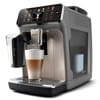
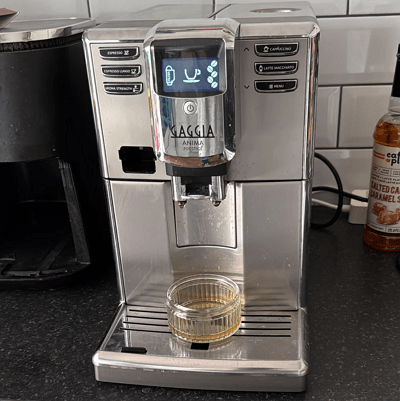
Gaggia Anima is a value focused Italian bean to cup line that leans hard into dark roast espresso and easy milk drinks. You get a removable brew group, a quiet ceramic grinder, and a compact 8.8 inch wide body that fits small kitchens. The trade offs are a limited five step grind range, modest brew temperatures, and some well documented quirks like the infamous no beans message. If you understand those limits and mostly drink milk based classics, the Anima still earns a place on the shortlist when it is priced right.
Gaggia Anima – scores and quick fit
Score breakdown
Overall score: 8.0 / 10Description in plain terms
Gaggia Anima is the middle child in Gaggia’s super automatic family. It uses a ceramic flat burr grinder, a removable brew group, and a simple single thermoblock to pull classic dark roast espresso with real consistency when you stay inside its comfort zone. The shots are better than many rivals at the same price, but you only get five grind settings, brew temperatures top out in the mid 180s Fahrenheit, and the interface feels like an older generation. The big win is serviceability. You can pull the brew unit out, rinse it, lubricate it, and even replace it. The big loss is the widely reported no beans error that sometimes appears even with a full hopper, along with a grinder torque system that can misbehave. If you know these quirks and are mostly chasing simple espresso and milk drinks for one to four people, Anima still offers solid value when you catch it on sale.
Who it is for
- People moving up from pods or drip who want better espresso without learning full barista workflow
- Households that mostly drink cappuccinos and lattes built on medium to dark roasts
- Buyers with smaller kitchens who need an 8.8 inch wide machine that still has a 1.8 liter tank and big dreg drawer
- Owners who like the idea of a removable brew group and are happy to rinse and lubricate it a few times a year
- Gaggia fans who want Italian build and ceramic burrs at a reachable price and can live with a basic LCD interface
Who should avoid it
- Light roast and single origin fans who need higher brew temperatures and finer grind control
- People who want a modern color screen with lots of profiles, drinks, and app control
- Anyone who knows they will not keep up with descaling, filters, and brew group cleaning
- Users who would lose patience with a machine that might occasionally throw a false no beans message
- Large families or small offices that pull many drinks back to back and would be better served by a dual boiler or higher tier super automatic
Main features
- Ceramic flat burr grinder with five grind settings and automatic dosing
- Removable brew group that you can rinse at the sink and replace without tools
- 1.8 liter top access water tank that can be refilled mid brew
- 250 gram bean hopper with optional 500 gram hopper on XL variants
- 15 puck dreg drawer capacity, well above many competitors in this class
- 15 bar Ulka EP5 pump with optional pre infusion toggle
- Single thermoblock boiler and three brew temperature levels
- Five strength settings that dose roughly 7 to 11 grams per shot
- Bypass doser for pre ground decaf or test coffees
- Four milk system variants across the Anima family, from pannarello wand to full carafe
Pros
- Removable brew group keeps cleaning simple and can be replaced instead of scrapping the whole machine
- Ceramic flat burr grinder is quiet and gentle on beans compared with many steel grinders in this price band
- Compact footprint with a surprisingly large water tank and dreg capacity
- Produces richer espresso than many Philips and DeLonghi competitors when tuned for dark roasts
- Multiple milk options across Anima variants, including a strong integrated carafe on the Prestige and a pro wand on Barista Plus
- Good value when discounted into the mid five hundreds, especially for buyers who prioritize espresso over interface gloss
Cons
- Only five grind settings make it hard to perfectly dial in some beans and leave you stuck between clicks
- Brew temperatures max out in the mid 180s Fahrenheit and can feel low, especially on the first shot
- Single boiler means you wait between brewing and steaming and need to purge water from the wand
- No beans error is common in owner reports and the fixes are workarounds rather than official solutions
- Interface looks and feels dated compared with newer Philips, DeLonghi, and Gaggia Cadorna models
- Shot quality has a ceiling that will frustrate espresso purists chasing truly exceptional extractions
The Gaggia Anima delivers consistently good espresso at $549-699, making it a solid entry point into super-automatic machines, but persistent reliability issues, limited grind adjustments, and dated design mean it’s best suited for convenience-focused milk drink lovers rather than espresso purists.
This Italian-made machine earns praise for its removable brew group (rare in this price range), strong steam power, and compact footprint, yet struggles with a notorious “no beans” error that plagues many units and requires workarounds. After analyzing service manuals, professional testing data, and extensive community feedback, the Anima represents good value for those who understand its limitations, but falls short of being the automatic recommendation in its category that the Gaggia name might suggest.
The machine competes directly with the Philips 3200 LatteGo ($687) and DeLonghi Magnifica Evo ($600-800), offering better espresso extraction but fewer features and a less refined user experience. Within Gaggia’s own lineup, it sits uncomfortably between the exceptional-value Brera ($425) and the significantly more capable Cadorna Prestige ($900), making the case for choosing the Anima over its siblings less compelling than it should be. Real-world testing reveals brew temperatures maxing at 184.5°F—below the 195-205°F ideal—and just 5 grind settings compared to competitors’ 10-13 options, limiting your ability to dial in the perfect shot.
Core specifications reveal capable but dated hardware
The Gaggia Anima measures 8.8 inches wide by 13.4 inches deep by 14.2 inches tall, weighing approximately 16.5 pounds. This compact footprint makes it ideal for smaller kitchens, with adjustable cup clearance from 4.3 to 5.9 inches accommodating everything from demitasse to travel mugs. The 1.8-liter top-loading water tank removes easily and features a unique top-up capability that lets you refill mid-extraction, a convenience missing from competitor machines with front-loading reservoirs.
At the machine’s heart sits a ceramic flat burr grinder with five adjustment positions. Gaggia emphasizes ceramic’s advantage over steel burrs: it prevents overheating during grinding, preserves coffee aromatics, and operates more quietly. The 250-gram bean hopper (500 grams on XL models) feeds beans to the grinder, which completes each dose in 8-10 seconds. A bypass doser accepts pre-ground coffee for decaf or single-origin experimentation, though users report it clogs easily with fine grinds.
The brewing system employs a removable brew group—the Anima’s standout feature and most significant advantage over competitors. This automated unit accepts coffee from the grinder, automatically tamps it, performs extraction, and ejects spent pucks into a 15-capacity dreg drawer (industry-leading capacity for this class). The brew group slides out without tools for weekly rinsing under the tap, eliminating the expensive cleaning tablets required by fixed brew group designs. You can purchase replacement brew groups for $80-100, extending the machine’s lifespan beyond typical super-automatics where a failed brew unit means replacing the entire machine.
The 15-bar Ulka EP5 pump delivers brewing pressure with a fixed profile – no adjustable pre-infusion timing or pressure ramping like you’d find on the Gaggia Velasca or Cadorna models. An overpressure valve opens at 16-18 bar to protect internal components. The single thermoblock boiler heats via a 1,300-watt element (120V models) or 1,900-watt element (230V models), controlled by an NTC temperature sensor rather than PID controller. This simpler thermostat system costs less but provides less precise temperature stability.
Three model variants target different user needs
Gaggia offers the Anima in four configurations, all sharing the same core brewing hardware but differing in milk systems. The base Anima ($549-649) includes a Pannarello steam wand—a plastic sleeve over the steam pipe that injects air automatically for hands-free frothing. Experienced users remove this sleeve to expose the traditional single-hole steam wand underneath, enabling microfoam suitable for latte art.
The Anima Deluxe ($579-679) replaces the Pannarello with a Cappuccinatore system that draws milk from any container via a flexible tube. This automatic frother proved inconsistent in testing, with reviewers noting less control and less impressive results than manual steaming. Most enthusiasts consider this the weakest variant.
The Anima Prestige ($649-749) integrates a removable 17-ounce milk carafe directly into the machine. Professional reviews called this carafe “one of the best I’ve ever seen,” delivering consistently creamy foam and enabling true one-touch cappuccinos and lattes. The carafe stores in the refrigerator between uses and disassembles for cleaning, though weekly thorough cleaning remains necessary despite automatic rinse cycles. This model adds stainless steel accents and typically costs $100-150 more than the base version.
The newest Anima Barista Plus ($618-699) equips the base machine with a professional-grade stainless steel steam wand from the factory, delivering outstanding steam power and control without requiring Pannarello removal. This may represent the sweet spot for serious home baristas wanting manual control at an accessible price.
Unboxing reveals basic but adequate included accessories
The Anima ships with the brew unit pre-installed, water tank, drip tray with full indicator, measuring scoop for pre-ground coffee, food-safe lubricant for brew unit maintenance, water hardness test strip, and quick start guide. The manual proved frustrating in professional testing, with TechGearLab reporting 30 minutes of setup time due to “jumping around the manual” to complete initial configuration.
Gaggia includes a grinder adjustment tool (Allen key) for the five grind settings, though adjustment requires running the grinder during changes—an impractical requirement that most users ignore, adjusting between shots instead despite warnings. The included test strip determines your water hardness, letting you configure descaling reminders appropriately. Setting this correctly proves crucial, as the machine tracks cumulative water volume (measured in flowmeter pulses) to determine when descaling becomes necessary.
You’ll need to purchase separately the Intenza+ water filter ($12-15), which fits in the water tank and dramatically reduces descaling frequency from potentially monthly to twice yearly. The filter adjusts for three hardness levels and typically lasts two months. Without this filter, scale buildup in the internal water circuit causes most long-term failures, making it an essential rather than optional purchase.
Missing from the package: a milk pitcher (for manual steam wand models), tamper (not needed due to automated tamping), and cleaning tablets (should be purchased with the machine). Gaggia Coffee Clean tablets ($13 for 10) differ from descaling solution and remove coffee oil buildup rather than mineral scale.
Temperature control reveals single-boiler limitations
Service manual specifications reveal the Anima’s brew temperature range of 160-185°F (71.1-85°C), adjustable across three levels. The low setting targets 177.5°F (81°C), medium hits 182.9°F (83.8°C) as the default, and high reaches 184.5°F (84.7°C). These temperatures fall short of the specialty coffee standard of 195-205°F, with even the maximum setting landing at the bottom of the acceptable range. Expert Reviews noted that “the lower two temperature settings are fairly useless,” and most users should operate exclusively on the high setting.
The NTC (Negative Temperature Coefficient) sensor provides basic thermostat control rather than PID precision. Temperature stability suffers compared to PID-equipped semi-automatics like the Gaggia Classic Pro, with the Anima exhibiting an estimated ±3-5°C temperature swing around the setpoint during extraction. True PID systems achieve ±1°C stability, making a noticeable difference in shot consistency and extracting the full complexity from high-quality beans.
Real-world testing confirms the first shot after warm-up runs noticeably cooler than subsequent shots. The brew unit—a large thermal mass—takes longer to heat than the water circuit. Professional reviewers recommend waiting for the second shot to achieve optimal temperature, or pre-warming cups to compensate. After a cold start, the machine signals readiness in under 60 seconds, but achieving full thermal stability requires 20-30 minutes of warm-up according to the service manual.
The single-boiler design requires a mode switch between brewing and steaming, adding 20-30 seconds when transitioning to milk frothing. During this time, the boiler heats to steam temperature (higher than brew temperature). After steaming, you must purge water from the steam circuit before brewing again. This sequential operation contrasts with dual-boiler machines like the $1,999 Gaggia Accademia, which brew and steam simultaneously.
Pressure profile delivers consistent but inflexible extraction
The Ulka EP5 pump generates 15 bar of system pressure, with service documentation specifying normal flow rates of 14-15 liters per hour during extraction. The acceptable range spans 10-18 L/H, with the machine’s flowmeter tracking each extraction via pulse counting (approximately 2,000 pulses per liter, or 145 pulses for a standard 40-gram espresso).
An optional pre-infusion setting briefly wets the coffee grounds before full pressure extraction begins. This “few seconds of pause between first shower of hot water and actual brewing” helps prevent channeling in the puck, but timing isn’t adjustable like on the Velasca Prestige or Cadorna models. You either enable or disable pre-infusion entirely, without the granular control serious enthusiasts desire.
No user-accessible pressure gauge lets you monitor actual extraction pressure, and the overpressure valve isn’t adjustable. Enthusiast machines typically operate at 9 bar during extraction (the industry standard), but the Anima’s fixed profile provides no way to verify or modify this. The automated brew unit tamps grounds with consistent pressure, eliminating the barista’s traditional control over puck density and resistance.
The Gaggia Adapting System represents the machine’s intelligence, automatically adjusting grind time based on the selected strength setting and monitoring resistance during extraction. If the brew unit encounters excessive resistance (indicating too-fine grind or overfilling), the system reduces the dose on subsequent shots. This learning algorithm typically requires 10-20 shots to optimize for a new bean type, and the machine can “learn incorrectly” according to troubleshooting forums—a contributing factor to the notorious “no beans” error.
Shot quality measurements show respectable but imperfect results
The five strength settings dose from 7 grams (level 1) to 11 grams (level 5) in one-gram increments, with level 3 (9 grams) as the factory default. Service manuals specify a tolerance of ±15% for dose consistency, meaning an 11-gram setting might deliver anywhere from 9.35 to 12.65 grams shot-to-shot. Programmable volume settings let you dial in your preferred output, with the default espresso at 40 grams ±10 grams and lungo at 120 grams ±14%.
Professional testing reveals the Anima produces espresso with “nice even crema” and “full-bodied, aromatic” flavor characteristics when set to maximum strength and finest grind with quality dark-roast beans. The service manual includes a crema quality test: blow into the cup until crema separates, and proper extraction should see it reunite to form a complete hazel-brown layer. TechGearLab noted the machine “tends to drip some water into the shot towards the end of the pour,” diluting the final product unless you reduce the programmed volume.
Extraction time from button press to completed shot spans 30-45 seconds total, including the 8-10 second grinding phase. The Anima performs each double as two separate single extractions, grinding twice and pulling each shot sequentially rather than grinding a double dose at once. This approach ensures consistent tamping but means a double espresso takes considerably longer than a single.
The Coffee Maven concluded the Anima “won’t make bad espresso” but “puts a ceiling on how good your espresso can be.” Reviewers consistently rated it a 7.5 out of 10 for espresso quality—above average for super-automatics and noticeably better than DeLonghi Magnifica S or Philips models, but not matching the $900 Gaggia Cadorna’s pre-infusion-enhanced shots. Chocolate and caramel notes emerge with appropriate beans, but the machine struggles with light roasts even at maximum settings.
Expert Reviews warned that “the machine is designed for Italian/French dark roasts”—lighter roasts require maximum strength, finest grind, and highest temperature yet still disappoint. The combination of limited temperature range, fixed pressure profile, and coarse grind steps simply can’t extract the full complexity from lightly roasted beans that require precise dialing-in.
Milk steaming capability varies dramatically by model
The base Anima’s Pannarello wand operates with excellent steam power according to multiple reviews, though the plastic sleeve and air injection system produce larger, less dense foam than desired for specialty drinks. Removing the Pannarello reveals the single-hole steam pipe underneath, transforming the machine’s milk capabilities. CoffeeBlog.co.uk confirmed “great steam” capable of microfoam suitable for latte art after this simple modification, taking 30-60 seconds to steam 8-12 ounces of milk.
Service specifications target a minimum milk temperature rise of 50-70°F (designed spec), bringing refrigerated milk (39-50°F starting temperature) to approximately 125-135°F. This falls short of the specialty coffee standard of 140-155°F for optimal sweetness, and reviewers note “with very cold refrigerator (33°F), ending temp only 100-110°F”—barely warm. The machine’s steam timeout after three minutes of continuous operation prevents extended steaming sessions, though this rarely impacts home use.
The Anima Prestige’s integrated milk carafe earned exceptional praise, described as “one of the best I’ve ever seen” by Coffeeness.de. The automatic system produces foam height exceeding 20mm in standardized testing (measured in a 70mm diameter beaker), with reviewers reporting “perfect,” “creamy and consistent,” and “delightfully frothy” results. Programming separate milk and coffee volumes enables precise drink customization, with the default cappuccino taking approximately 34 seconds for the milk portion.
The Barista Plus model’s professional steam wand delivers “outstanding power delivery” according to reviews, providing experienced users the control necessary for competition-quality microfoam while maintaining the speed and pressure casual users need for consistently good results. This represents the best of both worlds—casual users can achieve good foam without technique, while skilled baristas can create latte art rivaling dedicated semi-automatic setups.
Steam pressure shares the 15-bar circuit with brewing, requiring a 4-second pre-purge to discharge water from the steam wand before frothing begins. Multiple consecutive milk drinks may require brief pauses to rebuild steam pressure, particularly when steaming larger volumes exceeding 12 ounces. The single boiler design means no simultaneous brewing and steaming—you must wait for mode transition, brew your shot, then wait again before steaming milk.
Ceramic grinder delivers speed and silence but limited precision
The flat ceramic burr grinder represents a premium choice in this price range, with most competitors using cheaper steel burrs that heat during grinding and potentially damage coffee aromatics. Ceramic’s thermal properties keep beans cool, and users consistently describe the Anima as “quiet” or “remarkably quiet” during grinding—though the lack of a rubber seal on the hopper lid means slightly more noise than the Gaggia Brera, which includes this feature.
The DC motor drives the burrs through a helical wheel transmission, completing an 11-gram dose in 8-10 seconds. A Hall effect sensor with dual magnets monitors grinding consistency via pulse detection, feeding data to the Adapting System for dose optimization. Service standards specify “±15% tolerance for dose amount,” meaning shot-to-shot variation remains within acceptable limits for super-automatic category but wouldn’t satisfy manual espresso purists who weigh doses to 0.1-gram precision.
Only five grind settings represent the Anima’s most significant limitation compared to competitors. The Philips 3200 offers 12 settings, DeLonghi Magnifica provides 13, and even sibling models Velasca and Cadorna deliver 10 options. This coarse adjustment range means many users find themselves between settings—too coarse on position 2, too fine on position 1, with no middle ground. The grind adjustment tool (Allen key) must be inserted into the bean hopper and turned while the grinder runs, an impractical requirement that encourages users to adjust between shots instead.
The adjustment increments prove “far apart enough that finding the sweet spot becomes difficult” according to user reports. Changes only become apparent after several brewing cycles, requiring patience and wasted shots to dial in new beans. The finest setting produces grinds slightly coarser than ideal even for darker roasts, and lighter roasts remain essentially impossible to extract properly.
Grind consistency earns praise within the system’s limitations. The ceramic burrs produce acceptably uniform particle distribution for super-automatic standards, though cannot match dedicated grinders costing $200-400. The auto-dose algorithm compensates for bean density and moisture content, grinding longer or shorter to achieve the programmed dose weight. After switching beans, expect 10-20 shots before the system optimizes dosing for the new coffee’s characteristics.
Maintenance demands regular attention but simplifies through design
The removable brew group philosophy makes the Anima significantly more user-serviceable than competitors. Weekly maintenance requires just 2-3 minutes: press the brew group release, slide the unit forward out of the machine, rinse under the tap without soap, dry, and reinstall. This simple procedure prevents coffee oil buildup and grounds compaction that plague fixed brew group machines, extending lifespan and maintaining extraction quality.
Every six months, the brew group o-ring and internal tracks require lubrication with food-safe lubricant (included) or petroleum jelly. Squeaking sounds during brewing indicate overdue lubrication—a rubber plug in the boiler spout or the o-ring itself typically causes the noise. Applying lubricant takes 10 minutes and eliminates the sound immediately while preventing premature wear. Replacement o-rings cost $5-10 and represent a simple user-installable part when the original wears out after 2-3 years.
Monthly cleaning cycles use Gaggia Coffee Clean tablets ($13 for 10) that differ from descaling solution. These remove coffee oils rather than mineral scale, running through the brew circuit via an automated cleaning program. The machine dispenses tablet-dosed water through the brew group, rinses, and completes the cycle in about 15 minutes with minimal user intervention.
Descaling frequency depends on water hardness and filter usage. The included test strip determines hardness level (1-4 scale), which you program into the machine for accurate reminder prompts. At the default level 3 hardness, descaling becomes necessary after 60 liters of water usage (approximately 120,000 flowmeter pulses). The required Gaggia Decalcifier ($12) runs through the internal water circuit during a 30-minute automated program that cycles solution and rinses until complete.
Installing the Intenza+ water filter ($12-15 each) dramatically reduces descaling frequency to twice yearly while improving espresso taste and extending machine lifespan by preventing scale buildup in valves, flowmeter, and heating elements. The filter inserts into the water tank with a setting dial for three hardness levels (soft/medium/hard). Each filter lasts approximately two months, making this a recurring $72-90 annual expense that’s absolutely worth the protection it provides.
The 15-capacity dreg drawer and 24-ounce drip tray require daily or every-other-day emptying depending on usage. The machine tracks spent pucks and alerts when the drawer nears capacity. Front-loading access makes this quick and clean, though the drip tray fills quickly due to automatic rinse cycles before and after each use—unavoidable with any super-automatic but particularly noticeable if using distilled or filtered water.
Milk system cleaning varies by model. Manual steam wands require wiping with warm soapy water and purging after each use. The Prestige’s integrated carafe runs an automatic rinse after each milk drink, but weekly disassembly and thorough cleaning remains essential despite this feature. The carafe breaks into several components that must be washed to prevent milk residue buildup and bacterial growth. Users report this “little hard to clean” but manageable in 5-10 minutes once weekly.
Common troubleshooting issues demand workarounds
The “false no beans” error dominates discussion forums, appearing with such frequency that it defines the Anima ownership experience for many users. The machine displays “no beans” despite a full hopper, grinds coffee normally, then cancels brewing and dumps grounds directly into the dreg drawer. This wastes expensive specialty beans and renders the machine unusable without intervention.
Root cause analysis reveals the grinder motor torque sensor—part of the Adapting System—malfunctions or “learns” incorrectly over time. The system monitors resistance during grinding to optimize dosing, but can misinterpret normal operation as malfunction. Coffee Forums UK users documented multiple workarounds: opening and closing the hopper lid 3-4 times during grinding (confuses the torque measurement), accessing the technician menu to adjust the lower torque limit threshold, or installing a 50-watt 25-ohm resistor to fix sensor readings permanently.
These solutions require either technical knowledge or acceptance of a quirky ritual before each shot. One frustrated user reported their “expensive carefully selected beans being ground up and dumped directly into the trash bin” multiple times daily. Gaggia hasn’t issued a permanent factory fix, leaving owners to discover community workarounds or seek service center attention. The issue appears across manufacturing years, suggesting a fundamental design problem rather than isolated defects.
E05 error codes indicate water flow problems, typically due to scale buildup in valves or insufficient maintenance. Restoring flow requires descaling immediately, cleaning the brew unit check valve, and potentially accessing the technician menu for manual circuit priming. These blockages worsen over time if ignored, eventually requiring professional service to disassemble and clean internal components.
Temperature inconsistency affects first shots after cold starts or mode switches. The brew unit thermal mass takes longer to heat than the water circuit, resulting in shots 5-10 degrees cooler than programmed. Pre-warming cups, running a blank shot before pulling your espresso, or waiting for a second shot after initial warm-up all work as mitigation strategies, but represent workarounds for imperfect engineering rather than proper solutions.
Leaking from the front of the machine occasionally develops despite regular maintenance. Brew unit o-ring wear, improper reinstallation after cleaning, or gasket degradation cause water to escape during extraction. Gasket replacement and proper lubrication typically resolve this, but some units develop persistent leaking that requires professional diagnosis and repair.
The service manual provides error code definitions and troubleshooting flowcharts, but accessing many fixes requires the technician menu—a hidden diagnostic interface reached through specific button sequences. This advanced functionality helps tech-savvy owners resolve issues without service center visits, though average users may feel overwhelmed by the complexity.
Current pricing positions Anima competitively but not optimally
Gaggia’s official North American pricing sets the base Anima at $699 and Anima Prestige at $849 as of October 2025, though street prices typically run $50-100 lower. Whole Latte Love lists both models with free shipping over $75 and 2-year warranty coverage (1-year manufacturer plus 1-year dealer extension). Amazon carries all variants with Prime shipping and typically matches or undercuts specialty retailers, though warranty coverage may vary with third-party sellers.
Best Buy stocks the Anima (SKU 5099102) and Anima Deluxe (SKU 5099101) for in-store viewing and purchase, offering price matching and convenient returns. Walmart and Target list the Anima with limited availability, often through marketplace sellers rather than direct inventory. The Anima Class variant, more common in Europe, appears on Techinn at $539.99 but rarely stocks at major U.S. retailers.
UK pricing through PriceSpy shows the base Anima at £402.99, with the Prestige and Barista Plus typically ranging £499-699 depending on retailer. Canadian pricing through Whole Latte Love Canada lists CAD $979 for the base model. International price differences reflect import duties, VAT/GST, and regional market positioning.
Historical pricing patterns reveal significant savings during sale events. Whole Latte Love’s Deal Days in July 2023 discounted the Anima Prestige from $1,099 to $729—a substantial 34% reduction described as their “biggest sale of the year.” This aggressive pricing makes July the optimal purchase window for maximum savings. Black Friday and Cyber Monday 2024 showed more modest 15-20% discounts on espresso machines generally, with no major Anima-specific deals documented.
Prime Day in mid-July occasionally offers 15-20% discounts, potentially overlapping with Deal Days for maximum competition. Labor Day sales in September and post-holiday clearance in January provide 10-20% savings opportunities, though less dramatic than peak summer events. Price tracking via CamelCamelCamel for Amazon listings (B016RYOCHO for base Anima, B016RYODRS for Prestige) enables alert configuration when prices drop below your target threshold.
Open-box and refurbished units from Whole Latte Love offer 20-30% discounts with 6-12 month warranties. These typically represent buyer’s remorse returns used less than 30 days, fully tested and certified like-new. For budget-conscious buyers willing to accept shorter warranty coverage, this provides immediate savings comparable to waiting for major sales.
Competitors price aggressively against the Anima. The Philips 3200 LatteGo typically runs $687-750, the DeLonghi Magnifica Evo $600-800, and the Gaggia Brera $425-575. The Anima’s position at $699 places it mid-pack among super-automatics, neither the budget option nor premium choice. Within Gaggia’s lineup, the $900 Cadorna Prestige offers significantly more features for $200-250 additional investment, making the Anima’s value proposition less clear than the exceptional Brera at $425.
Model comparisons reveal Brera and Cadorna as stronger values
Within Gaggia’s super-automatic lineup, the Anima occupies awkward middle territory. The Gaggia Brera ($425-575) delivers essentially identical espresso quality with the same ceramic burr grinder and brew group design. The Brera’s smaller size, front-loading water tank, rubber-sealed hopper, and Rapid Steam technology actually provide advantages over the Anima despite costing $100-150 less. The Anima’s benefits—larger 1.8L tank vs 1.2L, 15-puck vs 8-puck dreg capacity, five vs three strength settings, and three temperature options—improve convenience but don’t enhance coffee quality.
Coffee Blog UK summarized the dilemma: “The Brera feels more premium despite the lower price due to stainless steel drip tray and rubber gaskets.” For strict espresso drinkers or those with limited space, the Brera represents exceptional value that’s difficult to justify upgrading from. The Anima makes sense only for users who specifically need the larger capacity, more customization, or accommodation for travel mugs—relatively minor benefits for substantial additional cost.
The Gaggia Velasca Prestige ($700-800) costs $100-200 more than the Anima but adds 10 grind settings vs 5 and adjustable pre-infusion (off/regular/high) for noticeably better shot extraction. Reviews confirm “richer shots due to pre-infusion” and significantly better dialing-in capability. The Velasca’s warmer milk froth (exceeding 150°F) addresses one of the Anima’s weaknesses. Both machines share similar interfaces, so the Velasca’s enhancements directly improve the areas where the Anima frustrates.
The Gaggia Cadorna Prestige ($900-1,000) represents “the best value super-automatic under $1,000 across all brands” according to Home Coffee Expert. For $200-300 above the Anima, you receive a full-color touchscreen, 10 grind settings, 14 beverage options, 4 user profiles, and modern interface design. The Cadorna feels like a 2020s machine compared to the Anima’s 2010s design. Professional reviewers consistently rate the Cadorna higher across every category except price, making it the recommendation for anyone who can stretch their budget.
The Gaggia Accademia ($1,999) operates in a completely different category with dual thermoblocks enabling simultaneous brewing and steaming, 19 programmable beverages, 5-inch touchscreen with dial control, and flow rate adjustment during extraction. The Accademia competes with Jura E8 ($2,659) rather than mid-range super-automatics. While delivering exceptional performance, it costs 3x the Anima’s price—you’d need to value those premium features highly to justify the expense.
Competitor comparisons favor Philips for features, DeLonghi for budget
Against the Philips 3200 LatteGo ($687-750), the Anima fights an uphill battle. The Philips offers 12 grind settings vs 5, a more intuitive touch display with icons, the revolutionary LatteGo milk system that cleans in seconds with just two parts and no tubes, and better cup clearance for tall glasses. Head-to-head professional reviews awarded victories to Philips 3-1 or 4-0, citing superior user experience and the game-changing milk frother cleaning ease.
The Anima counters with slightly better espresso body and extraction quality—noticeable to experienced tasters but not dramatic enough to overcome the Philips’ convenience advantages. The Anima’s ceramic vs steel burrs and Italian heritage appeal to traditionalists, and the Prestige’s integrated carafe stores more conveniently than the LatteGo’s external pitcher. The Anima also offers manual steam wand control (base model) for users wanting hands-on frothing. Verdict: Philips 3200 wins for most users prioritizing convenience and milk drinks; Anima wins for espresso-focused users valuing manual control options.
The DeLonghi Magnifica S ($400-600) undercuts the Anima on price while offering 13 grind settings—a significant advantage for dialing in beans. DeLonghi typically provides 2-3 year warranties (longer than Gaggia’s 1 year) and maximum dose capacity up to 16 grams vs the Anima’s 11-gram limit. However, the Gaggia produces noticeably better espresso with richer extraction and superior crema, the removable brew group enables easier maintenance, and ceramic burrs outlast DeLonghi’s steel grinders long-term. Build quality favors the Italian-made Gaggia for durability. Verdict: DeLonghi for features and warranty; Gaggia for coffee quality and longevity.
The DeLonghi Magnifica Evo ($600-800) modernizes the Magnifica line with better interface and features while maintaining competitive pricing. The fundamental difference remains: DeLonghi prioritizes features per dollar for casual users, while Gaggia prioritizes espresso quality and build longevity. The gap narrows with newer DeLonghi models but persists in taste tests and long-term reliability reports.
Jura E-series machines ($2,500+) operate in premium territory where the Anima can’t compete. Jura offers PEP (Pulse Extraction Process) technology, exceptional build quality, and precise temperature control. But the Anima delivers 70-80% of Jura quality at 20-30% of the price, making the Accademia ($1,999) a better value comparison than entry-level Anima for anyone considering Jura machines.
User reviews reveal consistent quality with frustrating reliability
Amazon’s mixed reviews (23% one-star ratings on some models) raise immediate concerns about reliability. Critical reviews focus on “when it works, it makes terrific coffee—problem is, it works only occasionally.” Failures within the first few months, persistent leaking despite maintenance, and milk frothing attachments breaking represent the negative extreme. These reviewers emphasize purchasing only with solid warranty coverage from authorized dealers, not third-party Amazon sellers.
Positive Amazon reviews praise the machine as “superb with great frother,” noting it’s “much easier than Baby Gaggia” for making shots and frothing milk. America’s Test Kitchen’s positive rating appears frequently in customer reviews as validation. The consistent theme: coffee quality impresses, but reliability concerns persist.
Independent review sites paint a more positive picture. Coffeeness.de called it a “workhorse that’ll produce consistently excellent coffee and milk foam,” though noting the dated appearance with “pixelated screen and outdated buttons.” CoffeeBlog.co.uk’s three-week real-world testing found it “really good for the money,” praising the 2-3 minute total time for cappuccinos and “great steam capable of microfoam for latte art.”
Expert Reviews concluded it “delivers consistently fine-tasting espresso without costing the earth” but warned it’s “not quite the perfect all-rounder we might have hoped for.” They noted the machine works best with Italian/French dark roasts—lighter roasts require maximum settings and finest grind yet still disappoint. TechGearLab awarded top marks for ease of use and convenience while noting the 30-minute setup time due to manual jumping.
Reddit discussions remain surprisingly sparse for the Anima compared to the heavily-modded Classic Pro. The super-automatic nature means less enthusiast engagement in r/espresso, where semi-automatic workflow discussions dominate. Community feedback concentrates on Coffee Forums UK, where extensive troubleshooting threads for the “no beans” error reveal both the problem’s prevalence and the community’s ingenuity in solving it.
Long-term ownership reports span 2-5+ years of trouble-free operation with proper maintenance to frequent service center visits within the first year. The removable brew group extends lifespan beyond competitors, with users reporting replacement brew units keeping 7-10 year old machines running. However, the torque sensor issue, pump failures from scale buildup, and thermostat problems represent common failure points requiring professional repair.
Target audience requires specific use case alignment
The Gaggia Anima excels for convenience-first coffee lovers who want good espresso without manual technique development. Busy mornings requiring quick, consistent drinks without cleanup ritual favor super-automatics generally and the Anima specifically. The 2-3 minute total time from cold start to finished cappuccino enables cafe-quality drinks while getting ready for work.
Milk drink enthusiasts benefit most, as the milk component helps mask minor extraction imperfections that straight espresso drinkers would notice. The Prestige model’s one-touch cappuccino/latte capability and the base model’s microfoam potential (with Pannarello removed) serve this audience well. Anyone drinking primarily milk-based beverages will appreciate the Anima more than straight espresso purists.
Entry-level super-automatic buyers upgrading from Nespresso, Keurig, or Dolce Gusto find the Anima’s learning curve manageable and coffee quality dramatically better. The integrated grinder eliminates separate purchases, and the budget-conscious $500-900 price range fits first-time bean-to-cup buyer expectations. Gaggia’s Italian heritage and brand recognition provide confidence for tentative super-automatic explorers.
Smaller households (1-4 cups daily) match the Anima’s capacity and capabilities better than high-volume users. The 15-puck dreg drawer, 1.8L water tank, and 250g bean hopper suit moderate consumption without constant refilling. The compact 8.8-inch width fits limited counter space, appealing to apartment dwellers and small kitchens.
Maintenance-willing users comfortable with weekly brew group cleaning and monthly descaling extract maximum value. The removable brew group rewards attention with extended lifespan and consistent performance. Users able to troubleshoot via manuals and online resources navigate the “no beans” error and other quirks successfully, while those expecting zero-maintenance operation will be disappointed.
Conversely, the Anima disappoints straight espresso purists seeking perfect extraction. The machine produces consistently good shots but establishes a quality ceiling that perfectionists find limiting. The Coffee Maven noted it “won’t make bad espresso” but “puts a ceiling on how good your espresso can be”—frustrating for those seeking exceptional rather than acceptable.
Light roast enthusiasts should avoid the Anima entirely. Expert Reviews confirmed the machine designs for Italian/French dark roasts, with lighter roasts underwhelming even at maximum strength, finest grind, and highest temperature. The fixed pressure profile and limited grind range simply can’t extract the full complexity from lightly roasted specialty beans requiring precise dialing-in.
Hands-on barista types who enjoy manual espresso craft find super-automatics generally and the Anima specifically unfulfilling. The automation eliminates skill development and workflow ritual that many enthusiasts value. These users should consider the Gaggia Classic Pro semi-automatic instead, which offers unlimited modding potential and manual control throughout.
Compatible accessories and upgrades extend functionality
The Brita/Mavea Intenza+ water filter ($12-15) represents the single most important accessory purchase. This Gaggia-specific filter inserts into the water tank with adjustable hardness settings, dramatically reducing descaling frequency from monthly to twice yearly. The taste improvement and machine longevity protection justify the $72-90 annual filter replacement cost. Consider this mandatory rather than optional.
Gaggia Coffee Clean tablets ($13 for 10) and Gaggia Decalcifier ($12) form the essential maintenance kit. Monthly brew unit cleaning with tablets removes coffee oil buildup, while descaling solution addresses mineral scale every 6-12 months depending on water hardness. Using non-Gaggia descaling solutions risks residue buildup, making the official product worth the modest premium.
Food-safe lubricant comes included but requires replacement after 2-3 years. Every six months, lubricate the brew unit o-ring and internal tracks to prevent squeaking and premature wear. Petroleum jelly (Vaseline) works as a substitute in pinch, though proper food-safe lubricant costs only $10 and lasts years.
For manual steam wand models, a quality milk pitcher dramatically improves frothing results. The Rattleware Latte Art Pitcher 12oz/340ml ($20-25) earns community recommendations for single drinks, with the perfect size for the Anima’s steam power and good spout shape for latte art. The Motta Europa 35cl Milk Jug (£7-15) receives consistent UK user praise for build quality and functionality. A 20oz/600ml pitcher suits double drinks but increases milk waste for single servings.
An espresso scale ($20-50) enables precise volume dialing for the ideal 1:2 ratio, significantly improving shot consistency. While the Anima lacks the precision of manual machines, measuring output helps optimize the programmable volume settings for your specific beans and preferences.
A milk frothing thermometer ($10-15) with clip-on design helps achieve the 140-155°F sweet spot for milk drinks. The Anima’s milk sometimes falls short of ideal temperature, and a thermometer helps you learn the lag time between stopping steam and peak temperature to compensate.
Coffee storage canisters with CO2 valves ($15-30) preserve bean freshness better than leaving them in the hopper. The Anima’s bean hopper lacks an airtight seal (except Prestige model), so storing beans separately and adding only daily requirements maintains quality longer.
Replacement parts including brew unit o-rings ($5-10), complete brew groups ($80-100), and water tank floats/microswitches ($15-25) enable user repairs without service center visits. The availability of replacement components and Gaggia’s parts support represent significant advantages over competitors with proprietary, unreplaceable internal components.
Modifications remain extremely limited compared to the highly moddable Gaggia Classic Pro. The primary “mod” is Pannarello removal on base models—simply pull off the plastic sleeve to expose the professional steam wand underneath. This free modification transforms milk frothing capability for anyone willing to develop manual technique.
Accessing the technician menu provides diagnostic data and parameter adjustment but requires specific button sequences and service manual knowledge. Advanced users modify grinder torque thresholds to fix “no beans” errors or adjust descaling reminder intervals. Some technically proficient owners install 50W 25-ohm resistors to permanently resolve torque sensor issues, though this requires soldering skills and risks warranty voiding.
Overall verdict balances solid performance against real limitations
The Gaggia Anima delivers consistently good espresso in a convenient super-automatic package at mid-range pricing, earning 4 out of 5 stars overall. Espresso quality rates 5/5 for the category, build quality 4/5, value for money 4.5/5, and ease of use 4/5. However, features score only 3/5 and user interface 3/5, with the dated LCD display, limited grind settings, and basic drink menu falling behind 2025 standards.
The removable brew group represents a genuinely significant advantage that extends lifespan and reduces maintenance costs compared to fixed brew group competitors. This design philosophy makes the Anima more repairable and user-serviceable than alternatives, potentially lasting 7-10 years with proper care versus 3-5 years for sealed competitors.
Yet the persistent “no beans” error, limited 5-position grinder, single-boiler temperature instability, and reliability concerns documented in reviews prevent unqualified recommendation. The Anima suits specific users—convenience-focused milk drink lovers willing to perform regular maintenance and troubleshoot occasional issues—but doesn’t serve as the automatic choice for everyone in this price range.
Purchase recommendations by scenario: If your budget maxes at $700 and you want the best espresso quality available, buy the Anima at $549-649 during sales. If you can stretch to $900-1,000, the Gaggia Cadorna Prestige delivers dramatically better features and modern interface for $200-250 more. If you’re extremely price-sensitive, the Gaggia Brera at $425 provides 90% of the Anima’s quality at 60% of the price. If you prioritize convenience and ease of cleaning above all else, the Philips 3200 LatteGo at $687 offers superior user experience despite marginally inferior espresso.
Wait for Whole Latte Love’s Deal Days in July for 25-35% discounts, potentially bringing the Anima Prestige down to $729 from $849—at that price it becomes exceptional value. At full retail pricing, the value proposition weakens relative to better-featured competitors and more capable sibling models.
The Anima remains a solid workhorse super-automatic that won’t embarrass you but won’t wow enthusiasts either. It makes sense for the right user with appropriate expectations—good espresso conveniently, not perfect espresso expertly. Understanding its limitations before purchase prevents disappointment and enables you to extract maximum value from what the machine does well.
Gaggia Anima – frequently asked questions
Short answers to the questions buyers ask most often before picking the Anima.
Is Gaggia Anima worth buying at around $699?
At full sticker around $699 it is a decent buy if you care more about espresso quality and durability than a modern interface. When it drops into the mid five hundreds it becomes a much stronger value because you are getting ceramic burrs, a fully removable brew group, and Italian build for roughly the same price as Philips and DeLonghi mid range options. If your budget can stretch to a Gaggia Cadorna, that model brings a more complete feature set for the extra money.
Which Gaggia Anima version should I choose?
The base Anima is fine if you want a pannarello wand that you can later strip down to a single hole tip for better microfoam. Deluxe adds a tube based cappuccinatore that many reviewers find less compelling. Prestige adds the integrated carafe that delivers some of the best automatic foam in this price band if you like one touch milk drinks. Barista Plus bolts on a pro style wand from the factory and is the choice for people who want hands on steaming with Anima level automation on the espresso side.
How does Gaggia Anima compare with Philips 3200 LatteGo and DeLonghi Magnifica Evo?
Anima usually wins on espresso body and crema when you feed it dark or medium dark roasts. Philips 3200 and Magnifica Evo win on user interface and drink variety. Philips has the easiest milk cleaning with LatteGo and a very friendly panel. Evo has stronger milk texture and more one touch drinks. Anima sits in between and is the better pick if taste and long term serviceability matter more to you than a flashy front panel and extra recipes.
How serious is the no beans error on Gaggia Anima?
The no beans warning is the biggest complaint about this platform. It happens when the grinder torque sensing misreads resistance and decides there are no beans even though the hopper is full. The result is wasted doses that go straight into the dreg drawer. Some owners never see it, others fight it regularly. Community fixes range from technician menu tweaks to hardware resistor mods, but none of those are officially supported, so you need to be comfortable with a bit of tinkering or ready to use warranty support if your unit is affected.
Is Gaggia Anima good for light roast coffee?
Not really. The limited five step grinder, lower brew temperatures, and fixed pressure profile make it hard to pull great shots from light roasts. Even at the finest grind, highest strength, and hottest setting most reviewers find the results flat compared with what you can do on a manual machine or a higher spec super automatic. Anima is tuned for Italian and French style blends and tastes best when you give it beans in that lane.
How loud is the grinder on the Gaggia Anima?
The ceramic grinder on Anima is quieter than many steel burr competitors but it is still a grinder. Think more like a firm whirr than a harsh buzz. You will hear it in the next room, but it will not wake an entire apartment block. Grinding runs for roughly 8 to 10 seconds per shot, so the noise is brief even if you are pulling a double.
What maintenance does Gaggia Anima need to stay reliable?
Weekly you should pull the brew group, rinse it under warm water, let it dry, and put it back. Every few months you lubricate the o ring and slides with the supplied food safe grease. You also run cleaning tablets through the brew path on the schedule in the manual and descale when the machine asks you to, ideally while using Intenza plus filters in the tank. If you stay on top of that, Anima tends to run for many years and most of the horror stories in reviews become far less likely.
How good is the milk system on the Anima Prestige and Barista Plus?
The Anima Prestige carafe is often called one of the better automatic milk systems at this price, with thick foam and reliable texture for cappuccinos and lattes. It docks to the front, goes in the fridge between runs, and needs a deeper clean once a week. Barista Plus skips the carafe and gives you a strong full metal wand instead, which is ideal if you want to learn proper microfoam and latte art. Both versions are solid, so the choice comes down to whether you want one touch milk or manual control.
How long can a Gaggia Anima last with normal home use?
With one to four drinks a day and proper maintenance, many owners report five to ten years of service, especially if they occasionally replace the brew group and keep scale under control. The removable brew unit and available spare parts are key here. They let you fix and refresh the machine instead of treating it as disposable. If you skip cleaning and run hard water, failure can come much faster, so the care routine makes a big difference.
When should I pick Gaggia Anima instead of Brera or Cadorna?
Pick Brera if you want similar espresso quality in a smaller, cheaper package and can live with a smaller tank and dreg bin. Pick Cadorna Prestige if you want a modern screen, more drinks, user profiles, and finer grind control and can stretch your budget. Anima sits in the middle. It makes sense when you want the larger capacity and optional carafe or pro wand, but do not yet want to pay Cadorna money and still want a removable brew group and ceramic burrs.