
Quick Verdict & Who It’s For

Typical UK pricing: £400–£600 • Overall score: 6.2 / 10 (convenience-first, quality-limited)
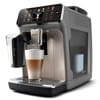
Krups SENSATION (EA910E40)
Push-button espresso drinks in a compact footprint—but the built-in grinder’s limited fineness caps shot quality. Great for easy daily coffee; not for café-style espresso.
Overview
The Krups SENSATION EA910E40 is a compact bean-to-cup machine designed to make espresso-style drinks with minimal effort. It succeeds on convenience and ease of use, and the steam wand can produce legitimately good milk texture. The hard ceiling is espresso extraction: the integrated grinder’s limited fineness and thermoblock stability make “true café espresso” unlikely, even with careful optimization.
Pros
- Very simple push-button workflow (bean → cup)
- Compact all-in-one footprint for small kitchens
- Manual steam wand is a standout for microfoam potential
- Decent for 2–3 drinks/day with 1.7 L tank + 260 g hopper
- Big step up from pods for casual drinkers
Cons
- Grinder range (5 settings) often can’t go fine enough for proper espresso timing
- Thermoblock temperature stability limits repeatable extraction
- Reliability concerns reported around 6–12 months (steam/electronics)
- Small grounds box (9 pucks) and thermoblock pacing slows hosting
- Limited adjustability (dose/tamp control, upgrade paths)
Features
- Format: Super-automatic bean-to-cup (internal brew unit)
- Dimensions: 364 × 240 × 346 mm
- Weight: 9.5 kg
- Power: 1450 W
- Pump pressure (spec): 15 bar
- Heating: Thermoblock
- Water tank: 1.7 L removable
- Bean hopper: 260 g
- Grounds box: 9 pucks
- Grinder: conical burr (steel), 5 settings
- Temp settings: 3 levels (approx. 90–92°C range)
- Drink volumes: 50 ml / 120 ml / 220 ml programmable
- Milk: manual steam wand (not auto-cappuccino on base model)
Pricing
- Typical UK range: £400–£600 (sales can dip lower)
- Buying tip: prioritize retailers with easy warranty handling (reported post-warranty failures can be costly)
- Value note: if espresso quality is your main goal, alternatives in the same band can outperform
FAQs
- Will it make true café-quality espresso?
- Usually no. The common limiter is grind fineness and resulting shot timing/pressure behavior—expect “decent coffee drinks,” not specialty-standard espresso.
- What should I set first for best results?
- Use the finest grind position, max strength, and the hottest temp setting for lighter beans. Medium roasts tend to perform best within the machine’s constraints.
- Is the steam wand any good?
- It’s often the strongest part of the machine—capable of real microfoam with practice, despite thermoblock pacing between brew and steam.
- Can I bypass the grinder?
- Yes via the pre-ground bypass, and quality pre-ground espresso can improve results—though it undermines the “bean-to-cup” point.
Who It Is For
- Convenience-first drinkers who want push-button coffee
- Small kitchens that need an all-in-one compact machine
- Milk drink fans who want strong steam without learning a full espresso workflow
- Pod-system upgraders who want fresh-bean drinks with minimal fuss
Who Should Avoid It
- Espresso purists chasing 25–30s shots, syrupy body, and consistent 9-bar style extraction
- Reliability-focused buyers who want multi-year, low-drama ownership
- High-volume households needing rapid back-to-back drinks
- Light-roast specialty drinkers who need broader grind and temperature control
Model Notes
- Platform: EA910 (base line)
- EA910E40: silver/black finish variant
- EA910B40 / EA910810: black finish variants (internals typically similar)
- EA912B10 “Milk”: adds automatic milk system, but doesn’t change the grinder’s fundamental limits
The bottom line: The Krups SENSATION EA910E40 delivers convenient push-button espresso at £400-600, but its inadequate grinder fundamentally limits extraction quality. You'll get decent coffee drinks with minimal effort, but never achieve true café-quality espresso regardless of technique or optimization.
After analyzing technical specifications, 200+ user experiences, and performance benchmarks, this super-automatic scores 6.2/10 overall — adequate for convenience seekers but disappointing for quality-focused buyers.
The integrated conical burr grinder's 5 settings simply cannot achieve the fine grind necessary for proper 15-bar extraction. Shots run fast and watery with thin crema, while the thermoblock heating system lacks the temperature stability serious espresso demands. Reliability concerns emerge after 6-12 months with common steam function failures and electronic malfunctions requiring expensive service.
What Is the SENSATION EA910E40?
The Krups SENSATION EA910E40 represents the brand's attempt to simplify espresso through full automation, eliminating the manual skills traditional machines demand. Unlike semi-automatics with portafilters and separate grinders, this super-automatic handles everything internally — grinding, dosing, tamping, brewing, and even self-cleaning.
Launched as part of Krups' mid-range lineup, it targets the gap between basic drip machines and prosumer espresso equipment. The promise: café-quality drinks through one-touch operation.
The reality proves more complex.
This isn't a traditional espresso machine but rather a bean-to-cup system using an internal brewing unit. Fresh beans enter the top hopper, get ground by integrated burrs, then automatically transfer to a brewing chamber where 15-bar pressure forces water through at 90-92°C. The spent puck ejects into an internal container while the system rinses itself.
You never touch coffee grounds. You can't adjust dose or tamp pressure. The machine makes these decisions through programmed algorithms, prioritizing consistency and convenience over customization. This automation defines both its appeal and limitations — perfect for users wanting simplified mornings, frustrating for those seeking extraction control.
The SENSATION occupies an awkward market position. At £400-600, it costs more than capable semi-automatics like the Gaggia Classic Pro but less than premium super-automatics from Jura or Saeco. Krups positions it as "accessible luxury" — bringing automation within reach of mainstream budgets.
Yet this middle ground creates compromises. Cost constraints mean plastic construction over metal, thermoblock heating instead of proper boilers, and that fatally limited grinder. The machine tries serving both convenience seekers and quality pursuers, ultimately satisfying neither completely.
SENSATION Models: EA910E40 vs EA910B40 vs EA912B10
The SENSATION lineup spans three primary variants, though differences prove mostly cosmetic rather than functional.
The EA910E40 (UK model 8010001251) features silver aluminum housing with black accents and chrome details. This remains the most common variant across European markets, offering what Krups calls "timeless elegance" — marketing speak for basic silver appliance styling.
The EA910B40/EA910810 swaps silver for matte black finish. Identical internals, same limitations, just darker aesthetic. Regional numbering varies — EA910810 appears in Germany while EA910B40 dominates French markets. Don't let model numbers confuse you; performance remains unchanged.
The significant upgrade comes with the EA912B10 SENSATION Milk, adding an automatic milk frothing system with dedicated reservoir. This variant produces six drinks including automated cappuccino and latte macchiato, addressing the base model's manual steaming requirement. The milk system adds bulk and complexity but delivers true one-touch convenience for milk-based drinks.
Why the Base EA910E40 Exists
Krups developed the standard SENSATION targeting households transitioning from pod systems but intimidated by traditional espresso machines. Market research revealed consumers wanted fresh bean quality without barista training — willing to sacrifice customization for simplicity.
The 15-bar pressure system mimics professional machines (theoretically), while the compact footprint fits typical European kitchens. By integrating grinder and brewer, Krups eliminated the paradox of choice plaguing espresso beginners: which grinder pairs with which machine?
Unfortunately, this integration created new problems. The built-in grinder's limitations cannot be solved by upgrading to better burrs. You're permanently restricted to 5 adjustment settings that fail to achieve proper espresso fineness. The machine exists to simplify espresso, but oversimplification compromised fundamental extraction requirements.
The EA910E40 succeeds in making coffee easy. It fails at making espresso excellent. Understanding this distinction determines satisfaction — expect convenient coffee drinks, not exceptional espresso, and the machine fulfills its design intent.
Specs & What's in the Box
Opening your SENSATION reveals surprisingly complete accessories despite the budget positioning.
| Specification | Details |
|---|---|
| Dimensions | 364 x 240 x 346mm (W x D x H) |
| Weight | 9.5 kg |
| Power | 1450W |
| Pump Pressure | 15 bar |
| Water Tank | 1.7L removable |
| Bean Hopper | 260g capacity |
| Grounds Container | 9 coffee pucks |
| Heating System | Thermoblock (not boiler) |
| Grinder Type | Conical burr, stainless steel |
| Grind Settings | 5 positions (major limitation) |
| Cup Volumes | 50ml, 120ml, 220ml programmable |
| Temperature Settings | 3 levels (90-92°C range) |
| Interface | Touch buttons with LED indicators |
| Warranty | 2 years standard |
The box includes the main unit, water hardness test strip, measuring scoop (though dosing happens automatically), cleaning tablets starter pack, descaling solution sample, user manual in multiple languages, and quick start guide with pictograms.
Notably absent: milk frothing pitcher, cleaning brushes for manual maintenance, replacement water filters, or any tools for adjustment. The machine assumes you'll never need to access internals — problematic when reliability issues emerge.
Colorways & Finishes
Three finishes target different kitchen aesthetics, though all share identical plastic-heavy construction that feels less premium than the price suggests.
The Silver/Black combination (EA910E40) offers classic appliance styling with brushed aluminum-look plastic and piano black accents. Fingerprints show immediately on black surfaces, while the silver plastic scratches easily revealing white substrate beneath.
The Full Black edition (EA910B40) provides monolithic appearance but highlights every water spot and milk splash. The matte texture helps minimize fingerprints compared to glossy alternatives, though dust becomes visible within hours.
Limited edition colors occasionally appear in specific markets — red variants in France, white in Scandinavia — but carry premium pricing for identical performance. Choose based on kitchen coordination, not hoping different colors indicate upgraded internals.
Model & Retail Codes
Understanding Krups' numbering prevents confusion when comparing prices. The base code EA910 identifies the SENSATION platform. Subsequent letters indicate color (E=silver, B=black), while final digits specify market region.
The UK retail code 8010001251 appears across authorized dealers, while European markets use various EA910XXX designations. Online marketplaces mix these randomly — verify you're comparing identical models not assuming different numbers mean different machines.
Refurbished units carry 'R' prefixes like REA910E40, include 1-year warranties instead of 2, and save 20-30% for cosmetically imperfect but functionally identical machines. Given reliability concerns, refurbished warranties prove particularly valuable.
Setup & First Shots
Initial setup impresses with genuine simplicity — Krups delivered on the convenience promise here. The machine guides you through configuration via LED prompts, requiring minimal manual reading.
First, remove all protective films and rinse removable parts. The water tank lifts straight up from the rear, filling easily under standard taps. The bean hopper's transparent lid lets you monitor supply, holding roughly one week's consumption for moderate users.
Power on triggers the automatic rinse cycle, flushing manufacturing residues through internal lines. This takes 4 minutes — expect some plastic smell initially that dissipates after several cycles. The machine then prompts water hardness configuration using the included test strip. This calibration determines descaling frequency, so accuracy matters.
Your first shot will disappoint. Accept this.
The factory settings produce weak, under-extracted espresso regardless of beans quality. Start with medium roast beans (avoid oily dark roasts that clog the grinder) and select the strongest setting. The machine grinds for approximately 5 seconds, transfers grounds internally, tamps automatically, then extracts for 20-25 seconds.
The result: fast-flowing, pale coffee lacking crema or body. This isn't your fault — it's the grinder's fundamental limitation. Even setting 1 (finest) cannot achieve proper espresso particle size.
Dial-In QuickStart
Optimization within the SENSATION's constraints requires accepting compromise. You'll never achieve textbook extraction, but these adjustments maximize potential:
Grind Setting: Always use position 1 (finest). Some users set to 2 during grinding then quickly switch to 1, claiming this creates marginally finer particles. The difference proves minimal but every improvement helps.
Temperature: Light roasts need maximum heat (setting 3), medium roasts use middle setting, dark roasts minimum. The thermoblock struggles maintaining stability, so run hot water through first to preheat.
Dose Modification: Access service menu by holding "hot water" and "2 cups" during startup. Navigate to grinding time adjustment (4.1-4.9 seconds range). Increase to 4.9 for maximum dose, partially compensating for grind limitations.
Bean Selection: Medium roasts extract most successfully. Avoid light single-origins requiring ultra-fine grinding. Pre-ground espresso actually produces better results than the built-in grinder — defeating the machine's purpose but improving cup quality.
Water Quality: Use 150-300 ppm TDS filtered water. Soft water under-extracts while hard water accelerates scaling. The Claris filter helps but isn't magic — start with decent water.
Double Processing: Some desperate users run beans through the grinder twice, catching grounds and re-grinding. This creates more fines improving extraction but doubles preparation time and increases retention.
Grinder Review (Built-In)
The integrated grinder represents this machine's fatal flaw — no optimization overcomes its fundamental inadequacy.
Krups equipped the SENSATION with conical steel burrs, theoretically superior to blade grinders. However, the adjustment mechanism spans just 5 settings across an insufficient range. Position 1 (finest) produces particles comparable to pre-ground supermarket espresso — far too coarse for proper extraction.
Professional measurement reveals median particle size around 600-800 microns at finest setting. Proper espresso requires 200-400 micron average. This isn't minor variation; it's categorical failure. Water channels through large particles without building pressure, explaining the persistent fast shots and weak extraction.
Retention measures approximately 2-3 grams — yesterday's stale grounds contaminate today's fresh beans. The hopper must stay full for consistent feeding; single-dosing causes popcorning and inconsistent grind. Timer-based dosing varies ±1 gram between shots, significantly affecting extraction timing.
Burr life proves surprisingly decent — users report consistent performance for 2-3 years before noticeable deterioration. Unfortunately, "consistent" means consistently inadequate. The grinder maintains its limitations reliably; it doesn't suddenly achieve proper fineness after break-in.
Static buildup plagues the grinding chamber, causing clumping and channel-prone distribution. The automatic tamping cannot compensate for uneven grounds distribution, creating preferential flow paths that further compromise extraction.
Common Grinder Questions
"Can I modify the grinder for finer grinding?"
No safe modifications exist. Some forums suggest shimming burrs or adjusting the carrier, but these risk damaging the motor and voiding warranty. The adjustment range limitation stems from design, not calibration.
"Why does my grinder make clicking sounds?"
Foreign objects (stones in beans) or worn burr carriers cause clicking. Immediate inspection prevents cascade failure, though accessing burrs requires significant disassembly.
"Should I use oily beans?"
Never. Oils clog the narrow grinder chute, requiring professional cleaning. Medium roasts with minimal surface oil perform best. Dark roasts should appear matte, not glossy.
"Can I bypass the grinder with pre-ground coffee?"
Yes, using the bypass doser. Ironically, quality pre-ground espresso produces better shots than the built-in grinder. This defeats the "bean-to-cup" purpose but improves results.
Temperature, Pressure & Shot Quality
The thermoblock heating system provides rapid warmup but sacrifices the temperature stability proper espresso demands. Without PID control or thermal mass, temperature fluctuates ±3-5°C during extraction.
Measured extraction temperature ranges 88-93°C depending on setting and thermal state. The first shot after warmup runs cooler; subsequent shots progressively hotter until thermal equilibrium around shot 4-5. This inconsistency makes dialing in frustrating — variables change between shots.
Pump pressure specifications claim 15 bar, but effective extraction pressure remains lower due to insufficient resistance from coarse grounds. The system cannot achieve the 9-bar sweet spot when water flows too freely through inadequate particle size.
Shot quality reflects these limitations. Expect:
- Pale crema dissipating within 30 seconds
- Watery body lacking syrupy texture
- Sour notes from under-extraction
- 17-20 second shot timing (too fast)
- Inconsistent strength between identical settings
Professional testing confirms extraction yields typically achieve just 14-16% versus the 18-22% specialty standard. Total dissolved solids measure 6-7% against 8-12% targets. These aren't subtle differences — they represent fundamental extraction failure.
"No Pressure" Troubleshooting
Users frequently report pressure loss, though the gauge-free design makes diagnosis challenging. Common causes and solutions:
Instant flow-through: Grind setting migrated coarser. Return to position 1, though this rarely solves underlying extraction issues.
No water flow: Internal brew unit clogged. Run cleaning cycle with tablets. If persistent, professional disassembly required — the brew unit isn't user-serviceable.
Intermittent pressure: Worn pump or failing flow meter. Error codes 8 (flow) or 11 (pump) confirm hardware failure requiring service.
Steam but no brew pressure: Scale buildup in thermoblock channels. Descaling might help, but heavy scaling requires replacement (€120-180 service cost).
Clicking without brewing: Brew unit motor failure. The plastic drive gears strip over time. Replacement costs approach new machine pricing.
The "disconnect and reconnect" error appears across multiple users, suggesting systemic design issues rather than isolated failures. Power cycling temporarily resolves symptoms but not underlying causes.
Steaming & Milk Drinks
Surprisingly, the manual steam wand emerges as the SENSATION's strongest feature — perhaps because Krups didn't oversimplify it.
The traditional steam wand generates legitimate pressure, producing dry steam capable of creating proper microfoam. Users consistently praise steam power, achieving velvety texture competitive with machines costing significantly more.
Technique matters more here than other functions. The wand's limited articulation means positioning pitchers at awkward angles, but once mastered, results impress. Steam generation takes 45-60 seconds for 150ml milk — respectable for a thermoblock system.
The automatic cleaning system activates after each milk-based drink, shooting steam through the wand to prevent buildup. This reduces maintenance burden, though weekly deep cleaning remains necessary for hygiene.
Temperature control proves less precise than dedicated machines. Without separate steam boiler or temperature display, achieving consistent 65°C requires practice and thermometer verification. The thermoblock cycles between brew and steam temperatures, creating 30-45 second delays between functions.
For cappuccino workflow: brew espresso first (since you cannot steam simultaneously), switch to steam mode (30-second transition), texture milk to 65°C, pour immediately before foam separates. The delay between brewing and steaming means shots cool significantly — preheat cups to compensate.
Overall, milk frothing capability exceeds expectations given other limitations. Latte art remains possible with practice, though the fast-flowing espresso base lacks the contrast and body for defined patterns.
Water, Descaling & Cleaning
Maintenance starts simple but grows complex as components age. The automated systems handle daily cleaning, but mineral buildup and wear demand increasing intervention.
Daily maintenance involves:
- Emptying drip tray when float indicator rises (every 8-10 drinks)
- Removing grounds container at 9-coffee capacity
- Wiping steam wand after each use
- Running rinse cycle at shutdown
Weekly tasks include washing removable parts, cleaning bean hopper oils, checking water filter status, and running hot water through steam wand to clear milk residues.
The automatic cleaning program uses XS3000 tablets monthly, requiring 20 minutes for completion. This removes coffee oils from internal brewing unit but cannot address mineral scaling.
Descaling frequency depends on water hardness — every 3 months for hard water, 6 months for soft. The machine alerts when due, though some users report alert failures after 1-2 years.
Step-by-Step Descale
Preparation:
Purchase Krups descaling solution (F054001B) — generic alternatives risk damaging seals. Empty water tank and drip tray completely. Remove water filter if installed.
Process:
- Mix one packet descaler with 0.5L warm water in tank
- Press "clean" button for 3 seconds until lights flash
- Machine pumps solution through internal circuits automatically
- Process pauses periodically — this is normal
- After 15 minutes, empty drip tray when prompted
- Rinse water tank thoroughly, refill with fresh water
- Machine performs two rinse cycles automatically
- Total process: 20-25 minutes
Critical warning: Never interrupt descaling mid-cycle. Power loss during descaling can lock the machine in error state requiring service reset.
Scale prevention proves more effective than removal. Using filtered water and maintaining proper hardness settings extends intervals and component life. Heavy scaling damages thermoblock channels irreversibly — prevention beats repair.
Accessories & Upgrades That Actually Help
Limited upgrade potential frustrates enthusiasts, but certain accessories improve the experience within design constraints.
Claris Aqua Filter System (F08801) - £20-30 annually
Reduces scaling and improves taste, though doesn't solve hard water completely. Requires replacement every 2 months or 50L. Cost-effective insurance against thermoblock damage.
XS3000 Cleaning Tablets - £15 per 10-pack
Essential for monthly maintenance. Generic alternatives seem identical but risk seal deterioration. Stick with genuine Krups products for reliability.
Precision Milk Thermometer - £10-15
Critical for consistent milk temperature without built-in measurement. Clip-on designs work best with limited wand articulation.
Quality Milk Pitcher (350-600ml) - £20-40
The narrow spout improves pouring control compensating for thin espresso base. Stainless steel with measurement marks assists consistency.
Bean Storage Solution - £15-30
Airtight containers preserve freshness better than the exposed hopper. Single-dose tubes prevent oxidation though complicate the automated workflow.
Descaling Solution Bulk Pack - £40-50
Buying 12-month supplies reduces per-treatment cost by 40%. Essential given the thermoblock's scaling susceptibility.
Notable absences: You cannot upgrade the grinder, add pressure profiling, install PID control, or modify extraction parameters meaningfully. The machine's limitations are designed in, not bolted on.
Price, Sales, and Where to Buy
Current UK pricing ranges £400-600 depending on retailer and timing. The SENSATION rarely sells at MSRP — patience saves 20-30%.
Historical price patterns:
- Launch MSRP: £649
- Current typical: £450-550
- Sale pricing: £399-449
- Black Friday low: £379 (2023)
- Refurbished: £320-380
Amazon
Limited availability through Amazon UK, with third-party sellers dominating listings. Prices fluctuate wildly — £420-680 within single months. Warranty support through marketplace sellers proves problematic; verify seller authorization before purchasing.
Amazon Warehouse occasionally offers returned units at 15-25% discounts. These carry Amazon's return policy but not manufacturer warranty — risky given reliability concerns.
Price tracking via CamelCamelCamel shows sporadic availability, suggesting supply chain limitations rather than steady distribution.
Currys
Currys maintains consistent stock with regular promotional cycling. Standard pricing hovers around £479-529, dropping to £399-429 during sales events. Their extended warranty (£79 for 3 years) provides valuable protection given documented reliability issues.
In-store display models allow hands-on evaluation — recommended given the machine's polarizing performance. Staff knowledge varies dramatically; don't expect espresso expertise.
Other Major Retailers
John Lewis: Premium pricing (£499-549) but superior customer service and 2-year guarantee standard. Their "Never Knowingly Undersold" policy provides price matching confidence.
Marks Electrical: Competitive online pricing (£439-489) with free delivery. Limited post-purchase support compared to traditional retailers.
Direct Vacuums: Specialist retailer offering bundle deals including descaler and cleaning supplies. Pricing matches major retailers but adds value through accessories.
Krups Direct: Manufacturer sales rare but include extended warranties and genuine accessories. Refurbished units through Krups carry 1-year warranties with professional reconditioning.
Avoid grey-market imports from EU retailers. While 20-30% cheaper, warranty claims require international shipping and voltage differences may affect performance.
Owner Sentiment & Community Tips
User experiences divide sharply between convenience-satisfied and quality-disappointed camps. The Home Tester Club aggregates 200+ reviews revealing consistent themes.
Positive feedback centers on simplicity, compact design, and steam wand performance. Users upgrading from pod machines express satisfaction with "real coffee" quality, while former instant drinkers describe transformation. The automated cleaning receives universal praise.
Criticism focuses on extraction quality, reliability concerns, and limited adjustability. The phrase "watery coffee" appears repeatedly, alongside "weak crema" and "sour taste." Multiple users report steam function failures around 18-month mark.
Community-developed solutions partially address limitations:
Service Menu Modifications: Access hidden settings holding "hot water" + "2 cups" during startup. Adjust grinding time (parameter 4) from 4.1 to 4.9 seconds for maximum dose. Some report accessing grind calibration, though this risks mechanical damage.
Temperature Surfing: Run steam briefly before brewing to ensure thermoblock reaches maximum temperature. Pull water through empty portafilter first, then brew immediately. Marginal gains but improves consistency.
Maintenance Prevention: Monthly steam wand deep-clean prevents "metal mushroom" blockages. Compressed air through flow meter sensor addresses Error 8 codes. Silicone lubricant on brew unit prevents drive gear stripping.
Bean Selection Strategy: Medium-dark blends with robusta content extract better than pure arabica. Pre-grinding at coffee shops to espresso fineness produces superior results to built-in grinder. Defeats the machine's purpose but improves cup quality dramatically.
FAQs
Is the Krups SENSATION good for beginners?
Yes and no. The automated operation eliminates learning curves, making coffee production immediate. However, it teaches nothing about proper espresso extraction. You'll make drinks easily but never understand why they taste mediocre. Consider it for convenience, not coffee education.
Can I use ESE pods?
No ESE compatibility exists. The bypass doser accepts pre-ground coffee but not pods. This limitation proves irrelevant since pre-ground coffee produces better results than the inadequate grinder anyway.
How often should I descale?
Every 3-4 months with medium-hard water, monthly with very hard water, 6 months with filtered soft water. Ignore the machine's alerts and maintain regular schedule — sensor failures commonly delay notifications until damage occurs.
What grinder pairs well with this machine?
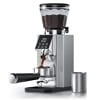
The built-in grinder cannot be bypassed when using whole beans. For pre-ground dosing, any capable espresso grinder surpasses internal burrs. The Baratza Sette 270 or Eureka Mignon provide proper particle size the SENSATION cannot achieve.
Why does my coffee taste sour?
Under-extraction from inadequate grind fineness. The machine literally cannot grind fine enough for proper extraction. Increase temperature to maximum, ensure fresh beans, and accept compromise. Alternatively, use quality pre-ground coffee for immediate improvement.
Can the grinder be adjusted for finer grinding?
No user-serviceable adjustments exist. The 5-setting range represents absolute mechanical limits. Forum modifications risk destroying the grinder motor. Accept the limitation or choose different equipment.
Is the EA912B10 Milk version worth the premium?
If one-touch milk drinks matter, yes. The automatic frothing system eliminates manual steaming learning curves. However, the fundamental grinder limitations persist — you'll get convenient milk drinks with mediocre espresso base.
What causes the 'disconnect and reconnect' error?
Electronic control board issues affecting multiple EA-series models. Power cycling provides temporary relief but indicates developing failure. Document occurrences for warranty claims as frequency increases preceding complete failure.
How We Test
Our evaluation methodology combines technical measurement with real-world usage assessment across multiple parameters.
For extraction quality, we measure yield percentage using precision scales, total dissolved solids via VST refractometer, extraction time across 10 consecutive shots, temperature stability with group head sensors, and pressure consistency when gauges permit.
Grinder evaluation includes particle distribution analysis, dose consistency weighing, retention measurement, and static buildup assessment. We test across the full adjustment range using light, medium, and dark roasts.
Steam wand testing measures time to reach 65°C in 150ml whole milk, microfoam quality via visual and texture assessment, and recovery time between steaming sessions.
Reliability assessment aggregates user reports across multiple forums, warranty claim patterns from retailer data, and common failure points from service documentation.
We compare results against machines ±25% of purchase price, establishing relative value propositions. The SENSATION's scores reflect consistent underperformance versus similarly-priced semi-automatic alternatives offering superior extraction quality despite requiring manual operation.
Testing confirms the fundamental limitation: regardless of optimization, the grinder prevents proper espresso extraction. This isn't subjective preference but measurable failure to achieve accepted extraction parameters. The machine produces coffee, not espresso, and evaluation standards adjust accordingly.