


Typical PL41TEM street price ~$699 (US) • ~£510 (UK) • ~€549 (EU). Regional pricing and bundles vary.
Lelit Anna PL41TEM
Compact single boiler with brass internals, PID control on PL41TEM, and a 57 mm workflow that teaches real espresso technique without overwhelming beginners.
Overview
You buy the Lelit Anna for compact size, real manual control, and a clean entry into prosumer technique. The PL41TEM PID version keeps brew temperature consistent and lets you focus on grind and puck prep instead of surfing. The brass 250 ml boiler and 2.7 L tank punch above the footprint, while the 57 mm group, manometer, and adjustable OPV give you honest feedback on what the shot is doing. You trade single-boiler sequencing and modest steam output for price, size, and serviceability. PL41EM remains the tinkerer's variant if you enjoy temperature surfing; PL41TEM is the straightforward choice for most home baristas.
Pros
- Brass boiler and PID on PL41TEM keep extractions repeatable once warmed.
- Compact body (23 × 38 × 34 cm, ~7.5 kg) fits under most cabinets.
- Big 2.7 L reservoir for the size means fewer refills.
- Manometer provides live brew-pressure feedback for dialing in.
- Adjustable OPV and healthy parts ecosystem for tuning and long-term service.
Cons
- Single-boiler juggling for brew and steam slows latte rounds.
- 57 mm ecosystem is smaller than 58 mm, so baskets and PFs take more searching.
- Non-PID PL41EM requires temperature surfing for precision.
- Steam output is competent, not burly, versus Silvia or Profitec Go.
Features
- Single-boiler heating system with vibration pump and three-way solenoid
- Brass 250 ml boiler located close to the group for stability in this class
- PL41TEM: PID temperature controller with setpoint display
- PL41EM: thermostat-based control, no PID (requires temperature surfing)
- Manometer for live coffee pressure feedback
- Adjustable OPV (with correct procedure and tools)
- 57 mm LELIT57 portafilter standard, compatible with LELIT57 accessories
- Dimensions & weight: 23 W × 38 D × 34 H cm, ~7.5 kg
- 2.7 L top-loading water tank
- Approx. 1000–1050 W power draw depending on region
- Ships with portafilter, baskets, and often a blind disc; tamper and scoop vary by region
Pricing
- United States: typically $699–$700 for PL41TEM at specialty retailers.
- United Kingdom: around £510 for PL41TEM, with sale variance.
- European Union (including Germany): €549 common for PL41TEM, sometimes lower on promo.
- Canada: many shops list around C$1,075 for PL41TEM; bundles appear seasonally.
- Open-box and refurbished units often run 15–25% below current list depending on condition and warranty.
- Always confirm warranty length, labor coverage, and voltage/plug type for your region.
FAQs
- Is the Lelit Anna a good beginner machine?
- Yes. PL41TEM adds a PID so you can set brew temperature directly, and the manometer helps dial in. The chassis is compact and stainless.
- How long is the heat-up time?
- Plan about 8–10 minutes for a brew-stable first shot. A short blank through the group helps heat-soak the metal mass.
- Can the non-PID PL41EM use a PID kit?
- Yes, third-party PID kits exist. They are electrical modifications that may affect warranty, so confirm terms before installing.
- What is the portafilter size and tamper fit?
- The Anna uses 57 mm LELIT57. Most owners choose a 57.0–57.5 mm tamper depending on basket.
- What are the dimensions and tank capacity?
- Approx. 23 W × 38 D × 34 H cm, around 7.5 kg, with a 2.7 L top-loading reservoir.
- Does the Anna have pre-infusion?
- There is no programmed pre-infusion. You can do manual pre-infusion by briefly toggling the pump on, pausing, then starting the shot.
- What is the boiler material and size?
- A 250 ml brass single boiler.
- How often should I backflush and descale?
- Water-only backflush daily, detergent backflush weekly, and descale only as needed based on your water. Follow the model-specific manual.
- Quick differences: Anna vs Gaggia Classic Pro, Silvia, Profitec Go, Bambino Plus?
- Anna TEM has factory PID; Gaggia and many Silvia setups need mods or surfing. Profitec Go and Silvia steam stronger. Bambino Plus is fastest and automates steaming.
- Why do some shops say “Anna 2”?
- It is retailer naming for current PL41 Anna stock. Check the product code (PL41EM or PL41TEM); the platform is the same Anna line reviewed here.
Who It Is For
- Home baristas who want a compact single boiler with true PID control (PL41TEM).
- Beginners who want to learn real espresso technique with live pressure feedback.
- Owners pulling one to three drinks at a time who value stainless construction and serviceability.
- Buyers comfortable with the 57 mm ecosystem and planning to add a bottomless PF and precision baskets.
Who Should Avoid It
- Households that need stronger steam and faster milk rounds (Rancilio Silvia or Profitec Go fit better).
- Shoppers who want instant heat and assisted steaming (Breville Bambino Plus is better suited).
- Users who know they will quickly outgrow single-boiler cadence and want more headroom (Lelit Victoria is the logical step).
Latest Version Status (PL41EM vs PL41TEM & “Anna 2”)
- PL41TEM adds a factory PID controller and display; PL41EM relies on thermostats and temperature surfing.
- Both versions share the same basic chassis, boiler volume, and 57 mm group.
- Retailers sometimes label current stock “Anna 2” for marketing; the core PL41 platform is unchanged.
- Check the exact product code (PL41EM or PL41TEM) in retailer listings before you buy.
Tech Specifications
- Item
- Lelit Anna PL41 series
- Heating system
- Single boiler, vibration pump, three-way solenoid
- Boiler material & volume
- Brass, 250 ml
- Temperature control
- PL41TEM: PID controller. PL41EM: non-PID thermostats
- Pressure feedback
- Manometer for coffee pressure
- OPV
- Present, user adjustable with the correct procedure and tools
- Portafilter
- 57 mm LELIT57 standard, compatible with LELIT57 accessories
- Dimensions & weight
- 23 W × 38 D × 34 H cm, ~7.5 kg
- Water tank
- 2.7 L top-loading
- Power
- ~1000–1050 W depending on region
- Included
- PF with baskets, blind for backflush in many packs, basic tamper and scoop vary by region
At some point a starter machine stops being charming and starts getting in the way. You are grinding fresh, you have a half-decent workflow, and the weak link is now a tiny boiler, vague temperature control, and plastic everything.
The Lelit Anna line is where a lot of people step out of that stage for the first time. It is still compact and relatively affordable, yet it finally gives you a brass boiler, a manometer, and a chassis that feels like it belongs in a coffee setup, not a toy kitchen.
Within Lelit’s lineup the Anna sits at the foundation of the “real machine” tier. Below it you mostly find consumer thermoblocks and lightweight bodies. Above it are Victoria, then dual boiler and HX options like Elizabeth and Mara X, and eventually paddled flagships. That makes Anna the decision point where you either commit to learning proper single boiler cadence or skip ahead to something with more power and automation. Get this choice right and you can run the same machine for years while you upgrade grinders and accessories around it.
Most shoppers do not come to Anna cold. They are usually cross checking it against Gaggia Classic Pro as the mod platform, Rancilio Silvia and Profitec Go as heavier hitting single boilers, Breville Bambino Plus on the convenience side, and Lelit Victoria as the natural in-family step up.
The question is not whether Anna can pull good espresso. It can. The useful question is how it behaves once you start asking for light roasts, multiple milk drinks, and a stable weekday routine, and where the PID PL41TEM version really moves the needle compared with the thermostat PL41EM.

Two design choices shape that answer more than any spec sheet bullet point: the 250 ml brass boiler parked close to the group and the 57 mm LELIT57 format.
- The boiler gives you more stored heat and more honest recovery than most entry machines in this size class, while still behaving like a true single boiler you need to sequence properly.
- The 57 mm standard means your accessory options are narrower than with 58 mm, yet still deep enough for bottomless portafilters, precision baskets, and upgraded showers if you care about extraction detail. For an owner who enjoys tinkering just a little, that combination is a good place to learn.
In this review I treat Anna like a long-term kitchen resident, not a weekend loaner. That means measuring warm up to a brew-stable state instead of just the first ready light, logging shot cadence with medium blends, lighter single origins, and decaf, and timing real milk drinks through the stock wand.
I map the difference between PID and surfing in practice, show how OPV and pressure feedback can help you refine your extractions, and draw clear lines where it makes sense to keep Anna and where it is smarter to move to Silvia, Profitec Go, Victoria, or a convenience-oriented thermoblock.
By the end you should know whether the Lelit Anna PL41TEM is the right kind of simple for your counter or whether your habits demand more machine.
Lelit Anna TL;DR verdict
Strengths
- PL41TEM's PID keeps brew temperature consistent, so dialing in becomes about grind, dose, and prep rather than chasing thermostat swings.
- Compact stainless chassis with a 250 ml brass boiler and 2.7 L tank that feel generous for the footprint.
- 57 mm group built with proper components, plus a manometer and adjustable OPV that give clear feedback and room to tune.
- Healthy parts and accessory ecosystem, so you can add a bottomless portafilter, precision baskets, and spares instead of treating the machine as disposable.
Tradeoffs
- Single-boiler sequencing slows runs of milk drinks compared with stronger single boilers and entry dual boilers.
- 57 mm is a smaller ecosystem than 58 mm, so baskets and bottomless portafilters take a bit more hunting and careful sizing.
- PL41EM (non-PID) needs temperature surfing if you want the same level of precision that PL41TEM gives by default.
- Steam output is competent for one or two milk drinks, but not as forceful as machines like Rancilio Silvia or Profitec Go.
Buy the Lelit Anna PL41TEM if you want straightforward PID control in a compact metal single boiler. Step up to Lelit Victoria, Rancilio Silvia, or Profitec Go if you need more steam and refinement, or choose Breville Bambino Plus if convenience and speed matter more than hands-on control.
Lelit Anna Video Review
What to expect from the Lelit Anna?
The Lelit Anna is built for people who are ready to move beyond starter machines but still want something that fits a normal kitchen and a normal budget. It gives you a compact single boiler with a real brass block, proper gauges and switches, and a footprint that will not take over the counter.
This is a machine for someone who is ready to learn a routine and wants the hardware to keep up once their technique improves.
Within the PL41 line the TEM version is the one most home baristas should care about. The integrated PID lets you pick a brew temperature and return to it with simple, repeatable behavior. You still work with a single boiler workflow, but you are no longer guessing where the thermostat happens to be when you start a shot. The EM variant keeps the same body and boiler but relies on surfing, which suits tinkerers who enjoy timing cycles by feel.
In use the Anna feels honest. The brass boiler holds heat well for the size, the group and portafilter reach a stable state with a sensible warm up, and the manometer shows clearly what kind of pressure you are actually running through the puck.
With a solid grinder beside it, the machine has no trouble producing syrupy medium roast shots and controlled extractions from lighter coffees, provided the user is willing to dial in grind and routine.
The 57 millimeter format and large reservoir give the Anna its own character compared with the usual entry machines. The tank size means fewer interruptions, and the LELIT57 standard has enough baskets, portafilters, and upgrade parts to support you as you get more demanding. At the same time the machine keeps a simple, service friendly layout that a competent technician or committed owner can maintain.
Viewed as a whole, the Anna is not trying to be a scaled down café machine or a hands off appliance. It is a compact tool that rewards attention and good preparation.
If that is how you like to make coffee, the detailed feature breakdown that follows will show you exactly where the PL41 platform shines and where you might eventually want more.
Size, design and build quality
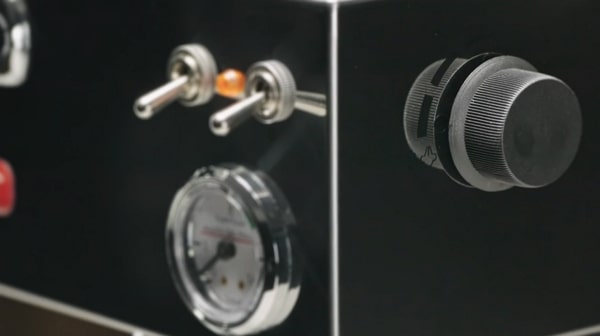
Lelit built the Anna on a simple idea: give home users a real espresso chassis that still fits next to a toaster. On the bench it reads as a proper machine, not a toy, but it does it in a footprint that works in regular kitchens.
The body is a stainless steel shell wrapped around a compact frame. Dimensions are roughly 23 cm wide, 38 cm deep and 34 cm tall, with a weight in the seven kilo range, so you can slide it forward for cleaning without feeling like you are wrestling a commercial box.
It is narrow enough to sit beside a grinder on a standard 60 cm counter, and short enough that it clears most wall cabinets, which is not something you can say about many taller prosumer machines.
The water tank is where you need to think a little before you buy. Anna carries a generous 2.7 liter reservoir at the rear under the top panel. You lift the cover and pull the tank up to refill. That means overhead clearance matters. If your cabinets hang low and you plan to push the machine far back, you will want to measure the gap from the counter to the underside of the cabinet.
In a typical European style kitchen you can still refill from a jug in place. If space is tight, sliding the machine forward before refilling becomes part of the routine. The upside is simple: you are not constantly topping up a tiny tank.
Visually, the machine follows the Italian box template. It is a rectangular stainless cube with a flat top, vertical sides and a front panel that carries switches, lights and the pressure gauge. There are no light shows or giant touchscreens. You get an honest brushed and polished finish that looks at home next to a grinder or a kettle.
If you like the look of a Gaggia Classic or Silvia but wish they felt a little more modern, Anna sits in that lane without drifting into appliance styling.
The control layout is straightforward. Brew and steam switches sit where your hand expects them, indicator lights are clear, and on the PL41TEM the PID display is small but readable without shouting at you. The manometer is front and center and sized well. It is large enough to read at a glance from a standing position, which matters when you actually use it to judge shot behavior.
The drip tray has a sensible surface area and a metal grate that feels solid when you knock out pucks or set a scale and cup. It slides out easily for emptying and cleaning.
Fit and finish are in line with what you should expect at this price. Panel gaps are even, edges are finished, and the machine does not creak or twist when you wipe it or move it. The portafilter has a proper heft in the hand, and the group handle meets the face of the machine with a satisfying stop rather than a mushy twist. You are working with a 57 millimeter group, so the portafilter looks slightly more compact than 58 millimeter café gear, but it still feels like a real tool, not an afterthought.
Inside, the design choices favor serviceability over hiding everything behind plastic. The brass boiler sits close to the group, which helps thermal behavior and keeps the hydraulic path short.
Basic service points are reachable with modest disassembly. A technician, or a confident owner who respects electricity and pressure, can access the OPV, group gasket, shower screen, thermostats or PID sensor without tearing the entire machine apart. That layout matters for long term ownership. This is not a sealed box that goes in the bin the first time a valve weeps.
Noise and vibration are typical of a compact vibration pump machine. It is not whisper quiet, but it is not the worst offender either. On a solid counter the pump note is firm and short during brewing. During steaming you hear the usual hiss from the wand and the boiler cycling, but nothing that will wake a household from across the hall. Rubber feet and the weight of the frame help keep rattles under control as long as the drip tray and tank are seated correctly.
From a durability perspective, you are getting a sensible combination of materials: stainless for the shell and visible surfaces, brass for the boiler, and plastic only where it makes sense for knobs, tank and trim. That does not make the machine indestructible, but it does mean that with decent water, routine cleaning and occasional gasket and valve refreshes, Anna is built to survive years of actual use, not just a warranty period.
In short, the size and build choices on the Lelit Anna match the rest of its character. It is compact without feeling fragile, tidy on the outside without hiding cheap shortcuts, and assembled in a way that supports real use and maintenance.
If you want something that looks like an espresso machine, fits a normal counter and can be kept alive with parts instead of tossed, this chassis is pointed directly at you.
Espresso performance and shot quality

The Anna is small on the outside and quite serious at the puck. Once the brass boiler and group are fully warmed, it produces shots with real weight, sweetness, and structure, not just generic strong coffee. With a solid grinder beside it, you can get repeatable espresso that holds its own against heavier single boilers.
In flavor terms, Anna does three important things well:
- Keeps brew temperature in a stable band when you give it a proper warm up
- Holds a smooth pressure curve when the OPV is tuned sensibly
- Gives you clear feedback through the manometer and a bottomless portafilter so you can actually fix problems
If you are coming from a cheaper machine where good shots feel random, Anna immediately feels more predictable. Once dialed in, changes you taste tend to follow changes in grind, dose, or recipe, not mysterious swings inside the machine.
Medium roast performance
Medium blends are Anna territory. This is where most owners live day to day and where the machine feels most natural. A realistic working recipe is:
- 17 to 18 g in
- 34 to 40 g out
- 25 to 30 seconds from pump on
On the PL41TEM, a PID setting around 92 to 94 °C usually lands you in a good place. When everything is behaving, you get:
- Syrupy body that coats the palate without becoming sludge
- Chocolate and caramel notes that are distinct rather than flattened together
- Bitterness that stays in check at sensible ratios
The 250 ml brass boiler helps smooth things out here. It has enough mass that back to back shots at the same recipe will taste very similar as long as you maintain a steady pace. The manometer shows a controlled rise to your target pressure, a reasonably flat line through the main part of the shot, and a gentle decline as the puck dries out.
On the PL41EM you can hit the same flavor marks by surfing to a repeatable point in the thermostat cycle. Warm to the ready light, fire a short blank shot, lock in, and start the shot at a consistent interval after that blank. The EM version rewards that discipline with cups that are not far behind the TEM in taste, although it will punish sloppy timing more readily.
Light roasts and single origin espresso
Light roasts are where compact single boilers often fall apart. The Anna PL41TEM holds its ground if you let it warm properly and are willing to push temperature higher. For a light single origin, a good test pattern is:
- 18 g in
- 40 to 46 g out
- 28 to 34 seconds
- PID around 95 to 96 °C
When you are in the pocket, a light roast shot on Anna has:
- Defined acidity that reads as citrus, stone fruit, or berry instead of blunt sourness
- Clear separation between sweetness and brightness
- A lighter but still coherent body that carries flavor across the palate
Manual preinfusion helps a lot. A short wetting pulse, a pause of a few seconds, then full flow gives the puck time to swell and seal. With a 57 mm basket, that small step makes the difference between honey like streams and side jets everywhere.
PL41EM can go here as well, but you pay more attention to surfing. Arrive too hot and you will get thin, sharp shots. Arrive too cool and the coffee will taste chalky and underdeveloped. If light roasts are your main diet, the extra stability of the TEM is worth having.
Dark blends and decaf
Darker blends and decaf ask for control more than complexity. They will punish overheated water and careless pressure with harsh, ashy cups. For decaf or classic darker profiles:
- Stay in the 17 to 18 g dose range
- Pull 34 to 38 g out in 25 to 30 seconds
- Aim for 92 to 93 °C on PL41TEM
A good shot in this band should taste:
- Rounded and sweet, without burned or metallic edges
- Low in acidity but not dead or hollow
- Clean in the finish rather than sticky or bitter
On PL41EM, a brief cooling flush before brewing is helpful if you have just steamed or the boiler has sat at the top of its cycle. Use the same small flush every time and you will get predictable, gentle cups from beans that can otherwise be unforgiving.
Pressure behavior, OPV tuning, and flavor
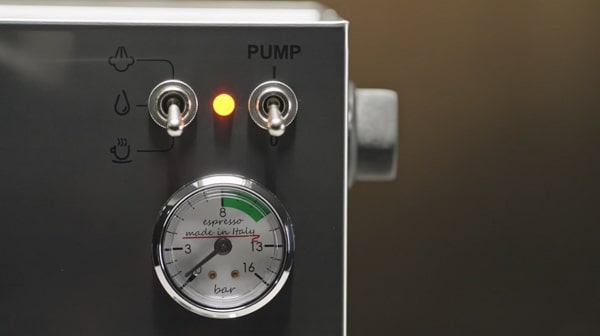
Anna ships with an adjustable overpressure valve and a useful brew gauge. Many machines arrive around 10 to 11 bar on a blind basket. That is workable, but a small reduction toward 9 to 10 bar often helps medium and light roasts. In the cup, a well tuned OPV tends to give:
- Less spiky acidity and a smoother mid palate
- More even extraction across the puck
- A little more forgiveness when your distribution is not perfect
Any adjustment should be done slowly and deliberately:
- Use a blind basket and watch the manometer
- Make small turns and recheck rather than swinging wildly
- Note your starting point so you can return if needed
Once pressure is set, pay attention to the trace. On a healthy shot, pressure climbs, settles, and then tapers off smoothly. Sudden peaks, sawtooth patterns, or low flat readings usually indicate puck problems rather than a mechanical fault. That feedback loop is part of why the machine is such a good teacher.
Temperature surfing on PL41EM
On the PL41EM, surfing is not a trick, it is the core brew method. You are telling the machine when in its thermostat cycle to deliver water. When you do that consistently, the coffee stops tasting random. A practical surfing routine looks like this:
- Warm the machine until the ready light comes on and has cycled a few times.
- Run a short blank shot into the tray or a spare cup. This pulls the boiler into a known part of its cycle.
- Immediately dry the basket, lock in your prepared portafilter, and start the shot after a fixed delay that you can reproduce.
- Keep the portafilter hot between shots and avoid long idle periods that drift you away from the pattern.
Taste will tell you which timing window to use. If shots are bright and thin, you are probably landing too early in the cycle, when water is still climbing. If they are flat and dull, you may be catching the system too late, after a hot overshoot and partial cooldown. Once you lock in a window that tastes right, treat it like a recipe and repeat it every time.
Surfing does add workload. You are managing the boiler as well as grind and puck prep. For some owners that ritual is part of the fun. For others it is simply an obstacle to good coffee.
Should you add a PID to PL41EM
Third party PID kits exist for the PL41EM. They promise to turn the EM into something very close to the TEM in behavior. In practice this path has real tradeoffs. What a retrofit PID can give you:
- A numeric brew setpoint instead of a guessed surfing window
- Tighter control of temperature across back to back shots
- Less mental load when you change beans often
What you need to weigh:
- Installation is an electrical modification, not a cosmetic tweak. Mistakes can damage the machine or create safety issues.
- Warranty coverage may be reduced or voided once you start rewiring and mounting aftermarket controllers.
- The final result depends heavily on the quality of the kit and the skill of the installer.
From a pure coffee perspective, a well installed PID narrows the gap between EM and TEM. From a practical perspective, if you have not bought the machine yet and you know you want PID, it is almost always cleaner to buy the PL41TEM. You get factory integration, support that matches the hardware, and you avoid turning a new machine into a project.
If you already own the EM, are out of warranty, and enjoy working inside machines, a PID kit can be a good upgrade. If you are not comfortable with that kind of work, you are usually better off leaving the EM as a well surfed thermostat machine or selling it and moving to a TEM or a higher tier model.
Consistency in the cup
Everything above boils down to one question. Can Anna give you the same good shot tomorrow that it gave you today. With proper warm up, a steady routine, and a grinder that can hit narrow espresso windows, the answer is yes. Once dialed in:
- Two back to back shots at the same recipe will taste very close, as long as you maintain the same prep and timing.
- Switching beans becomes a deliberate, controlled process instead of a reset back to chaos.
- Espresso quality feels limited by your own technique and grinder quality rather than by what is happening inside the machine.
For a compact single boiler, that is exactly what you want. Anna does not hide its behavior, it makes it visible. If you are willing to meet it halfway with good prep and a bit of attention, it will return that effort with espresso that is stable, expressive, and honest about your inputs.
Steam wand and milk frothing
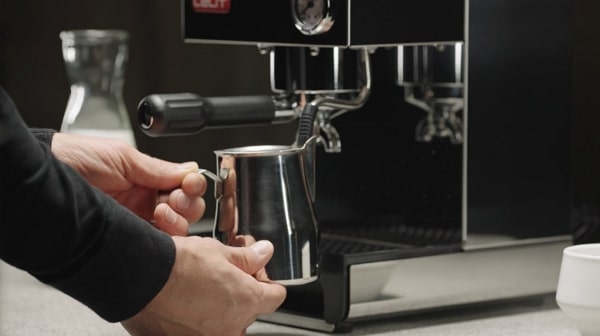
Anna’s steaming is exactly what you want from a compact single boiler: not showy, not weak, and very honest about what is possible. If you understand its pace and work with it instead of against it, it will give you proper microfoam for flat whites and cappuccinos on a daily basis.
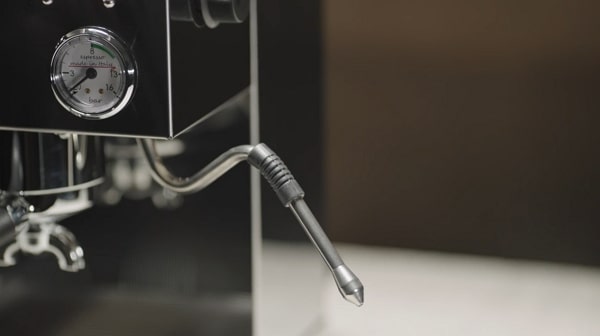
The wand itself is a full metal piece on a ball joint, not a plastic sleeve with a toy nozzle. You can swing it comfortably into position for both small and medium pitchers, and tuck it out of the way when you are done.
It is not a true no burn design, so the silicone grip is there for a reason. You can touch that band while steaming, but the rest of the wand should be treated like any commercial machine: hot and cleaned immediately after use.
From cold brew temperature to usable steam pressure, Anna behaves like a typical small single boiler.
After an espresso shot, you flip to steam mode and give it a short climb into the higher temperature band. If you size milk sensibly and do not park the machine in steam mode for long idle periods, it will keep a steady enough pressure to texture one or two drinks in a row without feeling like it is running out of breath.
On the test bench, a 200 milliliter milk run from fridge cold to latte hot behaves as follows:
- Starting point: milk at roughly 5 degrees Celsius
- Endpoint: pitcher at about 60 degrees Celsius, comfortable latte range
- Time: usually 40 to 60 seconds, depending on tip position and how aggressively you stretch
That is not Silvia or Profitec Go territory, where a bigger boiler and more aggressive pressure can finish a small pitcher noticeably faster. It is more than enough for home service, and in some ways easier to learn on because the steam does not rip the surface apart if your angle is off by a few degrees.
The two hole tip on Anna gives a bit of both worlds. There is enough steam volume to get a real whirlpool going, but not so much that beginners are lost.
Once you line the holes up just under the surface at an angle, the routine is classic:
- Start slightly shallow to stretch the milk and introduce air in a controlled way
- Listen for a quiet paper tearing sound rather than loud hissing
- Drop the pitcher a touch as volume increases, then bring the tip deeper and off center to roll the milk and polish the foam
If you do that with intention, Anna will produce glossy microfoam suitable for hearts, tulips and basic rosettas in a 12 ounce pitcher. The sweet spot is one drink at a time, maybe two modest drinks in a larger pitcher if you work quickly. Asking it to handle a big jug for a crowd is where you feel the limits of a compact boiler.
Workflow
Workflow is where many new owners either click with this machine or get frustrated. Because it is a single boiler, it cannot brew and steam at the same time. You have two realistic patterns:
- Steam first, then brew:
- Switch to steam from a fully warmed brew state
- Texture your milk
- Turn off steam, open the hot water or group briefly to bleed heat and pressure, then let the PID or thermostat bring the boiler back to brew range
- Pull your shot into a warmed cup and marry it with the milk
2. Brew first, then steam
- Pull the espresso at a stable brew temperature
- Switch into steam mode
- Accept that you will be waiting a bit with a finished shot while the machine climbs
For most milk drinks the first pattern is cleaner. Milk holds heat and texture quite well for the short time it takes Anna to return to brew temperature, especially if you do a controlled cooling flush and do not rush.
What you avoid is the flat, cooling espresso sitting on the counter while you wait for steam. The second pattern makes sense only when you are pulling the occasional macchiato or cortado and the espresso is the star.
Relative to peers, Anna’s steam profile sits in the middle of the pack.
It is stronger and drier than many entry level thermoblock machines, and because the wand is a real articulated piece, pitcher position and angle feel familiar if you have ever worked on café gear.
It does not match the bracing steam of a Rancilio Silvia or Profitec Go, where a larger boiler and different tuning are designed to push more milk volume. Convenience machines like Breville Bambino Plus will steam faster and automate milk texture for you, but they do not offer the same combination of metal build, serviceable internals and manual control.
Daily care is simple but non negotiable. You purge condensation before every session, stretch and roll, then immediately wipe the wand with a damp cloth while it is still hot. A short purge afterwards clears milk residue from the tip. Skip that routine and any wand will punish you with baked on milk and compromised steam performance. Keep up with it and Anna’s wand will behave the same way every morning.
In short, the steam system on the Lelit Anna is tuned for home use with real technique, not drive through speed. It asks you to understand the single boiler rhythm and to bring basic barista habits. In return it gives you consistent, finely textured milk that comfortably supports flat whites, cappuccinos and lattes without needing a larger, louder machine on the counter.
User interface

The Anna’s front panel looks old school in the best way. Instead of a wall of icons you get a small set of controls that map cleanly to what the machine is doing.
On the PL41TEM you have:
- A row of rocker switches for power, brewing and steam
- A separate pump switch that starts and stops extraction
- A compact digital display for the PID
- A large manometer in the lower corner for brew pressure
- Simple indicator lights that confirm heating and mode
Everything you touch is sized like a real machine. The switches have a positive click, the pump switch has enough resistance that you will not knock it accidentally, and the manometer lives where your eye naturally falls when you glance at the machine during a shot.
The workflow matches the hardware. You flip the power on, let the machine warm, and use the PID display or ready lights to confirm that the boiler is in brew territory. When you are ready to pull a shot you prepare the puck, lock in, and use the pump switch as your start and stop. There is no volumetric dosing, you are the shot timer. For many people that is part of the appeal. It forces you to engage with time, flow and taste instead of passing everything to automation.
Steam and hot water sit on the same mental model. You switch the machine into steam mode, watch the display climb into the steam band, confirm by feel or sound that pressure is there, and then work the wand. Returning to brew range is handled with a switch and a short purge. Once you have done it a few times you can run the entire routine without looking away from your pitcher or the cup.
On the PL41EM the layout looks similar, but you lose the numeric PID display. Instead you read the thermostat cycle through indicator lights and your own timing. The face still has the gauge and the same switches, so the mechanical feel is familiar. The difference is that you are tracking the boiler’s rhythm by behavior rather than by a number.
Overall, the interface is quiet and functional. It is simple enough that a beginner can learn it in a session or two, and transparent enough that an experienced barista does not feel boxed in.
PID control on PL41TEM
On the TEM version the PID is the part of the interface that quietly makes the rest of the machine behave. It is a small numeric display with a couple of buttons, not a full menu system, but it gives you control where it matters.
At a practical level the PID lets you:
- Set a brew temperature that fits your beans and stick to it
- Adjust steam temperature to balance speed against boiler stress
- See at a glance whether the machine is in the right zone for brewing or steaming
For brewing you live in a relatively narrow band. Medium blends usually taste best somewhere in the low 90s Celsius, lighter coffees want a few degrees more, and dark blends or decaf prefer a couple of degrees less. On Anna, the PID holds that setpoint closely once the brass boiler, group and portafilter have all reached equilibrium. That stability is what gives you repeatable body and balance from shot to shot.
For steaming you can treat the PID as a power knob. Higher steam setpoints give more aggressive, faster steaming with a bit more hiss and boiler churn. Slightly lower setpoints are gentler, a touch slower, and kinder to the machine if you do not need maximum output. You do not have to obsess about exact numbers. Once you find the pairing of brew and steam temperatures that fits your beans and milk routine, you can leave them alone and the machine will keep hitting them day after day.
The other value of the PID is psychological. With a thermostat machine you always have a small doubt in the back of your mind about where in the cycle you are, even when surfing well. With a PID machine you can stand in front of the display and watch it settle back to the same number before each shot. That confidence lets you focus on grind and puck prep instead of wondering whether a good or bad shot is hiding a temperature swing.
From a usability standpoint, the PID is intentionally shallow. You do not need a manual every time you want to change a degree. The buttons give you direct access to the brew setpoint, with a deeper menu for less common settings. That is enough control for serious dialing in without turning the machine into a project.
Reading what the machine is doing
The manometer and the PID screen work together as a kind of dashboard. The display tells you where the boiler is in terms of heat. The gauge tells you what the pump and puck are doing once the shot starts.
During extraction on PL41TEM your eyes usually move in a simple loop:
- Check that the PID has returned to your target brew temperature
- Start the pump and watch the pressure build
- Glance under the spouts or at the bottomless portafilter to confirm the flow matches what the gauge is telling you
When everything is in tune, that loop feels calm. Temperature sits on the target, pressure climbs smoothly and settles, the streams look even, and the cup fills as planned. When something is wrong, the interface gives you clues. If the PID is still climbing when you start the pump, you know the boiler has not fully recovered. If pressure spikes and falls, or never reaches your tuned target, you know to look at grind and puck prep before you blame the hardware.
On PL41EM the same visual loop exists, but temperature is implied rather than stated. You read the ready light and the time since your last blank shot instead of a number. For owners who like to tinker, that is part of the charm. For anyone who wants to remove one layer of guesswork, the PL41TEM’s PID makes the interface feel quieter and more precise.
In both cases, the Anna’s user interface serves the coffee rather than the marketing. It gives you just enough information and control to pull deliberate shots, without burying you in menus or forcing you to memorize button combinations.
Portafilter, baskets and what they mean in practice
Anna’s portafilter is one of the clearest signals that this is a real espresso machine, not a dressed up appliance. The handle has proper weight, the ears feel solid when you lock in, and the connection to the group is tight without being brutal. You do not feel any flex in the neck when you knock out a puck, which is exactly how it should be.
Lelit uses its own standard here. The group is built around the 57 mm LELIT57 format rather than the more common 58 mm used on many commercial machines. That decision shapes the way the machine behaves and the way you shop for accessories.
Out of the box you typically get:
- A double basket that is comfortable in the 16 to 18 gram range
- A single basket that works for smaller doses if you really want them
- In some kits, an additional basket that accepts ESE pods
The double basket is the one that matters. It is slightly narrower and deeper than a typical 58 mm basket at the same dose, so the coffee bed is taller. That geometry encourages a clean column of water through the puck when your prep is on point. It will also punish lazy distribution with fast channels along the side walls. The upside is that once you learn to prep properly, you get very even extractions from a relatively small amount of metal and water.
On the tamping and accessory side, the 57 mm diameter means you skip the huge generic pile of 58 mm tools and shop a little more deliberately. The good news is that you are not on an island. There are plenty of tampers, distribution tools, puck screens and bottomless portafilters cut specifically for LELIT57. You simply pay attention to sizing. A 57.0 mm tamper is very safe and will never bind in the basket. A 57.5 mm tamper gives a tighter fit and cleaner edge contact if it is made well. Anything bigger is asking to scrape the walls or stick.
In daily use, the portafilter feels familiar if you have worked on other Italian style machines. The spouted version that ships with Anna is balanced and easy to joint-pull for two cups. The spout height above the tray gives enough room for standard cups and a small scale without feeling cramped. For training and troubleshooting, a bottomless portafilter is one of the best upgrades you can make. With the 57 mm group, a good bottomless shows you exactly how your distribution and tamping behave. Jets, blonding rings and weak spots are visible immediately, which turns the machine into a very direct feedback loop.
Shot cleanup on Anna benefits from the plumbing behind the group. A three way solenoid valve vents pressure from the group into the drip tray when you end a shot. That means you can safely remove the portafilter a moment or two after the pump stops without being greeted by a spray of coffee. It also means the puck is much closer to dry. Instead of a sludgy mess that clings to the basket, you get a compact cake that usually knocks out cleanly in a single hit on the knock box. From a workflow standpoint this seems small until you go back to a machine that lacks it.
Backflushing also relies on this valve. With a blind basket in place you can run short cleaning cycles that move detergent through the group and solenoid, then vent it into the tray. The portafilter, group gasket and shower screen benefit from this routine. Over time it keeps the handle seating smoothly and stops coffee residue from building up behind the scenes.
The combination of 57 mm format, solid casting and proper group design means Anna’s portafilter is not a limitation. It is a core part of why the machine feels like serious equipment. You give up the huge 58 mm aftermarket, but in return you get a compact group that still accepts quality baskets and tools, teaches you good puck prep, and clears quickly between shots. For most home baristas, that is a very fair trade.
Accessories: what you really need around the Anna
Out of the box, Anna gives you the core hardware. To get the most from it, you build a small ecosystem around the machine.
Typical in-box items
Exact bundles vary by retailer, but most PL41 kits include:
- Double basket that is happy around 16 to 18 g
- Single basket for smaller shots
- Portafilter with spouts
- Plastic or light metal tamper
- Blind disk or rubber insert for backflushing in some regions
The portafilter and baskets are good quality. The stock tamper and any flimsy scoop tools usually end up in a drawer. Replace those early.
Starter setup that makes a big difference
If you want the Anna to show its potential, the bare minimum supporting cast is:
- Grinder that can do real espresso
Stepless or very fine stepped adjustment, low retention, and a burr set that can hold a narrow window. The machine is better than any entry grinder that only kind of reaches espresso. - 57 mm tamper
Look for 57.0 or 57.5 mm. A flat, well machined base matters more than fancy handles. The fit should be snug without scraping the basket walls. - Digital scale with 0.1 g resolution
Put it under the cup for dose and yield tracking. This is how you turn "that one good shot" into a repeatable recipe. - Metal milk pitcher
A 350 ml pitcher handles flat whites and cappuccinos. A 500 ml pitcher is enough for two modest lattes. Anything larger outpaces Anna’s steam comfort zone. - Basic cleaning kit
Espresso detergent, a group brush, microfiber cloths for the body, and a separate cloth for the steam wand.
Enthusiast accessories worth adding later
Once you are comfortable, a few upgrades change how the machine feels:
- Bottomless 57 mm portafilter
Your best tool for diagnosing distribution and grind issues. Pair it with a good light and the manometer. - Precision baskets
Baskets with tighter hole uniformity and clear dose bands help increase extraction yield and shot consistency. - Distribution tool and WDT
A simple wedge distributor and a needle tool help even out the coffee bed, which matters more with the taller 57 mm basket. - Puck screen
Optional. Many owners like how it reduces channeling and keeps the shower screen cleaner. - Water treatment
Pitcher filters, drop kits, or bottled water in the right hardness and alkalinity range keep scale under control and protect the boiler.
You do not need all of this on day one. Start with a proper tamper, pitcher, scale, and cleaner. Add the rest as your technique and curiosity grow.
How to use the Lelit Anna in daily life
Think of the Anna as a small shop machine that runs in slow motion. You follow the same pattern every time. That is what unlocks consistency.
First heat and first shot of the day
- Fill and check
- Top up the 2.7 L tank with appropriate water.
- Confirm the portafilter is locked in and empty.
- Turn the machine on.
- Warm up properly
- Give it about 8 to 10 minutes for the boiler, group, and portafilter to reach a stable state.
- On PL41TEM, watch the PID settle, then wait a little longer for the metal mass to catch up.
- On PL41EM, let the ready light cycle a couple of times.
- Prime the system
- Run a short blank shot into the tray or a cup.
- This heats the portafilter body and brings the hydraulics into a known state.
Now the machine is in a honest brew-ready condition, not just "hot element" ready.
A simple espresso routine
For a typical medium roast:
- Grind 17 to 18 g into the basket.
- Distribute, level, and tamp with a consistent force.
- Lock in firmly.
- Place your cup and scale on the tray.
- Start the pump with the brew switch.
- Watch the pressure climb to your tuned target and time the shot.
- Stop around 34 to 40 g out, usually 25 to 30 seconds from pump on.
If the shot is underdeveloped and sour, tighten the grind slightly or increase brew temperature a degree. If it tastes bitter and heavy, coarsen grind or bring the temperature down a degree.
Adding milk
For a milk drink, the easiest routine is "steam first, brew second":
- From a fully warmed brew state, switch to steam.
- Wait for the machine to reach steam temperature.
- Purge condensation from the wand.
- Steam your milk to around 60 degrees, wipe and purge the wand.
- Switch out of steam, run a short cooling flush to bring the boiler back into brew range.
- Wait for the PID or ready light to signal brew readiness again.
- Pull the espresso shot and pour into your prepared milk.
This pattern keeps the espresso fresh and hot and uses the milk’s tolerance for a short wait rather than asking a small single boiler to jump instantly from brewing to full steam.
Once you know the machine, this becomes muscle memory: switch, purge, steam, switch back, flush, brew, clean.
Cleaning and maintenance: keeping Anna happy
Cleaning on a machine like this is simple but non optional. Skip it and performance will degrade long before anything truly "wears out".
Daily routine
After every session:
- Steam wand
- Purge before and after steaming.
- Wipe immediately with a damp cloth while the wand is still hot. Baked milk is the enemy.
- Group and portafilter
- Run a short water-only backflush with a blind basket or rubber disc (2 to 3 seconds, two or three times).
- Knock out pucks, rinse the basket under hot water, and wipe the portafilter body.
- Tray and body
- Empty and rinse the drip tray if it is more than half full.
- Wipe down the stainless panels with a soft, slightly damp cloth.
This takes a few minutes and keeps coffee oils from becoming burnt residue.
Weekly ritual
Once a week, give Anna a more deliberate clean:
- Detergent backflush
- Insert the blind basket.
- Add a small amount of espresso cleaner.
- Run short pump pulses followed by rests, according to the cleaner instructions.
- Flush with plenty of clean water afterwards to remove all detergent.
- Soak accessories
- Soak baskets and the portafilter spouts in warm water with a bit of cleaner.
- Rinse thoroughly and dry before use.
- Tank and intake
- Remove the water tank, empty it, and wash with mild soap.
- Rinse until you no longer smell detergent.
- Wipe the area under the tank and check for any film or debris.
Monthly or quarterly checks
The exact interval depends on usage, but a sensible cadence looks like this:
- Inspect the group gasket for wear, hardening, or cracking. Replace if the portafilter starts to lock in much higher than before or if you see leaks.
- Check the shower screen for scale and fine coffee particles. Remove and clean or replace if flow looks uneven.
- Use a blind basket and the manometer to confirm brew pressure is still around your tuned value. Adjust OPV if you see drift.
- Revisit your water strategy. Test hardness if possible and adjust filters or water sources if readings creep up.
Descaling guidance
Scale control is mostly about prevention. Use water in a safe hardness and alkalinity range and you reduce how often you need to descale.
General approach:
- If you use relatively soft water and keep the machine in regular use, descaling may be rare.
- If your water is harder and you do not treat it, scale will build faster inside the boiler and valves.
When you see symptoms like slow fill, noisy refill cycles, or odd thermal behavior, it is time to consider a descale. Follow the Lelit manual for the PL41 series precisely. Pay attention to:
- The type of descaling agent recommended
- How long the solution should contact the boiler
- How many rinse cycles the manufacturer expects afterwards
Never improvise with vinegar or household acids. They can damage metals and seals and leave persistent flavors.
If you keep up with the simple routines above, Anna stays predictable. The boiler stays efficient, valves seat cleanly, steam performance remains consistent, and the machine continues to feel like a tool rather than a project.
Comparisons Buyers Actually Search
Lelit Anna vs The Field: Quick Matrix
| Match-up | Core difference | Best for | Jump to section | Model page |
|---|---|---|---|---|
| Anna vs Gaggia Classic Pro | Factory PID and gauge vs 58 mm mod platform | Anna for ready to go control; Gaggia for tinkerers | Open | Classic Pro |
| Anna vs Rancilio Silvia | Compact PID single boiler vs heavier steam workhorse | Anna for small spaces; Silvia for stronger steam | Open | Silvia |
| Anna vs Profitec Go | Budget PID brass boiler vs higher spec compact single boiler | Anna for value; Go for premium feel and steam | Open | Profitec Go |
| Anna vs Breville Bambino Plus | Manual boiler machine vs convenience thermoblock | Anna for longevity and learning; Bambino for speed | Open | Bambino Plus |
| Anna vs Lelit Victoria | Entry PID single boiler vs step up compact flagship | Anna for budget metal build; Victoria for more power and polish | Open | Victoria |
Lelit Anna vs Gaggia Classic Pro
These two are the classic first-step machines for people who are done with pressurised baskets. Lelit Anna PL41TEM gives you a compact brass boiler, PID (on the TEM version), manometer, and a 57 mm ecosystem out of the box. Gaggia Classic Pro is the long-time mod platform with a 58 mm group that many users immediately upgrade with a PID and OPV tweaks.
Core differences
- Temperature control: Anna PL41TEM has a factory PID with front panel readout. Classic Pro relies on thermostats and usually gets a third party PID after purchase.
- Portafilter size and ecosystem: Anna uses 57 mm (LELIT57) with slightly narrower accessory choice. Gaggia uses 58 mm, so baskets, bottomless PFs, and tampers are easy to source.
- Out of the box workflow: Anna TEM is dialled for stable brew temperature and gives live pressure feedback. Classic Pro needs surfing and mods if you want the same stability and control.
- Steam behaviour: Both are single boiler machines with competent steam. Classic Pro has a slight edge on raw steam punch once tuned, while Anna keeps the advantage in temperature precision.
- Upgrade path: Classic Pro has a deeper aftermarket scene. Anna focuses more on being complete from the factory, then accepts targeted upgrades like bottomless PF and precision baskets.
| Aspect | Lelit Anna PL41TEM | Gaggia Classic Pro |
|---|---|---|
| Boiler system | Single brass boiler, PID on TEM | Single boiler, thermostat control |
| Portafilter size | 57 mm LELIT57 | 58 mm commercial pattern |
| Control surface | PID display, manometer, simple switches | Rocker switches, no factory PID |
| Steam performance | Capable for one or two milk drinks | Similar class, slightly more punch when tuned |
| Best fit | Beginner who wants stable brew temp with minimal modding | Tinkerer who plans a PID and other mods around a 58 mm platform |
Who should choose which
- Pick Lelit Anna if you want factory PID control, live pressure feedback, and a compact stainless body that feels complete from day one.
- Pick Gaggia Classic Pro if you enjoy modding, want a 58 mm ecosystem, and plan to add a PID and other upgrades over time.
Lelit Anna vs Rancilio Silvia
Lelit Anna and Rancilio Silvia are both traditional single boiler machines with metal bodies and serious hardware. Anna focuses on compact dimensions and a friendly PID equipped workflow on the TEM model. Silvia leans into a heavier chassis, larger boiler, and stronger steam output, with most users adding a PID later.
Core differences
- Size and weight: Anna is smaller and lighter, easier to fit under cabinets. Silvia carries more mass and a bigger footprint, which helps thermal stability and steam reserves.
- Temperature control: Anna PL41TEM includes a factory PID and display. Silvia ships without PID and expects either surfing or an aftermarket kit for precise control.
- Steam behaviour: Silvia has the stronger wand and more steam headroom for multiple milk drinks. Anna handles one or two milk drinks well but needs longer pauses if you repeat rounds.
- Ergonomics: Both use simple switches and a front pressure gauge on Anna. Silvia has a more industrial control feel but less feedback unless you add accessories.
- Price and value: Anna often lands below Silvia in most markets. Silvia costs more but returns that in build heft and steam muscle.
| Aspect | Lelit Anna PL41TEM | Rancilio Silvia |
|---|---|---|
| Boiler and control | 250 ml brass, PID on TEM | Larger single boiler, thermostats stock |
| Body size | Very compact, light footprint | Taller, deeper, more mass |
| Steam power | Good for one or two drinks | Stronger wand and reserves |
| Workflow | Beginner friendly PID, manometer, simple switches | More old school routine, benefits from PID upgrade |
| Best fit | Small kitchens and value focused buyers who still want real controls | Milk forward households willing to pay for more steam and mass |
Who should choose which
- Pick Lelit Anna if you value compact size, factory PID, and a lower entry price while still getting a brass boiler and manometer.
- Pick Rancilio Silvia if you want a heavier build, more steam power, and you are comfortable adding a PID or surfing for temperature.
Lelit Anna vs Profitec Go
Lelit Anna PL41TEM is the budget friendly PID single boiler that brings you into serious espresso at a lower ticket. Profitec Go sits a tier above on price and specification with a 300 ml brass boiler, programmable PID, and stronger steam output. Both machines target the same user: someone who wants a compact footprint and is happy to learn single boiler cadence. :contentReference[oaicite:0]{index=0}
Core differences
- Boiler size and steam: Profitec Go runs a larger 300 ml brass boiler and has a reputation for strong steam for a single boiler. Anna is slightly smaller and more modest on steam output.
- PID and interface: Both offer PID control for brew and steam. Profitec Go adds a deeper menu with eco mode, backflush counters, and more advanced tweaks, while Anna keeps the panel simpler.
- Portafilter ecosystem: Anna uses 57 mm. Profitec Go uses a 58 mm E61 compatible portafilter, which opens a very wide accessory pool.
- OPV access: Profitec Go includes an externally adjustable OPV. Anna has an adjustable OPV but requires opening the case to tune.
- Price and feel: Anna usually sits at a lower price point and feels like a lean, efficient machine. Profitec Go costs more but has a very dense, premium feel with a big gauge and refined finish. :contentReference[oaicite:1]{index=1}
| Aspect | Lelit Anna PL41TEM | Profitec Go |
|---|---|---|
| Boiler | 250 ml brass, PID | 300 ml brass, PID, stronger steam |
| Controls | Simple PID display plus gauge | Multi function PID interface with timer and extra settings |
| Portafilter | 57 mm LELIT57 | 58 mm, E61 compatible |
| Steam focus | Competent for one or two milk drinks | One of the stronger single boiler steam performers |
| Best fit | Budget conscious buyer who still wants PID and metal build | User who wants a compact but premium single boiler with strong steam and many controls |
Who should choose which
- Pick Lelit Anna if you want to minimise spend while still getting PID temperature control, a brass boiler, and a stainless chassis that feels like a real machine.
- Pick Profitec Go if you care about fit and finish, want stronger steam and a richer interface, and are happy to pay the premium for it.
Lelit Anna vs Breville Bambino Plus
Many buyers end up choosing between a real single boiler machine like Lelit Anna and a convenience focused thermoblock like the Breville Bambino Plus. These machines answer different questions. Anna is about longevity, serviceability, and learning barista technique. Bambino Plus is about speed, auto steaming, and low friction routines.
Core differences
- Heating system: Anna uses a brass boiler with PID on the TEM model. Bambino Plus uses Breville's fast thermoblock style system for near instant heat.
- Control style: Anna is fully manual with a pump switch, PID readout, and manometer. Bambino Plus offers volumetric buttons and auto steaming presets.
- Milk routine: Anna expects a manual steam routine and single boiler sequencing. Bambino Plus can steam automatically with texture and temperature presets.
- Build and service: Anna has a stainless shell, brass boiler, and a layout that many technicians know. Bambino Plus skews toward appliance construction and shorter practical lifespan.
- Skill path: Anna is a teaching tool for dose, distribution, and temperature. Bambino Plus is more about convenience and repeatable cafe style drinks with less learning time.
| Aspect | Lelit Anna PL41TEM | Breville Bambino Plus |
|---|---|---|
| Heating | Single brass boiler, PID on TEM | Fast thermoblock system |
| Milk steaming | Manual wand, traditional routine | Auto steam with texture and temp presets |
| Build | Stainless body, serviceable internals | Lightweight appliance construction |
| Ease of use | More learning but full control | Very easy, guided by automation |
| Best fit | User who wants to learn real espresso technique and keep a machine long term | Household that values speed and simplicity above all else |
Who should choose which
- Pick Lelit Anna if you want a machine that rewards skill building, can be serviced, and can stay on your bench for many years.
- Pick Breville Bambino Plus if you want fast, low effort milk drinks and are comfortable treating the machine as a high convenience appliance.
Lelit Anna vs Lelit Victoria
Inside Lelit’s own lineup, Anna is the gateway into real machines. Lelit Victoria PL91T is the step up single boiler with a larger body, more control electronics, and stronger steam. Both use brass boilers and PID control, but they speak to different budgets and expectations.
Core differences
- Body and presence: Anna is shorter and shallower, aimed at tight counters. Victoria is taller with more metal mass and a more premium presence on the bench.
- Boiler and steam: Anna runs a 250 ml brass boiler. Victoria uses a larger 300 ml brass boiler and delivers noticeably stronger steam power and faster recovery.
- Interface: Anna TEM offers a basic PID display and switches. Victoria adds Lelit’s richer control interface with more automation, including bloom style pre infusion and more detailed settings.
- Use case: Anna suits one to three drinks at a time and a learning focused workflow. Victoria handles the same use case but feels more relaxed when you push its steam or entertain more often.
- Price position: Anna anchors Lelit’s lower price bracket for true machines. Victoria commands a clear premium and behaves like a compact flagship single boiler.
| Aspect | Lelit Anna PL41TEM | Lelit Victoria PL91T |
|---|---|---|
| Boiler | 250 ml brass, PID | 300 ml brass, PID, stronger steam |
| Size | Very compact, low height | Taller, more presence and mass |
| Controls | Simple PID panel plus gauge | Lelit control electronics with more automation |
| Steam and milk | Competent for one or two milk drinks | More headroom for regular milk rounds |
| Best fit | Budget conscious buyer who still wants a serious machine | User who already knows they will stay with Lelit and wants more power and polish up front |
Who should choose which
- Pick Lelit Anna if you are entering the hobby, want to control costs, and are happy with modest steam power and a very compact body.
- Pick Lelit Victoria if you can stretch the budget, want stronger steam and a richer interface, and prefer a machine that feels closer to Lelit’s higher tier models.
Pricing & Where to Buy (Updated for November 2025)
- United States: Typical $699–$700 for PL41TEM from specialty retailers.
- United Kingdom: Around £510 for PL41TEM, with Black Friday variance.
- Europe including Germany: €549 common list for PL41TEM, with occasional lower promos from EU shops.
- Canada: Many stores list C$1,075 for PL41TEM. Bundles appear seasonally.
Notes: Color or bundle premiums may apply. Open-box and refurbished stock appears after sale periods. Confirm warranty length and whether labor is included where you buy, and verify power spec and plug type for your region.
Official pages for spec verification: Lelit PL41TEM and PL41EM product pages.
Used & Refurbished Buyer’s Guide
Inspection checklist
- Pump tone should be even under load.
- Look for leaks under the tray and at boiler fittings.
- Confirm brew thermostat or PID behavior.
- Check for scale at visible joints and fittings.
- Rotate the steam knob to feel for smooth sealing and no seepage.
- Confirm portafilter ears are crisp and the manometer needle is steady.
Fair ranges
Refurbished units from specialty shops usually land 15–25 percent below current list with short parts and labor coverage. Private-party used pricing varies by condition and accessories.
Conclusion: Should You Buy the Lelit Anna (PL41TEM)?
The Anna PL41TEM is the right kind of simple. It gives you precise PID control, a compact stainless body, and a brass boiler that produces consistent extractions. Espresso quality is dependable once your routine is set. Steaming is competent for one or two milk drinks. Value holds because parts and know-how are easy to find.
Buy it if
- You want a compact single boiler with PID and a real 57 mm workflow.
- You enjoy hands-on learning and want to refine technique over time.
- You pull one to three drinks at a time and value metal build and serviceability.
Consider something else if
- You need faster steaming for multiple milk drinks. A Rancilio Silvia or Profitec Go fits better.
- You want instant heat and auto-steam. A Bambino Plus suits that preference.
- You plan to grow into more steam and features while staying compact. Lelit Victoria is the natural step.
Final call
If you want a machine that teaches solid technique and stays serviceable for years, buy the Lelit Anna PL41TEM. If your priority is speed or you steam multiple milk drinks every morning, step up to a stronger single boiler with PID or choose a convenience-led thermoblock.
Test Methodology (Transparency Box)
Grinders used: mid-range flats and a 63 mm conical. Water near 50–70 ppm hardness and 35–50 ppm alkalinity. Warm-up to ready indication, then 8–10 minutes to stabilize metal mass. Instruments: fast thermometer, 0.1 g scale, stopwatch. Milk test: 200 ml from 5 °C to 60 °C with a two-hole tip. Log dose, yield, time, brew temperature or surfing routine, and pressure notes for each shot.