
For the endlessly curious.
There’s a world
in your cup.
Follow coffee through empires, forests and the science of your morning ritual.
25 stories and guides. One curious world.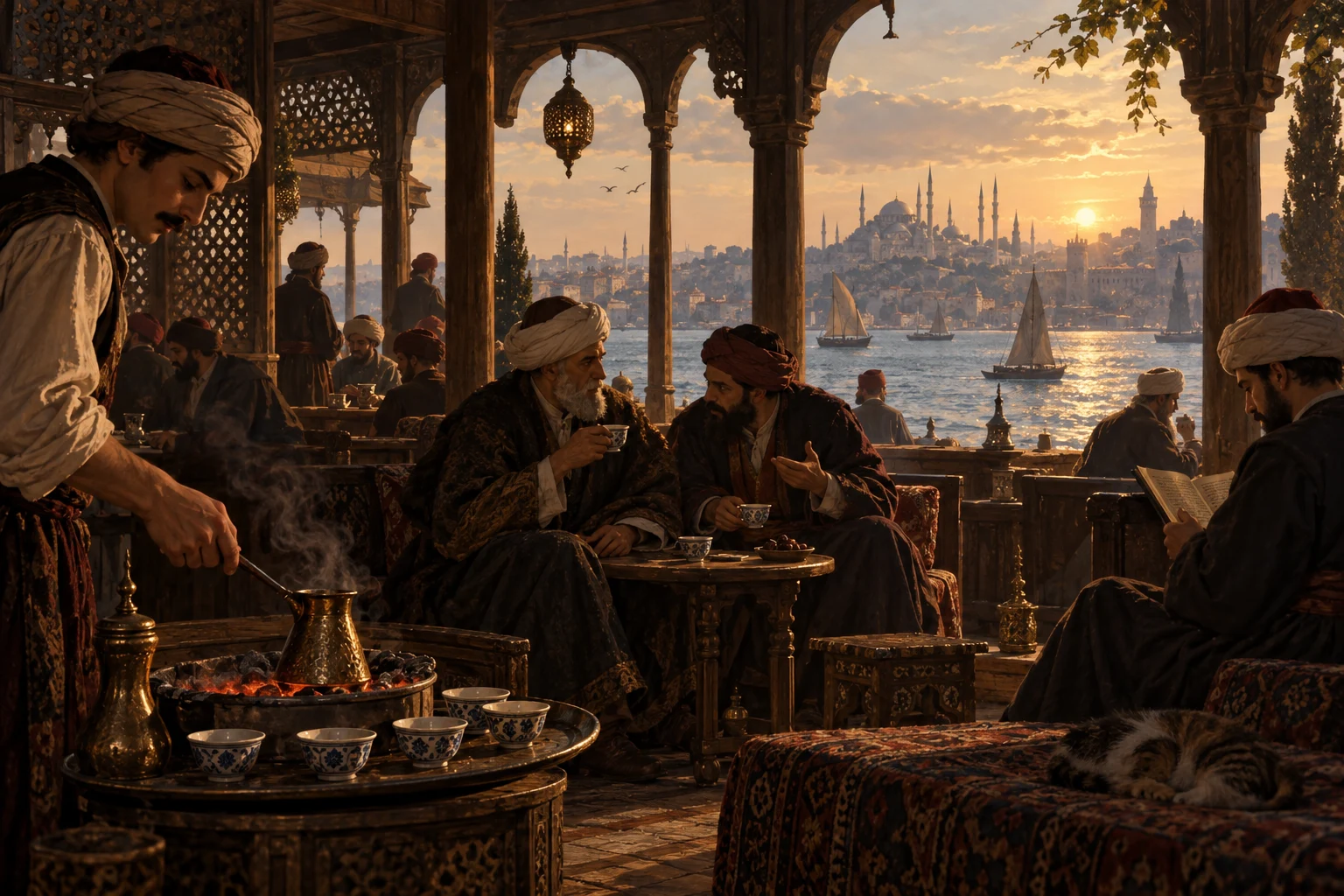 The opening story / HistoryThe city that
learned to gather.Istanbul, c. 1554–55. A drink becomes a place.Enter the story ↗01 / 25
Showing all 25 stories and guides
011554–55: the coffeehouses that changed Istanbul
Two merchants, a disputed date and the Red Sea networks behind a new kind of public room.
 02
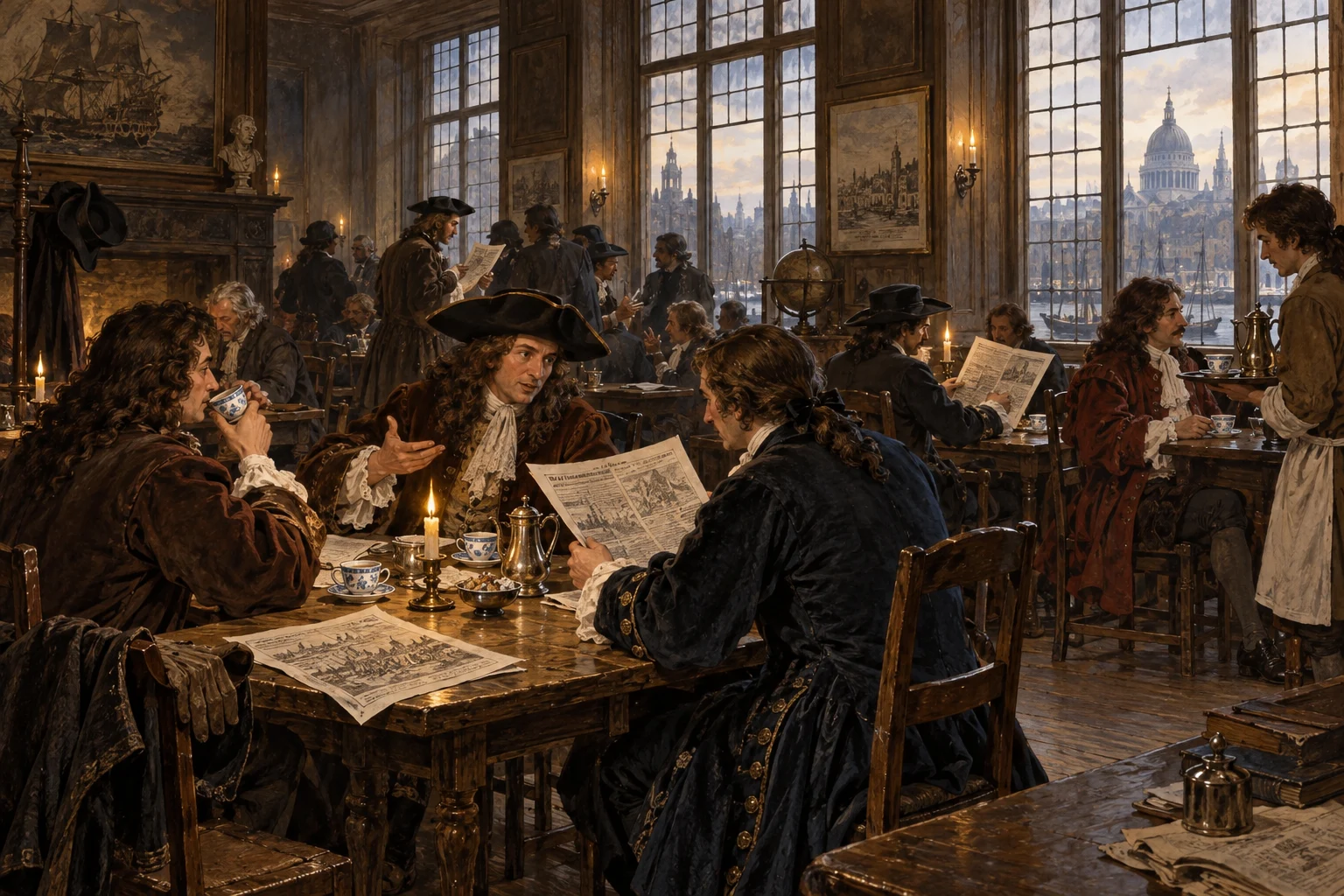
02The room where coffee became public
From Ottoman gathering places to London's printed news, the coffeehouse became a place where information acquired company.
 03
03When the coffee plant became an empire
Behind the familiar names Java and Bourbon lies a history of plant movement, agricultural knowledge and coercion.
 04
04The animal inside coffee’s most unforgettable story
Kopi luwak turned an unlikely production method into a global talking point. Its next chapter should begin with evidence about the beans—and the animals.
 05
05Robusta’s second act has a water problem
A neglected species is gaining attention, breeding investment and export volume. The exciting story becomes more useful when we stop calling it climate-proof.
 06
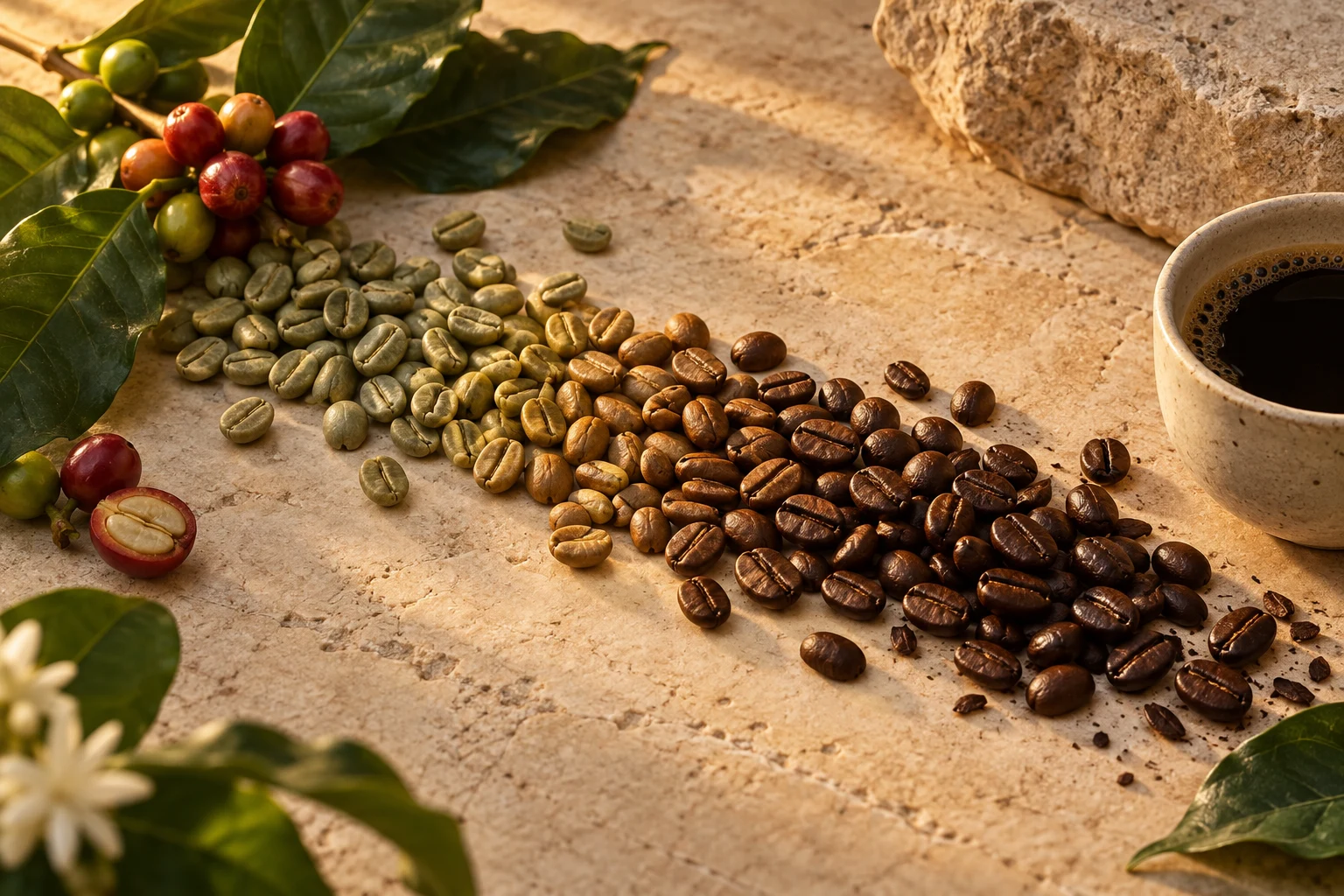
06Decaf deserves a place at the tasting table
The more interesting decaf story is about identity, choice and a clearer explanation of processing—not miracle growth rates or solvent scares.
 07
07When coffee tastes like strawberry, what happened?
Anaerobic, inoculated, co-fermented, infused: the exciting new vocabulary of coffee works best when the method is as clear as the flavour.
 08
08A dark roast. A sweeter Americano.
Dial in the espresso first. Then use water to reveal its aroma, rather than asking a long extraction to fill the cup.
 09
09The ingredient you cannot see.
Hardness, alkalinity and the reason a bottle labelled “pure” is not a complete brewing specification.
 10
10Your coffee has more than one clock.
Resting, degassing and staling are different processes. Learn which clock you are actually trying to manage.
 11
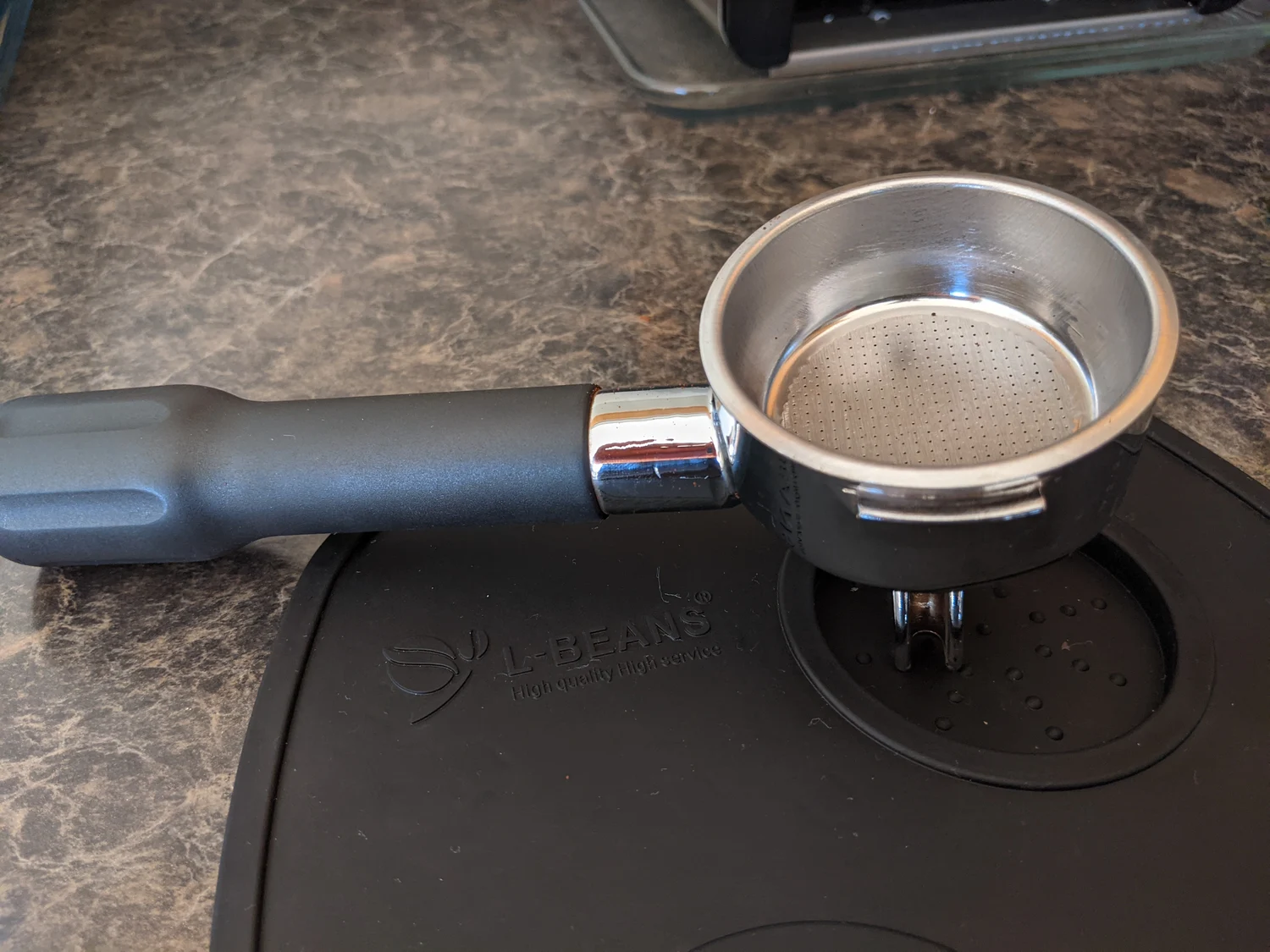
11Conical vs Flat Burr Grinders: Which Delivers Better Espresso?
A practical, evidence-led comparison of conical and flat burr grinders by particle distribution, retention, heat, alignment, workflow and the coffee you actually brew.
12The Home Barista's Guide to Espresso Dosing
How to choose, measure and hold a repeatable espresso dose before changing grind, yield or time, with practical basket and roast adjustments.
13How to Tamp Espresso: A Repeatable Guide to Level Pucks
A practical tamping guide focused on level preparation, consistent compression, basket fit and diagnosing the variables that tamping cannot fix.
14Master Espresso Technique for Every Machine Type
A practical guide to adapting dose, yield, grind, temperature, milk and maintenance across semi-automatic, manual, superautomatic and capsule espresso systems.
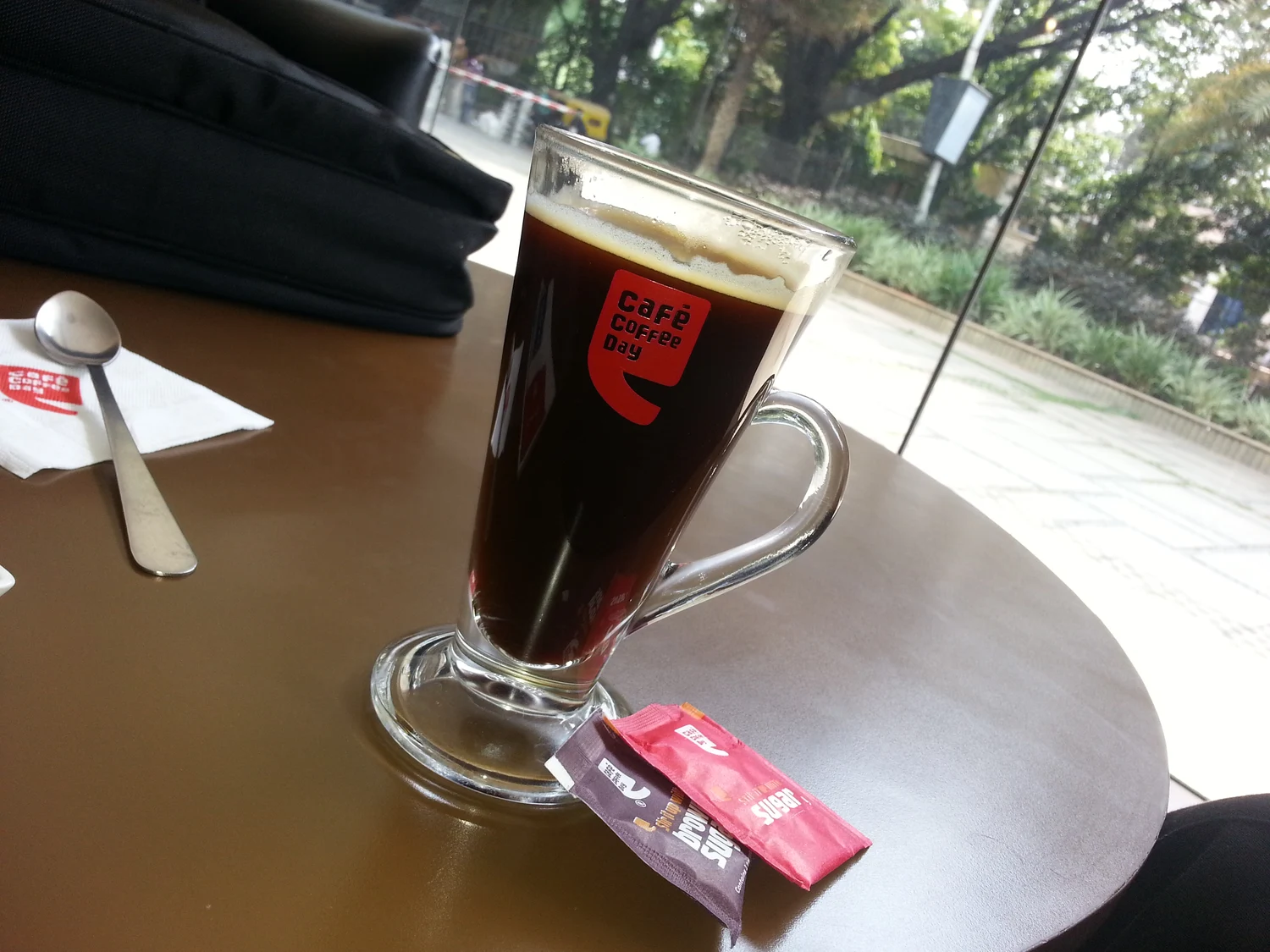 15
15The 1:2 Espresso Ratio Explained
How to use a 1:2 espresso ratio as a repeatable starting coordinate, then adjust dose, yield, grind and time for the coffee and drink in front of you.
16Even Ground Distribution Before Espresso Extraction
A practical guide to espresso ground distribution, including WDT, tapping, clump control, basket density, tool limits and a repeatable way to test whether a step helps.
17Nordic-Style Coffee: Light Roasting, Clarity and Brewing
A research-led guide to Nordic-style coffee, from roast philosophy and origin transparency to the hotter, finer and carefully measured brewing routines light roasts often require.
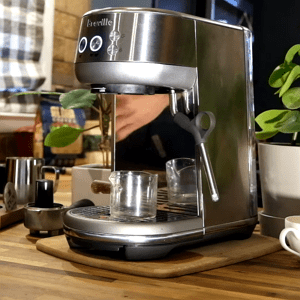 18
18Best Espresso Machines for Beginners: Choose the Workflow First
A research-led beginner espresso machine guide comparing the Breville Bambino Plus, Gaggia Classic E24, Breville Barista Express and De’Longhi Magnifica Evo by workflow, grinder budget, milk, maintenance and ownership cost.
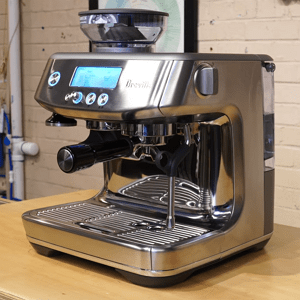 19
19Best Espresso Machines With a Grinder: Match the Automation to the Household
A research-led guide to espresso machines with built-in grinders, comparing the Breville Barista Pro, Barista Express Impress, De’Longhi Magnifica Evo and JURA E8 by control, milk, cleaning, price and upgrade path.
20Best Espresso Machines Under $500: Budget the Complete Station
A research-led guide to espresso machines under $500, comparing the Breville Bambino Plus BES500, De’Longhi ECP3420, Flair Classic and ROK EspressoGC Black PLUS by total setup cost, workflow, milk, maintenance and buyer fit.
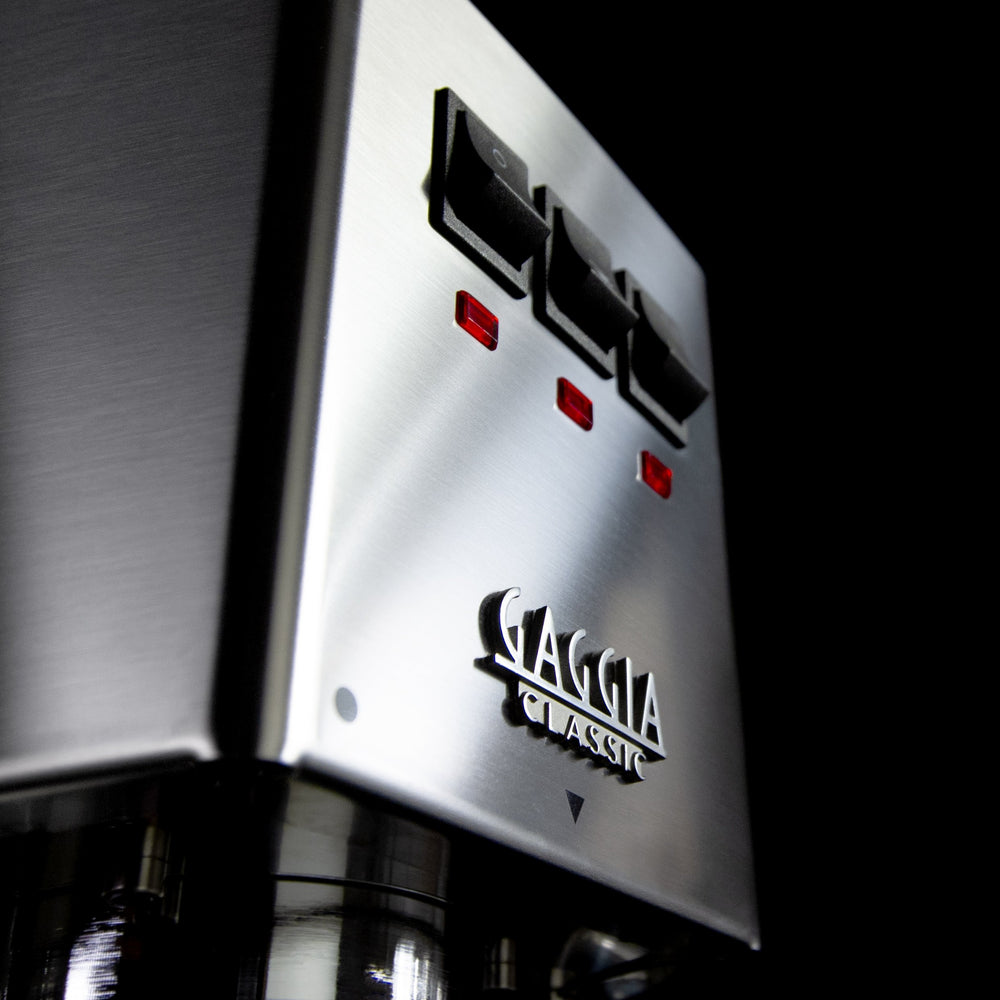 21
21Best Prosumer Espresso Machines Under $1,000: Choose the Control You Will Use
A research-led guide to prosumer espresso machines under $1,000, comparing the Gaggia Classic Pro E24, Lelit Anna PL41TEM, Rancilio Silvia V6 and Flair 58 Plus 2 by temperature control, grinder cost, milk workflow and ownership.
 22
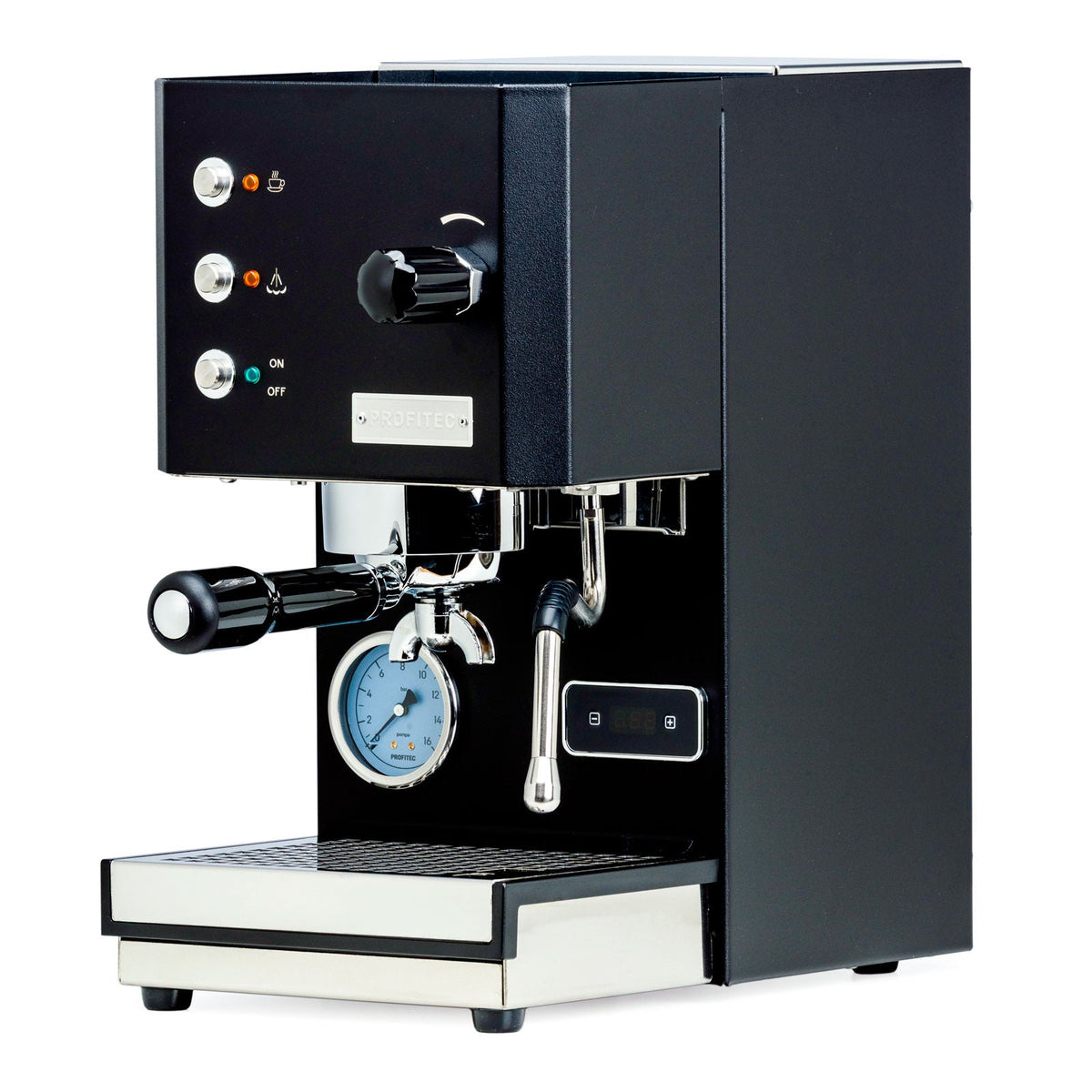
22Best Single-Boiler Espresso Machines: Control the Wait, Not Just the Temperature
Research-led comparison of four current single-boiler espresso machines, including temperature control, steam transitions, grinder cost, maintenance and exact-model limits.
23Best Small Espresso Machines: Measure the Complete Station
Research-led guide to compact espresso machines, comparing footprint, tank access, heat system, grinder space, milk workflow and ownership.
 24
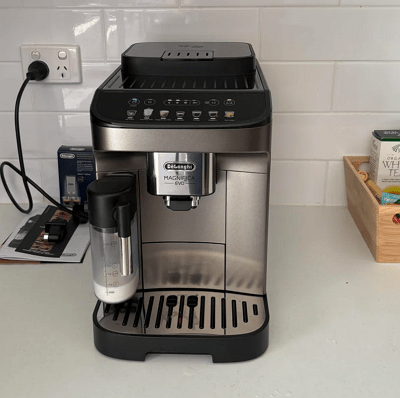
24Best Superautomatic Espresso Machines: Choose the Cleaning System You Will Maintain
Research-led guide to current superautomatic espresso machines, comparing drink automation, milk systems, removable brew groups, grinder limits, maintenance and exact regional models.
25Best Espresso Machines Without a Grinder: Build a Modular Station
Research-led guide to espresso machines without built-in grinders, comparing complete budgets, heat systems, milk workflow, upgrade paths and maintenance.
No stories match that search. Try another word or select All stories.
Documentary thumbnail credits: massage-techniques / Wikimedia Commons (source, CC BY-SA 2.0). Thumbnail crops. · User:Sameer.siddhanti / Wikimedia Commons (source, Public domain). Thumbnail crops.
Research-led stories. Original visual explanations. Curiosity with receipts.
Written and compiled by the Coffeedant editorial desk · Sources checked 13 October 2026Illustrated covers are AI-assisted reconstructions. Inside the stories, archival art and documentary photographs carry individual credits, dates and reuse licences. Related videos remain the work of their credited creators. We distinguish published evidence, practical starting protocols and editorial interpretation; no field reporting or hands-on tests are implied.
Our editorial methodology →