Start with the roaster’s current description, then check the roast date, changing origins, brew fit and how quickly you will use it. We attribute flavor notes and leave a coffee unrated when we have not tasted it.
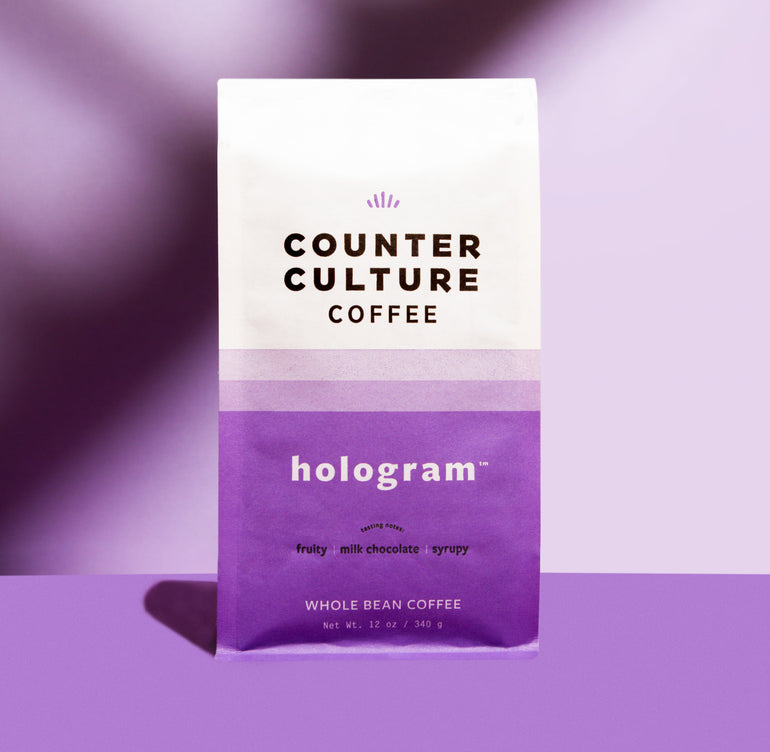
Hologram makes sense for a buyer who wants a medium-roast daily coffee with a fruit-and-chocolate brief, buys whole beans fresh, and accepts that a year-round blend changes its components. The roaster’s tasting words are a useful target, not a guarantee of what any one bag or brewer will taste like.
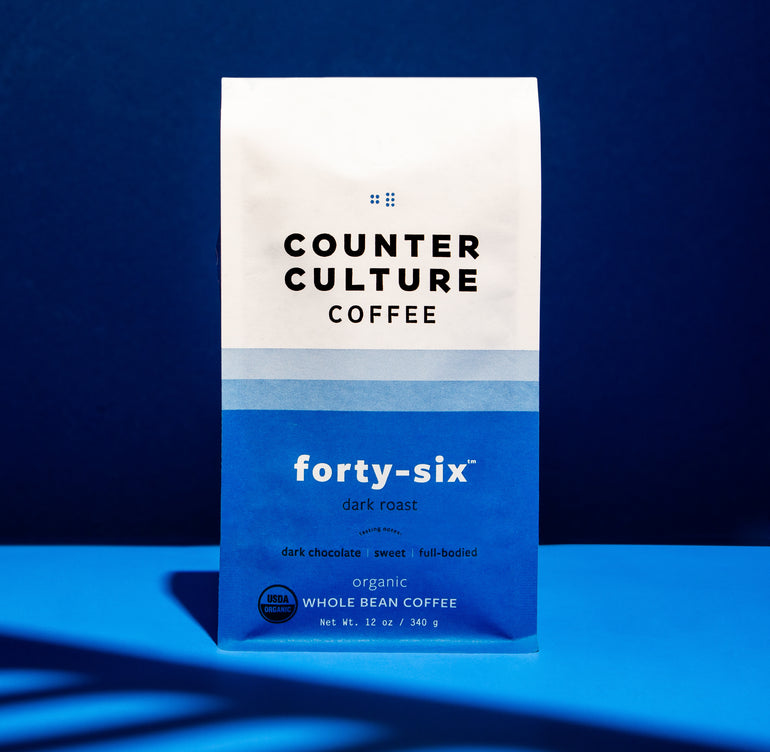
Choose Forty-Six when the job is a familiar dark-roast coffee for milk drinks and you are willing to follow a blend that changes its components. Start with a small bag and judge it in your normal drink. A dark label alone does not guarantee low bitterness, low caffeine or compatibility with an automatic machine.
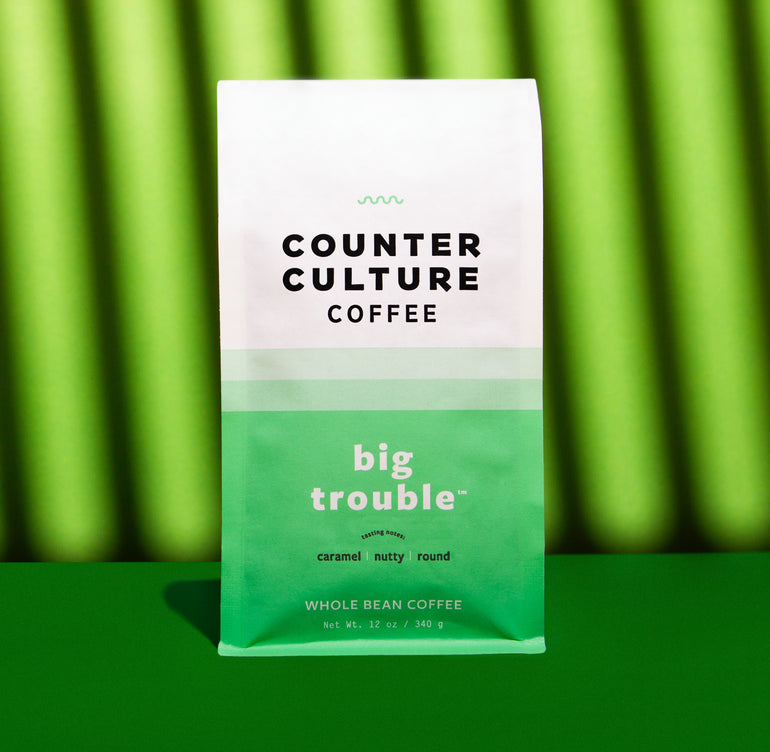
Big Trouble is a sensible first trial when you want a familiar flavor direction for several brewing methods and do not specifically want the roaster's darkest option. The purchase works best as a small-bag comparison against your current coffee. Its changing recipe and your brewing routine matter more than its reassuring name.
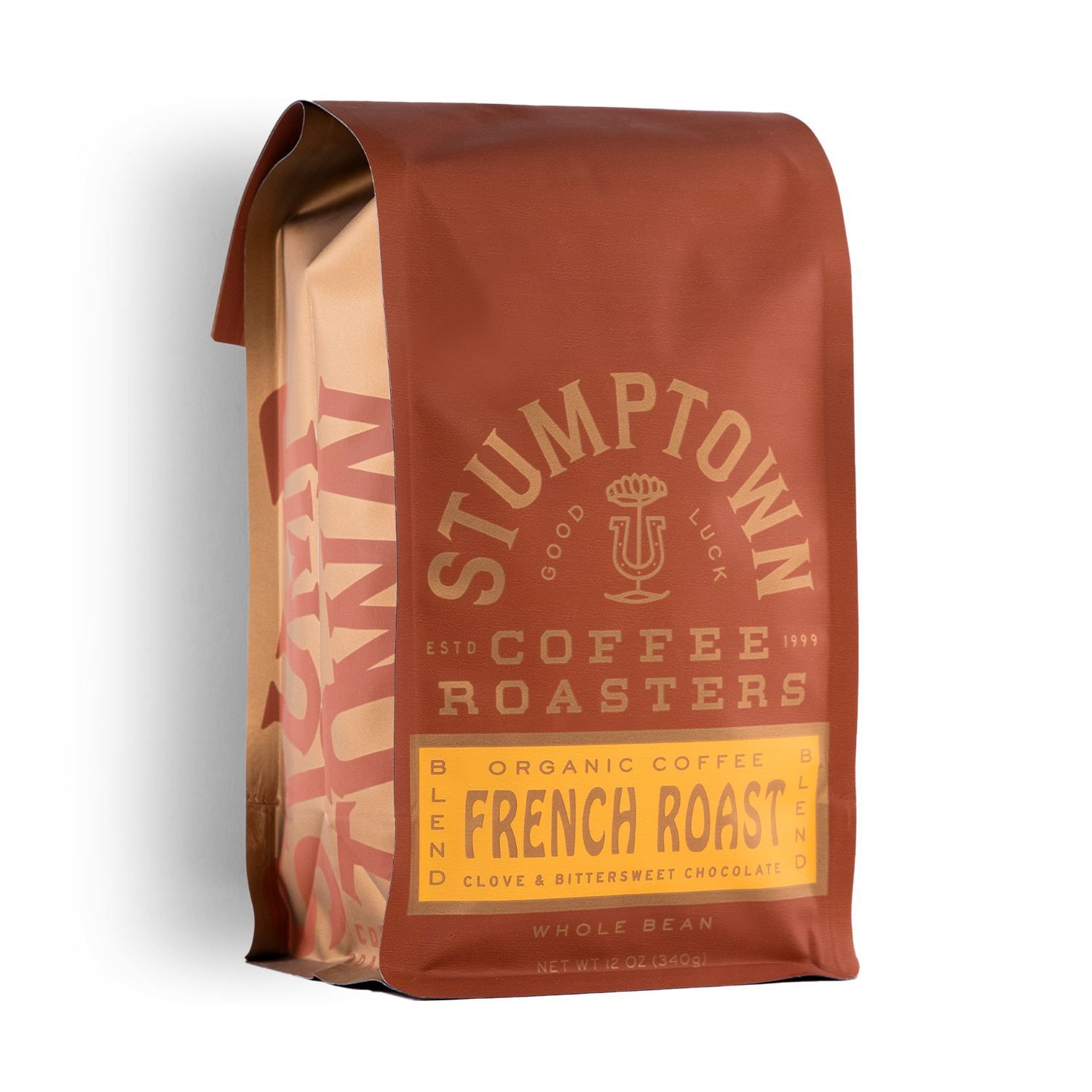
French Roast is worth shortlisting when you deliberately want a dark-roast daily coffee and the 12 oz trial fits your brewing routine. The five-pound option should follow a consumption calculation, not lead it. Check the actual roast date and purchase mode; the roaster's taste claims and storage advice do not constitute a Coffeedant tasting.
Updated · $20 for the 12 oz selection at October 13, 2026
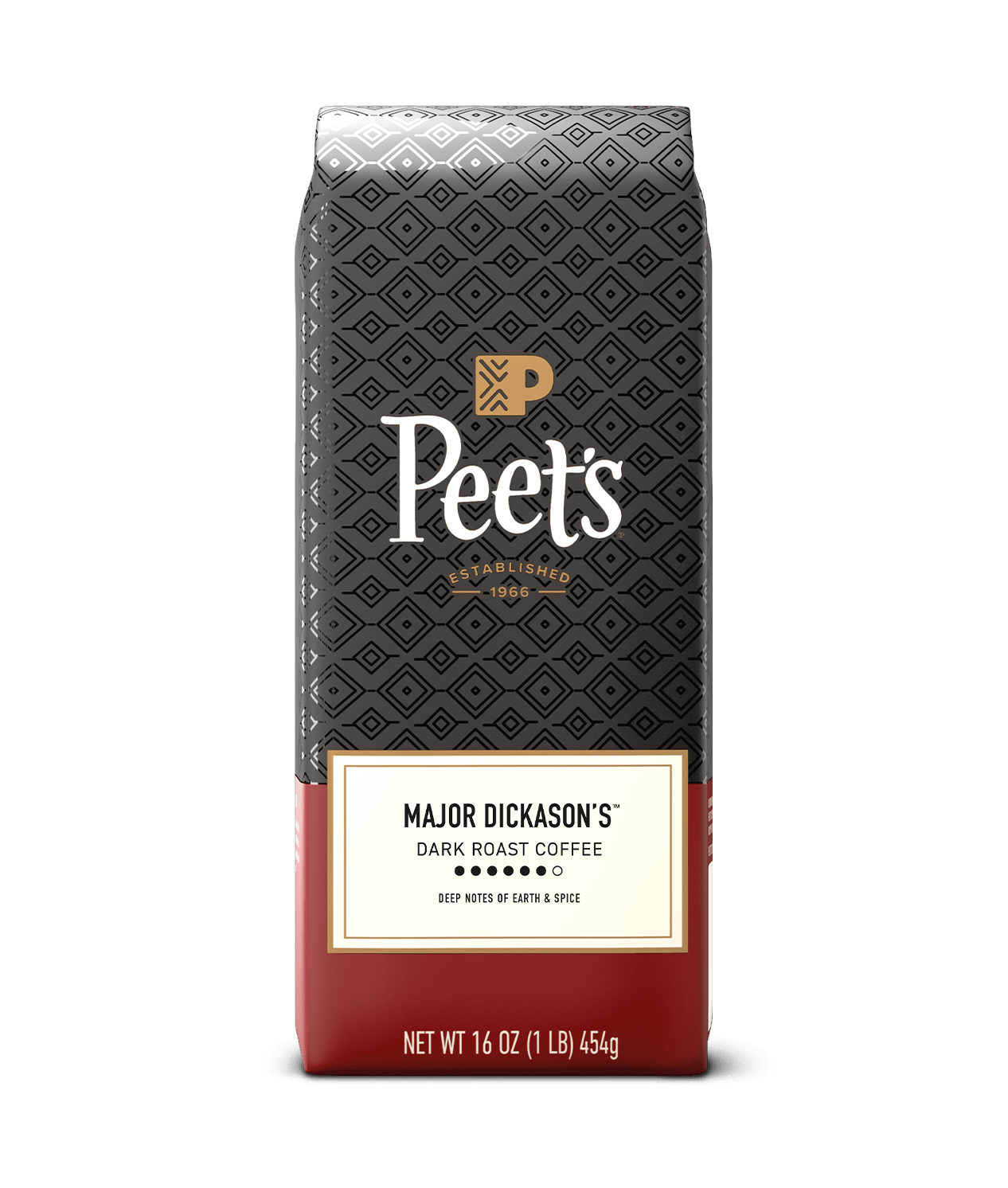
Major Dickason's belongs on the shortlist for a buyer deliberately choosing a dark blend and comparing the bag actually being sold. The direct one-pound listing is a useful reference, but a grocery bag, bulk pack, preground version or pod is a different purchase. We would decide on format, date and consumption before comparing sticker prices.
Updated · $21.95 for the 16 oz direct selection at October 13, 2026
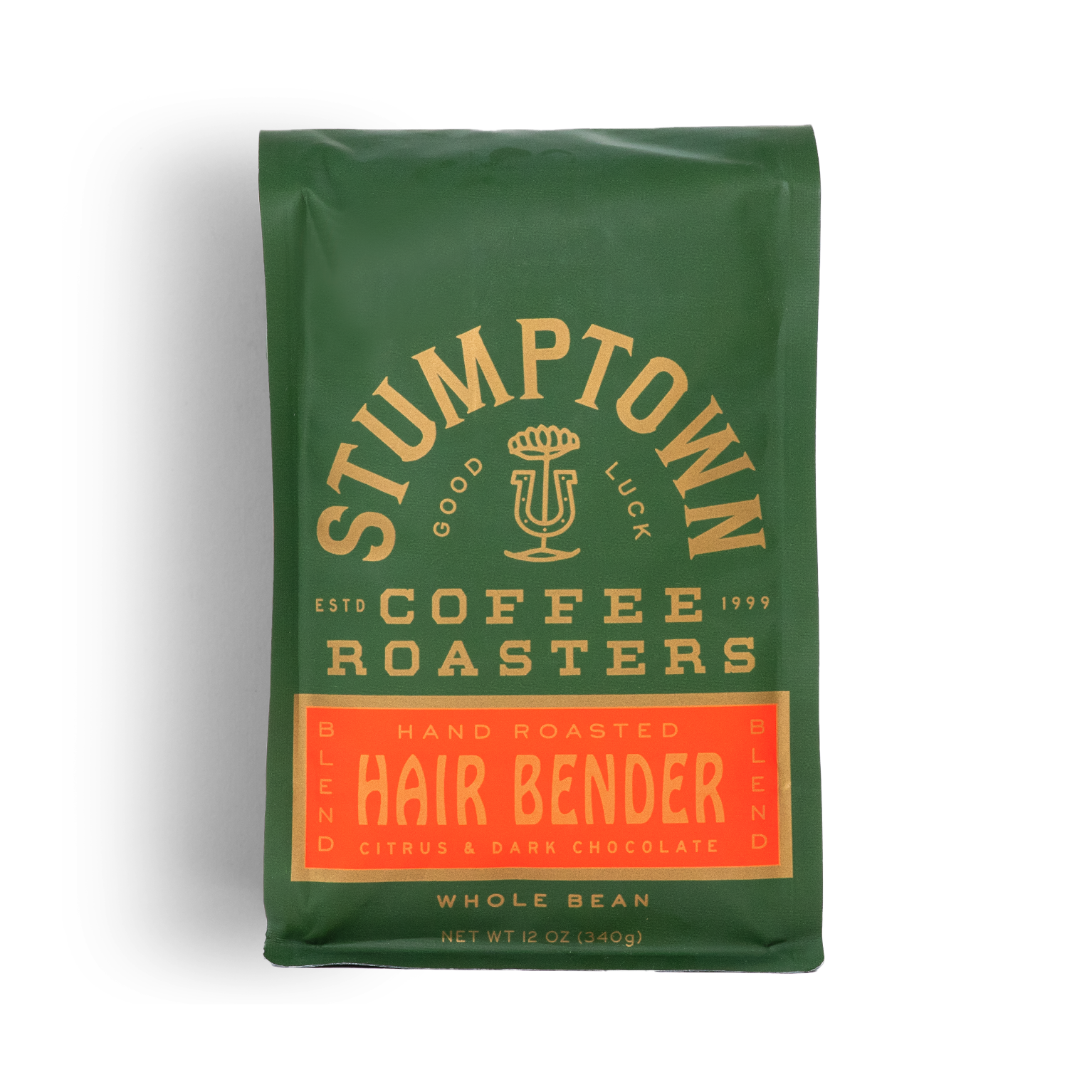
Hair Bender is a useful first bag for a household that makes espresso and drip with one coffee. Stumptown designs it as its café espresso blend yet explicitly recommends pour-over, drip and French press. Its citrus, dark chocolate and raisin words are the roaster's brief, not a Coffeedant tasting result; choose it if that mix sounds better than a strictly low-acid, roast-forward shot.
Updated · Check the selected size and current checkout total at November 13, 2026
Holler Mountain is a sensible one-bag option for a home that alternates drip and espresso and prefers a roaster-described medium roast to a darker café blend. Stumptown calls it organic and describes citrus, caramel and berry jam. Those are the roaster's notes, not flavors Coffeedant verified; the real test is a fresh small bag in both of your normal brewers.
Black Cat Classic is for a home barista who wants a fruit-accented straight espresso and appreciates an explicit starting recipe. Intelligentsia calls it its lightest espresso blend and suggests 18 g in to 45 g out. Its cherry, cola and orange notes are the roaster's words, not a Coffeedant tasting; a buyer seeking a chocolate-heavy latte should compare the darker Black Cat Analog first.
Monarch's clearest reason to buy is a larger milk drink. Onyx says this is its most developed year-round espresso blend and designs it to keep a chocolate-and-berry presence through milk. That is a roaster claim, not a Coffeedant tasting. The 10 oz bag is smaller than many competing 12 oz bags, so compare price per ounce and finish a trial before choosing bulk.
Apollo is a clear choice when you want a citrus-and-floral coffee for black filter or iced brewing and accept that the Ethiopian components change with harvests. Counter Culture calls it medium roast, organic and washed; the flavor words are the roaster's, with one independent sample review. Coffeedant has not tasted it, and buyers seeking a low-acid chocolate espresso should start elsewhere.
A cocoa-led decaf for a household alternating espresso and filter. The flavor notes are the roaster’s brief, not a cup Coffeedant has tasted. Start with 12 oz, check the roast date and compare the method you actually use.
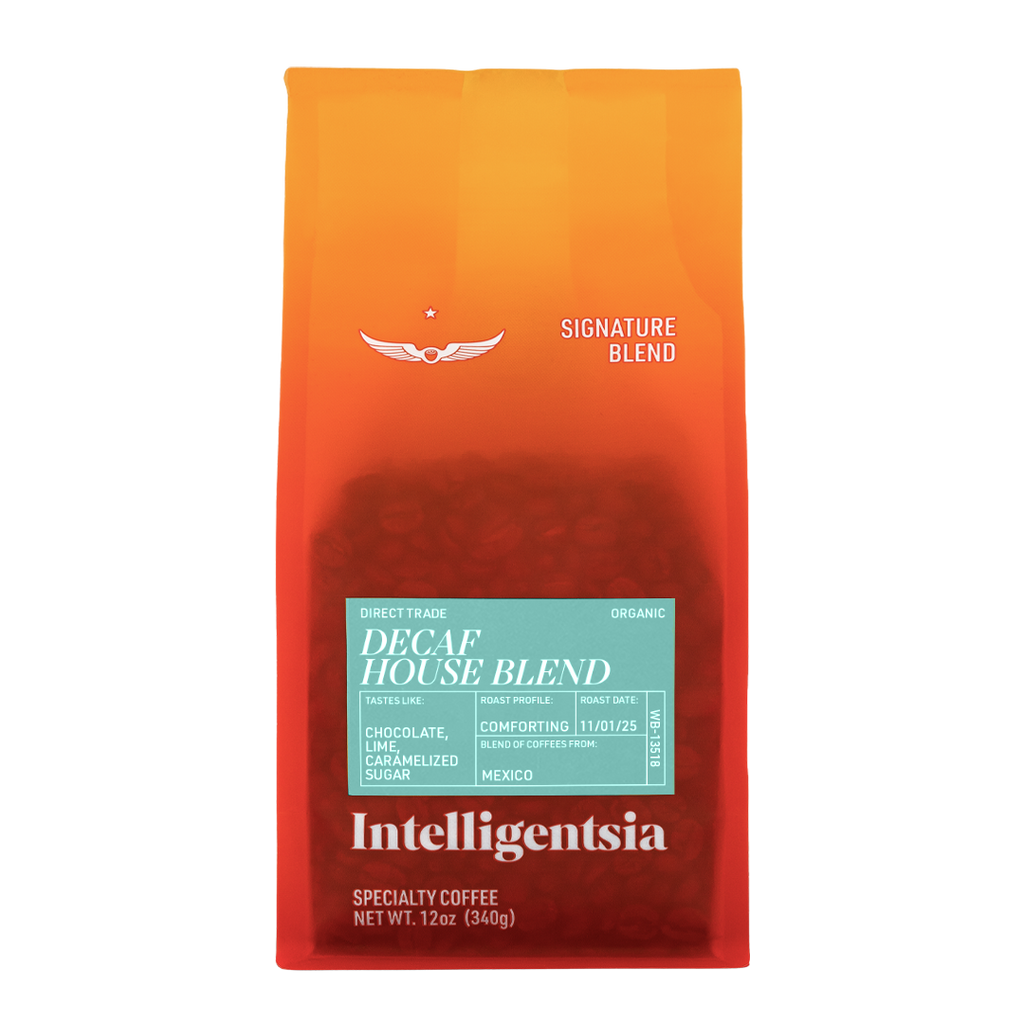
A flexible decaf for espresso, drip and smaller milk drinks. The flavor notes are the roaster’s brief, not a cup Coffeedant has tasted. Start with 12 oz, check the roast date and compare the method you actually use.
A portafilter-first decaf with a published espresso recipe. The flavor notes are the roaster’s brief, not a cup Coffeedant has tasted. Start with 12 oz, check the roast date and compare the method you actually use.
A filter-first decaf with a documented bright direction. The flavor notes are the roaster’s brief, not a cup Coffeedant has tasted. Start with 12 oz, check the roast date and compare the method you actually use.
A medium-dark decaf with detailed current origin and process records. The flavor notes are the roaster’s brief, not a cup Coffeedant has tasted. Start with 12 oz, check the roast date and compare the method you actually use.
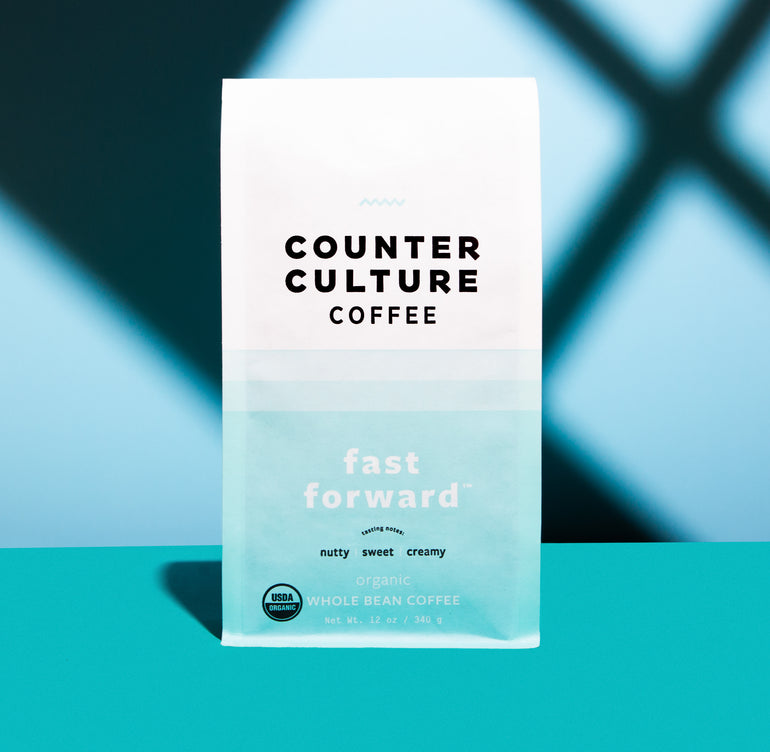
Fast Forward is a sensible first bag for someone wanting a medium, nutty-and-sweet daily coffee across drip and occasional espresso. Its year-round name does not mean a fixed farm mix. Buy it for the roaster’s steady flavor aim, then check the actual roast-date composition and your own cup.
Gradient is the dark-roast option for a buyer who wants chocolate and nuts but does not rule out a berry signal. The Colombian sourcing and washed-process statement make its identity clearer than a generic dark bag, while the rotating components and your actual brew still matter.
Even Keel is a ready-mixed half-caff for households that want one bag rather than weighing regular and decaf beans separately. Counter Culture states a 50/50 bean blend, but that is not a measured half-caffeine cup. The exact decaf component and roast wording deserve a bag-date check.
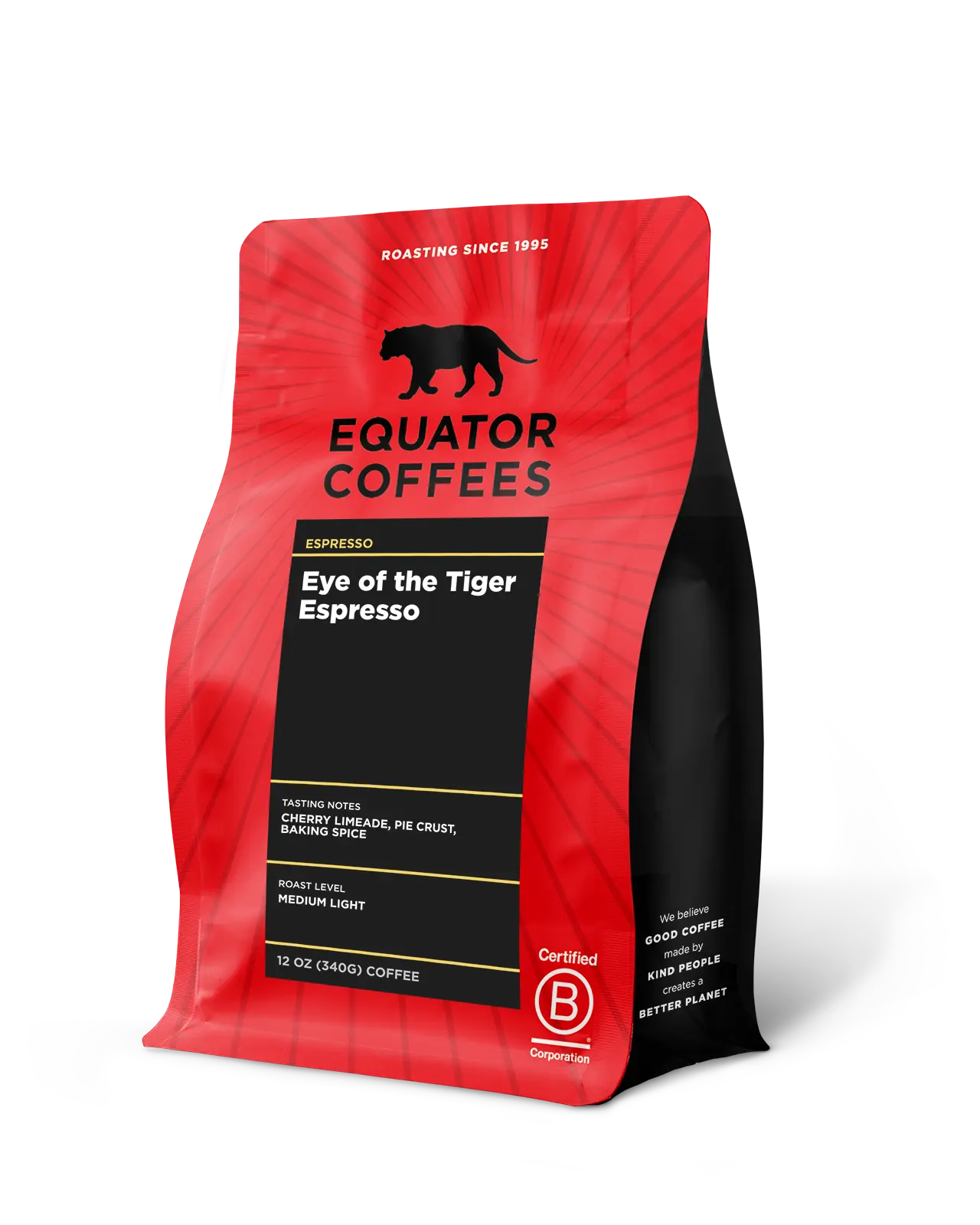
Eye of the Tiger is the adventurous espresso choice: Equator gives a medium-light roast, current Costa Rican and Rwandan component detail, and an 18 g to 46 g starting shot. Its seasonal profile can change, so the recipe and the bag must be checked together rather than assuming one permanent origin list.
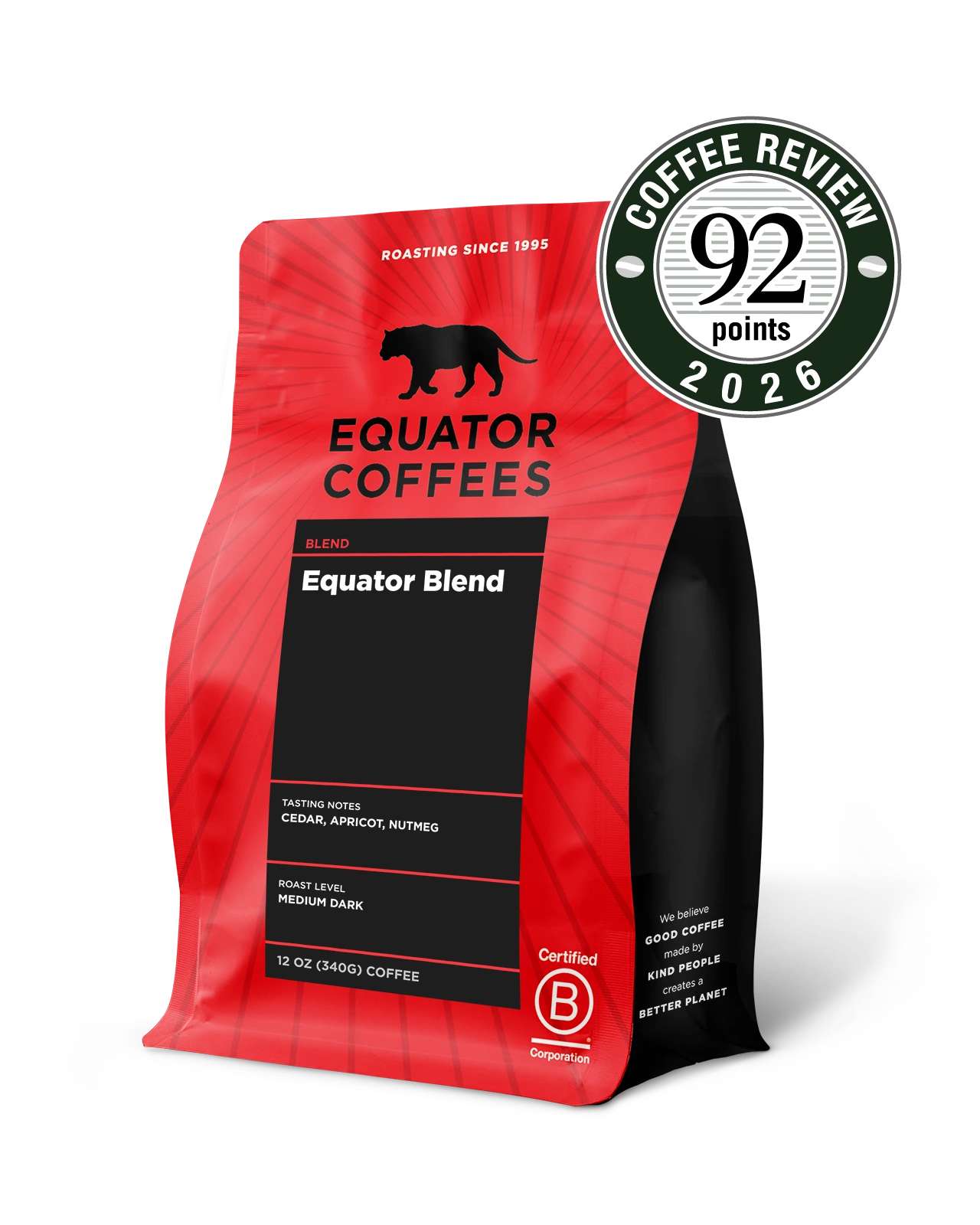
Equator Blend is a practical one-bag candidate for medium-dark drip and French press, with an unusually detailed current origin panel and Equator’s own cream-and-sugar positioning. The page also offers espresso grind, but gives filter recipes rather than a portafilter target; espresso buyers should be ready to dial in without a roaster shot recipe.
Geometry is a defensible first bag for a buyer who wants a light, floral and fruit-led coffee for both filter and espresso. Onyx publishes distinct recipes for both. Its Colombian and Ethiopian components change every few months, so the named flavor direction and recipe are a starting point, not a guarantee for the next bag.
Updated · Check current 10 oz price at October 20, 2026
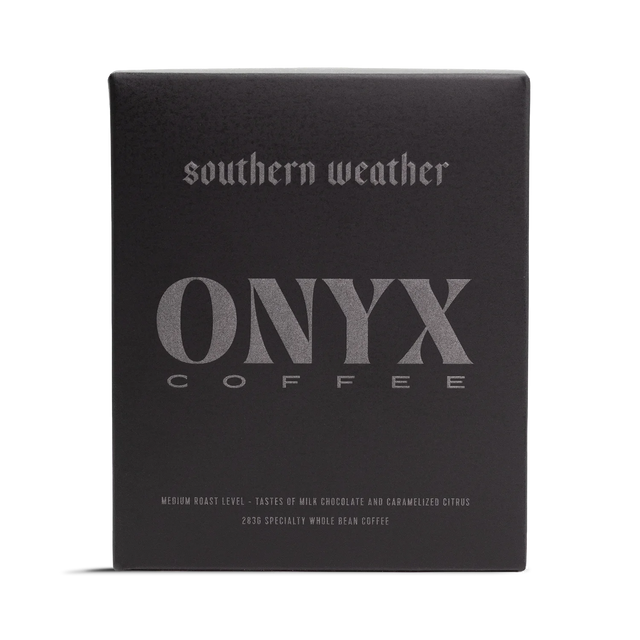
Southern Weather suits a buyer seeking a moderate Onyx blend with chocolate and nut cues plus a citrus finish. Its official page foregrounds filter brewing, while Fellow publishes a separate espresso starting recipe for a sampled bag. That makes espresso plausible, but neither source establishes the taste of a future lot or a universal milk-drink winner.
Updated · Check current 10 oz price at October 20, 2026
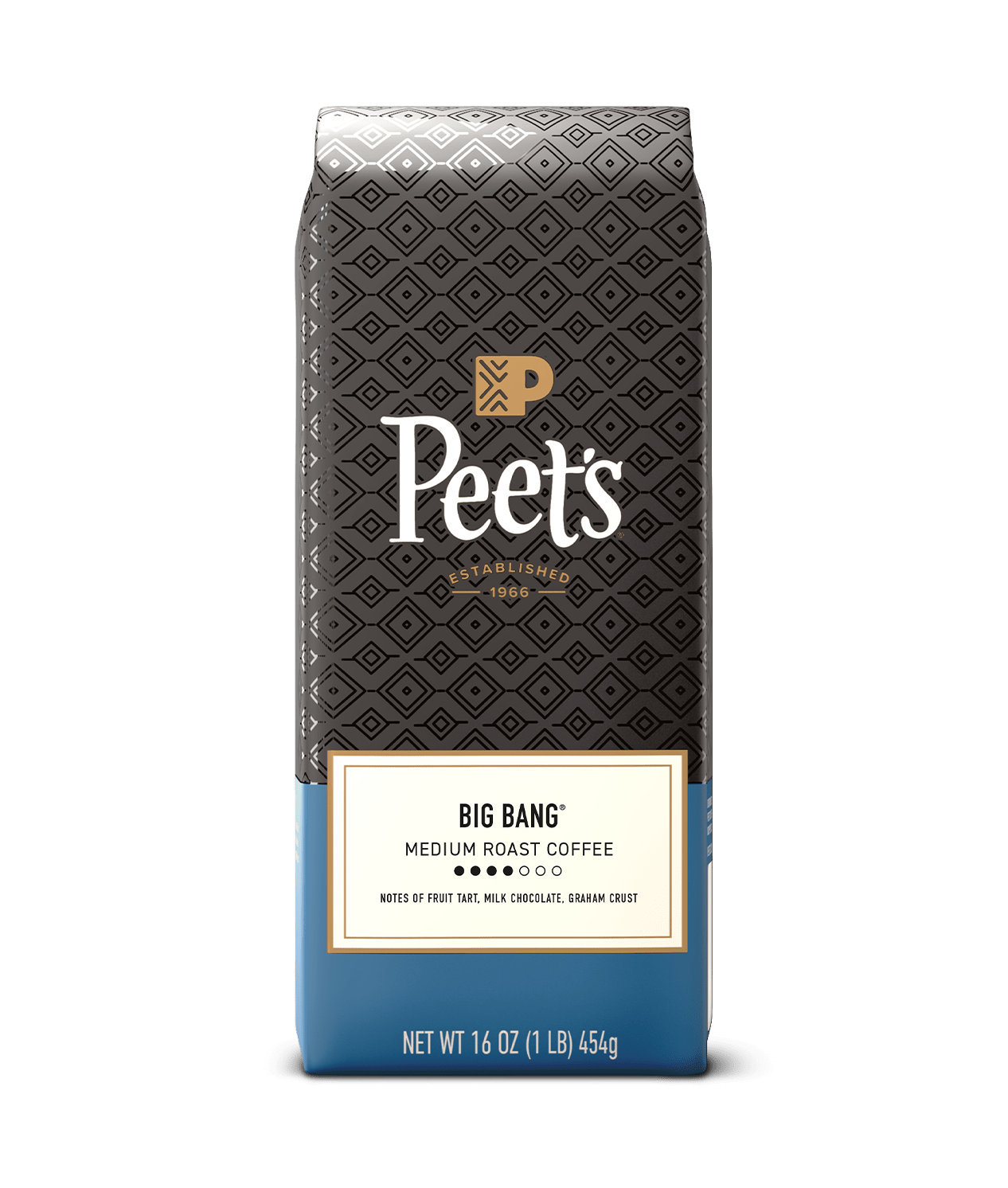
Big Bang is the Peet’s choice for a medium-roast buyer who welcomes a fruit cue beside chocolate and graham. The US direct page lists a 16 oz whole-bean option and useful filter-method guidance, but its sold-out state and price selector conflict at this check. Treat availability and checkout price as unverified until a seller confirms them.
Updated · Check current 16 oz price and stock at October 20, 2026
Arabian Mocha-Java fits the buyer who wants Peet’s darker body plus cocoa, wine-like port and cardamom in the roaster’s description. Its name refers to a historic blend style; the current listing spans broader regions and does not document an exclusively Yemeni and Javanese recipe. Direct stock and checkout value were ambiguous on October 20.
Updated · Check current 16 oz price and stock at October 20, 2026
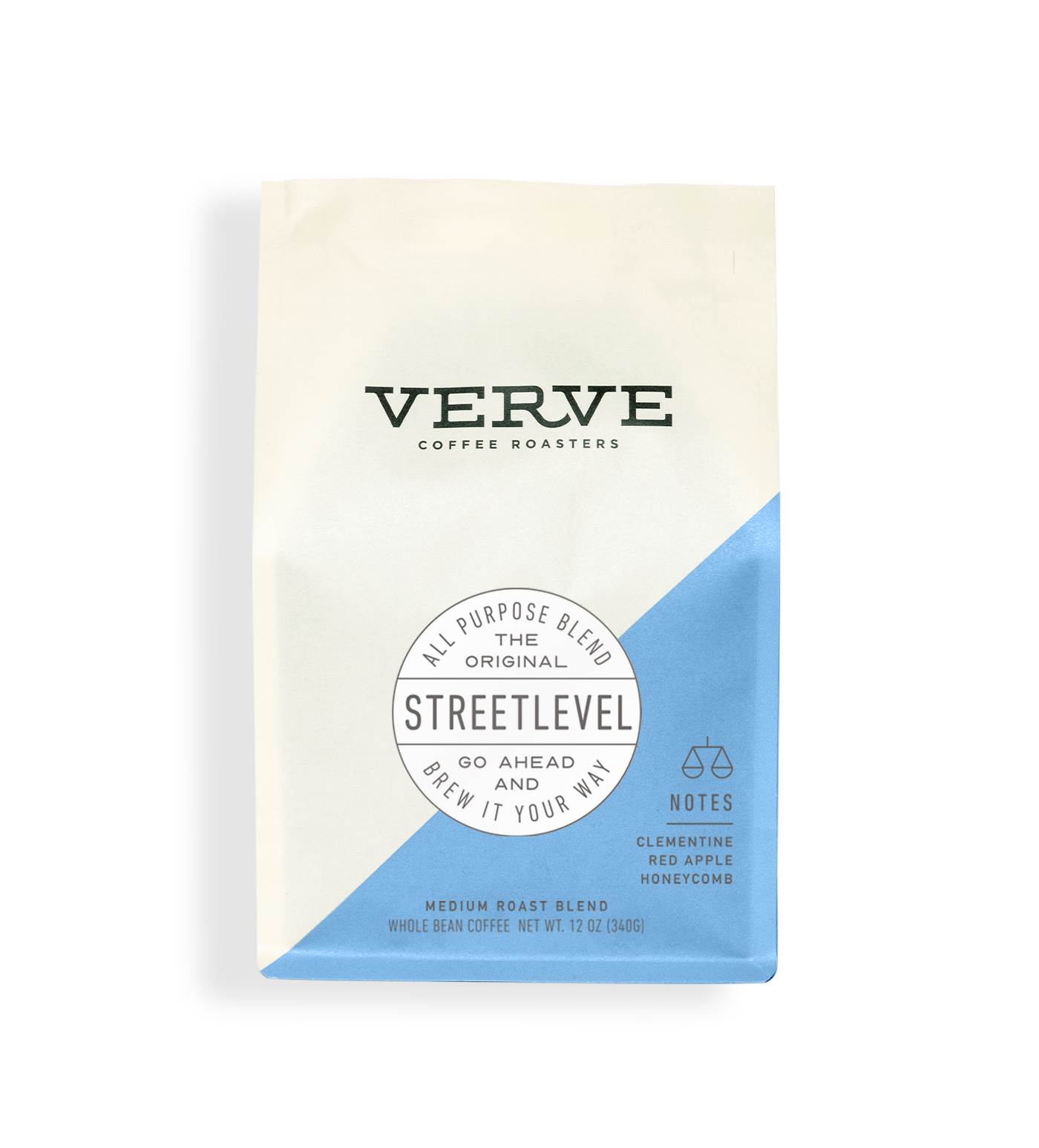
Streetlevel is a useful one-bag candidate for someone moving among espresso, drip and immersion methods who likes a medium roast with fruit and honey in Verve’s flavor brief. Its current origin panel is clear at country level, but the blend lacks complete variety and process detail. An all-purpose label cannot replace separate brew recipes.
Updated · Check current 12 oz price at October 20, 2026
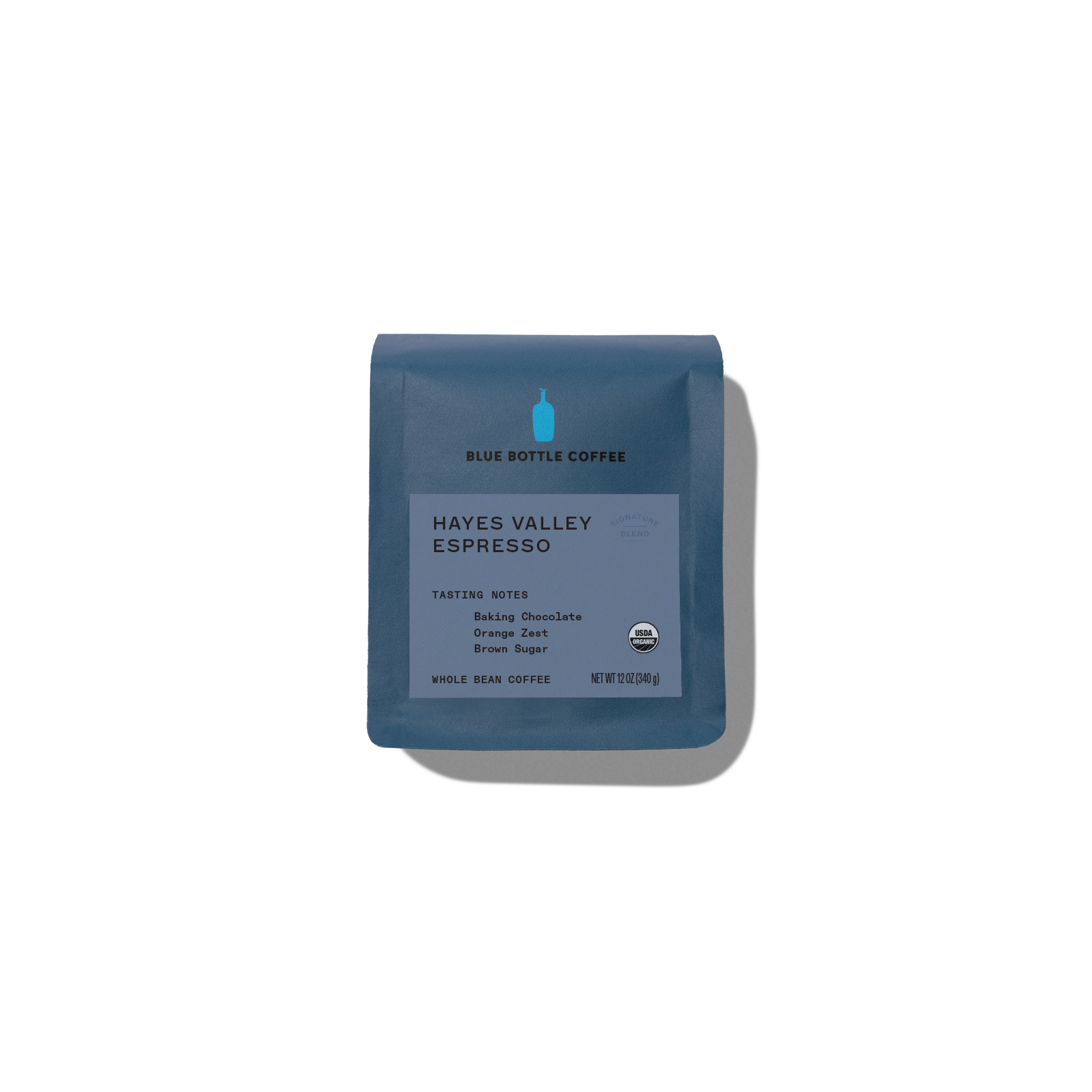
Hayes Valley is the clearest Blue Bottle first bag for someone recreating its chocolate-led café espresso or a small milk drink. The US page names washed processing, dark roasting and short ristretto service. Its tasting words and café practice do not prove how a home machine will extract a particular bag.
Updated · Check current US price at October 21, 2026
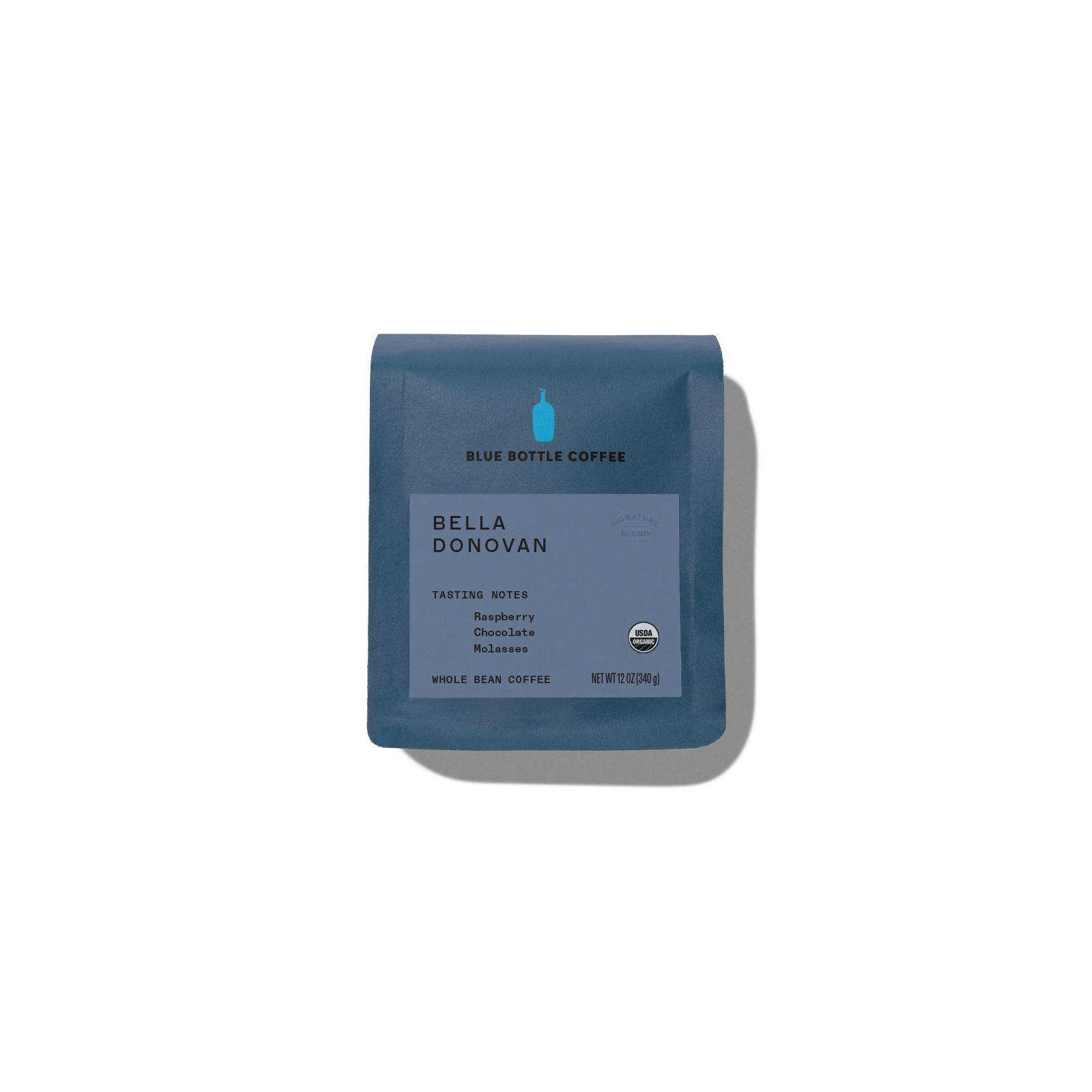
Bella Donovan makes sense when a dark daily drip coffee should retain a roaster-described berry edge under chocolate and molasses. Blue Bottle attributes that fruit to a natural-processed Ethiopian component and explicitly invites milk or cream. The full current blend recipe and delivered roast date still need a bag check.
Updated · Check current US price at October 21, 2026
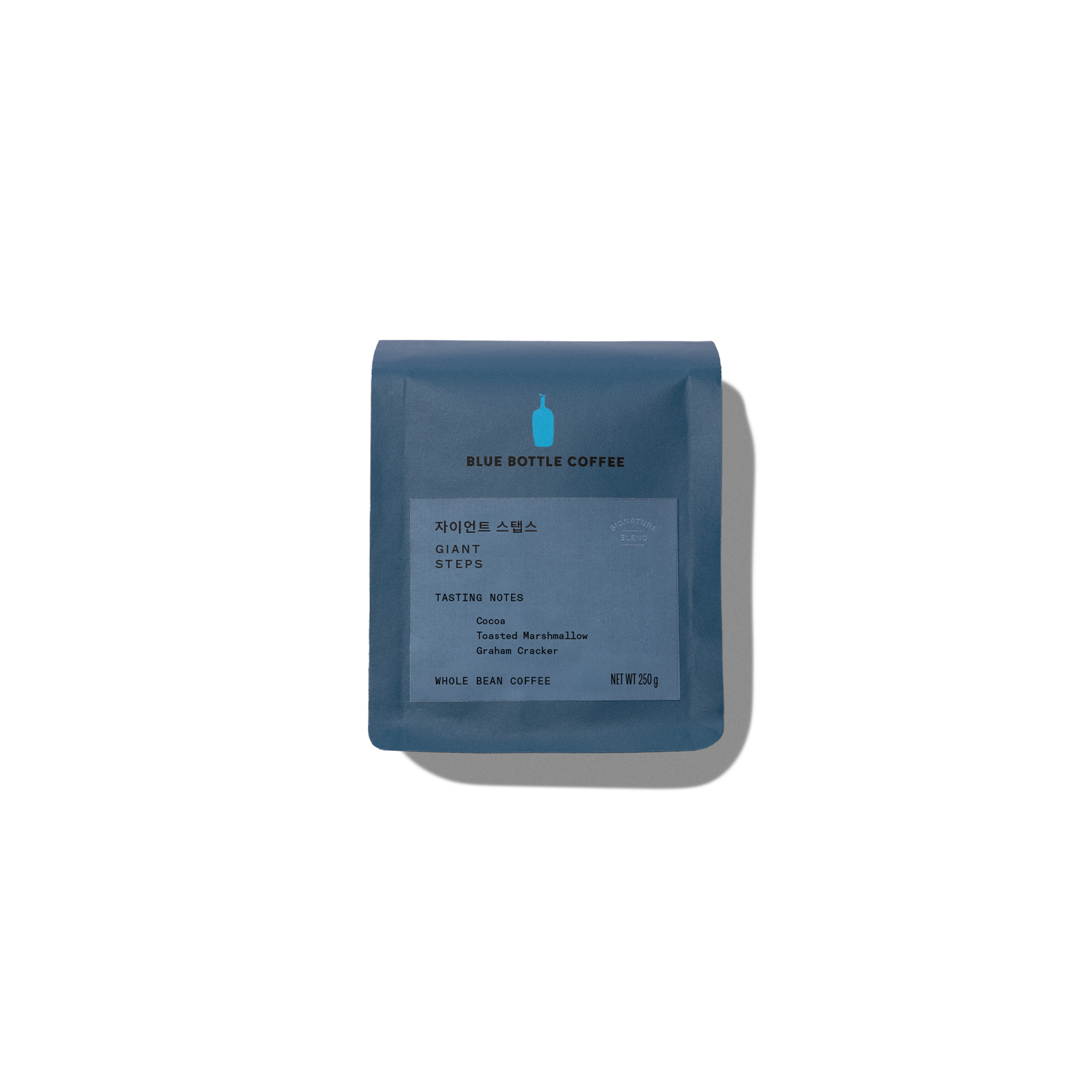
Giant Steps has one unusually useful piece of product-specific brew guidance: Blue Bottle labels it for French press with milk and gives a 1:13 ratio. It is a defensible first bag for someone who wants a developed chocolate direction in a press, with the caveat that roaster notes and an older independent cup cannot predict today’s delivered bag.
Updated · Check current US price at October 21, 2026
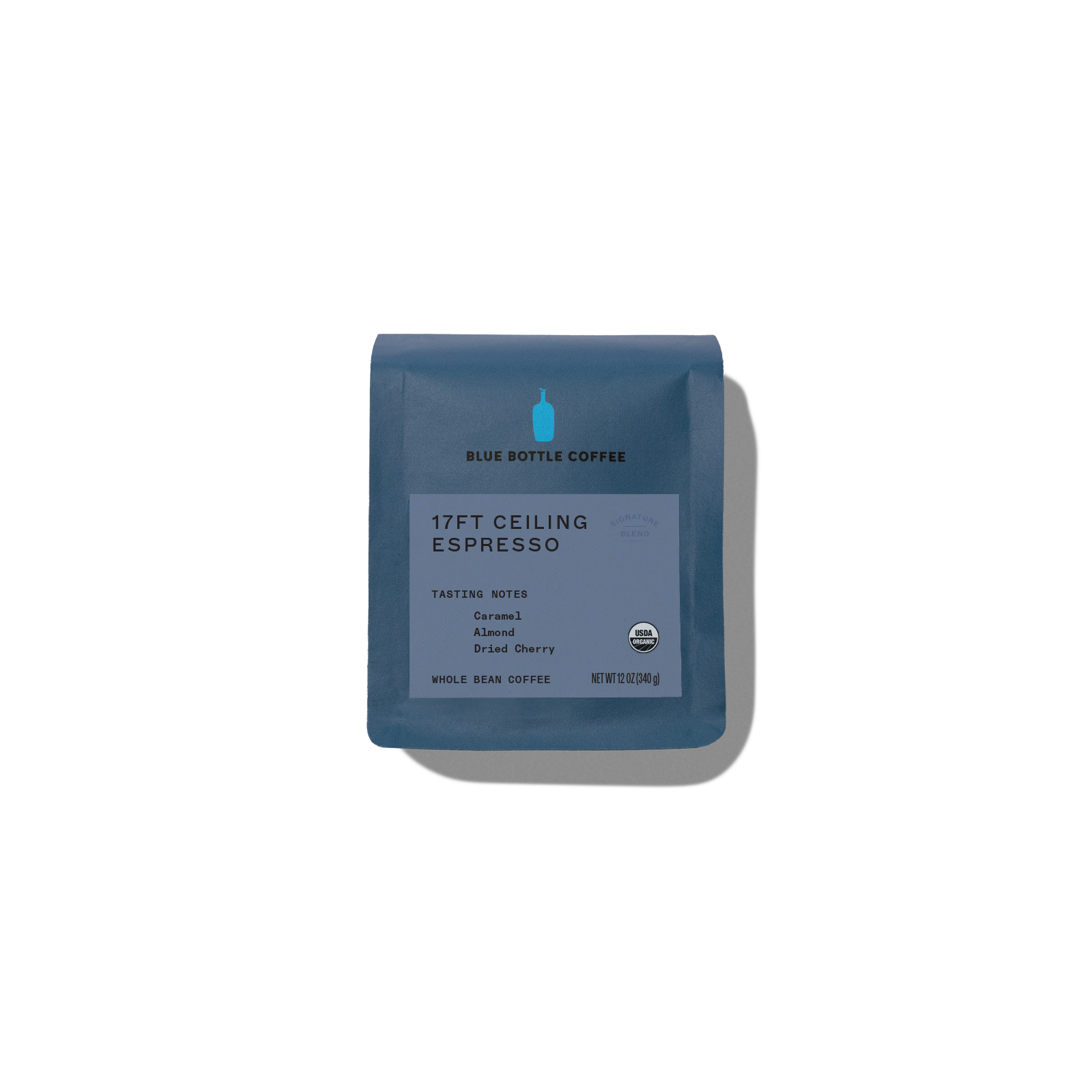
17ft Ceiling is the distinct Blue Bottle dark espresso for a buyer who wants a classic short-shot direction and is comfortable with a named robusta accent. Blue Bottle says its Latin American and East African coffees and fine robusta serve body and crema. Those are formulation and roaster-positioning claims, not Coffeedant extraction measurements.
Updated · Check current US price at October 21, 2026
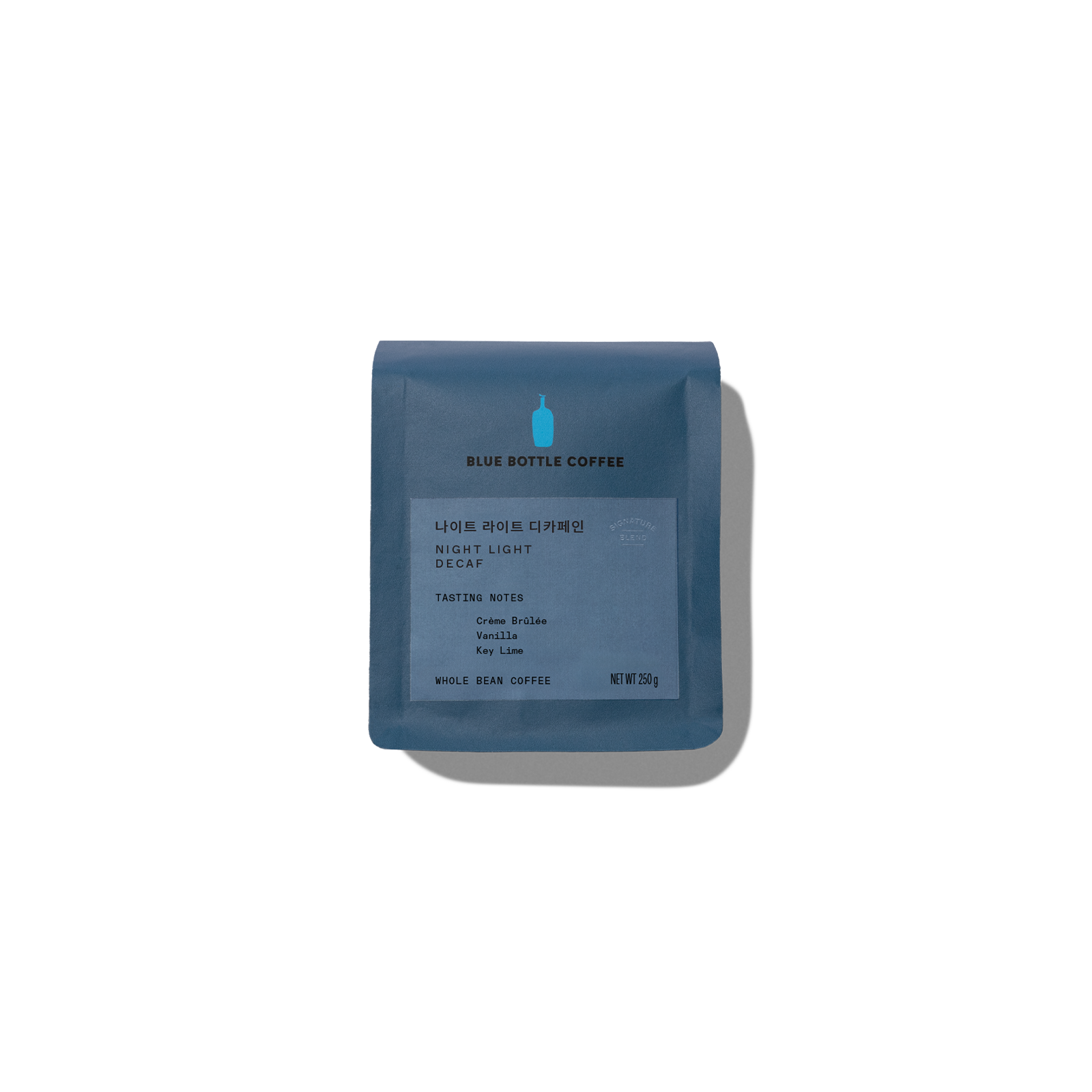
Night Light Decaf is a useful one-bag trial for a US household moving between decaf espresso and French press. Blue Bottle says it uses a water decaffeination process and positions the coffee for both black and milk drinks. The US page’s medium label and darker flavor description should be read together; neither establishes a Coffeedant tasting or residual-caffeine measurement.
Updated · Check current US price at October 21, 2026
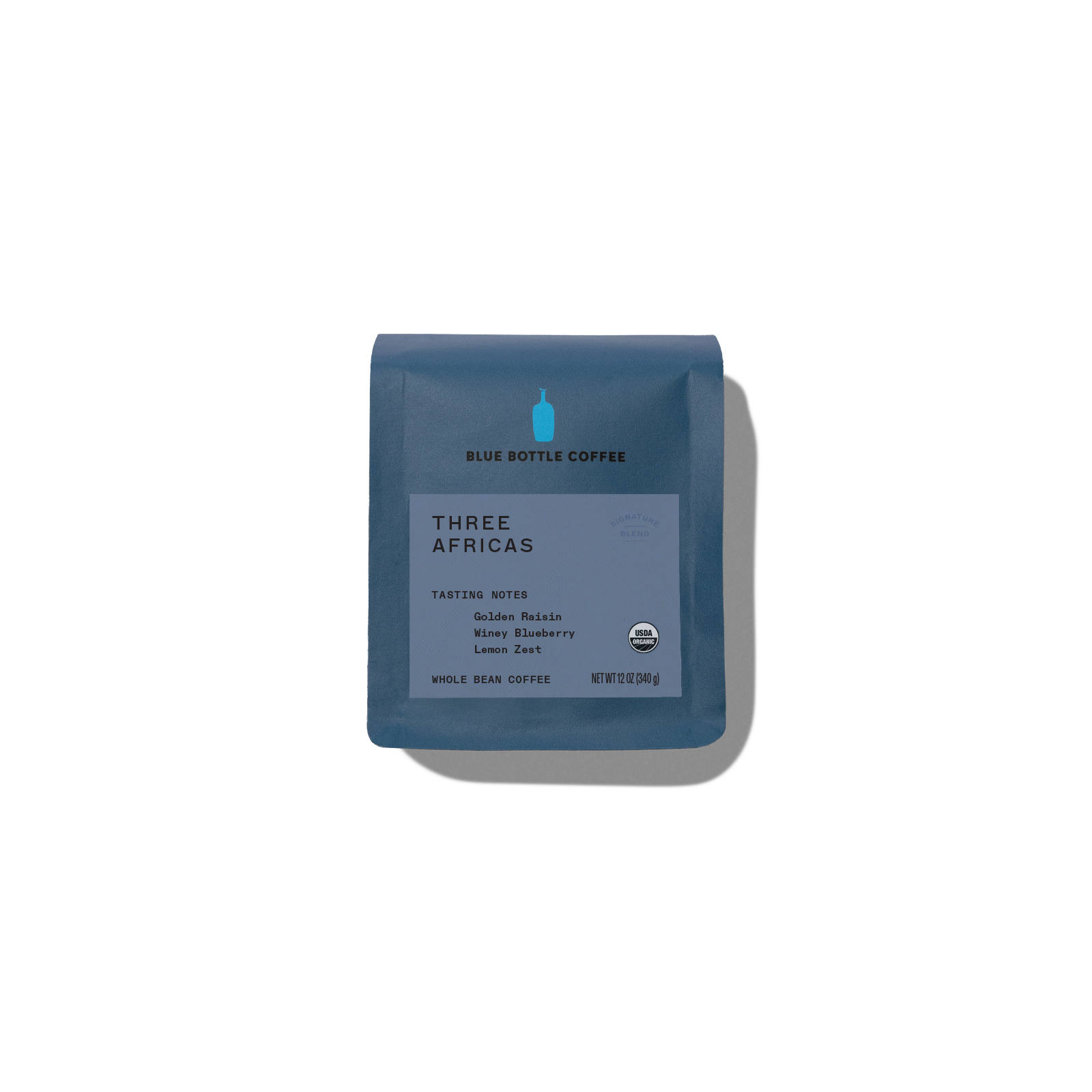
Three Africas is the clearest current Blue Bottle whole-bean route to a fruit-led cold brew: the roaster explicitly describes the blend cold-brewed, and its 2026 page identifies washed and natural Ethiopian coffees with a Rwandan component. Choose it when raisin, blueberry and citrus sound welcome rather than when you want an anonymous cocoa-only concentrate. Coffeedant has not brewed or tasted the current bag.
Updated · Check current US price at October 22, 2026
Baridi is the most direct Peet's bean for someone trying to make its café-style cold brew at home: the roaster says it uses this blend in its coffeebars and designed it to stay aromatic when chilled. Its current product panel, however, shows a sold-out warning. Treat it as a useful reference and buy only if the exact whole-bean bag can be confirmed through a legitimate current seller.
Updated · Check current US price at October 22, 2026
Off the Grid earns a separate look from Peet's dark classics: the current page identifies Colombia and El Salvador, washed processing, a bright-medium roast and a cold-brew option alongside pour-over. Its milk-chocolate, almond-butter and pear notes are a roaster target. Buyers wanting to make a clean, fruit-leaning chilled cup should still check the selected whole-bean format and live stock before ordering.
Updated · Check current US price at October 22, 2026
Sun Catcher is the Peet's bag for someone who wants a brighter hot filter coffee and may also experiment with cold brew. Its current page identifies Brazil and Kenya, natural and washed processing, and a pour-over-first role. The strawberry, honeysuckle and citrus direction is roaster-attributed; a grocery pre-ground review cannot predict this whole-bean shipment.
Updated · Check current US price at October 22, 2026
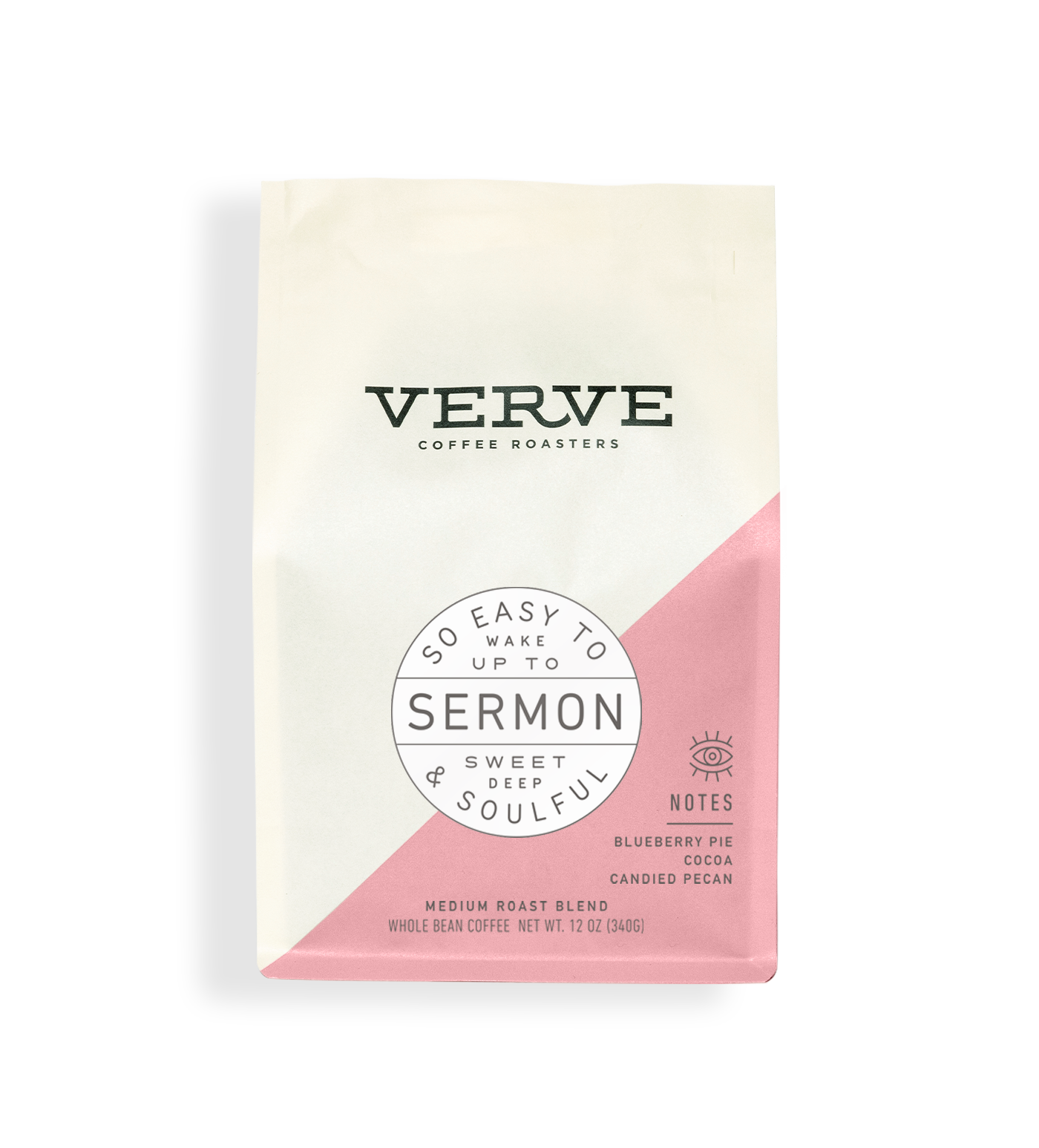
Sermon fits the buyer who wants a medium-roast espresso blend with a real fruit cue rather than a dark cocoa-only shot. Verve identifies natural East African coffees alongside a washed Colombian component and also allows brewed coffee. Independent and owner reports differ sharply, so the blueberry-pie target should be treated as a starting hypothesis for one fresh bag, not a guaranteed Coffeedant tasting.
Updated · Check current US price at October 22, 2026
Tropical Weather is a worthwhile first bag for a US buyer who deliberately wants a lighter Ethiopian blend with berry and tea cues and can dial separately for filter and espresso. Onyx documents the two processing styles and offers method guidance, but the microlots rotate. Buy it for that changing fruit-led direction, not a promised copy of an older reviewer's cup.
Updated · Check current US whole-bean price at November 9, 2026
Buena Vista is a useful first bag for a US buyer who wants Verve's darker Southern Colombian blend and a roaster-published espresso start. Its chocolate, red apple and maple words are Verve's profile, not Coffeedant tasting. An older home review and a recent owner dial-in difficulty show why the bag and equipment matter more than the dark-roast label alone.
Updated · Check current US whole-bean price at November 9, 2026
Vancouver is a plausible first water-process decaf for a US buyer who wants Verve's medium, almond-and-chocolate brief and published filter starts. The Colombia/Uganda blend and 12 oz format are clear on the current page. Espresso owners can try it but must make a separate recipe; an owner report cannot stand in for a roaster espresso specification or a Coffeedant taste test.
Updated · Check current US whole-bean price at November 9, 2026
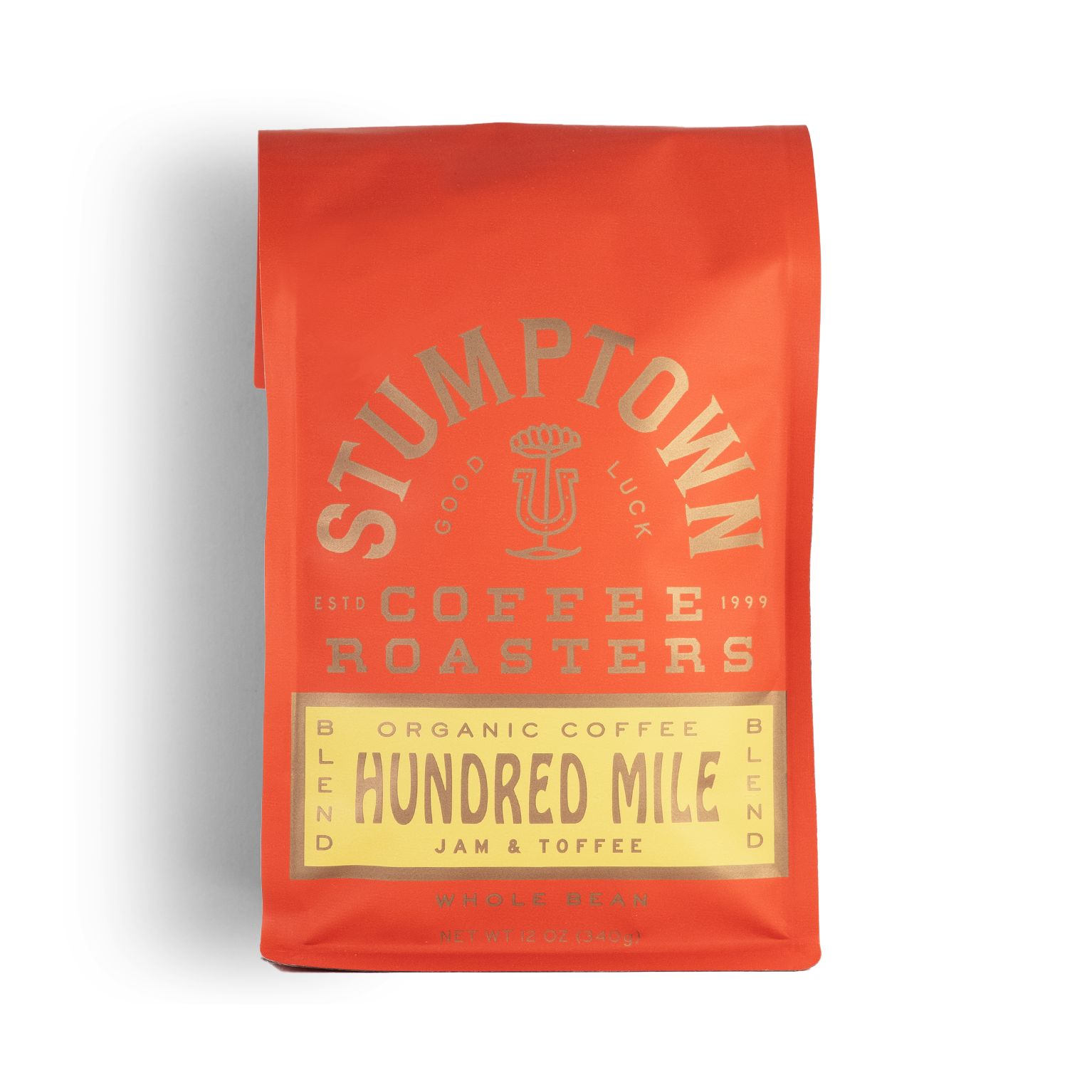
Hundred Mile deserves a small-bag trial when an organic daily coffee must work in drip and espresso with different starts. Stumptown documents a changing multi-origin blend and calls out apple jam, toffee and chocolate. Those are roaster targets, not a Coffeedant taste result; independent and owner opinions on older bags conflict, so judge the delivered date and your own primary brewer before bulk buying.
Updated · Check current US whole-bean price at November 9, 2026
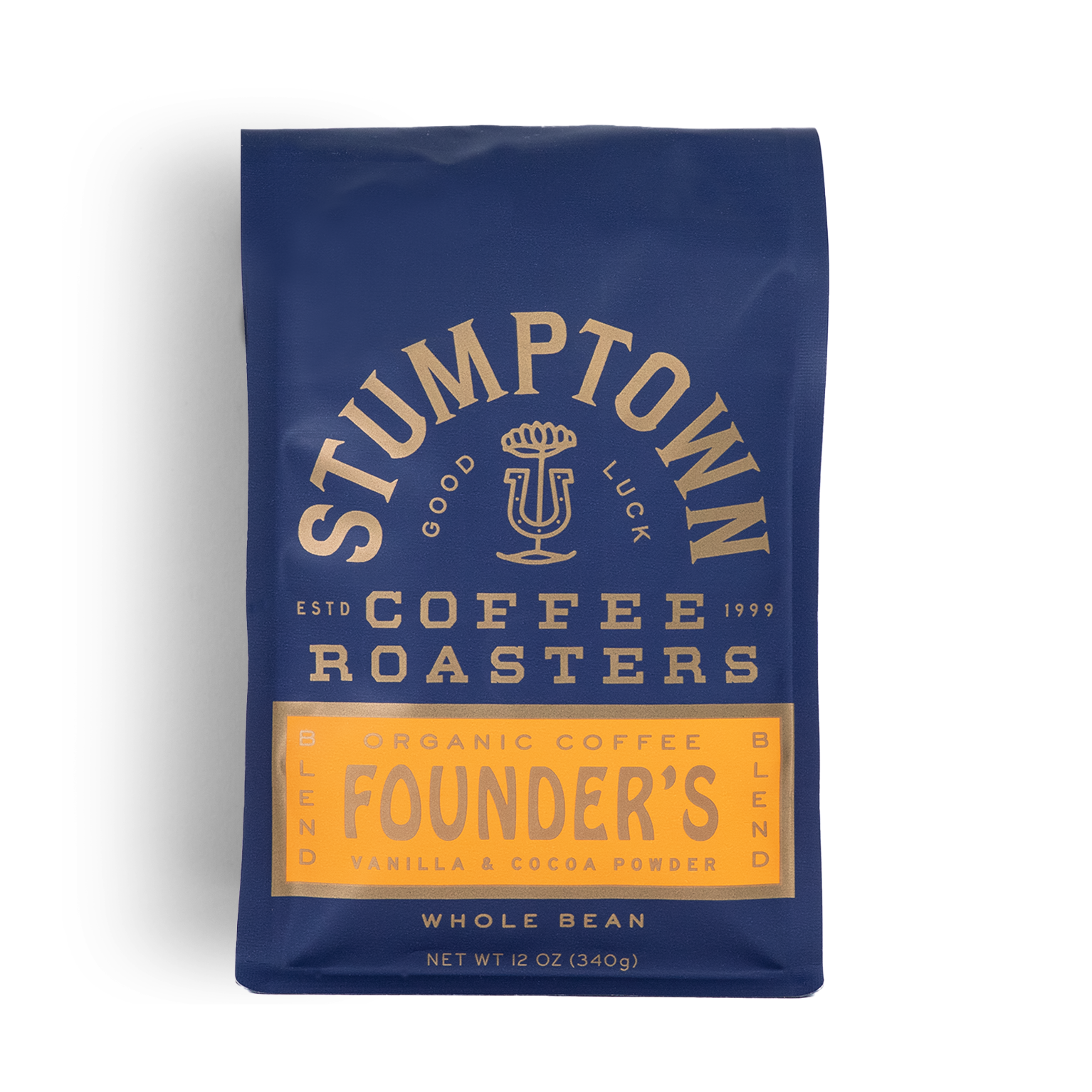
Founder's Blend is an organic chocolate-led daily-coffee candidate for drip, press and AeroPress. Stumptown's product detail calls it dark while its signature-blend collection calls it medium, and a 2026 independent sample is only one bag. Treat the roaster's vanilla, cocoa and honey words as a flavor direction, check the actual roast label, and start with a manageable whole-bean pack.
Updated · Check current US whole-bean price at November 9, 2026
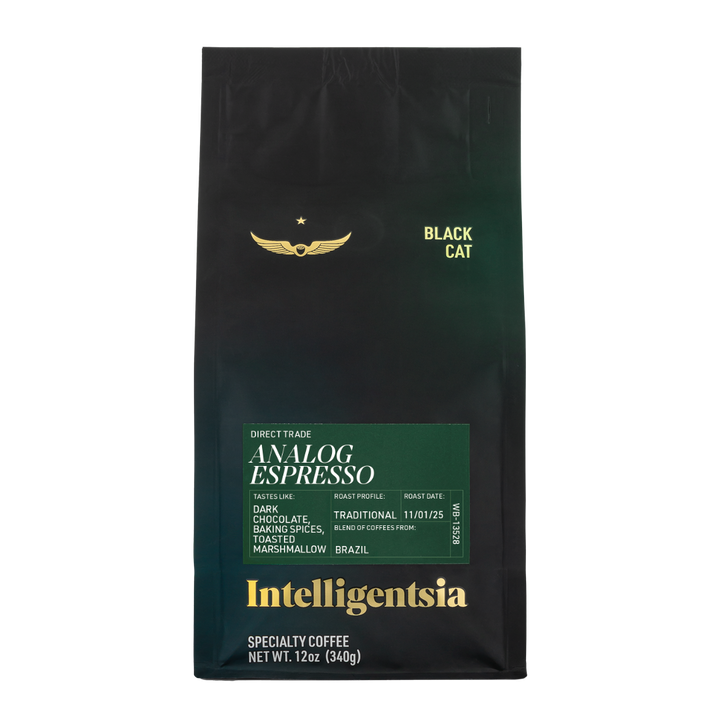
Choose Analog over Black Cat Classic when you want Intelligentsia's more traditional, chocolate-led espresso brief and make milk drinks regularly. The current record names semi-washed Brazilian coffee and a 2.5:1 starting recipe. An independent 2019 bag tasting supports the chocolate direction, but it cannot establish the taste of a current shipment; check the received roast date and try a small whole-bean bag first.
Updated · Check current US whole-bean price at November 10, 2026
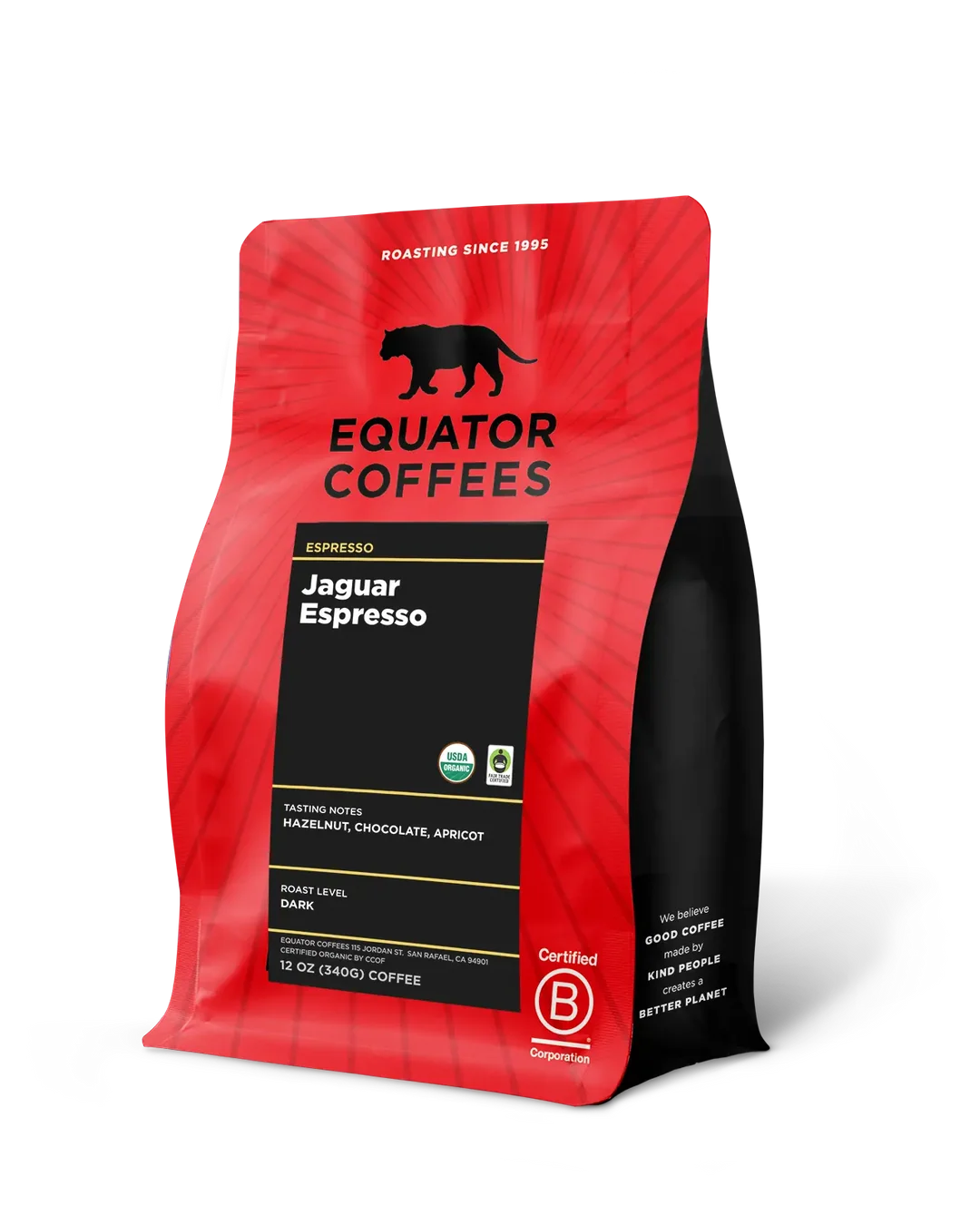
Jaguar is a useful small-bag trial if you want a dark espresso that Equator expressly builds for both straight shots and milk. Its current page names two Honduran components and a wet-hulled Sumatran component, giving unusually concrete blend context. The chocolate, spice, apricot and hazelnut notes belong to Equator; older independent and owner opinions do not prove the result of your next bag.
Updated · Check current US whole-bean price at November 10, 2026
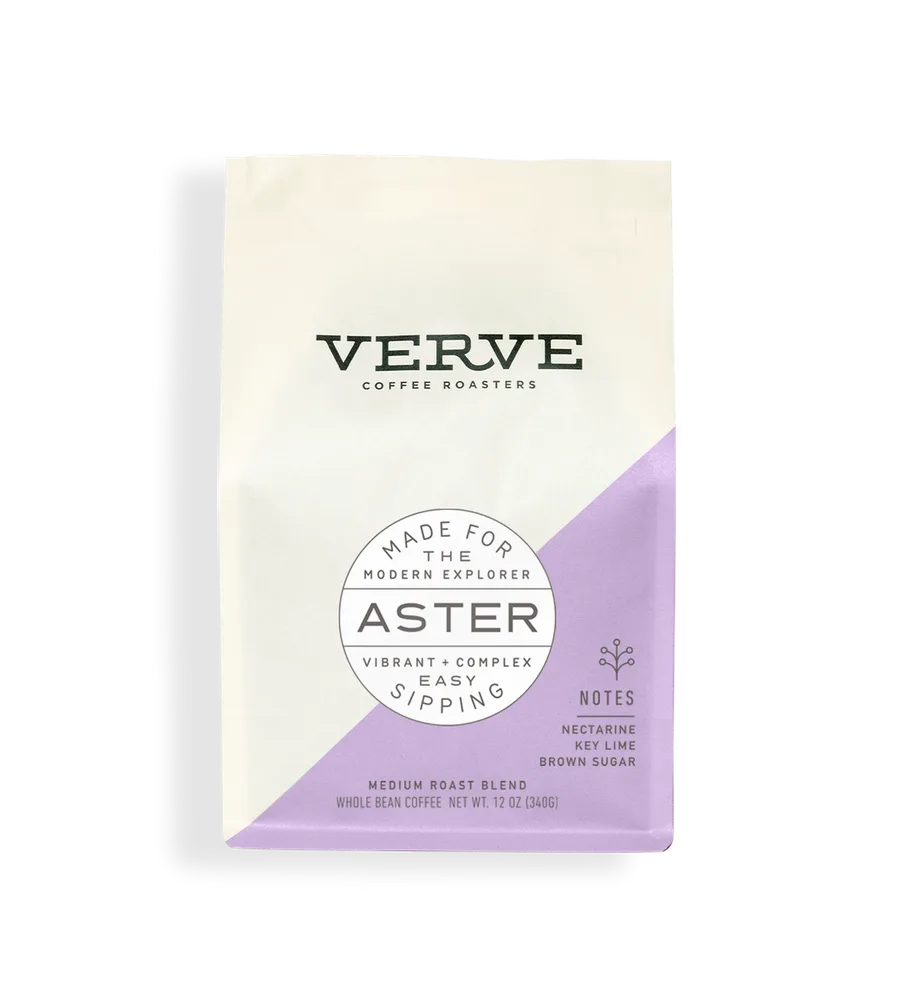
Aster is the Verve blend to trial if you want an Ethiopian fruit-and-sugar brief with published starts for both concentrated espresso and filter. Verve says it blends coffee from one origin roasted two ways; that is not the same as one fixed single-origin lot. Nectarine, key lime and brown sugar are roaster notes. Owner enthusiasm is limited and older, so a dated small bag is the sensible first purchase.
Updated · Check current US whole-bean price at November 10, 2026
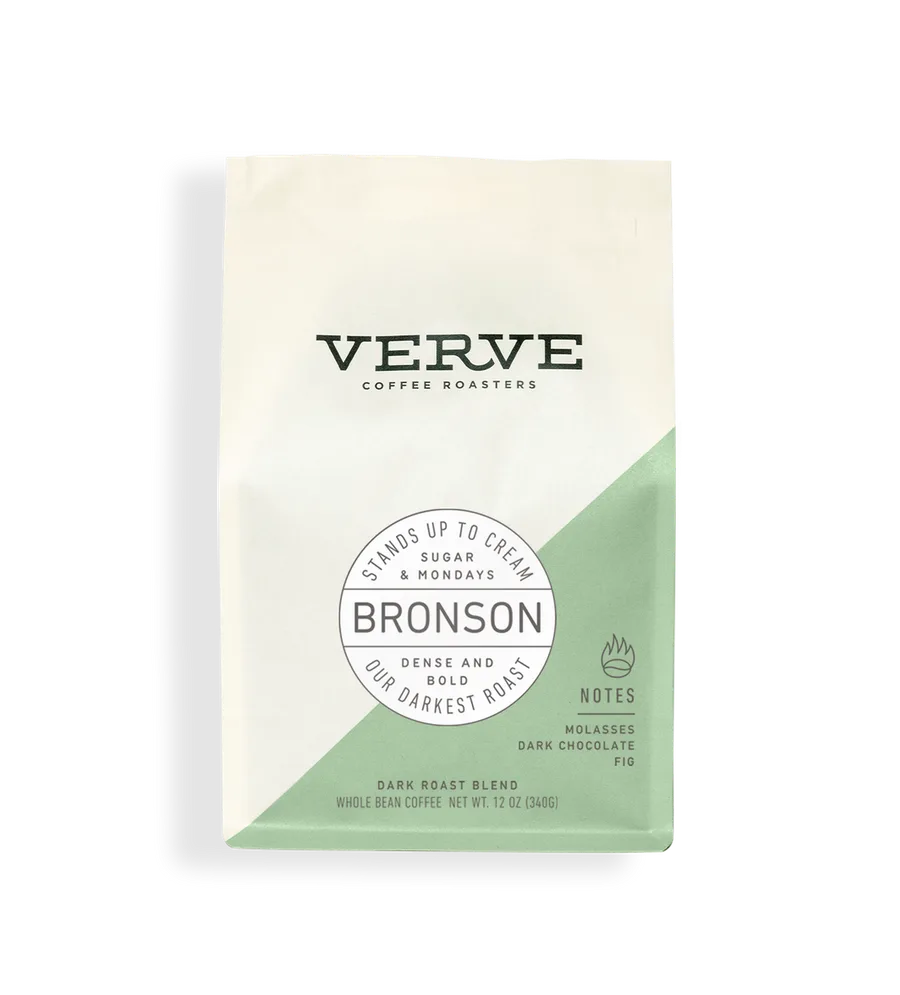
Bronson is the Verve option to try when a dark cup with cream or sugar is the actual goal. The current page calls it the roaster's darkest blend, lists Colombia and Central America, and publishes Dwell, French press and Chemex starts. It does not publish a Bronson-specific espresso recipe, so its dark roast alone is not evidence of espresso behavior. A few older owner comments cannot predict a new bag.
Updated · Check current US whole-bean price at November 10, 2026
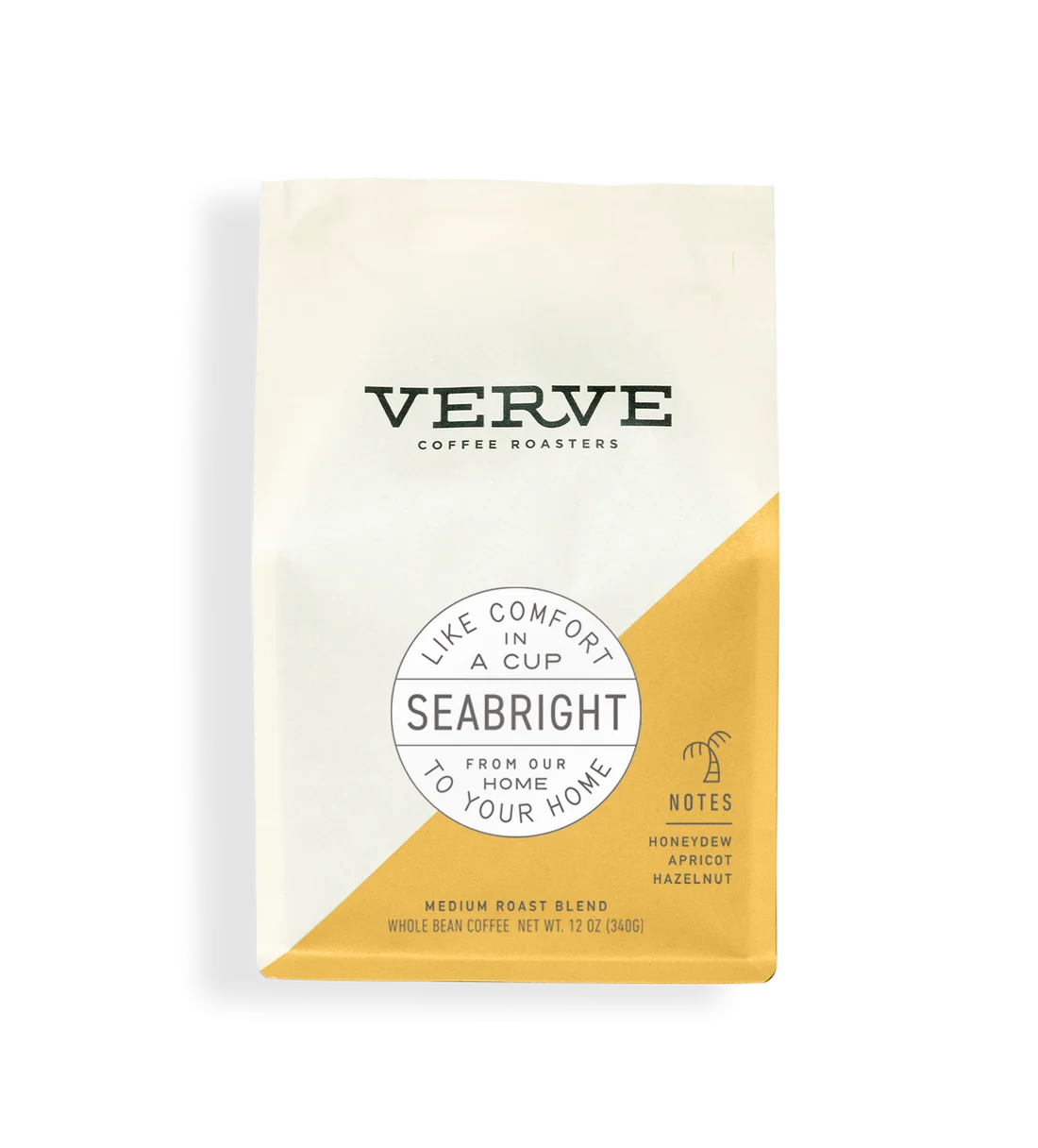
Seabright makes sense as a medium daily filter trial for a household that likes a softer fruit-and-hazelnut brief. Verve names El Salvador and Guatemala and provides Dwell, AeroPress and coffee-maker starts. It does not publish a Seabright-specific espresso recipe in the checked record. Individual owners have liked it, but those accounts cannot promise what a current bag or grocery-shelf pack will deliver.
Updated · Check current US whole-bean price at November 10, 2026
Dipsea is a sensible small-bag trial for a home espresso drinker who wants Equator's medium-roast chocolate-and-baking-spice brief, often adds milk, and values a published 18 g to 39.6 g first shot. The current three-origin component record gives more clarity than a generic espresso label, but it is a changing roasted product: the roaster's flavor notes and older owner impressions cannot predict your delivered bag.
Updated · Check current US whole-bean price at November 11, 2026
Eclipse is the clearest Onyx trial when the usual drink needs a deliberately developed, roast-led coffee rather than Geometry's brighter café espresso or Monarch's fruit-rich dark blend. Onyx's current page names washed Colombian Caturra and publishes both a 20 g to 47 g espresso start and a French-press recipe, but it also says the origin rotates. A small dated bag is more useful than treating today's component record or other owners' bitterness preference as permanent.
Updated · Check current US whole-bean price at November 11, 2026
Homestead is a small-bag trial for a buyer who wants Stumptown's lightest blend direction in daily drip or press, with chocolate and candied fruit in the roaster's brief. The current page identifies rotating Latin American and East African components but does not fix farms, varieties or proportions. Use the published filter method and the actual roast date rather than assuming an older owner's espresso result will transfer to your machine.
Updated · Check current US whole-bean price at November 11, 2026
Organic Black Cat is the Black Cat trial for a buyer who wants certified organic espresso with a black-cherry, cacao and spice brief rather than Analog's darker milk-oriented chocolate direction. The current official record names washed Ethiopian and Guatemalan components and an 18 g to 45 g espresso start. Older indexed records and owner accounts describe different bags, so the actual current package date and component panel matter more than a family-name assumption.
Updated · Check current US whole-bean price at November 11, 2026
Mocha Java is the Equator bag to trial when a medium coffee should bring some berry and earthy depth to filter or press, and may also be served with milk. The current roaster page documents three origins and three processes plus separate Chemex and press starts. It offers espresso grind but no product-specific portafilter recipe. Choose a dated small whole-bean bag and judge your actual drink before ordering bulk.
Updated · Check current US whole-bean price at November 11, 2026
Power Nap is a useful ready-blended half-caf when a household wants one repeatable bag for filter and occasional espresso. Onyx names a 50/50 washed Ethiopia and sugarcane-process decaf Colombia composition and publishes both Kalita and espresso starts. Its brown-sugar, cocoa, peach and floral notes are Onyx's sensory brief, not Coffeedant tasting. The page also reports a sample caffeine figure that should not be turned into a personal sleep or health guarantee. Begin with the smallest practical whole-bean pack, verify its roast date and judge the cup and caffeine fit for yourself.
Updated · Check the current US whole-bean checkout total at November 12, 2026
Verve's 2026 Holiday Blend is a focused seasonal trial for a buyer who wants a light, fruit-accented filter cup and may also make espresso. Its current record names washed Guatemala Antigua and natural Ethiopia Guji, with a 25:375 Dwell start. Fellow independently tasted a current sample and published separate pour-over and espresso recipes. Orange zest, candied chestnut and pine are attributed tasting words, not Coffeedant results. Buy a dated 12 oz whole-bean bag first; neither an earlier Holiday Blend nor a bulk size proves this season's cup will suit you.
Updated · Check current US Holiday Blend whole-bean checkout total at November 12, 2026
The 2026 Aponte Village Honey is a good small-bag trial for a buyer who wants a fruit-forward Colombian coffee with a documented red-honey process and separate filter and espresso starts. Onyx describes an Inga community field blend from Nariño and gives an Origami/Kalita 25:400 brew plus a 20:48 espresso target. Honeycrisp apple, cherry, vanilla and papaya are roaster notes; Coffeedant has not tasted the bag. Fellow's 2026 Advent guide independently supplies a smaller Stagg X start. The current page has contradictory caffeine metadata, so no caffeine claim is made. Check the exact 2026 whole-bean listing and delivered pack before ordering bulk.
Updated · Check the current US whole-bean checkout total at November 12, 2026
Onyx Cold Brew is a purpose-roasted, expressive-dark whole-bean option for a household that regularly steeps or cold-drips coffee and likes a cocoa-and-date brief. The current roaster page gives a Toddy gallon start, while its Colombia/Caturra/washed summary conflicts with a story describing a rotating washed Ethiopia and Colombia blend. Treat the exact origin mix as unconfirmed for a future bag. Onyx's 0 mg caffeine module also conflicts with a regular coffee listing, so this is not a decaf recommendation. Coffeedant has not brewed or tasted it. Buy a practical size, inspect its roast date and judge the actual cold cup before bulk.
Updated · Check current US whole-bean size and delivered total at November 12, 2026
Onyx Decaf Colombia Inzá San Antonio suits a decaf drinker who wants a named Colombian regional lot, an EA sugarcane process and a fruit-and-sugar roaster brief for filter or espresso. Onyx provides both Kalita and espresso starts, and an independent reviewer reports a pleasing pour-over cup. One recent owner found it too assertive in a sweetened iced latte. The page still displays a February 2024 harvest field, so do not infer that today's bag is that exact crop. Coffeedant has not bought, brewed or tasted it. Confirm the current roast and lot, then try a small bag before committing to a recurring order.
Updated · Check current US whole-bean size and delivered total at November 12, 2026
Three checks before a larger bag
01
Exact coffee
A year-round name can contain changing lots. Check the roaster’s current component record and the bag’s roast date.
02
Your brew
Filter ratios do not transfer directly to espresso. Choose a coffee and grinder you can dial in on your actual equipment.
03
Freshness budget
A low per-ounce price matters only if you finish the bag while you still enjoy its flavor.
Compare exact roaster dose and yield guidance for a chocolate-led milk drink, a darker berry-and-molasses shot, and a lighter washed-coffee experiment. Read the espresso recipe guide.
New buying guide · November 10, 2026
Fruit-forward beans for straight espresso
Compare mixed berry and plum, washed-coffee fruit and tea, and blueberry beside cocoa in three exact whole-bean blends. Read the fruit-forward espresso guide.
New buying guide · November 9, 2026
Chocolate-forward beans for straight espresso
Choose milk chocolate and fruit, dark chocolate and berries, or baking chocolate and orange in three exact US whole-bean coffees. Read the chocolate-forward espresso guide.
New buying guide · November 4, 2026
Whole beans for an automatic-drip carafe
Compare three roaster-documented whole beans for a nutty daily pot, a brighter medium pot and a darker cup with cream. Read the automatic-drip bean guide.
New buying guide · November 2, 2026
Moka-pot beans by cup style
Compare chocolate-orange and earthy-spice whole beans for a repeatable stovetop cup, with clear limits on product-specific brew evidence. Read the moka-pot bean guide.
New buying guide · October 30, 2026
AeroPress beans by cup style
Compare a fruit-led black cup, chocolate-fruit daily cup and iced stronger brew using roaster methods and explicit evidence limits. Read the AeroPress bean guide.
New buying guide · October 29, 2026
Pour-over beans by flavor direction
Compare a floral, rounded-fruit and darker chocolate whole bean using current roaster filter evidence and practical reasons to skip each. Read the pour-over buying guide.
New buying guide · October 22, 2026
Beans for the cold-brew cup you make
Compare a fruit-led black cup with a darker milk-friendly concentrate, and see which purpose-built bags were sold out at this check. Read the cold-brew bean guide.
New buying guide · October 16, 2026
Beans for the milk drink you make
Compare four exact whole-bean coffees for a large latte, bright cappuccino, coffee with cream and decaf milk drink. Read the milk-drinks buying guide.
New buying guide · October 21, 2026
Beans for the French press cup you make
Compare four exact whole-bean coffees for dark press with milk, medium fruit, cream-friendly filter and decaf. Read the French press bean guide.
Buying guide · October 15, 2026
Decaf for the way you brew
Compare five exact whole-bean decafs by espresso, drip, mixed-method and milk-drink use, with named processing and dated US prices. Read the decaf buying guide.
Analytics preferences
May we use Google Analytics cookies to understand which pages are useful?
Analytics is on. We use Google Analytics cookies to understand which pages are useful. You can turn analytics off below.
You can change your choice using Cookie preferences in the footer. Privacy policy
Your browser requests no optional tracking. Analytics will stay off while that setting is enabled.