
Buyer decision
Choose the cup before the roast label
This US whole-bean shortlist addresses a six-cup stovetop moka pot, where the basket, heat and grind make a concentrated cup. We looked for a currently identifiable coffee with a Coffeedant full review, an attributable roaster flavor description and a reasoned connection to moka brewing. We excluded capsule, preground and uncertain bag identities. Neither roaster has published a controlled head-to-head test of these two coffees in the same moka pot. [1] [2] [3] [4]
Blue Bottle’s method is specific to a six-cup moka pot but general to its coffees. Peet’s says dark roast works with a moka pot, while its Major Dickason’s product page recommends French press and pour-over. That difference matters: the picks are flavor-direction starting points, not proven winners. Coffeedant has not bought, brewed or tasted either bag. [1] [3] [4]
If you actually want espresso from a machine, use our espresso-bean guide. A moka pot uses a different brewer and its cup should not inherit an espresso shot recipe or sensory claim. The same whole bean can be tried in both, but you will need a separate grind setting and a separate judgment.
Buyer decision
Hold the moka-pot method steady
For a six-cup pot, Blue Bottle gives a 20–22 g coffee starting dose and about 345 g water to the safety valve. It calls for a grind finer than pour-over but coarser than espresso, roughly granulated sugar. Level the basket without tamping, keep grounds off the rim, and use medium heat. Its guide says to remove the pot when hissing or gurgling signals the finish. These are Blue Bottle’s published instructions, not measured results from our kitchen. [1]
The safety valve, basket capacity and heat source on your actual pot control the setup. Do not copy the six-cup weights into a smaller pot or fill above its valve. Follow the pot maker’s instructions where they differ, especially for induction compatibility and cleaning. Use the same dose, water level, grind and heat for your first comparison; otherwise a change in technique can masquerade as a bean preference.
If the finished cup is harsh, first check whether the burner kept heating after the pot began sputtering or whether the grind is too fine. If it is thin, check basket fill and grind before declaring a bean unsuitable. Those are diagnostic experiments, not a promise that one adjustment fixes every coffee. Record what you changed and taste again.
Two cup directions
Quick comparison
| Coffee | Best for | Roaster flavor brief | Skip if |
|---|---|---|---|
| Blue Bottle Coffee Hayes Valley Espresso | Chocolate and orange, with or without milk | Baking chocolate, orange zest and brown sugar — Blue Bottle’s notes | You dislike citrus accents or want a lighter, delicate filter-style cup. |
| Peet's Coffee Major Dickason's | Earthy, roast-forward stovetop coffee | Earth, spice and everything — Peet’s profile icons | You want roaster-verified moka-pot parameters for this exact blend or a bright fruit-led cup. |
Reasons to choose
Two first-bag picks
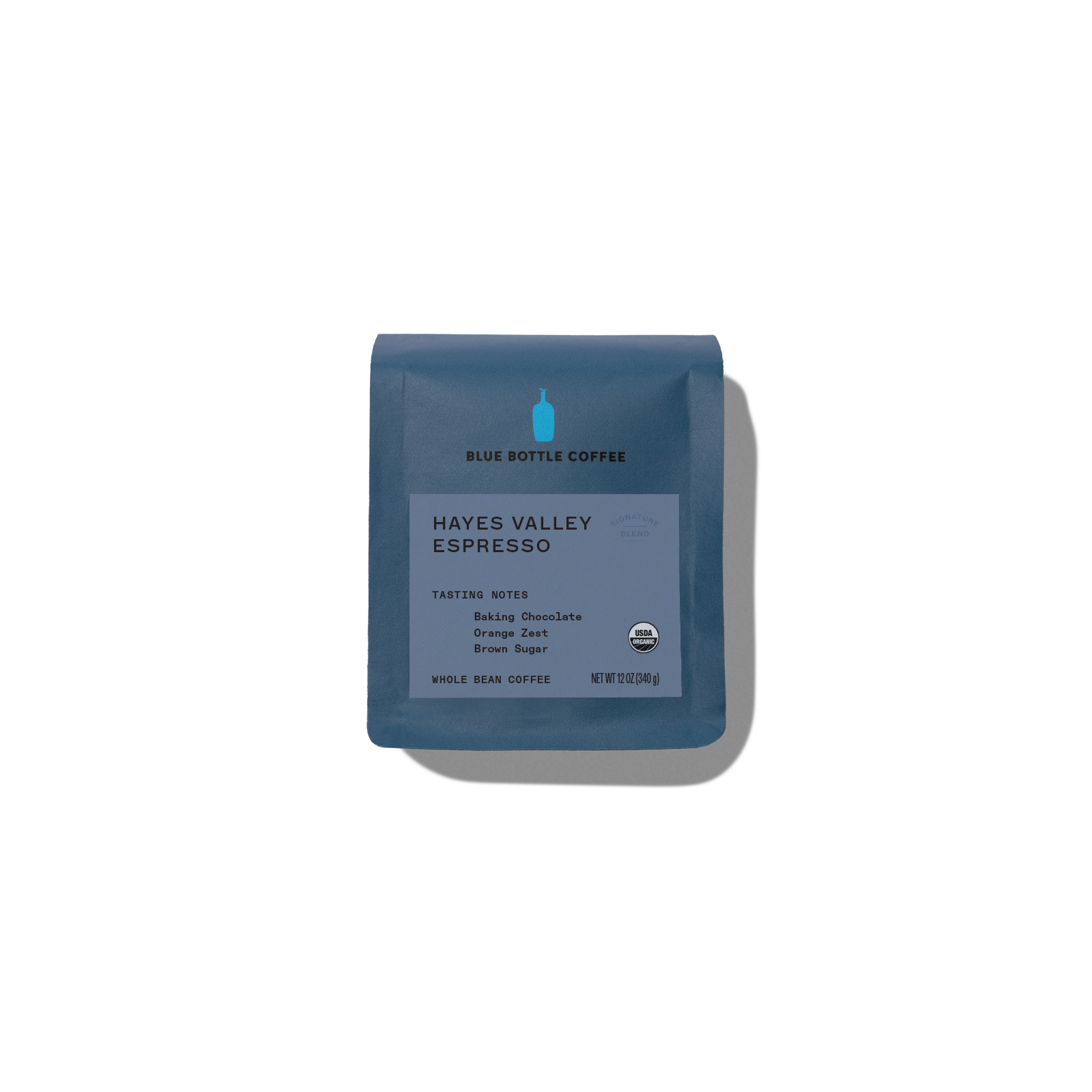
Chocolate and orange, with or without milk
Blue Bottle Coffee Hayes Valley Espresso
Why: Blue Bottle offers both the current dark-roast Hayes Valley identity and a separate six-cup moka-pot method. The thick, chocolate-led brief is a reasonable starting fit for a concentrated stovetop cup.
Tradeoff: The moka-pot guide is a general Blue Bottle method, not a product-specific Hayes Valley comparison or tasting.
Skip if: You dislike citrus accents or want a lighter, delicate filter-style cup.
Image: Blue Bottle Coffee. Blue Bottle Coffee US product imagery; packaging identifies the blend, not the delivered roast date.
Read the full review →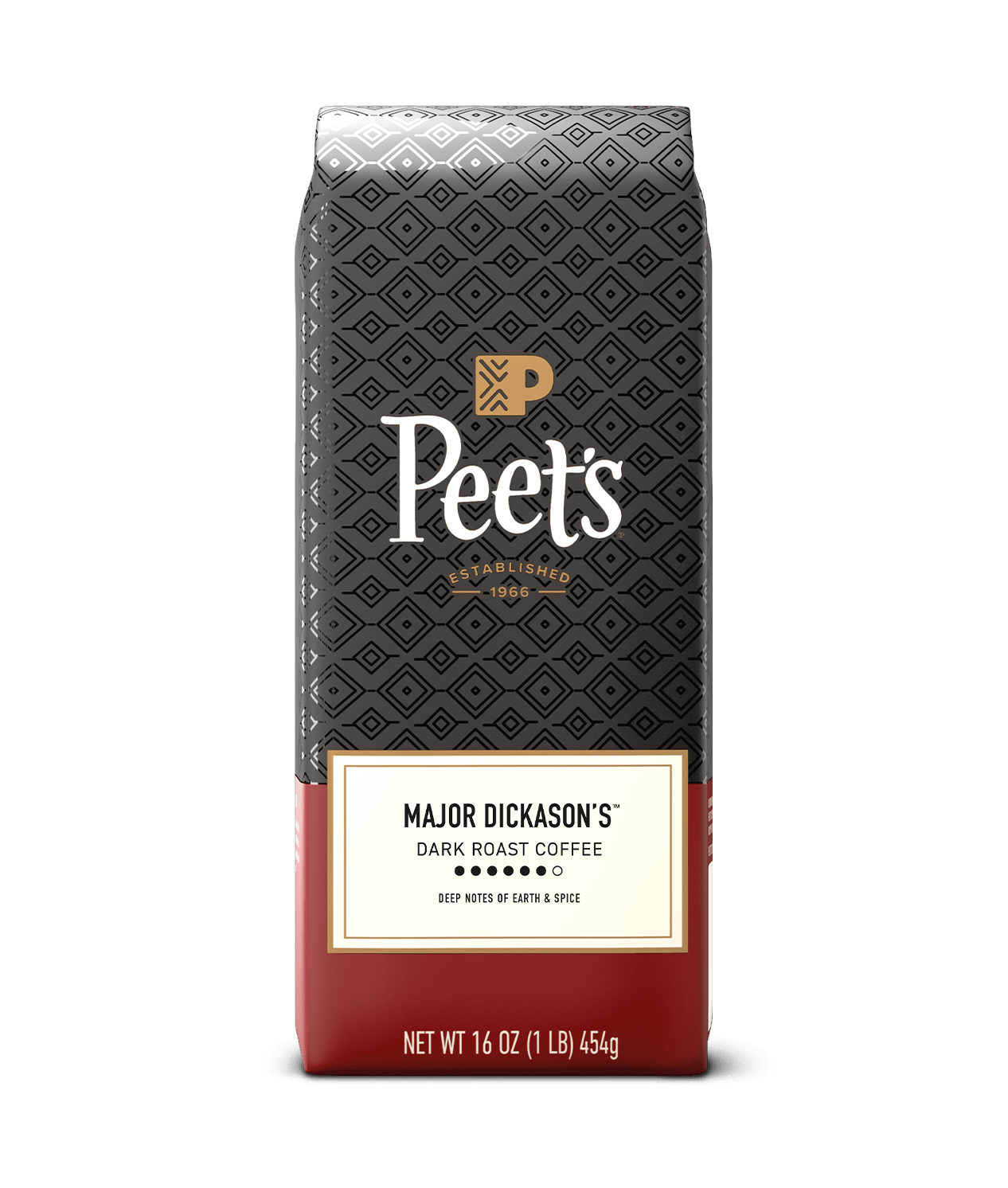
Earthy, roast-forward stovetop coffee
Peet's Coffee Major Dickason's
Why: Peet’s identifies the exact whole-bean dark roast and separately names moka pot as a suitable way to explore dark-roast depth. Pick it when roast and earthy spice matter more than a citrus brief.
Tradeoff: Peet’s moka-pot advice covers dark roasts generally; the product page recommends French press and pour-over, so this is an inferred fit rather than a Major Dickason’s-specific moka recipe.
Skip if: You want roaster-verified moka-pot parameters for this exact blend or a bright fruit-led cup.
Image: Peet's Coffee. Peet's official product photograph, used for exact-coffee identification; not a Coffeedant tasting photograph.
Read the full review →Compare the evidence
Detailed comparison
| Factor | Hayes Valley Espresso | Major Dickason's |
|---|---|---|
| Cup direction | Chocolate and orange, with or without milk | Earthy, roast-forward stovetop coffee |
| Roaster notes | Baking chocolate, orange zest and brown sugar — Blue Bottle’s notes | Earth, spice and everything — Peet’s profile icons |
| Method evidence | Blue Bottle general six-cup moka-pot guide | Peet’s general dark-roast moka-pot guidance |
| Main limit | The moka-pot guide is a general Blue Bottle method, not a product-specific Hayes Valley comparison or tasting. | Peet’s moka-pot advice covers dark roasts generally; the product page recommends French press and pour-over, so this is an inferred fit rather than a Major Dickason’s-specific moka recipe. |
| US checkout | Verify whole-bean size, roast date, stock, shipping and tax | Verify whole-bean size, roast date, stock, shipping and tax |
Use the evidence
Buy a bag you can use fresh
Both picks are named US whole-bean coffees. A product listing does not verify the roast date, shipping condition or remaining stock of the bag that arrives. Check the selected format, package size, delivery estimate, shipping and tax in the live US cart. This guide does not compare prices or claim a current discount. [2] [3]
Buy a modest bag first if you are testing a new cup direction. Keep it sealed in a cool, dry place and grind just before brewing. The roaster’s notes describe its intended profile; changes in component lots, roast date, water and preparation can alter your result. Avoid treating a general roast category as a guaranteed tasting note.
Use the evidence
What to choose when these briefs miss
For a citrus-and-chocolate direction, begin with Hayes Valley; Blue Bottle’s product page calls it a dark roast designed for thick, sweet espresso, and its separate moka guide supplies a reproducible brewer starting point. That combination supports a trial, not a claim that it outperforms another bean in a moka pot. [1] [2]
For an earthy, darker profile, begin with Major Dickason’s. Peet’s dark-roast article supports the method family, but offers no recipe for this exact blend. If you prefer a cleaner, more delicate black cup, a pour-over and its own bean shortlist may be a better first decision. If caffeine is the constraint, use our separate decaf guide and confirm the exact decaf bag; neither pick here is decaf. [3] [4]
Evidence and limits
How this guide was made
We checked exact US whole-bean identities, current roaster descriptions, published moka-pot advice and our linked full reviews. We selected two contrasting flavor briefs, not a sensory winner. Coffeedant did not brew, taste, measure extraction or verify a delivered bag.
Blue Bottle’s six-cup method is general to its coffees. Peet’s moka suggestion is general to dark roast. Neither is a controlled product-specific comparison. No price, discount, stock guarantee or owner reliability claim is inferred.
Quick answers
Moka-pot bean FAQ
Do moka pots make espresso?
They make concentrated stovetop coffee. Blue Bottle describes an espresso-style cup, but its moka-pot method is distinct from an espresso-machine shot.
Which pick has a product-specific moka-pot recipe?
Neither. Blue Bottle publishes a general six-cup moka-pot method; Peet’s recommends moka pot for dark roasts generally.
Should I use an espresso-fine grind?
Blue Bottle says finer than pour-over but not as fine as espresso for its six-cup method. Adjust to your own pot and grinder.
Should I tamp the moka basket?
No. Blue Bottle’s guide says to level the coffee gently and not tamp it.
Can I use these beans with milk?
You can try either cup with milk. Hayes Valley has a chocolate-and-orange roaster brief; Major Dickason’s has an earthy, roast-forward brief. Coffeedant has not tasted either preparation.
Did Coffeedant test or rank these cups?
No. These are research-led first-bag choices based on exact current product identities, roaster notes and published brew guidance.
Attributable evidence
Sources checked November 2, 2026
- Blue Bottle moka-pot brew guide ↗
Six-cup method: 20–22 g coffee, water to the safety valve, fine but not espresso-fine grind; no tamping. Checked November 2, 2026.
- Blue Bottle Hayes Valley Espresso ↗
US dark-roast identity and roaster-attributed baking chocolate, orange zest and brown sugar notes. Checked November 2, 2026.
- Peet’s Major Dickason’s ↗
US whole-bean dark-roast identity and earthy/spice flavor profile. Checked November 2, 2026.
- Peet’s light- versus dark-roast guide ↗
General recommendation of moka pot among methods for dark roasts; not a product-specific recipe. Checked November 2, 2026.
Your first bag
Pick a flavor brief, then repeat a safe brew
Use the roaster’s notes to choose a starting bag. Follow your pot’s instructions, hold the method steady, and let your own fresh-bag cup decide the next purchase.
Explore all bean reviews →